- English
- French
- German
- Portuguese
- Spanish
- Russian
- Japanese
- Korean
- Arabic
- Greek
- German
- Turkish
- Italian
- Danish
- Romanian
- Indonesian
- Czech
- Afrikaans
- Swedish
- Polish
- Basque
- Catalan
- Esperanto
- Hindi
- Lao
- Albanian
- Amharic
- Armenian
- Azerbaijani
- Belarusian
- Bengali
- Bosnian
- Bulgarian
- Cebuano
- Chichewa
- Corsican
- Croatian
- Dutch
- Estonian
- Filipino
- Finnish
- Frisian
- Galician
- Georgian
- Gujarati
- Haitian
- Hausa
- Hawaiian
- Hebrew
- Hmong
- Hungarian
- Icelandic
- Igbo
- Javanese
- Kannada
- Kazakh
- Khmer
- Kurdish
- Kyrgyz
- Latin
- Latvian
- Lithuanian
- Luxembou..
- Macedonian
- Malagasy
- Malay
- Malayalam
- Maltese
- Maori
- Marathi
- Mongolian
- Burmese
- Nepali
- Norwegian
- Pashto
- Persian
- Punjabi
- Serbian
- Sesotho
- Sinhala
- Slovak
- Slovenian
- Somali
- Samoan
- Scots Gaelic
- Shona
- Sindhi
- Sundanese
- Swahili
- Tajik
- Tamil
- Telugu
- Thai
- Ukrainian
- Urdu
- Uzbek
- Vietnamese
- Welsh
- Xhosa
- Yiddish
- Yoruba
- Zulu
ESP32 P4 display module Buying Guide for OEM and ODM Buyers
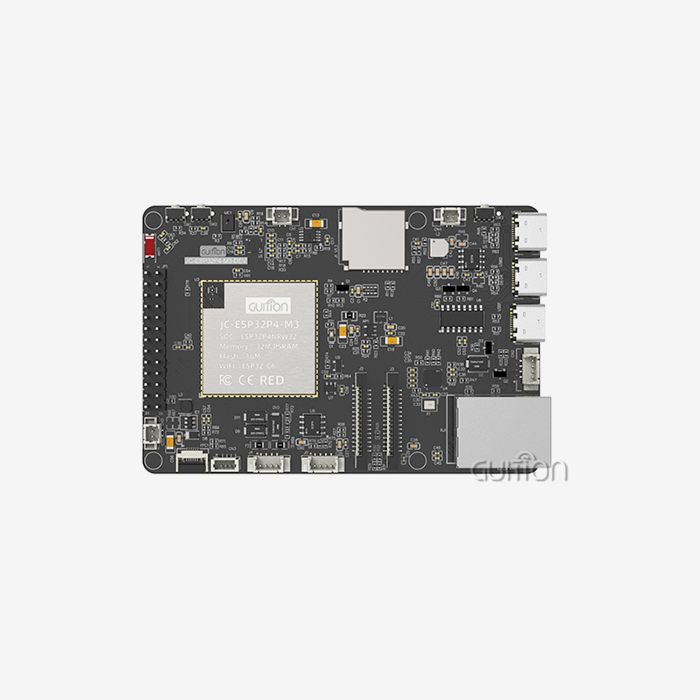
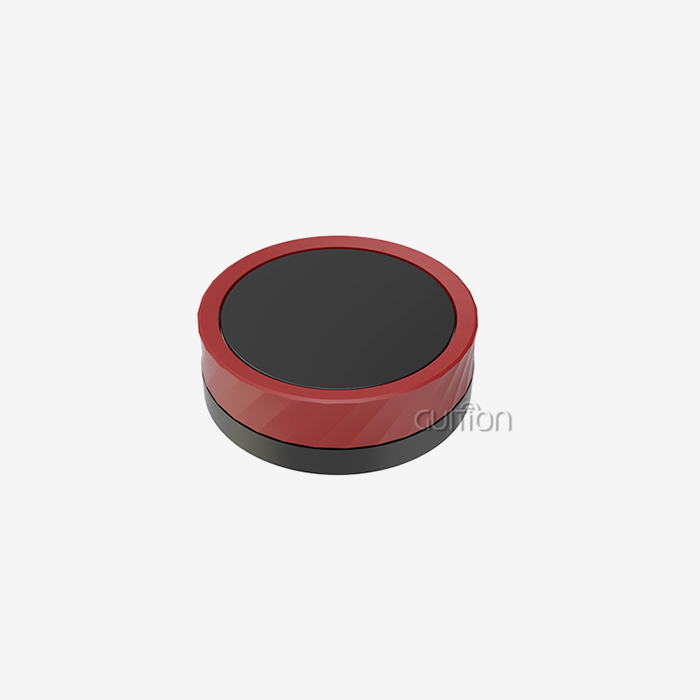
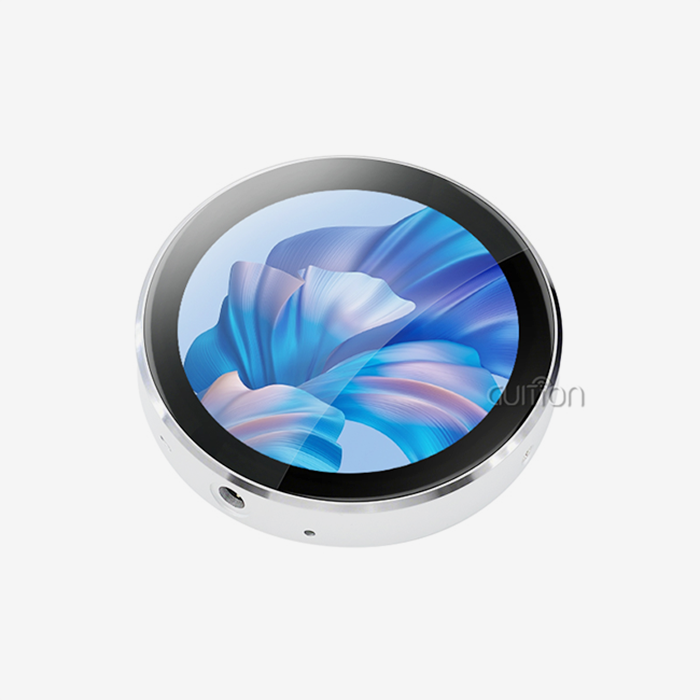
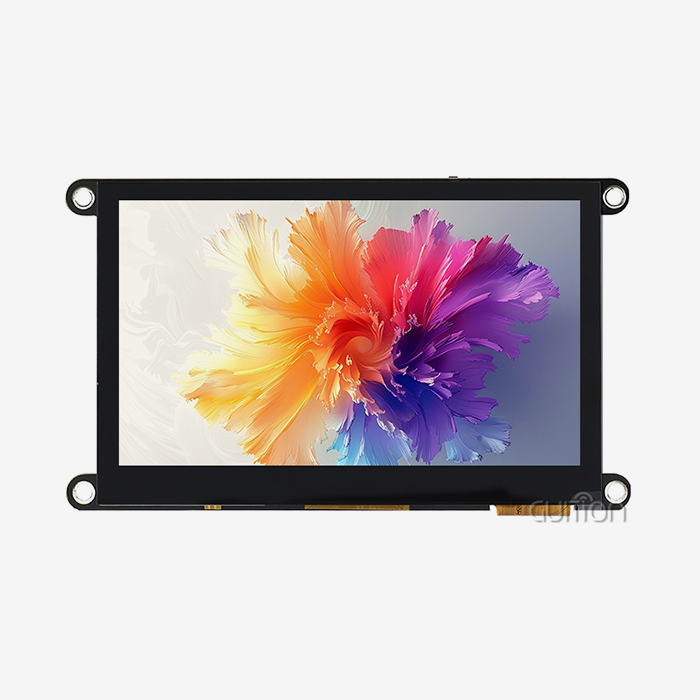
If you are sourcing an ESP32 P4 display module for OEM or ODM production, this guide is written for you. The GUITION model JC-ESP32P4-M3-C6 is built on the ESP32-P4 core with an integrated ESP32-C6, delivering Wi-Fi 6, Bluetooth 5, a 400MHz dual-core RISC-V processor, and up to 32MB PSRAM. It supports MIPI-CSI/DSI, H.264 encoding, USB OTG 2.0 HS, and rich HCI interfaces. Whether you manage industrial HMI panels, medical devices, or smart home systems, this module gives your team the processing power and connectivity to ship products faster and with fewer engineering hours.

Understanding the ESP32 P4 Display Module: Features and Technical Specifications
Your engineering team needs to know exactly what's inside any display module before they commit to using it on a large scale. The GUITION JC-ESP32P4-M3-C6 is one of the most powerful ESP32 P4 display modules that OEM and ODM buyers can get right now.
Core Processing Architecture
Its core is an ESP32-P4 chip that runs a dual-core HP RISC-V CPU at 400MHz with a single-precision FPU and AI extensions. It also has an LP RISC-V core at 40MHz for low-power background tasks. The built-in memory stack has 768KB of HP SRAM, and up to 32MB of additional PSRAM can be used. This setup can handle complex UI rendering, video processing, and sensor data all at the same time without slowing down.
Display Interface and Resolution Support
The module has a native MIPI-DSI output that can handle images of up to 1280x800 at 60 frames per second. Layer mixing, scaling, and movement are all taken care of by the hardware 2D Pixel Processing Accelerator, which doesn't put any stress on the CPU. Since this ESP32 P4 display module comes with both H.264 video encoding and JPEG hardware codecs, it works well in applications that need to mix live video with dashboard-style UI, like EV charging stations or medical monitors.
Connectivity, Interfaces, and Security
The built-in ESP32-C6 companion chip handles radio functions for Wi-Fi 6 and Bluetooth 5, while the P4 handles computing and showing jobs. It has MIPI-CSI with ISP, SPI, I2S, I2C, LED PWM, MCPWM, RMT, ADC, UART, TWAI, and USB OTG 2.0 HS as interfaces. The module has a digital signature device and a specialized key management unit for OEM buyers who care about security. It also supports Secure Boot and Flash Encryption. The size of the physical footprint is only 27x27x3.4mm, so it can fit into tight enclosure designs without any problems.
Comparing the ESP32 P4 Display Module with Other Popular Displays
It takes more than reading spec sheets to pick the right display technology for mass production. That being said, the ESP32 P4 display module is better than some other options that your buying team may already know about.
ESP32 P4 vs. SSD1306 and OLED Displays
For simple status signs, SSD1306 OLED units are cheap and use little power, but they can only display 128x64 black and white. They don't have a processor, a wifi radio, or a video codec built in. On the other hand, the ESP32 P4 display module manages 1280x800 full-color MIPI-DSI panels, H.264 video, and Wi-Fi 6 all at the same time. It's not possible for OLED screens to work well with OEM products that need a lot of user interface features.
ESP32 P4 vs. TFT Displays with External MCUs
When standard TFT displays are connected to an external MCU like an STM32 or an older ESP32-S3, they need extra wireless modules, software rendering, and video buffering code that is different from what the ESP32 P4 display module provides by default. Software-based rendering is what the S3 does for the most part, which slows down frame rates on screens bigger than 800x480. And the P4's built-in MIPI-DSI interface and dedicated 2D PPA get rid of that bottleneck without adding to the cost of the base unit.
ESP32 P4 vs. Nextion USART-HMI Displays
People like Nextion displays because they have a drag-and-drop UI designer and a UART interface that makes them easy to use for fast development. But they force you to use a proprietary scripting environment and don't give you many other development options. The GUITION JC-ESP32P4-M3-C6 works with Arduino, ESP-IDF, and the Guition UI development platform, so your engineers can do whatever they want. It also has open cross-platform testing, over-the-air (OTA) updates, and multi-language UTF-8 encoding that Nextion does not offer at the same price.These changes are important when you're making a lot of units. With the right ESP32 P4 display module, your bill of materials (BOM) goes down, integration time goes down, and long-term maintenance costs stay low.
How to Source and Purchase ESP32 P4 Display Modules for OEM and ODM Needs
How you buy things has a direct effect on how much they cost and how long you can get them. Before making large orders, these are the things that skilled R&D managers and product managers look at.
Supplier Verification and Certification
Only work with suppliers who can show proof of their certifications, make sure that product specs are the same from batch to batch, and have quality control processes that have been checked. The GUITION modules are put through 168+ hours of burn-in testing at 85°C and 85% humidity, as well as automated PSRAM read/write stress cycles and MIPI DSI signal integrity checks that are in line with IPC-A-610 standards. Before you talk about price, ask any possible ESP32 P4 display module suppliers what their test methods are.
Bulk Order Strategy and Logistics
For OEM and ODM buyers, volume pricing is based on the minimum order quantity, the length of the lead time, and the location of the warehouse. Ask for sample units before you start full production runs to make sure they will work with the tools you already have. To escape supply problems in the middle of a product cycle, make sure that stock is available for at least two generations ahead. Timelines for international shipping and customs paperwork should be talked over at the start, especially for medical and industrial buyers who have tight delivery deadlines.
Authenticity and After-Sales Risk Management
There are fake ESP32 devices on the aftermarket market. You can buy it directly from the maker or from a channel authorized by the maker. GUITION comes with full secondary development documentation, technical support contacts, and warranty terms that are easy to understand. These resources are your main defense against cost increases after the sale. A real, well-documented ESP32 P4 display module pays for itself in less time spent fixing bugs.
Integrating and Programming the ESP32 P4 Display Module: A Practical Guide
Your embedded engineers take over once the module has been approved by your procurement team. What they need to know is in this part.
Wiring and Hardware Setup
The JC-ESP32P4-M3-C6 doesn't need any adapter boards to connect straight to MIPI-DSI screens. It is easy to see how the UART, SPI, and I2C tools connect to the GPIO pins. Capacitive response times should be less than 10ms, even when the CPU is doing a lot of rendering work. This should be confirmed by touch panel linearity testing. For flashing and testing, USB OTG 2.0 HS lets you connect directly to a PC without using an extra USB-to-UART bridge.
Programming Environment and Supported Frameworks
This group can use ESP-IDF, Arduino, or the Guition platform to work. Engineers can add buttons, sliders, charts, and gages to the Guition UI tool with just one click using a drag-and-drop control builder. They can then place the controls visually without having to write layout code. For teams that don't know much about how LVGL works, this method cuts UI development time by a significant amount. With OTA remote upgrade support, units that have been deployed can get software changes without having to be accessed in the field. This makes after-sales costs much lower for big installs.
Real-World OEM Integration Scenarios
The module runs Modbus over UART and shows real-time sensor dashboards at 60 frames per second in industrial HMI deployments. When monitoring a medical patient, the LP core does background sensor checking while the HP core and display turn off between data to save power and prolong battery life. The MIPI-CSI camera interface with H.264 encoding is used by smart home central control panels to stream video intercom sessions and handle home automation commands. The module's balanced design between processing, display, and wireless connection makes it useful in all situations.
Supporting Your Purchase: Customer Service, User Reviews, and Brand Reliability
Technical capability alone does not justify a procurement decision for an ESP32 P4 display module. After-sales infrastructure matters equally for OEM and ODM buyers managing large product rollouts.
Official Technical Support and Documentation
GUITION provides detailed datasheets, schematic files, and SDK documentation for the JC-ESP32P4-M3-C6. Their team supports Arduino, ESP-IDF, and Guition platform development modes, reducing the onboarding time for engineers switching from other display platforms. Responsive pre-sale and post-sale technical support is available via david@guition.com.
User Feedback and Product Track Record
Buyers across industrial automation, smart appliance, and commercial kiosk sectors report consistent performance across production batches. The module's thermal stability from -40°C to +85°C makes it suitable for outdoor and factory-floor environments where lesser modules fail. This temperature resilience is verified, not estimated.
Warranty Terms and Long-Term Supply Reliability
GUITION covers a product line from 1.28" to 21.5" display sizes, reflecting a long-term product investment that benefits buyers building scalable product families. Clear return policies and defined warranty coverage reduce procurement risk. Partners who need multi-year supply continuity should discuss long-term purchase agreements directly with the GUITION team.
Conclusion
The GUITION JC-ESP32P4-M3-C6 is a well-specified ESP32 P4 display module that addresses real pain points for OEM and ODM buyers: fast UI development, flexible secondary customization, strong connectivity, hardware-accelerated display output, and built-in security. It outperforms SSD1306, TFT, and Nextion alternatives in processing headroom and development flexibility. For teams building industrial panels, medical monitors, smart home controllers, or commercial kiosks, this module covers the technical requirements across a wide range of deployment conditions. Sourcing directly from GUITION ensures documentation quality, supply reliability, and access to responsive technical support throughout your product lifecycle.
FAQ
Does the ESP32 P4 display module support Wi-Fi and Bluetooth natively?
The ESP32-P4 SoC doesn't have any built-in RF radios. The GUITION JC-ESP32P4-M3-C6 has an ESP32-C6 companion chip built in that handles Wi-Fi 6 and Bluetooth 5 connection via SPI/SDIO. The P4 handles computing and display jobs on its own.
What is the effective maximum resolution for smooth UI performance?
It can drive MIPI-DSI screens with resolutions of up to 1280x800 at 60 frames per second. Complex multi-layer LVGL interfaces work smoothly without frame drops when external PSRAM is used for frame buffering.
How does this module differ from ESP32-S3-based displays?
ESP-IDF is used by both, but the P4 has extra hardware for H.264 codec and a 2D Pixel Processing Accelerator. Software processing is what keeps frame rates above 800x480 on the S3.
Is OTA firmware upgrade supported for deployed units?
Yes. The GUITION platform allows remote over-the-air (OTA) changes, which let your team send firmware and user interface updates to devices in the field without having to physically reach them.
Where can OEM buyers request bulk pricing?
You can email GUITION at david@guition.com or go to https://jingcaizhineng.aixdb.cn/ to get a quote, look at datasheets, and talk to the procurement team about volume terms.
Ready to Order? Contact GUITION for Your ESP32 P4 Display Module Quote
The engineering and sales team at GUITION is ready to help you with your next OEM or ODM project. As a reliable ESP32 P4 display module manufacturer, we offer full documentation, responsive pre-sale consultation, and specifications that have been checked. Email your project needs and amount information to david@guition.com, or go to https://jingcaizhineng.aixdb.cn/ to get datasheets and ask for a quote on a large order right now.
References
1. Espressif Systems. ESP32-P4 Technical Reference Manual. Espressif Systems, 2024.
2. IPC Association. IPC-A-610 Acceptability of Electronic Assemblies. IPC, 2020.
3. Embedded Computing Design. RISC-V Processors in Industrial HMI Applications. Embedded Computing Design, 2023.
4. IEEE Spectrum. Wi-Fi 6 Deployment in IoT and Embedded Systems. IEEE, 2023.
5. Microcontroller Tips. Comparing Display Interface Standards: MIPI DSI vs. SPI vs. RGB Parallel. Microcontroller Tips, 2022.
6. Electronics Weekly. Security Architecture in Modern Embedded Modules: Secure Boot and Key Management. Electronics Weekly, 2023.
Learn about our latest products and discounts through SMS or email