- English
- French
- German
- Portuguese
- Spanish
- Russian
- Japanese
- Korean
- Arabic
- Greek
- German
- Turkish
- Italian
- Danish
- Romanian
- Indonesian
- Czech
- Afrikaans
- Swedish
- Polish
- Basque
- Catalan
- Esperanto
- Hindi
- Lao
- Albanian
- Amharic
- Armenian
- Azerbaijani
- Belarusian
- Bengali
- Bosnian
- Bulgarian
- Cebuano
- Chichewa
- Corsican
- Croatian
- Dutch
- Estonian
- Filipino
- Finnish
- Frisian
- Galician
- Georgian
- Gujarati
- Haitian
- Hausa
- Hawaiian
- Hebrew
- Hmong
- Hungarian
- Icelandic
- Igbo
- Javanese
- Kannada
- Kazakh
- Khmer
- Kurdish
- Kyrgyz
- Latin
- Latvian
- Lithuanian
- Luxembou..
- Macedonian
- Malagasy
- Malay
- Malayalam
- Maltese
- Maori
- Marathi
- Mongolian
- Burmese
- Nepali
- Norwegian
- Pashto
- Persian
- Punjabi
- Serbian
- Sesotho
- Sinhala
- Slovak
- Slovenian
- Somali
- Samoan
- Scots Gaelic
- Shona
- Sindhi
- Sundanese
- Swahili
- Tajik
- Tamil
- Telugu
- Thai
- Ukrainian
- Urdu
- Uzbek
- Vietnamese
- Welsh
- Xhosa
- Yiddish
- Yoruba
- Zulu
What Screen Specifications Matter Most in an NMminer display?
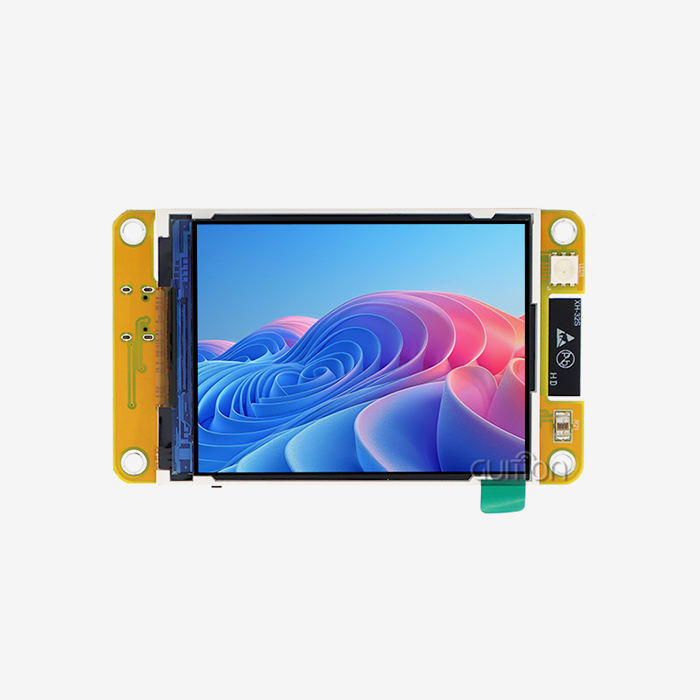
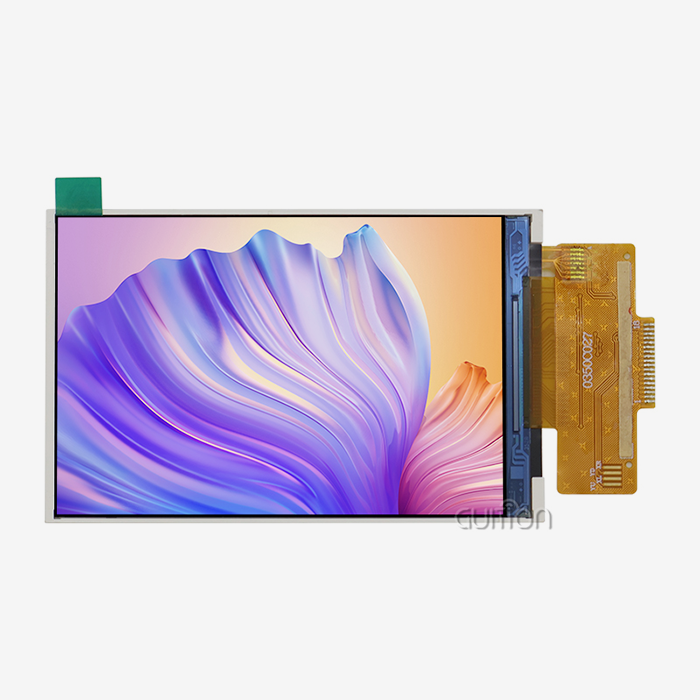
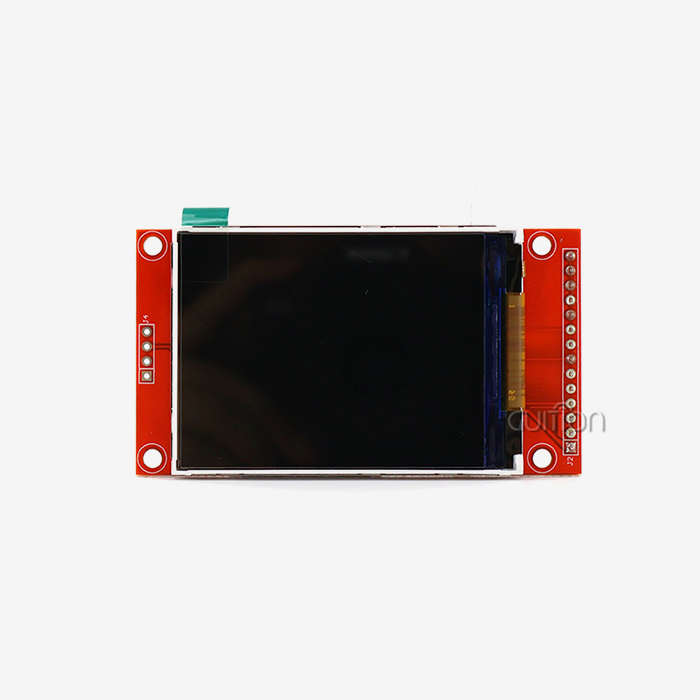
When engineers and procurement managers ask about NMminer display specifications, the answer covers five core areas: display resolution, brightness output, touch interface type, processing capability, and connectivity. The GUITION JC2432W328C NMminer display delivers a 240×320 resolution on a 2.8-inch capacitive touch panel, powered by an ESP32 dual-core processor running at 240MHz. With built-in Wi-Fi and Bluetooth, 4MB Flash, and support for Arduino IDE, ESP-IDF, MicroPython, and Guition software, this module addresses the full technical checklist for industrial HMI and mining equipment applications.

Understanding NMminer Display Technology
Shenzhen Jingcai Intelligent Co., Ltd. makes the GUITION JC2432W328C. This is a technology company that focuses on HMI display systems and USART-HMI modules. This NMminer display was made to work with cryptocurrency mining equipment and tough industrial settings that must be online 24 hours a day, seven days a week.
What Makes This Module Distinct
The module has an ESP32 dual-core MCU built in, which has 240MHz clock speed, 520KB SRAM, and 448KB ROM. These specs give enough processing power for real-time dashboard rendering, data logging, and wireless communication without slowing down due to overheating when the system is constantly being used.
Core Hardware Architecture
The JC2432W328C has a processor, a sensing circuit, a backlight control circuit, an RGB-LED control circuit, a speaker drive circuit, and an interface for a DHT11 temperature/humidity sensor. Because there are so many peripherals built in, engineers don't have to go find extra parts to do environmental monitoring tasks.
Industrial Application Fit
The NMminer display can be used on control panels, status dashboards for mining rigs, smart appliances, and terminals for automating farming. Its small 2.8-inch size works well with rack-mounted enclosures or small embedded housings that don't have a lot of room.
Essential Screen Specifications to Consider
When choosing an HMI touch screen panel for industrial use, you need to look at a number of specs that all affect each other. Each one changes how the display works for the whole time that the product is in use.
Resolution and Pixel Density
A 2.8-inch screen with a resolution of 240x320 gives about 143 PPI. This density makes text and icons look good for status displays, parameter tracking, and simple GUI panels. This is a good size for engineers who are making controllers for mining rigs or environmental monitors for showing data to operators.
Touch Interface Type
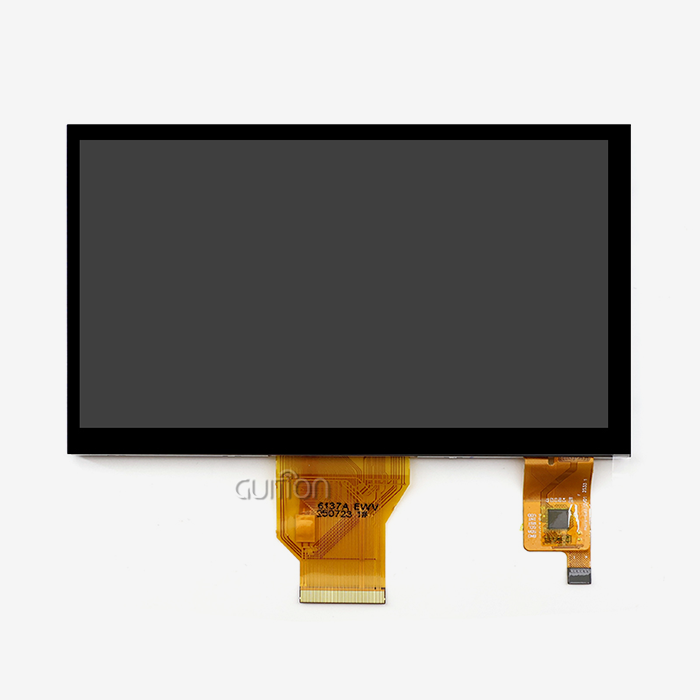
A projected capacitive (PCAP) touch layer is used on the JC2432W328C. It's important that capacitive touch works well in control environments where people often interact with live data because it accurately responds to bare finger input and supports multi-touch gestures. In contrast to resistive panels, capacitive screens stay clear over time without changing shape.
Brightness, Power, and Thermal Management
The program can change the brightness of the backlight control circuit, which is important for 24/7 activities. The ESP32's low power profile keeps heat output under control, which is something that is often forgotten until a product fails in a high-density computer case.
NMminer Display vs. Other Market Options
When compared to other esp32 display modules on the market, the JC2432W328C stands out. These are the main things that make this NMminer display unique compared to other options:
- Integrated peripheral circuits: Most commodity ESP32 display boards ship without speaker drive, photosensitive sensing, or RGB-LED circuits. The JC2432W328C includes all of these on a single PCB, reducing assembly complexity and BOM costs for manufacturers building in volume.
- Multi-platform development support: The module supports Arduino IDE, ESP-IDF, MicroPython, and Guition. Competing modules often lock engineers into a single SDK, which creates friction when teams have mixed toolchain experience or when projects evolve across development cycles.
- Pre-loaded test applications: The module ships with pre-programmed test applications. This shortens first-boot validation from hours to minutes, a real time saving for R&D teams running parallel prototype evaluations.
When embedded teams look for display modules for production, these benefits directly help with the technical work that needs to be done and the time pressure that comes with getting products to market. A module that comes ready to test and works with multiple development environments makes it much easier to learn.
How to Choose the Right NMminer Display for Your Business Needs
To choose the right display module, you must first make sure that the specifications meet the real deployment conditions. The JC2432W328C works well in a number of typical buying situations. Knowing where it does best will help you avoid mistakes.
Assessing Your Operating Environment
Mining equipment and industrial control panels often have to work all the time in places with changing temperatures. The working temperature range of the ESP32 and the module's built-in thermal sensing through the DHT11 interface create a tracking layer that helps users find problems in the environment before they affect hardware.
Evaluating Connectivity Requirements
If your app needs to be monitored from afar, get firmware updates over-the-air (OTA), or connect to cloud-based analytics, the ESP32's built-in Wi-Fi and Bluetooth eliminate the need for extra wireless modules. This is especially important for IoT solution providers who are making smart products or energy management terminals that need to share their data on a regular basis.
Matching Development Resources to Toolchains
Teams that already know how to use Arduino IDE or MicroPython can use this NMminer display without having to learn how to use it again. It comes with a drag-and-drop GUI builder that helps teams quickly make prototypes of HMI screens without having to write low-level rendering code. Support for TF cards also lets you log data locally, which is useful for apps that need to record parameters offline before uploading them to the cloud.
Maintaining and Optimizing Your NMminer Display
Any embedded display module's long-term performance depends on keeping the firmware clean, installing it correctly, and keeping an eye on it.
Firmware Updates and OTA Capability
The Guition tools lets you download software for the JC2432W328C with just one click. The Wi-Fi interface lets deployed goods get over-the-air (OTA) updates, which means that field units can get bug changes or added features without having to physically access the device. This makes it much cheaper for teams managing spread sites to provide service after the sale.
Routine Inspection and Environmental Checks
The DHT11 sensor interface lets the module keep track of the temperature and humidity in the room. Teams should set alert levels that are right for the way their enclosure is built. Periodic firmware-triggered health checks that log these readings to the TF card for trend analysis are helpful for mining rigs and industrial panels that are always on.
Accessing Technical Support
Through their help channels, Shenzhen Jingcai Intelligent Co., Ltd. provides professional documentation and development tools. Engineers who are having trouble with integration can get in touch with the team directly for help with cross-platform support, pin configuration, or setting up the Guition software.
Conclusion
The GUITION JC2432W328C NMminer display is a small 2.8-inch module that has a powerful ESP32 processor, a clean sensitive touch interface, and a lot of other useful parts built right in. It works with multiple platforms, has a resolution of 240x320, and comes with Wi-Fi and Bluetooth. These features make it a good choice for embedded engineers, HMI designers, and product teams working on industrial, mining, and IoT projects.
FAQ
What resolution does the GUITION JC2432W328C NMminer display support?
A 2.8-inch sensitive touch screen with a resolution of 240x320 is used for the monitor. This can be used for HMI dashboards, progress displays, and keeping an eye on parameters in mining and manufacturing equipment.
Which development platforms are compatible with this NMminer display?
You can use Arduino IDE, ESP-IDF, MicroPython, and Guition with the JC2432W328C. Engineers don't have to move settings to work with their current tools.
Does this display support OTA firmware updates?
Yes. The ESP32's built-in Wi-Fi module lets it receive updates over the air (OTA). The Guition software also lets you download firmware with just one click for programming sessions that are directly connected to a USB port.
What sensors does the module include or support?
A photosensitive circuit, an RGB-LED control circuit, and a DHT11 temperature and humidity sensor interface are all part of the module. It also works with external TF cards to store data for tracking.
Is the touch panel suitable for industrial glove use?
The capacitive touch layer works best when you use your finger to touch it. For uses that need touch that works with gloves, firmware-level sensitivity changes or a different sensitive panel might be better.
Where can I get technical support for this NMminer display?
You can get technical help and product information from Shenzhen Jingcai Intelligent Co., Ltd. You can email the team at david@guition.com or go to https://jingcaizhineng.aixdb.cn/ to see the official site.
Get Your NMminer Display Quote from Guition Today
The JC2432W328C from Guition is a production-ready NMminer display supplier solution that works with screens from 1.28" to 21.5". To get product information, a sample unit, or a development consultation, email our engineering team at david@guition.com or go to https://jingcaizhineng.aixdb.cn/. Our team responds quickly to questions about specs and can help you with your custom HMI project from the pilot stage to mass production.
References
1. Espressif Systems. ESP32 Series Datasheet. Espressif Systems, 2023.
2. Society for Information Display. Information Display Magazine: Industrial Display Standards and Applications. SID, 2022.
3. IPC Association. IPC-A-610: Acceptability of Electronic Assemblies. IPC, 2020.
4. IEEE. IEEE Standard for Display Metrology. IEEE Std 1708-2017. IEEE, 2017.
5. MicroPython Project. MicroPython Documentation for ESP32. MicroPython, 2023.
6. Arduino Foundation. Arduino Reference and Hardware Documentation. Arduino, 2022.
Learn about our latest products and discounts through SMS or email