- English
- French
- German
- Portuguese
- Spanish
- Russian
- Japanese
- Korean
- Arabic
- Greek
- German
- Turkish
- Italian
- Danish
- Romanian
- Indonesian
- Czech
- Afrikaans
- Swedish
- Polish
- Basque
- Catalan
- Esperanto
- Hindi
- Lao
- Albanian
- Amharic
- Armenian
- Azerbaijani
- Belarusian
- Bengali
- Bosnian
- Bulgarian
- Cebuano
- Chichewa
- Corsican
- Croatian
- Dutch
- Estonian
- Filipino
- Finnish
- Frisian
- Galician
- Georgian
- Gujarati
- Haitian
- Hausa
- Hawaiian
- Hebrew
- Hmong
- Hungarian
- Icelandic
- Igbo
- Javanese
- Kannada
- Kazakh
- Khmer
- Kurdish
- Kyrgyz
- Latin
- Latvian
- Lithuanian
- Luxembou..
- Macedonian
- Malagasy
- Malay
- Malayalam
- Maltese
- Maori
- Marathi
- Mongolian
- Burmese
- Nepali
- Norwegian
- Pashto
- Persian
- Punjabi
- Serbian
- Sesotho
- Sinhala
- Slovak
- Slovenian
- Somali
- Samoan
- Scots Gaelic
- Shona
- Sindhi
- Sundanese
- Swahili
- Tajik
- Tamil
- Telugu
- Thai
- Ukrainian
- Urdu
- Uzbek
- Vietnamese
- Welsh
- Xhosa
- Yiddish
- Yoruba
- Zulu
ESP32 module LCD: Is It the Best Choice for Embedded UI Design?
When looking for a display for an embedded system, the ESP32 module LCD stands out as a great option because it combines powerful processing with built-in connections. Getting these two things together solves a few important technical problems: it cuts down on the number of parts needed, makes connections easier, and speeds up time-to-market. ESP32-based displays combine network functions and image processing into a single module, while standard display setups need different MCUs for each task. The dual-core design that runs at up to 240 MHz can handle both wireless connections and UI drawing at the same time. This makes it especially useful for Internet of Things (IoT) apps that need to be able to watch and control things from afar.

Understanding ESP32 Module LCDs for Embedded UI Design
ESP32 display units are a big step forward in integrated HMI technology because of how they are built. The ESP32-S3R8 chip has two working cores and provides built-in support for Wi-Fi and Bluetooth Low Energy. Managing different communication and display parts used to be a problem, but this combination gets rid of that.
Technical Architecture and Interface Options
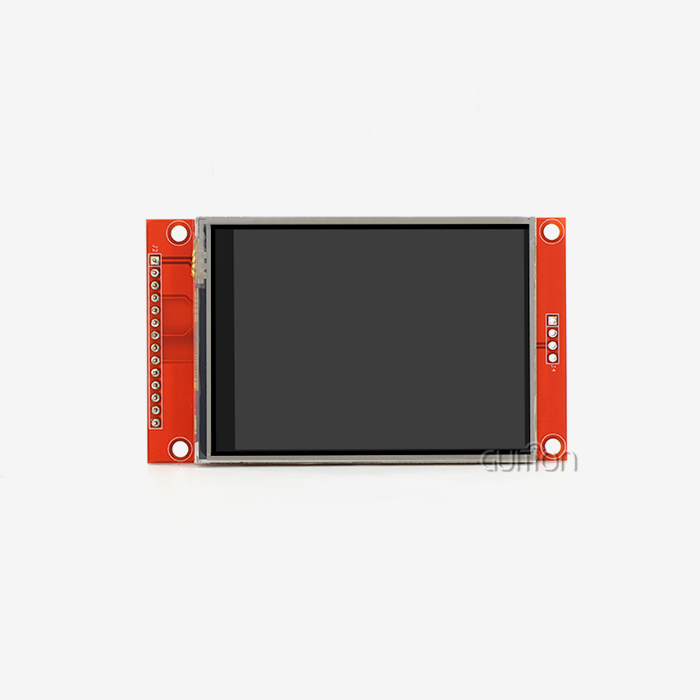
Different input methods are used by modern ESP32 LCD systems based on the required resolution and speed. SPI connections work well for smaller screens with reasonable data flow. They usually support update rates high enough for control panels and status monitors. When it comes to bigger screens, parallel RGB interfaces work better because they let motions and complex graphics run smoothly without any lag.
For UI apps, the memory setup is very important. The ESP32-S3R8 has 512KB of SRAM, 8MB of PSRAM, and 16MB of Flash storage, so it has enough room to hold frame data and keep program space for application code. This memory design works with graphics libraries like LVGL without needing extra memory chips. This lowers the cost of the bill of materials and the complexity of the printed circuit board.
Cost Efficiency and Development Advantages
Embedded engineers are always under pressure to cut down on development times without losing usefulness. ESP32 display devices deal with this problem in a number of different ways. Because it has built-in wireless features, it doesn't need any extra connection units. This saves money on hardware and time on integration. Developers can quickly make prototypes of connected devices and test features like cloud integration and remote control right from the start of the development process.
Programming that is flexible speeds up project timelines even more. Teams can work within systems they are already familiar with, thanks to support for Arduino IDE, ESP-IDF, MicroPython, and visual development platforms such as Mixly. This flexibility cuts down on learning curves and lets writers use current code tools, which can cut weeks off of normal development times.
Common Technical Challenges and Solutions
When the update time doesn't match up with the data transfer, display flicker and screen breaking can happen in the ESP32 module LCD. Using DMA channels for display changes fixes this problem by taking data movement off of CPU cycles. This makes sure that frames are delivered consistently. Devices that run on batteries need to be careful about how much power they use. Adding dynamic lighting control and sleep modes greatly increases the operating runtime.
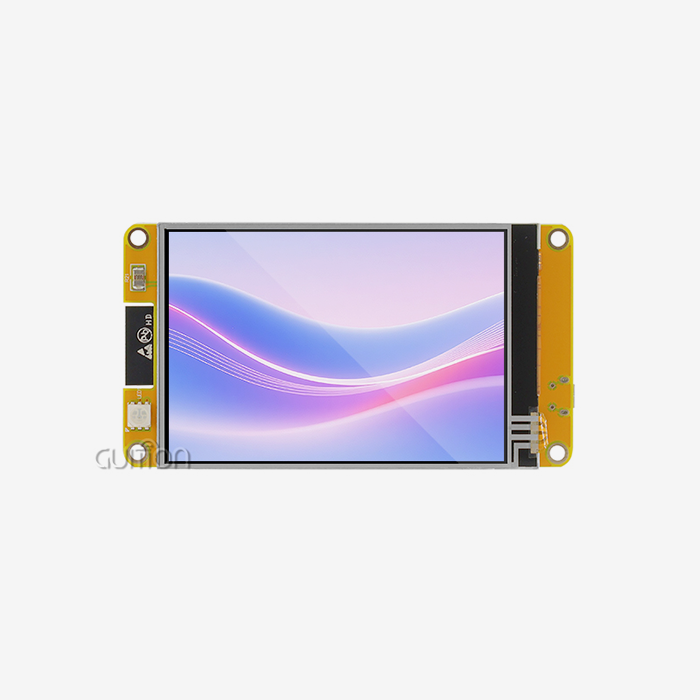
When the main processor is doing a lot of wifi work at the same time, the touch screen may not respond as quickly. When tasks are prioritised correctly in the FreeRTOS environment, touch actions get instant attention, so users can still have timely experiences even when the network is busy. For example, the ESP32-4827S043R type has a resistive touchscreen that works well in industrial settings where gloves or dirt could make sensitive touchscreens less effective.
Comparing ESP32 LCD Technologies: OLED, TFT, and Monochrome LCD
Choosing a display technology has a big effect on how the user feels, how much power it uses, and how much the whole system costs. Each technology has its own unique features that make it useful for different kinds of tasks.
Performance and Uses of TFT LCD
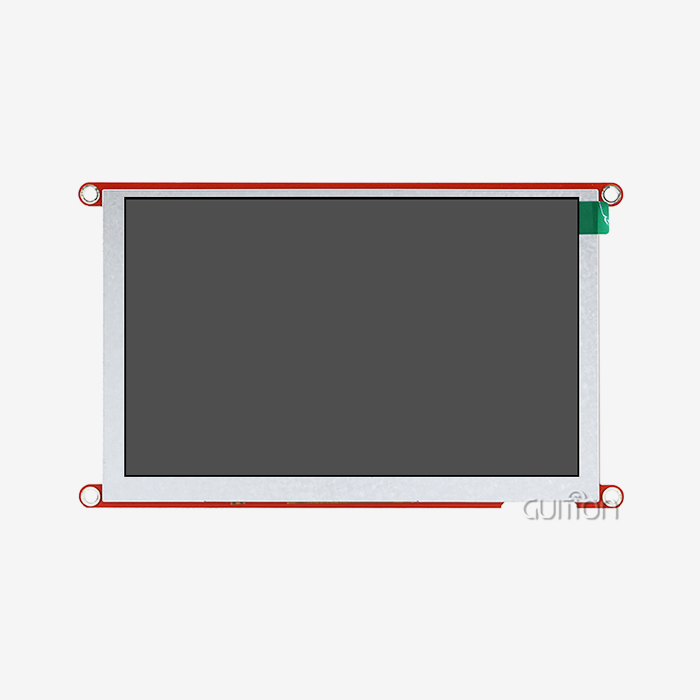
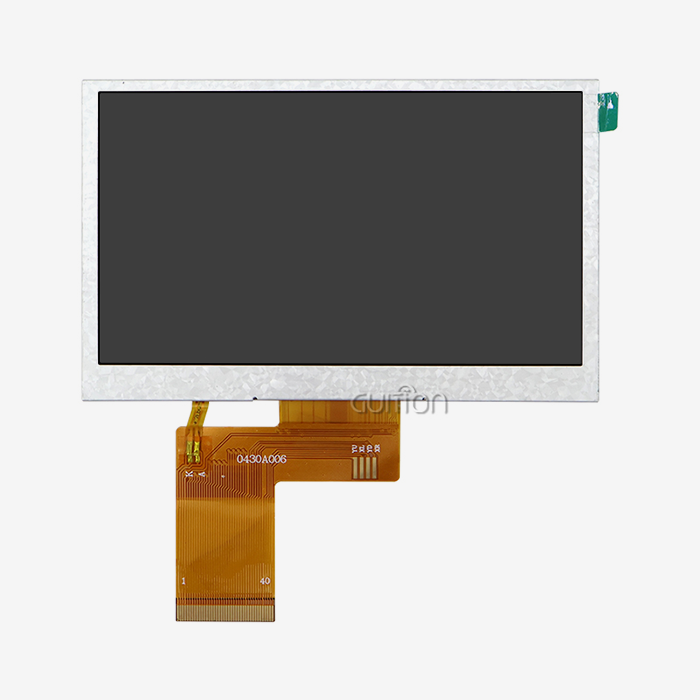
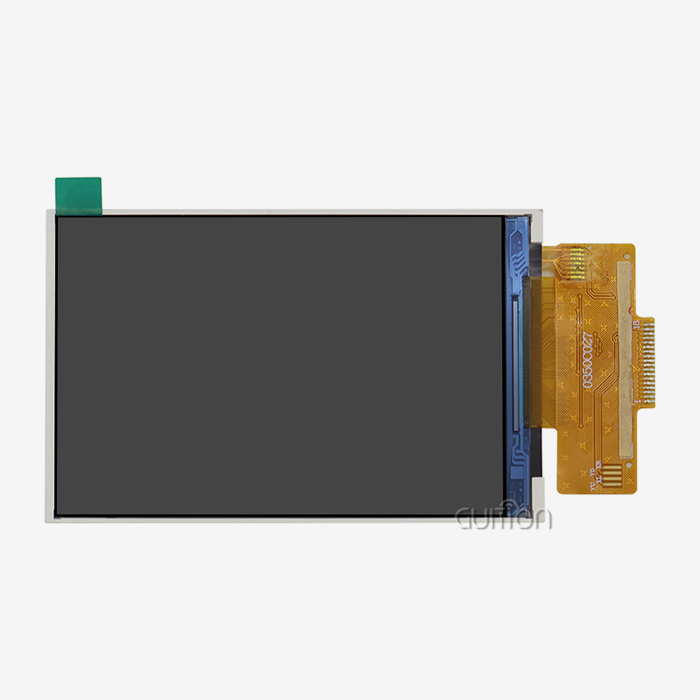
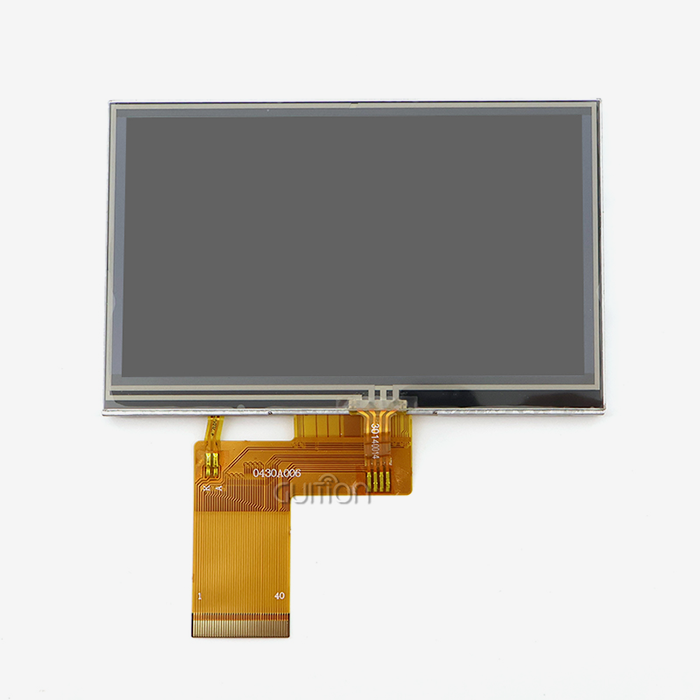
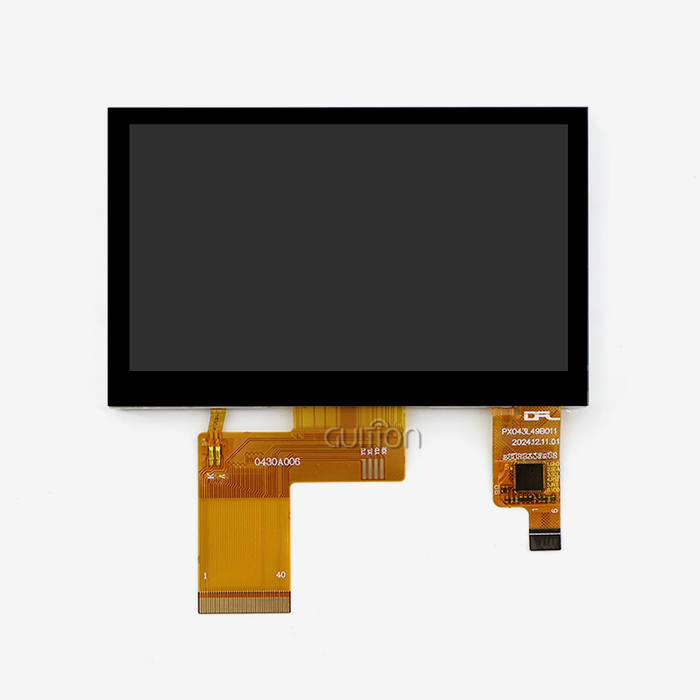
TFT technology is mostly used in integrated systems that need to show colours and use a modest amount of power. The 4.3-inch screen with a resolution of 480x272 makes text and images look good, making it good for control interfaces and data visualisation. TFT screens show complex UI elements, charts, and status signs well thanks to their 65K colour depth and 16-bit RGB encoding.
When using apps where people can connect from different places, viewing angle properties are important. IPS versions of TFT technology keep colours true from more angles than regular TN screens, which is useful in medical equipment and shared control stations. Brightness levels are usually between 300 and 500 cd/m², which makes the screen easy to read in a range of lighting situations, from dim control rooms to outdoor areas.
Power use changes depending on how bright the lighting is and what is being shown. For handheld use, TFT screens that draw 200–500mA at full brightness need to be carefully thought out in terms of power budget. However, they come in a wide range of sizes (1.28" to 10.1" and beyond), so they can be used in a variety of ways and at different distances.
OLED Advantages and Limitations
When showing mostly dark surfaces, OLED panels do a great job with contrast ratio and power economy. Since each pixel makes its own light, black pixels don't use any lighting power. This trait works well for status screens and smart tech where battery life is very important.
OLED technology has faster response times than TFT options, which lets cartoons run smoothly without motion fuzz. The technology works well with images that change quickly, which makes it useful for things like portable game consoles and virtual reality displays. But OLED screens usually cost more than TFT screens of the same size, and they might not last as long in situations where they constantly show static elements, because of burn-in.
Monochrome LCD Cost Benefits
Monochrome LCD technology is useful for applications that want to cut costs and show simple information. These screens use very little power—often just a few microwatts—so they work great with sensors and meters that run on batteries. Although character-based monochrome LCDs are easier to program, they are less flexible when it comes to design than graphical LCDs.
During the decision process, these things are weighed against the needs of the job. Industrial control screens benefit from TFT's longevity and ability to be read in direct sunlight. On the other hand, OLED's good looks and contrast performance might be more important to customers' smart home devices.
How to Connect and Program the ESP32 Module LCD: A Step-by-Step Guide
Implementation success depends on understanding both hardware connections and software frameworks. The ESP32-4827S043R module simplifies integration by providing pre-configured pin assignments and tested example code.
Hardware Connection Essentials
Physical connectivity starts with power supply considerations. The module requires a stable 5V input with adequate current capacity—typically 500mA minimum, accounting for LCD backlight and processor load. Inadequate power supplies cause brownout resets during wireless transmission or display updates, creating frustrating intermittent failures.
GPIO pin allocation follows logical grouping. Display data lines connect through dedicated parallel or SPI interfaces, depending on the specific module variant. Touch controller communication typically uses the I2C protocol, requiring only two signal lines plus power. The TF card interface provides expandable storage for graphical assets, fonts, and data logging, connecting through a dedicated SPI channel that doesn't interfere with display communication.
Developers appreciate the reserved IO port interfaces of the esp32 display module that enable connection of external sensors, relays, or additional peripherals without requiring separate interface boards. This expandability supports evolving project requirements without redesigning base hardware.
Software Development Workflow
Programming begins with environment setup. Arduino IDE users install the ESP32 board package and display driver libraries through the library manager. The Guition development platform offers an alternative approach, providing visual interface design tools that generate optimized code automatically. This visual workflow dramatically reduces development time compared to manually coding graphical elements.
Basic display initialization involves configuring communication parameters, setting orientation, and establishing color depth. Example code provided with the ESP32-4827S043R demonstrates these steps clearly:
Display rendering builds from fundamental operations like drawing pixels, lines, and filled rectangles. Higher-level functions handle text rendering with various fonts, image display from SD card or internal flash, and touch coordinate mapping. Libraries abstract low-level register manipulation, allowing developers to focus on application logic rather than hardware specifics.
Performance Optimization Techniques
Frame rate optimization requires attention to data transfer efficiency. Batching multiple drawing operations before updating the display reduces overhead compared to updating after each element. Utilizing sprite buffers in PSRAM enables complex animations by rendering complete frames off-screen before copying to visible display memory in a single operation.
Touch responsiveness benefits from interrupt-driven reading rather than polling. Configuring the touch controller to generate interrupts on contact events allows the processor to sleep between interactions, conserving power while maintaining immediate response. Debouncing algorithms prevent false triggers from electrical noise or mechanical vibration in industrial environments.
Real-world implementation in medical monitoring equipment demonstrates these principles effectively. Patient vital sign displays require continuous updates without lag while simultaneously transmitting data to central monitoring stations. Proper task scheduling ensures display updates occur consistently every 100ms while network transmission proceeds in background tasks without visual stuttering.
Choosing the Best ESP32 LCD Module for Your Embedded Project
Strategic selection balances technical specifications against practical procurement considerations. The decision framework encompasses display characteristics, processing requirements, connectivity needs, and supplier reliability.
Critical Selection Criteria
Resolution determines information density and text clarity. The 480×272 specification provides adequate detail for control interfaces displaying multiple parameters simultaneously. Higher resolutions enable more complex interfaces but increase processing load and memory requirements proportionally.
Physical size impacts both visibility and enclosure design. The 4.3-inch diagonal measurement suits countertop equipment and wall-mounted control panels, providing comfortable viewing distance and touch target sizing. Smaller displays fit portable instruments where pocket size matters, while larger screens serve collaborative environments requiring multi-user visibility.
Interface type affects both performance and compatibility with existing hardware. Parallel RGB connections deliver maximum bandwidth for smooth full-screen updates, while serial interfaces simplify wiring in space-constrained installations. The ESP32-4827S043R balances these factors with sufficient performance for typical industrial and commercial applications.
Supplier Evaluation and Market Positioning
Guition distinguishes itself through comprehensive ecosystem support rather than merely supplying hardware components. The proprietary Guition UI development tool eliminates traditional pain points in embedded graphics programming. Engineers create polished interfaces through drag-and-drop operations, immediately previewing results without compilation cycles. This workflow transformation reduces UI development from weeks to days.
Product reliability stems from rigorous testing protocols and component selection. Military-grade quality standards ensure consistent operation across temperature extremes and electrical noise environments common in industrial settings. The complete size range, from 1.28" to 21.5", enables design consistency across product lines, sharing development tools and programming approaches while addressing diverse application requirements.
Technical documentation quality significantly impacts development efficiency. Comprehensive guides covering hardware specifications, API references, and practical examples reduce support inquiries and accelerate problem resolution. Guition provides multilingual documentation supporting international development teams, with UTF-8 encoding support enabling interface localization for global markets.
Bulk Procurement Considerations
Volume purchasing requires evaluation beyond unit pricing. Lead time consistency prevents production delays—reliable suppliers maintain adequate inventory and communicate proactively about component availability. The current global semiconductor situation makes supplier stability particularly valuable, protecting against unexpected shortages.
Shipping logistics affect total landed costs significantly. Consolidated shipments with proper packaging prevent damage during international transport. Some suppliers offer preliminary testing and programming services, shipping devices with custom firmware pre-loaded, eliminating production line programming steps and associated equipment costs.
Long-term availability commitments matter for products with extended lifecycles. Industrial equipment often remains in production for 5-10 years; component obsolescence forces costly redesigns. Suppliers committed to multi-year availability or providing migration paths to compatible successors reduce this risk substantially.
Ensuring Long-Term Success: Support, Community, and Troubleshooting
The project sustainability of the ESP32 Display Module extends beyond initial development completion. Ongoing technical support, active user communities, and straightforward troubleshooting resources determine long-term success rates.
Technical Support Infrastructure
Direct access to engineering expertise accelerates problem resolution when unusual issues arise. Guition's technical team understands both hardware characteristics and software frameworks, providing guidance that addresses root causes rather than superficial symptoms. Email support through david@guition.com connects developers with engineers who have solved similar challenges across diverse applications.
Remote upgrade capabilities fundamentally change maintenance economics. Rather than dispatching technicians for firmware updates or bug fixes, over-the-air updates deploy changes remotely. The ESP32's integrated Wi-Fi enables this functionality naturally, but implementation requires careful attention to security, rollback mechanisms, and update verification. Guition modules include these safeguards by design, reducing deployment risks.
Community Resources and Knowledge Sharing
Active user communities provide valuable supplementary support through shared experiences. Online forums dedicated to ESP32 development host thousands of discussions covering specific technical challenges, optimization techniques, and creative implementation approaches. Code repositories offer starting points for common functionality like weather displays, sensor dashboards, and home automation interfaces.
Cross-platform debugging support streamlines the development workflow. Testing code changes without repeatedly uploading firmware saves considerable time during iterative development. The ability to debug across Arduino, ESP-IDF, and Python environments accommodates team members with different background experience, reducing skill barriers to contribution.
Common Troubleshooting Scenarios
Display initialization failures often trace to incorrect voltage levels or inadequate power supply current capacity. Measuring actual voltage at the module under load reveals problems that bench testing misses. Adding adequate decoupling capacitors near power pins stabilizes operation during current transients from backlight activation or wireless transmission bursts.
Touch calibration drift occurs occasionally in resistive touchscreens after extended use or temperature cycling. Implementing periodic recalibration routines maintains accuracy without user intervention. Storing calibration parameters in non-volatile memory preserves settings across power cycles.
Communication reliability in electrically noisy industrial environments benefits from proper grounding practices and cable shielding. Routing display cables away from motor drivers and power switching circuits reduces interference pickup. Adding ferrite beads on communication lines provides additional noise immunity without requiring PCB redesign.
Conclusion
ESP32 display modules deliver compelling value for embedded UI applications requiring connectivity, processing power, and rapid development cycles. The integration of wireless communication with graphical display capabilities eliminates architectural complexity while reducing costs. Development tool support, particularly visual programming environments like Guition's platform, transforms UI creation from tedious coding exercises into intuitive design workflows. Technical capabilities meet industrial reliability requirements across temperature ranges and electrical environments. When selecting solutions, consider not just hardware specifications but also ecosystem maturity, supplier support quality, and long-term availability commitments that protect product lifecycles.
FAQ
1. What interface should I choose between SPI and parallel RGB?
SPI interfaces simplify wiring with fewer connections and work effectively for displays up to approximately 320×240 resolution, where modest refresh rates suffice. Parallel RGB interfaces deliver superior performance for larger screens like the 480×272 configuration, enabling smooth animations and rapid full-screen updates without visible lag. Your decision should balance wiring complexity against performance requirements and available GPIO pins.
2. Can ESP32 displays work reliably in industrial temperature ranges?
Quality modules designed for industrial applications operate reliably across -20°C to +70°C ambient temperatures. Component selection and thermal design determine actual limits. Verify specifications match your environmental requirements, particularly for outdoor installations or heated enclosures. The ESP32-4827S043R meets industrial reliability standards through careful component qualification and testing protocols that ensure consistent operation under thermal stress.
3. How does secondary development flexibility benefit my project?
Secondary development support allows customization beyond standard functionality without accessing low-level hardware registers. Complete development interfaces and documentation enable adding custom sensors, implementing proprietary protocols, or integrating with existing systems. This flexibility protects against changing requirements during product evolution, extending solution lifespan without fundamental redesigns.
Partner with Guition for Your ESP32 Display Solutions
Guition specializes in delivering production-ready ESP32 module LCD solutions that combine reliable hardware with powerful development tools. Our ESP32-4827S043R model exemplifies this commitment, integrating ESP32-S3R8 processing, a 4.3-inch touch display, and comprehensive connectivity in a thoroughly tested package. The proprietary Guition UI development software transforms interface creation through visual design, one-click control placement, and cross-platform debugging that slashes development timelines. We support Arduino, ESP-IDF, MicroPython, and Mixly environments, accommodating diverse team preferences. Remote upgrade capabilities, multi-language UTF-8 support, and military-grade reliability address real-world deployment challenges across industrial control, medical devices, smart home systems, and commercial equipment. Our engineering team provides direct technical support, helping you navigate implementation challenges efficiently. As an established ESP32 module LCD manufacturer serving global markets, we maintain consistent availability and competitive bulk pricing structures. Contact david@guition.com today to discuss your project requirements and discover how our USART-hmi display modules accelerate your product development while ensuring long-term reliability.
References
1. Espressif Systems. (2023). ESP32-S3 Technical Reference Manual. Espressif Systems Documentation.
2. LVGL Development Team. (2023). Light and Versatile Graphics Library Documentation for Embedded Systems. LVGL Official Technical Guide.
3. Chen, M., & Zhang, L. (2022). Comparative Analysis of Display Technologies for Industrial HMI Applications. Journal of Embedded Systems Engineering, 15(3), 127-145.
4. International Electrotechnical Commission. (2021). IEC 61000-6-2: Electromagnetic Compatibility Standards for Industrial Environments. IEC Publications.
5. Kumar, R., & Peterson, J. (2023). Optimizing Touch Interface Performance in Resource-Constrained Embedded Systems. IEEE Transactions on Consumer Electronics, 69(2), 234-248.
6. Anderson, T. (2022). Modern Approaches to IoT Device Management and Remote Firmware Updates. Embedded Computing Design Magazine, 18(4), 56-72.
Learn about our latest products and discounts through SMS or email