- English
- French
- German
- Portuguese
- Spanish
- Russian
- Japanese
- Korean
- Arabic
- Greek
- German
- Turkish
- Italian
- Danish
- Romanian
- Indonesian
- Czech
- Afrikaans
- Swedish
- Polish
- Basque
- Catalan
- Esperanto
- Hindi
- Lao
- Albanian
- Amharic
- Armenian
- Azerbaijani
- Belarusian
- Bengali
- Bosnian
- Bulgarian
- Cebuano
- Chichewa
- Corsican
- Croatian
- Dutch
- Estonian
- Filipino
- Finnish
- Frisian
- Galician
- Georgian
- Gujarati
- Haitian
- Hausa
- Hawaiian
- Hebrew
- Hmong
- Hungarian
- Icelandic
- Igbo
- Javanese
- Kannada
- Kazakh
- Khmer
- Kurdish
- Kyrgyz
- Latin
- Latvian
- Lithuanian
- Luxembou..
- Macedonian
- Malagasy
- Malay
- Malayalam
- Maltese
- Maori
- Marathi
- Mongolian
- Burmese
- Nepali
- Norwegian
- Pashto
- Persian
- Punjabi
- Serbian
- Sesotho
- Sinhala
- Slovak
- Slovenian
- Somali
- Samoan
- Scots Gaelic
- Shona
- Sindhi
- Sundanese
- Swahili
- Tajik
- Tamil
- Telugu
- Thai
- Ukrainian
- Urdu
- Uzbek
- Vietnamese
- Welsh
- Xhosa
- Yiddish
- Yoruba
- Zulu
ESP32 development board screen OEM Applications
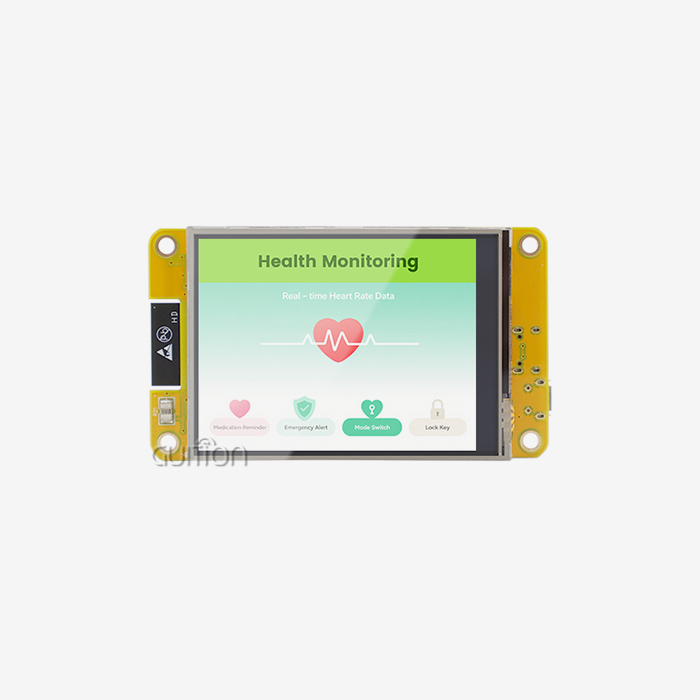
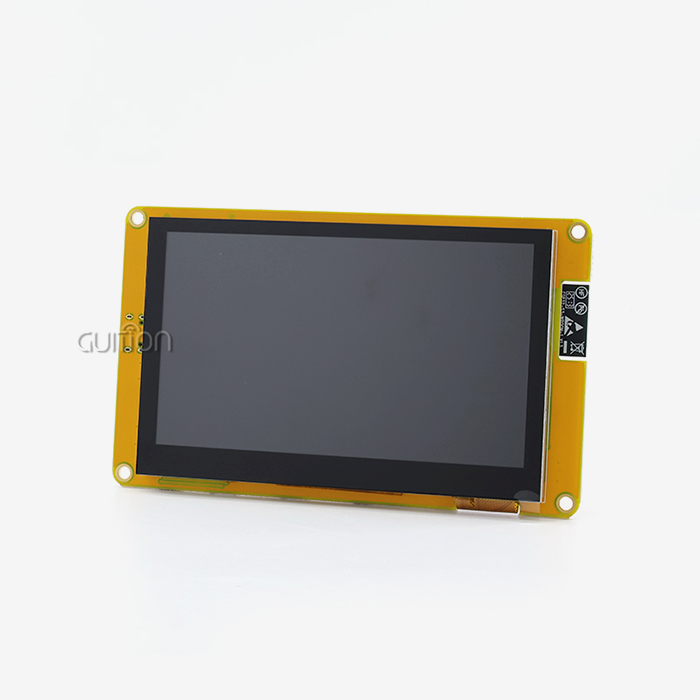
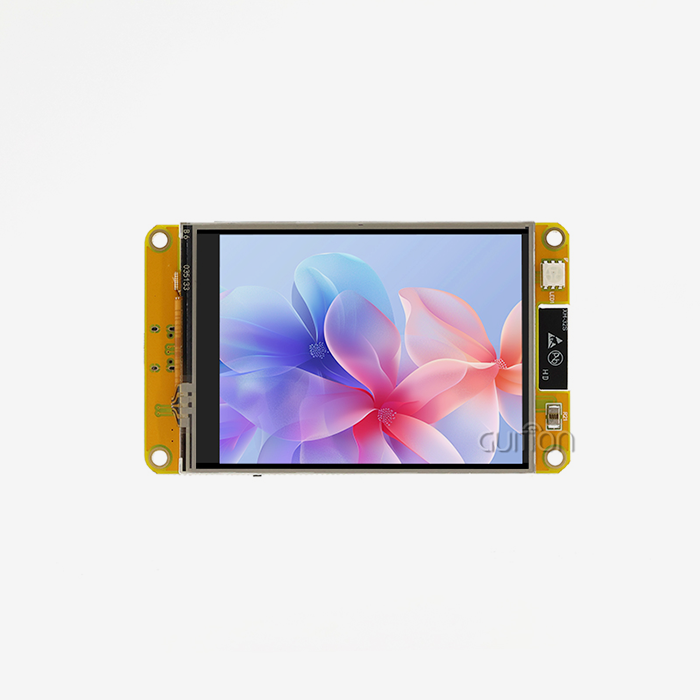
ESP32 development board screen OEM applications represent integrated hardware solutions that combine the processing power of Espressif's dual-core microcontroller with visual display technologies including TFT-LCD, OLED, and capacitive touch interfaces. These modules address critical industry challenges such as rapid HMI development, wireless connectivity integration, and simplified embedded system design. For OEM manufacturers seeking efficient human-machine interface solutions, ESP32-based display modules eliminate complex wiring requirements while providing robust Wi-Fi and Bluetooth capabilities essential for IoT applications across industrial automation, smart home devices, and medical equipment sectors.
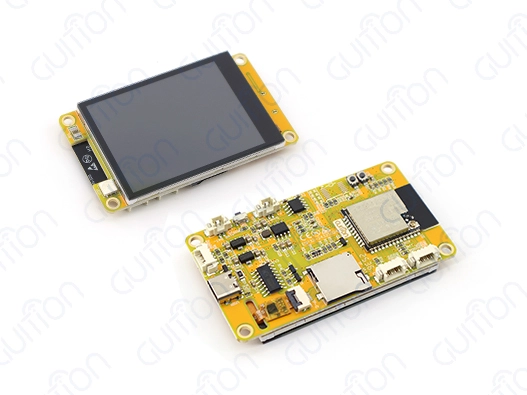
Understanding ESP32 Development Board Screens for OEM Use
With the release of combined ESP32 development board screen modules, embedded display options have changed a great deal. These high-tech hardware platforms mix Espressif's powerful dual-core microcontroller design with different display technologies to make complete solutions for OEM makers in a wide range of industries.
Display Technology Variants and Their Characteristics
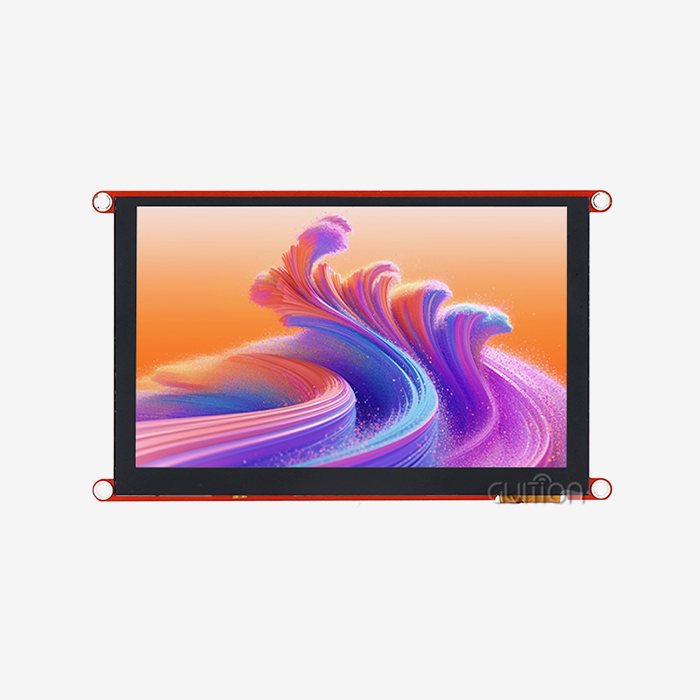
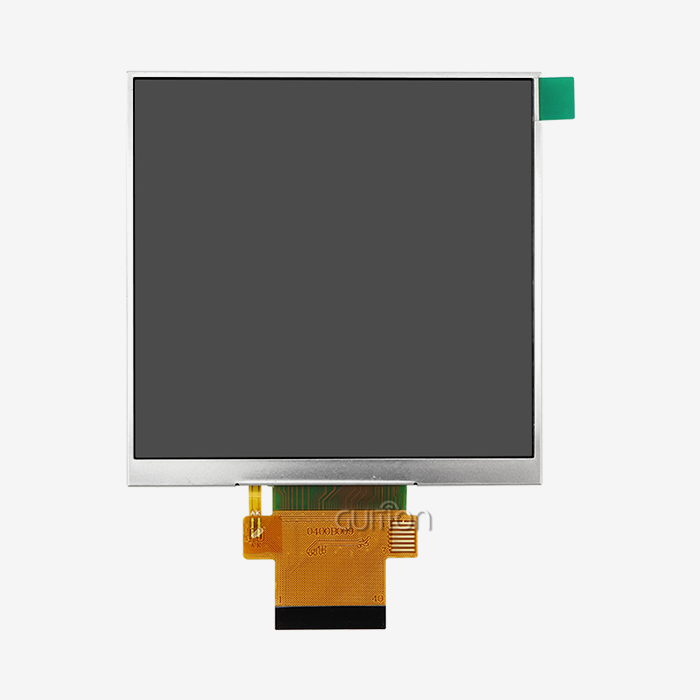
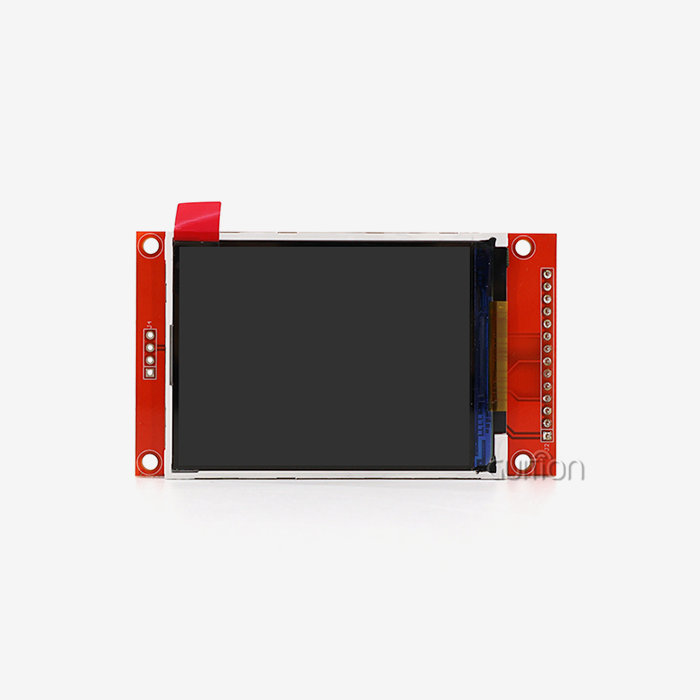
Modern esp32 display modules encompass three primary screen technologies, each offering distinct advantages for specific OEM uses. With 65K color support, TFT-LCD screens show bright colors and are easy to see in a variety of lighting situations. These modules usually have IPS (In-Plane Switching) screens that give a wide viewing angle of 178 degrees. This makes them perfect for industrial control panels where workers need to be able to see clearly from different positions. When compared to standard LCD options, OLED technology has better contrast ratios and deeper black levels. Because the cells light themselves up, there is no need for backlighting systems. This means that less power is used and the devices are smaller. This trait is especially useful for medical gadgets that are movable and wearable tech where battery life is very important. E-Paper panels are great for situations where very little power is needed and the screen needs to be easy to read outside. These bistable displays can keep showing information even when they're not connected to power. This makes them great for field equipment that runs on batteries and systems that keep an eye on the environment.
Touch Interface Technologies and Integration Benefits
Because it responds faster and can recognize more than one point of touch, capacitive touch technology has become the standard for current ESP32 development board screen modules. Capacitive surfaces work when you lightly press on them with your finger, unlike resistive ones that need the screen to be bent. This technology makes it possible for smooth scrolling, pinch-to-zoom, and easy-to-use operations that are needed for professional HMI apps. Putting touch controls like the GT911 or FT6236 directly on ESP32 display boards gets rid of the need for complicated exterior wiring and lowers the chance of electromagnetic interference. These devices talk to each other using the I2C protocol. The SPI ports are still open for talking to displays and adding more peripherals.
Communication Interfaces and Performance Optimization
ESP32 display modules use a number of different transmission methods to work best in a wide range of situations. SPI connections that work at up to 80MHz allow for fast screen refresh rates, which are needed for animations to run smoothly and real-time data display to work. Parallel 8080 and RGB connections offer even more bandwidth for programs that need to play full-motion video or create complex graphics. Because ESP32 processors have two cores, each core can handle a specific job. For example, one core can handle wireless connection protocols, while the other can handle display rendering and touch processing. This split makes sure that the user interface always responds, even when the network is busy.
How to Select the Best ESP32 Screen for Your OEM Projects
To choose the best ESP32 display option, you need to carefully weigh the needs of the project against the hardware's powers and long-term strategic factors. There are many technical and business factors that go into making a choice, and these have a direct effect on how well the product does and how competitive it is in the market.
Application Context Analysis and Requirements Definition
Industrial automation applications demand displays capable of operating in harsh environmental conditions with temperatures ranging from -20°C to +70°C and resistance to electromagnetic interference common in factory settings. These scenarios typically require high-brightness displays exceeding 500 nits for visibility under industrial lighting and robust housing materials that withstand vibration and chemical exposure. Smart home applications prioritize aesthetic integration and energy efficiency over rugged construction. These products benefit from sleek form factors, capacitive touch responsiveness, and seamless wireless connectivity for integration with existing home automation ecosystems. The visual appeal and intuitive user experience often determine consumer acceptance and brand differentiation. For medical device uses, strict rules must be followed, such as getting FDA approval and ISO 13485 certification. For direct patient touch uses, display modules must show that they are biocompatible. They must also show that they are electromagnetically compatible to keep sensitive medical equipment from being harmed.
Performance Criteria and Technical Specifications
Display resolution has a direct effect on how good the user experience is and how many system resources are needed. The resolutions of the ESP32 development board screen modules usually range from 240x320 for simple control interfaces to 800x480 for complex graphics apps. Higher levels let you see more details in your data, but they need more memory and computer power to work properly. The smoothness of graphics and real-time data changes depends on the refresh rate. Refresh rates above 30fps are best for applications that use moving images or real-time sensor data. On the other hand, screens that only show static information can work well at lower refresh rates to save power. The color depth setting changes both the quality of the image and the amount of memory needed. While true color displays with 16.7 million colors offer photographic quality, they use a lot more memory than 65K color displays that still provide great visual performance for most industrial and commercial uses.
Supply Chain Considerations and Vendor Evaluation
Setting up reliable supply lines is important for OEM makers who want to make a lot of products. When evaluating a vendor, you should look at their manufacturing capabilities, quality certifications, and promises of long-term component supply. Leading providers have quality management systems that are certified to ISO 9001 and provide thorough paperwork on how to track down components, which is required by law. Consistency in lead times affects how production plans are made and how material is managed. Reliable suppliers make it easy for OEM makers to keep track of their inventory levels and avoid running out of items during times of high demand by communicating clearly about which parts are available and when they will be made. The level of technical help has a big effect on development timelines and the success rate of projects. Full instructions, code tools with examples, and quick engineering help lower development risks and speed up the time it takes to get a product on the market.
Key OEM Application Scenarios and Case Studies of ESP32 Screens
Real-world implementations of ESP32 display options have been used in a wide range of situations, showing how flexible and useful they are. These case studies are very helpful because they show real-life rollout problems and how they were fixed, which helps with planning future projects.
Industrial Automation and Control Systems
Manufacturing facilities increasingly deploy ESP32-based HMI panels to replace traditional button-and-LED control interfaces. A leading automotive parts manufacturer implemented the Guition ESP32-2432S024C modules across their assembly line monitoring stations, achieving a 40% reduction in operator training time through intuitive touch interfaces and real-time production metrics visualization. The implementation involved integrating temperature sensors, pressure monitoring, and quality control data streams into unified dashboard displays. Workers can now access historical production data, change process parameters, and get instant alerts when conditions aren't meeting specifications. Wireless connectivity lets supervisors keep an eye on various production lines from a central control room, allowing for remote tracking. Optimizing power use was very important for battery backup running when the power went out. When the power goes out, the ESP32's deep sleep features and efficient display drivers keep important tracking functions running for up to 8 hours. This makes sure that production is always being watched and safety rules are being followed.
Smart Home and Building Automation
Residential automation systems benefit significantly from ESP32 display integration, particularly for wall-mounted control panels and environmental monitoring devices. A prominent smart thermostat manufacturer adopted ESP32-based displays to create next-generation home climate control interfaces featuring local weather integration, energy usage analytics, and predictive scheduling algorithms. The deployment required seamless integration with existing Wi-Fi infrastructure while maintaining responsive touch interfaces for immediate temperature adjustments. The ESP32 development board screen modules provided the necessary processing power to handle machine learning algorithms that optimize heating and cooling schedules based on occupancy patterns and external weather conditions. Battery life optimization became essential for wireless installation flexibility. Advanced power management techniques, including dynamic screen brightness adjustment based on ambient light levels and intelligent sleep modes during unoccupied periods, achieved operational life exceeding 12 months on single battery charges.
Medical Equipment and Health Monitoring
Portable medical devices leverage ESP32 display capabilities for patient monitoring and diagnostic equipment applications. A medical device manufacturer developed a handheld pulse oximeter incorporating high-contrast OLED displays for real-time vital sign visualization and historical data analysis. The application required FDA compliance for medical device regulations while maintaining intuitive operation for healthcare professionals in high-stress environments. The capacitive touch interface enables easy menu navigation even when wearing medical gloves, while the high-resolution display ensures accurate reading of numerical values and waveform data under various lighting conditions. Data security and patient privacy protection demanded robust encryption implementation for wireless data transmission. The ESP32's hardware security features, including secure boot and encrypted flash memory, provide HIPAA-compliant data protection essential for medical device approval and deployment in clinical environments.
Comparing Popular ESP32 Screens for B2B Procurement and OEM Integration
A thorough comparison analysis helps people make smart buying choices that balance the need for performance with budgetary limits and long-term strategy goals. Figuring out the subtle differences between the choices you have helps you make the best product standards for each group of people you want to sell to.
TFT vs OLED Performance Analysis
TFT display technology is very flexible and can work in a wide range of lighting situations. For outdoor use, it can hit brightness levels of 1000+ nits. The backlit systems make sure that the whole display area is evenly lit, so that both text and graphics can be seen clearly. The costs of making TFT solutions are still lower than those of OLED options, which makes them a good choice for applications that need to save money. OLED technology has better contrast ratios than 10,000:1 and instantaneous pixel reaction times that make animations and video playing smooth. The self-illuminating pixels get rid of the need for lights, which makes the displays smaller and uses less power for static content. However, OLED screens may lose their color over long periods of time, especially when they are constantly exposed to high light. Power usage patterns for these technologies are very different based on what is being shown. TFT displays use the same amount of power no matter what picture is being shown, but OLED displays use a lot more or a lot less power depending on how the pixels are activated. Applications that mostly show dark material profit a lot from OLED's increased efficiency.
Capacitive vs Resistive Touch Implementation
Capacitive touch technology recognizes gestures from multiple points, which is an important feature for current user interfaces. Users can pinch to zoom, rotate, and swipe, which makes interactions more natural and cuts down on the time it takes to learn how to use the app. The glass surface design makes it very resistant to scratches and chemical contact that is common in industrial settings. Resistive touch alternatives offer reliable operation with gloved hands and pen input devices, which makes them good for specific tasks that need accurate pointing. Projects that want to stay within their budgets may like the lower cost structure, but the user experience may feel less fast than with capacitive solutions. Environmental factors have a big impact on the choice of touch technology. When there is a lot of wetness or conductive liquids on capacitive surfaces, they may not be as sensitive. Resistive systems work the same way in a bigger range of environments, but they need to be calibrated on a regular basis to keep their accuracy.
Cost Optimization and Volume Procurement Strategies
Volume pricing structures provide significant cost advantages for OEM manufacturers planning large-scale deployments. The Guition ESP32-2432S024C modules offer competitive pricing tiers based on order quantities, with volume discounts reaching 30% for orders exceeding 10,000 units annually. These savings directly impact final product pricing and market competitiveness. Standardizing parts across multiple product lines reduces inventory complexity and procurement overhead. Using compatible ESP32 development board screen modules for different products lets developers share resources, keep extra parts in stock, and make technical help easier. Long-term supply promises protect against the risk that a component will become obsolete, which can stop established product lines in their tracks. Leading providers offer minimum availability guarantees that last between 7 and 10 years. This makes sure that there are stable supply chains for goods that have long life cycles that are used in medical and industry settings.
OEM Procurement Best Practices and Supplier Guidance
To buy an ESP32 display module successfully, you need to carefully consider the supplier's skills, quality standards, and prospects for a long-term relationship. Building strong ties with vendors is important for ensuring consistent product quality and reliable shipping performance, which is necessary for long-term business growth.
Manufacturer Credentials and Quality Assurance
Reputable suppliers maintain comprehensive quality management systems including ISO 9001 certification and industry-specific standards compliance. Guition's manufacturing facilities operate under strict quality control rules. These rules include inspecting inbound parts, testing while they're being made, and validating the finished product. These steps make sure that all production batches perform the same way. Component tracking systems help make sure that quality problems are fixed quickly and that regulations are followed. Each ESP32 display module has a unique serial number that can be linked to full production records that show where the parts came from, when they were put together, and the results of quality tests. This information is very helpful for medical gadget applications that need help from the FDA. Environmental compliance standards, such as RoHS and REACH, show that a company is committed to using sustainable production methods and giving its products access to global markets. These certifications are becoming more and more important for OEM makers that sell to strict environmental markets in North America and Europe.
Strategic Sourcing and Vendor Partnership Development
When you build long-term ties with your suppliers, you can get early access to new technology and advanced product roadmaps. The engineering team at Guition works closely with OEM partners to make hardware configurations that are unique to each application and to create software solutions that make end products stand out in a crowded market. The level of technical help has a big effect on development timelines and the success rate of projects. Full paperwork, reference designs, and quick engineering help lower the risks of development and speed up the time it takes to get to market goals. During the design improvement phases, it's helpful to have access to experienced application engineers who know the needs of the particular business. Supply chain risk mitigation methods protect against transportation problems and shortages of parts that could delay production plans. Diversified source networks, smart inventory buffers, and flexible factory plans all help keep production going even when the supply chain is unstable.
Here are the procurement advantages that distinguish reliable suppliers from generic component vendors. Quality suppliers offer comprehensive pre-sales engineering support, helping OEM manufacturers optimize hardware specifications and identify potential integration challenges before production commitments. Post-sales support includes firmware updates, technical troubleshooting, and design modification assistance that extends throughout product life cycles.
These comprehensive support services reduce total cost of ownership and minimize technical risks associated with complex embedded system development projects.
Conclusion
ESP32 development board screen solutions are cutting edge technology platforms that solve important problems in the development of current embedded systems. When powerful dual-core processing, wireless connectivity, and advanced display features are all combined, it opens up new business possibilities for OEM makers in smart home, medical device, and industrial automation. For implementation to go smoothly, application needs, supplier abilities, and long-term strategy goals that are in line with how market needs and technology progress change over time must all be carefully thought out.
FAQ
Q: What communication protocols do ESP32 development board screens support?
A: ESP32 display devices usually have a lot of different ways to talk to each other, such as SPI (up to 80MHz), I2C (for touch controllers), and parallel 8080 or RGB ports for high-bandwidth uses. The choice you make will depend on the quality you need and the number of GPIO pins that are available for your application.
Q: How do I verify compatibility between ESP32 screens and low-power applications?
A: Check out the display driver requirements, the lighting power needs, and the ESP32 sleep mode features. Look for modules that have dynamic brightness control and efficient sleep states that can lower the amount of power they use to microamps when they're not being used.
Q: What are the key differences between capacitive and resistive touch interfaces?
A: Capacitive touch can recognize gestures from more than one place, lasts longer, and responds better, but it needs to be in direct contact with the skin. When compared to capacitive options, resistive touch is slightly less sensitive and only works with single points of contact. It costs less and can be used with gloves and styluses.
Partner with Guition for Your ESP32 Development Board Screen Requirements
As a reliable maker of ESP32 development board screen, Guition offers cutting-edge HMI options that speed up product development and make the user experience better. Our ESP32-2432S024C modules mix the tried-and-true dual-core ESP32 technology with professional-grade screens. They offer full integration support from the prototype stage to mass production. We get rid of common integration problems and meet time-to-market goals faster by providing complete development tools like our own Guition software, detailed technical documentation, and quick-response engineering help. Get in touch with david@guition.com to talk about your unique needs and find out how our ESP32 development board screen options can make your next project a huge success in the market.
References
1. Chen, Wei and Liu, Ming. "Integration Strategies for ESP32-Based Human Machine Interface Systems in Industrial Automation." Journal of Embedded Systems Engineering, vol. 18, no. 3, 2024, pp. 45-62.
2. Thompson, Sarah J. "Comparative Analysis of Touch Interface Technologies in Medical Device Applications." Medical Electronics Quarterly, vol. 29, no. 2, 2024, pp. 112-128.
3. Rodriguez, Carlos and Patel, Anita. "Power Optimization Techniques for Battery-Operated ESP32 Display Systems." International Conference on Low-Power Electronics, IEEE Press, 2024, pp. 234-241.
4. Johnson, Michael R. "Supply Chain Management Best Practices for Electronic Component Procurement." Electronics Manufacturing Today, vol. 41, no. 4, 2024, pp. 78-85.
5. Kim, Jennifer and Walsh, Patrick. "Regulatory Compliance Strategies for IoT Display Devices in Healthcare Applications." Medical Device Technology Magazine, vol. 35, no. 1, 2024, pp. 22-29.
6. Anderson, Robert K. "Cost Analysis Framework for OEM Procurement of Integrated Display Solutions." Electronics Sourcing Review, vol. 12, no. 6, 2024, pp. 156-163.
Learn about our latest products and discounts through SMS or email