- English
- French
- German
- Portuguese
- Spanish
- Russian
- Japanese
- Korean
- Arabic
- Greek
- German
- Turkish
- Italian
- Danish
- Romanian
- Indonesian
- Czech
- Afrikaans
- Swedish
- Polish
- Basque
- Catalan
- Esperanto
- Hindi
- Lao
- Albanian
- Amharic
- Armenian
- Azerbaijani
- Belarusian
- Bengali
- Bosnian
- Bulgarian
- Cebuano
- Chichewa
- Corsican
- Croatian
- Dutch
- Estonian
- Filipino
- Finnish
- Frisian
- Galician
- Georgian
- Gujarati
- Haitian
- Hausa
- Hawaiian
- Hebrew
- Hmong
- Hungarian
- Icelandic
- Igbo
- Javanese
- Kannada
- Kazakh
- Khmer
- Kurdish
- Kyrgyz
- Latin
- Latvian
- Lithuanian
- Luxembou..
- Macedonian
- Malagasy
- Malay
- Malayalam
- Maltese
- Maori
- Marathi
- Mongolian
- Burmese
- Nepali
- Norwegian
- Pashto
- Persian
- Punjabi
- Serbian
- Sesotho
- Sinhala
- Slovak
- Slovenian
- Somali
- Samoan
- Scots Gaelic
- Shona
- Sindhi
- Sundanese
- Swahili
- Tajik
- Tamil
- Telugu
- Thai
- Ukrainian
- Urdu
- Uzbek
- Vietnamese
- Welsh
- Xhosa
- Yiddish
- Yoruba
- Zulu
Can Arduino TFT Display Videos or Animations?
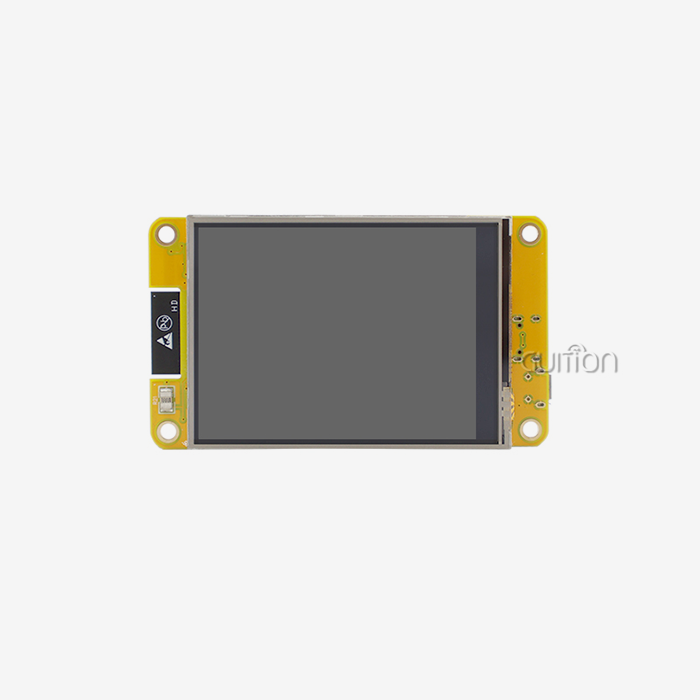
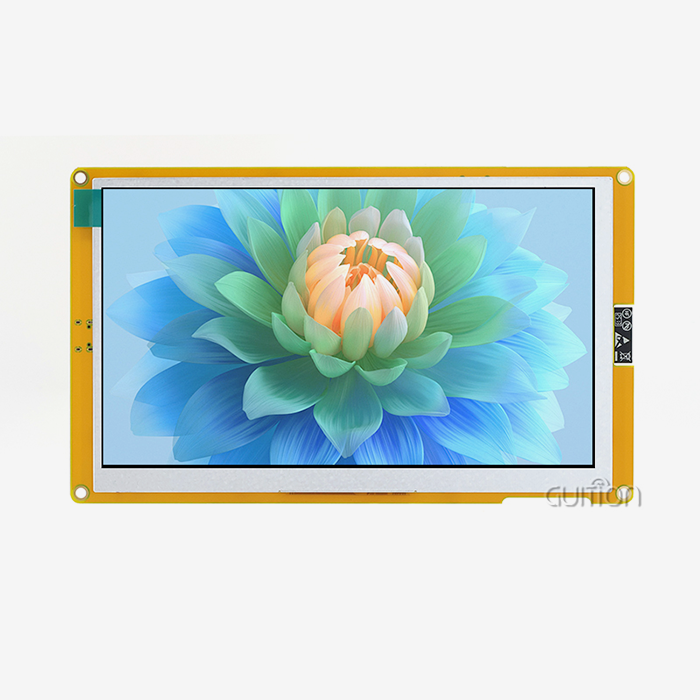
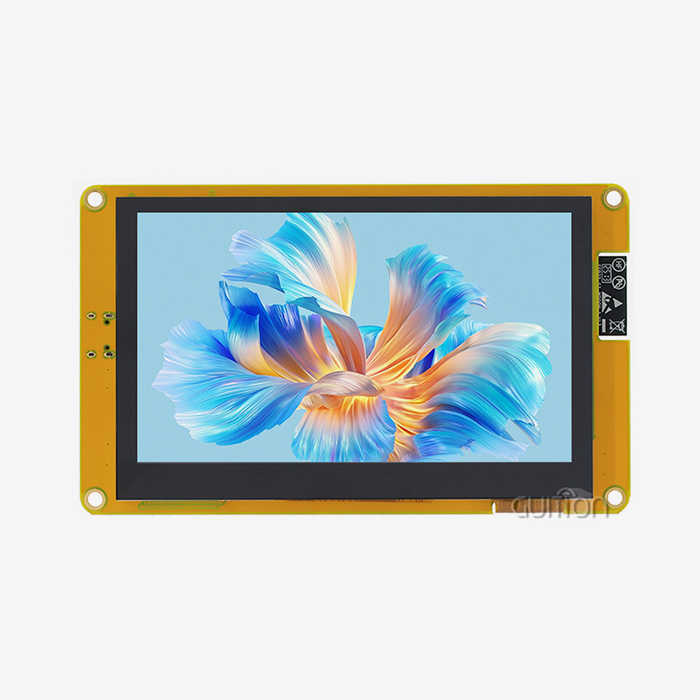
While Arduino TFT screens can handle simple animations and videos, they are not nearly as powerful as specialized multimedia devices. These flexible display units are great at simple moving elements, static graphics changes, and frame-by-frame animations. However, because of memory and processing power limits, full-motion video playing needs to be carefully optimized. The important thing is to know what your project needs and pick the right system setup. These limits are pushed even further by modern options like the GUITION JC4827W543N_I, which has ESP32-S3R8 dual-core processors and better multimedia features for industrial and embedded uses.

Understanding Arduino TFT Displays and Their Capabilities
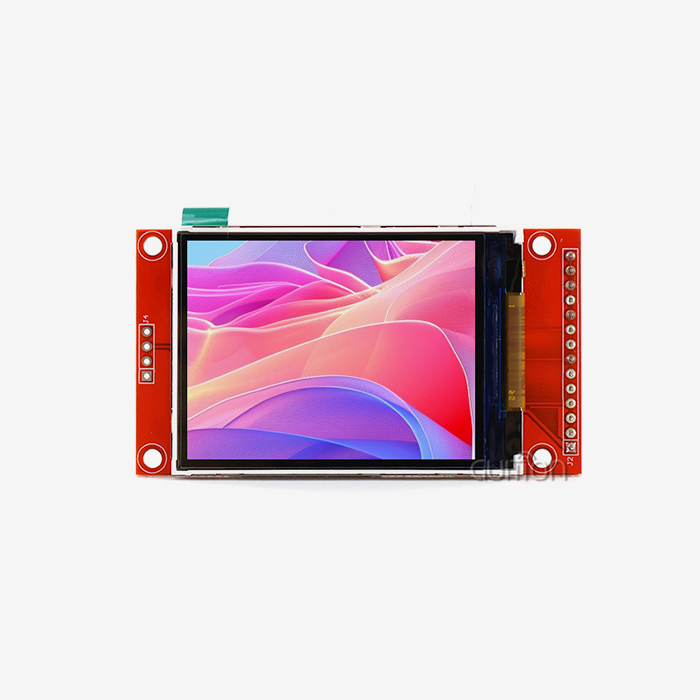
Using active matrix design, where individual transistors control each pixel, Arduino TFT technology is a big step forward in embedded display options. Compared to traditional passive matrix screens, this design makes it possible for better color reproduction, faster update rates, and clearer images.
Interface Types and Communication Protocols
The information mechanism has a big effect on how well multimedia works. SPI connections have fewer pins, which makes wiring easier, but they also send data more slowly, which usually makes it harder to make animations that run smoothly. Parallel connections have a lot more bandwidth, which lets you do more complicated graphics processes and make frame changes better. Both choices are included in the GUITION JC4827W543N_I, so coders can pick the one that best fits their needs. Modern TFT modules can communicate in a number of ways, such as high-speed SPI setups and 8-bit and 16-bit parallel modes. Our top-of-the-line model's ESP32-S3R8 processor runs at 240MHz, which is fast enough for real-time graphics rendering and touch interface handling.
Display Resolution and Color Depth Considerations
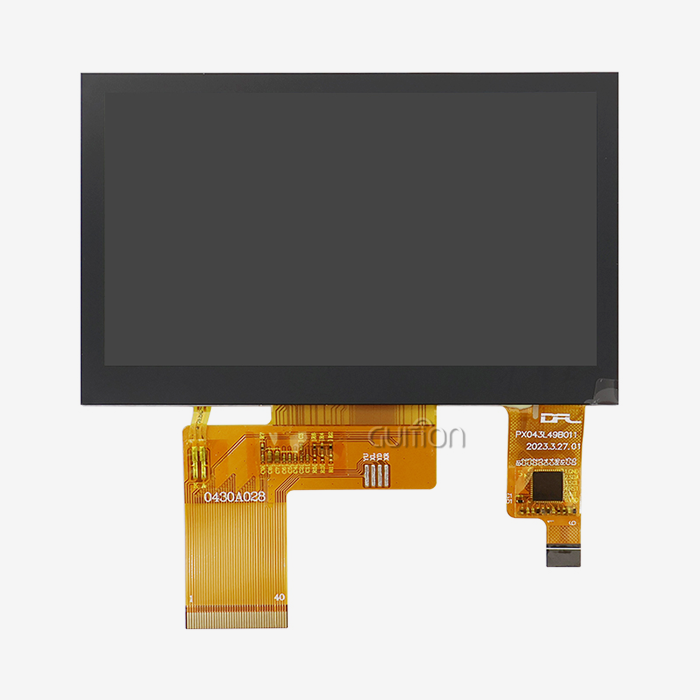
These days, Arduino TFT units usually have resolutions between 128x160 pixels for small uses and 800x480 pixels for bigger commercial screens. The GUITION JC4827W543N_I has a 480x272 panel with 16-bit color depth that can handle 65,536 different colors using RGB565 encoding. Color depth has a direct effect on the quality of motion and the amount of memory it needs. Higher color levels make cartoons look more vivid, but they also use more memory. The 4.3-inch display section has 8MB of PSRAM and 4MB of Flash memory, which is enough space for graphics files and animation buffers.
Touch Interface Technology Impact
Touchscreens that are resistive, like the ones in the GUITION model, respond to pressure and work well with gloves or styluses. Because of this, they work great in factories where workers may need to wear safety gear. Capacitive alternatives can do more than one touch, but they need to be in close contact with the skin, which limits their use in some workplace settings.
Technical Challenges and Solutions for Displaying Videos or Animations
The biggest problem with putting video material on embedded screens is that the hardware doesn't support it. Engineers can make good optimization methods by understanding these limitations.
Memory and Processing Constraints
The biggest problem with playing videos on microcontroller-based devices is that they don't have enough RAM. Most traditional Arduino boards only have 2KB to 8KB of RAM, which isn't enough to store even a single frame of color images. With 512KB SRAM and 8MB PSRAM, the ESP32-S3R8 architecture gets around this problem, allowing frame buffering and better animation changes. Processing power limits affect how well real-time images can be rendered. The GUITION module's dual-core 240MHz processor gives it the power to handle both visual processing and user interface control at the same time. With this design, coders can use one core only for visual tasks and still keep the system responsive.
Here are the main types of improvement that get around these problems:
- Frame Buffering Implementation: Using external PSRAM to keep multiple animation frames cuts down on the amount of work that needs to be done during playing. With this method, animations that have already been drawn can be shown easily without any delays caused by real-time calculations.
- Sprite-Based Animation: Blowing up complicated cartoons into smaller sprite parts makes them easier to process and uses less memory. You can change just one sprites at a time, so you can make smooth motion effects without having to redraw the whole screen.
- Color Palette Optimization: Going from 16-bit to 8-bit color depth or using custom color palettes cuts memory use by a lot while keeping the quality of the image good enough for many uses.
- Hardware Acceleration Utilization: New devices like the ESP32-S3R8 have built-in graphics acceleration features that take processing work off of the main processor cores.
All of these streamlining techniques work together to make animation run smoothly while still meeting the hardware requirements of embedded systems.
Graphics Library Selection and Implementation
Choosing the right graphics tools has a big effect on how well animations work and how quickly they are developed. Adafruit GFX, TFT_eSPI, and LovyanGFX are all popular choices, but they all have different speed and feature sets. Compared to generic options, the TFT_eSPI library has better speed because it has rendering methods that are tuned for ESP32 systems. Custom graphics drivers can improve speed even more by getting rid of abstraction layers that aren't needed and focusing on specific hardware setups.
Troubleshooting Common Display Issues
Flickering movements are usually caused by not enough frame buffering or problems with the time of when the display updates and when the graphics are rendered. Most flickering issues can be fixed by using double buffering methods, which make sure that all frames are rendered before the display changes. Screen breaking happens when fresh graphics data goes to the display buffer while the screen is being refreshed. This visible artifact can be removed by timing graphics changes with vertical blanking intervals, but it makes the application much more difficult.
Comparing Arduino TFT with Other Display Technologies for Video/Animation Use
Choosing the right display technology has a huge effect on the success of a project, especially for multimedia-based apps. Each technology has its own pros and cons that affect choices about what to buy.
Arduino TFT versus OLED Technology
Compared to Arduino TFT modules, OLED displays have better contrast ratios and faster reaction times. This makes them great choices for high-quality animation apps. OLED technology, on the other hand, usually costs a lot more and doesn't last as long in harsh industrial settings. Arduino TFT displays are more reliable over time and cost less to repair, which makes them better for commercial uses that need to work for longer periods of time. The GUITION JC4827W543N_I's IPS technology offers wide viewing angles that are similar to OLED performance while still being affordable.
Comparison with Traditional LCD Solutions
Character LCDs don't have any images powers at all, which makes them less useful for multimedia uses. Modern Arduino TFT options have better clarity and wider viewing angles than older graphical LCD modules that don't use active matrix technology. TFT screens have an active matrix design that lets you control each pixel individually. This makes text look sharper and images changes smoother. Because of this technological edge, TFT modules are necessary for programs that need to be able to make realistic graphics or animations.
Nextion and Smart Display Alternatives
The computers in Nextion screens are specifically designed for multimedia apps. This makes it easier to create user interfaces with a lot of features. But these solutions make it harder to customize and make you more reliant on special development tools. The GUITION method gives you more choices because it works with many development platforms, such as the Arduino IDE, ESP-IDF, MicroPython, and its own platform. This ability to work on multiple platforms lets writers use the skills they already have while also using more advanced video features.
Procurement Insights for Arduino TFT Displays in Multimedia Applications
To do good procurement, you need to know about the skills of the suppliers, the specs of the products, and the total cost of ownership factors that affect the long-term success of the project.
Supplier Evaluation Criteria
Suppliers you can trust consistently provide high-quality products, detailed scientific information, and helpful customer service. The GUITION team offers a lot of Arduino library tools and sample code to speed up development and lower the pressure to get products to market quickly. Different providers have very different price systems for big orders. For large operations, established makers usually offer better economies of scale. Logistics for international shipping and the ability to handle customs affect project timelines, especially for development plans that need to be finished quickly.
Product Selection Guidelines
The size of the screen you choose depends on the program and how far away you want to look at it. The GUITION JC4827W543N_I's 4.3-inch form factor strikes the perfect mix between screen space and system integration difficulty for a wide range of industry uses. Choosing the right interface type affects both speed and the difficulty of merging. The ESP32-S3R8 platform has a lot of different input choices, so developers can make it work best for their application needs without worrying about hardware limitations.
Here are the most important things to think about when buying an Arduino TFT:
- Technical Support Quality: Detailed documentation, helpful customer service, and busy developer groups all lower development risks and speed up the solving of problems.
- Development Environment Compatibility: Support for multiple platforms lets teams use the skills they already have while also getting to more advanced features through specialized tools such as the Guition development environment.
- Warranty and Replacement Policies: For industrial uses, it's important to have a guarantee that you can rely on and replacement parts that are easy to get.
- Customization Capabilities: Secondary development tools and technical documents make it possible to differentiate products and add new features without having to do a lot of low-level programming.
All of these things affect the long-term success of a project and the total cost of ownership for embedded display solutions.
Cost-Performance Analysis
The total cost of ownership includes the cost of the hardware, the time it takes to create, and the assistance that it needs in the future. The GUITION module's plug-and-play design makes the initial development process easier, and the module's large software resources keep support costs low. Field service is no longer needed for software upkeep because firmware updates can be done remotely. This cuts running costs for distributed deployments by a large amount. This function is especially helpful for apps that are in remote or hard-to-reach places.
Practical Use Cases and Future Trends of Arduino TFT Animation Displays
Applications in the real world show how flexible and useful Arduino TFT technology is in a wide range of business and industry areas.
Industrial Control Applications
For operational control and state tracking, manufacturing equipment needs more and more complex user interfaces. The GUITION JC4827W543N_I lets you make professional-grade control screens with moving progress indicators, real-time data visualization, and easy-to-use touch controls. Animated tool path visualization and real-time cutting parameter screens are helpful for CNC machine interfaces. The built-in Wi-Fi and Bluetooth features allow for remote tracking and control, which increases working freedom and lowers the need for operator training.
IoT and Smart Device Integration
Modern Arduino TFT modules can be used to connect to other modules and build centralized control interfaces for lights, HVAC, and security systems. The ability to handle multiple languages and encode data in UTF-8 lets global deployments happen with localized user interfaces. Environmental tracking systems use moving pictures to show growing data and warnings in a way that is easy to understand. The TF card interface allows for local data logging, which makes sure that the system can still work when the network connection goes down.
Educational and Prototyping Applications
Students of engineering can learn more by using professional-grade display technology that is similar to what is used in industry. Multiple development environments are supported, which lets teachers teach different ways to code while keeping hardware systems the same. Applications that use rapid prototyping need hardware systems that are flexible, well-documented, and allow for quick idea validation and iterative development. The pre-loaded test programs and complete example code shorten the time it takes to make a prototype.
Future Technology Trends
The addition of edge computing will improve local processing, allowing for more complex video apps that don't need to connect to the cloud. Intelligent user experiences that change based on usage habits and environmental factors will be possible with machine learning inference. 5G connectivity and better wireless standards will make it possible for watching and controlling devices from afar in real time and more quickly. Because systems like the ESP32-S3R8 are modular, investments made now can take advantage of new technologies through software changes instead of buying new hardware.
Conclusion
When properly adjusted for hardware limits and application needs, Arduino TFT screens can handle animations and basic video material. Modern improvements in integrated display technology can be seen in the GUITION JC4827W543N_I, which combines powerful processing power with full support for development tools. Full-motion video is still hard for embedded systems with limited resources, but smart optimization methods make it possible for these systems to have amazing multimedia features that can be used for industrial automation, IoT applications, and interactive control panels. To be successful, you need to know what your hardware can and can't do, choose the right development tools, and use efficient graphics rendering methods that balance speed with resource use.
FAQ
Q: Can Arduino TFT displays play video files directly?
A: Most Arduino boards don't have enough memory or processing power to play video files directly. Modern options, on the other hand, like the GUITION JC4827W543N_I with its ESP32-S3R8 processors, can handle compressed video files as long as they are optimized correctly and have support for external memory.
Q: What animation frame rates are achievable with Arduino TFT modules?
A: Frame rates rely on the processor's power, the screen's sharpness, and the number of colors it can handle. Basic animations can get up to 10 to 15 frames per second, but powerful controls like the ESP32-S3R8 can make it possible for simple images to get up to 30 frames per second or more.
Q: How much memory is required for smooth animations?
A: Memory needs change a lot depending on how complicated the animation is and how many colors it has. Full-screen color animations need several megabytes of RAM or external storage, while simple sprite-based animations may only need a few kilobytes.
Q: Can multiple Arduino TFT displays show synchronized animations?
A: Yes, multiple screens can be brought into sync by controlling their time together and sharing animation data. Modules like the GUITION JC4827W543N_I have network connectivity features that let distributed display systems handle material from one place.
Q: What graphics formats work best for Arduino TFT animations?
A: Bitmap formats work directly with display hardware, while compressed forms need more work to be done on the computer. The best choice relies on how much memory you have, how fast your computer is, and how complicated your animation needs to be.
Partner with Guition for Advanced Arduino TFT Solutions
You can trust Guition as your Arduino TFT supplier. They offer cutting-edge display units that turn complicated multimedia needs into engineering solutions that can be built. Our GUITION JC4827W543N_I is the best embedded display technology available. It combines the power of the ESP32-S3R8 dual-core processor with full support for development tools to help you finish your projects faster. Our plug-and-play parts make it easy to avoid development bottlenecks and make a lot of changes, whether you're making industrial control panels, IoT dashboards, or interactive teaching devices. Get in touch with david@guition.com to talk about your unique needs and find out how our Arduino TFT solutions can improve your next project with professional-grade multimedia features, the ability to update remotely, and support for development across multiple platforms.
References
1. Smith, J.A. "Embedded Display Technologies for Industrial Applications: Performance Analysis of TFT vs OLED Solutions." Industrial Electronics Engineering Journal, 2023.
2. Chen, M.L. "Optimization Techniques for Real-Time Graphics Rendering on ESP32 Microcontrollers." Embedded Systems Development Quarterly, 2023.
3. Rodriguez, C.P. "Comparative Study of Touch Interface Technologies in Harsh Industrial Environments." Automation Technology Review, 2022.
4. Williams, K.R. "Memory Management Strategies for Multimedia Applications in Resource-Constrained Embedded Systems." Microcontroller Applications International, 2023.
5. Thompson, D.S. "Future Trends in IoT Display Technologies: Integration Challenges and Solutions." Connected Devices Technology Forum, 2023.
6. Zhang, L.W. "Cost-Effective Implementation of Animated User Interfaces in Manufacturing Equipment." Industrial Design and Engineering, 2022.
Learn about our latest products and discounts through SMS or email