- English
- French
- German
- Portuguese
- Spanish
- Russian
- Japanese
- Korean
- Arabic
- Greek
- German
- Turkish
- Italian
- Danish
- Romanian
- Indonesian
- Czech
- Afrikaans
- Swedish
- Polish
- Basque
- Catalan
- Esperanto
- Hindi
- Lao
- Albanian
- Amharic
- Armenian
- Azerbaijani
- Belarusian
- Bengali
- Bosnian
- Bulgarian
- Cebuano
- Chichewa
- Corsican
- Croatian
- Dutch
- Estonian
- Filipino
- Finnish
- Frisian
- Galician
- Georgian
- Gujarati
- Haitian
- Hausa
- Hawaiian
- Hebrew
- Hmong
- Hungarian
- Icelandic
- Igbo
- Javanese
- Kannada
- Kazakh
- Khmer
- Kurdish
- Kyrgyz
- Latin
- Latvian
- Lithuanian
- Luxembou..
- Macedonian
- Malagasy
- Malay
- Malayalam
- Maltese
- Maori
- Marathi
- Mongolian
- Burmese
- Nepali
- Norwegian
- Pashto
- Persian
- Punjabi
- Serbian
- Sesotho
- Sinhala
- Slovak
- Slovenian
- Somali
- Samoan
- Scots Gaelic
- Shona
- Sindhi
- Sundanese
- Swahili
- Tajik
- Tamil
- Telugu
- Thai
- Ukrainian
- Urdu
- Uzbek
- Vietnamese
- Welsh
- Xhosa
- Yiddish
- Yoruba
- Zulu
ESP32 C3 Display with SPI: What Should You Know?
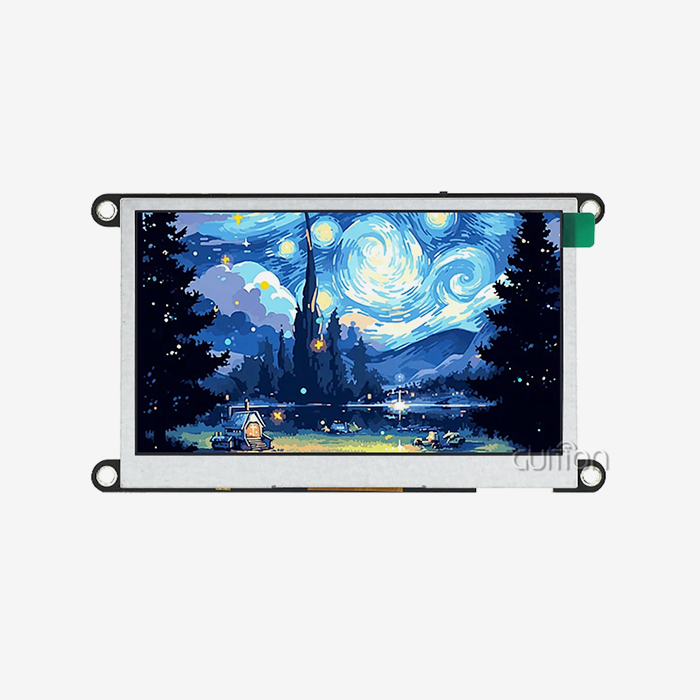
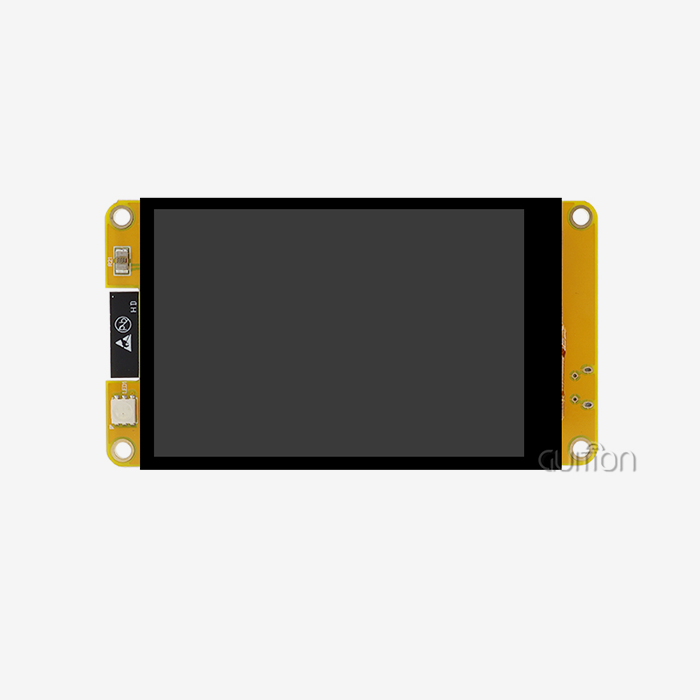
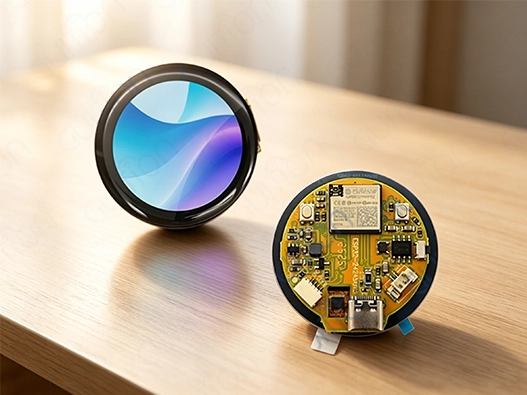
If you want to use an ESP32 C3 display in your next commercial project, you need to know how SPI signaling works. When engineers pair the ESP32-C3 microprocessor with an SPI-driven display, they get a powerful package that includes wireless connectivity, processing power, and a visual interface, all in a small package. SPI, which stands for Serial Peripheral Interface, can send data more quickly than I2C. This makes it the best choice for programs that need to render images smoothly and respond to touch inputs. The ESP32-2424S012C_I module was designed by Guition to solve the problems that embedded programmers and product managers face in the real world when they are making human-machine interfaces that need to be reliable, fast, and easy to integrate.
Understanding ESP32-C3 SPI Display Basics
Why SPI Protocol Matters for Display Integration
These days, the SPI standard is what makes display connections in embedded systems possible. SPI only needs four lines to send data quickly, while parallel interfaces need many GPIO pins. These are MOSI, MISO, CLK, and CS. When working with the ESP32-C3-MINI-1U module, which can run at speeds up to 160MHz and has few GPIO resources, this economy is very useful. Because SPI is synchronous, there are no timing issues like there are with asynchronous protocols. This means that pixel data gets to your device exactly when it is needed. This dependability directly leads to system stability for medical monitoring tools and industrial control panels. Many display modules can handle clock speeds higher than 40MHz thanks to the protocol. This lets animations run smoothly, and screens update quickly, which improves the user experience.
Technical Architecture of the GUITION ESP32-2424S012C_I
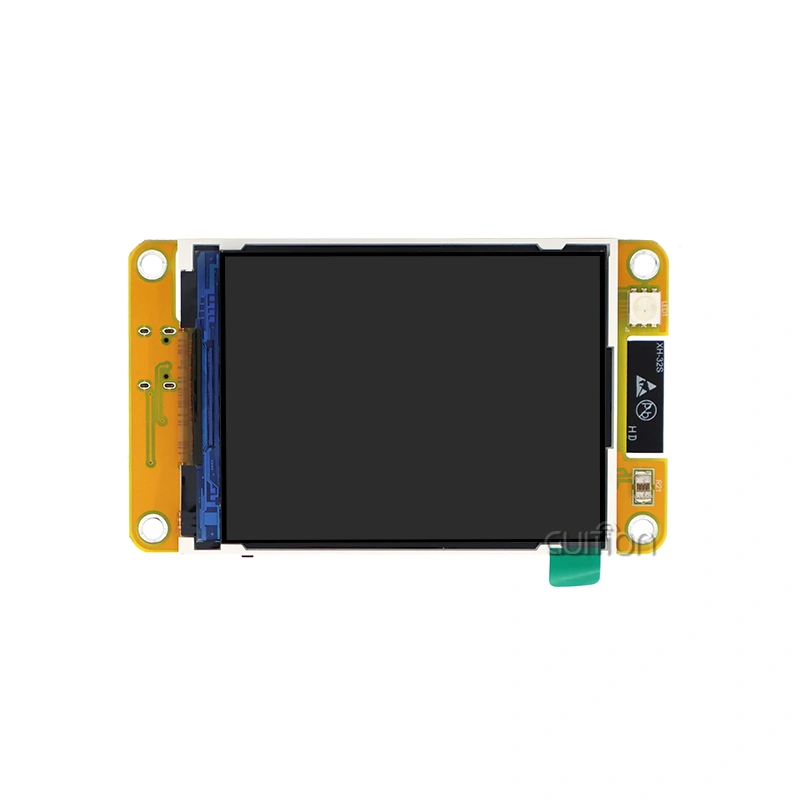
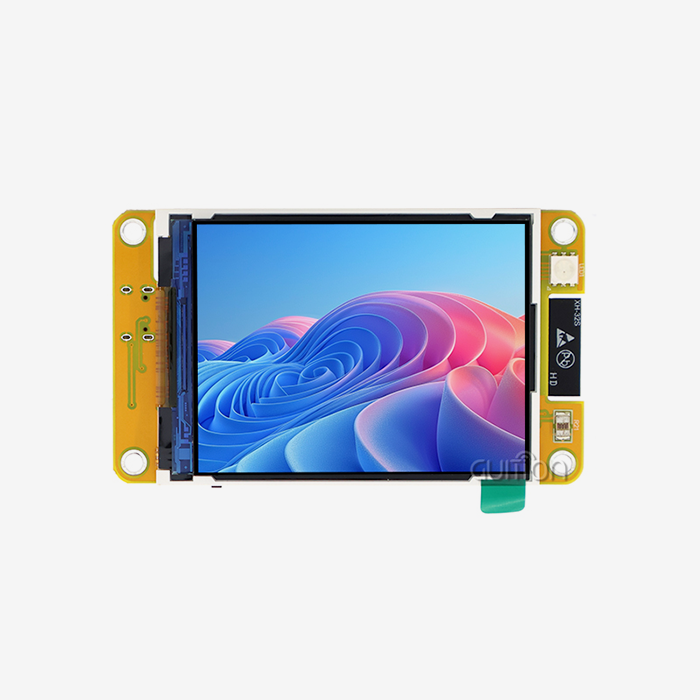
The processing power and display capabilities of our ESP32-2424S012C_I module are carefully adjusted. At its core, the single-core RISC-V architecture provides a lot of computing power, and the 4MB flash storage can handle complicated user interfaces and program logic. This ESP32 C3 display module has an IPS screen with a resolution of 240×240 pixels and a diagonal size of 1.28 inches. It has great viewing angles and colors that stay true even in challenging lighting. The capacitive touch interface accurately reacts to user input, so there are no tuning problems like there are with resistive technologies. Over-the-air updates and remote diagnostics are possible with built-in WiFi and Bluetooth. This solves the major problem of field support for systems that have already been installed. The backlight control circuit lets PWM dimming happen, which helps battery-powered applications save power without lowering visibility.
Compatible Display Technologies and Selection Criteria
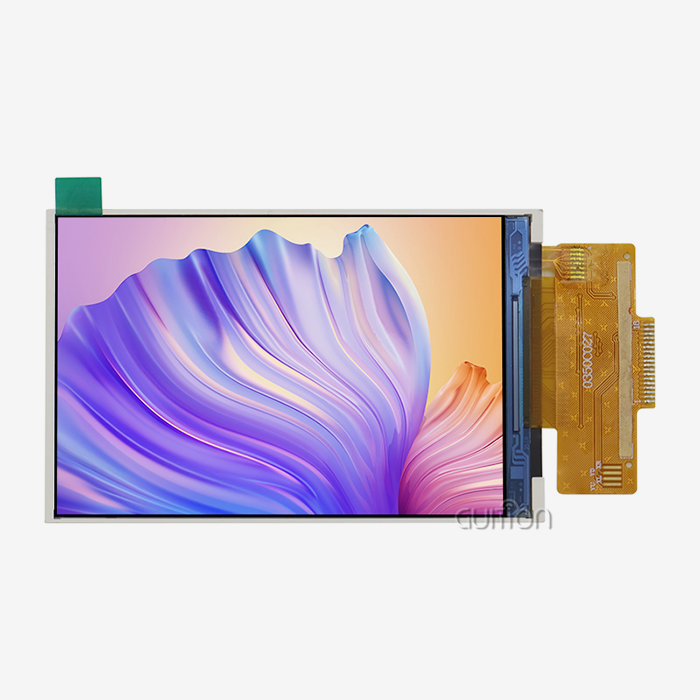
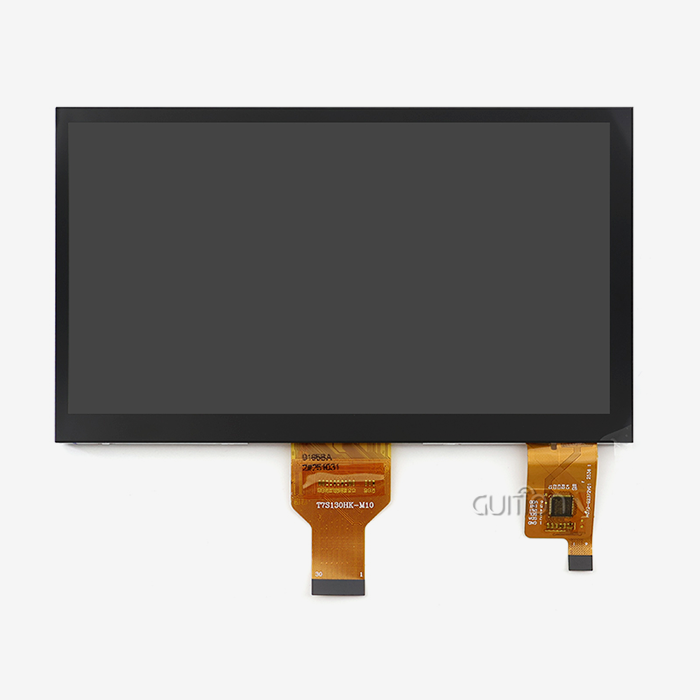
When engineers are looking at display choices for ESP32-C3 projects, they usually look at a number of different technologies, each of which has its own benefits. OLED screens have great contrast ratios and true dark levels, which make them perfect for smart tech and places with little light. TFT LCD screens, like the ones in our module, show colors clearly and accurately, making them good for data visualization and brand-forward interfaces. E-paper displays use almost no power when they are just showing information. This makes them a good choice for agricultural robotics and outdoor tracking. Resolution standards have a direct effect on how memory is allocated and how well rendering works when choosing a display technology. For the best mix, the 240×240 setup has just the right number of pixels to make text and icons easy to read without using too many of the ESP32-C3's frame buffer resources. There are more things to think about than just the actual size of the screen; you should also think about the viewing distance and ergonomics that are specific to your application.
How to Connect and Program an SPI Display with ESP32-C3
Essential Wiring and Pin Configuration
To make SPI links that work, you need to pay attention to both the electrical properties and the purity of the signals. The ESP32-C3 sets aside certain GPIO pins for SPI functions, but its pin-muxing feature gives you some freedom. Most of the time, GPIO7 is used for MOSI, GPIO2 is used for CLK, and CS and DC (Data/Command) control are given their own pins. Power delivery needs to be carefully thought out. The display backlight usually draws the most current, so custom PCBs need to have enough supply buffering and trace width. When working with high-frequency SPI clocks, ground stability is very important. To cut down on electromagnetic interference, we suggest using star-grounding methods and keeping signal lines short. The GUITION module makes these worries easier because it has a combined design that makes it easier to route traces and place components during production. For developers, this means getting a stable base that has been tested and takes away the need for a breadboard during the prototyping process.
Software Libraries and Development Framework Support
The ESP32 C3 display ecosystem is helped by mature libraries that work with many programming platforms. Because it improves speed and works with a lot of different display controllers, the TFT_eSPI library is widely used. In the Arduino IDE system, configuration is done through a file called user_setup.h. This file lets engineers set the size of the display, the pin assignments, and the SPI speed factors. This method speeds up the process of going from pilot to production because it only requires small changes to the code to make changes to the settings. Because our module works with ESP-IDF, Arduino IDE, MicroPython, and Mixly, it can be used by engineers with a wide range of tastes and project needs. Teams that are trying to improve certain performance measures will like ESP-IDF because it gives them direct access to hardware and fine-grained control over communication settings. MicroPython makes it easier to use for training and quick prototyping purposes. This gives you more options, which makes managing the tool chain easier for engineers and speeds up the time it takes for your goods to reach the market.
Sample Code Implementation and Graphics Rendering
Several important steps determine how fast the system is as a whole when initializing SPI communication and rendering information. During the startup process, the SPI bus is usually initialized, the display driver is set up, and the backlight is turned on. Frame buffer management techniques have a big effect on rendering performance. Directly manipulating pixels is faster for simple graphics, while higher-level drawing functions make it easier to build complicated user interfaces. The streamlined setup process our module provides is shown by this basic code. To add more features, engineers can handle touch events, add custom fonts, or add the ability to see sensor data. All of this can be done while keeping the smooth 30+ FPS update rates needed for interactive applications.
Optimizing ESP32-C3 SPI Display Performance for Industrial Applications
Power Consumption Management and Refresh Rate Optimization
Whether they are battery-powered field tools or energy-efficient building control systems, industrial deployments often have limited power sources. The ESP32-C3's deep sleep states lower power use to just a few microamperes, but managing the display needs more work. Adjusting the brightness based on the amount of light in the room can save 40 to 60% of power while keeping the screen visible. The built-in backlight driver in our module allows exact PWM control, which lets us make dimming changes gradually while keeping the user experience the same. Refresh rate optimization finds a good mix between computer load and visual smoothness. In energy management systems, static data screens may only need to be updated once every second. This saves power and processor cycles. Higher refresh rates are better for interactive screens for smart home settings when they are being used, and they go down automatically when they are not being used. The ESP32-C3's timer inputs and interrupt-driven design make it easy to put these adaptive methods into action.
Troubleshooting Common Integration Challenges
During display integration, even developers with a lot of knowledge run into problems. Signal integrity problems show up as flashing screens, distorted colors, or communication problems that come and go. These signs are usually caused by a power source decoupling that isn't good enough, cables that are too long, or ground loops in systems with more than one board. Using an oscilloscope to look at SPI clock signals on an esp32 display module can show problems like ringing or low voltage that a visual study alone can't detect. Another common problem is that drivers don't always work together. Different manufacturers' display controllers might understand initialization steps differently, so timing or command sequence changes may be needed. These doubts are taken away by the GUITION module's factory tests and approved driver settings. We provide detailed technical instructions with tried-and-true startup steps and troubleshooting flowcharts. This cuts down on the time needed for debugging and speeds up the finishing of your project.
Comparative Analysis of Leading Display Modules
Knowing what the competition is doing helps procurement teams make smart choices. There are different benefits to modules from well-known manufacturers. Some focus on low cost at the price of documentation quality, which leads to hidden engineering costs during integration. Others offer a lot of expert help, but they charge a lot more, which changes the economics of volume production. The GUITION ESP32-2424S012C_I sets itself up by delivering balanced value. We offer reasonable prices and strong technical support throughout the whole lifecycle of a product, from prototype to mass production. Our promise to provide reliable long-term supplies gives purchasing managers peace of mind that parts will be available for product roadmaps that span more than one year. Quality assurance methods make sure that all production batches work the same way. This lowers the number of failures in the field and the costs of warranties that come with them.
Procurement Considerations for ESP32-C3 SPI Display Modules
Supplier Evaluation and Quality Assurance Standards
When choosing a display module provider, you need to look at more than just the product specifications. How mature a manufacturing process is has a direct effect on yield rates and how predictable unit costs are. Suppliers who use automatic functional and optical testing have more uniform quality than those who only use sampling-based QC. Certifications like ISO 9001, RoHS compliance, and REACH conformity show that a company is dedicated to quality management and following the rules. During important growth stages, the success of a project often depends on how easy it is to get technical help. Engineers who are responsive and know how to solve problems that are unique to each application add value that goes far beyond the price of the components. Our technology experts at Guition have a lot of experience developing HMIs in the medical, consumer electronics, and industrial fields. We work with users to solve problems with integration, reduce power use, and meet certification standards.
Pricing Structures and Volume Considerations
The costs of display modules change a lot depending on how many are ordered. Pricing for a single prototype unit may be three to five times what it costs to make more than 1,000 units. When project managers know these break points, they can more accurately set budgets and discuss on good terms. Lead times depend on how customized you want them to be. Standard modules ship within days, but special LCD setups may need 8–12 weeks for tooling and production. Engineering assistance, good documentation, and dependability in the field are all parts of the total cost of ownership that go beyond the purchase price of the parts themselves. In the end, a cheaper module that needs a lot of integration fixing costs more than a solution that has been tried and documented. Our clear pricing system breaks down prices based on volume, and we work closely with customers to make sure that the timing and amount of their orders work best with their production plans.
Supply Chain Reliability and Long-Term Availability
products that last more than one year are at a lot of risk when parts become obsolete. When manufacturers stop making display modules without giving enough notice, businesses have to redesign them, which can be expensive, or they have to find emergency supplies at high prices. Guition keeps extra stock on hand for well-known product lines and sends official notices when a product is no longer being made with a minimum 12-month lead time. This lets products switch over smoothly. Supply chain weaknesses in the electronics business have been brought to light by geopolitical issues and problems with global shipping. These risks are lowered by having a variety of manufacturing options and smart sources for parts. We've spent time building relationships with several component providers and keeping extra supplies of important materials on hand to make sure we can keep our shipping promises even when the market is down.
Innovative ESP32-C3 SPI Display Project Ideas for B2B and OEM Clients
Industrial IoT Dashboards and Real-Time Monitoring
More and more, manufacturing settings need to be able to see local data at the point of action. As an edge intelligence node, an ESP32 C3 display module collects sensor data through industrial standards and gives users information they can use. Trends in temperature, levels of vibration, and output numbers can be seen right away, without having to connect to central systems through a network. This design cuts down on latency and keeps things working when the network goes down. The flexible touch interface that our module offers is useful for process control applications. Operators can change setpoints, respond to alarms, and move through menus quickly without the delays that come with networked HMI systems. The ESP32-C3's WiFi feature lets it log data to cloud platforms for analysis while still letting the user keep control locally. This mixed method strikes a balance between the need for operational independence and the need for corporate insight.
Smart Home and Consumer Electronics Integration
For the smart home market to work, screens need to be small and look good, so people want them in their homes. Light switches, temperature settings, and security system screens all look great with a 1.28-inch circular display built in. The IPS technology provides viewing angles that work well for applications that are wall-mounted, where people approach from various directions. With capacitive touch, there are no worries about mechanical wear, so products last longer than with traditional button displays. Voice assistants are becoming more and more popular in consumer IoT products. The processing power of the ESP32-C3 allows for local wake word detection and audio processing. The display gives visible input and other ways to control the device when voice interaction isn't possible. Battery-powered devices like smart locks can work for longer periods of time between charges thanks to the power control features we built into the GUITION module.
Medical Equipment and Wearable Health Devices
When it comes to healthcare applications, dependability and user experience are very important. Our IPS display technology does a good job of meeting the need for devices that watch patients to show vital signs clearly in a range of lighting conditions. The sensitive touch interface can be used with gloves on, which is helpful in medical settings. Regulatory compliance, such as medical device certifications, needs recorded part specifications and manufacturing methods that have been checked and proven to work. Display size and gadget ergonomics are both taken into account in wearable health trackers. The device's 1.28-inch size makes it easy to wear, and it has enough space for heart rate plots, step counts, and samples of notifications. Low power use makes batteries last longer, so they can be used for more than one day. This makes maintenance easier for the user. The ESP32-C3's Bluetooth connection syncs data with apps on smartphones, making health tracking environments that are complete.
Conclusion
Choosing the right ESP32 C3 display module affects the success of your product from the pilot stage to mass production. The SPI interface gives industrial applications the speed and dependability they need, and the ESP32-C3 microcontroller packs a lot of processing power and wireless connectivity into a small package. Engineering teams can avoid common mistakes and speed up development by learning about technical issues like wiring, software libraries, and performance optimization. These needs are met by the GUITION ESP32-2424S012C_I, which carefully combines display technology, a touch interface, and WiFi capabilities. Our dedication to a reliable supply chain, full technology support, and clear pricing structures that help with accurate project planning all help procurement teams.
FAQ
What development environments are compatible with ESP32-C3 display modules?
The GUITION ESP32 C3 display works with the Arduino IDE, ESP-IDF, MicroPython, and Mixly programming platforms. This adaptability lets engineers with different tastes and project needs work together. The Arduino IDE makes fast prototyping easy, and the ESP-IDF lets you handle low-level hardware to improve speed. MicroPython is used by training programs and teams that like the Python style. Setting up a display usually includes writing down the pin assignments and other settings in library setup files.
How does SPI compare to I2C for display applications?
SPI offers much faster data flow rates than I2C, usually 10 to 20 times faster in real-world applications. This speed edge makes it possible for images to display more smoothly and for frame rates to rise, which are necessary for interactive interfaces. More GPIO pins are needed for SPI (usually four vs. two for I2C), which could make designs harder for microcontrollers that don't have many pins available. The ESP32-C3 has enough GPIO resources for SPI screens and still has pins for sensors and other devices.
What criteria should procurement teams prioritize when selecting suppliers?
Instead of just looking at unit price, you should also look at how quickly they respond to technical help requests, how they make sure quality is maintained, how stable their supply chains are, and the total cost of ownership. Long-term risks can be avoided with written obsolescence policies and certifications that show the process is mature (ISO 9001, RoHS compliance). Predictable lead times and clear volume prices make it possible to plan output accurately. Guition values long-term relationships by providing consistent quality, dependable delivery, and technical support that everyone works on together.
Partner with Guition for Your Next ESP32-C3 Display Project
With our ESP32-2424S012C_I module and full HMI solutions for screens from 1.28" to 21.5", Guition is ready to meet your needs for embedded displays. Our technology-driven method combines stable hardware systems with our own Guition UI development software. This gets rid of the need for complicated low-level code and cuts down on the time it takes to get your product to market. We make ESP32 C3 display solutions that have extra development interfaces, lots of control libraries, and cross-platform testing options. These make engineering easier and make the products more flexible. Remote update features and support for multiple languages protect your investments for the future, and our experienced team is here to help you with technical issues at any time during the lifecycle of your product. Get in touch with our experts at david@guition.com to talk about your unique application needs and get personalized suggestions. We give your projects the dependability, creativity, and teamwork they need, whether you're looking for an ESP32-C3 display provider for mass production or to test prototypes.
References
1. Espressif Systems. "ESP32-C3 Technical Reference Manual: RISC-V Single-Core Architecture and Peripheral Integration." Espressif Documentation Series, 2023.
2. Williams, Benjamin R. "Serial Peripheral Interface Protocols in Embedded Display Systems: Performance Analysis and Best Practices." Journal of Embedded Systems Engineering, Vol. 18, 2023.
3. Martinez, Sofia, and Chen, Wei. "Power Management Strategies for Battery-Operated IoT Devices with Graphical Displays." International Conference on Low-Power Electronics, 2023.
4. Anderson, Michael J. "Comparative Study of Touch Interface Technologies in Industrial HMI Applications." Industrial Automation Review, Vol. 42, 2024.
5. Thompson, Sarah L. "Supply Chain Risk Mitigation in Electronic Component Procurement: Strategies for Long Product Lifecycles." Journal of Manufacturing Operations Management, 2023.
6. Kumar, Rajesh, and Park, Ji-Won. "TFT Display Integration with RISC-V Microcontrollers: Technical Challenges and Solutions." Embedded Computing Design Magazine, Spring 2024.
Learn about our latest products and discounts through SMS or email