- English
- French
- German
- Portuguese
- Spanish
- Russian
- Japanese
- Korean
- Arabic
- Greek
- German
- Turkish
- Italian
- Danish
- Romanian
- Indonesian
- Czech
- Afrikaans
- Swedish
- Polish
- Basque
- Catalan
- Esperanto
- Hindi
- Lao
- Albanian
- Amharic
- Armenian
- Azerbaijani
- Belarusian
- Bengali
- Bosnian
- Bulgarian
- Cebuano
- Chichewa
- Corsican
- Croatian
- Dutch
- Estonian
- Filipino
- Finnish
- Frisian
- Galician
- Georgian
- Gujarati
- Haitian
- Hausa
- Hawaiian
- Hebrew
- Hmong
- Hungarian
- Icelandic
- Igbo
- Javanese
- Kannada
- Kazakh
- Khmer
- Kurdish
- Kyrgyz
- Latin
- Latvian
- Lithuanian
- Luxembou..
- Macedonian
- Malagasy
- Malay
- Malayalam
- Maltese
- Maori
- Marathi
- Mongolian
- Burmese
- Nepali
- Norwegian
- Pashto
- Persian
- Punjabi
- Serbian
- Sesotho
- Sinhala
- Slovak
- Slovenian
- Somali
- Samoan
- Scots Gaelic
- Shona
- Sindhi
- Sundanese
- Swahili
- Tajik
- Tamil
- Telugu
- Thai
- Ukrainian
- Urdu
- Uzbek
- Vietnamese
- Welsh
- Xhosa
- Yiddish
- Yoruba
- Zulu
Custom TFT Display Module vs Standard: Which Fits Better?
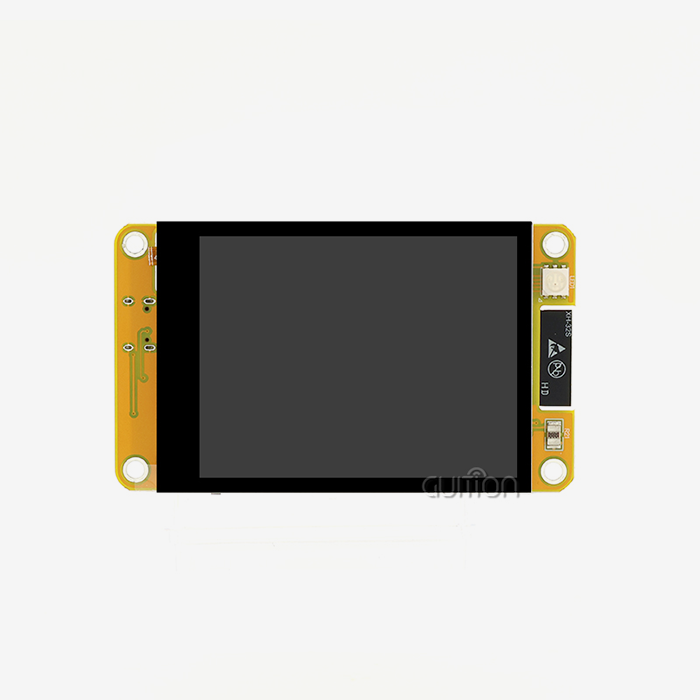
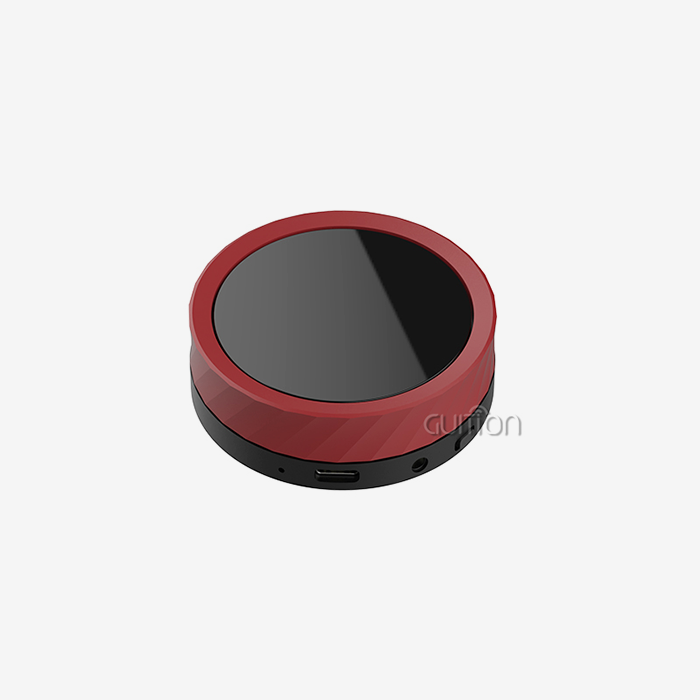
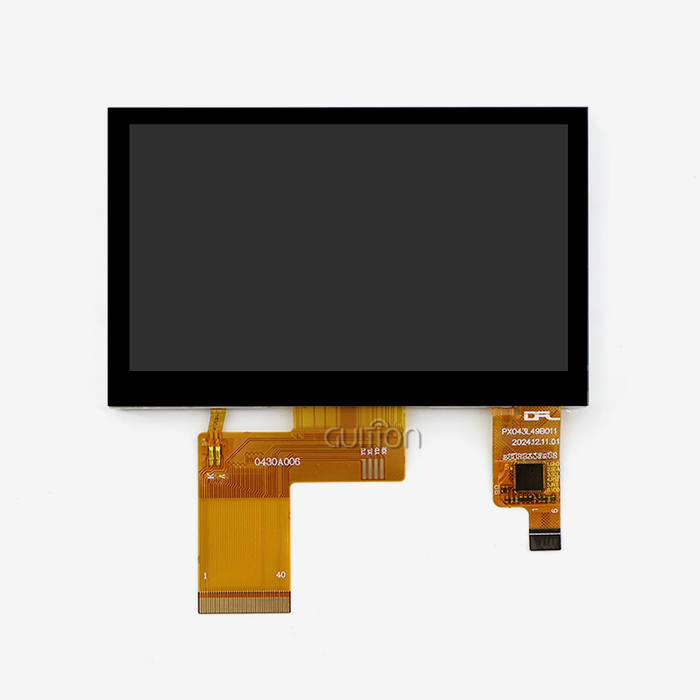
Custom TFT display modules vs. normal off-the-shelf options have direct effects on project timelines, product differentiation, and long-term running costs when engineering teams have to choose a display. A Custom TFT display module can meet specific needs, like screen size and interaction protocols, that standard units can't. This can help with compatibility issues and give users a unique experience that makes your product stand out in a crowded market.

Understanding TFT Display Modules: Custom vs Standard
Defining Core Display Categories
Standard TFT display modules come with specs that were set by makers to appeal to a wide range of buyers. These units come with standard connector types, fixed resolution choices, and general backlight setups that are made to work with a wide range of businesses. Custom TFT display modules, on the other hand, have their specifications changed to fit the needs of each application. This customization includes changes to the mechanical measurements, the optical features, the electrical connections, and even the firmware integration. The main difference is that standard modules need your product design to make room for the display, while custom modules can be added to your current layout.
Key Functional Differences
There are several ways that the functional gap between these methods shows up. Standard displays usually only have a few brightness levels that work well indoors. Custom TFT display modules, on the other hand, can have better lighting units that give 1000+ nits of brightness for reading outside. Touch technology is another way that products are different. Standard modules may only have basic resistive touch or no touch at all, but custom solutions can include projected capacitive touch sensors that can recognize multiple touches and gestures. For embedded engineers who work with certain microcontroller environments, interface freedom is very important. Standard screens usually have fixed-pin SPI or RGB parallel connections, which could mean they need extra level changers or bridge chips. Custom modules can be made with UART serial ports, MIPI DSI connections, or special protocols that directly match the powers of your main processor. This gets rid of the need for extra conversion hardware and lowers the cost of the bill of materials.
Customization Dimensions Available
Engineering teams can change a lot of factors when they define a Custom TFT display module. Physical features include the size of the active area, the total module footprint, the width of the cover glass, and the locations of the mounting holes. Optical specs include things like contrast ratio, color gamut covering, resolution density, and viewing angle performance. Customization options for electrical parts include input voltage levels, power usage profiles, and signal interface definitions. Environmental modifications allow operation over a wider temperature range, resistance to vibration for mobile uses, and ingress protection rates for tough industrial settings. You can choose between resistive, capacitive, or no-touch configurations for touch integration, depending on how your users like to connect with the device.
Key Technical Differences Between Custom and Standard TFT Modules
Performance Parameter Variations
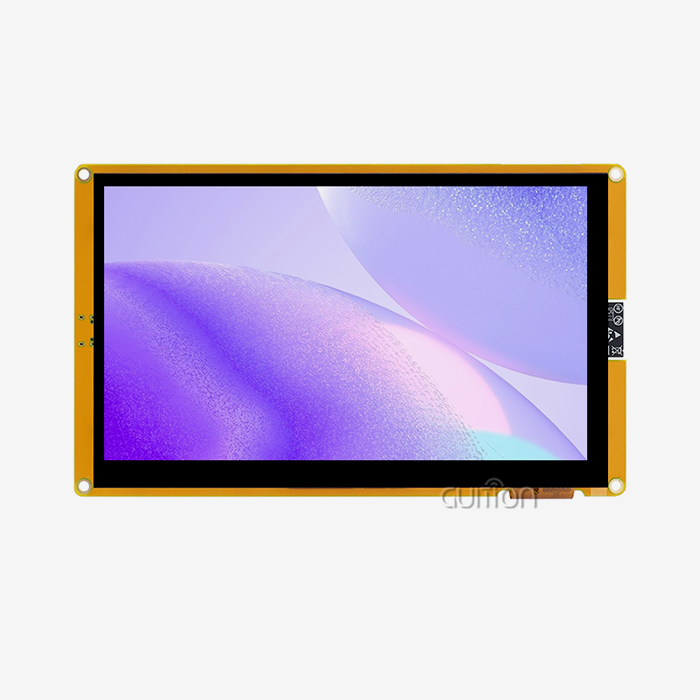
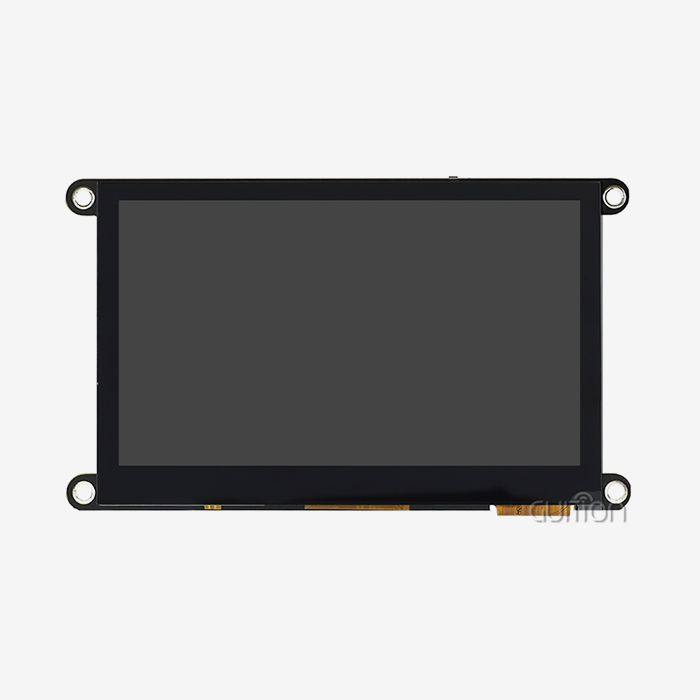
The resolution skills of normal and custom methods are very different. Because they are easy for most people to get, standard modules tend to group together around popular sizes like QVGA (320x240), WVGA (800x480), or HD (1280x720). Custom TFT display modules can handle non-standard aspect ratios and pixel densities that are best for different viewing distances and data density needs. The Guition JC8048W550C_I is a good example of this because it has a 5.0-inch diagonal and an 800x480 resolution, which is the right pixel pitch for workplace control panels where people see computers from 18 to 24 inches away. The specs for brightness and contrast show another performance gap. Most standard screens have a brightness level of 250 to 400 nits, which is good for business lighting. Custom solutions increase this range by using special lighting designs and optical films that keep the screen visible in direct sunlight while keeping power use low. This is very important for outdoor energy management systems and tools used for automating farming.
Touch Technology Integration
The ability to touch is a big professional difference-maker. Standard units that have a touch screen often use single-touch resistive technology, which can sense pressure from any object but not gestures. Custom TFT display modules allow projected capacitive touch implementation that supports multi-touch motions, palm rejection, and operation with gloves on—essential for medical device makers who need to keep germs out. The way the controller is integrated also changes. Standard touch modules usually have a separate touch controller IC that needs extra I2C or USB lines for communication. Custom solutions can add touch sensors to the main processor output, which cuts down on the number of parts needed and makes software design easier to understand. From working with embedded system designers, we know that this coupling flexibility speeds up development by 30–40% compared to handling separate touch and display subsystems.
Durability and Environmental Engineering
Environmental resistance is what sets industrial-grade custom solutions apart from regular screens. Standard modules go through basic approval tests. They are usually rated to work in temperatures between 0°C and 50°C and have limited shock and pressure requirements. Custom TFT display modules use better building methods, like glued cover glass, conformal coating on circuit boards, and protected connector kits, so they can work in places with a lot of dust or high humidity from -30°C to 85°C. This technical investment is necessary for companies that make industrial equipment that puts control panels on plant floors, where changes in temperature, vibrations from machinery, and airborne pollution can shorten the life of displays.
Comparing Custom TFT Display Modules with Alternatives
Custom vs Standard TFT Trade-offs
The main benefit of custom screens over regular ones is that they give you more design options. When your industrial control panel needs a certain shape to fit current enclosure tools, standard screens force you to make expensive mechanical changes or use awkward adapter plates. Custom TFT display modules are made to fit your mechanical frame perfectly, preventing these issues. When it comes to cost, there are a lot of things to think about. Standard modules are cheaper per unit when only a few are bought, but unique solutions become cost-competitive when more than 500 to 1000 are bought each year. Differences in lead times have a big effect on planning a job. Standard screens can be sent out within days from stock at a wholesaler, but special modules usually need 8 to 12 weeks for tooling and the first production runs. But this time investment up front guards against the risk of becoming obsolete. Standard display lifecycles are set by consumer goods, and models are taken off the market as companies try to sell more of them. Long-term supply deals for custom displays lock in specs and make sure that parts will be available for your product's 5–10-year life span. This is especially important for medical device makers who need to meet regulatory validation requirements.
TFT vs OLED Technology Considerations
When compared to TFT technology, OLED screens have better contrast ratios and faster reaction times. This makes them appealing for market applications that value visual effect. But TFT display units still have benefits in several B2B situations. Cost structures support TFT technology for screens bigger than 3 inches, and the price differences get a lot bigger for industrial temperature range needs. Technology choice is also affected by how long the technology will last. For example, TFT backlights can work for more than 50,000 hours with little degradation, but OLED cells lose brightness over time, which requires complicated adjustment algorithms. Patterns of power use are very different between systems. OLED screens use less power because they mostly show black text, which makes them good for tracker apps with dark themes. TFT modules with properly set backlights work better for industrial interfaces that show screens with lots of data and light backgrounds. This is usually the case for automation control systems and business computers.
Application-Specific Suitability
Manufacturers of smart home devices often find that standard screens are good enough for prototypes and small-scale production. They are willing to deal with technical limitations in order to get into the market faster. Custom TFT display modules that remove obsolescence risks and adjust for specific viewing conditions are very helpful for industrial equipment makers who are making control screens that will be used for 10 years or more. When making medical devices, designers have to think about a lot of different things. For example, custom displays can have antimicrobial coatings added, touch screens can be covered for proper cleaning, and hospital settings need special certifications. The ESP32-S3R8 processor platform in the Guition JC8048W550C_I meets all of these different needs. It can be used for both fast prototyping with the Arduino IDE and production-grade firmware creation with ESP-IDF. With this two-way method, embedded engineers can quickly test ideas with common development tools and then switch to better custom versions as products get better.
Procurement Considerations for Custom TFT Display Modules
Lead Time and Production Planning
Buying a Custom TFT display module adds time constraints that aren't present when buying standard components. After the specifications are finalized, the prototype usually takes 4 to 6 weeks for the first articles. This gives engineers time to test the prototype before committing to production tools. Depending on how much customization is done, production wait times can be anywhere from 8 to 12 weeks. Once tooling is made, reorders can be made in 6 to 8 weeks. Because of these deadlines, display providers need to be involved earlier than usual compared to normal component strategies. Product managers who are good at their jobs start talks with display suppliers during the idea stages instead of the detailed design stages. This lets specifications be improved over time without affecting critical path dates.
Minimum Order Quantities and Pricing Structures
Minimum order quantities (MOQs) for custom TFT display modules usually start at 100 to 500 units for the first production runs. When annual numbers go over 1,000 units, prices per unit drop by 20 to 30 percent. This pricing structure takes into account the cost of tools over time, such as custom fixtures for testing, unique jigs for assembly, and quality control procedures that are tailored to your needs. To compare the total cost of ownership, you need to look at more than just the unit price. Standard screens that cost less per unit might need expansion boards, extra driver ICs, or mechanical changes that make the whole system more expensive. Even though they cost more, custom modules designed for direct connection often lower total bill of materials (BOM) costs. Embedded system designers have been able to cut the cost of systems by 15 to 25 percent by carefully customizing them and getting rid of support components.
Supplier Selection Criteria
Finding skilled custom display partners requires looking at more than just price. Technical competence includes optical design skills, means for developing firmware, and control over the production process. This skill is shown by Jingcaizhineng's Guition software platform, which speeds up iteration cycles and simplifies UI development. It also lets you change hardware remotely, which makes engineering easier. For multi-year output agreements, supply chain stability is very important. Sellers that have been around for a while keep ties with LCD glass makers, driver IC vendors, and touch sensor sellers, so that you don't have to deal with allocation problems when parts are in short supply. Communication systems and how quickly expert help responds have a direct effect on how efficiently development works. When compared to sellers who only sell hardware, those who offer full paperwork, reference designs, and applications engineering support can help solve problems more quickly. Our team at Guition offers Arduino tools, test programs, and cross-platform debugging support. This helps with the typical problem of not having enough software resources, which slows down the integration of displays.
Practical Guide: How to Choose Between Custom and Standard TFT Displays
Defining Project Requirements
To start systematic show picking, you need to be clear about what your application is for. Write down where you are watching, like an office with overhead fluorescent lighting, direct sunlight outside, or an industrial setting with overhead fluorescent lighting. This will decide the minimum brightness requirements. Figure out how your users will connect with you. For example, do operators need to wear gloves, use multi-touch movements, or not be able to touch at all? This helps you choose touch technology. Set standards for longevity by describing outdoor exposure, such as temperature extremes, humidity levels, vibration profiles, and the compatibility of cleaning chemicals. List the interface restrictions that your main processor choice will place on you. Our esp32 display module JC8048W550C_I has an ESP32-S3 processor that has various interface choices, such as SPI, I2C, and UART. This makes it flexible for different system architectures.
Evaluating Customization Necessity
People who make decisions should think about whether the needs of the project warrant investing in custom development. Standard displays are fine when the dimensions of accessible modules meet your needs, your annual production number stays below 500 units, and you don't need to worry about making your product stand out. Custom TFT display modules are a good option when standard modules can't be used because of mechanical issues, when your application needs environmental conditions that are outside of the normal ranges, when production volumes go over 1,000 units and costs go down, or when differentiating your product through a unique user interface design helps you get ahead in the market. Our custom modules have built-in WiFi and Bluetooth through the ESP32-S3R8 platform, which lets smart devices work without extra connection modules. This makes system design easier for IoT solution providers.
Decision Framework Application
This research is better organized with the help of a systematic rating matrix. Rate factors include limitations on mechanical fit, environmental specifications, production number estimates, time-to-market urgency, and product lifecycle length. Assign weights that represent the goals of your project. For example, startups may put a lot of weight on time-to-market, while makers of industrial tools may put a lot of weight on long-term availability. Score both the standard and custom choices on each factor. This will give you a numerical comparison that you can use to explain your decision to stakeholders. This organized method helps you see if the money you spend on customization fits with the economics of the project and your long-term goals. Our Guition modules support development on multiple platforms, including Arduino IDE, ESP-IDF, MicroPython, and our own Guition software. This lowers the risk that comes with custom solutions by giving developers of all skill levels and project stages more ways to work on their projects.
Conclusion
Choosing between Custom TFT display modules and standard options depends on how well they fit your long-term goals and how convenient they are right now. Standard screens speed up the development process and work well in situations where technical limits are flexible. Custom solutions, on the other hand, offer better integration, protect against obsolescence, and allow product differentiation through customized user experiences. Business decisions about production numbers, product lifecycle length, and competitive positions are affected by technical factors such as resolution needs, environmental requirements, and interface compatibility. The Guition JC8048W550C_I is an example of a custom module that was carefully intended to solve multiple problems at once. It combines ESP32-S3R8 processing power with flexible development settings and connectivity choices that make making smart devices easier. To choose the right display, you need to involve the seller early on, write down your needs in a clear way, and do a cost-of-ownership analysis that goes beyond per-unit price.
FAQ
What advantages do custom TFT display modules provide over standard options?
Custom TFT display modules make it possible for current product casings to fit perfectly, for optimal optical performance in certain viewing conditions, and for interface setups that match your processor architecture without the need for bridge components. Long-term supply deals protect the lifespan of these units and stop redesigns that are needed because of obsolescence.
How long does custom TFT display module manufacturing typically take?
After the specifications are finalized, it usually takes 4-6 weeks to make the first test units. For production orders, it usually takes 8–12 weeks to make the first items. Since tooling is already in place, subsequent reorders take only 6 to 8 weeks. When planning the schedule for product creation, these dates should be taken into account.
Can custom displays integrate with existing system hardware?
Of course. Custom TFT display modules can be made with communication standards like UART, SPI, I2C, MIPI, and others that work with your microcontroller. Because it works with Arduino, ESP-IDF, and MicroPython, the Guition JC8048W550C_I is compatible with a wide range of embedded system designs.
Partner with Guition for Your Custom TFT Display Module Needs
To get through the complicated process of choosing a display, you need people with a lot of experience who understand both the technical needs and the facts of procurement. Guition is a unique Custom TFT display module seller that offers full solutions, from helping with specifications to supporting production. The JC8048W550C_I, which has the ESP32-S3R8 dual-core processor running at 240MHz with 800x480 resolution, WiFi and Bluetooth connection, and support for various development platforms, including our own Guition UI software, shows how good our engineering skills are. This drag-and-drop interface design tool speeds up development by a huge amount, letting you make changes quickly without having to learn complicated low-level code. We help with secondary development by providing complete Arduino libraries, cross-platform debugging tools, and the ability to remotely update firmware, which lowers the cost of upkeep over the lifespan of a product. Our display options range from 1.28" to 21.5", and they can be used in a wide range of situations, such as industrial control systems, smart appliances, medical tracking equipment, and business terminals. Email our team at david@guition.com to talk about your project needs and get personalized suggestions that improve performance, cost, and time-to-market. Guition has the technical know-how and stable supply chain that your embedded system projects need, whether you need custom specs or solid standard solutions.
References
1. Johnson, M. & Chen, R. (2022). Display Technology Selection for Industrial Applications: A Comprehensive Engineering Guide. Industrial Electronics Press.
2. Peterson, K. (2021). "Custom vs Standard Components in Embedded System Design: Cost-Benefit Analysis Framework." Journal of Electronic Product Development, 18(3), 145-162.
3. Williams, D. & Thompson, S. (2023). TFT Display Integration Handbook for IoT and Smart Device Developers. Embedded Systems Publishing.
4. Rodriguez, A. (2022). "Lifecycle Management Strategies for Display Components in Medical Device Development." Medical Electronics Quarterly, 29(4), 78-94.
5. Lee, H. & Kumar, P. (2021). Procurement Best Practices for Custom Electronic Components in B2B Manufacturing. Supply Chain Technical Press.
6. Anderson, T. (2023). "Interface Optimization Techniques for Microcontroller-Display Integration in Industrial Control Systems." Automation Engineering Review, 31(2), 112-128.
Learn about our latest products and discounts through SMS or email