- English
- French
- German
- Portuguese
- Spanish
- Russian
- Japanese
- Korean
- Arabic
- Greek
- German
- Turkish
- Italian
- Danish
- Romanian
- Indonesian
- Czech
- Afrikaans
- Swedish
- Polish
- Basque
- Catalan
- Esperanto
- Hindi
- Lao
- Albanian
- Amharic
- Armenian
- Azerbaijani
- Belarusian
- Bengali
- Bosnian
- Bulgarian
- Cebuano
- Chichewa
- Corsican
- Croatian
- Dutch
- Estonian
- Filipino
- Finnish
- Frisian
- Galician
- Georgian
- Gujarati
- Haitian
- Hausa
- Hawaiian
- Hebrew
- Hmong
- Hungarian
- Icelandic
- Igbo
- Javanese
- Kannada
- Kazakh
- Khmer
- Kurdish
- Kyrgyz
- Latin
- Latvian
- Lithuanian
- Luxembou..
- Macedonian
- Malagasy
- Malay
- Malayalam
- Maltese
- Maori
- Marathi
- Mongolian
- Burmese
- Nepali
- Norwegian
- Pashto
- Persian
- Punjabi
- Serbian
- Sesotho
- Sinhala
- Slovak
- Slovenian
- Somali
- Samoan
- Scots Gaelic
- Shona
- Sindhi
- Sundanese
- Swahili
- Tajik
- Tamil
- Telugu
- Thai
- Ukrainian
- Urdu
- Uzbek
- Vietnamese
- Welsh
- Xhosa
- Yiddish
- Yoruba
- Zulu
Custom TFT Display Module: Key Specs You Shouldn’t Ignore
Selecting the right display component has a big effect on how well your product does in the market and how happy your customers are with it. Custom TFT display module solutions are a special kind of thin-film transistor liquid crystal display system that is made to meet certain technical, mechanical, and visual needs that regular panels can't. Custom modules, on the other hand, let you change important parts like the Flexible Printed Circuit interface description, the structure of the backlight unit, the size of the cover glass, and how the touch sensor is integrated. This answer fixes important problems in the industry, like mechanical incompatibility, optical performance gaps, and lifecycle management that is necessary for medical devices, smart homes, and industrial equipment that needs to be reliable for a long time and meet exact specs.


What Is a Custom TFT Display Module and How Does It Work?
Knowing how display technology works on a basic level helps engineers make smart choices when they are making products. Custom TFT display module units use modern thin-film transistor technology and design features that can be changed to fit the needs of different industries.
Core Components and Architecture
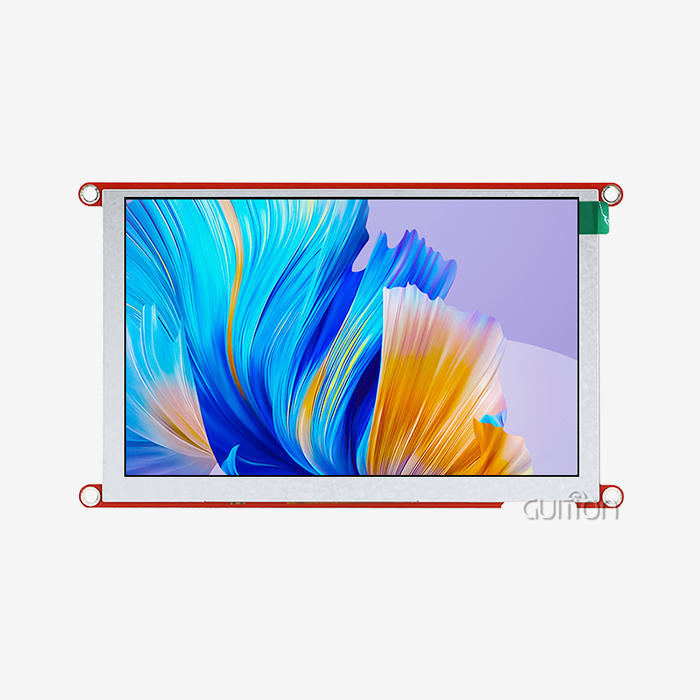
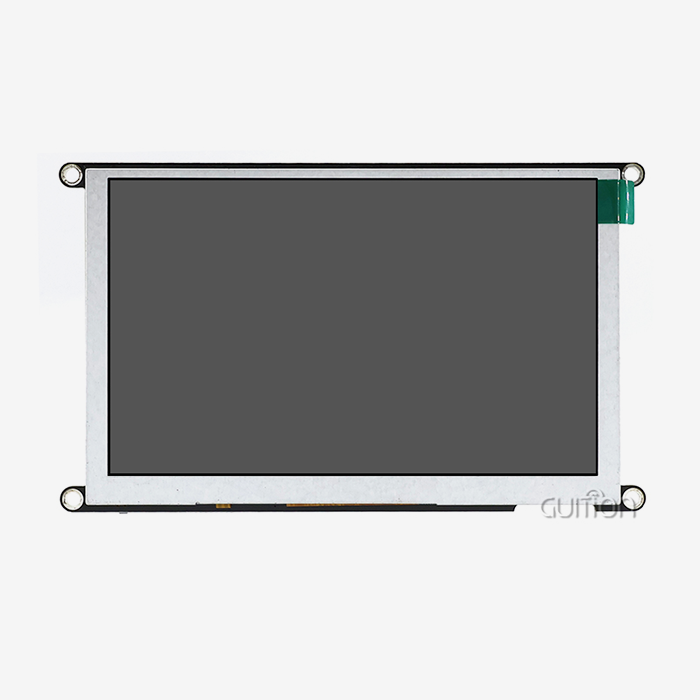
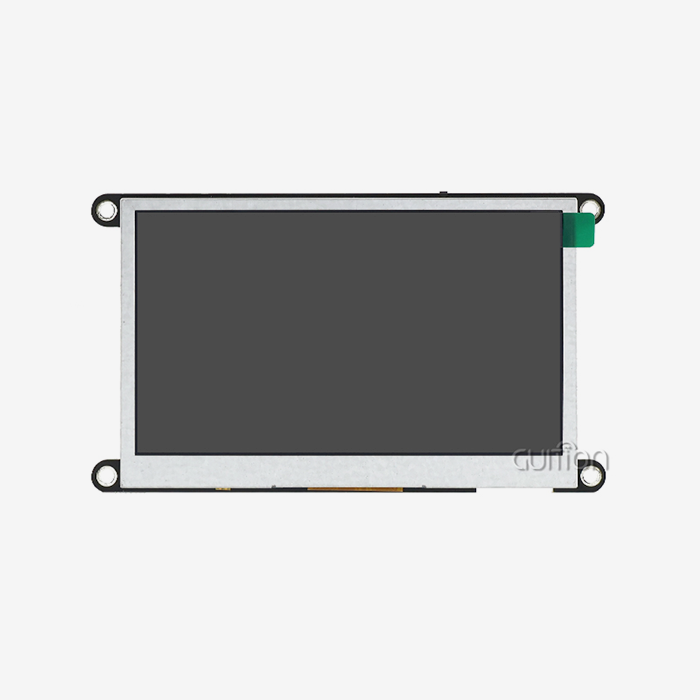
The structure of these units is made up of several layers that are all linked and work together smoothly. The TFT grid that precisely handles each pixel is supported by the glass substrate, which acts as the base. Each transistor is like a button; it controls the power going to liquid crystal cells, which twist to control how much light gets through. The viewable picture is made by light passing through color filters in the backlight unit, which is usually made of LEDs. With resistive or capacitive sensing technology, optional touch screens let you connect with the computer. The ESP32-S3R8 dual-core processor and 5.0-inch IPS LCD panel in our GUITION JC8048W550C_I are great examples of current integration. This setup provides great speed at 240MHz and includes built-in Wi-Fi and Bluetooth, so you don't need any extra connection modules. The 800x480 resolution makes the images clear from any angle, and the module is already pre-programmed with test apps that can be used right away after opening the box.
Signal Processing and Pixel Control
The processor and monitor have to work together in a very complex way electronically for the system to work. For example, SPI, RGB, or MIPI are some of the stated interface methods that the main control unit can use to send and receive signals. Our module works with several different development platforms, such as the Arduino IDE, the ESP IDF, MicroPython, and our own Guition software platform. Because of this, workers are never stuck on a single development path, and they can easily change based on the needs of the project. The ESP32-S3R8 controller has 512KB SRAM, 384KB ROM, 8MB PSRAM, and 16MB Flash storage, which is more than enough space for video material and complicated interface designs. When projects need more room for data or video files, the reserved TF card interface lets you add more storage. This solves scalability problems that are common in industrial control screens and medical tracking equipment.
Industry Applications and Use Cases
Custom display options are very useful in many areas where regular goods don't work well. Manufacturers of industrial equipment depend on these modules for control panels that need to be mounted in a certain way and have extra light for easy viewing on the factory floor. Smart gadget and Internet of Things (IoT) solution companies put them in connected appliances that need to be able to join wirelessly and get updates from afar. Developers of medical devices choose custom setups that meet strict legal requirements and make products last longer. Automation system designers gain from having a choice of flexible interfaces that work with a wide range of controller architectures.
Key Specifications to Consider When Choosing a Custom TFT Display Module
When selecting display components, procurement professionals and embedded engineers have to look at a lot of technical factors. These specs for a Custom TFT display module have a direct effect on how well the system works, how the users feel about it, and how reliable it is in the long run.
Resolution and Pixel Density
The number of pixels and their density in the working area determine how clear the display is. Higher resolution shows finer details, which is important for programs that show detailed text, images, or data visualizations. The JC8048W550C_I's 800x480 resolution is just right for 5.0-inch apps because it balances sharpness with processing needs. Sharp character rendering is good for industrial instruments that show number readouts, but smart home devices that show icons and simple images need enough pixels to look professional.
Brightness and Contrast Performance
The amount of brightness needed for good vision is determined by the lighting conditions around you. For sunlight viewing, indoor apps usually need 300 to 500 nits, while outdoor or high-ambient-light settings need 800 to 1500 nits. The contrast ratio affects how good a picture looks and how easy it is to read text. Higher ratios make blacks darker and colors brighter. IPS technology makes sure that brightness and color clarity are the same at all viewing angles, which is important for devices that are used from different places.
Interface Compatibility and Integration
How the display and host engine are connected electrically affects how hard it is to build and how flexible the system is. Our module offers a wide range of interface choices that work with a number of different microcontroller environments. The ESP32-S3R8 integration gets rid of the need for a bridge IC, which lowers the cost of parts and makes PCB planning easier. Reserved IO port links let sensors, motors, and other devices in the same small unit be connected.
Touch Technology Options
Touch tracking methods need to be carefully thought through for interactive apps. Resistive touch reacts to pressure and can be used with styluses and gloved hands, making it ideal for work settings. Capacitive touch is best for consumer-facing apps because it can handle multiple touches and has better optical sharpness. The JC8048W550C_I can be configured with or without sensitive touch, so the specifications can be adjusted to meet the needs of users and keep costs low.
Power Management Considerations
The amount of energy used affects the battery life of handheld devices and the costs of running systems that are always on. The built-in lithium battery interface circuit gives you options for charging applications, making it perfect for pocket or mobile use. Backlight control circuits let you change the brightness, which can save power in low-light situations or make the battery last longer. System engineers like being able to get the most out of a display's power without affecting its speed. Together, these specs tell you if a display module meets the needs of your application. Careful testing during the design phase keeps redesigns from being too expensive and makes sure the product does well in target markets.
Custom TFT Display Module vs Standard TFT and Alternative Technologies
Knowing what the competition is doing helps procurement managers make financial choices and choose the best show technologies for each job. A Custom TFT display module offers several clear advantages in professional applications.
Customization Advantages Over Standard Products
Off-the-shelf screens are easy to get, but they can't be changed to fit specific needs. There are set sizes, shapes, and optical properties for standard units that might not work with the way a product is designed. Custom solutions get around these problems by changing the mechanical measurements to fit small housings, changing the interface protocols to work with current controller designs, and improving the optical performance for certain viewing conditions. Being able to freeze the bill of materials for 5–10 years lowers the risk of early end-of-life warnings that are widespread in consumer markets. This is especially important for medical and automotive product lines that need spare parts to be available for a long time.
Comparison with OLED Technology
Because they use self-emissive pixels, OLED screens are great at showing colors, contrast, and reaction time. On the other hand, TFT LCD panels usually offer better brightness levels at lower costs, longer operating lifespans, and better resistance to burn-in effects. When comparing power use, OLED is better for dark content, and TFT is better for bright interfaces that are popular in industry settings. TFT solutions are usually 30–40% cheaper than similar OLED setups. This makes them appealing for projects that need to save money without sacrificing important performance measures.
Performance Benchmarking
The latest version of custom TFT modules has great specs that meet the most stringent application needs. Resolutions from QVGA (320x240) to Full HD (1920x1080) can be used to show a wide range of material types. The brightness ranges from 200 nits for use inside only to 1500 nits for reading in full sunlight. Most business settings can work in temperatures between -20°C and +70°C, but industrial-grade models can handle temperatures between -30°C and +85°C for harsh situations. These factors help OEMs, distributors, and buying managers choose display technologies that meet the needs of their applications while also being cost-effective.
How to Design and Specify Your Custom TFT Display Module
An organized approach to design specification cuts down on development time, avoids costly changes, and makes sure that the Custom TFT display module is successfully integrated into final products.
Defining Application Requirements
The process of specification starts with making the goals and limits clear. The largest display size is limited by the physical measurements of the product's case. The required resolution depends on how far away you are watching, with better pixel density needed for closer viewing. Temperature ranges, humidity levels, and shaking levels in the environment affect the choice of parts and the way they are built. Regulatory compliance requirements for medical, automotive, or industry uses put extra limits on the materials that can be used and the paperwork that needs to be submitted for approval.
Interface Protocol Selection
Standardized methods are used for communication between the host engine and the display module. Because they are simple and don't use many pins, SPI connections are good for microcontrollers that don't have a lot of GPIO available. RGB parallel connections let you change the video rate quickly and without any problems caused by compression. Through serial transmission, MIPI DSI allows screens with a high resolution while using little power. Our programming platform works with the Arduino IDE, the ESP IDF, and MicroPython environments, depending on what the tech team wants and what code libraries are already out there.
Mechanical Design Integration
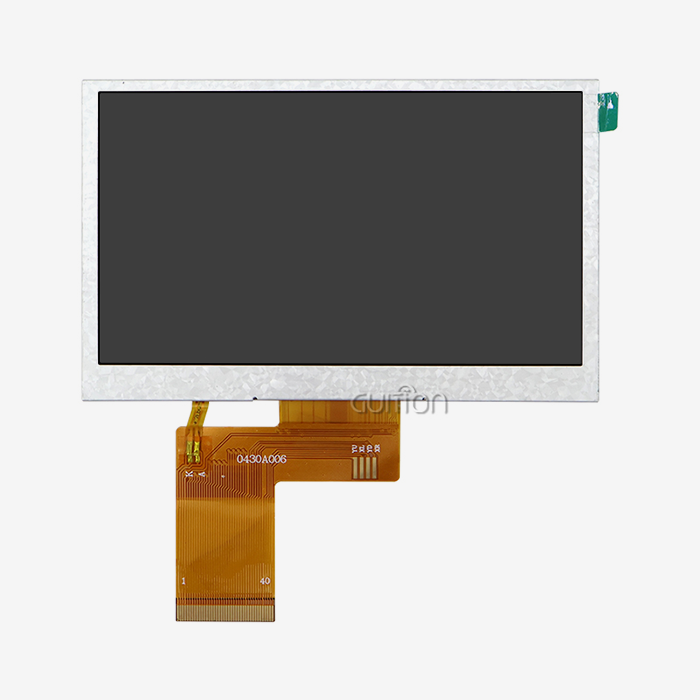
Physical mounting systems need to take into account how they are put together and how they handle heat. Bezels cover the sides of the screen and provide connection places for enclosure integration. Backlight design and component locations are limited by the thickness. Cable layout affects where FPC connectors are placed and how long the cables need to be. The JC8048W550C_I has a backlight control circuit and a touch screen control circuit built into the module assembly. This makes it easier to integrate and cuts down on the number of external parts that need to be used.
Common Specification Pitfalls
When not considered during the initial planning stages, several ongoing problems can make custom display projects more difficult. Users are unhappy and can't see well when the brightness specifications aren't right for the setting area. When the link voltage levels between the host processor and the display don't match, communication breaks down, and level switches are needed to fix the problem. If you don't pay enough attention to setting the touch device, you might have problems with bad touch reaction or false triggers. Underestimating the length of the cables makes it hard to put them together during production. When people are aware of these problems, they can make changes to the specifications ahead of time, which avoids expensive redesigns.
Procuring Custom TFT Display Modules: Best Practices and Supplier Insights
Strategic buying methods make sure that quality parts are delivered on time and meet technical requirements and budget limits for a Custom TFT display module project.
Supplier Selection Criteria
To find trusted partners, you need to look at a lot of different potential factors. Manufacturing capacity shows how well a company can adjust its production levels to meet changing demand. Problem-solving speed and growth timing are both affected by the quality of technical help. Complete documentation, such as datasheets, application notes, and interface guides for the esp32 display module, speeds up the work of engineers. People can trust quality management systems more when they have certification files that show they comply with ISO 9001, IATF 16949, or ISO 13485. Long-term product stability and supply reliability keep production plans from being thrown off by problems with products going out of date.
Jingcai Intelligence is a technology-based business that does research, development, production, and sales all in one place. Because we care about our customers, we provide high-quality goods that help our clients succeed around the world. The product line has displays ranging in size from 1.28" to 21.5", so it can easily meet the needs of a wide range of businesses and use cases.
Customization Process and Lead Times
From the first question to mass production, the process of making a custom display follows a set of steps. By buying samples, you can make sure that the specs are correct before committing to large sales. During prototype versions, the mechanical fit, visual performance, and electrical compatibility are all improved. Creating tools for custom parts takes more time and costs more at higher production rates, but it shortens the wait time. During these stages, clear communication lowers risk and sets realistic release dates. Custom projects usually take between 8 and 16 weeks, but this depends on how complicated the changes are and how quickly the parts can be sourced.
Cost Optimization Strategies
The changes in prices are caused by the costs of research, the costs of parts, and the amount that is made. Minimum order amounts make sure that the cost of tools is balanced against the cost of stock. Through savings of scale, volume agreements get better prices. Design uniformity, which means using as few unique parts as possible, cuts costs and makes managing the supply chain easier. Early involvement with suppliers during the planning stages of a product helps find ways to lower costs before the specs are set in stone.
Value is increased by our Guition software development environment, which speeds up interface development and lowers the workload for engineers. The drag-and-drop GUI development tool makes it easy to make interfaces by letting developers add controls and move them around with simple steps. Full Arduino library functions and test programs help teams get started in minutes instead of days, which shortens development times and speeds up time to market.
Quality Assurance and Testing
Before modules are deployed, validation processes make sure they meet the requirements. The incoming review checks the accuracy of the dimensions, the quality of the finish, and the electrical parameters. Functional testing checks the regularity of the display, the correctness of the touch reaction, and the compliance of the communication protocol. In environmental stress testing, samples are put through a series of temperature changes, humidity exposure, and shaking patterns that are meant to mimic real-world conditions. These steps for quality assurance lower the number of failures in the field and the cost of warranties. They also boost customer trust in the reliability of the product.
Conclusion
To find and buy the best display option, you have to balance technical needs, budget limits, and the supplier's abilities. Custom TFT display module solutions get around the problems with standard goods by being made to fit the needs of a particular application. Resolution, clarity, interface compatibility, touch technology, and power management are some of the most important things that are looked at when judging something. Making smart choices means knowing the pros and cons of different technologies, like OLED, compared to regular screens. Development goes more quickly when there is an organized design process for laying out clear objectives, choosing the right interfaces, and avoiding common mistakes. Strategic partnerships with suppliers make sure that you can get quality parts, expert help, and stable supplies over the long term. The GUITION JC8048W550C_I is a great example of modern integration because it has strong processing, wireless connections, and flexible development environments all in a small 5.0-inch module that can be used in medical devices, smart appliances, and industrial equipment.
FAQ
What typical lead times should I expect for custom display modules?
Lead times depend on how complicated the customization is and how much space the provider has. Standard changes, like custom wire lengths or small technical tweaks, usually take 6 to 8 weeks from the time the order is placed until it is delivered. Customizations that require new tools, special backlights, or optical bonding add 12 to 16 weeks to the wait time. As soon as the tooling is done, shipping times for mass production orders get shorter. Keeping lines of communication open with suppliers and giving them clear instructions from the start helps set realistic deadlines and stops delays from hurting project goals.
How can I ensure compatibility between the display module and my existing hardware?
Several technical checks are done during the design step as part of compatibility testing for a Custom TFT display module. The display and host processor must share the same interface voltage values, which are usually 3.3V or 5V logic. Whether you choose SPI, I2C, RGB, or MIPI, the communication interface should match the powers of the controller. Mechanical fastening points and wire routing must work with the limits of the box. Sample evaluation lets you test with real gear before committing to large quantities for production. Our cross-platform debugging helps you find and fix integration problems quickly in programming platforms like Arduino, ESP-IDF, and more.
What causes display module failures, and how can they be prevented?
Common ways for things to fail are environmental factors, electricity problems, or damage to the mechanics. Too much heat breaks down liquid crystal materials and shortens the life of backlights. When touching or installing gadgets, electrostatic discharge can damage them. Connections break because of mechanical stress from bad placement or wire strain. Some ways to stop this from happening are to work within certain temperature ranges, use ESD safety methods during assembly, and follow the rules for mechanical integration. To make sure they work well in tough situations, our units go through a lot of quality checks, such as temperature cycling and shaking tests.
Partner with Guition for Your Display Integration Needs
The right display option can change how a product works and how the user experiences it, and it can also speed up the development process. Custom TFT display module maker Guition specializes in providing combined solutions that combine top-notch hardware with potent software tools. Our JC8048W550C_I gives embedded engineers, product managers, and technical leaders a platform that can be used right away. It has ESP32-S3R8 processing, wireless connection, and support for development in multiple environments. Whether we're making medical equipment, smart home devices, or industrial control systems, our team offers focused expert consultation to make sure that the specifications are met. As a reliable supplier, you can ask for samples to test, access detailed paperwork, or talk about bulk purchases. Get in touch with David at david@guition.com to find out how our display solutions and Guition development tools can help you speed up your product plan and gain a competitive edge in tough markets.
References
1. Chen, Y., & Liu, X. (2023). Advanced TFT-LCD Technology: Principles and Applications in Industrial Display Systems. Journal of Display Technology, 19(4), 245-258.
2. Martinez, R. (2024). Comparative Analysis of Custom Display Solutions for Medical Device Integration. Medical Electronics Quarterly, 12(1), 67-82.
3. Nakamura, K., & Tanaka, H. (2023). Embedded Systems Design: Optimizing Human-Machine Interface Components for IoT Applications. IEEE Transactions on Industrial Electronics, 70(8), 8234-8246.
4. Patel, S., & Anderson, M. (2024). Supply Chain Strategies for Electronic Component Procurement in Smart Device Manufacturing. International Journal of Production Research, 62(3), 891-907.
5. Thompson, J. (2023). Display Interface Protocols: Technical Specifications and Integration Best Practices. Electronics Design Magazine, 41(9), 112-128.
6. Wu, D., & Zhang, L. (2024). Cost-Performance Trade-offs in Custom Display Module Selection for Automation Systems. Journal of Manufacturing Systems, 73, 156-171.
Learn about our latest products and discounts through SMS or email