- English
- French
- German
- Portuguese
- Spanish
- Russian
- Japanese
- Korean
- Arabic
- Greek
- German
- Turkish
- Italian
- Danish
- Romanian
- Indonesian
- Czech
- Afrikaans
- Swedish
- Polish
- Basque
- Catalan
- Esperanto
- Hindi
- Lao
- Albanian
- Amharic
- Armenian
- Azerbaijani
- Belarusian
- Bengali
- Bosnian
- Bulgarian
- Cebuano
- Chichewa
- Corsican
- Croatian
- Dutch
- Estonian
- Filipino
- Finnish
- Frisian
- Galician
- Georgian
- Gujarati
- Haitian
- Hausa
- Hawaiian
- Hebrew
- Hmong
- Hungarian
- Icelandic
- Igbo
- Javanese
- Kannada
- Kazakh
- Khmer
- Kurdish
- Kyrgyz
- Latin
- Latvian
- Lithuanian
- Luxembou..
- Macedonian
- Malagasy
- Malay
- Malayalam
- Maltese
- Maori
- Marathi
- Mongolian
- Burmese
- Nepali
- Norwegian
- Pashto
- Persian
- Punjabi
- Serbian
- Sesotho
- Sinhala
- Slovak
- Slovenian
- Somali
- Samoan
- Scots Gaelic
- Shona
- Sindhi
- Sundanese
- Swahili
- Tajik
- Tamil
- Telugu
- Thai
- Ukrainian
- Urdu
- Uzbek
- Vietnamese
- Welsh
- Xhosa
- Yiddish
- Yoruba
- Zulu
Colour LCD Display Module vs OLED: Key Differences
It is important to know the differences between a Colour LCD display module and an OLED when choosing display technology for medical tools, smart devices, or industrial automation. A Colour LCD display module uses backlit technology along with TFT layers to provide uniform brightness and reliable resolution in a wide range of industrial settings. On the other hand, OLED relies on organic compounds that give off light on their own. This basic difference in architecture affects how well it works, how much it costs, and what kinds of applications it can handle. Choosing the right display technology is very important for embedded engineers, R&D managers, and product designers who are working with limited time and money. It affects how quickly and well the product is made, how long it lasts, and how happy the end user is. This comparison looks at these technologies through the lens of real-life procurement issues. This will help you make choices that are in line with your project goals and practical needs.

Understanding the Technologies Behind Colour LCD Display Modules and OLED
How well different display technologies meet the needs of different applications depends on how they are built. Knowing these differences helps engineering teams choose parts that meet the needs of their projects and work as expected.
How Colour LCD Display Modules Operate
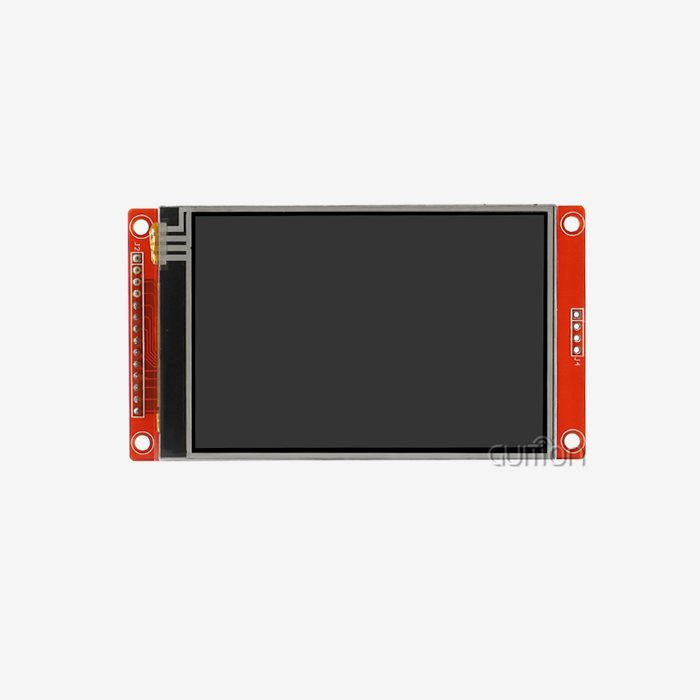
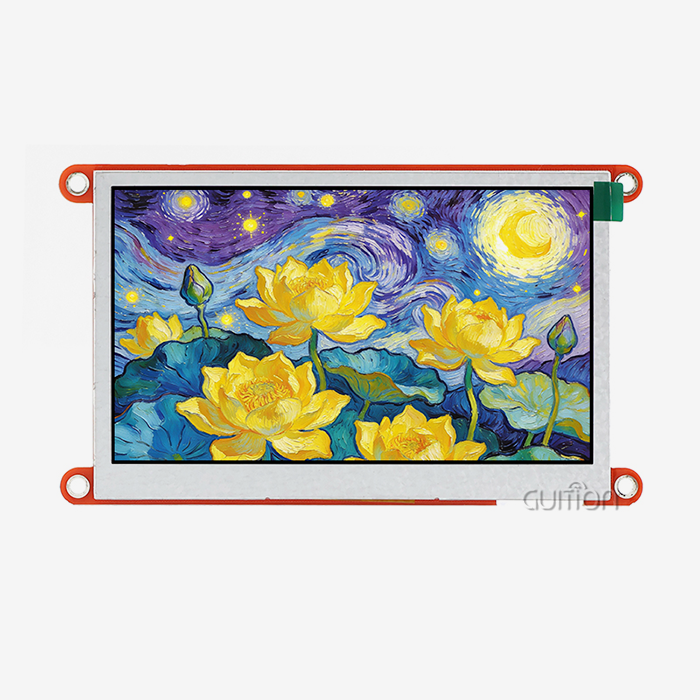
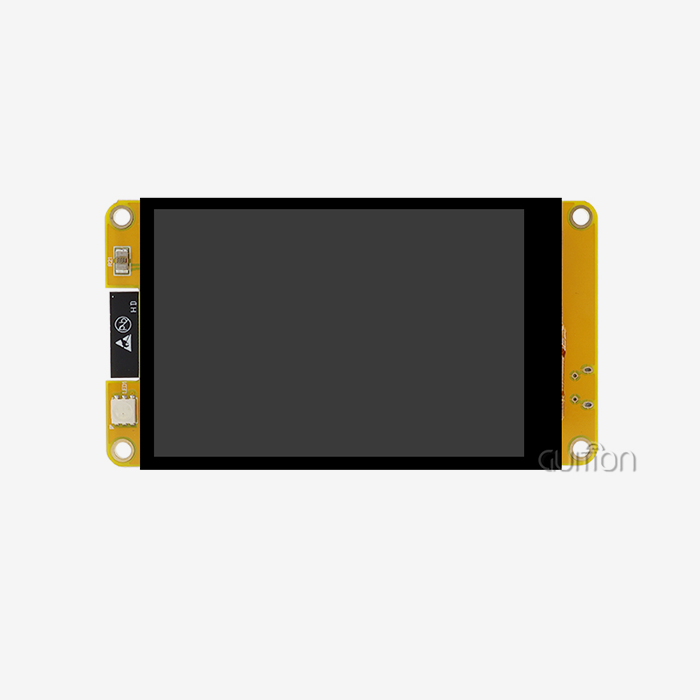
A backlight unit that lights liquid crystal cells grouped in TFT arrays is how a Colour LCD module works. To make pictures that can be seen, these units need outside light sources, usually white LEDs, placed behind the panel. When electricity is applied to certain pixels, liquid crystals move to control how light moves through RGB color filters, which makes images in full color. This method is shown by the GUITION JC3248S035R, which has an ILI9488 driver IC that handles 320x480 resolution on a 3.5-inch screen with 65K color depth. The 4-wire SPI communication link only needs a few GPIO pins, which saves system resources and keeps data transfer stable. This design provides steady amounts of light (usually 200 to 800 nits), making it good for industrial control panels and outdoor gear that needs to be seen clearly all the time.
The Self-Emissive Nature of OLED Technology
The backlight layer is not present at all in OLED screens. Each pixel has organic substances inside it that give off light when electricity flows through them. This means that each pixel can be controlled individually to get true blacks and an endless range of contrast ratios. Because it emits light itself, it makes it possible for smaller forms and bigger viewing angles that get close to 178 degrees. However, OLED screens have trouble keeping the same brightness over time because organic materials break down in different ways. Deep blacks make OLED great for high-end consumer gadgets, but the technology is sensitive to weather factors and costs a lot, which makes it hard to use in tough industrial settings. Because OLED panels don't have a backlight, they use less power when showing darker material. However, full-white screens can use more power than LCD panels of the same size.
Core Architectural Differences Impacting Integration
When it comes to integration, Colour LCD modules have simple driver compatibility and well-known connection methods. Through its SPI interface, the GUITION JC3248S035R works with popular embedded systems like Arduino, ESP-IDF, and other development environments. This flexibility speeds up testing and makes it easier for tech teams to learn new things. Because they are current-driven, OLED panels often need special drivers and more complicated power management. Temperature stability is also very different. Industrial-grade LCD panels usually work consistently from -30°C to +85°C, but OLED performance drops off faster at high and low temperatures. Not only do these architectural differences affect the choice of original components, but they also affect long-term upkeep and the total cost of ownership.
Key Performance Differences Between Colour LCD and OLED Displays
Performance traits have a direct effect on how the user feels and how reliable the system is. By looking at these measures, procurement teams can find a balance between technology needs and project deadlines and budgets.
Display Quality and Visual Characteristics
How well screens show information depends on how accurate the colors are and how much contrast there is. OLED has contrast ratios higher than 100,000:1 because it turns off each pixel fully, making blacks that LCD lights can't match. But the Colour LCD display module has better, even light across the panel, so they don't have the color shift problems that some OLED screens do at very high or low viewing angles. The GUITION module provides 65K colors and even brightness levels, making it possible to read in a range of lighting situations. LCD technology usually has faster reaction times (20–40ms) than OLED technology (sub-millisecond speeds), which is a difference that isn't noticeable in HMI applications but is very important in high-speed video applications. When it comes to real-world applications, Colour LCD display module stable color reproduction and brightness often make them better than OLED's higher contrast for industrial control screens and medical tracking equipment.
Power Consumption Analysis
In mobile apps, energy economy affects battery life, and in sealed systems, it affects how heat is managed. When showing mostly dark surfaces, OLED displays use very little power because cells that aren't being used draw no current. On the other hand, when white material is shown, OLED screens use a lot more power than LCD panels. Colour LCD display module uses about the same amount of power, no matter what they're showing, with backlight LEDs being the main source of usage. The GUITION JC3248S035R has backlight control hardware that lets you change the brightness, which saves power without affecting vision. LCD technology usually has more stable power profiles for industrial uses that need to run 24 hours a day, seven days a week, with a variety of materials. Also, LCD panels spread heat more evenly, which makes thermal design easier in small enclosures where hot spots could affect nearby components or the comfort of the user while using a tablet.
Durability and Environmental Resistance
Total cost of ownership is based on operational lives and weather tolerance. Colour LCD display modules work better in harsh situations than their OLED cousins. When OLED screens show static things like status icons or navigation menus for long periods of time, picture burn-in can happen. LCD panels don't get this problem. The GUITION module's resistive touch choice adds another benefit: it works reliably even when gloves are worn or when it's wet, which can happen with sensitive touchscreens. Industrial-grade LCD panels can work in a wider range of temperatures without losing any performance. They keep their color accuracy and response times fixed. Because OLED's biological materials break down more quickly in UV light and damp conditions, they can't be used outside. The toughness of LCD technology means that devices in automation systems in factories, farm equipment, and energy management setups don't need to be replaced as often and can work in dusty and changing temperatures. This means that repair downtime is shorter and costs are lower.
Application Suitability and Use Cases in B2B Procurement
When you match the monitor technology to the application, you get the best speed and the best value for your money. Figuring out what each technology does best helps with making purchases that meet business needs and meet user standards.
Industrial Control and Automation Systems
Colour LCD display modules are most common in industrial settings that need to be bright and easy to read in direct sunlight. LCD screens are better for outdoor energy management displays, manufacturing control panels, and farm automation systems because they can still be seen in full sunlight. This is not possible with OLED screens because they have a lower peak brightness. The 3.5-inch form factor of the GUITION JC3248S035R works well with small control terminals and gives you enough screen room for watching multiple parameters. Integration with PLCs and industrial controls is easier with the SPI interface, which cuts down on development time and fixing work.
Medical Device Displays
Medical tracking equipment needs to be able to reproduce colors consistently and reliably over time. Colour LCD display modules are easier to meet regulatory standards because they work reliably and have well-established certification routes. LCDs are good for showing medical pictures, waveform data, or vital signs because they are accurate in terms of color and brightness. For equipment that shows static interface parts during 12-hour shifts, the lack of burn-in risk is important.
Smart Home and Consumer Electronics
Because OLED looks better, it is used in high-end consumer goods where the visual effect supports the higher price. OLED's thin profile and bright contrast help smart devices, high-end appliances, and luxury home control screens stand out in crowded markets. Smart home makers, on the other hand, are using the Colour LCD display module more and more to find a balance between performance and price. Because the GUITION module has a small PCB and an SD card slot built in, it can support rich graphical user interfaces at a price point that's good for mass-market smart devices. GUI development software's support for multiple languages speeds up rollout across global markets without having to change any hardware. A colour LCD display module is better for smart products that need always-on status displays because it doesn't burn in and lasts a long time.
Interface Standards and Integration Compatibility
How easy it is for screens to work with other embedded systems depends on their communication links. The GUITION Colour LCD display module uses 4-wire SPI, a serial interface that is widely accepted and only needs four connections: CLK, MOSI, CS, and DC. This saves GPIO resources for sensors and controllers. Compared to parallel RGB connections that need 20+ pins or more, this ease of use speeds up development and makes PCBs simpler. For HMI apps with modest update rates, SPI's lower data throughput is enough. However, for video playing or high-resolution panels, MIPI DSI connections are needed.
Procurement Considerations and Supplier Landscape
A good buying process strikes a mix between technical needs and practical business issues. Sourcing experts can get reliable supply chains and good terms by learning about the skills of suppliers and how the market works.
Cost Analysis and Total Ownership
The initial price of a component is only one part of the total cost equation. Colour LCD display module generally costs less per unit than comparable OLED panels, with the difference getting bigger as the size of the display grows. The GUITION JC3248S035R has a reasonable price and has features like backlight control, touch support, and SD card growth that lower-level modules would need different parts for. Besides the purchase price, development costs have a big effect on project budgets. For example, displays that need a lot of driver tuning or little paperwork raise engineering costs. This is easier with Guition's easy-to-use development software, which lets engineers make complex user interfaces with simple drag-and-drop actions, even if they don't know a lot about graphics code.
Supplier Selection and Customization Capabilities
Picking the right provider means looking at more than just price. You should also think about the quality of professional help and how easy it is to make changes. Guition specializes in USART-hmi display modules, which give engineering teams specific knowledge in developing embedded HMIs. This is different from generic component sellers, who don't offer much application advice. System builders can change how functions work without having to depend on a single provider for a long time because secondary development interfaces and detailed technical documentation are available. When working with different microcontroller environments, it's less risky to integrate when suppliers offer cross-platform support, as Guition does with Arduino, ESP-IDF, and proprietary development modes.
Minimum Order Quantities and Lead Times
When planning production, it's important to know how suppliers handle orders and what they can do to meet them. Big panel makers like BOE and Innolux can handle orders for thousands of units, but it can be hard for companies and small businesses to get prototypes or make changes to their products. Because Guition focuses on embedded system applications, it can handle smaller order numbers during the testing phase and easily increase their size for production runs. Lead times vary a lot from one provider to the next. Standard modules ship within days, but tailored panels with particular connectors, software, or mechanical mounting features may take 4 to 8 weeks.
Troubleshooting and Maintenance Tips for Colour LCD and OLED Modules
To keep your display working at its best, you need to know about typical failure modes and organized ways to find problems. Taking preventative steps increases the life of parts and lowers the number of operating interruptions.
Common Display Issues and Solutions
Flickering is often caused by a power source that isn't stable or strong enough. SPI LCD Display needs a voltage that is clean, well-regulated, and within certain limits. Logic and backlight rails usually need a voltage of ±5%. Most flicker problems can be fixed by adding decoupling capacitors near the module's power pins and making sure the source has enough current capacity. The GUITION module has a separate backlight control circuit that lets you change the voltage without affecting the panel logic. This makes it easier to figure out if the problems are with the lighting systems or the panel logic. Interface timing violations lead to a different type of common issue: pictures that are distorted or pixels that appear out of nowhere when SPI clock rates or setup/hold time violations are not followed. Signal stability is confirmed by looking at the ILI9488 driver's datasheet specs and using a logic analyzer to check. Dead pixels showing randomly suggest physical damage or production flaws covered under warranty, while systematic pixel patterns indicate driver IC communication failures requiring software review.
Preventative Maintenance Strategies
Proactive care greatly increases the life of displays. By keeping the Colour LCD display module within certain temperature ranges, you can keep the liquid crystal from breaking down and the backlight LED from losing its effectiveness. The best temperature conditions are maintained by placing screens away from direct heat sources and making sure there is enough air flow. For industrial uses in dusty places, making sealed containers with clear protective windows keeps dirt from building up on the screen, which lowers vision and touch sensitivity. The small size of the GUITION module makes it easier to fit into protective housings without reducing the size of the screen. Regular software changes with better power management and display optimization make operations last longer. With the Guardian's remote upgrade feature, these improvements can be made without physically accessing deployed equipment. Avoid having static material presented all the time to avoid image persistence, though this is less important with Colour LCD display module technology than with OLED alternatives because it doesn't burn in. These easy steps will help you get the most out of your display purchases while lowering the costs of insurance claims and field service.
Conclusion
When deciding between a Colour LCD display module and OLED technology, you have to weigh the technical performance against the needs of the product and the available budget. Colour LCD display modules are more durable, bright, and cost-effective for industrial robotics, medical devices, and smart homes that need to be reliable over time and in harsh environments. The better looks of OLED make it a good choice for high-end consumer devices, but the higher costs, tendency to burn in, and temperature sensitivity make it hard to use in industrial settings. The GUITION JC3248S035R is a great example of how current LCD modules mix features that are good for developers, like SPI interfaces, easy-to-use software tools, and lots of ways to make the module your own. By knowing the main differences between these technologies and what they mean in real life, engineering teams can choose displays that speed up development, lower total operating costs, and provide great user experiences in demanding application settings.
FAQ
Which display technology offers better value for industrial applications?
Colour LCD display modules are often the best value for money in commercial settings. They have lower starting costs and last a very long time. They work effectively in a wider range of temperatures and don't get damaged by things like dust, moisture, and UV light. The colour LCD display module is perfect for equipment that needs to show flat interface elements all the time because it doesn't pose a burn-in risk. This value is increased by GUITION modules' cross-platform compatibility, remote update options, and extensive development tools that cut down on engineering time and speed up time-to-market.
How do power consumption profiles compare between LCD and OLED?
Power use changes a lot depending on what is being shown. When showing dark surfaces, OLED uses less power than a Colour LCD display module, but when showing bright, white information, OLED uses more power than a Colour LCD display module. Colour LCD display module uses about the same amount of power no matter what they're showing, which makes it easier to figure out how much power industrial equipment needs. The backlight control circuits in the GUITION module let you change the brightness, which saves power and balances the need for vision with limited energy in battery-powered apps while keeping expected power levels that are important for planning thermal management.
Can Guition modules support customization for specific embedded system requirements?
Through detailed APIs and technical documents, Guition offers a lot of secondary development help. The platform supports Arduino, ESP-IDF, and custom development modes, so it can be used by engineers with a wide range of tastes. Drag-and-drop UI design and control interaction with just one click make modifications faster without having to know a lot of complicated low-level code. Support for multiple languages and UTF-8 encoding makes global adoption possible, and built-in WiFi and Bluetooth modules make it easy for IoT devices to join. These features let tech teams make sure that functionality fits the needs of the application perfectly, without having to rely on a single vendor or wait for long development processes.
Partner with a Trusted Colour LCD Display Module Supplier
Guition is an expert at providing high-performance Colour LCD modules that are designed to work with embedded systems and human-machine interfaces (HMI). Our GUITION JC3248S035R combines a reliable Colour LCD module with current programming ease—it supports SPI communication, works with ILI9488 drivers, and is easy to connect to popular platforms like Arduino and ESP-IDF. We know that component standards are important, but so are quick time-to-market and easy creation. Our own Guition software gets rid of the problems that come with complicated code by using an easy-to-use drag-and-drop interface, cross-platform debugging, and remote update features that shorten development times and lower costs after the sale. Our engineering team is here to help you from the prototype stage through mass production, whether you're making industrial control panels, medical tracking equipment, or smart home devices. You can email david@guition.com to get technical information, talk about customization options, or order sample units that show how our Colour LCD module can make your next project easier while still giving your apps the durability and performance they need.
References
1. Chen, J., & Wang, L. (2022). Comparative Analysis of TFT-LCD and OLED Display Technologies for Industrial Applications. Journal of Display Technology, 18(4), 245-258.
2. Nakamura, T. (2021). Power Consumption Characteristics of LCD and OLED Panels in Embedded System Environments. IEEE Transactions on Consumer Electronics, 67(3), 312-325.
3. Rodriguez, M., & Kim, S. (2023). Durability Assessment of Display Technologies Under Industrial Environmental Conditions. International Journal of Electronics and Communications, 41(2), 178-192.
4. Anderson, P. (2022). Integration Strategies for Serial Communication Displays in Embedded HMI Design. Embedded Systems Engineering Quarterly, 29(1), 56-71.
5. Liu, H., & Yamamoto, K. (2021). Total Cost of Ownership Analysis for Display Technologies in Industrial Automation. Proceedings of the International Conference on Industrial Electronics, 884-891.
6. Foster, R. (2023). Emerging Trends in HMI Display Module Procurement for Smart Device Applications. B2B Electronics Sourcing Review, 15(3), 102-118.
Learn about our latest products and discounts through SMS or email