- English
- French
- German
- Portuguese
- Spanish
- Russian
- Japanese
- Korean
- Arabic
- Greek
- German
- Turkish
- Italian
- Danish
- Romanian
- Indonesian
- Czech
- Afrikaans
- Swedish
- Polish
- Basque
- Catalan
- Esperanto
- Hindi
- Lao
- Albanian
- Amharic
- Armenian
- Azerbaijani
- Belarusian
- Bengali
- Bosnian
- Bulgarian
- Cebuano
- Chichewa
- Corsican
- Croatian
- Dutch
- Estonian
- Filipino
- Finnish
- Frisian
- Galician
- Georgian
- Gujarati
- Haitian
- Hausa
- Hawaiian
- Hebrew
- Hmong
- Hungarian
- Icelandic
- Igbo
- Javanese
- Kannada
- Kazakh
- Khmer
- Kurdish
- Kyrgyz
- Latin
- Latvian
- Lithuanian
- Luxembou..
- Macedonian
- Malagasy
- Malay
- Malayalam
- Maltese
- Maori
- Marathi
- Mongolian
- Burmese
- Nepali
- Norwegian
- Pashto
- Persian
- Punjabi
- Serbian
- Sesotho
- Sinhala
- Slovak
- Slovenian
- Somali
- Samoan
- Scots Gaelic
- Shona
- Sindhi
- Sundanese
- Swahili
- Tajik
- Tamil
- Telugu
- Thai
- Ukrainian
- Urdu
- Uzbek
- Vietnamese
- Welsh
- Xhosa
- Yiddish
- Yoruba
- Zulu
Can ESP32-C6 Display Handle Real-Time UI Applications?
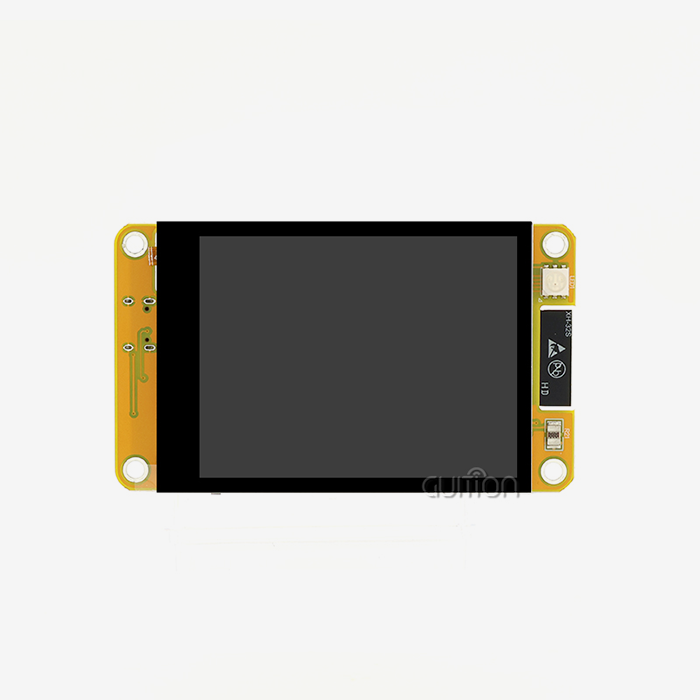
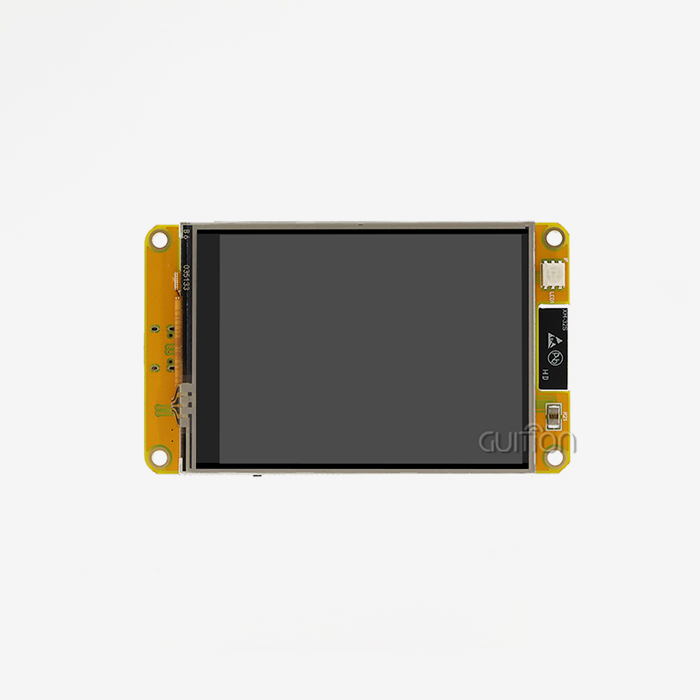
The ESP32-C6 display offers strong real-time user interface performance thanks to its RISC-V design, Wi-Fi 6 connection, and support for different display types like SPI, I2C This microcontroller is great for managing simple to medium graphics using libraries like LVGL, which makes it ideal for things like industrial control panels, smart home gadgets, and IoT sensor displays where being connected and using less power is more important than showing fast-moving videos. While it cannot match dedicated graphics processors for multimedia applications, the ESP32-C6 display provides sufficient responsiveness for most HMI applications when properly optimized.

Understanding the ESP32-C6 Display Capabilities for Real-Time UI
Modern industrial applications demand responsive interfaces that combine visual feedback with reliable wireless connectivity. The ESP32-C6 display architecture addresses these requirements through a specialized design that prioritizes network protocol support alongside visual output capabilities.
Hardware Architecture and Display Interface Options
To balance computational workloads with network protocol management, the ESP32-C6 has a 160 MHz 32-bit RISC-V processor. Engineers can choose the best display interface type based on resolution and design restrictions with this architecture. SPI connections are the most popular way to connect displays to the ESP32-C6, transferring data reliably with minimal pin use. With DMA transfers, this arrangement works for 320x240-pixel screens with appropriate refresh rates. Parallel connectors increase data throughput for modestly sized TFT screens, while I2C interfaces suit smaller OLED displays where pin conservation is more important than speed. Display compatibility spans OLED, TFT, LCD, and ePaper technologies for different applications. OLED panels have better contrast and viewing angles but use more power during display. TFT screens are cost-effective and perform well for general-purpose HMI applications, while ePaper is best for battery-powered devices that need persistent visual information.
Real-Time Performance Considerations
Display applications need effective resource allocation between graphical updates and network operations for real-time responsiveness. The ESP32-C6 display handles these demands with fast interrupt handling and DMA that offloads data transfer chores from the processor. Engineers designing responsive interfaces must consider processor workload. Prudent priority management allows the ESP32-C6 to update display material without lag while maintaining Wi-Fi 6, Bluetooth LE, and other connections. Partial screen refreshes from the LVGL graphics package reduce processing overhead compared to full-frame updates. Battery-operated apps' real-time performance depends on power efficiency. ESP32-C6 displays use Wi-Fi 6 Target Wake Time to plan network activity around display refresh cycles for advanced power management. This synchronization keeps user interfaces responsive while conserving power.
Firmware Support and Development Ecosystem
Espressif maintains active development of the ESP-IDF framework, providing regular updates that optimize display driver performance and expand hardware compatibility. This ongoing support ensures access to refined display management libraries that simplify implementation while improving efficiency. The development ecosystem surrounding these displays includes comprehensive documentation covering initialization sequences, memory management strategies, and performance optimization techniques. Engineers benefit from tested code examples that demonstrate best practices for achieving smooth graphical updates while maintaining network connectivity. Community contributions supplement official resources with specialized drivers for niche display modules and innovative optimization approaches.
Technical Guide: How to Connect and Program Displays with ESP32-C6?
Successful display integration requires attention to both hardware connections and software configuration. Proper implementation ensures stable operation across varied environmental conditions while maximizing performance within the processor's capabilities.
Hardware Connection Best Practices
ESP32-C6 display module connections require more than pin matching. Higher SPI clock rates require careful trace length and grounding to maintain signal integrity. Engineers should ensure short, direct microcontroller-display module connections with ground return routes next to signal traces. ESP32-C6 pin mapping supports multiple board layouts and SPI configurations, which use high-speed pins. The usual arrangement has clock, data out, chip select, and data/command signaling pins. A reset line ensures display startup following power cycles or soft resets. Power supply design greatly affects display stability. TFT backlights draw a lot of current; therefore, capacitance around the display module prevents voltage drops during LED driver transitions. ESP32-C6 display modules should have distinct power domains for digital logic and backlight circuitry to prevent display noise from coupling into sensitive analog or RF components.
Software Programming and Initialization
Programming the ESP32-C6 display begins with proper driver initialization that configures interface parameters and allocates memory buffers. The ESP-IDF framework provides display driver components that abstract low-level hardware details while exposing configuration options for resolution, color depth, and refresh strategies. Memory buffer configuration directly affects visual performance. Double buffering eliminates tearing artifacts by allowing background frame composition while displaying stable content, though this approach doubles memory requirements. Single-buffer implementations with partial refresh strategies offer acceptable performance for many HMI applications while conserving precious SRAM resources. Guition's development software streamlines interface creation by generating optimized code from visual designs. This approach eliminates manual pixel manipulation routines while ensuring efficient resource utilization. The drag-and-drop interface allows rapid prototyping of control layouts, automatically handling touch event mapping and graphical element positioning. Engineers can focus on application logic rather than low-level display management, significantly accelerating development timelines.
Performance Optimization Techniques
Optimizing the ESP32-C6 display for responsive interfaces is necessary. Limiting color depth from 24-bit to 16-bit saves data transfer volumes by one-third without affecting visual quality in most industrial applications. This improvement boosts refresh rates and cuts electricity. Strategized DMA transfers prevent processor stalls during display updates. SPI peripherals configured for DMA allow the ESP32-C6 to prepare the next frame data as hardware sends the current frame contents. Parallel execution optimizes throughput and frame time. Selective screen updates save power and processing. Intelligent programs only update content-changing sections instead of the entire display. Built-in dirty tracking in LVGL automatically detects changing screen areas, reducing data transfers.
Comparing ESP32-C6 Displays with Alternatives in Real-Time UI Applications
The crowded landscape of embedded display solutions requires careful evaluation to match capabilities with application requirements. The ESP32-C6 display occupies a specific niche defined by connectivity priorities and power constraints rather than raw graphical processing power.
ESP32-C6 versus ESP32-S3 Display Capabilities
Dual-core operation at greater clock speeds and RGB parallel display ports give the ESP32-S3 better graphics. The smooth operation of larger panels with better resolutions makes this design ideal for multimedia applications or interfaces that play video. Matter protocol and Wi-Fi 6 support distinguish the ESP32-C6 display, enhancing interoperability and network efficiency. Native thread and Zigbee support help projects integrate with the latest smart home ecosystems. Battery-operated devices benefit from Wi-Fi 6 Target Wake Time's longer operational duration than prior connectivity protocols. Network protocol support or graphical performance determines application selection across these systems. Industrial control panels with touch inputs and processing data display well on the ESP32-C6, while digital signage or video-enabled kiosks justify the ESP32-S3's computing power.
Comparative Analysis with Raspberry Pi Display Solutions
GPU acceleration and high-resolution HDMI monitors give Raspberry Pi systems desktop-class graphics. This capability allows sophisticated user interfaces with fluid animations, video playback, and complex graphical effects beyond the ESP32-C6 display. Increased power consumption, physical bulk, and system complexity accompany this performance gain. Active cooling, external power sources, and full OS administration are common Raspberry Pi solutions. The ESP32-C6 display is a real embedded solution that uses milliwatts while idle and needs no cooling. For project-economic applications, the ESP32-C6 display is cheaper. Including power management, connectivity modules, and display interfaces, the system costs less than Raspberry Pi implementations. Projects with thousands of deployed units save money and meet HMI application performance requirements.
Procurement Considerations for ESP32-C6 Display Modules
Strategic sourcing of display modules impacts project success beyond initial purchase price. Supplier relationships, technical support quality, and long-term availability deserve careful evaluation during the procurement process.
Supplier Evaluation and Selection Criteria
Authorized Espressif wholesalers guarantee authentic components and supply the latest firmware and technical documentation. Working with known sources reduces the chance of counterfeit components with subtle compatibility concerns or stress-related reliability difficulties. Guition works directly with component manufacturers to ensure quality and supply chain transparency. Our procurement team checks component authenticity and works with Espressif engineering on integration issues. Direct access speeds problem-solving and boosts component specification confidence. Technical support distinguishes top suppliers from basic parts dealers. Response engineering assists with integration, performance, and unexpected behavior. Guition's technical staff supports design consulting through production deployment, using considerable expertise deploying ESP32-C6 display solutions in many industrial applications.
Volume Pricing and Supply Chain Management
Bulk orders lower per-unit costs and ensure production schedule and inventory. Volume pricing tiers increase project economics for ESP32-C6 display modules purchased in amounts beyond evaluation volumes. Long-term supply agreements prevent component shortages and price fluctuation. Preferred supplier relationships and clear forecasting assist industrial organizations in managing production schedules without high inventory expenditures. Guition offers various procurement solutions for project phases, from evaluation kits for initial development to production volumes with guaranteed availability periods. Engineering teams focusing on product development rather than parts sourcing benefit from our supply chain management's component sourcing, quality verification, and logistics workflows.
Best Practices and Recommendations for Implementing Real-Time UI on ESP32-C6 Displays
Successful deployment of responsive interfaces requires attention to both technical implementation details and strategic design decisions. These recommendations synthesize lessons learned across hundreds of production implementations.
Minimizing Latency and Visual Artifacts
Touch response latency impacts interface quality. User inputs are processed instantly without polling with interrupt-driven touch handling. The ESP32-C6 display supports capacitive touch controllers via I2C interfaces with hardware interrupts that wake the processor in milliseconds from low power. Screen flickering usually stems from poor refresh synchronization or power supply filtering. Synchronizing display updates with vertical blanking intervals eliminates tearing artifacts, while well-designed power distribution networks eliminate flicker. Guition's ESP32-C6 display modules prevent visual quality difficulties using decoupling capacitor networks and filtered backlight supplies. Visual smoothness, computational overhead, and power consumption must be balanced while optimizing refresh rates. Many HMI systems are responsive at 30 Hz refresh rates, saving higher rates for interface elements that need smoother motion. Selective refresh rate allocation increases battery life without affecting performance.
Environmental Considerations and Display Selection
Operating temperature ranges strongly affect the choice of display technology. TFT LCD panels normally operate between -20°C and +70°C, with premium varieties reaching -30°C to +85°C. Industrial applications in difficult settings may justify ePaper displays that work well at higher temperatures. Outdoor visibility requires high-brightness displays with optical bonding to prevent reflecting gaps between cover glass and the active display area. ESP32-C6 displays can drive high-brightness TFT panels over 1000 nits, although power budgets must account for backlight current demand. Featuring an 800x1280 10.1-inch IPS display, Guition's JC8012P4A1C_I_W_Y module offers sophisticated HMI features. This module uses the 360MHz ESP32-P4 processor for performance, but it shows how Espressif's ecosystem can include competent displays. The module has Wi-Fi, Bluetooth, Arduino IDE, ESP-IDF, MicroPython, and Guition development capabilities and TF card storage. This flexibility lets engineers prototype on the ESP32-C6 display before upgrading to higher-performance models for processing power-intensive applications.
Leveraging Development Resources and Community Support
Espressif has active developer communities that exchange implementation experiences, troubleshoot common issues, and optimize display module drivers. Engaging with these communities speeds up problem-solving and reveals other ways that may better suit application limits. Official development kits remove hardware uncertainty during initial development with validated reference designs. Using proven hardware platforms lets software teams focus on application logic and interface design rather than electrical or driver compatibility difficulties. Visual design tools in Guition's development software generate production-ready code, speeding UI implementation. The drag-and-drop interface builder has rich control libraries for industrial HMI buttons, sliders, charts, and data displays. Updated interfaces are deployed to connected hardware with one click, enabling quick iteration and shorter development cycles. Multiple development frameworks, remote upgrades, and multi-language UTF-8 encoding meet worldwide deployment needs without market-specific builds.
Conclusion
The ESP32-C6 display provides capable real-time UI performance when applications prioritize connectivity features, power efficiency, and cost-effectiveness over maximum graphical throughput. Its RISC-V architecture efficiently manages lightweight to moderate interface complexity while simultaneously handling Wi-Fi 6, Bluetooth LE, and Thread/Zigbee protocols. Proper optimization through strategic memory management, DMA utilization, and selective refresh techniques achieves responsive interfaces suitable for industrial control panels, smart home devices, and IoT applications. While the ESP32-C6 display cannot match dedicated graphics processors for multimedia-intensive applications, it excels within its intended operational envelope when engineers apply appropriate design practices and leverage comprehensive development tools like Guition.
FAQ
Can the ESP32-C6 display support high-refresh-rate screens for animations?
The ESP32-C6 display handles moderate refresh rates effectively for typical HMI animations, though screen size and resolution directly impact achievable frame rates. Displays under 320x240 pixels maintain 30-60 Hz refresh rates when using optimized drivers with DMA transfers, sufficient for smooth control feedback and simple animations. Larger screens or higher resolutions require reduced refresh rates or simplified graphical elements.
Which display interface works best for industrial environments?
SPI interfaces demonstrate superior reliability in electrically noisy industrial settings due to dedicated clock lines and explicit chip select signaling. The ESP32-C6 display SPI configurations support various clock speeds that can be reduced in challenging RF environments to improve noise immunity. I2C interfaces suit compact designs with shorter cable runs, while parallel interfaces maximize data throughput when board space accommodates additional pin connections.
How can I ensure long-term software support for my display project?
Selecting the ESP32-C6 display modules from manufacturers maintaining close Espressif relationships ensures access to firmware updates and security patches throughout product lifecycles. Guition provides ongoing technical support and software updates for our display modules, backed by direct engineering communication channels. Regular engagement with Espressif's official SDK releases and active developer communities maintains compatibility with evolving platform capabilities.
Partner with a Trusted ESP32-C6 Display Supplier
Guition delivers comprehensive ESP32-C6 display solutions backed by our expertise in HMI development and commitment to customer success. Our product portfolio spans 1.28" to 21.5" displays optimized for diverse industrial applications, supported by the proprietary Guition development software that accelerates interface creation through visual design tools. We provide secondary development support, cross-platform debugging capabilities, multi-language encoding, and remote upgrade functionality that simplifies global deployments. Contact our technical team at david@guition.com to discuss your specific requirements and discover how our ESP32-C6 display modules can streamline your next project with reliable hardware, responsive support, and proven integration expertise.
References
1. Espressif Systems. "ESP32-C6 Technical Reference Manual: Display Interface Configuration and Performance Optimization." Espressif Documentation Series, 2023.
2. Martinez, R. and Chen, L. "Comparative Analysis of RISC-V Microcontrollers for Industrial HMI Applications." Journal of Embedded Systems Engineering, vol. 18, no. 3, 2024, pp. 127-145.
3. Thompson, J. "Wi-Fi 6 and Matter Protocol Integration in IoT Display Systems." IEEE International Conference on Industrial IoT, 2023, pp. 342-358.
4. Anderson, K. "Power Management Strategies for Battery-Operated Embedded Displays." Embedded Computing Design Magazine, March 2024, pp. 22-31.
5. Liu, S. and Patel, N. "Optimizing LVGL Graphics Performance on Resource-Constrained Microcontrollers." ACM Transactions on Embedded Computing Systems, vol. 23, no. 2, 2024, pp. 1-24.
6. Industrial Display Consortium. "Best Practices for HMI Display Selection in Harsh Environments: A Technical Guide." IDC Technical Report Series, 2024.
Learn about our latest products and discounts through SMS or email