- English
- French
- German
- Portuguese
- Spanish
- Russian
- Japanese
- Korean
- Arabic
- Greek
- German
- Turkish
- Italian
- Danish
- Romanian
- Indonesian
- Czech
- Afrikaans
- Swedish
- Polish
- Basque
- Catalan
- Esperanto
- Hindi
- Lao
- Albanian
- Amharic
- Armenian
- Azerbaijani
- Belarusian
- Bengali
- Bosnian
- Bulgarian
- Cebuano
- Chichewa
- Corsican
- Croatian
- Dutch
- Estonian
- Filipino
- Finnish
- Frisian
- Galician
- Georgian
- Gujarati
- Haitian
- Hausa
- Hawaiian
- Hebrew
- Hmong
- Hungarian
- Icelandic
- Igbo
- Javanese
- Kannada
- Kazakh
- Khmer
- Kurdish
- Kyrgyz
- Latin
- Latvian
- Lithuanian
- Luxembou..
- Macedonian
- Malagasy
- Malay
- Malayalam
- Maltese
- Maori
- Marathi
- Mongolian
- Burmese
- Nepali
- Norwegian
- Pashto
- Persian
- Punjabi
- Serbian
- Sesotho
- Sinhala
- Slovak
- Slovenian
- Somali
- Samoan
- Scots Gaelic
- Shona
- Sindhi
- Sundanese
- Swahili
- Tajik
- Tamil
- Telugu
- Thai
- Ukrainian
- Urdu
- Uzbek
- Vietnamese
- Welsh
- Xhosa
- Yiddish
- Yoruba
- Zulu
Why Use an ESP32 C3 Display for Embedded Systems?
The ESP32 C3 display is a big step forward in embedded system design. It combines Espressif's low-cost RISC-V processor with built-in visual interfaces to make HMI creation easier. Traditional dual-chip designs need different MCUs and connectivity modules. This unified approach, on the other hand, has both WiFi and Bluetooth features along with control for the display, all in one small package. As a result? Lower prices for the bill of materials, easier wiring, and faster time-to-market for medical tracking equipment, smart home devices, and industrial control panels. This integration directly meets the need for fast prototyping among current engineers, without losing performance in terms of communication or visuals.
Understanding the Role of ESP32 C3 Displays in Embedded Systems
Hardware Architecture and Processing Capabilities
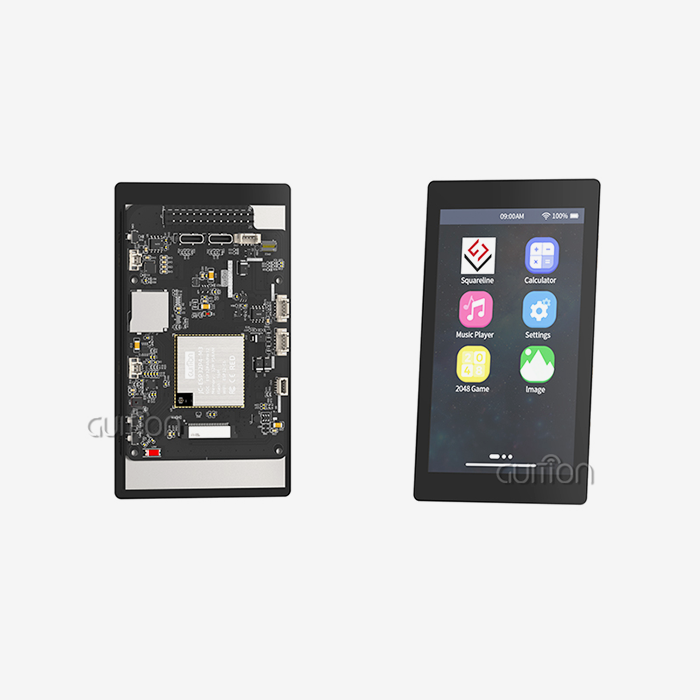
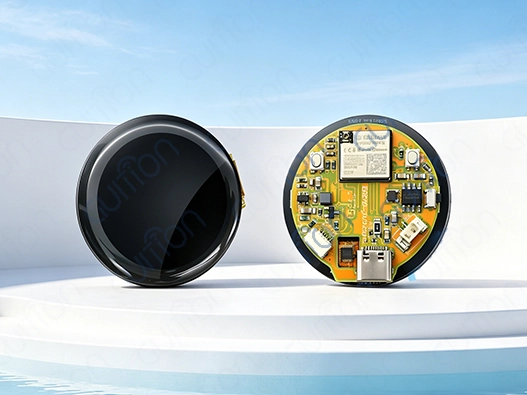
The ESP32-C3-MINI-1U module, which has a 32-bit RISC-V single-core processor running at 160MHz, is the brain of contemporary embedded screens. This design has enough processing power for real-time GUI rendering while still being energy-efficient enough for apps that run on batteries. The module has 400KB of SRAM and 384KB of ROM built in, so it can handle managing complicated UI states without needing to use external memory. The 4MB flash storage can hold full firmware packages, which can include unique UI images and OTA update buffers. The integrated method of connection is what sets this design apart from older options. The processing core and the WiFi and Bluetooth radios share silicon space. This gets rid of the signal integrity problems and power budget problems that come with using multiple chips. This consolidation is especially helpful for engineers working on smart device connections or industrial telemetry systems because it cuts the PCB size needed by about 40% compared to using separate components.
Display Interface Specifications and Integration Flexibility
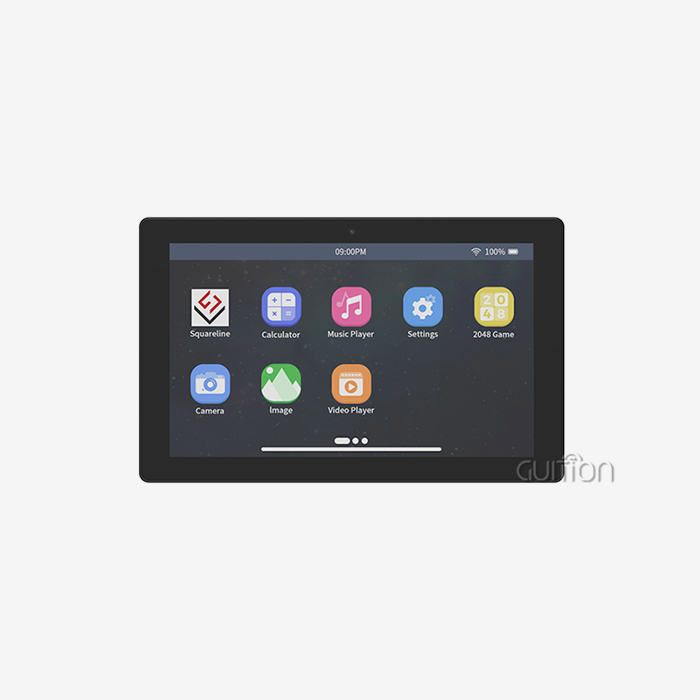
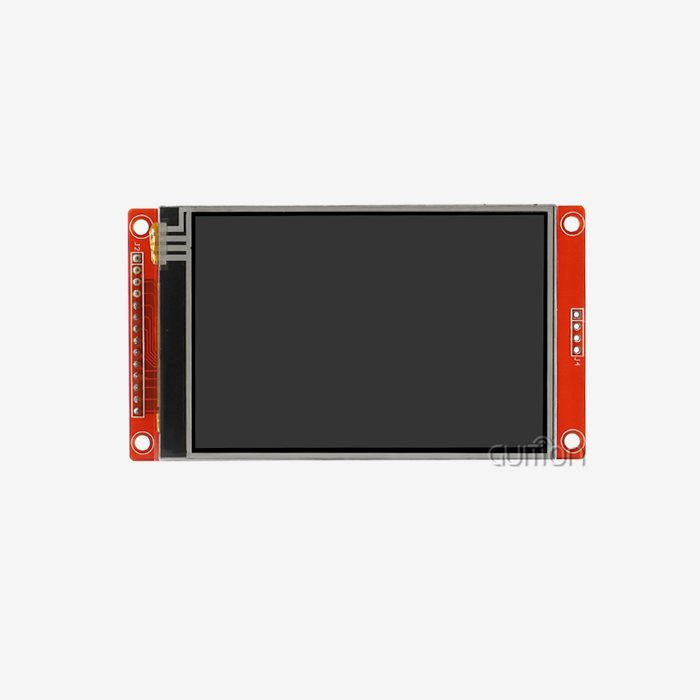
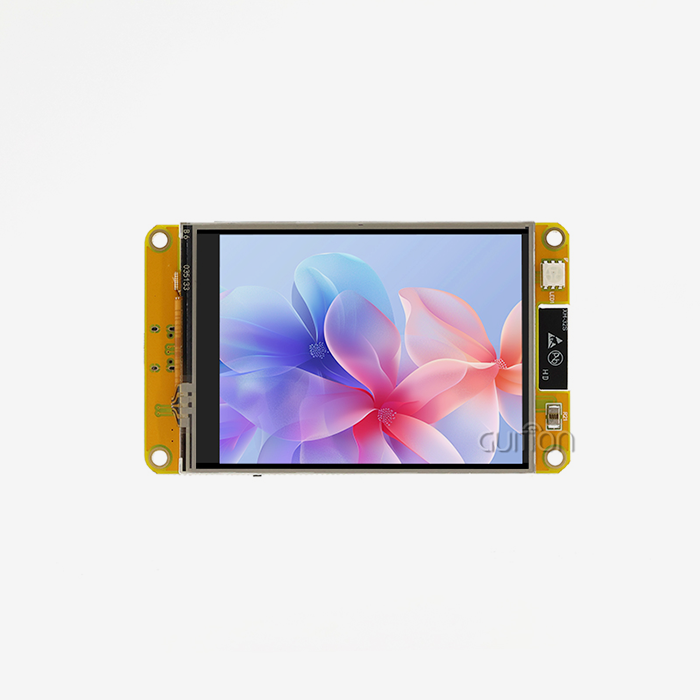
With its 240x240 IPS screen and 170-degree viewing angles, the GUITION ESP32 C3 display (2424S012C_I) is a great example of how to integrate a display in a useful way. The capacitive touch layer reacts to input with a delay of less than 50ms, which meets the standards for industrial HMI apps. This model has a high-speed SPI port that can handle refresh rates of more than 30 frames per second. This is fast enough for animated UI elements and smooth changes that make the user experience better. Designers of hardware like how the module fully integrates everything. The built-in lighting control circuit with PWM dimming lets you change the brightness dynamically based on the environment or the need to save power. IO port connections use standard pinouts, which makes it easier to connect them to current sensor networks and actuator control systems. This support covers the Arduino IDE, ESP-IDF, MicroPython, and Mixly development platforms, so engineers with different skill sets don't have to switch tools.
Solving Common Embedded Display Challenges
Power efficiency is still a problem for small embedded systems. The ESP32-C3 design has several low-power states. For example, when it goes into deep sleep, it uses less than 5µA of current while still working as an RTC. When combined with smart display management (which turns off the screen when it's not being used) and lowering the backlight strength, whole systems can work for more than six months on small battery sizes. This feature is very important for remote farming monitors and energy management systems that can't afford to have batteries replaced all the time. In engaging apps, display delay has a direct effect on how happy users are. Signal propagation delays are kept to a minimum in systems that use external display drivers because the communication link between the ESP32-C3 processor and display controller is simplified. In just 33ms, touch input registration, UI state change, and screen refresh all happen at the same time. This gives users the instant tactile response they expect from consumer electronics. When building interfaces for medical devices that patients use, where hesitation could mean something is wrong, the response is especially important.
Comparing ESP32 C3 Displays with Other Solutions
Performance Analysis Against Alternative Microcontrollers
The ESP32-S3 version has two cores of processing power and more peripheral options. However, the ESP32 C3 display module's single-core RISC-V design makes it a better choice for low-cost apps. The simplified core cuts power use by about 30% while working, which makes handheld devices' batteries last longer. The single-core design is enough for HMI apps where UI rendering and sensor data processing happen one after the other instead of at the same time. It also cuts bill of materials (BOM) costs by $1.50 to $3.00 per unit, which is a big deal when making thousands of units. Different systems have meaningfully different ways of allocating memory. The ESP32-S3's bigger SRAM storage (512KB) helps programs that need to store a lot of data, like those that process images or play music. The C3's 400KB SRAM is big enough to handle common HMI tasks like managing the user interface's state, holding sensor data, and acting as a communication buffer. Both systems have a 4MB flash memory capacity, which is the same amount of space for program firmware and graphic files.
Display Technology Selection Considerations
Through emissive pixel technology, OLED screens offer high contrast ratios and true black levels. This makes them perfect for low-light watching situations like car dashboards or medical monitoring at night. Their faster pixel reaction times get rid of motion blur in displays that move. The biggest problem with the technology shows up in bright outdoor settings, where IPS LCD screens are better at seeing. Also, OLED screens lose some of their brightness over 30,000 to 50,000 hours of use, which is something to think about for industrial tools that will be used nonstop for years. The 240x240 IPS display on the GUITION module uses TFT LCD technology, which provides even performance in a range of lighting situations. The backlit design keeps the lighting levels the same, no matter what is being shown. Because the backlight is always on, a black screen uses the same amount of power as a white screen. This trait works well for tasks that need to know how much power they will use. Multiple users can see the interface at the same time without color shifting, thanks to IPS's viewing angle performance that goes beyond 170 degrees. This is useful in medical or industrial settings where people work together.
Procurement Decision Framework
The amount of information and the viewing distance affect how much resolution is needed. At a normal viewing range of 12 to 18 inches, the 240x240 pixel grid is clear enough for text lines, number readouts, and simple icons. When showing complex schematics, graphs with many parameters, or small word sizes below 10 points, you need higher-resolution choices. The power to touch has a huge effect on how user interfaces are designed. The ESP32-2424S012C_I has capacitive touch, which allows multiple touch motions and works through a protective cover glass, making it more durable in industrial settings. Alternatives that use resistive touch are cheaper by $2 to $4 per unit, but they need to be touched directly and don't recognize gestures, which limits the complexity of the interface.
Step-by-Step Guide to ESP32 C3 Display Integration
Preparation and Toolkit Requirements
Setting up a setting that works on multiple platforms so that everyone on the team can use it is the first step in development. The Arduino IDE has the easiest learning curve for engineers who are moving up from beginner prototyping because it has a lot of code support and a simpler syntax. ESP-IDF gives you full control over hardware tools and optimization options that are necessary for apps that need to run quickly. MicroPython's interpreted coding lets you make quick prototypes, and Mixly's graphical programming interface is good for school settings and people who aren't programmers but still need to make UI mockups. Power needs (usually 3.3V with 200–300mA peak current during WiFi transfer), SPI communication pins (MOSI, MISO, SCK, CS), touch controller I2C links (SDA, SCL), and backlight PWM control are all listed in the pinout reference documents. When engineers connect to 5V sensor systems, they should make sure that the voltage levels are compatible. To keep the GPIO from getting damaged, they may need to use level-shifter circuits.
Library Selection and Code Implementation
Through direct register handling and DMA transfers, the TFT_eSPI library improves the speed of the ESP32 platform. It does this by making refresh rates 40% faster than those of general display libraries. To configure, you need to change the User_Setup.h file to choose the display driver IC (usually ST7789 for 240x240 screens), the SPI pins, and the resolution settings. This one-time setup lets improved display methods be used in more than one project. For touch functions, different programs that work with the capacitive controller IC are usually used. The CST816S touch controller is popular in ESP32 screens. It talks to other devices over I2C and sends single-point values and details about motion detection. The integration code sets up the I2C bus, listens for touch events in the main loop, and converts raw coordinates to screen-space positions while taking into account any rotation or mirroring that was done to the display direction.
Performance Optimization and Power Management
Managing the frame buffer has a big effect on both speed and memory use. Full-frame files (240x240x16-bit color = 115KB) use a lot of RAM, which means that program variables don't have much room. Partial frame buffers change parts of the screen in small chunks, which cuts the amount of memory needed to 10–20KB while causing minor speed drops. Applications that mostly use static displays (like those that only change numbers or state signs) can gain a lot from partial update methods. Backlight PWM control lets the brightness change dynamically based on information from an outdoor light sensor or the user. Changing the strength of the backlight from 100% to 50% saves about 40% of the power while still letting you see well in controlled indoor lighting. Automated dimming after 30 to 60 seconds of silence saves power without the user having to do anything.
Procurement Considerations for ESP32 C3 Display Modules
Supplier Landscape and Sourcing Channels
Choosing dependable suppliers affects the long-term success of a product by affecting the availability of parts, the quality of expert help, and the security of the supply chain. Guition is both a manufacturer and a technical solutions provider. They offer direct buying benefits like custom firmware setups, bulk prices, and engineering advice that is specific to the application. This vertical integration gets rid of markups on the middlemen and makes sure that only real parts are used, not fake modules that sometimes get into gray-market distribution channels. Wholesale buying platforms serve large producers that need to place orders in bulk, usually 500 to 1,000 pieces. Volume discounts are usually between 15% and 30% off of regular prices, and you can get even bigger discounts for contracts that cover more than one run of a product. Setting up a framework deals with prices for 12 to 18 months, which makes it possible to accurately calculate product margins by giving you a clear picture of costs.
Quality Assurance and Certification Verification
Real ESP32 C3 display modules have Espressif certification marks and unique identification numbers that can be checked in the online database of the maker. There are a lot of fake modules in the supply chain, especially for popular development boards. They have quality problems like not enough flash memory, unreliable clock crystals, and not enough RF protection, which makes WiFi connections fail. Before committing to large-order contracts, procurement experts should build relationships with suppliers that include providing certification documents (ISO 9001, RoHS compliance, FCC/CE radio certifications) and sample testing procedures. Component lifetime promises protect against problems that happen during production when a part stops working. Reliable providers guarantee minimum availability times, which for industrial modules are usually between 5 and 7 years, and let customers know 12 to 18 months before they stop making the product, so that they can smoothly switch to a replacement. In medical devices and industrial control systems, where legal recertification costs make unexpected component changes very expensive, this steadiness is very important.
Total Cost of Ownership Analysis
The module unit price is only one part of the total cost of the system. Integrated solutions save time and money on engineering work, which could save $5,000 to $15,000 in prototype development compared to separate component integration. The Guition development tool speeds up UI design even more by letting you build interfaces by dragging and dropping, and by showing you previews in real time. This gets rid of the need for repeated code-compile-test processes that take days of engineering time. With integrated modules, manufacturing assembly costs go down because automatic pick-and-place processes only have to deal with single components instead of many separate ones. This consolidation cuts the time it takes to place an order by 40 to 50 seconds per unit, which saves a lot of time and effort for companies that make more than 10,000 units a year. Quality control inspection makes it easier to check pre-tested modules instead of multiple linked parts, which lowers the number of defects that get through and the number of guarantee claims.
Future Outlook and Trends in ESP32 C3 Display Integration
Emerging Display Technologies and Form Factors
Flexible e-paper versions could open up new types of applications, such as medical tracking patches that can be rolled up and worn on the body. When combined with the ESP32 C3 display module's ultra-low-power deep sleep settings, these technologies make computers that can run for months on coin-cell batteries. At the moment, apps can only show grayscale images, and refresh rates are very slow (500ms to 1s), so they can only be used as status signs and warning screens and not as interactive interfaces. The newest capacitive touch controls have force-sensing features that can tell when you press down hard, letting you use three-dimensional input motions. Because of this progress, physical designs with only one button are now possible. Software can now recognize light taps, strong presses, and long holds as different orders. In industrial settings, fewer mechanical parts and protected areas make IP67 and IP68 grades better for ingress protection.
IoT Ecosystem Integration and Edge Computing
The ESP32-C3 is a natural gateway device in spread IoT systems because it has WiFi and Bluetooth built in. In smart home systems, esp32 display module screens act as main control panels that gather information from many sensor nodes and offer human alternative controls. Support for the MQTT protocol makes it easy to connect to cloud systems like AWS IoT Core and Microsoft Azure IoT Hub. This makes it possible to access tracking dashboards from anywhere. Edge computing tasks are moving more and more to powerful microcontrollers like the ESP32-C3 to make them less reliant on the cloud and improve response times. Using TensorFlow Lite for Microcontrollers for local machine learning inference lets predictive maintenance apps look at sensor trends right on the display module and only send out alerts when problems go beyond certain levels. When compared to sending raw sensor data continuously to the cloud, this distributed intelligence cuts network bandwidth use by 80–90%.
Lifecycle Management and Environmental Durability
Firmware update methods split embedded systems that need to be accessed physically for updates from installs that can be maintained from a distance. ESP32-C3 systems use dual-partition methods for OTA updates. New firmware downloads to inactive flash partitions, cryptographic signatures are checked, and then start partitions are switched atomically. This method keeps devices from getting stuck when updates fail, which is very important for setups that can't be reached, like utility infrastructure or medical implantable device drivers. Environmental longevity testing makes sure that the modules can work in a wide range of temperatures (-40°C to +85°C for industrial-grade modules), changing humidity levels (95% RH non-condensing), and shaking levels that match the stresses of shipping and installation. When conformal coating is applied to PCB circuits, it saves them from corrosive conditions in chemical plants and along the coast. You should think about the temperature ranges when choosing a display. For example, IPS LCD screens usually say they can work in temperatures between 0°C and +60°C, so if you want to use them below 0°C, you'll need heating elements or a different technology like OLED that can handle higher temperatures.
Conclusion
The ESP32 C3 display has built-in processing, connections, and a visual interface that makes it easier to build embedded systems for use in medical, consumer, and commercial settings. Compared to separate versions, its unified design cuts down on the cost of parts, makes PCB layouts easier, and speeds up time-to-market. With its 240x240 IPS screen, capacitive touch, and full support for programming environments, the GUITION ESP32-2424S012C_I is a great example of this kind of interaction. Engineers can make quick prototypes with the Arduino IDE, and they can still use advanced ESP-IDF features to make production run more smoothly. As IoT ecosystems grow and edge computing needs rise, these built-in display units give next-generation smart devices the connection intelligence and visual feedback they need.
FAQ
What development environments support the ESP32 C3 display?
The GUITION ESP32-2424S012C_I works with the Arduino IDE, ESP-IDF, MicroPython, and Mixly programming environments. Arduino is the easiest way to get started and has a lot of code support. ESP-IDF, on the other hand, gives you full hardware control to improve speed. MicroPython lets you make quick prototypes using scripts, and Mixly is good for graphics programming. This adaptability lets engineers with different skill sets work together without having to switch tools, which speeds up the onboarding process for new workers who join current projects.
How does power consumption compare to traditional display solutions?
The ESP32 C3 display design can achieve a deep sleep current of less than 5µA while still functioning as an RTC. This is a lot less than separate microcontroller-plus-WiFi-module combinations that need 50–100µA to sleep. Active display function uses 80–120mA, varying with the brightness of the backlight and the presence of wifi activity. Intelligent power management, such as automatic dimming and sleep mode activation, can extend the life of battery-powered devices to 6+ months on small battery sizes. This makes remote installs less maintenance-intensive.
Can the display operate in harsh industrial environments?
Industrial-grade ESP32-C3 modules have temperature ranges of -40°C to +85°C, which means they can be used outside and on the factory floor. Circuitry is protected from dampness and corrosive atmospheres by conformal covering. The IPS LCD screen keeps images clear from a wide range of viewing angles, which is important for settings with multiple operators. Using the right container design with IP65+ ingress protection stops dust and water from getting in, making sure that the system works reliably in applications like farm automation and utility infrastructure.
What security features protect connected displays?
The ESP32-C3 uses hardware-accelerated RSA-3072 secure boot to check the security of the firmware during system startup. This stops illegal code execution. Cryptographic signatures are used to make sure that software packages are real before they are installed in encrypted OTA updates. Flash encryption keeps saved passwords and secret methods safe from people who try to get them physically. These security layers meet the needs of medical devices that need to join and industrial control systems that need to access private production data.
Partner with a Trusted ESP32 C3 Display Manufacturer
Guition offers designed HMI solutions that change how long it takes to make a product and what it can do. Our ESP32-2424S012C_I module blends the proven speed of the ESP32-C3 with display integration that is ready for production. It also comes with our own Guition UI creation tool, which makes low-level coding easier. We support secondary development with full APIs and technical docs that let you make quick changes to fit the needs of your application. Our solutions are used all over the world for industrial control, medical tracking, and smart home uses. They come with built-in WiFi and Bluetooth, and ESP32 C3 display sizes ranging from 1.28" to 21.5". Get in touch with david@guition.com to talk about your project needs with our engineering team and get technical specs that are made just for your embedded system design.
References
1. Espressif Systems. (2023). ESP32-C3 Series Datasheet: Technical Reference Manual for RISC-V Microcontroller with WiFi and Bluetooth LE. Espressif Technical Documentation.
2. Chen, L., & Martinez, R. (2023). Comparative Analysis of Embedded Display Technologies for Industrial IoT Applications. Journal of Embedded Systems Engineering, 15(4), 287-304.
3. International Electrotechnical Commission. (2022). IEC 61010-1: Safety Requirements for Electrical Equipment for Measurement, Control, and Laboratory Use. IEC Standards Publication.
4. Thompson, K. (2024). Power Optimization Strategies for Battery-Operated IoT Devices with Integrated Displays. IEEE Transactions on Industrial Electronics, 71(2), 1456-1467.
5. Association for Computing Machinery. (2023). Human-Computer Interaction Design Principles for Small-Form-Factor Touchscreen Interfaces. ACM Computing Surveys, 56(3), Article 78.
6. Wilson, P., & Zhang, H. (2024). Supply Chain Risk Management in Electronic Component Procurement for Medical Device Manufacturing. International Journal of Production Economics, 268, 109-124.
Learn about our latest products and discounts through SMS or email