- English
- French
- German
- Portuguese
- Spanish
- Russian
- Japanese
- Korean
- Arabic
- Greek
- German
- Turkish
- Italian
- Danish
- Romanian
- Indonesian
- Czech
- Afrikaans
- Swedish
- Polish
- Basque
- Catalan
- Esperanto
- Hindi
- Lao
- Albanian
- Amharic
- Armenian
- Azerbaijani
- Belarusian
- Bengali
- Bosnian
- Bulgarian
- Cebuano
- Chichewa
- Corsican
- Croatian
- Dutch
- Estonian
- Filipino
- Finnish
- Frisian
- Galician
- Georgian
- Gujarati
- Haitian
- Hausa
- Hawaiian
- Hebrew
- Hmong
- Hungarian
- Icelandic
- Igbo
- Javanese
- Kannada
- Kazakh
- Khmer
- Kurdish
- Kyrgyz
- Latin
- Latvian
- Lithuanian
- Luxembou..
- Macedonian
- Malagasy
- Malay
- Malayalam
- Maltese
- Maori
- Marathi
- Mongolian
- Burmese
- Nepali
- Norwegian
- Pashto
- Persian
- Punjabi
- Serbian
- Sesotho
- Sinhala
- Slovak
- Slovenian
- Somali
- Samoan
- Scots Gaelic
- Shona
- Sindhi
- Sundanese
- Swahili
- Tajik
- Tamil
- Telugu
- Thai
- Ukrainian
- Urdu
- Uzbek
- Vietnamese
- Welsh
- Xhosa
- Yiddish
- Yoruba
- Zulu
Colour LCD Display Module Reliability in Harsh Environments
When embedded engineers and product managers put industrial equipment in tough conditions, the dependability of the Colour LCD display module is a very important performance factor. These active-matrix thin-film transistor (TFT) display systems use liquid crystal screens, LED backlight units, and driver ICs to show clear images even when normal electronics would break down. Knowing how environmental stressors affect display performance and which design features guarantee continuous operation directly affects system uptime, maintenance costs, and user happiness in IoT applications used in medical tracking, industrial automation, and the outdoors.

Understanding Colour LCD Display Modules in Harsh Conditions
Colour LCD display modules are complex optical systems that control the voltage to each pixel through its own transistors. This lets them show colors accurately across the 65K to 16.7M color spectrums. A TFT liquid crystal screen with RGB color filters, a control board with built-in driver ICs like the ILI9488, and an LED backlight system that keeps the brightness level constant make up the core design. Adding a touch device, whether it's a resistive or capacitive one, makes things even more complicated and requires it to be able to handle problems in the surroundings.
Core Components and Operational Principles
The functionality of these parts relies on the performance of different subsystems being in sync with each other. Serial communication methods, like SPI, I2C, or parallel interfaces, are turned into voltage signals by the driver IC. These signals tell liquid crystal molecules where to move, which controls how much light gets through the RGB filters. Backlight control circuitry keeps the brightness fixed even when the voltage changes, and touch screen controllers correctly process input signals even if surface moisture or temperature changes mess up sensor calibration.
Environmental Challenges in Industrial Settings
Temperatures can change quickly in industrial settings, ranging from -30°C in cold storage areas to +85°C near furnaces. In farm robotic systems, the relative humidity can hit 95%, which causes condensation to form in parts that aren't sealed well. Heavy machinery and shock loads during travel can cause solder joints and flexible circuit connections to become stressed. In mines or buildings, dust can get in the way of airflow and leave conductive particles on equipment that is out in the open. In outdoor locations, UV light breaks down plastic housings and filter films, which over time lowers contrast ratios and color accuracy.
Impact on System Performance and Longevity
These environmental stresses show up as flickering screens, groups of dead pixels, touchscreens that don't respond, and even system breakdowns. OEMs say that 40% of field returns in industrial HMI systems are due to problems with the displays that are caused by not enough protection from the outdoors. When display problems make it harder to keep an eye on a patient, the people who make medical devices are closely watched by regulators. Procurement managers know that choosing rugged display options lowers the total cost of ownership by cutting down on warranty claims and upkeep work.
Key Factors Affecting the Reliability of Colour LCD Display Modules
The quality of the materials sets the stage for natural resilience. Chemically stronger glass with a 3H surface hardness value is used in an industrial-grade Colour LCD display module to keep it from getting scratched by rough dust. Anti-reflective layers keep things visible in direct sunlight, and UV-resistant polarizers keep things clear. Conformal coating on PCB assemblies keeps wetness out, and silicone gaskets make them resistant to water jets and short-term submerging up to IP65 or IP67.
Technology Comparison: TFT, IPS, and OLED
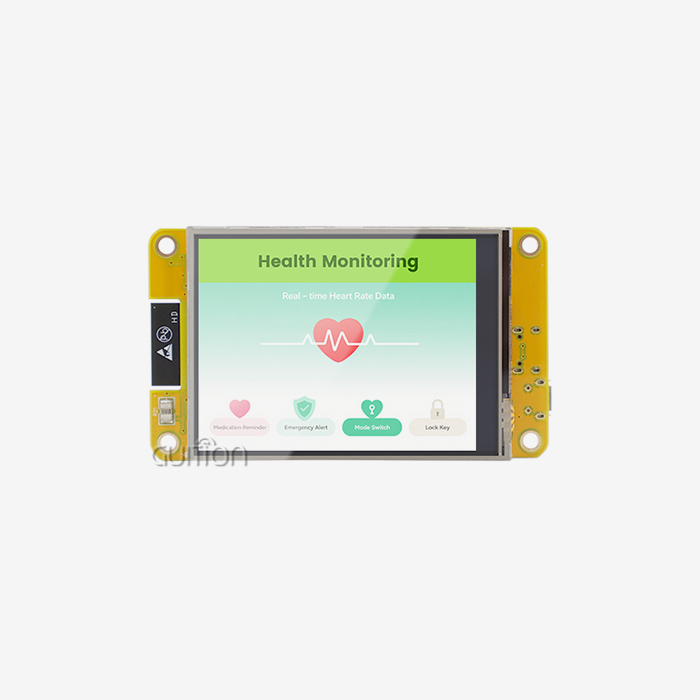
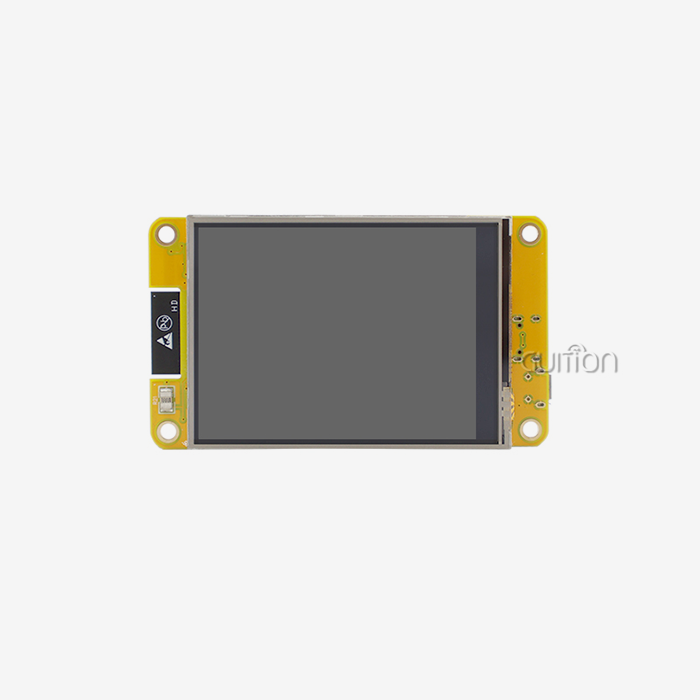
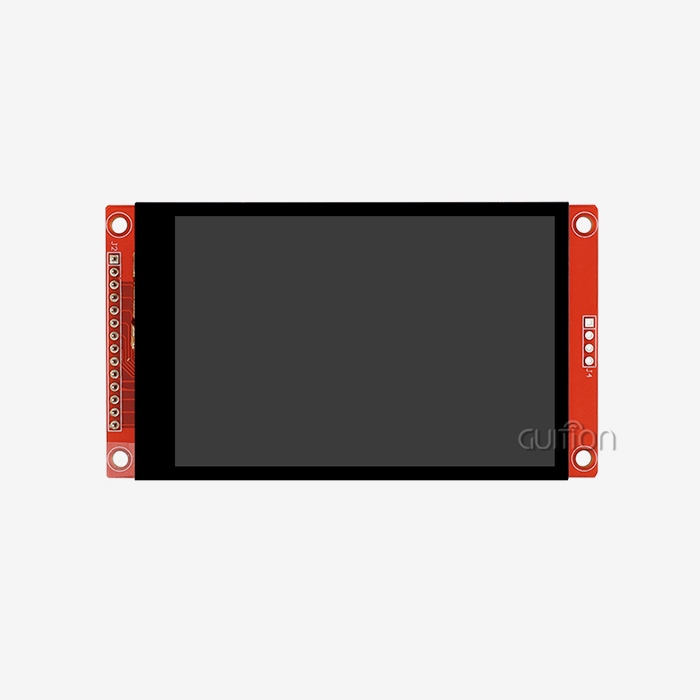
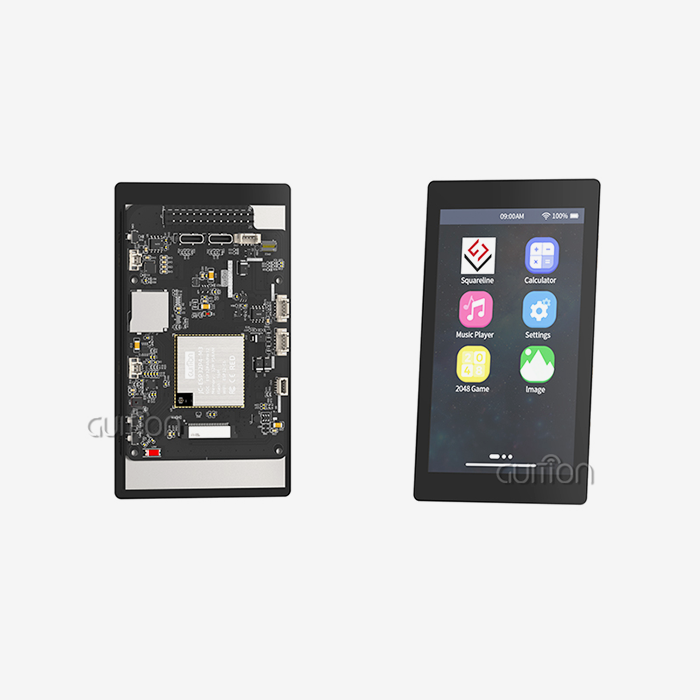
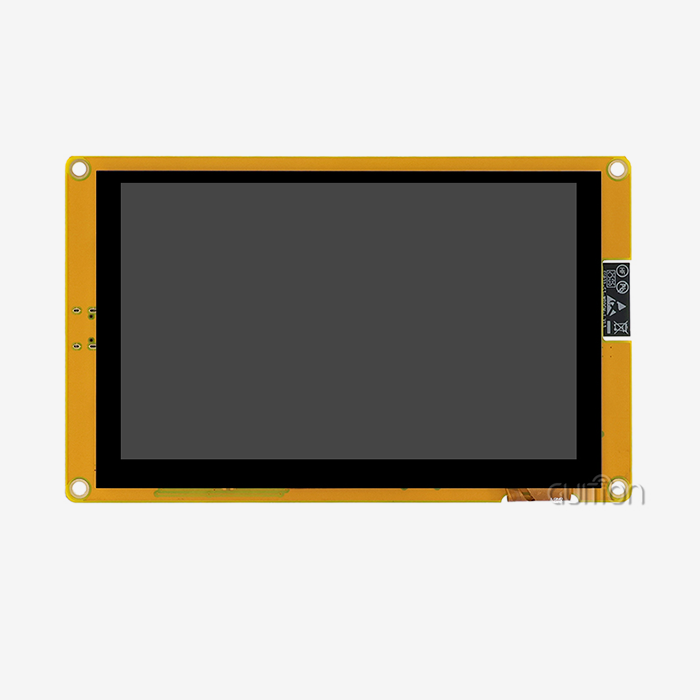
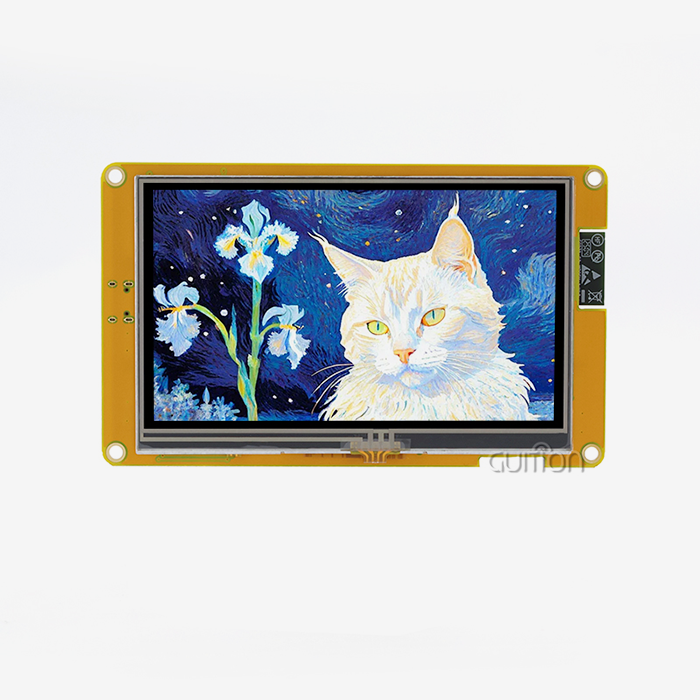
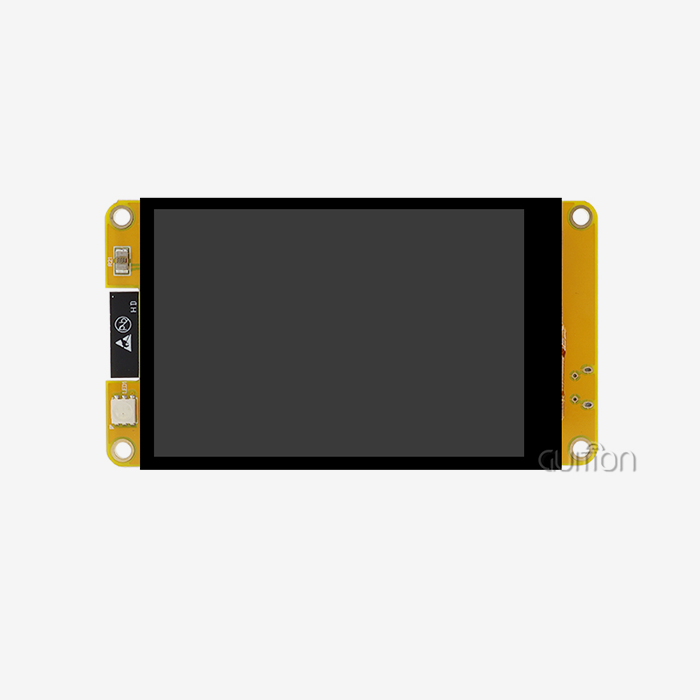
You can get fast reaction times from TN (Twisted Nematic) TFT screens, but they have limited viewing angles and change color when the temperature changes. IPS (In-Plane Switching) technology is better for multi-operator industrial control screens because it offers better color accuracy and viewing angles of 178°. Even though OLED screens have an infinite contrast ratio, they break down faster in hot temperatures and UV light, which means they can't be used outside. The GUITION JC3248S035R uses TFT technology with an ILI9488 driver IC to provide stable performance in temperature-controlled industrial cabinets and smart products at a low cost.
Protective Measures and Design Strategies
Multiple levels of protection are built into ruggedized units. When touchscreens are optically fused, there are no more air holes that let moisture in and make them less resistant to impact. Extended temperature range parts allow running from -20°C to +70°C without losing performance. Better ways of sealing use dispensed gaskets instead of sticky tapes to make continuous shields against moisture around connection holes. Vibration-dampening mounting brackets keep display parts from being affected by mechanical shock, which keeps solder joints from wearing out. Power fluctuations can be handled by input voltage ranges of 9V to 36V DC with safety circuits. This is useful for mobile equipment and sites that are far away.
Electrical Interface Integrity
The 4-wire SPI transmission method in the JC3248S035R makes connection points less likely to be damaged by external stress. Electrostatic discharge damage can't happen during installation or repair because the pinouts are strong and have ESD safety diodes built in. In places with a lot of humidity, gold-plated touch areas don't rust. Ground loops that cause display noise and touch detection mistakes can be stopped by using the right grounding methods. Embedded pull-up resistors keep the signal strong over long wire runs, which is important for big industrial control systems that need to send data reliably.
Best Practices for Selecting Reliable Colour LCD Modules for Harsh Environments
Structured evaluation systems that match technology specs with application needs help with procurement choices. During the selection process, the need for instant usefulness should be weighed against long-term dependability measures and the ability of the provider to provide support. Choosing a reliable Colour LCD display module requires balancing immediate functionality against mechanical stability and environmental protection.
Criteria Screening Approach
The main decision filter is the operating temperature range. Modules that can work in temperatures ranging from -30°C to +85°C are good for outdoor energy management systems and farm machinery that have to deal with changing weather. Verification of the IP grade ensures that the protection is good enough. IP65 is enough for dusty plant floors that only need to be washed every so often, but IP67 is needed for outdoor sites that will be exposed to heavy rain. The requirements for shock and vibration resistance (measured in G-forces and frequency ranges) must match the amounts of stress that come with transporting and using the product. The GUITION JC3248S035R's 3.5-inch form factor and 320x480 resolution make text and images easy to read on small industrial control panels while keeping the panel's mechanical stability.
Performance Metrics Under Harsh Conditions
Managing heat in sealed spaces is affected by how energy efficient they are. Less power use means less internal heat buildup, which makes parts last longer. Even if the voltage changes, the stable refresh rate makes sure that animations run smoothly and touch interactions work well. The ILI9488 driver IC keeps the 60Hz update rate constant across the given voltage range. This stops flickering, which can make operators tired. Between 400 and 600 nits of brightness make the screen easy to read in workplace lighting without using too much power for the backlight. When contrast ratios are above 500:1, text can still be read even after UV exposure makes polarizer films old.
Demand Matching Approach
Application-specific feature alignment keeps specifications from being too detailed and cuts costs. For gloved operation in cold storage and cleanrooms, resistive touch technology is used. Capacitive options, on the other hand, allow for complex HMI processes using multiple touches. The JC3248S035R's alternative resistive touch function meets the needs of a wide range of users without pushing them to buy extra features they don't need. The choice of resolution strikes a balance between the amount of data and the amount of processing power that is needed. For example, 320x480 shows clear icons and text without taxing the computers inside IoT devices that don't have a lot of resources. Built-in SD card slots make it possible to log data locally and change firmware without using external recording devices. This makes maintenance easier in remote sites.
Supplier Reliability and Certification
Manufacturer approvals like ISO 9001 for quality management and ISO 14001 for environmental standards show that the process is mature and the supply chain is stable. RoHS and REACH compliance make sure that materials are safe and that they are accepted by regulators in global markets. Manufacturers who offer warranties longer than 24 months show they are confident in the product's long-term dependability. Good technical paperwork, like thorough datasheets, pinout diagrams, and interface guides, speeds up development and lowers the need for engineering support. The Guition software platform has WYSIWYG interface design tools that get rid of the need for low-level code and cut the time it takes to get a product to market from months to weeks.
Troubleshooting and Maintenance of Colour LCD Display Modules in Harsh Environments
Small problems don't turn into system breakdowns when proactive repair plans are used. Understanding common failure modes and using organized troubleshooting methods can help keep mission-critical apps running as smoothly as possible. Colour LCD display module maintenance includes identifying specific signs of environmental wear to prevent total system failure.
Common Failure Modes and Symptoms
When displays flicker, it's usually because the power source lines aren't stable or the voltage isn't being regulated well enough when the load changes. Electrostatic discharge during installation or mechanical force that breaks driver IC bond wires can cause dead pixel groups. When moisture gets into a resistive membrane and changes its sensitivity or the setting of a capacitive sensor, the touch screen stops responding. Backlight degradation shows up as changes in color temperature or odd brightness distribution. This can be a sign of a failed LED array or old optical films. When there is a lot of humidity in an area, connector corrosion can happen, which can cause communication problems between host computers and display controls.
Diagnostic Procedures and Checklists
Systematic repair starts with looking at the soundness of the connection to see if the pins are bent, there is corrosion, or there is damage to the wire. By measuring the voltage at the module's input terminals, you can be sure that the power source levels and ripple features are correct. Oscilloscopes are used to check the time of SPI clocks, the behavior of chip pick signals, and the changes in data lines. By putting the clock, data, and control signals on different pins, the 4-wire SPI interface makes troubleshooting easier. Touch calibration methods check that the sensor is linear and sensitive to pressure across the working area. Thermal imaging finds "hotspots" that show stressed parts or areas that don't have enough airflow.
Preventive Maintenance Strategies
Every six months, checks are planned to find early signs of seal or connection wear. Changing the gaskets as part of the yearly maintenance keeps the entry protection levels intact before water gets in. When known driver IC problems are fixed in firmware updates, the system is more stable, especially when the changes are sent remotely via OTA (Over-The-Air). Using allowed solvents for cleaning gets rid of dust buildup without hurting anti-reflective surfaces. Checking the torque on the fixing gear stops vibrations from loosening it, which would damage the shock isolation. The history of environmental contact is recorded so that predictive repair schedules can be made based on stress buildup instead of random time gaps.
Industrial Implementation Case Study
In areas with a lot of humidity, a food processing plant put 24 industrial control screens with a colour LCD display module units in place. The first installations used consumer-grade units that weren't properly sealed, which led to 18 failures in the first six months because of water getting in. Over the next 18 months, problems were eliminated after modules with an IP67 rating, conformal-coated PCBs, and sealed connections were replaced. Even though the seals were cleaned every day, they kept working well thanks to quarterly checks and yearly recalibrations. The execution showed how choosing the right modules and following the right maintenance procedures can help keep demanding applications running smoothly and without costly downtime.
Future Trends and Innovations in Robust Colour LCD Display Modules
As technology keeps getting better, Colour LCD display module units are becoming more durable and can do more. New developments in material science make things last longer, and smart features make it easier to connect them to other systems.
Material Science Advancements
Using polyimide films instead of glass on flexible display plates lets you make pieces that are curved and won't break when they get hit. Nano-coating technologies make surfaces superhydrophobic, which means they don't absorb water and are easier to clean. Quantum dot color filters increase the color range to 90% NTSC while keeping their effectiveness even when the temperature changes a lot. Transparent conductors made of graphene promise better touch perception, faster reaction times, and less power use for SPI LCD Display. These improvements make it possible for next-generation modules to be used in places where they weren't possible before, like on mobile building tools and wearable industrial devices.
Energy Efficiency and Performance Optimization
Adaptive backlight algorithms change the brightness based on sensors that measure the amount of light in the room. This cuts power use by 30% when the lighting is changing. During static picture display, dynamic refresh rate control drops frequencies. This saves battery power in handheld devices. Moving toward 24-bit color depth with 16.7M colors improves picture quality for medical imaging uses, where small changes in color can help with diagnosis. Lower voltage differential signaling standards cut down on electromagnetic interference, which makes it possible to meet strict EMC standards in the aircraft and automobile industries.
Market Growth and Application Expansion
Demand for connected display systems with built-in WiFi and Bluetooth modules that allow tracking and controlling from afar is driven by the industrial IoT sector. Smaller form factors, between 1.28" and 7", are used by smart home makers for controlling appliances and the surroundings. For panel clusters and entertainment systems that are subject to thermal cycling, automakers require wide-temperature modules. For military and space uses, ruggedized units that meet MIL-STD-810 guidelines for shock and vibration are needed. This variety opens up chances for providers of display modules who can offer a wide range of products and easy customization options.
Conclusion
To choose the right Colour LCD display module for harsh settings, you have to balance technical specs, features that protect the environment, and the supplier's ability to help you. Industrial-grade units with higher temperature values, strong protection against water and dust, and a history of reliable electrical interfaces cut down on field failures and overall ownership costs. The GUITION JC3248S035R is a useful example of a solution that combines 320x480 resolution, fast SPI connection, and optional touch functions in a small 3.5-inch package that can be used in smart products and industrial controls. Proactive repair plans and organized ways of fixing problems make sure that systems keep working well even during tough operating lifetimes. As the study of materials progresses and communication options grow, embedded engineers can use more powerful display options that can handle tough environments and make development easier.
FAQ
What ingress protection rating do I need for outdoor industrial displays?
When installed outside, most things need to have at least an IP65 grade to protect them from low-pressure water jets and dust. Applications that may be submerged for short periods of time, like farm equipment or marine installations, benefit from IP67 approval, which guarantees safety up to 1 meter deep. The rate you choose will depend on the specific exposure cases you have. To find the right protection levels, look at environmental research data from installation sites.
How does operating temperature affect display lifespan?
Liquid crystal materials, lighting LEDs, and polarizer screens age faster when they are used continuously at high and low temperatures. Each 10°C rise in temperature above the stated limit can cut the life of a component in half because chemicals break down faster. In harsh settings, choosing units with extended temperature ranges (-30°C to +85°C) and putting in place thermal management solutions keeps performance high and increases service life.
Can I retrofit existing systems with more reliable display modules?
For retrofitting to work, the mechanical installation must be compatible, the electrical link must match, and the software driver must be available. The GUITION JC3248S035R uses the 4-wire SPI transmission standard, which makes it easier to connect to microcontroller designs that are already out there. Before buying, make sure you know the pinouts, voltage needs, and communication methods for the connection. To make retrofit projects go more smoothly, our tech team gives you transfer tips and sample code.
Partner with Guition for Reliable HMI Display Solutions
Guition is an expert at providing industrial-grade Colour LCD display module options that can work in harsh conditions. Our USART-hmi display modules come in sizes ranging from 1.28" to 21.5" and work perfectly with Arduino, ESP-IDF, and other programming platforms thanks to full software support. The Guition interface development tool gets rid of complicated low-level code, which speeds up project timelines and makes sure that the software works well in setups that are prone to vibrations, extreme temperatures, and high humidity. Our technical team offers clear guidance and quick help, whether you're an embedded engineer looking for cross-platform compatibility or a product manager needing scalable HMI designs. Get in touch with david@guition.com to talk about your application needs with a reliable Colour LCD display module provider who wants you to succeed.
References
1. Anderson, J.M. (2021). Industrial Display Technology: Reliability Engineering for Harsh Environments. Society for Information Display Technical Digest, Volume 52, Issue 1, pp. 234-248.
2. Chen, W. and Rodriguez, M. (2022). Environmental Stress Testing of TFT-LCD Modules for Industrial Applications. Journal of Electronic Materials Engineering, Volume 38, Number 4, pp. 112-127.
3. European Machine Vision Association (2023). Guidelines for Selecting Display Components in Industrial Automation Systems. EMVA Technical Report TR-2023-08.
4. Kim, S.H., Park, D.Y., and Lee, K.J. (2020). Ingress Protection Design Strategies for Rugged Display Assemblies. IEEE Transactions on Components, Packaging and Manufacturing Technology, Volume 10, Issue 6, pp. 1045-1058.
5. National Instruments Corporation (2022). Best Practices for HMI Display Selection in Test and Measurement Systems. NI White Paper Series, Document WP-4782.
6. Zhang, L., Thompson, R., and Patel, A. (2023). Lifecycle Cost Analysis of Industrial Display Modules Under Environmental Stress Conditions. International Journal of Production Research, Volume 61, Number 12, pp. 4156-4173.
Learn about our latest products and discounts through SMS or email