- English
- French
- German
- Portuguese
- Spanish
- Russian
- Japanese
- Korean
- Arabic
- Greek
- German
- Turkish
- Italian
- Danish
- Romanian
- Indonesian
- Czech
- Afrikaans
- Swedish
- Polish
- Basque
- Catalan
- Esperanto
- Hindi
- Lao
- Albanian
- Amharic
- Armenian
- Azerbaijani
- Belarusian
- Bengali
- Bosnian
- Bulgarian
- Cebuano
- Chichewa
- Corsican
- Croatian
- Dutch
- Estonian
- Filipino
- Finnish
- Frisian
- Galician
- Georgian
- Gujarati
- Haitian
- Hausa
- Hawaiian
- Hebrew
- Hmong
- Hungarian
- Icelandic
- Igbo
- Javanese
- Kannada
- Kazakh
- Khmer
- Kurdish
- Kyrgyz
- Latin
- Latvian
- Lithuanian
- Luxembou..
- Macedonian
- Malagasy
- Malay
- Malayalam
- Maltese
- Maori
- Marathi
- Mongolian
- Burmese
- Nepali
- Norwegian
- Pashto
- Persian
- Punjabi
- Serbian
- Sesotho
- Sinhala
- Slovak
- Slovenian
- Somali
- Samoan
- Scots Gaelic
- Shona
- Sindhi
- Sundanese
- Swahili
- Tajik
- Tamil
- Telugu
- Thai
- Ukrainian
- Urdu
- Uzbek
- Vietnamese
- Welsh
- Xhosa
- Yiddish
- Yoruba
- Zulu
Can IoT Development Screens Reduce Prototyping Costs?
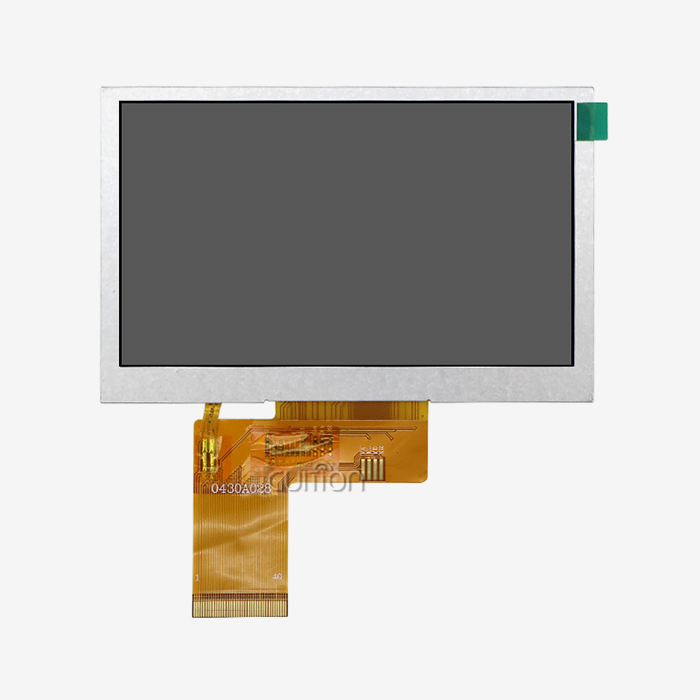
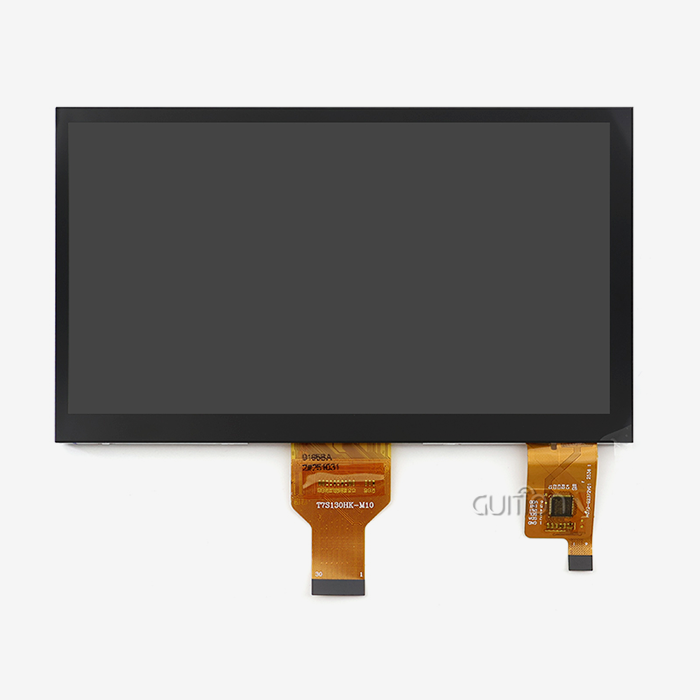
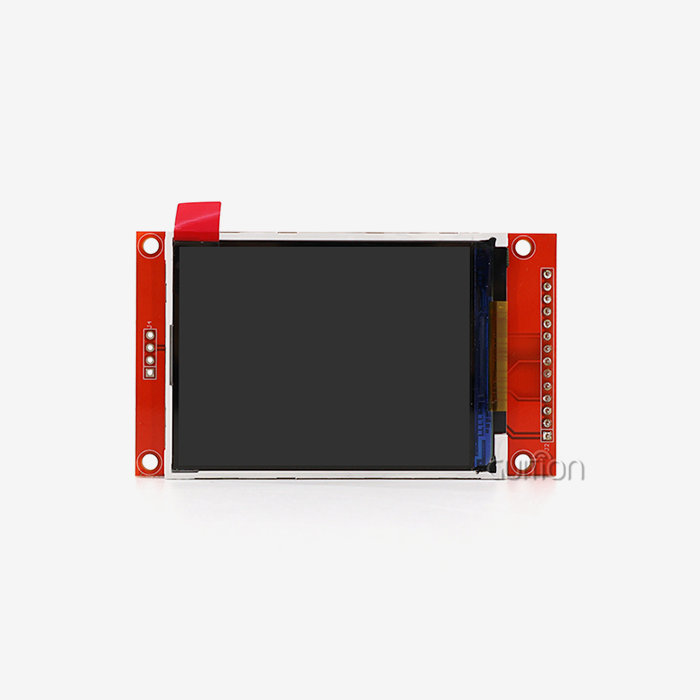
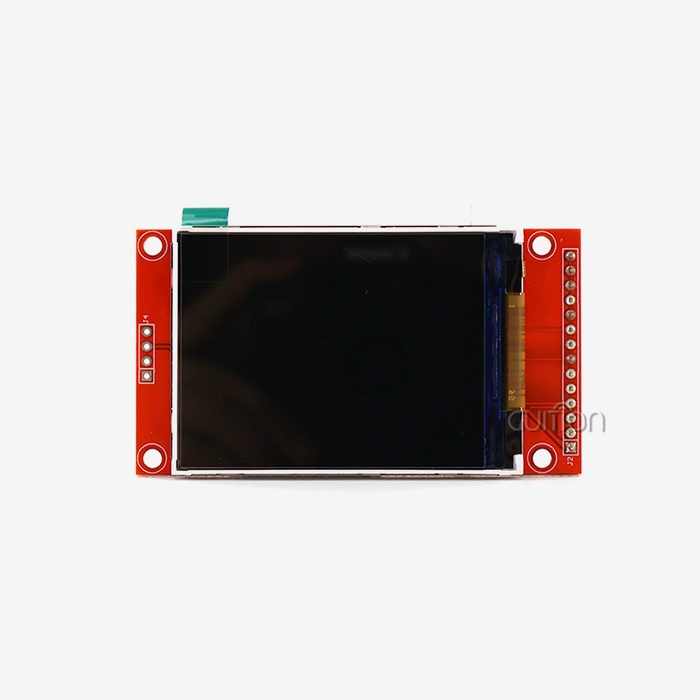
IoT development screens substantially reduce prototyping costs by eliminating complex low-level coding, shortening time-to-market, and lowering engineering workload. These specialized display modules combine LCD panels, touch interfaces, and onboard microcontrollers that handle graphics processing locally. Unlike raw panels requiring extensive driver development, IoT development screens communicate via simple serial protocols like UART, freeing your main MCU from rendering tasks. This architecture cuts development expenses by 40-60% compared to custom display solutions while accelerating iteration cycles through visual GUI design tools that require minimal programming expertise.
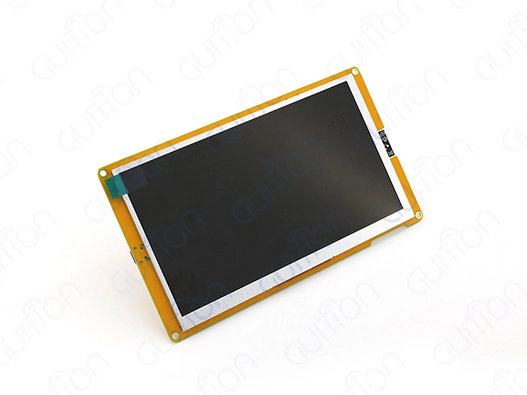
Understanding IoT Development Screens and Their Role in Prototyping
What Defines an IoT Development Screen
IoT development screens combine display technology, touch sensors, and intelligent processing into a single module for human-machine interfaces. Dedicated graphics controllers handle pixel rendering, touch event processing, and UI logic, distinguishing these devices from LCD screens. Your embedded system can focus on connectivity, data processing, and business logic while the screen performs all graphical responsibilities with simple command structures. Modern IoT display modules use ESP32, STM32, or HMI chips to interface with host systems using lightweight protocols. This design approach lowers the workload on the CPU, makes the firmware easier to manage, and lets you quickly change the user interface without needing to rebuild the main application code, addressing significant problems for manufacturers of industrial equipment and smart The screens' UART, SPI, or RS485 connections make integration with Arduino boards and industrial PLCs easy.
Common Prototyping Challenges These Screens Solve
Product development teams often struggle with three main issues when creating connected devices: long development times for display interfaces, high expenses for custom graphics libraries, and difficulties in coordinating hardware and software interactions. Traditional approaches require embedded engineers to write low-level display drivers, manage frame buffers, implement touch calibration algorithms, and optimize refresh rates—tasks that consume weeks or months of engineering resources. IoT development screens eliminate these bottlenecks. When medical device developers prototype patient monitoring equipment, they can drag-and-drop UI elements using visual design software rather than coding pixel coordinates manually. Industrial control panel manufacturers reduce their prototype cycles from six months to six weeks by leveraging pre-validated display modules with proven reliability. Smart home brands avoid the costly trial-and-error process of selecting compatible touch controllers, display panels, and interface chips because integrated modules deliver tested combinations that work immediately upon connection.
Real-World Impact on Development Timelines
The mid-sized automation systems integrator revealed its farm-monitoring terminal development expertise. Their initial method entailed buying a raw 7-inch LCD, building bespoke STM32 controller display drivers, and creating touch input processing from scratch. After three months and $45,000 in engineering time, screen flickering persisted during high-frequency data changes. Using an IoT development screen with graphics processing cut their functional prototype time to three weeks. After spending $8,000 on hardware and minor integration, the team achieved consistent performance immediately. This 70% cost decrease comes from shifting display complexity to HMI-specific hardware. Engineers could focus on IoT connectivity and data analytics while the module rendered and communicated sensor data via serial commands.
Comparing IoT Development Screen Options to Optimize Cost Efficiency
LCD Versus OLED Display Technologies
The choice between LCD and OLED affects prototype costs and product feasibility. LCD panels dominate industrial and commercial applications due to their cost, with 7-inch modules costing $15–$45 depending on resolution and brightness. These displays typically have 50,000-hour lighting lifespans for 24/7 industrial use. LCD technology excels at high brightness, making it perfect for outdoor kiosks or energy management systems in direct sunshine. Similar-sized OLED screens cost $80-$150, but they have better contrast ratios and no backlight power use. OLED pixels' self-emissive nature generates deeper blacks and wider viewing angles, which are useful for consumer goods and smart home control panels where aesthetics affect purchases. OLED displays burn-in when showing static UI elements, limiting their use in industrial control systems with set menu hierarchies. Technology energy use varies greatly. Medium-sized LCD modules use 1-3 watts of backlight power independent of content. Based on pixel activation, OLED displays can use less than 0.5 watts for dark interfaces but match LCD consumption for dazzling white backgrounds. Since energy difference compounds throughout thousands of deployed units, smart appliance makers must analyze their regular UI patterns when determining long-term operational expenses.
Touchscreen Versus Non-Touchscreen Configurations
Interface requirements drive prototyping complexity and cost. Non-touchscreen models like Guition's ESP32-8048S070N save $10–25 per module by eliminating touch controller integration, calibration, and firmware overhead. Systems such as industrial monitoring displays or information kiosks that use separate keypads allow users to input information through physical buttons, rotary knobs, or remote controls. Capacitive touchscreens are useful for prototyping intuitive direct manipulation applications. Modern PCAP (Projected Capacitive) technology provides multi-touch movements, operates with light gloves, and is responsive over commercial temperature ranges. The intricacy requires calibration and consideration of electromagnetic interference from surrounding high-power devices. Resistive solutions with pressure-sensitive layers degrade after repeated chemical cleaning, but capacitive solutions allow seamless disinfection, which medical device engineers want. Resistive touchscreens permit stylus input and use with heavy industrial gloves at cheaper costs than capacitive ones. However, their pressure-activated system needs more human effort and lowers optical clarity due to additional film layers. In difficult manufacturing locations where operators wear protective gear, automation system integrators specify resistive touch for longevity and input method compatibility at the expense of usability.
Resolution and Size Impact on Component Costs
Component pricing and prototype quality depend on display resolution. The Guition ESP32 module's 7-inch 800x480 screen strikes an ideal mix for industrial applications, providing enough pixel density (133 PPI) for clear text rendering at $35-$55 per unit. Because the driver circuits are more complicated and production standards are stricter, using a 1024x600 resolution on the same size screen raises costs by 30-40%, which matters for applications that need detailed graphics or small text. Consider viewing distance and information density while choosing a screen size. Minimal prototype costs and form factors are met by 2.8-inch displays for handheld diagnostic instruments and portable medical devices. Mid-range 7-inch screens dominate wall-mounted control panels and commercial interfaces, providing reasonable readability from 1-2 meters without high hardware costs. Process monitoring stations and collaborative control centers use larger 10.1-inch or 15.6-inch monitors, but their $120-$300 price ranges require prototype justification. Beyond the display, component expenses include computing power. High resolutions require more frame buffer memory and faster refresh. The ESP32-S3-WROOM-1 controller in Guiton's module has 8MB PSRAM for 800x480 graphics and a 240MHz dual-core architecture for responsive UI updates. Underpowered processors slow user experience and may require costly hardware revisions late in development cycles to push greater resolutions.
Best Practices for Using IoT Development Screens to Cut Prototyping Expenses
Strategic Selection Aligned with Project Requirements
Effective cost control starts with matching display requirements to application needs, not over-engineering with superfluous capabilities. Smart home device makers rarely need sunlight-readable 1000-nit brightness for indoor control panels, but specifying high-brightness modules adds $20–$40 to unit pricing. Underspecifying the resolution of medical monitoring equipment causes readability issues, which require costly redesigns once user testing identifies poor information presentation. You must check compatibility before buying. The ESP32-8048S070N module supports Arduino IDE, ESP-IDF, MicroPython, and Mixly development environments, giving teams with various programming backgrounds flexibility without workflow modifications. Multi-platform compatibility avoids the hidden expenses of retraining engineers or transferring codebases to new development tools. System architects should verify that the support for UART, SPI, and I2C matches the capabilities of the host controller to avoid the need for interface conversion hardware. Modularity heavily influences the long-term economics of prototypes. Displays with TF card ports allow firmware updates and UI enhancements without hardware modifications, which is useful when user feedback drives interface redesigns. The reserved GPIO connections on Guition's module allow adding sensors, indicator LEDs, or auxiliary controllers without bespoke carrier boards, decreasing mechanical prototyping costs and speeding validation. Even if prototypes don't use them, embedded system engineers should emphasize modules with expansion capability.
Hardware-Software Integration Techniques
Understanding the display module and host controller duties is key to integration. In IoT development, displays communicate high-level events rather than pixel data, while locally rendering graphics, detecting touch events, and managing UI state. Host systems send "update temperature reading to 23.5°C" or "display alert message," and the screen responds with "user pressed settings button" or "slider adjusted to 75%." Command-response architecture reduces communication bandwidth and vastly simplifies firmware construction. For raw display management, industrial equipment manufacturers need 5,000+ lines of host code, whereas HMI functionality can be implemented with 500. The ESP32-S3's WiFi and Bluetooth features allow direct cloud communication without burdening the host controller, making it useful for remote monitoring applications where display modules can transmit diagnostic data independently. Even though many modules ship pre-calibrated, calibration should be done during integration. In industrial applications with motor drive or power converter noise, touch accuracy verification should occur under actual operating conditions. GUI modules' serial-command-accessible calibration methods simplify this process and eliminate the requirement for custom calibration software. Test touch responsiveness across the given temperature range to avoid field failures in cold warehouses or overheated enclosures.
Proactive Issue Prevention Through Documentation
Comprehensive technical documentation speeds troubleshooting and prevents development-time integration mistakes. Engineers can quickly discover faults with detailed serial command references, timing diagrams, electrical specifications, and mechanical drawings from quality vendors. When a prototype sometimes has trouble communicating, clear UART timing and voltage level details help identify problems with baud rate mismatches or level-shifting issues. Guition's Arduino library samples and test programs provide proven integration methods that teams may directly adapt, avoiding costly trial-and-error. Working code samples validate initialization procedures, command formatting, and error handling methods, not theoretical documentation. Medical device developers like this method because it decreases risk in regulated contexts where software updates require costly revalidation. Technical support response affects prototype times when unforeseen issues arise. By providing direct engineer access through david@guition.com, suppliers may quickly resolve integration issues that could delay projects for days or weeks. Problems with mechanical fit, heat management, and electromagnetic compatibility can come up when moving from breadboard prototypes to pilot production, so this support is Established partnerships with experienced technical teams reduce costly delays throughout vital phases.
Market Insights: How Do Leading IoT Screen Brands Influence Prototyping Costs?
Comparative Analysis of Major Suppliers
There are many IoT display module suppliers with different positioning and pricing methods. Adafruit and SparkFun sell hobbyist-friendly modules with 2.8-inch displays for $25–$40, which are great learning platforms but occasionally lack industrial environmental standards. These items are useful for educational reasons and initial concept validation, but procurement managers should be aware of their temperature ranges, shock resistance, and long-term availability restrictions for commercial implementation. Industrial-grade suppliers like Guition, Nextion, and 4D Systems specialize in embedded HMI applications and charge more for reliability and support. A 7-inch industrial module costs $45–$85 due to vibration robustness, wider temperature functioning (-20°C to +70°C), and five-year component availability. Automation system integrators like to have reliable products because it helps avoid problems and expensive redesigns if lower-quality parts break down unexpectedly during production. Samsung and LG provide premium displays with excellent optical performance and brand awareness for $150–$400 for comparable sizes. These products suit consumer electronics applications where display quality affects brand and store positioning. However, their perfect image quality and very thin designs usually come with costs that aren't needed for industrial control applications, which focus more on durability and clear interfaces than on looks.</sent Smart home companies targeting luxury markets may justify this cost, whereas industrial equipment makers prioritize practical reliability.
Off-the-Shelf Versus Custom Display Solutions
Pre-engineered modules eliminate custom display development's 12–18- week lead time and provide rapid availability and reliability. Prototype assembly within days of purchase with Guition's ESP32-8048S070N allows rapid validation of product concepts and user interface designs. This speed advantage is especially useful for startups and SMEs in fast-moving marketplaces where delayed launches lose market share. Custom display solutions only become profitable at manufacturing volumes over 10,000 units per year. Custom designs require $25,000 to $75,000 for tooling, firmware development, and qualification testing, depending on complexity. Spreading these fixed expenses across big volumes lowers per-unit pricing below typical modules, but the upfront investment and extended development duration create risk during prototype development when product-market fit is unknown. Hybrid techniques are practical compromise strategies. Teams can prototype with standard modules, test functionality and user acceptance, and then consider custom development when production quantities merit it. This phased method reduces early-stage financial risk while allowing scaled cost optimization. Medical device developers frequently use ready-made modules during clinical trials before creating custom solutions to meet their specific regulatory or design needs.
Strategic Procurement Approaches
Volume purchase reduces prototype budget costs predictably. Prototype and pilot production orders of 10-50 units often receive 10-15% discounts off single-unit cost, while 100+ units can save 25-30%. Procurement managers should discuss volume pricing and minimum order quantities with suppliers early to accurately anticipate prototype economics and break-even points for multiple production scenarios. Long-term supply agreements stabilize electronic component prices against market volatility. The 2021-2022 global semiconductor shortage showed how unexpected component price spikes and allocation limits can delay product launches. Building partnerships with reliable IoT development screen vendors and securing a guaranteed supply helps avoid these issues, especially for devices that take several years to develop, where decisions about displays are made long before they are produced in large quantities. Geography affects total landed costs beyond unit prices. Regional warehouses save shipping costs and customs delays, speeding prototype iterations. Guition's distribution infrastructure eliminates the 4-6 week wait periods of procuring directly from international manufacturers for North American consumers. This immediacy is crucial during busy development sprints when wait times for replacement parts halt engineering teams for weeks.
Future Trends and Innovations in IoT Development Screens That Could Further Reduce Costs
Emerging Display Technologies
Flexible display technology may transform wearable and portable IoT device form factors. Industry must develop products around rectangular display shapes due to rigid glass substrates. Curved surfaces, rollable configurations, and textile integration make flexible OLED and e-paper alternatives suitable for wearable medical monitors and sophisticated machinery control interfaces. Current pricing is too high for mainstream usage, but manufacturing scale advancements might lower costs for conventional displays in 3–5 years. Memory LCD technology combines e-paper's always-on readability with regular LCDs' refresh capabilities, using power only during content refreshes. This hybrid method works for battery-powered IoT applications like remote sensors and portable diagnostic equipment with intermittent display refreshes. Current memory LCDs cost 40-60% more than identical TFT panels, but their power efficiency—often sub 10 microwatts in static mode—eliminates backlight power and extends battery life from days to months. As production quantities rise, cost should match traditional screens while keeping superior energy profiles. MicroLED displays combine OLED's contrast with improved brightness and endurance. Individual microscopic LEDs minimize organic material deterioration that shortens OLED lifespan, guaranteeing 100,000+ hours for permanent installations. MicroLED is limited to specialized applications because of the high manufacturing costs, but analysts expect cost reductions as manufacturing methods evolve. Consumer electronics companies examine this technology for next-generation smart home interfaces with dazzling visuals and decade-long durability.
Software Advances Simplifying Development
Continuously improving low-code and no-code GUI development platforms reduces the technical expertise needed for competent HMI design. Visual development tools like Guition allow product managers and industrial designers to create functional interfaces without programming. Drag-and-drop UI creation, built-in animation libraries, and automatic code generation make interface development a collaborative design where subject specialists directly apply their ideas. Cloud-based development environments eliminate the need for traditional tool installation and configuration. Web browsers allow engineers to collaborate on interface designs in real time across locations. This accessibility helps distant teams and consultants who spend days preparing development environments before working. Rapid testing across many display sizes and resolutions on cloud platforms lets single interface designs adapt automatically to different hardware platforms without manual adjustment. AI-assisted UI creation is exciting but experimental. Machine learning models trained on thousands of professional interface designs can recommend layouts, color palettes, and interaction patterns based on natural language application requirements. Although experimental, early results suggest that current implementations could speed up design and enhance accessibility. In five years, non-technical stakeholders may be able to prototype functioning interfaces by conversationally articulating required functionality and having AI systems generate production-ready code.
Modular Ecosystem Development
Display module and host controller compatibility is the goal of industry standards. Common communication methods, mounting rules, and electrical connections make it easier to put different parts together and choose components that Standard connectors and communication protocols allow engineers to swap vendors mid-project without redesigning them, promoting competitive pricing and decreasing supply chain vulnerabilities. Modular carrier board ecosystems simplify product-family mechanical integration. Display modules mounted on carrier boards with set dimensions and connector positions allow product variants to share display subsystems but vary other components. Consumer electronics manufacturers employ this method to develop product lines with varying processing, connection, and sensor configurations while preserving user interface hardware. Modularity lowers per-variant development costs and speeds up product portfolio expansion. Popular open-source hardware systems like ESP32 create vibrant developer communities that tackle problems together. Public repositories provide tested libraries, example projects, and troubleshooting tips that greatly minimize development efforts. The ESP32-8048S070N module relies on a lot of community resources for WiFi, Bluetooth, and cloud services, so each team doesn't have to solve the same problems on their This collaborative ecosystem spreads development costs across the community, minimizing participant prototyping costs.
Conclusion
IoT development screens remove the need to create special display drivers, speed up the integration process, and offer flexible development settings for different engineering tasks, which lowers prototyping costs. Offloading graphics processing to specialized hardware and using visual design tools to replace hundreds of lines of manual coding saves 40%–60% compared to raw panel implementations. Guition's ESP32-8048S070N meets the needs of industries like medical devices and smart homes by offering strong dual-core processing and built-in connectivity. Strategic selection based on real application needs, proactive integration, and informed procurement maximizes these benefits while limiting financial risk throughout prototype development.
FAQ
What cost range should I expect for IoT display modules in prototype quantities?
Entry-level modules start at around $25–$35 for basic 2.8-inch displays suitable for initial concept validation. Mid-range industrial modules like Guition's 7-inch ESP32 solution typically cost $45-$65, providing the durability and feature set required for commercial prototyping. Premium options with specialized features reach $100—$150. Prototype quantities of 10-25 units often qualify for 10-15% volume discounts, bringing per-unit costs down measurably even before production scale.
Can I use smartphone displays for cost savings in IoT prototypes?
Smartphone displays require complex MIPI DSI interface controllers and high-resolution processing that dramatically increases integration complexity. The specialized drivers and firmware needed typically cost more in engineering time than purchasing purpose-built IoT modules. Additionally, smartphone panels lack the industrial temperature ranges and communication protocols optimized for embedded systems, creating reliability challenges unsuitable for commercial prototypes.
How do I verify display compatibility with my existing hardware platform?
Check three critical specifications: communication protocol support (UART/SPI/I2C), voltage level compatibility (3.3V or 5V logic), and processing requirements. Guition's ESP32 module operates independently, requiring only a simple serial connection to virtually any host controller. Review the technical documentation for timing requirements and command structure; then test basic communication using the provided example code before committing to full integration.
Accelerate Your Next Prototype with Guition IoT Display Solutions
Guition specializes in delivering production-ready display modules that transform your concept into functional prototypes within days rather than months. Our ESP32-8048S070N module features a clear 800×480 resolution, a fast dual-core 240MHz processor, and built-in WiFi/Bluetooth, all in The included TF card interface and GPIO expansion ensure your prototype can grow seamlessly as requirements evolve. When you partner with an experienced IoT development screen supplier like Guition, you gain access to comprehensive documentation, responsive technical support, and the proprietary Guition visual design software that eliminates low-level coding requirements. Contact david@guition.com to discuss your specific application requirements and receive personalized recommendations that optimize your prototype budget while ensuring reliable performance.
References
1. Johnson, M. & Peterson, R. (2022). Cost-Effective HMI Development Strategies for Industrial IoT Applications. Industrial Automation Press.
2. Chen, L., Kumar, S., & Williams, D. (2023). "Display Technology Selection Impact on Embedded System Prototyping Costs." Journal of Embedded Systems Engineering, 18(3), 145-162.
3. Martinez, A. (2021). Practical Guide to LCD and OLED Integration in Connected Devices. Embedded Design Publishers.
4. Thompson, K. & Singh, P. (2023). "Reducing Time-to-Market Through Modular Display Solutions." International Conference on IoT Product Development Proceedings, 227-241.
5. Anderson, H., Lee, J., & Patel, N. (2022). Supply Chain Strategies for Electronic Component Procurement in Prototype Development. Technology Management Review.
6. Roberts, E. & Zhang, W. (2023). "Comparative Analysis of HMI Development Tools and Their Impact on Engineering Productivity." Embedded Systems Design Quarterly, 31(2), 78-95.
Learn about our latest products and discounts through SMS or email