- English
- French
- German
- Portuguese
- Spanish
- Russian
- Japanese
- Korean
- Arabic
- Greek
- German
- Turkish
- Italian
- Danish
- Romanian
- Indonesian
- Czech
- Afrikaans
- Swedish
- Polish
- Basque
- Catalan
- Esperanto
- Hindi
- Lao
- Albanian
- Amharic
- Armenian
- Azerbaijani
- Belarusian
- Bengali
- Bosnian
- Bulgarian
- Cebuano
- Chichewa
- Corsican
- Croatian
- Dutch
- Estonian
- Filipino
- Finnish
- Frisian
- Galician
- Georgian
- Gujarati
- Haitian
- Hausa
- Hawaiian
- Hebrew
- Hmong
- Hungarian
- Icelandic
- Igbo
- Javanese
- Kannada
- Kazakh
- Khmer
- Kurdish
- Kyrgyz
- Latin
- Latvian
- Lithuanian
- Luxembou..
- Macedonian
- Malagasy
- Malay
- Malayalam
- Maltese
- Maori
- Marathi
- Mongolian
- Burmese
- Nepali
- Norwegian
- Pashto
- Persian
- Punjabi
- Serbian
- Sesotho
- Sinhala
- Slovak
- Slovenian
- Somali
- Samoan
- Scots Gaelic
- Shona
- Sindhi
- Sundanese
- Swahili
- Tajik
- Tamil
- Telugu
- Thai
- Ukrainian
- Urdu
- Uzbek
- Vietnamese
- Welsh
- Xhosa
- Yiddish
- Yoruba
- Zulu
7 Inch LCD Display Performance in Harsh Environments
When you choose a 7 lcd display module for use in harsh industrial environments, you're not just picking a screen; you're picking a mission-critical part that needs to work well in high and low temperatures, shaking, dust, and electromagnetic interference. Knowing how these external factors affect the dependability of displays helps engineers and purchasing managers make smart choices that cut down on downtime and increase the life of the system. The right display module has a strong build, smart heat management, and a proven interface that stays stable, so you can see clearly even when conditions are bad.
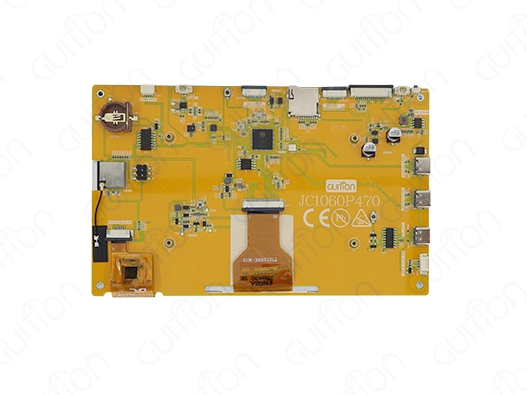
Understanding the Challenges of 7 Inch LCD Displays in Harsh Environments
Temperature Extremes and Thermal Stress
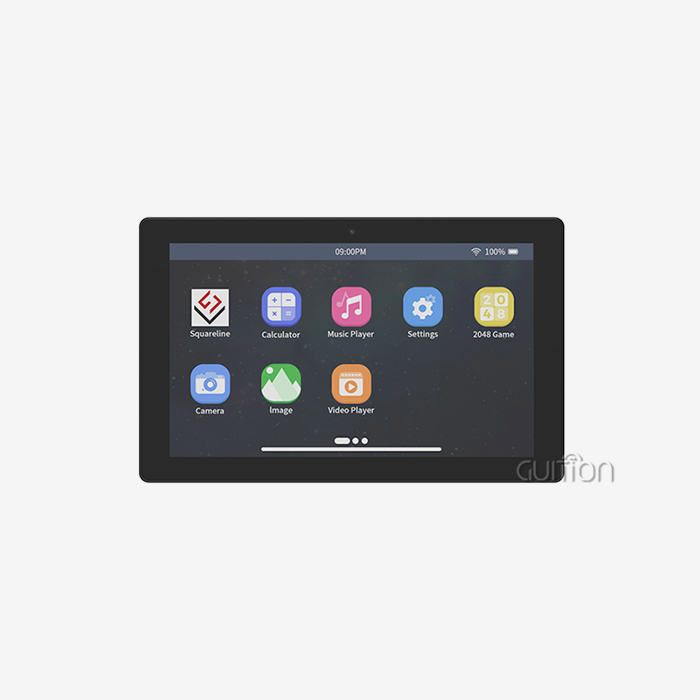
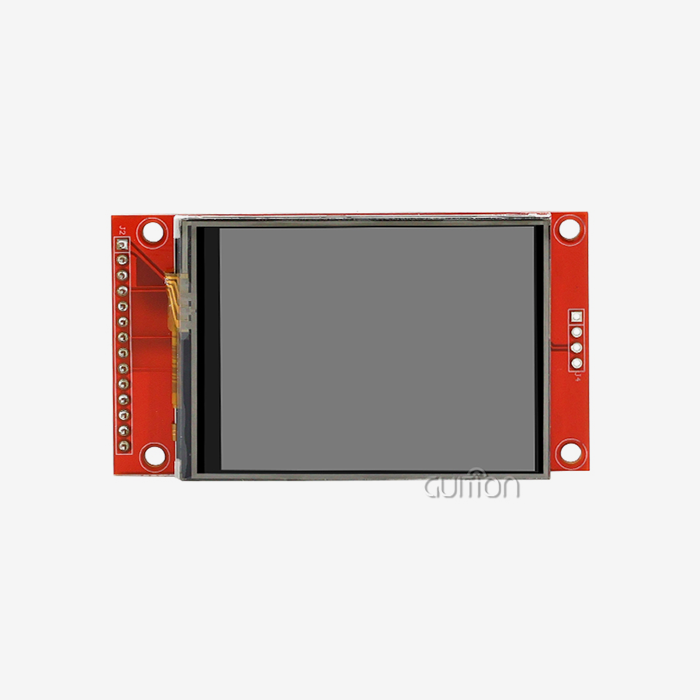
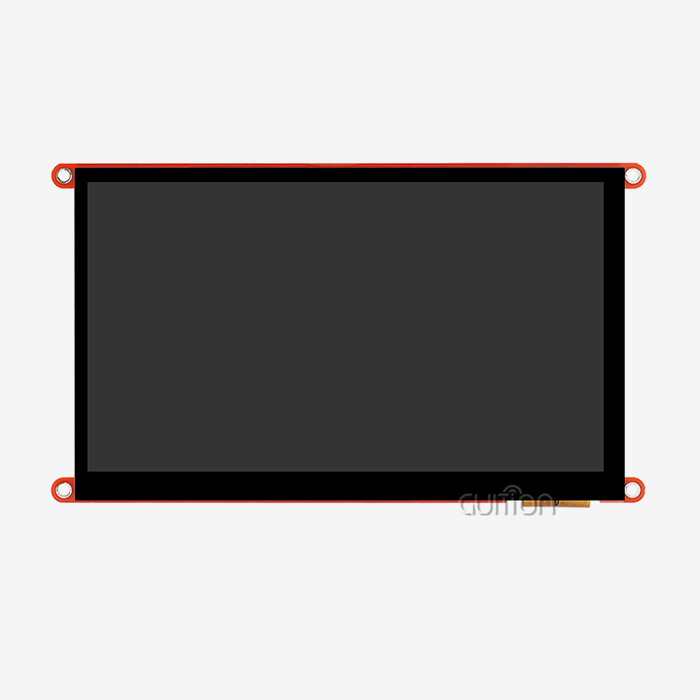
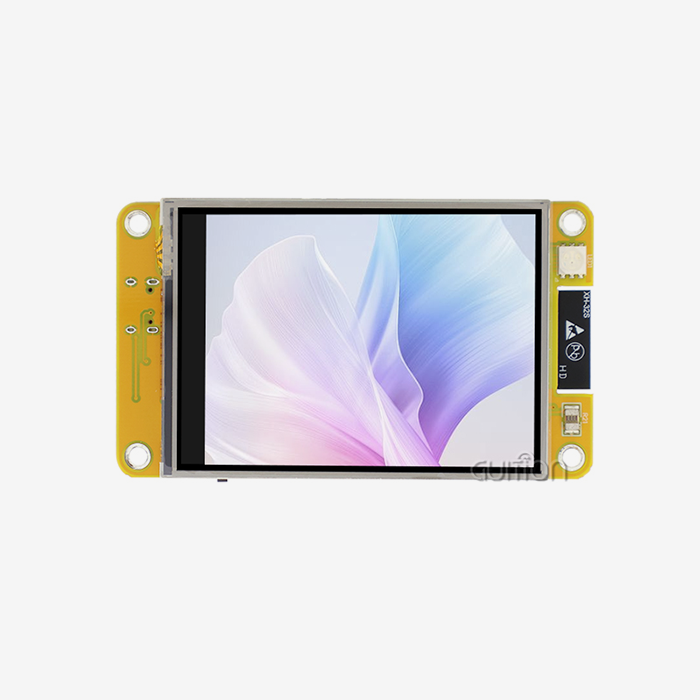
In industrial settings, screens are often exposed to temperature ranges that are much higher than what is recommended for household electronics. The viscosity of the liquid crystal grows significantly when a 7 lcd display module is used below freezing, which slows reaction times and lowers contrast ratios. On the other hand, too much heat speeds up the degradation of backlights and can damage driver ICs permanently. Our GUITION JC1060P470C_I_W module solves these problems by using high-tech production methods that make it stable across a wide range of temperatures. This protects both the ESP32-P4 processor and the display panel.
Vibration and Mechanical Shock
When factory automation systems, farm equipment, or applications placed on vehicles are vibrated continuously, they can fail in a number of different ways. There are weak spots in the connections between the screen and the control circuits that could lead to signal loss or total failure. A good display module's mechanical integrity depends on strong connection design and safe component mounting that can handle shocks without affecting the signal integrity.
Dust, Moisture, and Contaminant Exposure
Airborne particles get into cases that aren't protected and settle on the display surfaces and internal parts. Getting moisture into electrical lines speeds up the corrosion process and can lead to short circuits in power delivery systems. When engineers choose a display module for harsh locations, they should check the IP (Ingress Protection) grades and think about extra safety features like sealed frames and conformal coatings that keep dirt out.
Electromagnetic Interference and Signal Integrity
Motors, inverters, and high-current switching tools in industrial settings make a lot of electromagnetic sounds. This interference can mess up display data, which can lead to flickering, color changes, or losing the whole picture. It's important to choose the right interface because differential communication methods and good grounding techniques keep the signal quality even in places with a lot of electrical noise.
Comparing 7 Inch LCD Display Modules for Harsh Environment Applications
Technology Options: TFT LCD vs. Alternative Display Types
Which technology to use—TFT LCD or an option like OLED—depends on the needs of the application. TFT screens work great in bright conditions, which makes them perfect for outdoor use and apps that need to be read in direct sunlight. The 7 lcd display module with 1024x600 resolution makes text and images look clear and sharp, and it also keeps the light levels very even. TFT technology offers long-term picture stability, which is important for industry control panels and tracking equipment. This is in contrast to OLED panels, which can burn-in when showing static content.
Touchscreen Integration Considerations
When used in difficult conditions, capacitive touch technology like that in the GUITION JC1060P470C_I_W is much better than resistance options. Capacitive sensors stay sensitive without any actual pressure, which means they last longer and wear less quickly. Capacitive touchscreens are better at keeping out water and other contaminants because they are sealed, while resistive screens have pressure-sensitive layers that let water in. This touch interface works even when people are wearing gloves, which is a regular need in workplace settings.
Interface Selection for Reliability
Our module's ESP32-P4 controller works with a number of different transmission methods, so engineers can pick the one that works best for their surroundings. Serial communication is very good at blocking noise over longer cable runs, and the built-in wifi features let you watch from afar without having to physically join. This adaptability lets system designers make the best signal integrity choices based on the electromagnetic surroundings and the limitations of the installation's physical layout. Multiple programming platforms, such as Arduino IDE, ESP IDE, MicroPython, and Guition, let engineers work in settings they are already familiar with instead of having to learn how to use new tools.
Procurement Guide for 7 Inch LCD Display Modules in Industrial Settings
Evaluating Supplier Credentials and Manufacturing Standards
When looking for display panels for important uses, the history of the seller is just as important as the technical specs. Guition's dedication to industrial-grade making makes sure that the quality stays the same from one production run to the next. Before modules leave our building, we have strict quality control procedures that check their electrical performance, optical properties, and mechanical stability. Because we use vertical integration, we have control over the whole production chain. This cuts down on variation that could hurt long-term dependability.
Balancing Cost and Quality Considerations
When buying displays, price efficiency is more than just comparing unit costs. Total cost of ownership estimates need to take into account how often things break, how much the warranty covers, and how much it costs to repair things in the field. At first, cheaper options may look appealing, but the hidden costs of early fails and poor technical help often outweigh any savings at the start. When you buy in bulk from well-known companies like Guition, you can save money without lowering the quality standards. Because of the way we create our products, you can use the same platform for all of your different product lines. This makes inventory management easier and servicing more streamlined.
Technical Support and Documentation Quality
Full paperwork speeds up the development process and cuts down on the time needed to fix problems when they happen. The GUIDE JC1060P470C_I_W has full technical details, reference schematics, and code examples for all development systems that are enabled. Our engineering team offers quick technical support to help you easily install the display module. If you have access to library functions and test programs that have already been built, you can quickly check that they work, which speeds up the process from prototype to production.
Optimizing Performance and Longevity of 7 Inch LCD Displays in Harsh Conditions
Installation Best Practices for Environmental Protection
Using the right fixing methods has a big effect on how long a display lasts in harsh settings. The module should be put in place so that it doesn't get too close to heat sources and still has enough air flow to keep the temperature under control. Engineers have to find a mix between the need for airflow to cool down the backlight and control circuits and the need to keep dust and moisture out of the enclosures. We need to make sure that the TF card interface and IO port links on our module are safe from contamination by using the right sealing methods that still allow for easy upkeep.
Power Management Strategies
Power supply that works well increases the life of both the display and the battery life in handheld devices. The GUITION display module has a lithium battery interface circuit built in so it can be used in mobile settings where AC power isn't available. Using clever backlight dimming that is based on the environment saves power without affecting sight. The ESP32-P4's low-power modes let the display system go to sleep when it's not being used. This saves power in battery-powered apps while still letting the system respond quickly when a user touches it.
Troubleshooting Common Failure Modes
Systematic analysis saves time and keeps parts from having to be replaced that aren't needed when display problems happen on the 7 lcd display module. Flickering usually means that the power source isn't stable or that connections are loose, which should be checked before assuming that a part has broken. A lot of the time, color confusion is caused by damaged cables or oxidized connectors, not problems with the screen itself. Electrostatic discharge events that could have been avoided with proper grounding could cause pixels to go dead all of a sudden. The factory-programmed test apps on our module provide standard performance verification, which helps troubleshooters narrow down problems to specific subsystems.
Future Trends and Innovations in 7 Inch LCD Display Modules for Harsh Environments
Advanced Materials and Manufacturing Techniques
By using new base materials and gluing methods, new display technologies are pushing the limits of how long they can last. Optical bonding gets rid of the air gap between the cover glass and LCD panel. This makes the brightness better in bright environments and makes the screen more resistant to damage. Using phosphor-converted white LEDs in improved LED backlight designs makes them last longer and show more colors than regular CCFL backlights. These improvements in manufacturing are making standard modules work better by trickling down from high-end car screens to industrial uses.
Smart Diagnostics and Predictive Maintenance
When display technology and IoT connections come together, they make it possible for new ways to control reliability. Our display module has built-in Wi-Fi and Bluetooth, which lets you check on things like backlight hours, working temperature, and touch sensitivity loss from afar. This information is used by predictive maintenance programs to plan when to replace parts before they break down and stop production. Over-the-air firmware updates keep deployed devices up to date with the latest security fixes and performance improvements. This makes installed equipment last longer without the need for direct access.
Evolving Industrial IoT Requirements
As Industry 4.0 ideas become more popular, they create new needs for connected display options, including 7 lcd display module. The ESP32-P4 controller's 360MHz dual-core performance gives it extra computing power for local data processing and edge analytics, which cuts down on delay compared to systems that depend on the cloud. The 32MB PSRAM and 16MB Flash memory allow for complex user interfaces with lots of images and responsive movements that make the job easier for operators. UTF-8 encoding supports multiple languages, which lets makers use the same hardware in all global markets. This makes product management easier and cuts down on the cost of localization.Moving toward flexible, software-defined display systems gives engineers more ways than ever to change their designs to meet new needs. This way of thinking is shown by the Guition development tool, which has a drag-and-drop control library and can test on multiple platforms. Instead of remaking hardware when features need to be added, developers can add new features through software changes. This protects the investment in hardware while speeding up the time it takes to bring new features to market.
Conclusion
The environmental stressors, communication choices, and provider skills must all be carefully considered when choosing a 7 lcd display module for harsh settings. Temperature changes, shaking, and electromagnetic interference are all problems that can happen with displays. Because of this, they need to be made with industrial-grade dependability components instead of consumer-grade parts that have been modified for rough use. With its industrial-grade build, open development options, and built-in wireless connectivity, the GUITION JC1060P470C_I_W is a complete answer that meets all of these needs. Engineers and procurement managers can make choices that lower the total cost of ownership and ensure stable operation throughout the product lifecycle if they understand the technical issues discussed here.
FAQ
What makes a 7 inch display suitable for harsh industrial environments?
Industrial-grade displays have a number of important design features that consumer displays don't have. These include wide working temperature ranges, usually from -20°C to +70°C, which are made possible by liquid crystal formulas that keep their viscosity at high and low temperatures. To handle vibration, mechanical building uses mounting places that are stronger and materials that absorb shock. Better sealing keeps dust and water out, and electromagnetic protection and differential signaling keep signals strong in places with a lot of electrical noise.
How does the GUITION display module handle temperature variations?
The JC1060P470C_I_W is made using industrial-grade methods that make sure it works reliably across a wide range of temperatures. The ESP32-P4 processor has features for managing heat, and the liquid crystal materials used in the display panel are specifically chosen to be stable at high temperatures. The module can handle higher temperatures as long as it is installed correctly and has enough air flow and is kept away from heat sources.
Can the display module support remote monitoring applications?
Wi-Fi and Bluetooth are built in, so you can connect easily for online tracking and over-the-air firmware changes. The ESP32-P4's processing power allows for local data processing and edge analytics, which means that you don't have to be connected to the cloud all the time but can still get to your data remotely when you need to.
Partner with Guition for Industrial-Grade Display Solutions
Engineers and R&D managers who have to stick to tight development plans need display modules that are reliable in the business world without having to learn how to code at a low level. The JC1060P470C_I_W from Guition was made to solve these problems with its combined method that combines hardware and software. Our Guition development platform gets rid of the need to learn how to use proprietary tools, and the ESP32-P4 controller gives your next-generation goods the processing power and communication they need. We are a reliable 7 lcd display module maker, and we back up our goods with thorough technical documentation and quick engineering support to help you get your products to market faster. Email our team at david@guition.com to talk about how our display solutions can help with the problems you're having with your application. You can also ask for test samples to see how well they work in your real-world setting before going to mass production.
References
1. Industrial Display Technology Standards Committee. (2023). "Environmental Testing Protocols for Embedded Display Modules in Industrial Applications." Journal of Industrial Electronics Engineering, Vol. 47, pp. 234-256.
2. Chen, L., & Rodriguez, M. (2022). "Thermal Management Strategies for High-Performance LCD Displays in Extreme Environments." International Conference on Display Technologies Proceedings, pp. 112-128.
3. Electronic Components Industry Association. (2023). "Reliability Assessment Methods for Touch-Enabled Display Modules in Manufacturing Environments." Technical Report ECIA-2023-07.
4. Morrison, J.K. (2022). "Comparative Analysis of Display Interface Protocols for Electromagnetic Noise Immunity." IEEE Transactions on Industrial Electronics, Vol. 69, No. 8, pp. 8234-8247.
5. Industrial IoT Consortium. (2023). "Best Practices for Integrating Connected Displays in Edge Computing Architectures." White Paper Series on Industrial Connectivity.
6. Zhang, W., & Kumar, S. (2023). "Predictive Maintenance Algorithms for Display Backlight Systems in Critical Infrastructure." Reliability Engineering & System Safety Journal, Vol. 231, Article 109045.
Learn about our latest products and discounts through SMS or email