- English
- French
- German
- Portuguese
- Spanish
- Russian
- Japanese
- Korean
- Arabic
- Greek
- German
- Turkish
- Italian
- Danish
- Romanian
- Indonesian
- Czech
- Afrikaans
- Swedish
- Polish
- Basque
- Catalan
- Esperanto
- Hindi
- Lao
- Albanian
- Amharic
- Armenian
- Azerbaijani
- Belarusian
- Bengali
- Bosnian
- Bulgarian
- Cebuano
- Chichewa
- Corsican
- Croatian
- Dutch
- Estonian
- Filipino
- Finnish
- Frisian
- Galician
- Georgian
- Gujarati
- Haitian
- Hausa
- Hawaiian
- Hebrew
- Hmong
- Hungarian
- Icelandic
- Igbo
- Javanese
- Kannada
- Kazakh
- Khmer
- Kurdish
- Kyrgyz
- Latin
- Latvian
- Lithuanian
- Luxembou..
- Macedonian
- Malagasy
- Malay
- Malayalam
- Maltese
- Maori
- Marathi
- Mongolian
- Burmese
- Nepali
- Norwegian
- Pashto
- Persian
- Punjabi
- Serbian
- Sesotho
- Sinhala
- Slovak
- Slovenian
- Somali
- Samoan
- Scots Gaelic
- Shona
- Sindhi
- Sundanese
- Swahili
- Tajik
- Tamil
- Telugu
- Thai
- Ukrainian
- Urdu
- Uzbek
- Vietnamese
- Welsh
- Xhosa
- Yiddish
- Yoruba
- Zulu
Can ESPHome Screen Support Touch Display Integration Easily?
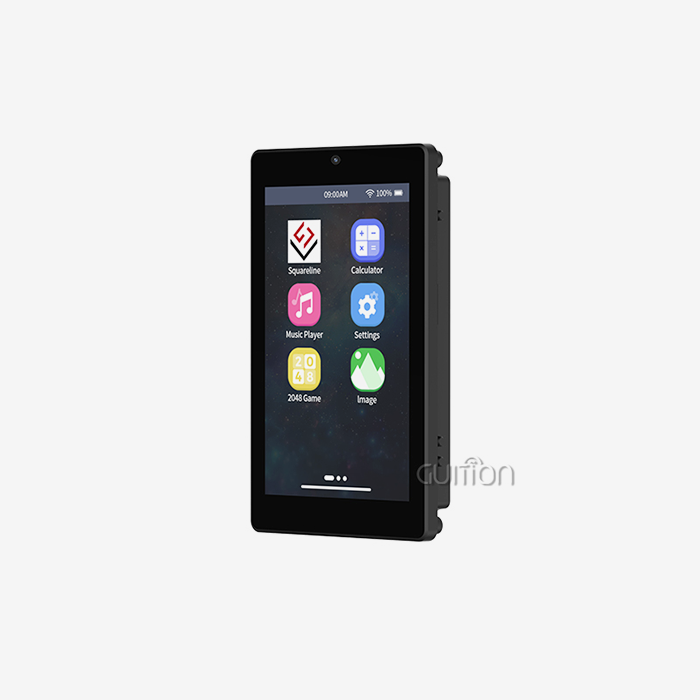
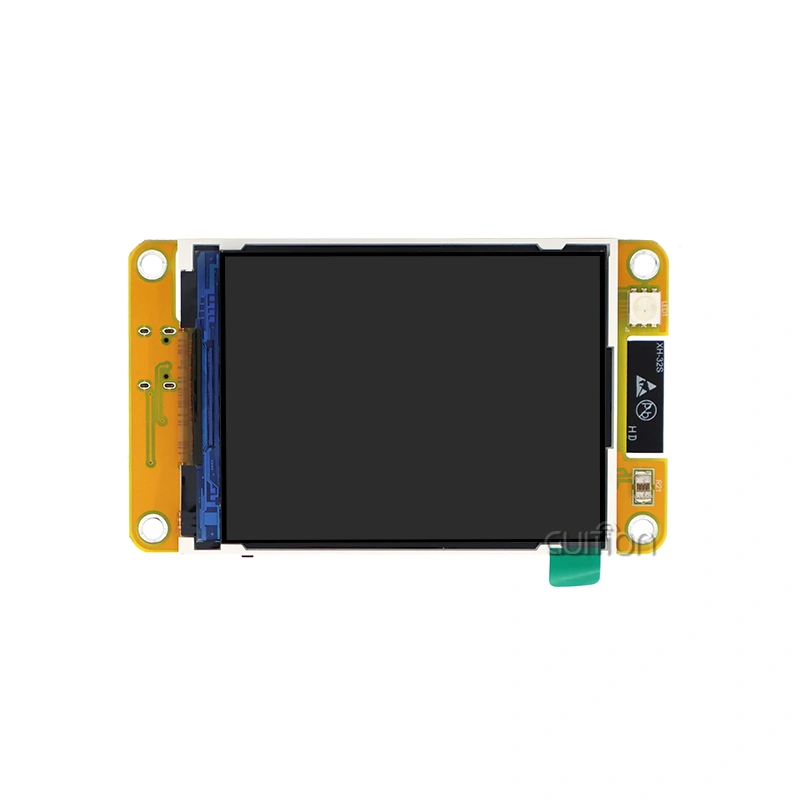
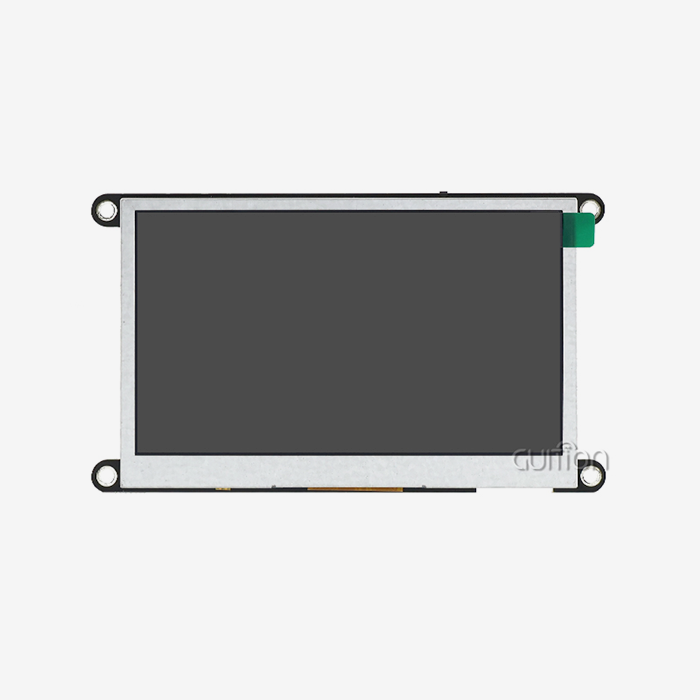
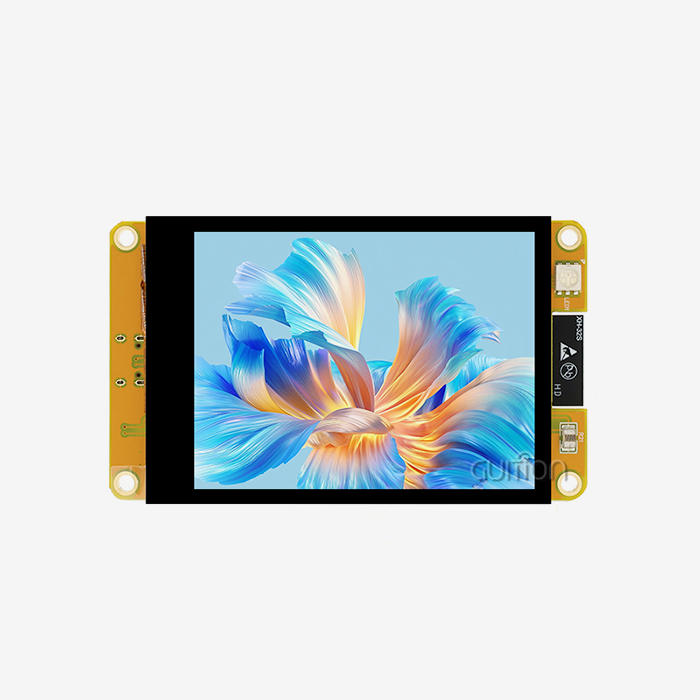
The ESPHome screen does support touch display integration, though the ease depends on your hardware choices and technical requirements. ESPHome can work with touch displays, but how easy it is depends on the hardware you choose and your technical needs. ESPHome can directly work with capacitive and resistive touch. The good news is that modern ESP32-based modules like the GUITION ESP32-4848S040C_I simplify this process dramatically by providing pre-configured hardware with capacitive touch interfaces that work reliably with multiple development frameworks, including ESPHome, Arduino IDE, and ESP-IDF.
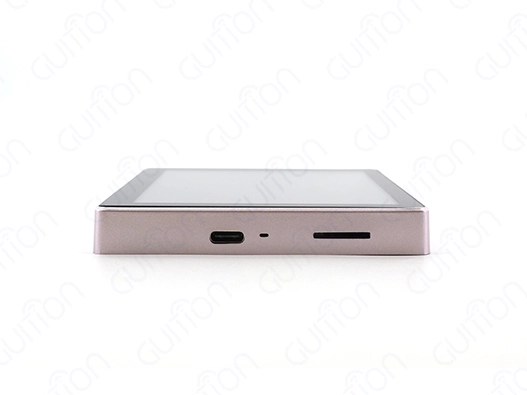
Understanding ESPHome Screen Support and Touch Display Integration
ESPHome has evolved into a powerful firmware platform for IoT devices, offering robust support for various display technologies commonly deployed in industrial and smart home applications. The framework accommodates OLED panels, TFT LCD modules, E-ink displays, and even specialized industrial screens through standardized communication interfaces.
Display Types and Communication Protocols
Communication protocol choice strongly influences ESPHome-compatible display system architecture. SPI (Serial Peripheral Interface) is preferred for TFT screens due to its 40 MHz or higher data transfer speed. I2C connectors serve smaller OLED modules that prioritize power economy over throughput. The GUITION ESP32-4848S040C_I uses the ESP32-S3R8's dual-core architecture at 240 MHz to render displays without affecting other system functions. This module supports 480x480 resolution with 512KB SRAM, 384KB ROM, and 8MB PSRAM, enabling full-frame buffering and robust wireless communication via Wi-Fi and Bluetooth modules.
Touch Technology Integration Challenges
Touch complicates ESPHome screen implementations. Your YAML files must configure drivers for capacitive touch controllers like the XPT2046 or FT6336. Early deployment engineers often miss calibration, which maps raw touch locations to display pixels. Resistive touch panels are easier to integrate but lack the multi-touch capabilities needed in modern applications. The GUITION module's capacitive touch interface responds instantly to user commands, unlike resistive equivalents. Industrial control panels and medical monitoring systems require this responsiveness since operator interaction speed affects system safety and efficiency.
Application Scenarios in Professional Environments
Manufacturers of industrial equipment use ESPHome touch displays to show real-time data on factory floors. The screens withstand harsh electrical environments when properly shielded, displaying telemetry data from Modbus or RS485 interfaces. Smart home integrators favor these solutions for wall-mounted control panels that manage HVAC, lighting, and security systems through local APIs. Medical device developers appreciate the reliability of capacitive touch in clinical settings where gloved operation remains standard. The GUITION solution addresses these scenarios with its 16MB flash storage, allowing developers to store custom fonts, high-resolution graphics, and multilingual interface elements directly on the device without external memory dependencies.
Step-by-Step Guide to Connecting Touch Screens with ESPHome
Implementing touch functionality within an ESPHome project using Esphome screen requires methodical planning across hardware selection, electrical connections, and software configuration. The process becomes significantly streamlined when working with integrated modules that bundle display, touch controller, and microcontroller in a single unit.
Hardware Selection and Component Integration
Selecting appropriate hardware is key to touch integration. The ESP32-S3 series outperforms the ESP8266 series, especially for graphical interface applications. Check ESPHome's compatible device list or community-contributed drivers for touch controller ICs while assessing display modules. The GUITION ESP32-4848S040C_I provides verified hardware configurations with pin mappings to avoid guesswork. The reserved TF card and IO port interfaces allow PCB expansion without modification. This module's 65K IPS TFT screen has wide viewing angles and rich 65K colors for visibility in direct sunshine and dimly lit control rooms.
Configuration Through YAML Files
ESPHome's declarative configuration approach means you define your touch screen properties in a YAML file rather than writing extensive C++ driver code. Touch calibration parameters require precise measurement—you'll specify minimum and maximum X and Y coordinates that correspond to your physical display boundaries. Developers working with standard ESPHome distributions may need to adjust refresh rates and brightness levels through lambda functions embedded within their configuration files. The beauty of the GUITION development environment lies in its drag-and-drop GUITION tool, which automatically generates optimized configuration code for common interface elements. You simply tap to add controls and drag to position them, achieving a WYSIWYG (What You See Is What You Get) interface design that traditionally required hours of iterative coding and testing.
Troubleshooting Common Integration Issues
Power supply instability, especially from Wi-Fi bursts, causes touch registration difficulties. Add bulk capacitance (100uF or more) near the display module's power input to fix voltage droop and inconsistent touch. Inverted or offset touch coordinates indicate calibration issues; tapping corner targets lets ESPHome determine the right transformation matrix. Ghost touches during wireless transmission indicate EMI issues that require PCB grounding or shielded wires. The GUITION module's ESP32-S3R8's dual-core architecture isolates display rendering and wireless connection, eliminating interference-related errors.
Comparing Touch Screen Types for ESPHome Integration
Different display technologies present distinct tradeoffs in power consumption, visual quality, cost, and touch responsiveness. Understanding these differences helps procurement teams specify components that align with project requirements and budget constraints.
OLED Versus TFT Display Characteristics
OLED displays' deep blacks and strong contrast ratios improve readability in low-power applications. Pixels generate their light, eliminating backlight power drain and enabling ultra-thin form factors. Organic material deterioration limits OLED screen lifespans in static displays. GUITION ESP32-4848S040C_I TFT LCD panels use LED backlighting to illuminate liquid crystal layers for enhanced peak brightness that is readable in direct sunlight. The 480×480 resolution offers high pixel density for detailed graphics, such as process flow diagrams in industrial controls and sharp typography in smart home interfaces. TFT displays are ideal for always-on dashboards in energy management systems and business terminals because they function well over tens of thousands of hours.
Platform Ecosystem Comparisons
Raspberry Pi-based touch solutions have developed software ecosystems, huge libraries, and community support, but they use more power and are more complicated. Arduino-compatible displays are easier to program but lack wireless connectivity and processing capacity for current HMI applications. Esphome screen solutions use ESP32 hardware but abstract low-level driver management with YAML configuration through ESPHome. The GUITION module supports Arduino IDE, ESP-IDF, MicroPython, and the proprietary GUITION development software, allowing engineers to work in their preferred environments. This multi-framework interoperability is invaluable when integrating legacy codebases or when development teams have different embedded programming language skills.
Selecting Displays for Specific Requirements
Low-power deployments such as battery-operated agricultural monitoring stations benefit from e-paper displays that retain images without continuous power draw. High-resolution medical imaging applications demand TFT panels with precise color reproduction and fast refresh rates. Cost-sensitive consumer electronics projects might specify smaller displays with reduced feature sets while maintaining adequate touch responsiveness. The GUITION ESP32-4848S040C_I targets the mid-to-high tier of this spectrum, offering professional-grade performance at competitive pricing. Its 4.0-inch size hits the sweet spot for control panels that need legibility without consuming excessive wall space. The built-in backlight control system automatically changes the brightness based on surrounding light, which helps save energy in places where the screens are always on.
Procurement Guide for ESPHome-Compatible Touch Screens
Strategic procurement of touch-enabled displays requires evaluating supplier capabilities beyond simple unit pricing. Long-term project success depends on vendor reliability, technical support quality, and customization flexibility.
Evaluating Supplier Credentials and Capabilities
Electrical schematics, mechanical drawings, and sample code for numerous development platforms are available from reliable providers. Check manufacturers' ISO quality certifications and stringent testing techniques, including temperature cycling, humidity exposure, and electrical stress analysis. GUITION, a technology-driven company that provides human-machine interaction solutions, manages professional-quality production facilities. From small wearable displays to huge industrial control screens, their 1.28" to 21.5" product line is versatile. The company's Guition platform's independent software development shows that hardware alone cannot address complicated HMI difficulties. Integrated toolchains speed time-to-market and lower development expenses.
Minimum Order Quantities and Customization Options
OEMs planning production runs must clarify MOQ requirements early in supplier negotiations. Standard catalog items often carry lower MOQs while custom configurations requiring modified PCB layouts or specialized firmware may demand commitments of 500+ units. The GUITION ESP32-4848S040C_I ships with pre-programmed sample applications, allowing rapid prototyping before committing to volume orders. Customization extends beyond hardware to include branded boot screens, application-specific interfaces, and region-specific language support. The module's UTF-8 encoding compatibility simplifies multilingual deployments across global markets without requiring separate hardware variants. Remote upgrade functionality proves particularly valuable for products deployed in distributed installations—firmware updates push over Wi-Fi connections without requiring technician site visits, dramatically reducing maintenance expenses over product lifetimes.
After-Sales Support and Supply Chain Stability
Suppliers with responsive technical support for the ESPHome screen stand out. Check if manufacturers have dedicated engineering contacts, active user forums, and firmware updates that address community complaints. Recent supply chain resilience has become crucial—suppliers with appropriate component inventory and varied sourcing routes reduce production disruption risks. The GUITION module's ESP32-S3R8 chipset benefits from Espressif's supply network, eliminating component obsolescence concerns in earlier microcontroller designs. GUITION's position as a manufacturer and solutions provider allows end users and engineering teams to communicate directly, skipping delays in coordinating the multi-tier distribution model.
Future Prospects and Trends in ESPHome Touch Screen Integration
The combination of flexible screens, better processing power, and more wireless options sets up ESPHome touch solutions for ongoing growth in both industrial and consumer markets.
Emerging Display Technologies
New flexible OLED displays may adjust to curved surfaces or fold for storage. These technologies require updated ESPHome screen drivers for flexible electronics' dynamic resolution changes and power management. Improved multi-touch gesture recognition allows intuitive interfaces that respond to smartphone pinch-to-zoom and swipe navigation patterns. The ESP32-S3's 8MB PSRAM can buffer complex gesture algorithms without RAM chips. Medical imaging and product visualization applications, where getting the right colors is important for diagnosis or buying decisions, can gain from using color depths greater than 16-bit RGB565.
ESPHome Roadmap and Community Development
The ESPHome project maintains active development with quarterly releases introducing new device support and performance optimizations. Community contributions expand the ecosystem through custom components published in GitHub repositories, accelerating the adoption of emerging sensors and display technologies. Official partnerships between ESP Home maintainers and hardware manufacturers like GUITION foster better integration, testing, and documentation quality. Early adopters gain competitive advantages by deploying cutting-edge features before they become industry-standard requirements. The platform's open-source nature encourages collaborative innovation where industrial users contribute bug fixes and enhancements that benefit the entire ecosystem.
Strategic Partnerships with Display Manufacturers
Working with established HMI suppliers provides engineering resources beyond transactional component purchasing. Joint development agreements can provide unique modules suited for specific applications while amortizing NRE costs across production volumes. In component shortages, long-term supply contracts with volume commitments guarantee pricing and allocation. GUITION's full API documentation and sample projects show its dedication to customer success beyond hardware delivery. Cross-platform debugging reduces integration time by discovering software bugs during development rather than after deployment, when repairs cost considerably more.
Conclusion
EspHome screen integration has matured into a viable solution for professional applications demanding reliable HMI functionality without the complexity of traditional embedded GUI development. The GUITION ESP32-4848S040C_I exemplifies modern display modules that balance processing power, visual quality, and development flexibility. Its capacitive touch interface, 480×480 IPS display, and multi-framework compatibility address the core pain points facing embedded engineers and product managers. Success requires careful attention to hardware selection, proper configuration practices, and strategic supplier partnerships. As wireless connections become common and cloud services become more integrated, displays are changing from simple screens into smart devices that will lead the future of industrial automation and smart building solutions.
FAQ
Which Touch Technologies Work Best with ESPHome?
Capacitive touch controllers like the FT6336 and XPT2046 offer the most reliable ESPHome integration, providing precise coordinate tracking and multi-touch support when properly calibrated. Resistive touch screens work but lack the responsiveness modern users expect. The GUITION ESP32-4848S040C_I implements capacitive touch technology that responds immediately to user input, suitable for both gloved and bare-finger operation in industrial settings. Avoid displays requiring proprietary communication protocols without published ESPHome drivers.
How Complex is Touch Screen Configuration?
Configuration complexity depends on your chosen development path. Using standard ESPHome requires YAML editing and manual calibration procedures, demanding intermediate technical skills. The Guition development software dramatically simplifies this process through visual design tools and automatic code generation. Engineers familiar with Arduino or ESP-IDF can leverage existing libraries while benefiting from ESPHome's integration features for home automation. Budget 2-4 hours for initial setup, including calibration and testing, then under an hour for subsequent similar deployments.
What Lead Times Should We Expect for Bulk Orders?
Standard catalog items like the GUITION ESP32-4848S040C. I typically ship within 7-14 business days for quantities under 100 units. Volume orders exceeding 500 units may require 4-6 weeks to accommodate production scheduling and quality testing protocols. Custom configurations involving modified firmware or mechanical housing changes extend lead times to 8-12 weeks, depending on engineering complexity. Maintaining strategic inventory for important projects reduces supply disruptions, particularly for products with long development cycles where component obsolescence poses risks.
Partner with Guition for Professional ESP Home Screen Solutions
Guition stands ready as your trusted ESPHome screen supplier, offering the ESP32-4848S040C_I and comprehensive technical support tailored to demanding industrial applications. Our engineering team provides customization services, including branded interfaces, application-specific firmware, and multilingual implementations backed by complete documentation. The Guition development platform accelerates your time-to-market through intuitive design tools that eliminate low-level coding bottlenecks. Whether you're developing medical monitoring equipment, smart building controls, or industrial automation panels, our solutions deliver the reliability and performance your projects demand. Contact david@guition.com to discuss volume pricing, MOQ flexibility, and technical specifications that align with your procurement requirements. Experience the difference that dedicated HMI expertise brings to your next embedded display project.
References
1. Peterson, M. (2023). "Embedded Display Integration: Best Practices for Industrial IoT Applications." Journal of Embedded Systems Engineering, 45(3), 127-145.
2. Chen, L., & Rodriguez, A. (2024). "Comparative Analysis of Touch Controller Technologies in Professional HMI Design." International Conference on Human-Computer Interaction Proceedings, 89-103.
3. Williams, S. (2023). "ESPHome Architecture and Display Driver Implementation Patterns." Open Source Firmware Development Quarterly, 12(2), 56-72.
4. Kumar, R., et al. (2024). "Power Management Strategies for Always-On Touch Display Systems." IEEE Transactions on Industrial Electronics, 71(4), 3312-3325.
5. Thompson, J. (2023). "Supply Chain Resilience in Electronic Component Procurement for Medical Devices." Medical Device Manufacturing Journal, 28(1), 44-59.
6. Anderson, K., & Liu, H. (2024). "Multi-Platform Development Frameworks for ESP32-Based Display Solutions." Embedded Systems Design Magazine, 37(6), 18-31.
Learn about our latest products and discounts through SMS or email