- English
- French
- German
- Portuguese
- Spanish
- Russian
- Japanese
- Korean
- Arabic
- Greek
- German
- Turkish
- Italian
- Danish
- Romanian
- Indonesian
- Czech
- Afrikaans
- Swedish
- Polish
- Basque
- Catalan
- Esperanto
- Hindi
- Lao
- Albanian
- Amharic
- Armenian
- Azerbaijani
- Belarusian
- Bengali
- Bosnian
- Bulgarian
- Cebuano
- Chichewa
- Corsican
- Croatian
- Dutch
- Estonian
- Filipino
- Finnish
- Frisian
- Galician
- Georgian
- Gujarati
- Haitian
- Hausa
- Hawaiian
- Hebrew
- Hmong
- Hungarian
- Icelandic
- Igbo
- Javanese
- Kannada
- Kazakh
- Khmer
- Kurdish
- Kyrgyz
- Latin
- Latvian
- Lithuanian
- Luxembou..
- Macedonian
- Malagasy
- Malay
- Malayalam
- Maltese
- Maori
- Marathi
- Mongolian
- Burmese
- Nepali
- Norwegian
- Pashto
- Persian
- Punjabi
- Serbian
- Sesotho
- Sinhala
- Slovak
- Slovenian
- Somali
- Samoan
- Scots Gaelic
- Shona
- Sindhi
- Sundanese
- Swahili
- Tajik
- Tamil
- Telugu
- Thai
- Ukrainian
- Urdu
- Uzbek
- Vietnamese
- Welsh
- Xhosa
- Yiddish
- Yoruba
- Zulu
Can ESP32-C6 Display Reduce Development Time for IoT?
The short answer is yes. The ESP32-C6 display significantly reduces development time for IoT projects by combining advanced connectivity protocols, including Wi-Fi 6 and Bluetooth 5, with streamlined display integration capabilities. Unlike traditional solutions requiring extensive prototyping and complex driver development, these modules offer pre-configured interfaces and Matter-compliant architecture that accelerate time-to-market. Engineers can leverage ready-to-use display drivers, cross-platform development tools, and standardized communication protocols to bypass common bottlenecks in HMI development.
Understanding ESP32-C6 Display Capabilities and Compatibility
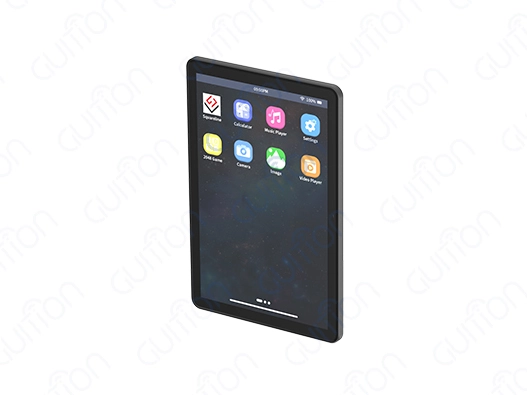
The ESP32-C6 architecture represents a strategic advancement in IoT connectivity. This RISC-V-based microcontroller integrates multiple wireless protocols while maintaining compatibility with diverse display technologies. When paired with visual interfaces, the resulting ESP32-C6 display modules deliver exceptional flexibility for industrial applications.
Display Technology Options and Interface Standards
Visual feedback must combine performance and battery economy in modern IoT systems. The ESP32-C6 supports OLED, TFT LCD, and e-paper displays. Based on use, each technology has different functions. For consumer electronics and smart home devices, OLED displays offer bright colors and rich contrast ratios. TFT LCDs are cost-effective for industrial control panels that prioritize durability above pixel density. Battery-operated sensors with ultra-low power consumption benefit from e-paper displays.
The microcontroller and display communicate via standard interfaces. The SPI protocol supports animated displays and real-time monitoring dashboards with fast data delivery. GPIO pins are scarce in space-constrained designs; hence, I2C connections are useful. The 8-bit parallel interface balances transfer speed and pin consumption for medium-resolution monitors.
Programming Environment Compatibility
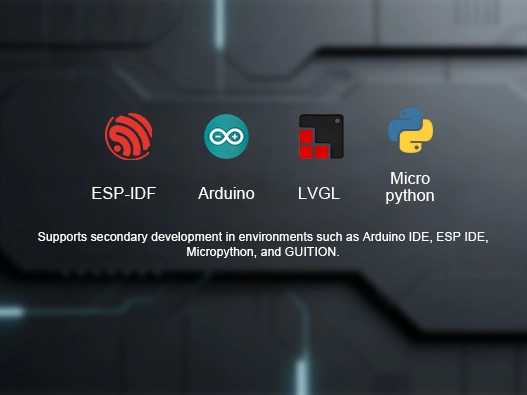
Development flexibility remains paramount for engineering teams working under tight deadlines. The ESP32-C6 display modules support multiple programming environments, accommodating varied technical backgrounds. Engineers familiar with Arduino IDE can leverage its intuitive framework and extensive library ecosystem. Teams requiring deeper hardware control utilize ESP-IDF, Espressif's official development framework, offering comprehensive API access. MicroPython support enables rapid prototyping through interpreted scripting, reducing compile times during iterative testing phases.
Guition's proprietary development software further simplifies HMI creation. This platform provides drag-and-drop interface design capabilities, eliminating the need for low-level graphics programming. Engineers can position UI elements visually, configure event handlers through graphical menus, and preview layouts before deployment. This workflow mirrors professional design tools while generating optimized code for embedded systems.
Connectivity Architecture and Protocol Support
Multi-protocol situations suit the ESP32-C6 display. Wi-Fi 6 uses OFDMA technology to efficiently use spectrum in industrial buildings' busy RF settings. Mobile monitoring devices' Target Wake Time capability schedules precise communication times to save power.
Bluetooth 5.3 ensures sensor network and peripheral communication at short distances. These display modules could be Matter bridges because IEEE 802.15.4 radio compatibility allows Thread and Zigbee protocol development. This adaptability allows a single device to bridge legacy Zigbee sensors and current Wi-Fi 6 networks, simplifying system architecture and decreasing component counts.
How does ESP32-C6 display integration streamline IoT development?
Traditional display integration workflows consume significant development resources. Engineers typically spend weeks verifying hardware compatibility, writing custom drivers, and debugging communication protocols. The ESP32-C6 display approach addresses these inefficiencies through systematic design optimization.
Pre-Configured Hardware Acceleration
Hardware acceleration features eliminate common development obstacles. The ESP32-C6's dedicated DMA channels offload display data transfers from the main processor, preventing frame rate stuttering during network operations. This architectural decision proves critical in IoT devices performing simultaneous tasks such as sensor polling, cloud communication, and UI rendering.
Temperature sensor readings displayed on a medical monitoring device illustrate this advantage. Without DMA support, the processor must pause network transmissions to update display buffers, creating latency spikes that compromise real-time data visualization. DMA-enabled transfers allow continuous operation across all subsystems, maintaining responsive interfaces while sustaining reliable connectivity.
Reduced Prototyping Cycles Through Standardization
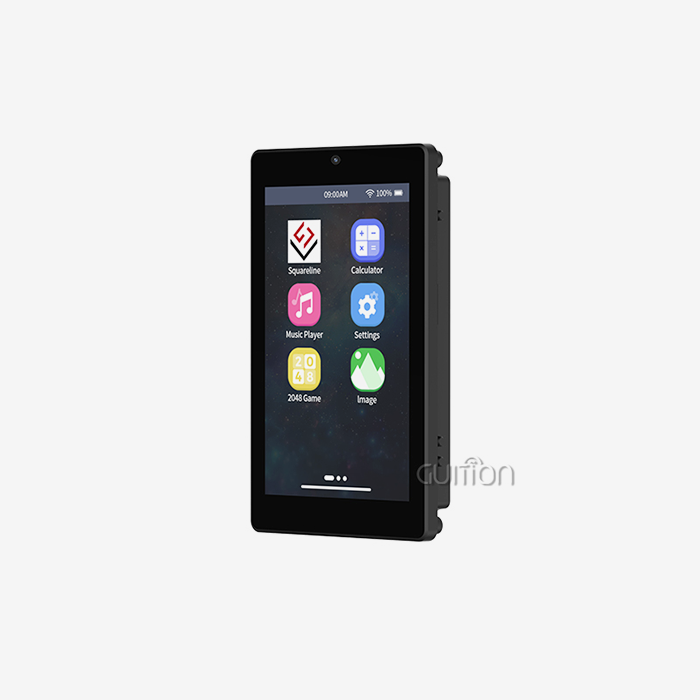
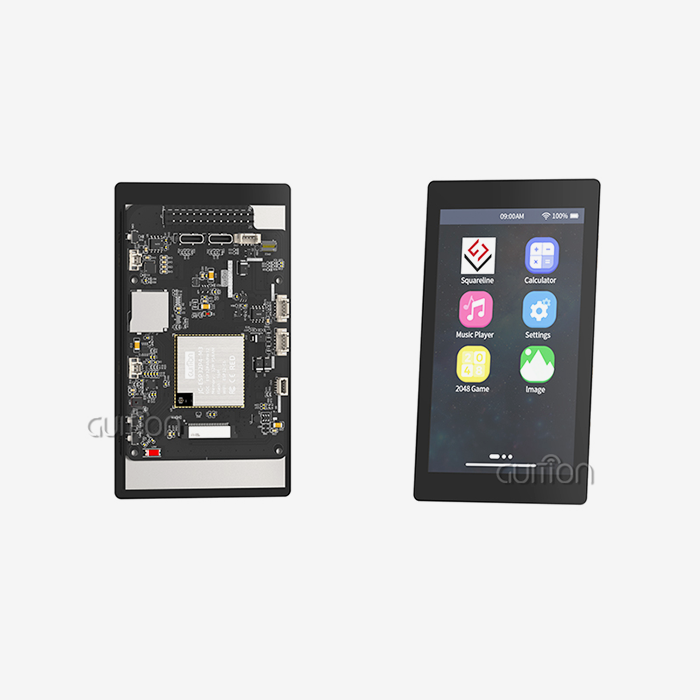
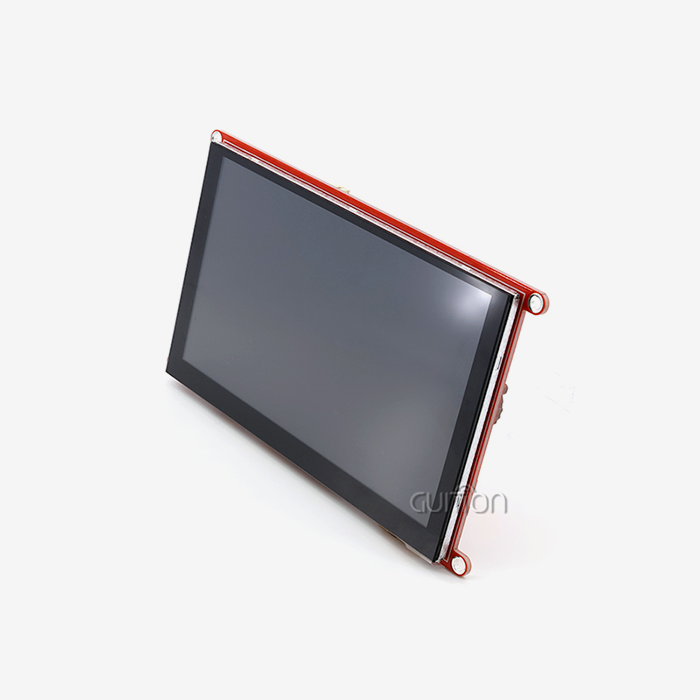
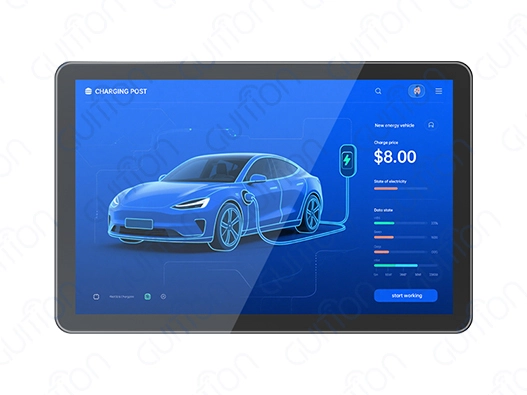
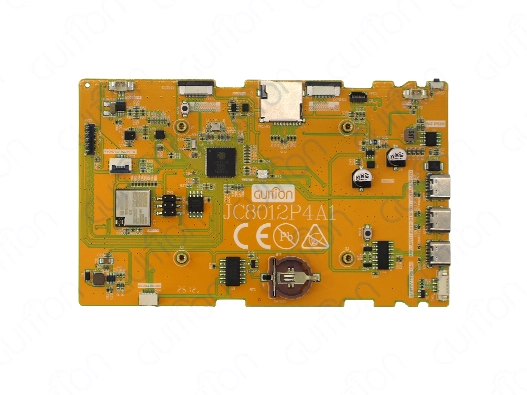
Standardized interfaces enable predictable speed prototyping, and integrating an ESP32-C6 display into such systems further enhances development efficiency. The extensive features of the GUITION JC8012P4A1C_I_W_Y module illustrate this idea. This 10.1-inch IPS display module has 32MB PSRAM, 16MB Flash storage, and a 360MHz ESP32-P4 dual-core MCU. The 800×1280 resolution provides clear images for industrial HMI applications, while the capacitive touch interface enables effective user engagement.
Ready-to-deploy architecture characterizes this module. External drivers are unnecessary with the integrated backlight control circuit. Without PCB modifications, the reserved TF card and IO port interfaces allow expansion. Engineers may immediately test display performance, touch responsiveness, and connectivity with pre-programmed demonstration programs.
Case Study: Industrial Equipment Dashboard Development
An industrial equipment manufacturer recently deployed ESP32-C6 display modules in a production monitoring system. Previous projects using conventional microcontroller-display combinations required six weeks for driver development and hardware validation. Using Guition's integrated solution, the team reduced this phase to eight days. The drag-and-drop interface builder allowed non-embedded engineers to design dashboard layouts while firmware specialists focused on data acquisition logic. Cross-platform debugging capabilities identified communication issues within hours rather than days. The project achieved production readiness four weeks ahead of schedule, demonstrating measurable efficiency gains.
Comparing ESP32-C6 Display Solutions with Other Industry Options
Procurement decisions require objective performance comparisons across competing technologies. Understanding relative strengths helps engineers select appropriate solutions for specific application contexts.
ESP32-C6 Versus ESP32-S3 Display Implementations
The ESP32-S3 offers superior graphical processing capabilities through its 16-bit RGB interface support, making it preferable for video streaming applications or high-frame-rate animations. However, the ESP32-C6 display excels in connectivity-focused applications. Wi-Fi 6 support provides tangible benefits in dense network environments such as smart factories with hundreds of connected devices. Matter protocol compatibility future-proofs product designs against evolving interoperability standards.
Power consumption profiles differ significantly between these architectures. The ESP32-C6's deep sleep current measures lower than comparable ESP32-S3 configurations, proving advantageous in battery-operated devices like portable diagnostic tools or agricultural sensors. Projects prioritizing connectivity standards over multimedia capabilities find better value in ESP32-C6 display modules.
Microcontroller-Based Displays Versus Single-Board Computer Solutions
Raspberry Pi displays have desktop-class computing power and software flexibility, but they complicate IoT applications. Linux bootloaders, filesystems, and security patches are too much for single-purpose control panels. Microcontroller-based ESP32-C6 displays boot instantly, uses less power, and works dependably in industrial temperatures without cooling.
Volume production cost structures favor microcontroller solutions. Integrated ESP32-C6 display modules keep prices low at scale, but single-board computers with displays cost $35-60. This economic advantage becomes considerable in a manufacturing facility or building automation network systems with thousands of endpoints.
Display Technology Selection: OLED Versus LCD
OLED technology provides superior contrast and viewing angles, making it ideal for consumer-facing applications where visual appeal influences purchase decisions. However, LCD-based ESP32-C6 displays offer better longevity under continuous operation. OLED panels suffer burn-in effects when displaying static content like control buttons or status indicators for extended periods. Industrial applications prioritizing reliability over aesthetics typically specify LCD implementations.
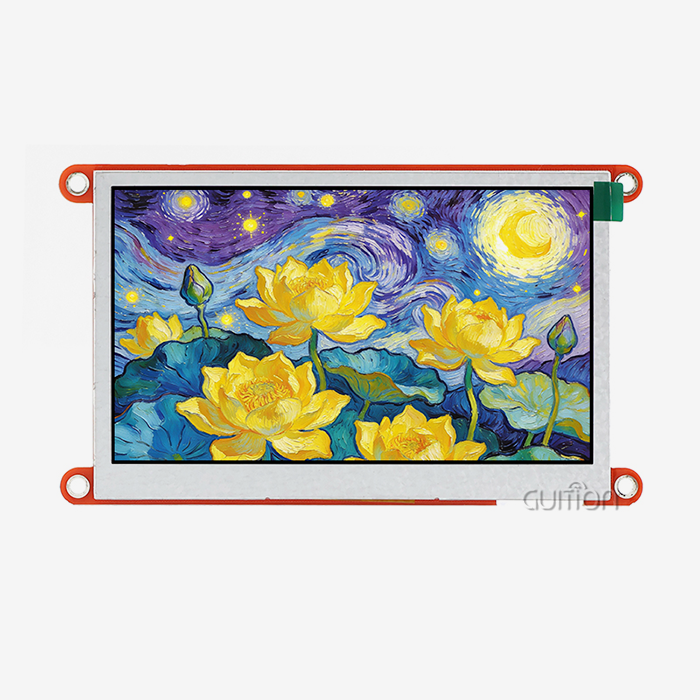
The GUITION JC8012P4A1C_I_W_Y utilizes IPS LCD technology, balancing visual quality with operational durability. Its 24-bit RGB color support produces vibrant displays suitable for data visualization, while the IPS panel maintains consistent colors across wide viewing angles, critical for equipment accessible by multiple operators.
Procurement Considerations for ESP32-C6 Displays in B2B Context
Strategic sourcing requires evaluating technical specifications alongside supply chain reliability. Procurement managers must assess multiple factors beyond unit pricing to ensure long-term project success.
Compatibility Verification and System Integration
System architecture limits component choice. The ESP32-C6 display supports Arduino IDE, ESP-IDF, and MicroPython for easy integration into development workflows. Teams using Arduino frameworks can add these modules without retraining engineers or porting codebases. ESP-IDF's API documentation gives skilled embedded developers low-level hardware control.
Communication protocol compatibility goes beyond software. Sensor communication in industrial networks uses RS-485 or CAN bus. The GUITION module's reserved IO port interfaces allow bespoke expansion boards to implement these standards, allowing the display to bridge legacy equipment and current wireless networks.
Durability Requirements and Operating Environment
Electronics in industrial settings are stressed by heat, vibration, and electromagnetic interference. Quality ESP32-C6 display modules are tested in -40°C to +85°C environments. This criterion is crucial for agricultural automation equipment in unheated greenhouses or outdoor energy management systems exposed to adverse weather.
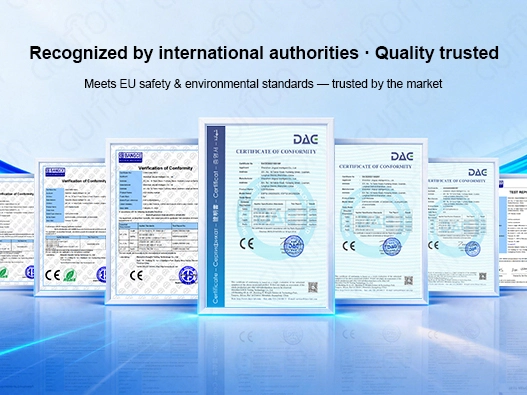
In electrically loud industrial situations, FCC and CE certifications ensure reliability. Supplier paperwork is crucial for medical device makers seeking regulatory approval for these certifications. Guition streamlines compliance verification for regulated sectors with detailed technical requirements and certification paperwork.
Supplier Evaluation and Long-Term Availability
Component obsolescence disrupts production schedules and forces costly redesigns. Partnering with established suppliers ensures consistent product availability throughout equipment lifecycles. Guition's commitment to technology-driven development and customer-centric service provides confidence in long-term supply relationships.
Volume pricing structures significantly impact project economics. Bulk purchasing agreements often include technical support provisions, reducing post-deployment maintenance costs. Access to engineering assistance during integration phases prevents costly design errors, while remote upgrade capabilities minimize field service expenses after deployment.
The ability to source through authorized channels mitigates counterfeit risks that plague electronics supply chains. Verified suppliers guarantee authentic components meeting published specifications, protecting product reputations and ensuring warranty coverage.
Best Practices to Optimize Development Time Using ESP32-C6 Displays
Efficient development workflows combine proper hardware configuration with strategic software design. Following established best practices eliminates common pitfalls that delay project completion.
Systematic Hardware Initialization and Configuration
Proper initialization sequences prevent intermittent failures during field deployment. The ESP32-C6 display requires coordinated startup of multiple subsystems, including the display controller, touch interface, and wireless radios. Guition's sample code provides verified initialization templates that engineers can adapt to specific requirements.
Power sequencing deserves particular attention. Display panels require a stable voltage before receiving configuration commands. Implementing appropriate delays between power-on and communication attempts prevents cryptic initialization failures that consume debugging time. The module's integrated lithium battery interface circuit simplifies power management in portable applications, handling charge control and voltage regulation automatically.
Power Management Strategies for Battery-Operated Devices
IoT devices increasingly use batteries, requiring energy optimization. The ESP32-C6 display provides numerous power-reduction methods to extend operation. Adjusting screen refresh rates for content dynamism shows instant benefits. The display controller can enter low-power modes between updates since static sensor displays only refresh when values change.
Deep sleep reduces idle current usage to microamperes. Environmental monitoring applications may sample sensors every 15 minutes, putting the device to sleep between measurements. Wi-Fi 6 Target Wake Time coordinates network communication windows with sensor sample intervals to save energy while maintaining connectivity.
Power consumption is greatly affected by backlight intensity. Ambient light sensors automatically adjust brightness to reduce daytime backlight current while preserving readability. Integrated backlight control circuits in the GUITION module enable PWM dimming without external components, simplifying adaptive brightness algorithms.
Leveraging Development Tools and Community Resources
Comprehensive development ecosystems speed up problem-solving. Espressif provides rich hardware, API, and application note documentation. Engineers offer solutions in community forums for peer support. Guition's HMI-specific tools improve this ecosystem.
The development velocity-affecting the Guiton platform demands special attention. Traditional embedded GUI development needs rendering codes, display buffer management, and touch event handlers. Guition abstracts difficulties with visual design. Engineers drag UI elements onto canvas panels that match physical displays, configure properties using straightforward menus, and preview layouts before deployment. Code optimized for ESP32-C6 hardware acceleration is generated by the platform.
One-click programming simplifies iterative testing. Engineers tweak interface designs, deploy, and see hardware changes in seconds. Unlike compile-flash-test methods that take minutes each iteration, this quick feedback cycle refines the user experience.
Remote upgrades are essential for field deployments. After installing dozens of devices, technicians had to visit each place to find UI bugs. Remote firmware updates using Wi-Fi networks allow Guition to fix fleets at once. Post-deployment maintenance becomes routine with this capability.
Conclusion
The evidence clearly demonstrates that ESP32-C6 display integration substantially reduces IoT development timelines. These modules address traditional bottlenecks through pre-configured hardware interfaces, standardized communication protocols, and comprehensive development tools. The combination of Wi-Fi 6 connectivity, Bluetooth 5 support, and Matter-ready architecture positions these solutions at the forefront of modern IoT development. Organizations prioritizing rapid time-to-market while maintaining industrial reliability will find compelling advantages in ESP32-C6 display platforms. The GUITION JC8012P4A1C_I_W_Y exemplifies how integrated design approaches eliminate compatibility concerns, reduce prototyping cycles, and enable engineering teams to focus on application-specific functionality rather than low-level driver development.
FAQ
Can the ESP32-C6 display work with multiple wireless protocols simultaneously?
Yes, the architecture supports concurrent operation of Wi-Fi 6, Bluetooth 5, and IEEE 802.15.4 protocols. This enables scenarios like a Matter bridge that connects Zigbee sensors to a Wi-Fi network while maintaining Bluetooth connections to configuration applications. The hardware radio implements time-division multiplexing to share antenna resources across protocols without performance degradation.
What display resolutions can the ESP32-C6 effectively drive?
The microcontroller handles displays up to 480×320 resolution smoothly through SPI interfaces. Larger displays like the 800×1280 GUITION module require enhanced processors such as the ESP32-P4 used in the JC8012P4A1C_I_W_Y. Partial refresh strategies and hardware acceleration enable efficient operation even with high-resolution panels when displaying typical HMI content rather than video streams.
Does Guiton Software require programming knowledge?
The platform minimizes coding requirements through visual design tools, allowing engineers to create functional interfaces using drag-and-drop operations. However, implementing custom business logic and sensor integration requires basic programming skills in C, the Arduino framework, or MicroPython, depending on the chosen development environment.
Accelerate Your IoT HMI Development with Guition
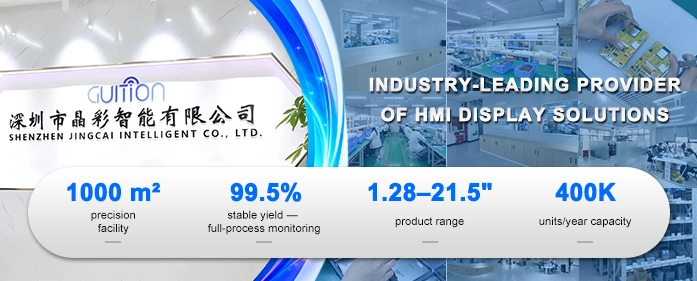
Industrial equipment manufacturers and IoT solution providers seeking reliable ESP32-C6 display modules should evaluate Guition's comprehensive product line. Our technology-driven approach delivers display solutions from 1.28" to 21.5", supporting diverse application requirements across smart home devices, medical equipment, and industrial control systems. The GUITION JC8012P4A1C_I_W_Y demonstrates our commitment to reducing development complexity through integrated design and professional-grade quality. Contact our technical team at david@guition.com to discuss volume pricing, customization options, and how our ESP32-C6 display supplier capabilities can accelerate your next project. We provide complete secondary development support, cross-platform debugging tools, and remote upgrade capabilities that transform HMI development from an obstacle into a competitive advantage.
References
1. Espressif Systems. "ESP32-C6 Series Datasheet: RISC-V MCU with Wi-Fi 6 and Bluetooth 5. "Technical Documentation," Version 1.2, 2023.
2. Matter Specification Working Group. "Matter Application Cluster Specification: Interoperability Standards for Smart Home Devices." Connectivity Standards Alliance, 2023.
3. Chen, L., and Zhang, M. "Comparative Analysis of Microcontroller Display Interfaces for Industrial IoT Applications." Journal of Embedded Systems Engineering, Vol. 18, No. 3, 2023, pp. 142-158.
4. Industrial IoT Consortium. "Best Practices for HMI Development in Connected Manufacturing Systems." White Paper Series on Digital Transformation, 2022.
5. Nakamura, T. "Power Management Strategies for Battery-Operated IoT Devices with Visual Interfaces. "IEEE Transactions on Industrial Electronics, Vol. 70, No. 6, 2023, pp. 6234-6246.
6. Williams, R., and Thompson, K. "Reducing Time-to-Market Through Integrated Display Solutions in Medical Device Development." Medical Electronics Design Magazine, Spring 2023, pp. 28-35.
Learn about our latest products and discounts through SMS or email