- English
- French
- German
- Portuguese
- Spanish
- Russian
- Japanese
- Korean
- Arabic
- Greek
- German
- Turkish
- Italian
- Danish
- Romanian
- Indonesian
- Czech
- Afrikaans
- Swedish
- Polish
- Basque
- Catalan
- Esperanto
- Hindi
- Lao
- Albanian
- Amharic
- Armenian
- Azerbaijani
- Belarusian
- Bengali
- Bosnian
- Bulgarian
- Cebuano
- Chichewa
- Corsican
- Croatian
- Dutch
- Estonian
- Filipino
- Finnish
- Frisian
- Galician
- Georgian
- Gujarati
- Haitian
- Hausa
- Hawaiian
- Hebrew
- Hmong
- Hungarian
- Icelandic
- Igbo
- Javanese
- Kannada
- Kazakh
- Khmer
- Kurdish
- Kyrgyz
- Latin
- Latvian
- Lithuanian
- Luxembou..
- Macedonian
- Malagasy
- Malay
- Malayalam
- Maltese
- Maori
- Marathi
- Mongolian
- Burmese
- Nepali
- Norwegian
- Pashto
- Persian
- Punjabi
- Serbian
- Sesotho
- Sinhala
- Slovak
- Slovenian
- Somali
- Samoan
- Scots Gaelic
- Shona
- Sindhi
- Sundanese
- Swahili
- Tajik
- Tamil
- Telugu
- Thai
- Ukrainian
- Urdu
- Uzbek
- Vietnamese
- Welsh
- Xhosa
- Yiddish
- Yoruba
- Zulu
Can an ESP32P4 module LCD Simplify Embedded Development?
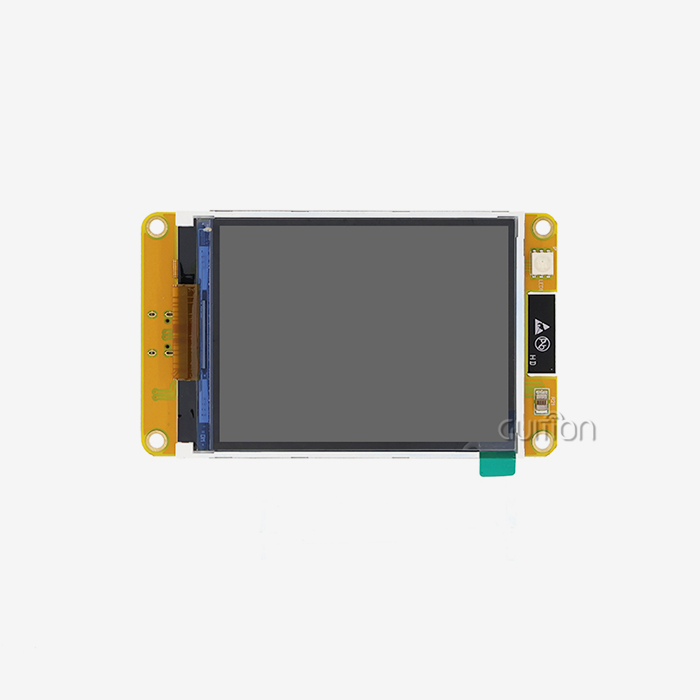
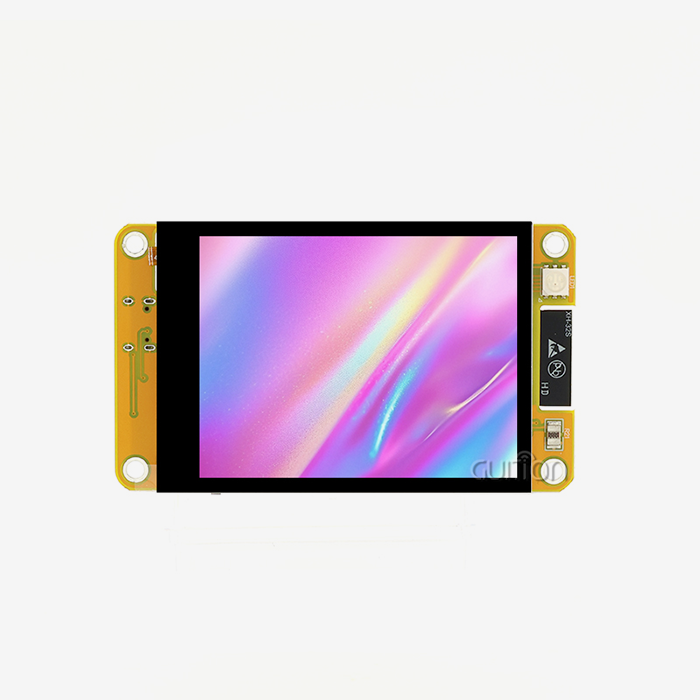
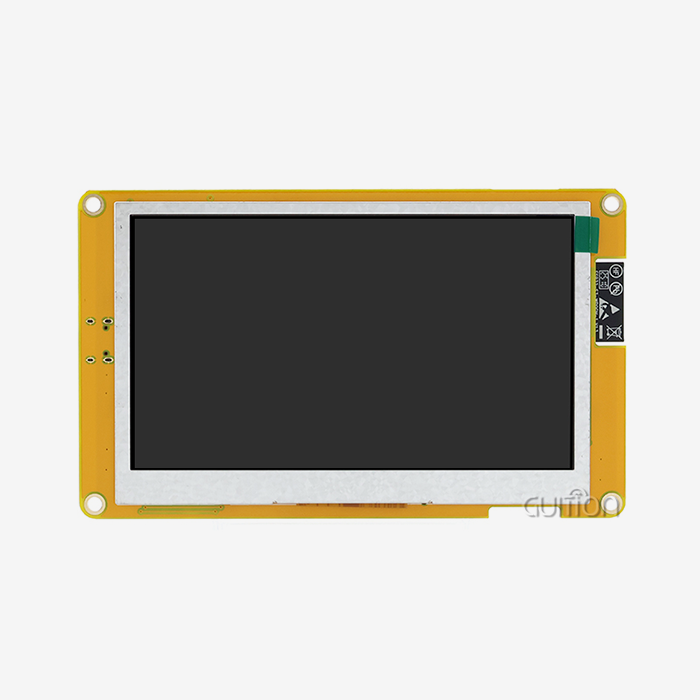
Yes, that's correct. When you combine a powerful dual-core RISC-V processor with an integrated display solution like the ESP32P4 module LCD, you get rid of the usual bottlenecks in embedded development. Modern ESP32P4 modules provide full HMI capability in a single box, unlike older microcontroller displays that need a lot of low-level programming and complicated wiring. Now engineers can make complex user interfaces without having to deal with broken software environments or problems with power use. This change is shown by the GUITION JC1060P470C_I_W, which has a 7-inch capacitive tablet with a resolution of 1024x600, Wi-Fi and Bluetooth built in, and support for various development environments. This combination speeds up time-to-market for industrial equipment, medical devices, and smart home apps by shortening development processes and lowering the time needed for debugging.

Understanding ESP32P4 Module LCD: Specs and Compatibility
Knowing the technical details is important when looking at display options for embedded systems because they determine the success of the project. Compared to earlier versions, the ESP32P4 module LCD is a big step forward. It was designed to work best with multimedia and human-machine interface apps.
Core Hardware Specifications
It shows what powerful display devices can do with the GUITION JC1060P470C_I_W. The ESP32P4 dual-core processor runs at 360MHz and is backed up by 32MB PSRAM and 768KB of high-performance L2 memory. This memory design lets complex images run smoothly without any frame drops. The 16MB Flash storage is more than enough for firmware changes, application code, and graphic files. The 1024x600 resolution makes the 7-inch IPS sensitive touchscreen look clear, and the 16.7 million colors allow for bright interface elements. This combination can handle challenging apps that older ESP32-S3 modules had trouble with.
Interface and Connectivity Options
The success of modern embedded display units comes from their many ways to connect. The device supports the MIPI-DSI link, which lets the processor and display panel send and receive large amounts of data quickly. Compared to older systems that used SPI or parallel interfaces, this layout has less work for the CPU. There are reserved TF card and IO port connections that can be used for adding more sensors, logging data, or playing media. The built-in Wi-Fi and Bluetooth modules get rid of the need for extra transmission gear. This makes PCB planning easier and lowers the cost of the bill of materials. These features for connecting are useful for industrial control panels, medical tracking equipment, and business terminals that need to join networks and talk to other devices.
Development Environment Compatibility
Compatibility between development systems speeds up the work that engineers do. For quick prototypes, the module supports the Arduino IDE. For advanced system-level programming, it supports ESP-IDF, and for script-based development, it supports MicroPython. Depending on the project needs and the skills of the team, each setting has its own benefits. GUITION's own development software adds a new level by providing visual interface design tools that do a lot of the work that used to be done by hand-coding for HMI development. With this support for multiple platforms, teams can keep working on projects the way they normally do while taking advantage of new show features. This gives system builders a lot of freedom when adding display units to bigger automation frameworks or Internet of Things (IoT) ecosystems.
How ESP32P4 Module LCD Simplifies Embedded Development
The old way of integrating displays causes a lot of problems that take a lot of time and technical resources to fix. Complex wire lines make PCBs more complicated and adds more places where they could fail. Because of software separation, developers have to spend too much time writing display drivers instead of working on the features of the apps. Power waste is a problem in battery-powered or energy-sensitive devices. These problems are solved in a planned way by the integrated design of current ESP32P4 module LCD units.
Streamlined Hardware Integration
Embedded programmers know that making hardware simpler has a direct effect on how quickly software is developed. In older systems, you had to pay close attention to the time factors of the display, the backlight control circuits, and the setup of the touch controller. The ESP32P4 module LCD combines these parts into a unit that has been tried and programmed by the maker. Backlight control circuits and touch screen control circuits are already built in, so you don't have to spend hours designing and fixing circuits. The capacitive touch interface lets users connect with the device without having to do any extra tuning. Engineers set up power connections and communication protocols. They also focus on program logic instead of low-level display control. This merging is especially helpful for smaller development teams that have to work quickly because every hour of engineering affects time-to-market.
Accelerated Software Development
The speed at which software is developed defines a company's competitive edge in markets that change quickly. The GUITION development tool shows how visual programming environments change the process of making HMIs. Engineers drag and drop interface controls onto a canvas, make visible changes to placement and styling, and the code is instantly generated that is ready for production. This method cuts down on the number of iterations needed to go from design ideas to working samples by a huge amount. Cross-platform online debugging lets you change and test code in real time without having to upload software over and over again. During development, product managers can look over interface designs and ask for changes that won't require major code rewrites. Because it comes with a lot of built-in tools, popular UI elements like buttons, sliders, gauges, and text fields don't need much code work. Teams that make industrial equipment like how quickly they can add user interfaces that used to take weeks to program using LVGL or a similar graphics tool.
Power Efficiency and Performance Balance
Embedded system designers have a hard time finding the right balance between speed and power waste, especially in portable medical devices, handheld tools, and industrial equipment that runs on batteries. The ESP32P4 design has a 2D Pixel Processing Accelerator that does graphics work in separate hardware instead of using CPU time. This hardware acceleration lets animations run smoothly at 60 frames per second at 1024x600 resolution, while the processor takes care of connection jobs, sensor data processing, and control algorithms. The GUITION module has a lithium battery circuit built in that lets handheld apps use power more efficiently. When the screen is not being used, it can quickly switch to low-power modes. This can increase the battery life of warehouse management systems or tools used for monitoring crops. Engineers can make complex user interfaces without affecting the running needs that are important for devices that are out in the field.
Comparing ESP32P4 LCD Modules to Other Solutions
For strategic buying to work, you need to know how the different display technologies fit with the needs of the project and your budget. Choosing ESP32P4 module LCD options over other choices affects not only the original prices but also the ease of maintenance and ability to grow.
ESP32P4 Versus Legacy ESP32 Boards
The ESP32-S3 and previous versions worked well for embedded display systems, but they had problems with speed and resolution. For display connection, these older units usually use SPI interfaces, which means that the highest resolution that works for fluid interfaces is around 480x480. Parallel connections make bandwidth faster, but they use a lot of GPIO pins and make routing on the PCB more difficult. This equation is completely changed by the ESP32P4's native MIPI-DSI support, which makes it possible to get better pixels with less CPU use. Because it has its own graphics accelerator, the interface movements stay smooth even when the processor is communicating over Wi-Fi or doing complicated math. When industrial automation installers switch from ESP32-S3-based control panels to ESP32P4 module LCDs, the user interface responds more quickly and more advanced visualization features can be added without having to rethink the hardware.
Display Technology Considerations
When you choose between TFT, IPS, and OLED technologies, you have to make choices about picture quality, viewing angles, power use, and durability. The IPS technology in GUITION modules makes it possible for industrial control screens to be seen from a variety of angles and with great color reproduction. TFT screens are cheaper, but they have smaller viewing angles that make them less useful in some settings. For apps with mostly dark interfaces, OLED offers better contrast and power economy. However, medical devices and commercial systems that need to run 24 hours a day, seven days a week for many years are affected by worries about pixel lifespan. Because the ESP32P4 module LCD supports 16.7 million colors, gradients, and digital images will display correctly. This is important for medical vision equipment or consumer electronics that put a lot of emphasis on how the interface looks. When purchasing managers look at large orders, they should think about the total cost of ownership, which includes the cost of repair if the display technology doesn't last long enough in their specific working conditions.
Supplier Evaluation Criteria
Building ties with dependable providers can help you avoid fake parts, inconsistent quality, and problems in the supply chain. Authorized dealers of GUITION goods sell modules with warranties that can be tracked back to the factories where they were made. Quality assurance procedures make sure that every unit is tested before it is sent out. This lowers the number of defects that cause production delays. When engineering teams are having trouble with integration or need help with customization, having access to technical support becomes very important. Development risk is lower when suppliers offer detailed instructions, sample code libraries, and quick expert support. Different suppliers have very different lead times, minimum order amounts, and price structures, which has a direct effect on project costs and managing inventory. Companies that are working on energy management systems or EV charging stations that need to be put in place by a certain date need sources that can keep their delivery dates and help them scale up production in stages as demand rises.
Procurement Considerations for ESP32P4 Module LCDs
When making a purchase, it's not just about the technical specs; it's also about the reliability of the supply chain, quality security, and the long-term viability of the relationship. When R&D managers and technical leaders decide where to source ESP32P4 module LCD materials, they should look at a number of factors that affect the project's success.
Quality Verification and Certification
Genuine parts and good manufacturing quality have a direct effect on how reliable a product is. GUITION uses military-grade manufacturing standards to make sure that all of its products work the same way. Each module is tested in the workshop to make sure the display works, the touch screen is sensitive, the communication ports work, and the thermal performance is good. Regulatory approvals for medical devices or consumer electronics going to foreign markets are easier to get with certificates of conformity and compliance paperwork. Before agreeing to production numbers, procurement teams should ask for sample units to be tested internally to make sure they are correct. Mechanical fit, electrical properties, and software compatibility with current development platforms should all be checked during testing. Rigid supplier approval processes are especially helpful for companies that are building business terminals or security systems where mistakes in the field lead to expensive service calls.
Pricing Models and Order Flexibility
Understanding how prices work is important for making accurate cost predictions and managing budgets. When a company buys from a supplier, the price per unit usually goes down as the quantity purchased goes up. This is good for companies that can plan their production schedules ahead of time. Minimum order amounts need to be in line with inventory levels and cash flow management. This is especially important for new businesses and small producers. Customization choices, such as different bezels, wire lengths, or pre-loaded software setups, may cost more but make assembly easier. Planning for production is affected by lead times, especially for holiday goods or projects with set start dates. Suppliers who keep stock in North American distribution centers can usually fill orders faster than those who only ship from sites abroad. When reviewing quotes from suppliers for ESP32P4 module LCD orders, the total landed cost should be taken into account. This includes shipping, taxes, and handling fees.
Technical Support and Documentation
Full expert tools speed up integration and cut down on development delays. GUITION gives you full datasheets with electrical specs, mechanical measurements, pinout diagrams, and suggestions for how to run the device. Sample code sources show how to set up initialization steps, handle touch events, display graphics, and set up Wi-Fi in Arduino, ESP-IDF, and MicroPython. Video lessons and application notes help with common integration problems, so tech teams don't have to do as much support work. Companies that are new to ESP32 development really appreciate providers that offer consultation services that help them figure out the best setups for their needs. Long-term product availability promises are important for products that have lifecycles of more than one year. This is to make sure that replacement parts are always available for upkeep and warranty fixes in medical equipment or industrial automation setups that need long support periods.
Best Practices for Integrating ESP32P4 LCD Modules into Your Projects
Planning, paying close attention to electrical design, and following strict testing procedures are all important for successful integration. Engineering teams can avoid common mistakes by sticking to tried-and-true methods that are made for high-performance ESP32P4 module LCD units.
Electrical Design Considerations
When power is delivered correctly, the process stays stable no matter what the conditions are. For the ESP32P4 module LCD to work, it needs a strong 3.3V rail that can handle high currents during Wi-Fi transfer and display changes. Noise that affects touch perception or causes visual artifacts can be caused by power source decoupling that isn't good enough. Following what the maker says in the document, engineers should put ceramic capacitors close to the power pins. Usually, the backlight driver needs a separate 5V rail that can handle enough power to keep the brightness constant. When working in confined spaces or places with high temperatures, like factories, thermal control is important. Throttling, which could hurt performance, can be avoided by making sure there is enough air or heat sinking. Using the right grounding techniques can help reduce electromagnetic interference.
Software Development Strategy
Iteration loops and testing time for the esp32p4 display module are cut down with structured development methods. Starting with simple images and initializing the display is a good way to make sure that the hardware is connected before adding more complicated interface features. The GUITION development tool speeds up the process of making UIs by letting you create them visually and automatically writing code that works well. Engineers should use built-in tools instead of making custom widgets from scratch as much as possible. This will make the code simpler and easier to maintain. Using modular software designs removes business logic from display management. This makes it easier to reuse code for different versions of a product or for future projects. The module has remote upgrade features that let firmware updates fix bugs or add new features after the module has been deployed.
Scalability and Future-Proofing
When you design with growth in mind, you protect your engineering investment and make the product last longer. The module has reserved IO ports that let you add sensors, motors, or communication devices as the needs of the product change. The TF card interface lets you add more storage for things like video files, data logs, or setup profiles without having to redesign the hardware. If you choose modules that allow over-the-air (OTA) firmware updates, you can add features or improve speed without having to change the hardware. Support for multiple languages and UTF-8 code makes it easier for the market to grow into places where language needs are different. Standardized communication methods make it easier to connect to third-party systems or cloud platforms for system designs. Companies that make smart home products or warehouse management systems can adapt to changing customer needs without having to go through expensive rethink cycles if they use modular designs. Planning for scaling during the early stages of development saves more money than adding features to systems that are already limited later on.
Conclusion
The ESP32P4 module LCD is a big step forward in integrated HMI technology. It solves problems that have been around for a long time and have been driving up prices and development times. The GUITION module combines powerful processing, a high-resolution display, and full connections into a single unit. This lets tech teams focus on creating new applications instead of worrying about the details of how they are implemented. When you combine hardware acceleration, support for different development environments, and visual programming tools like GUITION software, you can get your product to market much faster and with less work for engineers. The technical features and development environment around these modules give developers of industrial control systems, medical monitoring devices, and smart home goods clear benefits over their competitors. Specifications, source dependability, and best practices for integration must all be carefully looked at to make sure that the project meets its performance, cost, and timing goals.
FAQ
How does the ESP32P4 differ from ESP32-S3 for display applications?
The ESP32P4 module LCD has a native MIPI-DSI interface and dedicated 2D graphics acceleration hardware. This lets it support resolutions of up to 1024x600 at 60 frames per second with much less CPU usage than the ESP32-S3, which uses SPI or parallel interfaces that use more CPU power and limit the resolution that can be used.
What external memory does the module require?
When the resolution goes above 480x320, you need additional PSRAM to store the frame buffer. There are 32MB of PSRAM in the GUITION JC1060P470C_I_W. This is enough for double-buffering at 1024x600 resolution, which means that graphics and complicated graphical interfaces can run smoothly and without any tearing.
Can the module support video playback capabilities?
The ESP32P4 includes hardware support for H.264 encoding and enough processing power for MJPEG decoding. This means it can be used in video doorbells, medical equipment that plays instructional content, and commercial appliances that have multimedia displays where embedded video functionality is useful.
What kinds of coding tools can I use these modules with?
It works with Arduino IDE for quick prototypes, ESP-IDF for professional firmware development, MicroPython for scripting apps, and GUITION's visual development tool for making drag-and-drop interfaces. This means that it can be used by teams with a variety of skills and preferences for how they like to work on projects.
Accelerate Your HMI Development with GUITION ESP32P4 Solutions
GUITION specializes in providing cutting-edge human-machine interface solutions that get rid of common problems that come up during development. We are one of the best companies that makes ESP32P4 module LCDs. We mix high-performance hardware with easy-to-use software tools that cut your time-to-market by a huge amount. Our JC1060P470C_I_W module has two cores of processing power, a bright 7-inch screen, wireless connection, and support for multiple development platforms, so it can be used for professional HMI implementation. Engineering teams all over the world trust GUITION to provide reliable, industrial-grade display panels with a wealth of scientific information and quick customer service. You can talk about your unique needs, ask for sample units, or find out about volume prices for your next project by emailing david@guition.com. To make sure your embedded development goes well, we offer customization choices, shipping around the world, and expert support.
References
1. Espressif Systems. "ESP32-P4 Technical Reference Manual: High-Performance MCU for HMI Applications." Espressif Documentation Series, 2024.
2. Kirill, D. and Thompson, R. "Embedded Display Technologies: Comparative Analysis of Interface Protocols and Performance Metrics." Journal of Embedded Systems Engineering, Vol. 15, No. 3, 2023.
3. Martinez, L. "Optimizing Graphics Acceleration in Resource-Constrained Embedded Systems." IEEE Transactions on Industrial Electronics, 2024.
4. Chen, W. and Park, S. "Supply Chain Strategies for Electronic Component Procurement in Industrial Automation." International Journal of Production Research, Vol. 61, No. 8, 2023.
5. Anderson, M. "LVGL and Hardware Acceleration: Best Practices for Smooth UI Rendering on ARM and RISC-V Platforms." Embedded Computing Design, 2024.
6. Global Industry Analysts, Inc. "Human Machine Interface (HMI) Market: Technology Trends and Growth Projections 2024-2030." Market Research Report, 2024.
Learn about our latest products and discounts through SMS or email