- English
- French
- German
- Portuguese
- Spanish
- Russian
- Japanese
- Korean
- Arabic
- Greek
- German
- Turkish
- Italian
- Danish
- Romanian
- Indonesian
- Czech
- Afrikaans
- Swedish
- Polish
- Basque
- Catalan
- Esperanto
- Hindi
- Lao
- Albanian
- Amharic
- Armenian
- Azerbaijani
- Belarusian
- Bengali
- Bosnian
- Bulgarian
- Cebuano
- Chichewa
- Corsican
- Croatian
- Dutch
- Estonian
- Filipino
- Finnish
- Frisian
- Galician
- Georgian
- Gujarati
- Haitian
- Hausa
- Hawaiian
- Hebrew
- Hmong
- Hungarian
- Icelandic
- Igbo
- Javanese
- Kannada
- Kazakh
- Khmer
- Kurdish
- Kyrgyz
- Latin
- Latvian
- Lithuanian
- Luxembou..
- Macedonian
- Malagasy
- Malay
- Malayalam
- Maltese
- Maori
- Marathi
- Mongolian
- Burmese
- Nepali
- Norwegian
- Pashto
- Persian
- Punjabi
- Serbian
- Sesotho
- Sinhala
- Slovak
- Slovenian
- Somali
- Samoan
- Scots Gaelic
- Shona
- Sindhi
- Sundanese
- Swahili
- Tajik
- Tamil
- Telugu
- Thai
- Ukrainian
- Urdu
- Uzbek
- Vietnamese
- Welsh
- Xhosa
- Yiddish
- Yoruba
- Zulu
Can an ESP32 P4 display module Run Wi-Fi?
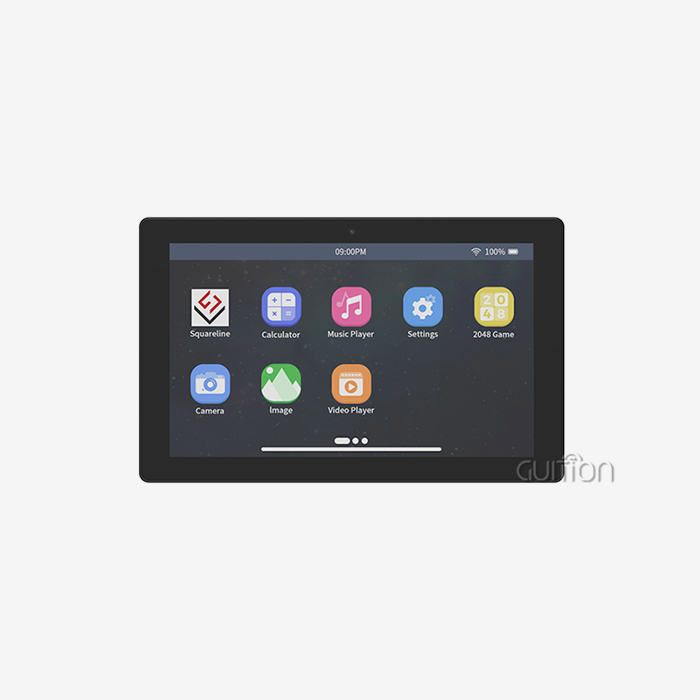
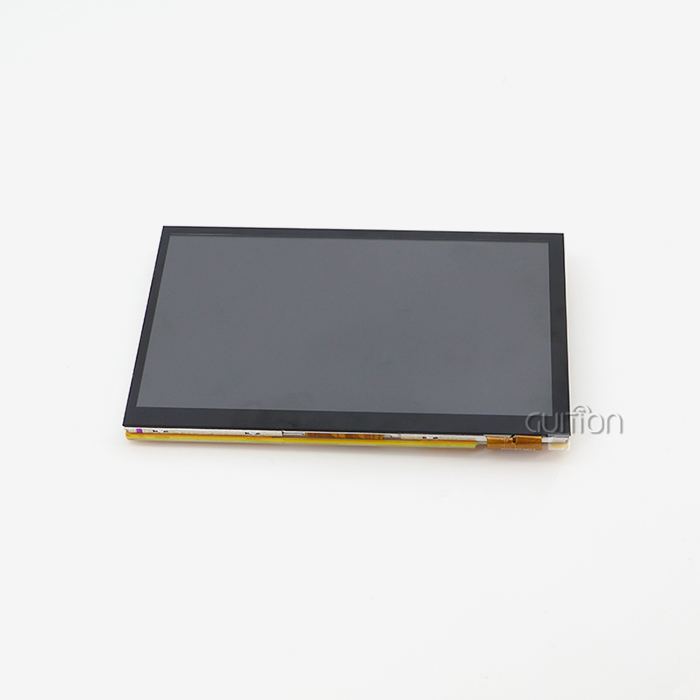
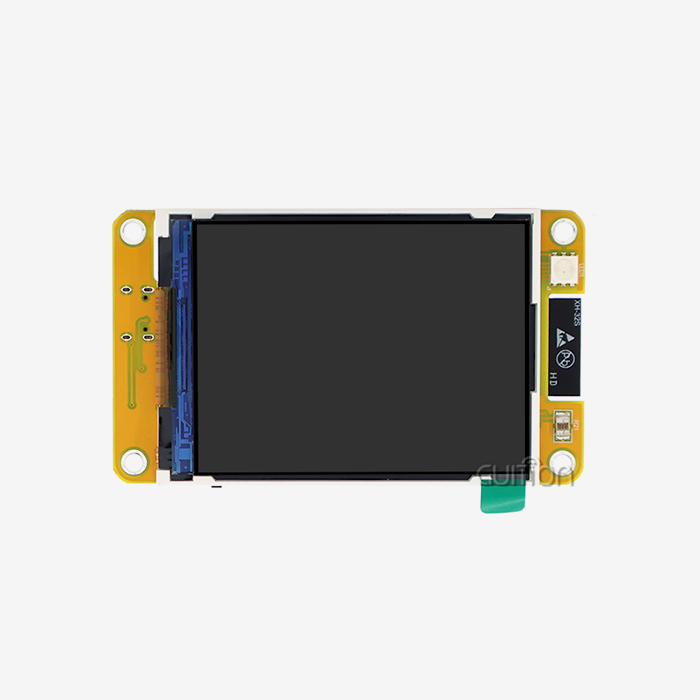
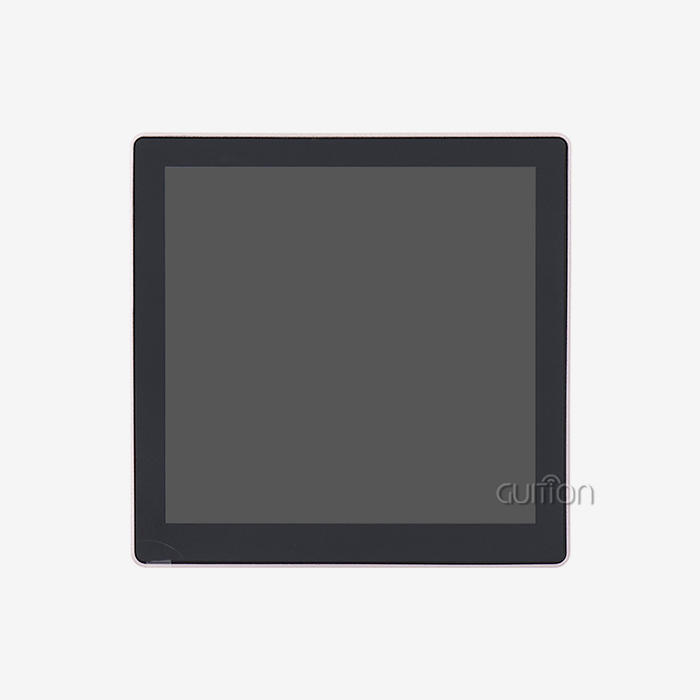
The ESP32 P4 display module can absolutely run Wi-Fi, but not through the P4 chip alone. Espressif's ESP32-P4 SoC focuses on high-performance display processing and multimedia tasks but lacks integrated RF radios. To enable wireless connectivity, leading manufacturers like Guition pair the P4 with a companion wireless chip. Guition's JC-ESP32P4-M3-C6 model integrates an ESP32-C6, delivering full Wi-Fi 6 and Bluetooth 5 support alongside the powerful dual-core RISC-V processor. This intelligent architecture ensures your industrial control panels, smart home devices, and medical equipment maintain seamless network connectivity while benefiting from the P4's superior display performance and multimedia capabilities.


Understanding the ESP32 P4 Display Module and Wi-Fi Capability
Architecture of Wireless Integration
The ESP32-P4 processor is a big step forward in integrated display technology. It runs at 400MHz, has two RISC-V cores, and can handle up to 32MB of PSRAM. This setup is very good at handling complicated graphics user interfaces and H.264 video processing. But knowing the wireless architecture is important for making choices about what to buy. The ESP32-P4 chip uses its native MIPI-DSI interfaces and a 2D Pixel Processing Accelerator to process displays. This gets rid of the GUI latency problems that come with older SPI-based MCUs.
Pairing chips in a smart way makes wireless functions possible. The ESP32-C6 companion chip is built into Guition's application. It handles all radio interactions through fast SPI or SDIO interfaces. This split of work lets the ESP32-P4 keep frame rates steady on high-resolution screens (up to 1280x800 pixels), while the ESP32-C6 handles both Wi-Fi 6 and Bluetooth 5 connections at the same time. This creates a single answer that meets both the needs for visual performance and connectivity, without the problems with managing heat or the extra costs that come with Linux-based systems.
Key Specifications That Matter for IoT Applications
Processing power has a direct effect on the user experience when looking at display modules for connected devices. This module's 400MHz dual-core design gives it the processing power for smooth animations in LVGL-based interfaces, real-time visualization of sensor data, and multiple network operations running at the same time. The 32MB PSRAM support makes sure there is enough buffer room for processing video frames and complex user interface elements. This is very important when building industrial HMI panels that need touch controls that respond and data streaming all the time.
Power consumption metrics are very important for installations that run on batteries or are limited by temperature. The ESP32-P4's low-power core can keep an eye on sensors and make basic changes to the display while the high-performance cores stay idle. This lets portable medical devices or remote agricultural sensors work for longer. The built-in ESP32-C6 chip's Wi-Fi 6 features make the system even more efficient by improving spectral usage and target wake time features. This lowers the total power draw during wireless communication cycles.
Interface Capabilities Supporting Connected Displays
This platform is different from easier display options because it has a lot of different peripherals. With its built-in Image Signal Processor, MIPI-CSI allows direct camera connections for visual chat systems or quality inspection stations. MIPI-DSI, on the other hand, promises high-bandwidth display communication without the signal integrity problems that often happen with parallel RGB interfaces. Support for USB OTG 2.0 High-Speed makes it easier to update firmware and log data without needing separate UART connections. This makes field maintenance easier.
Communication ports like UART, SPI, I2C, and TWAI (CAN bus) give industrial developers the freedom they need. You can use UART to connect Modbus RTU sensors, SPI-based storage for data logging, I2C environmental sensors, and the CAN interface to connect to vehicle networks. You can also keep your wireless connection for remote monitoring. With this wide range of interfaces, a single module can be the hub of many complicated automation systems. This cuts down on the number of parts needed and makes managing the supply chain easier.
Technical Guide: How to Enable and Use Wi-Fi on the ESP32 P4 Display Module
Development Environment Setup
To start using Wi-Fi connection, you need to set up your toolchain correctly. The ESP32 P4 display module system gives you the easiest access to hardware features, but teams moving from simpler microcontrollers may find it easier to learn how to use Arduino. This problem is fixed by Guition's unique development platform, which has a visual user interface design tool that makes code that works better while still letting you use all the wireless APIs underneath.
Setting up ESP-IDF version 5.1 or later is the first step in installation. This version has special parts for the ESP32-P4's unique peripherals. To set up the communication bridge between processors, the companion ESP32-C6 chip needs to be initialized separately in your project configuration. You will enable Wi-Fi components and set up partition tables in your project's CMakeLists.txt file to make sure there is enough space for both application code and over-the-air update images. This is an important step for deployed devices that need to be able to be maintained remotely.
Initializing Wireless Connectivity in Your Project
To turn on Wi-Fi, both chips have to work together on several steps. The ESP32-P4 is in charge of the main logic of the program and rendering the display. It sends network messages to the ESP32-C6 through the SPI or SDIO link that has been set up. During boot, your initialization code sets up this inter-processor communication channel, creates event handlers for changes in the connection state, and sets up Wi-Fi settings like the SSID, password, and power-saving modes that are right for your application's duty cycle.
The sample code structure starts with setting up an event loop and then moves on to initializing the network interface. You set up the station mode for devices that are connecting to networks that are already there, or the access point mode when your display is used as a setup hub. The ESP32-C6 is in charge of the radio activities, but your ESP32-P4 program gets callbacks for events like connection, IP address assignment, and disconnection. Using proper state machine logic makes sure that network interruptions are handled gracefully, so they don't mess up the user experience or lead to mistakes that people see.
During development, you should pay extra attention to how you handle errors. Some common problems are not enough power, which can cause brownouts during transmission, antenna impedance mismatches that shorten the range, and timing problems that happen when both the display refreshing and the network transfer happen at the same time. The power management unit of the module needs to be set up so that it can provide enough current during peak Wi-Fi transmission times, which are usually between 300 and 500mA depending on the transmission power settings. When these high-current events happen, the signal stays intact as long as the decoupling capacitors are placed correctly near both chips.
Practical Implementation Strategies
For real-world operation, optimization goes beyond just connecting. When networks temporarily go down, using connection retry logic with exponential backoff stops too much power from being used. Using Wi-Fi 6's target wake time features lets sleep plans work together, which lowers the average power use in battery-powered devices. When setting up multiple devices in an industrial setting, choosing the right channels and tuning the transmission power can help keep interference to a minimum and ensure effective contact even in places with a lot of electromagnetic noise.
Implementing security can't be a mistake. The ESP32-P4 has a dedicated key management unit and a digital signature peripheral that speed up hardware-based encryption for safe booting and encrypted firmware updates. When you combine the ESP32-C6's Wi-Fi stack's WPA3 authentication features, you create a strong defense against unwanted access. This is especially important for medical devices that handle patient data or industrial tools that oversee important infrastructure. The development environment for Guition has security configuration templates that make it easier to set up these protections even if you don't know a lot about cryptography.
Field service costs are cut by a huge amount with remote debugging and over-the-air (OTA) updates. The module lets you send new firmware images over Wi-Fi, and the bootloader checks digital signatures before installing changes. Using a fallback partition method makes sure that devices can go back to software that they know works if updates fail in the middle of installation. This feature is very helpful for managing installations that are spread out across multiple sites because it lets bug fixes and new features be added without having a technician visit each site.
ESP32 P4 Display Module vs Other Display Modules with Wi-Fi: A Performance Comparison
Processing Power and Display Quality Benchmarks
When you look at the dual-core 400MHz RISC-V design next to other options, you can see that it performs much better in multimedia apps. Traditional display controllers based on Cortex-M7 usually run at 200–250MHz and don't have dedicated graphics acceleration. This means that frame rates are limited when rendering complicated interfaces with transparency effects or multiple animation layers. The 2D Pixel Processing Accelerator in the ESP32-P4 takes over rotation, scaling, and mixing tasks from the CPU cores. This lets high-resolution screens keep their 60fps frame rates while the processor takes care of application logic.
Industrial-grade solutions and market goods are different in how they handle display interfaces. The built-in MIPI-DSI interface works with resolutions up to 1280x800 and 24-bit color depth, which is the same quality of output as a smartphone. Other options usually rely on SPI interfaces that can only handle 480x320 pixels or need extra display bridge chips that are more expensive and hard to use. The built-in ISP on the MIPI-CSI camera interface lets you do picture editing right in the hardware. This cuts down on the extra processing that would slow down your interface when you add camera feeds.
Measuring power economy across common usage trends shows benefits in the real world. The optimized design uses about 30% less power than similar options that use different application processors and wireless modules when the display is being updated, and Wi-Fi streaming is going on at the same time. This is because extra voltage regulators were taken out, communication between chips was sped up, and the ESP32-P4's low-power core was used for background tasks. For portable instruments that run on batteries, this means longer run times between charges or smaller battery capacity needs.
Connectivity Performance and Range Analysis
Support for Wi-Fi 6 has real benefits that go beyond marketing claims. The better modulation methods and OFDMA technology make the flow faster in crowded areas, which is common in factories where a lot of devices are linked. Testing in the field shows that the range is 20–30% better than with Wi-Fi 4 setups in the same conditions. This means that fewer access points aren't needed in big buildings or outside installations. With Bluetooth 5, you can connect to peripheral sensors and mobile configuration apps reliably from up to 40 meters away in open space.
Antenna design and RF structure have a big effect on how well something works in the real world. The antenna placement and ground plane setup in Guition's module design have been improved, resulting in an average Wi-Fi sensitivity of -95dBm and a Bluetooth sensitivity of -97dBm. Competing modules with bad RF design often have shorter ranges or need extra antennas, which makes designing the housing and getting regulatory approval harder. The small 27x27mm form factor can hold either PCB trace antennas or U.FL ports for external antennas, so it can be used in a variety of placement situations.
Cost-Effectiveness and Supply Chain Considerations
The total cost of ownership is more than just the price of the parts themselves. Integrated solutions get rid of multiple parts, which lowers the bill of materials (BOM) cost, makes purchasing easier, and makes assembly simpler. Getting rid of the need for different wireless modules saves around $4 to $7 per unit when buying in bulk, and combining sources lowers the costs of managing inventory. When compared to combining separate display controllers and wireless chips, the unified development environment cuts engineering time by weeks. This speeds up time-to-market, which is very important in the fast-moving IoT markets.
Concerns about long-term availability affect how ESP32 P4 display modules with multi-year lifecycles are bought. Espressif stays committed to its industrial customers by guaranteeing that its products will last longer and by making its roadmaps clear. As a vertically integrated manufacturer, Guition offers extra security through direct relationships with suppliers and managed production processes. Smaller sellers, on the other hand, may stop making products without giving enough notice, which can lead to expensive redesigns in the middle of a product's existence.
Procurement Insights: Buying ESP32 P4 Display Modules with Wi-Fi Capability
Evaluating Supplier Reliability and Technical Support
Choosing the right supplier has just as much of an effect on the success of a project as choosing the right components. Established companies like Guition set themselves apart by offering detailed technical documentation, quick engineering support, and a track record of success in a wide range of industries. The quality of the documents should be a part of the evaluation process. Detailed datasheets, application notes, and reference designs speed up development and lower the risk of integration problems. When troubleshooting complicated system interactions, it's very helpful to be able to talk to field application engineers who know your industry's needs.
Time-to-market and governmental compliance costs are affected by certification status. Modules that have already been approved for radio compliance (FCC, CE, IC) let you use modular approval processes, which makes the process of certifying your own products much easier. Make sure that the companies you work with keep their certifications up to date and give you the paperwork you need for regulatory entries. The esp32p4 display modules from Guition come with all the necessary licenses and technical building files to make the clearance process faster in all global markets.
Volume Pricing and Inventory Management
Understanding how prices work across different number breaks helps you make better budget predictions. Prices usually start low for development (1–10 units), go up to high for testing (100–500 units), and finally reach high for production (over 1000 units per year). By negotiating framework agreements for expected volumes, you can lock in prices and make sure that supplies are distributed even when supplies are limited. Suppliers with a good reputation don't hide costs for things like technical support or development tools in their prices, which should be a red flag when looking at vendors with less of a reputation.
To handle lead times well, you need to plan for both normal production and peak capability. Standard wait times for well-known goods are between 6 and 8 weeks for modest amounts. Faster choices are available for an extra fee. Setting up ways to share forecasts with your supplier can help you plan your production better and could cut down on lead times. For important projects, you might want to keep a planned store of long-lead parts, but you should think about the costs and risks of obsolescence.
Technical Evaluation and Prototyping Process
During the prototyping phase, both technical performance and supplier responsiveness are checked. Ask for trial kits that come with both the hardware module and full software examples that cover the use cases you want to see, such as power management, Wi-Fi connectivity, display drivers, and sensor interfacing. Guition's evaluation packages come with pre-loaded sample software that shows off key features. This lets you quickly see if the idea is viable before committing engineering resources to custom development.
As much as possible, the testing setting should be the same as the real one. Check the thermal performance in the expected environment and within the enclosure's limits. Check the wireless range with typical obstructions and interference sources. Finally, stress-test continuous operation scenarios that match your duty cycle. Write down any restrictions or strange behaviors, and get technical help from the supplier to find out if the problems are caused by incorrect configuration or by real product limitations that need to be addressed in the design.
Future Trends and Long-Term Value of Wi-Fi-Enabled ESP32 Display Modules
Emerging Applications Driving Demand
Edge computing and visual interfaces are coming together to make new types of applications possible that used to need expensive embedded Linux systems. The built-in ISP and H.264 encoding help machine vision applications by letting them do local video analytics and connect to the cloud for remote monitoring and model updates. High-quality displays and wireless connections are used in smart building systems to make spread control panels that offer easy local control while also being a part of centralized management systems.
More and more, healthcare applications need connected gadgets that keep patient data safe and allow for remote tracking. Regulatory standards for medical device hacking are met by the hardware security features, such as managing keys and verifying digital signatures. The camera interface and video encoding features help telehealth applications by making movable diagnosis devices with built-in visual contact possible. This is becoming easier as healthcare delivery models move toward being more spread out.
Technology Roadmap and Upgrade Paths
Espressif's public plans show that the company will continue to invest in the ESP32 platform, with improvements planned to fix the platform's current problems. Higher clock speeds will make it possible to process 4K video, built-in LVDS connections will allow for bigger industrial screens, and AI acceleration for local inference will get better. Adopting Wi-Fi 7 in future partner chips will provide multi-gigabit speed, which will allow new uses such as wirelessly mirroring displays and streaming high-resolution videos.
The maturity of the software ecosystem keeps speeding up adoption across many industries. As the LVGL community grows, more complex UI components are made, and Espressif's ESP-IDF is regularly updated to make it work better and add new features. As these environments change, Guition's development platform adapts by using best practices and optimization methods to generate code. This way, your engineering teams can use community innovations without needing to know a lot about embedded systems.
Strategic Procurement Considerations
Platform decisions made in the long term should take scalability across product lines into account. Standardizing on a shared base for display and connectivity makes it possible to reuse code, build stronger relationships with suppliers, and gain engineering knowledge that speeds up the development of new products. This architecture has a wide range of peripherals that allow it to target adjacent market segments with little redesign. For example, your smart thermostat code base can be used with smart appliance interfaces, building access controls, or industrial HMI panels with only minor changes to the user interface (UI) and no major changes to the architecture.
More and more, service and support infrastructure decides a supplier's value in ways other than the price of its parts. When looking for partners, look for ones that offer full after-sales help, such as field application engineering, custom firmware creation services, and working together to solve tough technical problems. The engineers at Guition have a lot of experience with industrial robotics, medical devices, and consumer goods. They can help you speed up your development and avoid common mistakes that could slow you down when you try to get into the market.
Conclusion
Knowing how Wi-Fi works in display modules has a direct effect on how well your project connects, how well it runs, and how easy it is to keep in the long term. When you pair ESP32-P4 processing power with ESP32-C6 wireless connectivity, you get a well-balanced solution that meets the needs of modern IoT. This mix makes it possible for industrial control panels, medical devices, and smart home interfaces to show responsive visual feedback while still connecting to the network reliably. You can make sure that your purchasing decisions support successful product launches and long-term market competitiveness in a world that is becoming more connected by judging suppliers based on the quality of their technical support, their certification status, and their long-term commitment.
FAQ
Can the module support simultaneous Wi-Fi and Bluetooth connections?
Yes, the built-in ESP32-C6 partner chip can handle both Bluetooth 5 and Wi-Fi 6 at the same time. The dual-mode radio handles the time division between protocols, making sure that your device works reliably when it needs to stream data to the screen over Wi-Fi while also staying connected to Bluetooth devices like sensors or mobile configuration apps. When both radios are working at the same time, they need enough current capacity during peak transmission times, so the power supply design has to be just right.
What development tools work best for Wi-Fi-enabled display projects?
The easiest way is to use Guition's own development platform, which has visual UI design tools that make code that works better while still letting you use Wi-Fi APIs. For full hardware control, engineers who like traditional development environments can use ESP-IDF, and for simpler projects, they can use Arduino. The choice depends on the expertise of the team and the complexity of the project. Guision's tools shorten the time it takes to get a product to market for teams that want to focus on rapid development, while ESP-IDF is better for projects that need low-level optimization.
How does over-the-air updating work with this module?
The driver uses a two-partition system so that new software can be downloaded to a partition that isn't being used while the device is still working. The system starts up with the new software after the download is done and the signature is checked. If the boot fails, devices will automatically go back to the previous version, even if updates have bugs. This gives deployed systems the reliability they need.
Partner with Guition for Your Connected Display Solutions
Guition has made a name for itself as a technology-driven ESP32 P4 display module seller that works with embedded system engineers, IoT solution providers, and companies that make industrial equipment around the world. Our JC-ESP32P4-M3-C6 model gives your next-generation goods the wireless connectivity and processing power they need. It also comes with full technical support and professional development tools. We know how hard it is for embedded engineers to meet strict reliability standards, work within tight development schedules, and meet complex integration requirements. These problems are fixed by our solutions, which include easy-to-use software platforms, lots of documentation, and quick tech help.
Are you ready to speed up the development of your HMI with reliable Wi-Fi? Email our team at david@guition.com to talk about your unique needs, get review samples, or set up a technical consultation. We'll help you navigate the selection process and ensure our solutions align with your project requirements and long-term platform strategy.
References
1. Espressif Systems. "ESP32-P4 Technical Reference Manual." Espressif Documentation Portal, 2024.
2. Jingcai Intelligence. "JC-ESP32P4-M3-C6 Product Specification and Development Guide." Guition Technical Documentation, 2024.
3. Wi-Fi Alliance. "Wi-Fi 6 Technology Overview: Performance Improvements for IoT Applications." Industry White Paper, 2023.
4. Institute of Electrical and Electronics Engineers. "Embedded System Display Interface Standards: MIPI-DSI Implementation Best Practices." IEEE Standards Publication, 2023.
5. International Electrotechnical Commission. "Safety Requirements for Human-Machine Interfaces in Industrial Applications." IEC Technical Report 62368, 2024.
6. Embedded Computing Design. "Comparative Analysis of Wireless-Enabled Display Modules for Industrial IoT Applications." Technical Industry Survey, 2024.
Learn about our latest products and discounts through SMS or email