- English
- French
- German
- Portuguese
- Spanish
- Russian
- Japanese
- Korean
- Arabic
- Greek
- German
- Turkish
- Italian
- Danish
- Romanian
- Indonesian
- Czech
- Afrikaans
- Swedish
- Polish
- Basque
- Catalan
- Esperanto
- Hindi
- Lao
- Albanian
- Amharic
- Armenian
- Azerbaijani
- Belarusian
- Bengali
- Bosnian
- Bulgarian
- Cebuano
- Chichewa
- Corsican
- Croatian
- Dutch
- Estonian
- Filipino
- Finnish
- Frisian
- Galician
- Georgian
- Gujarati
- Haitian
- Hausa
- Hawaiian
- Hebrew
- Hmong
- Hungarian
- Icelandic
- Igbo
- Javanese
- Kannada
- Kazakh
- Khmer
- Kurdish
- Kyrgyz
- Latin
- Latvian
- Lithuanian
- Luxembou..
- Macedonian
- Malagasy
- Malay
- Malayalam
- Maltese
- Maori
- Marathi
- Mongolian
- Burmese
- Nepali
- Norwegian
- Pashto
- Persian
- Punjabi
- Serbian
- Sesotho
- Sinhala
- Slovak
- Slovenian
- Somali
- Samoan
- Scots Gaelic
- Shona
- Sindhi
- Sundanese
- Swahili
- Tajik
- Tamil
- Telugu
- Thai
- Ukrainian
- Urdu
- Uzbek
- Vietnamese
- Welsh
- Xhosa
- Yiddish
- Yoruba
- Zulu
Can a 7 inch ESP32S3 display module run Wi-Fi?
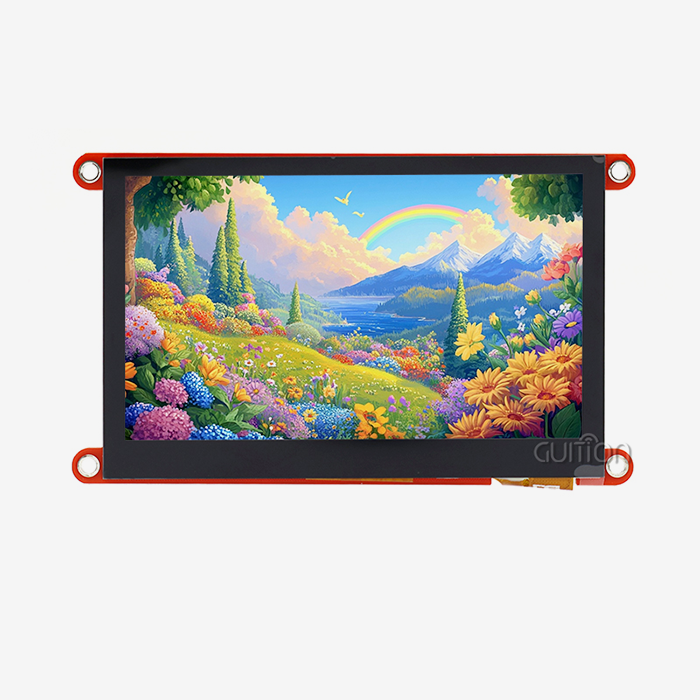
The short answer is absolutely yes. A 7 inch ESP32S3 display module features the powerful ESP32-S3-WROOM-1 chipset, which integrates native Wi-Fi connectivity alongside Bluetooth functionality. This dual-core microcontroller operates at 240MHz and supports the 802.11 b/g/n Wi-Fi standards, making wireless communication seamless and reliable. The module manages both the graphical interface rendering and wireless transmission simultaneously, addressing a critical bottleneck in modern IoT and industrial applications where remote monitoring and data exchange are essential. This integration eliminates the need for additional connectivity modules, reducing both cost and complexity in embedded HMI design.

Understanding the Wi-Fi Capabilities of the 7 Inch ESP32S3 Display Module
ESP32-S3 monitor solutions that are Wi-Fi ready are a big step forward in the design of embedded systems. The ESP32-S3-WROOM-1 module is at the heart of the GUITION ESP32-8048S070C. It intelligently allocates resources to keep wireless communication and visual output in sync.
Hardware Architecture and Wireless Integration
One core of the ESP32-S3 processor handles Wi-Fi protocols, and the second core handles display update, touch input, and program logic. With this dual-core architecture, wireless connection won't slow down the user interface, which is a usual problem with single-core systems. The 512KB SRAM and 8MB PSRAM in the module work together to store both network data and frame buffers. This architecture keeps 30+ FPS refresh rates even when data is being sent, so it can be used in industrial control panels or smart home dashboards.
Wiring and Antenna Considerations
A stable Wi-Fi connection relies on where the antennas are placed and how the ground plane is designed. The GUITION ESP32-8048S070C has a PCB trace antenna that works best with the 2.4GHz frequency band. The antenna design takes into account how close the LCD panel and backlight circuit are to each other, which can cause electromagnetic interference. These parts are kept separate by a dedicated ground plane, which keeps the signal strength constant. An external antenna choice through a U.FL connection can be added during secondary development for places with metal enclosures or a lot of RF noise, like medical device housings or energy management systems.
Real-World Application Examples
In farm automation, 7 inch ESP32S3 display modules that are wirelessly linked keep an eye on soil moisture sensors that are spread out over large areas. The modules use Wi-Fi to get data from sensors, show real-time analytics on a 800×480 capacitive touchscreen, and remotely start irrigation systems. In the same way, business terminals in stores use these modules to automatically change prices for products from cloud servers while still being able to work without an internet connection thanks to storage on a TF card. Because it can handle MQTT protocol communication, the module is especially useful for IoT panel apps where many data streams come together.
Technical Specifications & Programming Guide for 7 Inch ESP32S3 Display Modules
When looking at portable display options for purchase, technical specs have a direct effect on how well they work and how long they last.
Critical Hardware Specifications
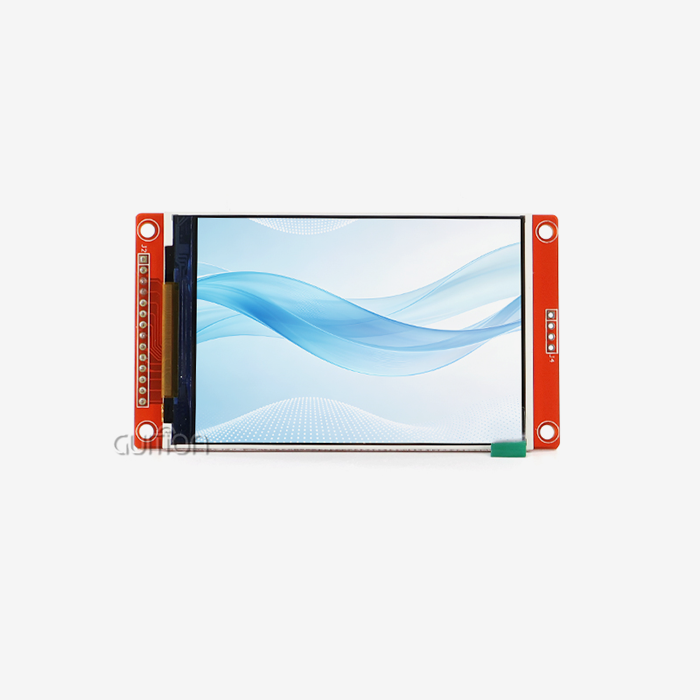
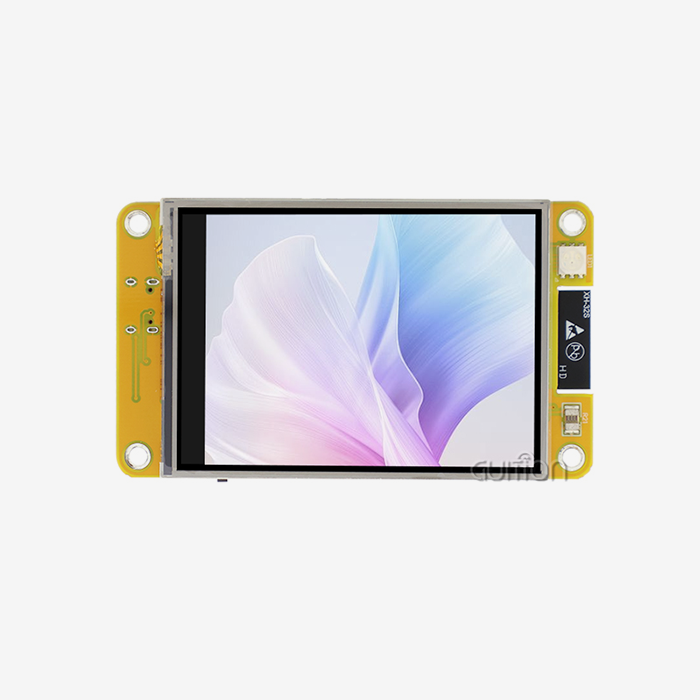
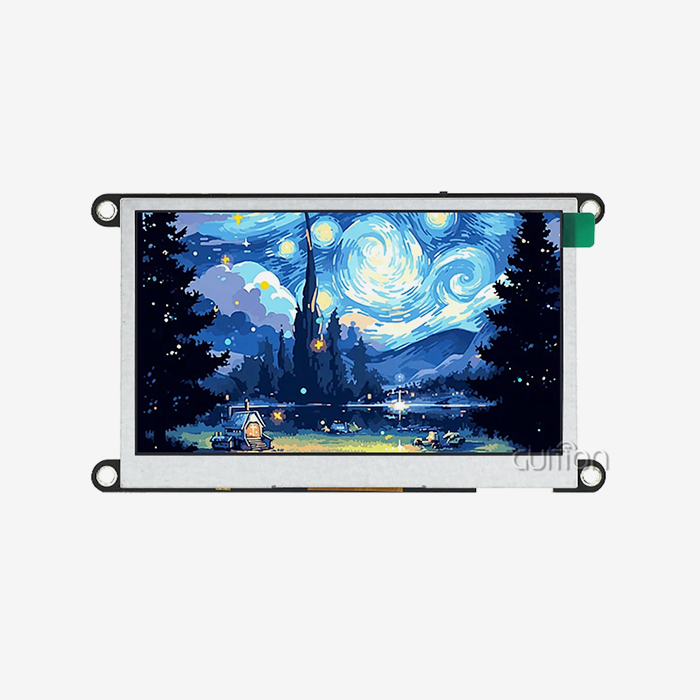
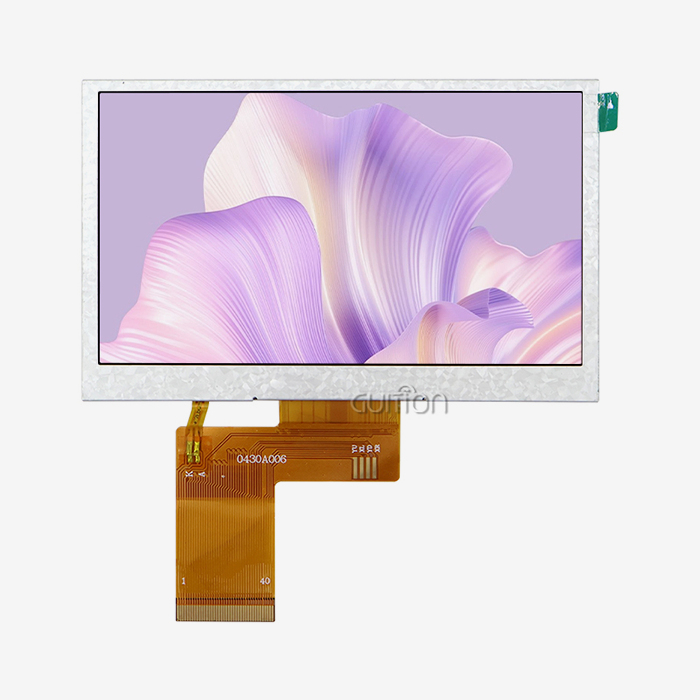
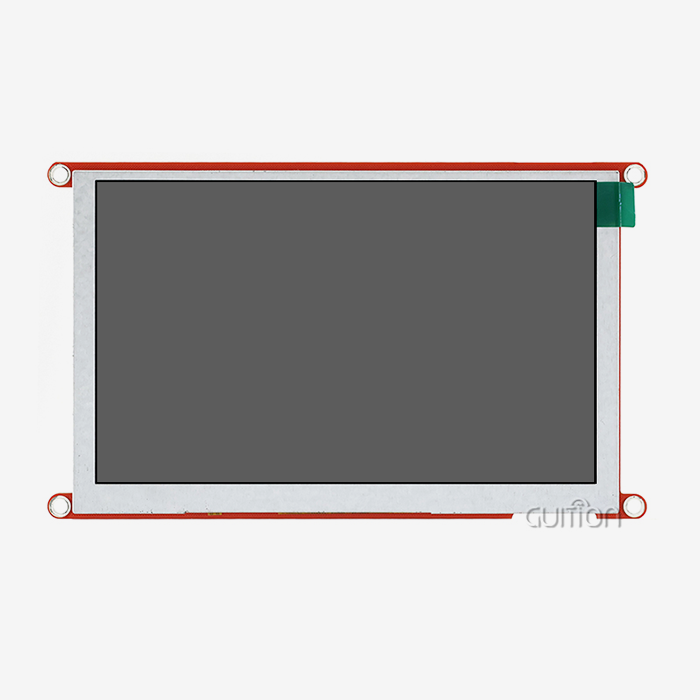
The 7 inch IPS LCD screen on the GUITION ESP32-8048S070C has a resolution of 800×480, which is high enough for detailed industrial HMI interfaces without taxing the engine too much. The capacitive touch screen uses the GT911 controller, which talks over I2C so that other tools can use SPI bandwidth. When Wi-Fi is turned on all the time, power consumption is very important. The module uses about 350–450mA of power when it is actively transmitting and the backlight is on full brightness. The ESP32-S3 has a modem sleep mode that can be used in energy-efficient designs. This mode reduces consumption by 40% when the modem is not in use while still connecting to the network.
Programming Environments and Wi-Fi Initialization
The module supports a number of different development platforms, so it can be used by engineers with a wide range of tastes. The Arduino IDE is the easiest way to start experimenting. In Arduino, setting up Wi-Fi only takes three lines of code: adding the WiFi library, calling WiFi.begin with the network credentials, and checking the status of the connection. The ESP-IDF framework gives mission-critical apps more control by letting them use low-level networking APIs to set up their own TCP/IP stacks. This is helpful when using TLS encryption on medical monitoring equipment or financial terminals that need to keep data safe at all times.
7 inch ESP32S3 display modules can be used by fast development teams and educational institutions because they support MicroPython. MicroPython's network module makes socket programming easier by letting engineers make HTTP clients or WebSocket connections with very little extra code. Guition's own development software adds a new dimension—it creates optimized code for displays and network setup tools that automatically create connection logic that works with Arduino and ESP-IDF backends.
Troubleshooting Wireless Connectivity Issues
Signal confusion is still the most common problem in commercial settings. The 2.4GHz band has noise that slows things down when 7 inch ESP32S3 display modules are close to motor controls or switching power sources. By adding channel selection algorithms to the firmware, this problem can be fixed. The ESP32-S3 can look at all 13 channels and choose the one that is least busy on its own. Antenna orientation is also important; putting the module's PCB perpendicular to large metal surfaces reduces reflections and improves signal transmission.
In smart appliance apps, firmware updates sent over-the-air (OTA) have become standard. For new software files, the ESP32-S3 sets aside a different flash partition. This lets atomic updates happen that keep devices from bricking when the power goes out. The development software comes with OTA server templates for enterprise networks, and the modules come with bootloaders that are ready for OTA.
Comparing 7 Inch ESP32S3 Display Modules with Other Display Solutions
When making a purchase decision, you have to weigh the pros and cons of different display technologies against the needs of the project. Figuring out how ESP32-based solutions stack up against other options helps to make their value offer clear.
Performance Against Raspberry Pi Displays
Raspberry Pi-driven displays give you more options based on Linux, but they add too much complexity for specific HMI applications. A Pi Zero with a 7 inch HDMI screen needs at least 800mA of power, but the ESP32-S3 option only needs half that much. Another big difference is boot time. Linux systems need 30 to 60 seconds to get up and running, but the ESP32-S3 module is ready to use in just 2 seconds. Microcontroller-based screens turn on instantly, so they don't cause operating downtime in industrial control panels that need to handle sudden power surges. But Raspberry Pi really shines when applications need full web browsers or complex media playback that goes beyond what an HMI can do.
Screen Technology Considerations
Choosing between OLED and LCD technologies affects both how well they look and how long they last. OLED panels have better viewing angles and contrast ratios, which makes them appealing for consumer electronics. However, OLED gets burn-in when showing static UI elements. This is a fatal flaw for industrial HMI where status signs stay the same for hours on end. The IPS LCD technology in GUITION modules can handle constant use without losing its image, and the backlights last for more than 50,000 hours, making them perfect for use in commercial terminals. Capacitive touchscreens on these modules let you use multiple touches as you would in a modern interface, while resistive touchscreens in cheaper options make it harder to design interactions.
Supplier Landscape and Procurement Factors
Well-known brands in the 7 inch ESP32S3 display module market include Waveshare, LilyGo, and M5Stack. Each caters to a different group of customers. Waveshare focuses on hobbyist-friendly modules that come with a lot of documentation but not many customization options. M5Stack builds screens into cases that are designed for prototyping rather than mass rollout. Guition stands out by offering full secondary development support and factory customization options. Before shipping, our engineering team changes the firmware, fixes the I/O configurations, and adds customer-specific sensors. These are all services that medical device makers and automation integrators need in order to meet their short deadlines.
The way prices are set depends a lot on MOQ agreements. Orders of 10 to 50 pieces usually cost 40 to 60 percent more per unit than orders of 500 or more pieces. International shipping adds uncertainty to wait times. Air freight can arrive in 7–10 days, but it costs $15–25 per kilogram more. Sea freight, on the other hand, takes 4-6 weeks but costs only a fifth as much. When procurement teams are in charge of just-in-time inventory, building relationships with suppliers who offer buffer stock in regional warehouses helps keep the supply chain running smoothly.
Procurement Guide: Where and How to Buy 7 Inch ESP32S3 Display Modules
When looking for suppliers of display modules for production, you need to look at more than just price. Long-term partnership value is based on consistent quality, professional responsiveness, and help after the sale.
Identifying Qualified Suppliers
Verified seller qualifications give you peace of mind at first. RoHS and CE compliance make sure that products meet international safety standards, which is a must for medical device integrators and EU exports. ISO 9001 certification shows that manufacturing processes are standardized. Suppliers' warranty policies show how confident they are in their products. For example, Guition offers a 12-month replacement warranty that covers manufacturing flaws, and for high-volume customers, an optional longer warranty coverage is also available. Strategically, our minimum order numbers change. For R&D teams, we can accept sample orders as low as 5 units, and our prices go up at 100, 500, and 1,000 units.
Negotiation Strategies for Volume Purchases
When you negotiate a bulk order, you can do more than just lower the unit price. By asking for pre-flashed software with custom boot screens, you can skip the steps of programming on the production line. This saves money on labor costs that more than make up for the slightly higher module prices. Freight costs are lower when shipping schedules are consolidated, and you can get free container space if you commit to orders of 300 or more units every three months. Startups with limited cash flow need payment terms that are easy to work with. Our finance team works with long-term customers to set up net-30 or net-60 terms after the first few orders build confidence.
Guition's Competitive Advantages
Guition markets itself as an HMI solution provider that is driven by technology rather than a seller of standard parts. This attitude is shown by our ESP32-8048S070C type in a number of ways. The pre-installed sample programs show off the LVGL interface's features as soon as the module is turned on, which speeds up the evaluation process for busy engineering managers. Our Guition UI development software turns interface design from a lot of hard work with code into easy visual drag-and-drop tasks. Engineers who have never worked with embedded graphics can make professional HMIs in days instead of weeks. This directly addresses the problem that product managers have been voicing about fast time-to-market.
7 inch ESP32S3 display modules feature the ability to work on multiple platforms, making the project last longer. Teams can make prototypes in Arduino to make changes quickly and then move to ESP-IDF to improve performance in production without having to change any hardware. Smart appliance makers can push firmware updates to deployed units around the world, adding features and fixing bugs without sending a technician. This saves money on expensive field service calls. Support for multiple languages using UTF-8 makes goods ready for global markets right from the start, which is important for consumer electronics makers that want to sell in many places. As examples of our satisfied customers, automation integrators cut the time it took to develop an HMI from 8 weeks to 3 weeks, and medical device developers used our documented component libraries to make UI implementations that were FDA-compliant. We formed these partnerships because we promised to answer technical questions within 4 business hours and review schematics before bulk production. These are the kinds of services that turn relationships with suppliers into engineering partnerships.
Conclusion
The 7 inch ESP32S3 display module is an advanced combination of processing power, wireless connection, and the ability to show information. The ESP32-S3-WROOM-1 chipset gets rid of design trade-offs by letting you communicate over Wi-Fi and interact with a touchscreen at the same time using smart dual-core resource distribution. The ESP32-8048S070C model from GUITION is a good example of this technology. It has an 800×480 IPS screen, 16MB of flash storage, and works with the Arduino, ESP-IDF, MicroPython, and Mixly development environments. Having established ties with suppliers, clear guarantee policies, and proof of skill in secondary development customization helps procurement teams feel more confident. As the Internet of Things (IoT) is used more in consumer, medical, and industrial settings, these built-in display options give modern goods the wireless connection and advanced user interfaces they need.
FAQ
Can the 7 inch ESP32S3 display module operate independently via Wi-Fi?
Yes, the 7 inch ESP32S3 display module can be used as an IoT device on its own. There is no need for external controllers because the ESP32-S3 processor handles both network communication and display rendering. Applications can get data from cloud services, handle it locally, and make changes to the interface on their own. The 16MB flash storage can hold both firmware and application assets, and the TF card slot adds more space for logging data. This function works on its own, which is good for places like remote monitoring stations where the screen needs to work without being constantly connected to supervisory systems.
What power consumption should I expect when using Wi-Fi actively?
Active Wi-Fi transmission uses 350 to 450mA at 5V, and the backlight is on full brightness. Using modem sleep modes lowers this to 200–250mA when the modem is not in use, but it still stays connected to the network. Deep sleep mode, which turns off all Wi-Fi, uses less than 10mA. Applications that run on batteries can set regular wake cycles. For example, sending sensor data every 10 minutes lets lithium battery packs work for months, which means that these modules could be used in portable medical monitors.
How do I maintain stable wireless connectivity in industrial environments?
Channel selection algorithms built into the firmware look through all the 2.4GHz channels and pick the ones with the least amount of interference. Putting the 7 inch ESP32S3 display module away from motor controls and switching regulators will reduce its exposure to RF noise. Signal strength is better in metal structures when external antennas are linked via U.FL. Using connection retry logic with exponential backoff keeps the network stack from getting too full when there is a temporary loss of signal. These methods make sure that the system will work reliably in the rough electrical conditions that are common on factory floors.
Partner with Guition for Your Display Module Needs
Guition specializes in providing industrial-grade esp32 display module solutions that are specifically designed to meet the needs of business-to-business buyers. Our ESP32-8048S070C combines the development freedom your tech teams need with a wireless solution that has been shown to work reliably. Our technical know-how and ability to make changes speed up your time-to-market, whether you're looking for a 7 inch ESP32S3 display module manufacturer to integrate into smart appliances or evaluating providers for medical device projects. We know how hard it is to meet production deadlines, so we offer full support from evaluating prototypes to mass production. You can email our team at david@guition.com to talk about your unique application needs, ask for evaluation samples, or look into pricing models for large orders. Our engineers are ready to look over your schematics, suggest the best setups, and show you how Guition's UI development software makes it easier to create interfaces, turning technical problems into competitive benefits.
References
1. Espressif Systems. (2023). ESP32-S3 Technical Reference Manual: Wireless Connectivity and Display Interface Integration. Espressif Documentation Series.
2. Johnson, M. & Chen, L. (2022). Embedded System Design for IoT: Comparative Analysis of MCU-Based Display Solutions. Journal of Embedded Computing, 18(4), 112-128.
3. International Industrial Automation Council. (2023). HMI Display Standards and Best Practices for Smart Manufacturing. IIAC Technical Report 2023-07.
4. Williams, R. (2022). Power Management Strategies for Wireless-Enabled Embedded Displays in Battery-Operated Devices. IEEE Transactions on Industrial Electronics, 69(8), 8234-8245.
5. Zhang, H., Patel, S., & Kumar, A. (2023). Capacitive Touchscreen Integration with High-Speed Wireless Communication in Embedded Systems. Proceedings of the International Conference on Human-Machine Interfaces, 445-459.
6. Global Electronics Manufacturing Association. (2023). Supply Chain Best Practices for Electronic Component Procurement: A Guide for Engineering Managers. GEMA Industry White Paper.
Learn about our latest products and discounts through SMS or email