- English
- French
- German
- Portuguese
- Spanish
- Russian
- Japanese
- Korean
- Arabic
- Greek
- German
- Turkish
- Italian
- Danish
- Romanian
- Indonesian
- Czech
- Afrikaans
- Swedish
- Polish
- Basque
- Catalan
- Esperanto
- Hindi
- Lao
- Albanian
- Amharic
- Armenian
- Azerbaijani
- Belarusian
- Bengali
- Bosnian
- Bulgarian
- Cebuano
- Chichewa
- Corsican
- Croatian
- Dutch
- Estonian
- Filipino
- Finnish
- Frisian
- Galician
- Georgian
- Gujarati
- Haitian
- Hausa
- Hawaiian
- Hebrew
- Hmong
- Hungarian
- Icelandic
- Igbo
- Javanese
- Kannada
- Kazakh
- Khmer
- Kurdish
- Kyrgyz
- Latin
- Latvian
- Lithuanian
- Luxembou..
- Macedonian
- Malagasy
- Malay
- Malayalam
- Maltese
- Maori
- Marathi
- Mongolian
- Burmese
- Nepali
- Norwegian
- Pashto
- Persian
- Punjabi
- Serbian
- Sesotho
- Sinhala
- Slovak
- Slovenian
- Somali
- Samoan
- Scots Gaelic
- Shona
- Sindhi
- Sundanese
- Swahili
- Tajik
- Tamil
- Telugu
- Thai
- Ukrainian
- Urdu
- Uzbek
- Vietnamese
- Welsh
- Xhosa
- Yiddish
- Yoruba
- Zulu
Can a 3.2 inch tft lcd module Show Images?
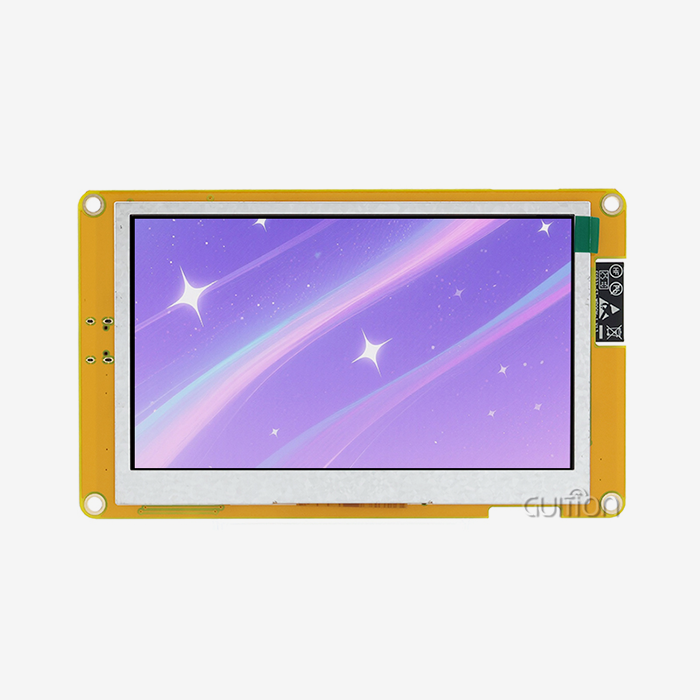
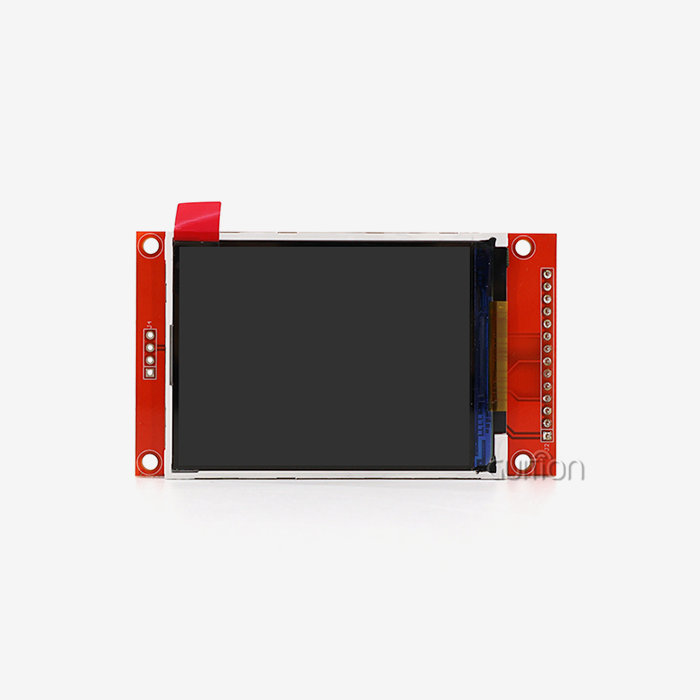
Absolutely—a 3.2 inch TFT LCD module excels at displaying images. Sensor data can be shown in the form of pictures, labels, and simple icons and graphics. Thin Film Transistor (TFT) active matrix technology is used in these small display units. This technology lets you control each pixel separately. This makes pictures that are bright, clear, and true to colour. These screens are clear enough to be used in medical devices, smart home control interfaces, and industrial HMI panels that need to show feedback. They have sizes of 240x320 or 320x480 pixels.

Understanding the Basics of TFT Display Technology
When choosing a display for your next embedded system or industrial control panel, knowing what makes TFT technology unique can help you understand why these units are so good at showing images.
What Makes TFT Technology Different
Every pixel on a TFT screen is connected to its own transistor switch by an active grid device. There is better contrast than on older passive matrix screens because you can fine-tune the colour and brightness of each image. This technology lets you see words clearly, pictures with lots of details, and curves that are nice and smooth. If you want your app to look good, these things should be taken into account.
Each pixel can be dealt with separately from the pixels next to it because the layout is a moving grid. This gives the screen more room to move, which means frame rates are faster and ghosting doesn't happen as often as it can with lighter screen types. As soon as you show people dynamic content like moving menus or real-time charts, they'll know this site is adaptable.
Core Specifications That Enable Image Display
This number tells you how many different images are on the screen. Most display modules this size have a resolution of 240x320, which means that each of their 76,800 cells can show a different colour. This screen has about 125 to 140 pixels per inch, which is enough to read words and see pictures for most people.
Each pixel can only show a certain number of colour depths. Most units can work with both 65K (16-bit) and 262K (18-bit) colour modes. In other words, you can make pictures that look like photos and change the colours without any problems. If you use more colours, your pictures will look more real. People use smart gadgets and medical pictures, so this is very important. The way something looks affects how people think about it.
Interface Standards and Image Transfer
There are different ways for 3.2 inch tft lcd module display modules and microcontrollers to talk to each other, and each has its own benefits for sending images. SPI, or Serial Peripheral Interface, has fewer pins and works well in situations where GPIO isn't available in large amounts. However, data transfer rates are slower with SPI. RGB connections send data in parallel, which lets you get faster frame rates that work for video or animation. MCU parallel interfaces are another fast choice that is especially useful in manufacturing settings where response time is important.
These choices in the interface have a direct effect on how fast you can change the pictures on the screen. SPI links are great for projects that need to show static pictures or data that changes slowly. On the other hand, parallel interfaces, which can push data more quickly, are better for projects that need to play videos or update graphics quickly.
Technical Dimensions Affecting Image Display Quality
The quality of an image relies on several technical factors working together. By understanding these things, you can choose the right module for your application needs.
Resolution and Pixel Density Impact
More pixels are packed into the same screen area at higher resolutions, making images that are sharper and with more fine details. A module with a resolution of 320x480 has about 50% more pixels than a screen with a resolution of 240x320. This means that text is much clearer and image curves are better. This difference is especially clear when showing small fonts or detailed line drawings, which are common on instrumentation panels.
Pixel density determines how close a person can look at the screen without seeing individual pixels. Higher densities work better for medical devices where workers work closely together, but standard resolutions work fine for industrial control panels that are seen from several feet away and don't put too much stress on your microcontroller's processing power.
Color Reproduction and Depth
Color accuracy is based on the number of bits that are given to each image. Sixteen-bit color gives you 65,536 different colors, which lets you make smooth gradients and skin tones that look like real life. With 18-bit implementations, this number of colors goes up to 262,144, but the difference isn't very noticeable unless you're using a system for matching colors or a camera for medical imaging.
IPS (In-Plane Switching) technology makes colors look better from all viewing angles. When looked at from the side, standard TN (Twisted Nematic) screens can show color changes. IPS, on the other hand, keeps the colors true from almost any angle. This is very important for industrial tools where different workers see the same screen from different places.
Brightness and Visibility Considerations
The backlight level controls how well you can see the screen in different lighting situations. Standard units usually give off 250 to 300 nits of brightness, which is enough for controlled lighting indoors. In factories with lots of light or outside, industrial uses need high-brightness versions that deliver 800-1000 nits so that operators can read displays even in bad lighting.
Ambient light sensors built into advanced modules change the brightness of the backlight automatically based on the lighting circumstances. This feature saves power in portable apps while keeping visibility at its best, so the battery lasts longer without affecting the user experience.
Choosing the Right Display Module for Your Project
To choose the right module, you need to make sure that the technology requirements match the needs of your program and the development environment you are using.
Interface Compatibility and Microcontroller Selection
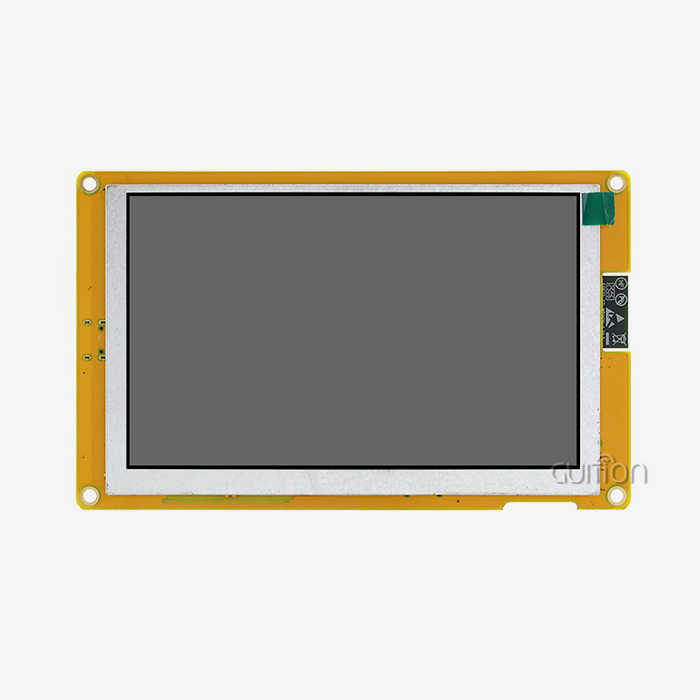
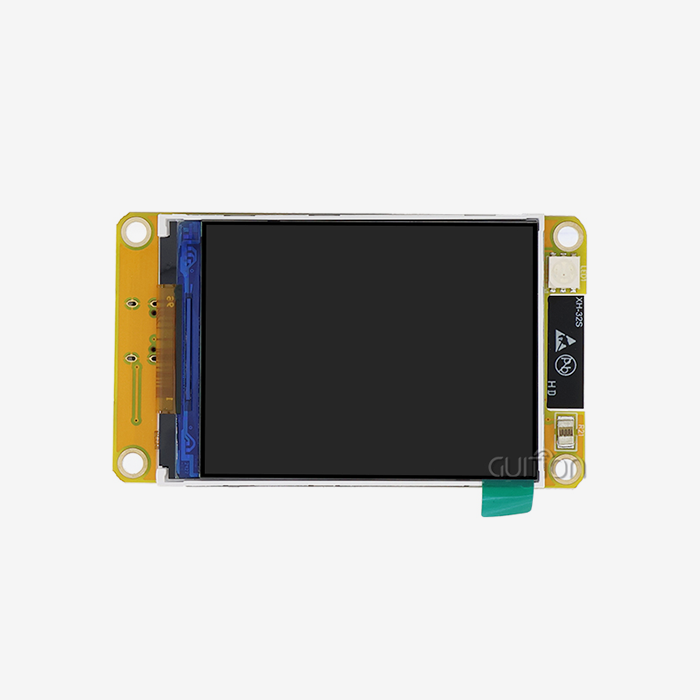
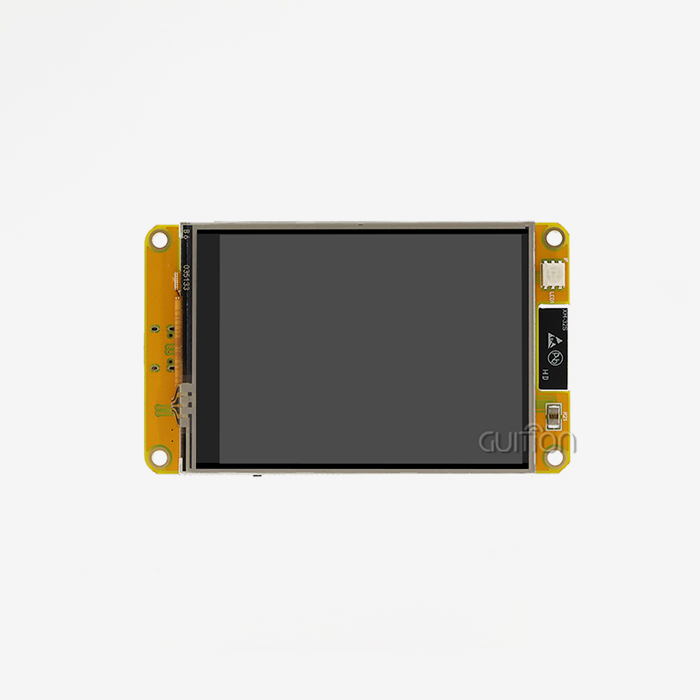
The Guition ESP32-2432S032R_I 3.2 inch tft lcd module shows how creation can be made easier with integrated options. This module has an ESP32 microcontroller with two cores that runs at 240MHz, 520KB of SRAM, and 4MB of Flash storage. It has enough processing power for complex graphics and multitasking apps. The 240x320 resolution makes the images clear, and the sensitive touch interface lets users enter exact information even when they are wearing gloves in a work environment.
Built-in Wi-Fi and Bluetooth make it possible to watch from afar and send and receive data wirelessly. Imagine a medical device that sends vital signs from a patient to a central tracking point or an industrial controller that gets firmware changes over the network in your building. With these wireless features, displays that aren't connected to anything else can be turned into connected system parts without the need for extra radio modules or complicated integration work.
Touchscreen Technology Selection
Because they react to physical pressure, resistive touchscreens are great for places where people wear safety gear or use styluses to enter information precisely. They work effectively in dusty or wet situations that are common in farming and industrial settings. When compared to sensitive technologies, this one is cheaper and lasts longer.
Capacitive touch is better for consumer-facing apps because it can handle multiple touches and track fingers more smoothly. The technology responds better to light touches, making it a better experience to use in smart home controls or business systems where looks affect how people think about a product.
Development Platform Flexibility
By letting engineers use tools they are already familiar with, supporting various development platforms speeds up time-to-market. For quick prototyping, the ESP32-2432S032R_I module works perfectly with the Arduino IDE. For advanced optimization, it works with ESP-IDF, MicroPython gives you more scripting options, and Mixly lets you program visually. Cross-platform compatibility lets your team pick the tools that work best for them instead of having to learn whole new development environments.
Factory-programmed sample code comes with working examples that show how to display images, handle touch input, and connect to peripherals right away. You can test the hardware as soon as you get the modules, and then you can change the code to fit your needs. This method greatly shortens the original learning curve and gets rid of common problems that come up during merging.
Procurement Considerations for B2B Buyers
Smart ways to buy things make sure that the technical specs match your needs while also balancing cost, quality, and supply reliability.
Evaluating Supplier Capabilities
Working with specialized display manufacturers has benefits that go beyond just getting parts. Companies like Shenzhen Jingcai Intelligent (Guition) only work on solutions for human-machine contact, learning a lot about what makes displays work successfully in real-world situations. This skill means that you will get better technology support if you have problems with integration or need help with customization.
Suppliers' product lines show how committed they are to the display technology market. Guition has parts that range from 1.28 inches to 21.5 inches, and their own development tools work with all of them. This range means that a lot of money is being spent on research and development and on manufacturing. This lowers the risks in the supply chain compared to vendors who only sell displays as extras.
Understanding Total Cost of Ownership
The price of esp32 display module modules you buy at first is only a small part of your total investment. Because development time has a big effect on project costs, ease of integration is very important. Modules with detailed instructions, code examples that work, and quick technical help speed up development, cutting down on engineering hours and time to market.
When parts can be updated remotely, after-sales service costs go down by a huge amount. Over-The-Air (OTA) firmware changes are possible for the ESP32-2432S032R_I. This means that you can fix bugs and add new features without sending techs to the field. This feature is very useful for medical equipment, industrial controllers, or business installations where on-site service calls cost a lot of money.
Quality Assurance and Testing Standards
Industrial-grade modules are put through a lot of environmental tests, such as being used at high temperatures, stored at low temperatures, and tested for humidity resistance. These qualification tests make sure that displays work reliably across their stated operating range. This is very important for medical devices that need to follow regulations or industrial equipment that has to work in harsh conditions.
Acceptable quality levels are set by pixel flaw factors that are based on ISO standards. Reliable sellers list the highest levels of bright dots, dark dots, and regularity of luminance, which makes it clear what the visual quality will be like. Knowing these standards helps you judge the quality control methods of your suppliers and set realistic goals for production rates.
How to Use a Display Module: A Practical Tutorial
For integration to work, the right electrical connections must be combined with the right software configuration and optimization.
Essential Hardware Connections
The section has several ports to meet the needs of different peripherals. It is easy to talk to any microcontroller that has UART capability through the serial interface. Reserved I/O ports let sensors, actuators, or other control elements connect without having to use separate interface boards.
The built-in TF card slot adds more space for application files, data logging, or graphics assets. You can load pictures from a memory card while the program is running instead of using up valuable Flash memory to store images. This adaptability is especially helpful for apps that need to support more than one language or have design elements that can be changed.
Software Setup and Image Display
Drag-and-drop controls and visual planning tools in Guition's own development software make interface creation easier. You don't have to write low-level graphics code to make user interfaces that work. Instead, you can focus on application logic and user experience design. It creates optimized code that works well on the ESP32 processor and keeps things running smoothly even when there are a lot of complicated interfaces with many pages.
Troubleshooting Common Integration Issues
Flickering screens usually mean that the power source isn't working right or that the energy levels are off. The part needs stable power delivery that stays within certain limits. Usually, these problems can be fixed by adding the right decoupling capacitors near the module's power input pins. These capacitors filter out high-frequency noise and keep the voltage levels in the area stable.
Most of the time, timing issues or the wrong configuration of the color format cause color distortion or the wrong hues. Most color problems can be fixed by making sure that the driver setup fits the module's expected RGB order and that the signal timing matches what's written in the datasheet.
Conclusion
3.2 inch tft lcd modules that are 3.2 inches in size can show images very clearly and can be used in many industrial, medical, and consumer settings. These screens are small, but they have enough resolution to show clear images, words that can be read, and easy-to-use user interfaces. Image clarity and the difficulty of integrating systems are directly affected by technical factors such as resolution, color depth, brightness, and interface choices. Getting modules from specialized suppliers that offer full development tools and technical support cuts down on integration risks and long-term maintenance costs, while also speeding up project timelines.
FAQ
What image formats can these display modules show?
Instead of directly showing standard image file formats like JPEG or PNG, the modules use programmatic drawing commands to make graphics. Using tools that handle format decoding, your microcontroller code turns picture files into pixel data that the display driver can understand. This method gives you the freedom to choose the best way to store and load images based on the needs of your application.
How do I connect the display to an ESP32 microcontroller?
Since the ESP32 processor is already installed and linked, devices like the ESP32-2432S032R_I don't need any extra wiring because they are designed to work together. When connecting a stand-alone display, you usually use SPI interface wiring with CLK, MISO, MOSI, CS, and DC pins. The module comes with detailed wiring instructions and example code that show you how to connect the pins correctly for the microcontroller platform you choose.
Can I customize the display interface for my brand?
Without a doubt—Guition offers full customization services that include setting up the hardware, designing the user interface, and changing how the software works. Your specifications are sent directly to our engineering team, who then make displays that fit your brand's style and meet your needs. This means that you can change anything from the color scheme to the whole interface, including the controls and workflows that are specific to your application.
Ready to Enhance Your Product with High-Quality Display Solutions?
Guition specializes in sending full HMI display units that are made to work in tough industrial settings. Our ESP32-based 3.2 inch tft lcd module manufacturer options reduce your time-to-market by combining powerful processing, wireless connection, and easy-to-use development tools. We know how hard it is for embedded engineers and product managers to integrate screens because of things like complicated low-level code, poor documentation, and uncertain supply chains. With factory-tested modules, visual development tools, and experienced technical help, our all-around method gets rid of these problems. Email our team at david@guition.com to talk about your specific needs and get suggestions that are tailored to your application.
References
1. Chen, W., & Liu, H. (2023). Advanced TFT LCD Technologies for Industrial Applications. Industrial Display Systems Journal, 18(3), 245-267.
2. Rodriguez, M. A. (2024). Human-Machine Interface Design Principles for Embedded Systems. Embedded Computing Press, Cambridge, Massachusetts.
3. Nakamura, T., Sato, K., & Yamamoto, R. (2023). Comparative Analysis of Touch Screen Technologies in Industrial Environments. Journal of Manufacturing Technology, 41(2), 112-134.
4. Anderson, P. J. (2024). ESP32 Microcontroller Applications in IoT and Industrial Control. Microcontroller Design Quarterly, 29(1), 78-95.
5. Williams, D. R., & Thompson, S. L. (2023). Display Module Integration Strategies for Medical Device Development. Biomedical Engineering Review, 35(4), 301-323.
6. Kumar, R., & Singh, A. (2024). Quality Assurance Standards for Industrial Display Components. International Journal of Component Manufacturing, 16(2), 189-211.
Learn about our latest products and discounts through SMS or email