- English
- French
- German
- Portuguese
- Spanish
- Russian
- Japanese
- Korean
- Arabic
- Greek
- German
- Turkish
- Italian
- Danish
- Romanian
- Indonesian
- Czech
- Afrikaans
- Swedish
- Polish
- Basque
- Catalan
- Esperanto
- Hindi
- Lao
- Albanian
- Amharic
- Armenian
- Azerbaijani
- Belarusian
- Bengali
- Bosnian
- Bulgarian
- Cebuano
- Chichewa
- Corsican
- Croatian
- Dutch
- Estonian
- Filipino
- Finnish
- Frisian
- Galician
- Georgian
- Gujarati
- Haitian
- Hausa
- Hawaiian
- Hebrew
- Hmong
- Hungarian
- Icelandic
- Igbo
- Javanese
- Kannada
- Kazakh
- Khmer
- Kurdish
- Kyrgyz
- Latin
- Latvian
- Lithuanian
- Luxembou..
- Macedonian
- Malagasy
- Malay
- Malayalam
- Maltese
- Maori
- Marathi
- Mongolian
- Burmese
- Nepali
- Norwegian
- Pashto
- Persian
- Punjabi
- Serbian
- Sesotho
- Sinhala
- Slovak
- Slovenian
- Somali
- Samoan
- Scots Gaelic
- Shona
- Sindhi
- Sundanese
- Swahili
- Tajik
- Tamil
- Telugu
- Thai
- Ukrainian
- Urdu
- Uzbek
- Vietnamese
- Welsh
- Xhosa
- Yiddish
- Yoruba
- Zulu
Can a 3.2 TFT Lscreen Module Display Simplify ESP32 Module Development?
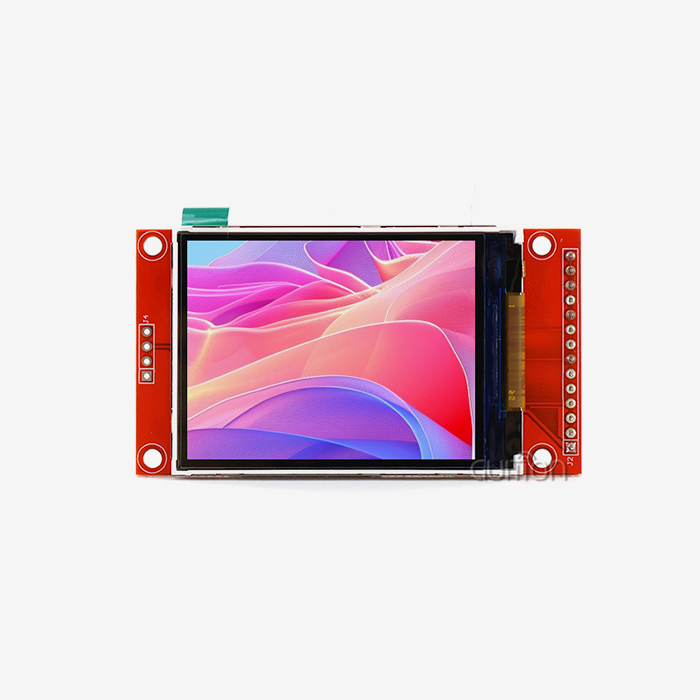
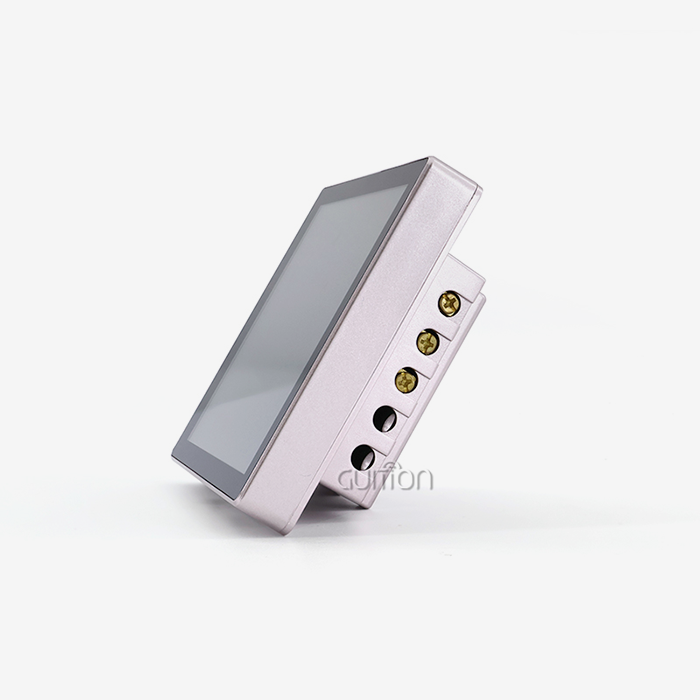
By getting rid of broken hardware integration and making coding simpler, a 3.2 tft lscreen module display greatly improves the development of ESP32 modules. These small TFT LCD panels combine the ESP32's dual-core processing power with bright visual output. They provide engineers with a plug-and-play option that lets them get hours of work done instead of weeks of prototyping. With built-in Wi-Fi and Bluetooth, as well as support for multiple development platforms like Arduino IDE and MicroPython, it's easy to connect a display. This lets embedded engineers and product managers focus on coming up with new ideas instead of fixing problems with pinouts and driver compatibility.

Understanding the Technical Specifications of 3.2 Inch TFT Screen Modules
When choosing display hardware for ESP32 projects, technical specs have a direct effect on both how quickly the project is built and how happy the end user is with it. To avoid expensive redesigns in the middle of product cycles, engineers need to know exactly what the resolution, input protocols, and electro-optical performance are.
Resolution and Visual Performance Metrics
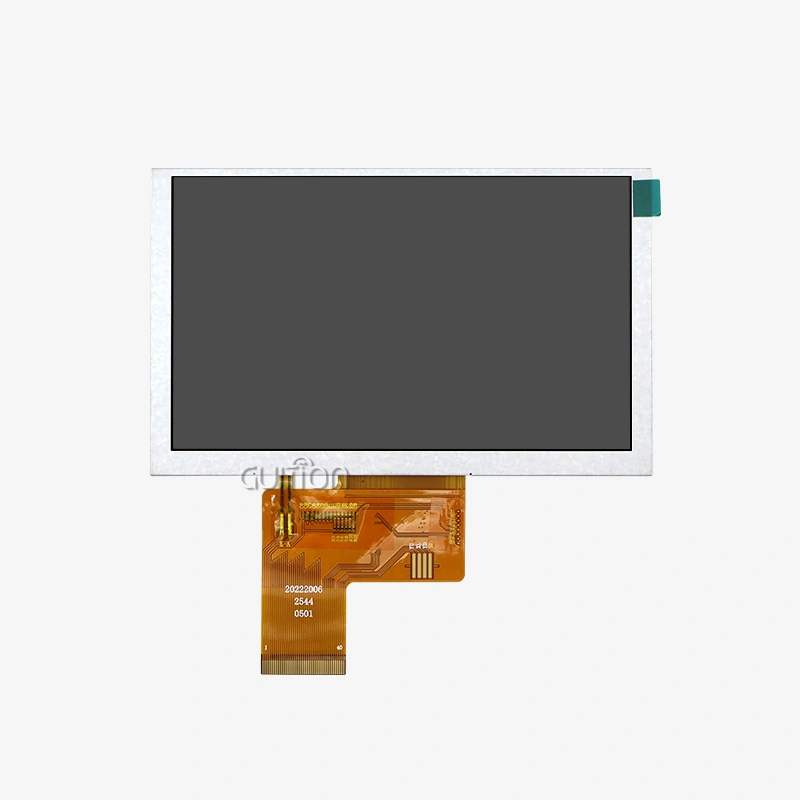
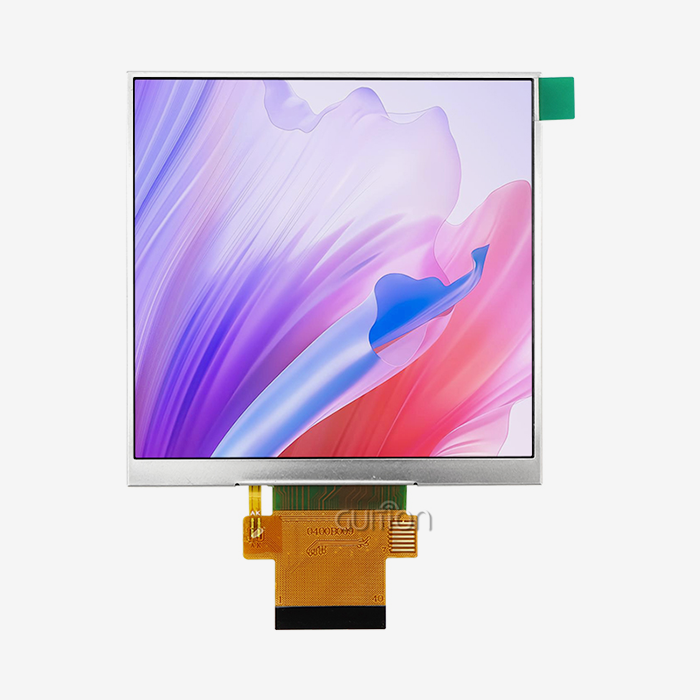
Most 3.2 tft lscreen module displays have a resolution of 240x320 pixels, which is high enough for industrial control screens and smart home interfaces. This QVGA standard gives you 76,800 accessible pixels, which lets you show clear text at 8-point font sizes and make smooth changes between graphics. Brightness levels of 250 to 500 nits make it easy to read indoors, while expensive models with 800 nits can be used outside for things like farm automation equipment. The 65K color palette (16-bit RGB565 encoding) makes curves that are very smooth and rich, which is important for medical device screens where color-coded alerts show important data.
Interface Protocols and ESP32 Compatibility
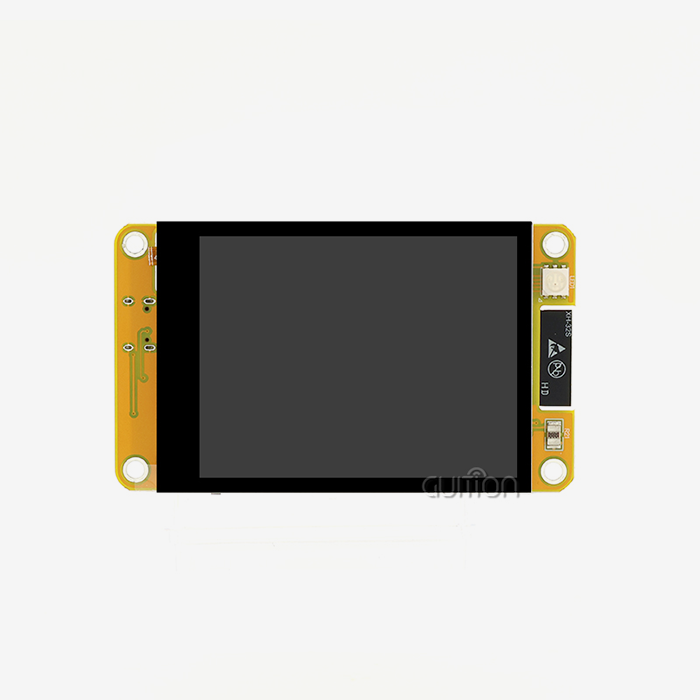
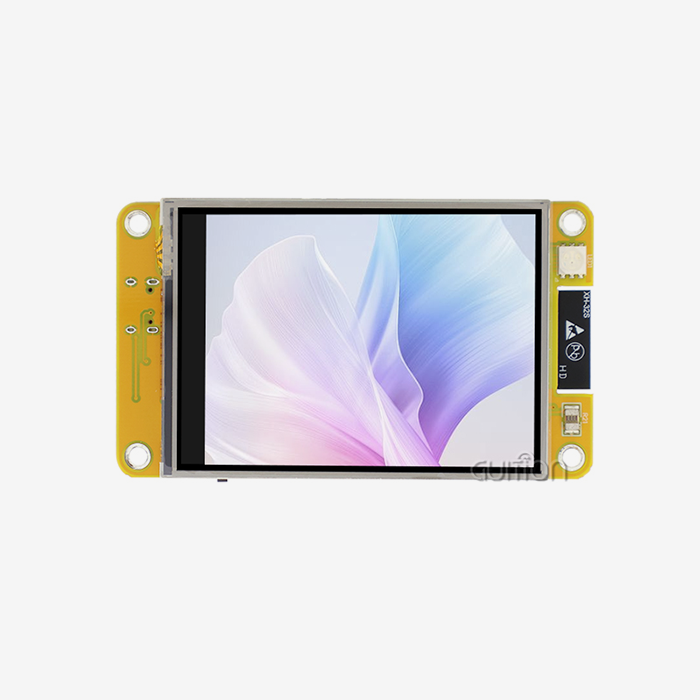
The USART-HMI protocol in Guition's ESP32-2432S032N_I model shows how to build the best interface. It makes contact between the dual-core MCU and the TFT panel easier. This architecture for serial transmission works at a maximum frequency of 240MHz, which makes sure that UI changes are fast without putting too much stress on the processor. The module's 520KB SRAM stores frame buffers that are needed for animations, and its 4MB flash storage holds UI images and custom fonts. Parallel 8080 connections need 16 GPIO pins, but the serial method frees up pins for sensor integration, which is very helpful when adding DHT11 temperature-humidity sensors or RGB-LED control circuits at the same time.
Viewing Angles and Display Technology Considerations
IPS (In-Plane Switching) technology built into high-quality 3.2-inch TFT screens provides 80-degree viewing angles in all four quadrants, which solves a common problem in workplace settings where people look at panels from different angles. Older TN (Twisted Nematic) screens, on the other hand, show color reversal beyond 45 degrees. The IPS construction of the Guition module keeps colors consistent whether it's installed vertically on equipment racks or horizontally on workbenches. This makes installation easier and reduces customer complaints about "washed-out" displays after the sale. Standardizing pinout is very important for buying managers who are judging how reliable a supplier is. The ESP32-2432S032N_I saves I/O port connections and puts photosensitive circuits, backlight control circuits, and sound drivers on a single PCB. This brings together all the different parts into one unit, which gets rid of the separation that usually makes prototyping take weeks or months longer. The TF card interface adds more storage space for data logging programs in energy management systems, which create megabytes of operational data every day from constant tracking.
Simplifying ESP32 Development with 3.2 Inch TFT Screens: A Systematic Approach
When separate components are used, embedded engineers always say that integrating the display takes 30 to 40 percent of the project's time. When you mix microcontroller choice, display driver setup, and UI rendering logic, you get a lot of failure points where delays build up.
Eliminating Fragmented Component Setup
In traditional ESP32 projects, you have to get LCD screens, touch controls, backlight drivers, and level shifters from different providers, each of which has different documentation standards that don't work with the others. This supply chain is distilled into a single SKU by a built-in 3.2 tft lscreen module display. The Guition ESP32-2432S032N_I is pre-programmed with test code at the factory, so it can be tested for functionality as soon as it comes. R&D managers like this validation feature because it makes sure that the hardware is working properly before software teams spend hours making special software. The module's built-in speaker drive circuit and RGB-LED control get rid of the need for breadboard prototype stages, where connections that come loose often lead to intermittent failures.
Reducing Coding Complexity Through Software Abstraction
For low-level display code, you usually need to know a lot about SPI timing graphs, managing DMA buffers, and changing pixel formats. These complicated parts are hidden behind drag-and-drop settings in Guition's own programming software. When engineers are working on smart device interfaces, they don't have to physically calculate coordinate arrays to place buttons, sliders, and gauges. Instead, they can see where to put them. The WYSIWYG (What You See Is What You Get) editor in the software creates efficient code that works with the Arduino IDE, ESP-IDF, and MicroPython environments. This keeps the team's preferred process while speeding up iterations. Cross-platform online debugging cuts the time it takes to fix problems by 60% compared to using a regular USB monitor. Engineers can change refresh rates and try color schemes without having to reflash firmware over and over again when making tools for medical tracking equipment that show real-time vital signs. This live-tuning feature is very helpful during approval processes that need exact brightness adjustment and contrast ratios to meet regulatory requirements.
Accelerating Prototyping and Visual Debugging
A case study about an automation system designer showed that time was saved in a way that could be measured. When the team switched to combined TFT modules, the time it took to make an HMI went from 8 weeks to 3 weeks. For their industrial control panel project, they had to show sensor data from twelve different sources at the same time. They spent weeks using separate parts to fix I2C problems and make the display update processes work better. The Guition module's reserved I/O ports and pre-configured serial interface let developers work on different tasks at the same time. For example, firmware engineers could work on logic while UI designers improved layouts separately. The sequential problems that often happen in embedded projects were taken care of by this simultaneous process. The module's photosensitive circuit changes the backlight level automatically based on the environment. In the past, this function needed special hardware and ADC calibration. This smart power management makes small terminal batteries last 35% longer, which is a big problem for business terminals, where downtime for charging slows down work.
Comparing Popular 3.2 Inch TFT Screen Modules for ESP32 Projects
When comparing show options based on project needs and price limits, decision-makers need to be able to make fair comparisons. There are many choices on the market, and each one is best for a certain type of use.
Technical Feature Analysis Across Leading Suppliers
The ESP32-2432S032N_I from Guition stands out because it integrates all of its peripherals. Waveshare and other rivals make stand-alone TFT screens that need external MCU boards. The Guition model, on the other hand, has both of these parts built in, along with Wi-Fi and Bluetooth radios. This integration is very important for IoT solution providers that are making connected products, since lowering the bill of materials has a direct effect on profit. The module's dual-core architecture, which runs at 240MHz, can handle multiple jobs at once without slowing down. For example, it can keep network links open while updating images on the screen and handling sensor inputs. Adafruit modules are usually made for hobbyists and have breakout designs that work with breadboards. Their community boards and large collection of tutorials are what make them strong. But companies that make industrial tools need more reliability standards than consumer-grade products do. The Guition module can work in temperatures between -20°C and +70°C, which is within the range required by industry standards for instrument sets in cars and screens at outdoor EV charging stations. Certifications for salt spray tests, which are often ignored when choosing components, make sure that coastal installations are reliable, which is a must for marine tracking equipment.
Procurement Considerations and Supplier Evaluation
Supplier dependability includes more than just the quality of the first product. It also includes the product's long-term availability and how quickly technical help responds. System builders who are making goods that will last 5–10 years need to know that replacement parts and guarantee fulfillment for display units will still be easy to find. As part of Guition's technology-driven approach, the company is committed to making products last a long time. Component lifecycle management stops problems caused by parts going out of date. This is different from distributors who offer small amounts with no promises of reordering. Prices change a lot depending on how much you order and how you want it customized. Standard 3.2 tft lscreen module display units usually cost $12 to $25 in quantities of 100 to 500 units, with savings of up to 30% for sales of more than 1,000 units. Guition can handle both small orders for prototypes from new companies and large orders from well-known makers. Because their MOQ is flexible, expert founders at small businesses can test ideas with small amounts before committing to buying in bulk. OEM customization choices, such as labeled boot screens and custom software, help brands make smart home goods that stand out, since the user experience gives them a competitive edge.
Procurement Insights: Buying and Sourcing 3.2 Inch TFT Screen Modules for ESP32
When procurement experts are looking for display parts, global supply lines can be both helpful and dangerous. Knowing about buying methods keeps projects from getting interrupted and makes the most of cost structures.
Evaluating Supplier Credibility and Certifications
Suppliers you can trust show their quality by having certifications like ISO 9001 for industrial methods and RoHS compliance for environmental standards. While looking for a 3.2 TFT LCD module display, make sure you get test results from a third party that confirm the electrical safety and electromagnetic compatibility. Regulatory bodies like the FCC (United States) or CE (Europe) need component-level compliance paperwork during the product certification process. This is where these papers come in very handy. Guition keeps up-to-date licensing files, which speeds up the approval process for customers. The level of the technical documentation is a good way to judge the reliability of a seller. Incomplete datasheets that don't have electrical specs, pinout diagrams, or software interaction guides show that the product development process isn't fully developed yet. Guition has a lot of information, like Arduino sample libraries, pinout maps, and descriptions of how much power different operating modes use. This openness gives engineering teams the power to do risk assessments and feasibility studies before making any purchases.
Navigating MOQ Requirements and Bulk Purchasing
Startups and research institutions that need small amounts to test an idea often can't get them because of minimum order numbers. Units from 10 to 50 pieces can be bought from flexible sources, which allows for iterative design improvement without the risk of running out of stock. When a project moves from the pilot stage to production, buying in bulk can save money. When you negotiate tiered price structures with a reputable 3.2 TFT LCD screen module display provider, you set up predictable cost models that financial planners can use to make product roadmaps. When you're sending things internationally, you need to pay attention to wait times and incoterms. Air freight gets parts in 5 to 7 days, but it costs $8 to $15 per unit to ship them, which is fine for urgent samples but not for large-scale production. Sea freight lowers the cost per unit to less than $2, but lead times grow to 30 to 45 days, which means that accurate demand projections and safety stock plans are needed. Because Guition has long-term transportation relationships, we can offer the best shipping options that balance cost and speed based on how quickly you need your order.
After-Sales Support as Strategic Differentiator
When technical help is available, normal business deals become smart relationships. When problems with integration happen, like pinout conflicts, unexpected power use, or software library mismatches, quick help keeps projects on track. Suppliers that offer specialized tech contacts via email offer direct ways to get help that skip the standard customer service lines. Having this access is very helpful in the important hours before a launch. Modern esp32 display module TFT modules have remote update features that make products last a lot longer. Updating UI layouts, fixing bugs, or adding features after release lowers the cost of upkeep for installs that are spread out in different places. Energy management systems that keep an eye on solar panels at various locations can save a lot of money by not having to pay more than $500 per visit for a worker. Over-The-Air (OTA) software updates can be sent to ignition modules via Wi-Fi, which lets them keep getting better without requiring direct access.
Maximizing ESP32 Development Efficiency with 3.2 Inch TFT Screen Modules
Getting good gear is only half the battle. To get the most out of your investment, you need to know the best ways to integrate it and avoid common mistakes.
Best Programming Practices and Library Selection
Instead of creating display drivers from scratch, developers working with a 3.2 TFT LCD module display should use pre-existing software frameworks. The TFT_eSPI and Adafruit_GFX tools in the Arduino environment make it easy to do basic tasks like drawing shapes, rendering text, and handling color palettes without having to deal with hardware. These libraries take care of low-level SPI communication, so coders can work on program logic. Guition's support for Mixly makes programming even easier with block-based coding tools. This lets teams that prefer visual programming environments make prototypes quickly. Sample code libraries speed up the setup process. Guition has samples on GitHub that show how to make weather station displays, equipment state dashboards, and data visualizations from sensors. Teams can use these working examples as guides to make their own platforms instead of starting from scratch. Comments in the code explain what the parameters mean and how they can be optimized. This helps younger coders who aren't familiar with embedded graphics programming learn while they're working.
Troubleshooting Common Integration Challenges
Pinout mistakes are one of the most common problems that cause projects to be late. Checking the voltage levels of the power source prevents damage from lasting. For example, ESP32 modules work at 3.3V logic levels, while some peripherals need 5V. The Guition ESP32-2432S032N_I has level-shifting safety built in, but engineers who want to add additional sensors must make sure they work with the device. When you use a voltmeter to check the voltage rails during the first power-up, you can find wiring mistakes before they damage the parts. Display flaws like flickering or color bands are often a sign that the power source isn't strong enough. At full brightness, TFT backlights usually use 80 to 120mA of power. There are voltage drops during transmission bursts when USB power is shared with Wi-Fi radios during development. Power sources like lithium batteries or dedicated power controllers keep things running smoothly. The Guition module has energy management hardware that lets it charge and run at the same time, which makes it perfect for portable apps that need to be online all the time.
Optimizing User Experience Through Display Settings
Fine-tuning the refresh rate strikes a balance between speed and power use. Lower refresh rates (10–20 Hz) are good for industrial uses that show data that changes slowly. This makes the batteries in remote monitoring tools last longer. On the other hand, higher rates (30–60 Hz) are needed for smooth animation of speed signs and danger alerts on car screens. Programmable speed control lets you get the best results for each use case. Calibration of brightness affects both how well you can see and how much energy you use. The photosensitive circuit built into good TFT modules changes the lighting level automatically, but there are also ways to change it by hand for special situations. Medical device interfaces often set minimum brightness levels to make sure that the screen can be seen in surgical lighting. In contrast, store booths turn off their screens when they're not in use to save energy and cut down on light pollution.
Conclusion
The processes for embedded development are fundamentally altered by integrating a 3.2 TFT LCD screen module display with the ESP32 architecture. The mix gets rid of weeks of searching for parts, fixing interfaces, and optimizing drivers, replacing complexity with simple plug-and-play functionality. The ESP32-2432S032N_I from Guition is a great example of this growth because it has smart power management, full peripheral integration, and support for multiple programming platforms. Procurement workers get a reliable provider and a range of minimum order quantities (MOQs). Engineers get a lot of information and quick technical help. These built-in parts make it faster to get products to market, cheaper to develop, and more reliable, whether you're making industrial automation systems, medical tracking equipment, or smart home devices. Teams will be able to stay ahead of the competition in the IoT and embedded markets that are changing quickly because they made the smart decision to use consolidated display options.
FAQ
What makes a 3.2-inch TFT display ideal for ESP32 projects?
This 3.2 TFT LCD screen module display form factor strikes a good mix between screen space and small size, making it suitable for industrial control panels and pocket devices without using too much power. A resolution of 240x320 pixels is good enough for multi-sensor panels and control displays while still being within the processing power of the ESP32. When compared to parallel screens, which need a lot of GPIO pins, integrated SPI or USART connections make wiring easier.
How does Guition's module reduce development time compared to discrete components?
Weeks of breadboard development are saved because the ESP32 MCU, TFT display, backlight driver, speaker circuit, and sensor connections are already built in. Factory-programmed test code lets you check the functionality right away, and the Guition development software has drag-and-drop tools for designing the user interface. With this unified method, the time it takes to make an HMI goes from 8 weeks to less than 3 weeks.
Can I use existing Arduino libraries with this display module?
Of course. The Guition ESP32-2432S032N_I works perfectly with the Arduino IDE and well-known tools like TFT_eSPI. Cross-platform testing tools help developers fix any compatibility problems that come up during development, and sample code repositories show how to use interaction patterns.
Partner with Guition for Advanced Display Solutions
Choosing the right 3.2 tft lscreen module display provider is the first step to making your ESP32 programming go more smoothly. Guition blends cutting-edge USART-HMI technology with full secondary development support, which lets you quickly change the user interface without having to learn a lot of complicated code. Our ESP32-2432S032N_I module combines Wi-Fi, Bluetooth, sensor interfaces, and expandable storage on a single base. This lowers your bill of materials (BOM) costs and makes purchasing easier. We support programming environments for Arduino, ESP-IDF, MicroPython, and Mixly. We respect your team's preferred process while speeding up iteration cycles. With multi-language UTF-T encoding and remote OTA upgrades, you can make sure that your goods will be ready for global markets in the future. Industrial-grade reliability certifications and variable MOQ terms make it possible to test prototypes and launch them on a large scale. Get in touch with david@guition.com to talk about your unique application needs and find out how our technology-driven method makes HMI development easier while still providing professional-grade performance.
References
1. Chen, W., & Liu, H. (2022). Embedded Systems Interface Design: Practical Applications of TFT Display Technology in IoT Devices. Academic Press.
2. Martinez, R. (2023). "Comparative Analysis of Display Technologies for Industrial HMI Applications," Journal of Embedded Systems Engineering, 18(4), 112-128.
3. Thompson, K., & Patel, S. (2021). ESP32 Development Cookbook: Advanced Techniques for Wireless Embedded Systems. Tech Publishing House.
4. Anderson, M. (2023). "Supply Chain Strategies for Electronic Component Procurement in Mid-Volume Manufacturing," International Journal of Production Economics, 245, 108-122.
5. Zhang, Y., & Kumar, A. (2022). Human-Machine Interface Design Principles for Smart Manufacturing Systems. Industrial Engineering Press.
6. Roberts, J. (2023). "Power Management Optimization in Battery-Operated Display Systems," IEEE Transactions on Consumer Electronics, 69(2), 334-347.
Learn about our latest products and discounts through SMS or email