- English
- French
- German
- Portuguese
- Spanish
- Russian
- Japanese
- Korean
- Arabic
- Greek
- German
- Turkish
- Italian
- Danish
- Romanian
- Indonesian
- Czech
- Afrikaans
- Swedish
- Polish
- Basque
- Catalan
- Esperanto
- Hindi
- Lao
- Albanian
- Amharic
- Armenian
- Azerbaijani
- Belarusian
- Bengali
- Bosnian
- Bulgarian
- Cebuano
- Chichewa
- Corsican
- Croatian
- Dutch
- Estonian
- Filipino
- Finnish
- Frisian
- Galician
- Georgian
- Gujarati
- Haitian
- Hausa
- Hawaiian
- Hebrew
- Hmong
- Hungarian
- Icelandic
- Igbo
- Javanese
- Kannada
- Kazakh
- Khmer
- Kurdish
- Kyrgyz
- Latin
- Latvian
- Lithuanian
- Luxembou..
- Macedonian
- Malagasy
- Malay
- Malayalam
- Maltese
- Maori
- Marathi
- Mongolian
- Burmese
- Nepali
- Norwegian
- Pashto
- Persian
- Punjabi
- Serbian
- Sesotho
- Sinhala
- Slovak
- Slovenian
- Somali
- Samoan
- Scots Gaelic
- Shona
- Sindhi
- Sundanese
- Swahili
- Tajik
- Tamil
- Telugu
- Thai
- Ukrainian
- Urdu
- Uzbek
- Vietnamese
- Welsh
- Xhosa
- Yiddish
- Yoruba
- Zulu
Best HMI Display Modules for Industrial Automation
Professionals must think about things like processing speed, connectivity choices, and development freedom when choosing the best hmi display module for industrial automation. In modern factories, people and machines need to be able to communicate in complex ways that can handle rough circumstances and still work reliably. As HMI technology has improved, new solutions have come out with dual-core processors, wireless connections, and easy-to-use software tools that make it much faster for industrial apps to get their products to market.
Understanding HMI Display Modules: Core Concepts and Features
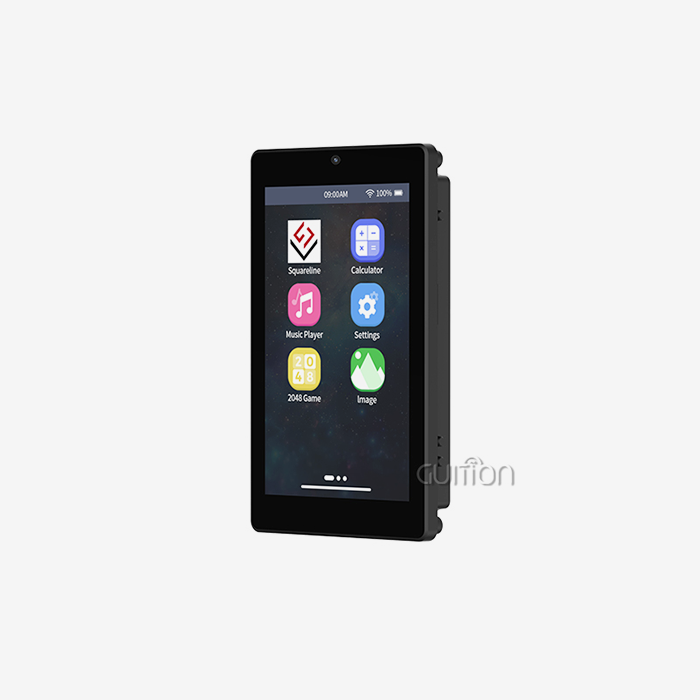
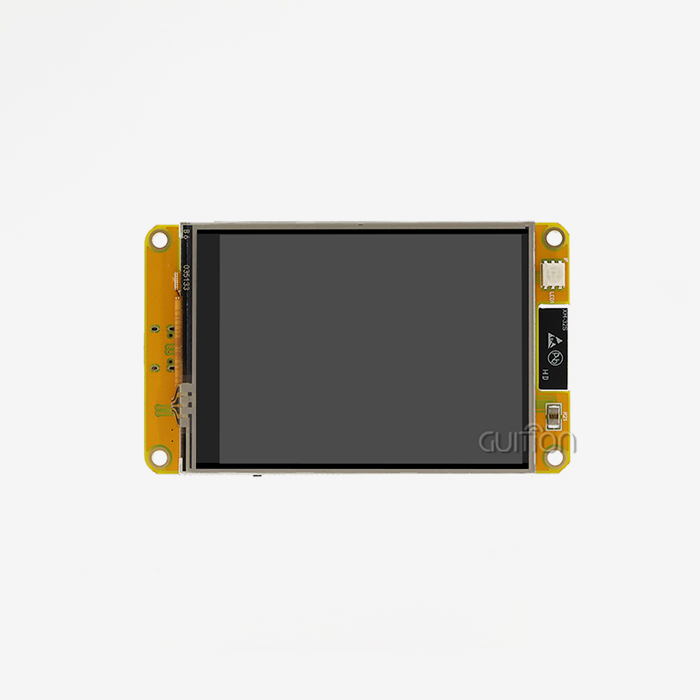
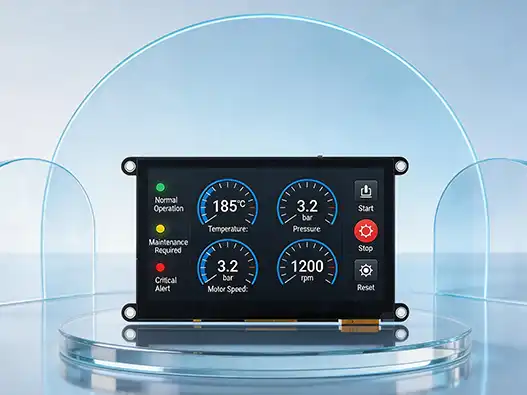
An HMI Display Module is a complex combination of display technology, processing power, and communication standards that are made to work in industrial automation settings. Unlike regular touchscreens, these units have built-in controllers, memory systems, and communication ports that make it easy to connect them to industrial equipment.
Essential Components and Architecture
These days, HMI Display Modules have many important parts that all work together. The core processing unit handles user interface display, connection protocols, and processing data in real time. There are two types of display technology: resistive touch systems and sensitive touch systems. Depending on the needs of the application, each has its own benefits. When workers wear gloves or are exposed to electromagnetic interference, resistive touch screens work best. Capacitive systems, on the other hand, are faster and can handle multiple touches.
These modules' communication backbones work with several industrial standards, such as UART, RS485, and CAN bus. This lets them connect directly to programmable logic controls and other automation equipment. Memory design usually has both volatile and non-volatile storage. This lets complicated user interfaces, data logging, and configuration storage work without needing to connect to the outside world.
Performance Specifications and Environmental Considerations
Industrial-grade HMI modules can work in a wide range of temperatures, usually from -20°C to +70°C. Some specialized units can even work in even harsher conditions. Vibration resistance, electromagnetic compatibility, and ingress protection scores make sure that the device will work reliably in harsh industrial settings.
Brightness levels range from 300 nits for indoor use to over 1000 nits for outdoor viewing and are an important part of display quality. Different modules have a wide range of resolution options. Newer modules can handle high-definition screens that make the user experience better and improve the accuracy of data visualization. When LED backlighting systems are added, they provide steady lighting while keeping energy savings high over long business hours.
Top HMI Display Modules for Industrial Automation
There are a number of well-known companies in the industrial automation market that offer complete HMI systems that can be adjusted to meet the needs of different operations. Leading brands have made specialized goods that meet the needs of certain industries while still working with older systems.
Market-Leading Solutions and Their Capabilities
With their SIMATIC panel line, which is built to last and fully integrates software, Siemens continues to lead the industrial automation market. These units work great in complicated manufacturing settings where system stability and a lot of connection choices are very important. Their panels allow for advanced diagnostics and easy connection to larger Siemens control platforms.
Allen Bradley, which is a name of Rockwell Automation, makes PanelView line products that are known for being very durable and easy to program. These tools work well with ControlLogix and CompactLogix systems, making creation easier for engineers who already know how Rockwell's ecosystem works. When it comes to industries with strict safety rules, like food processing and the car industry, their goods really shine.
Emerging Technologies and Innovative Features
Advantech is known for its modular approach to developing HMIs, which lets it give solutions that can be changed to fit different business needs. Their WebOP series combines traditional HMI features with modern web-based tools. This lets you watch and handle things from afar, which is in line with Industry 4.0 goals.
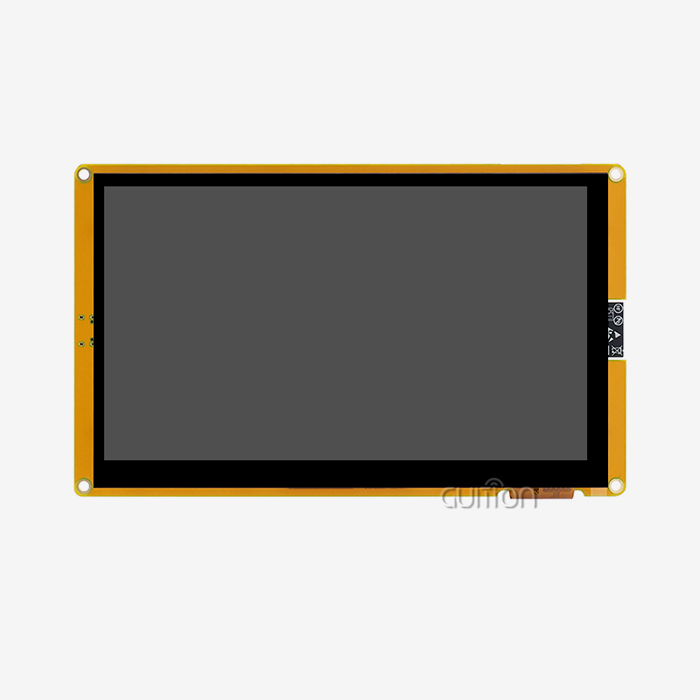
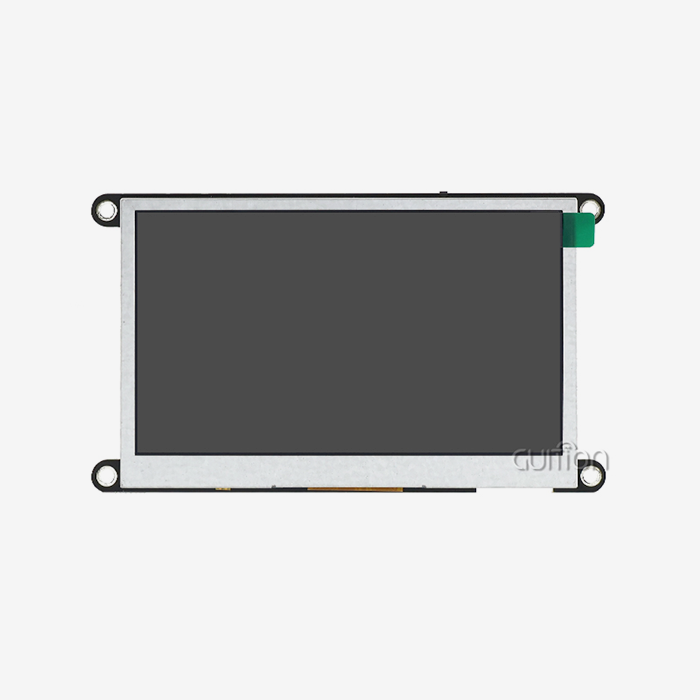
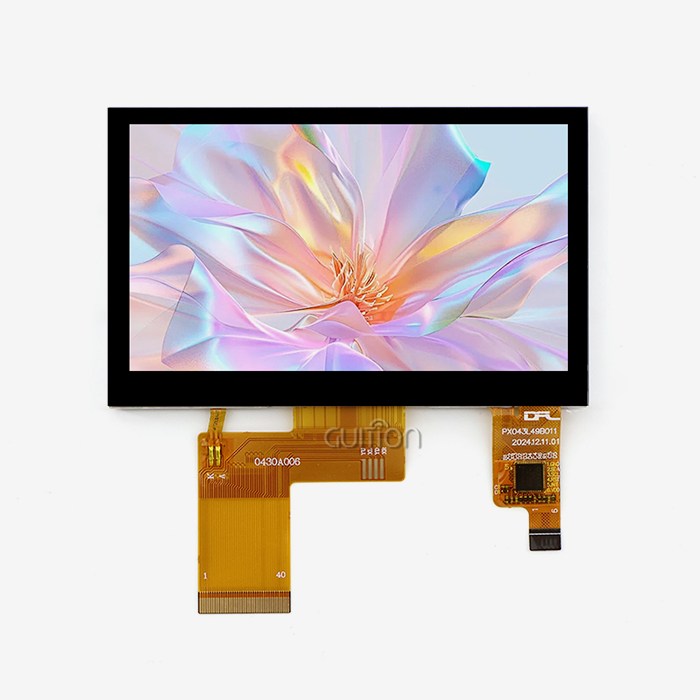
Engineering professionals who want advanced working power and development freedom will find the GUITION JC4827W543C_I to be a great choice. This module has the powerful ESP32-S3R8 dual-core processor running at 240MHz, which makes it perfect for making user interfaces that are very complicated. Built-in Wi-Fi and Bluetooth make it possible for wireless connection methods that make setup easier and wiring less complicated. This module's 4.3-inch screen has a resolution of 480x272 and works with several programming environments, such as Arduino IDE, ESP IDF, MicroPython, and the company's own Guition platform. It can accommodate a wide range of engineering tastes while still being cost-effective.
How to Choose the Right HMI Display Module for Your Industrial Needs?
To choose the right HMI technology, you need to carefully look at the business needs, the surroundings, and the integration limitations. Professionals in procurement have to balance the needs of instant functionality with long-term upkeep and scalability.
Environmental and Operational Assessment
There are special problems that come up in industrial settings that affect the factors used to choose an HMI. Extreme temperatures, oxygen levels, chemical contact, and mechanical vibrations can all shorten the life of an HMI Display Module and make it less reliable in its performance. Outdoor facilities need displays with high brightness and anti-reflective coatings. Indoor facilities can use displays with normal brightness levels and focus on color accuracy and viewing angles.
When there is heavy machinery, welding, or radio frequency equipment in a building, electromagnetic interference needs to be carefully thought out. When there is a lot of electrical noise around, modules with better EMI shielding and differential signals keep transmission safe. Touch sensitivity adjustment features let workers wear safety gear while keeping external factors from causing false activations.
Integration and Development Considerations
Communication protocol compatibility decides how hard it is to integrate and how flexible a system will be in the long run. Modern HMI modules work with many different types of communication standards, so they can connect to a wide range of automation equipment without the need for protocol adapters or extra interface hardware. The availability of complete development tools and technical data has a big effect on how long it takes to implement and how much upkeep is needed regularly.
Different makers have very different software development tools. Some offer drag-and-drop interface builders, while others need you to use traditional computer methods. Modern development environments are shown by the GUITION platform, which supports multiple computer languages and comes with pre-loaded test programs that speed up the process of making prototypes. This gives tech teams the freedom to keep working on projects the way they normally do while also trying out new features like online updates and support for multiple languages.
Emerging Trends and Future Outlook of HMI Display Modules in Industrial Automation
More smart, connected, and flexible systems are being added to industrial technology all the time. Improvements in HMI technology are a reflection of larger trends in digitization, integrating AI, and edge computing.
Connectivity and IoT Integration
Wireless connection has changed how HMIs are deployed, allowing placements in places that couldn't be reached before while lowering the cost of infrastructure. Wi-Fi and Bluetooth make it easier to talk to mobile devices, which lets you do remote troubleshooting and setup changes without having to physically access the equipment. This connection also helps with projects that collect data that is used by larger industrial IoT platforms.
Edge computing integration lets HMI units process and analyze data locally, which makes them less reliant on centralized systems and speeds up response times. Based on usage data, machine learning algorithms can look at trends in how operators act, guess what maintenance will need to be done, and find the best plans for user interfaces.
Advanced User Interface Technologies
Multitouch and motion recognition make it possible to connect with devices in ways other than pressing buttons. These improved input methods make the operation easier to understand and require less training for new workers. Voice control integration lets users use the device without using their hands, which is useful in places where their hands are busy with other chores.
Augmented reality graphics and 3D visualization make maintenance and troubleshooting easier by putting information about the situation right in front of the user. These technologies connect digital computer systems to real-world machines, making operations run more smoothly and with fewer mistakes.
Troubleshooting and Maintenance Best Practices for HMI Display Modules
Effective repair plans keep unexpected downtime to a minimum and make tools last longer. By learning about common failure modes and putting preventative measures in place, you can protect operating stability and lower long-term costs.
Common Issues and Diagnostic Approaches
Loss of brightness, color changing, or dead pixels that build up over time are common signs of display degradation. Regular checks of color consistency and brightness help find problems early on, before they affect operations. Problems with touch perception are often caused by dirt, electromagnetic interference, or wear and tear on the touch sensor layer.
Communication problems between HMI modules and linked equipment are often caused by worn-out cables, corroded connectors, or electromagnetic interference. Protocols for testing data quality and inspecting cables help find problems before they get bad enough to break the system. During repair, backup contact lines and redundant systems keep operations running smoothly.
Preventive Maintenance Protocols
Cleaning regularly gets rid of built-up dirt and grime that can affect the display's brightness and touch sensitivity. Monitoring the environment helps find situations that make parts age faster, so protection steps can be taken before they break. When you update your firmware, it fixes security holes and adds new features that make the system more useful.
Documenting setup settings and backup processes makes it possible to get back up and running quickly after a component fails. Maintenance workers who go through training programs can make diagnoses more accurately and cut down on fix times. When internal resources aren't enough, vendor support ties give you access to specialized knowledge and new parts.
Conclusion
Choosing the right HMI Display Module technology has a big effect on how well, reliably, and cheaply industrial automation works. These days, modern options like the GUITION JC4827W543C_I show how advanced processing power, wireless connectivity, and adaptable software platforms can meet a wide range of business needs at a low cost. To be successful, you need to carefully weigh working needs, environmental conditions, and integration limitations against the need for long-term upkeep and expansion. As industrial automation moves toward smarter and more connected systems, HMI technology will continue to be an important way for people to control automatic equipment.
FAQ
What distinguishes an HMI Display Module from standard touchscreen panels?
HMI Display Modules have special controls, industrial transmission methods, and software that is made to work in automation settings. These units are different from consumer touchscreens because they can handle high temperatures, electromagnetic interference, and mechanical movements while still being able to communicate with industrial equipment in real time. They have features like protocol adapters, local data storage, and a construction that is tough enough to be used in industrial settings.
How do I ensure compatibility with existing automation systems?
These days, HMI units work with many types of transmission protocols, such as UART, RS485, Modbus, and CAN bus, so they can be connected to a wide range of automation equipment. The GUITION JC4827W543C_I supports a lot of development platforms, like the Arduino IDE and the ESP IDF, so it can be used by people with a wide range of programming tastes. Integration problems can be avoided during execution by checking that the protocols are compatible and that the electrical link meets the requirements.
What maintenance requirements apply to industrial HMI systems?
For best performance, regular upkeep includes cleaning the display, checking the connectors, and updating the firmware. Monitoring the environment helps find situations that make parts age faster. The GUITION platform and other modular systems make maintenance easier by making it clear where each part belongs and by giving you a lot of monitoring tools that cut down on the time it takes to figure out what's wrong.
Partner with Guition for Advanced HMI Display Module Solutions
Through creative engineering and full development support, Guition offers cutting-edge HMI Display Module technology that changes the way industrial automation interfaces work. Our JC4827W543C_I module is a great example of how dedicated we are to giving you powerful, adaptable solutions that cut down on the time it takes to create while still ensuring reliable performance in tough industrial settings. Our modules meet the changing needs of current automation systems with built-in Wi-Fi and Bluetooth connectivity, support for multiple software platforms, and powerful ESP32-S3R8 processing power. As a reputable HMI Display Module maker, we offer full technical paperwork, quick customer service, and low prices that make your automation projects a great value. Talk to David at david@guition.com about your unique needs and find out how our advanced HMI solutions can help your industrial automation.
References
1. Industrial Automation and Control Systems: Principles and Applications, 3rd Edition, by Frank Lamb, McGraw-Hill Education, 2019.
2. Human-Machine Interface Design for Industrial Control Systems: A Comprehensive Guide, IEEE Industrial Electronics Society, 2023.
3. Modern HMI Technologies in Manufacturing: Performance Analysis and Selection Criteria, Journal of Manufacturing Systems, Volume 67, 2023.
4. Industrial Display Technologies: Market Analysis and Future Trends Report, Automation World Research Institute, 2024.
5. Best Practices for HMI Design in Industrial Automation: Safety, Efficiency, and User Experience, ISA Standards and Practices Board, 2023.
6. Wireless Connectivity in Industrial HMI Systems: Implementation Strategies and Case Studies, Control Engineering Magazine, Annual Technology Review, 2024.
Learn about our latest products and discounts through SMS or email