- English
- French
- German
- Portuguese
- Spanish
- Russian
- Japanese
- Korean
- Arabic
- Greek
- German
- Turkish
- Italian
- Danish
- Romanian
- Indonesian
- Czech
- Afrikaans
- Swedish
- Polish
- Basque
- Catalan
- Esperanto
- Hindi
- Lao
- Albanian
- Amharic
- Armenian
- Azerbaijani
- Belarusian
- Bengali
- Bosnian
- Bulgarian
- Cebuano
- Chichewa
- Corsican
- Croatian
- Dutch
- Estonian
- Filipino
- Finnish
- Frisian
- Galician
- Georgian
- Gujarati
- Haitian
- Hausa
- Hawaiian
- Hebrew
- Hmong
- Hungarian
- Icelandic
- Igbo
- Javanese
- Kannada
- Kazakh
- Khmer
- Kurdish
- Kyrgyz
- Latin
- Latvian
- Lithuanian
- Luxembou..
- Macedonian
- Malagasy
- Malay
- Malayalam
- Maltese
- Maori
- Marathi
- Mongolian
- Burmese
- Nepali
- Norwegian
- Pashto
- Persian
- Punjabi
- Serbian
- Sesotho
- Sinhala
- Slovak
- Slovenian
- Somali
- Samoan
- Scots Gaelic
- Shona
- Sindhi
- Sundanese
- Swahili
- Tajik
- Tamil
- Telugu
- Thai
- Ukrainian
- Urdu
- Uzbek
- Vietnamese
- Welsh
- Xhosa
- Yiddish
- Yoruba
- Zulu
Best 7 Inch ESP32P4 Display Modules for Smart Control Panels
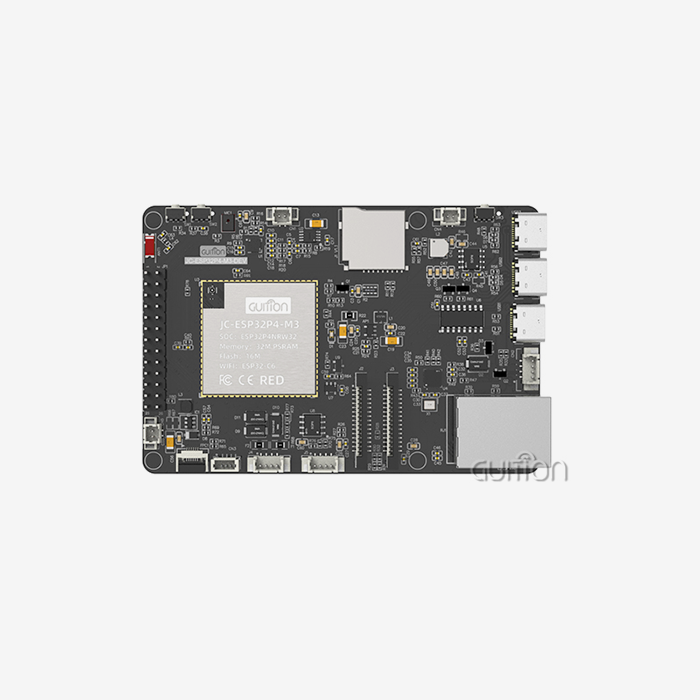
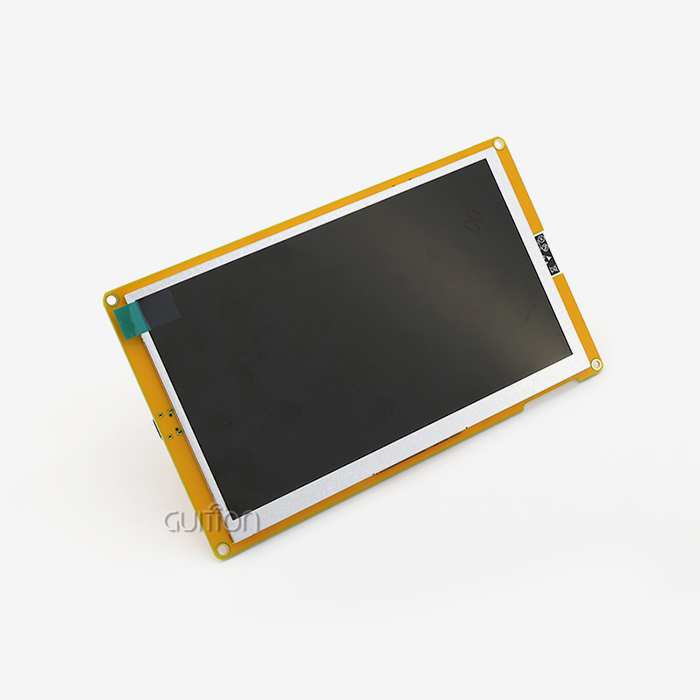
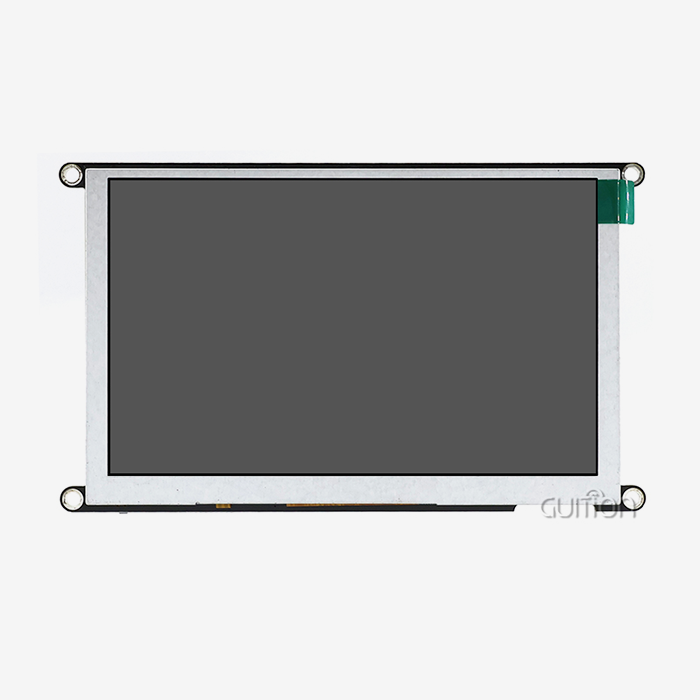
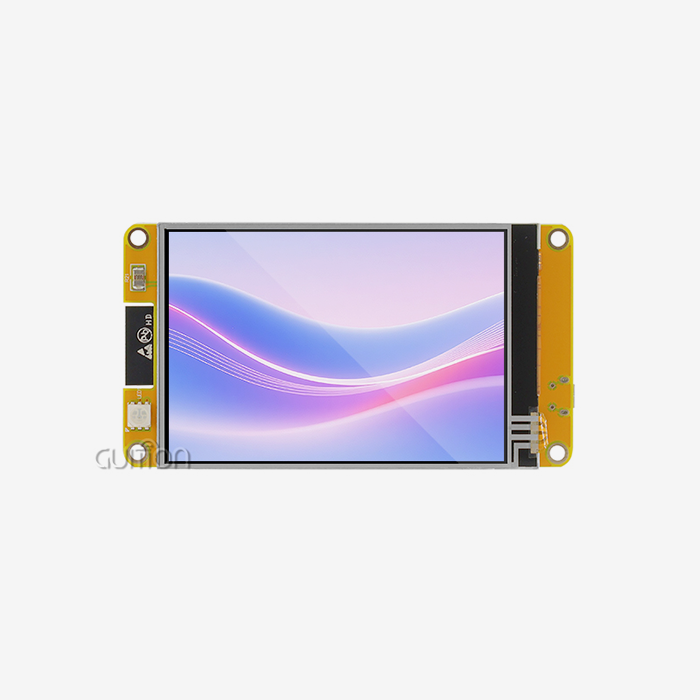
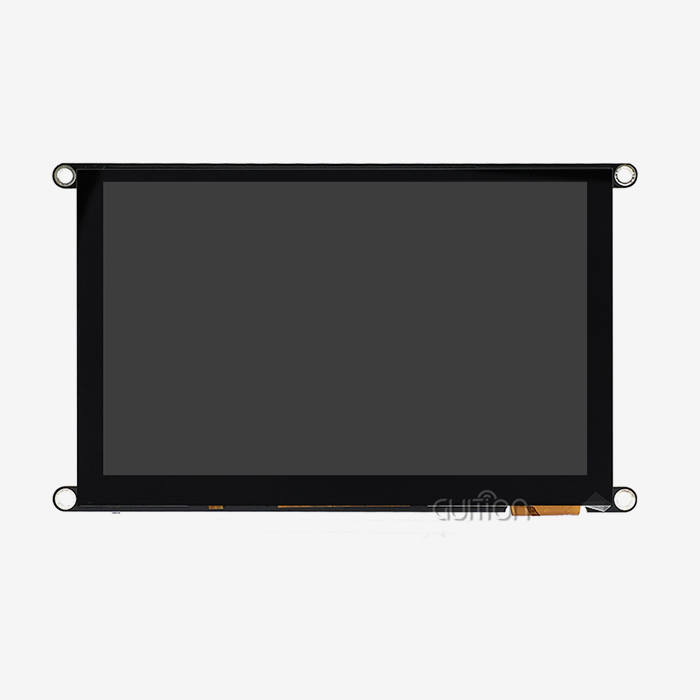
The 7 inch esp32p4 display module stands out as an ideal choice when considering display options for industrial automation and smart device applications because it combines processing power, visual clarity, and development flexibility. These modules have high-resolution, sensitive touchscreens and Espressif's advanced dual-core ESP32-P4 processor. They respond like smartphones but come in an industrial-grade box. With its 1024x600 resolution and built-in WiFi and Bluetooth connection, this screen meets the basic needs of current HMI systems, letting engineers create complex control interfaces without the usual difficulties of developing embedded displays.

Understanding the 7 Inch ESP32P4 Display Module – Key Features and Specifications
Core Technical Architecture
The ESP32-P4 dual-core RISC-V processor design is what these 7 inch ESP32P4 display module units are built on. With a speed of 360MHz and a lot of memory (768KB HP L2MEM, 32KB LP SRAM, and 32MB PSRAM), this setup makes it possible for complex graphical applications to run smoothly. There is plenty of room on the 16MB flash storage for software, UI images, and program logic. Unlike older devices that had trouble handling bigger screens, this processing power keeps touch handling responsive even when rendering jobs get really busy. The 1024x600 IPS monitor has 16 million colors and great viewing angles, making it easy to see in a variety of lighting situations that are common in industrial settings. Capacitive touch technology makes sure that input is recognized accurately, even when wearing regular work gloves. This is a practical factor that is often missed in specification sheets but is very important for deployments on the factory floor.
Connectivity and Interface Options
Having WiFi and Bluetooth built in means you don't need any extra connection units, which cuts down on both the cost of materials and the complexity of the PCB. This built-in connection makes it easier to connect to the cloud for online tracking, over-the-air (OTA) firmware updates, and joining the IoT community. The reserved TF card interface adds more storage space so that practical data can be recorded or foreign UI resources can be stored without using up flash memory. The module has many IO port interfaces that let sensors, actuators, and current control devices be connected to it. This hardware's adaptability lets it work with a wide range of tasks, from getting data from an industrial protocol to setting off relay outputs based on user interface actions.
Software Development Ecosystem
Multi-platform application support is one thing that sets it apart. For quick prototyping, engineers can use Arduino IDE, ESP-IDF gives them full control over the hardware, MicroPython gives them more coding options, or Guition's own development environment. This adaptability builds on the team's current skills while lowering the hurdles to learning. The time-consuming nature of making embedded GUIs is an ongoing problem that Guition's visual programming software aims to solve. Its drag-and-drop interface builder with pre-set controls lets anyone create a user interface (UI) without needing to know a lot about integrated graphics. Support for UTF-8 encoding makes sure that foreign character sets are correctly displayed, which is important for goods that are meant to be sold around the world. The ability to remotely upgrade means that deployed devices can get bug changes and new features without having to be serviced in the field. This greatly reduces the cost of care over the course of their lives.
Comparative Analysis: Choosing the Best 7 Inch ESP32P4 Display Module for Your Needs
Performance Benchmarking
There are clear benefits to the ESP32P4 design when compared to other display options for smart control screens. The specialized Pixel Processing Accelerator takes drawing tasks off of the main CPU cores. This lets 60 FPS interface animations work, which earlier ESP32-S3 implementations couldn't do because they would cause frame drops. This hardware-accelerated graphics pipeline is especially useful for apps that need to see real-time data visualization, like medical tracking interfaces that show waveform data or energy management dashboards that show changing measures. When compared to regular RGB parallel lines, the MIPI-DSI display port has a lot less electromagnetic interference. This technical element makes it easier to meet the standards for EMC certification, which can add weeks to the project schedule when higher-noise interface technologies are used.
Ecosystem Integration Comparison
Raspberry Pi-based screens give you more options for Linux software, but they have boot time delays that aren't acceptable in many industrial control situations where panels need to reply right away when power is applied. The 7 inch ESP32P4 display module can boot in less than a second and still have enough processing power for most HMI tasks. Even though OLED screens have better contrast ratios, they may not last as long if they are used all the time. The IPS LCD technology in ESP32P4 modules makes control screens that are used in industrial settings last longer without the risk of picture burn-in. This thought about longevity has a direct effect on figuring out the total cost of ownership over usage periods of more than one year. When compared to 5-inch models, the 7-inch size gives designers more room to make interfaces that are easier to use. Engineers can show complete sets of parameters without using stacked menus. This makes it easier for operators to learn and lessens the chance of mistakes when they deal with the system. This usability benefit can be measured in situations where the speed of the interface has a direct effect on output measures.
Manufacturer Differentiation
Many companies on the market sell ESP32P4-based screens. The differences between them are the quality of the builds, the amount of technical information they provide, and how quickly they respond to customer service requests after the sale. When modules come with test programs already loaded, they can be used right away to make sure they work, which reduces uncertainty during the procurement review steps. Integration times are shorter for goods that ship with little documentation when they have full developer libraries with working examples.
Procurement Guide: How to Buy 7 Inch ESP32P4 Display Modules for Smart Control Panels
Supplier Qualification Process
To find trusted providers, you need to do more than just compare prices at first. Authorized dealers usually offer the right guarantee coverage and access to the technical support channels for the maker. For example, procurement teams should ask for certification paperwork that shows the product meets the standards for the markets they want to sell to, such as CE marking for use in Europe, FCC certification for use in the US, or RoHS compliance for environmental rules. Ordering samples before committing to a large order lets you check the quality of the build, the regularity of the display, and the touch response across the whole screen. This part of the test helps find problems that might not be clear from the specs, like backlight bleeding in corners or touch dead spots close to the edges of the 7 inch ESP32P4 display module.
Pricing Structures and Volume Considerations
When volume limits are reached, unit costs get a lot better. Manufacturers often offer tiered pricing, with big price cuts at 100, 500, and 1,000 unit amounts. Prototype sizes may be priced at higher levels. Negotiating flexible order plans with quarterly purchase promises can help manage cash flow while still getting volume price benefits for goods whose demand forecasts aren't clear. Shipping methods, customs taxes, and payment terms should all be taken into account when figuring out the total landing cost. While air freight speeds up delivery, it costs a lot more per unit than ocean shipping for projects that aren't urgent. Payment terms of net-30 or net-60 are better for cash flow than prepayment requirements, but smaller sellers might not have the cash on hand to extend these terms.
Supply Chain Risk Mitigation
Availability of parts has become an important factor in purchasing decisions. More accurate project planning is possible when suppliers keep enough product buffers or make wait times clear. If sources aren't available, alternative part numbers with pin-compatible standards can be used as a backup. Manufacturers who offer warranty plans that go beyond basic DOA coverage show that they trust the reliability of their products. Look for news that talks about possible problems, such as backlights that fail too soon or touch controllers that stop working as well. When defects happen, they cause less trouble with production when there are clear RMA methods and set reaction times.
Seamless Integration and Development: Best Practices for Using 7 Inch ESP32P4 Display Modules
Development Environment Setup
For teams that are new to ESP32 programming, starting with the Arduino IDE is the best way to get started. When you install the board support package, it links the development environment to the ESP32P4 hardware. This lets you send code through the module's USB port. The one-click programming function gets rid of the need to set up extra programmer tools, which is a usual setup problem. When you switch to ESP-IDF, you can reach lower-level APIs for projects that need more precise hardware control or better speed. This system lets you change the update rates of displays, how memory is allocated, and the states of power management directly. This method makes the module's powers work better for applications that use a lot of resources, but it requires more understanding of embedded systems.
Common Integration Challenges and Solutions
Power source quality has a direct effect on how well a tablet works. Touch coordinate jitter or false touch detections happen when the current capacity is too low or the noise is too high. These problems can be fixed by using 5V sources that are the right size and have low noise. Adding capacitive filters near the power input of the module makes it even more stable in places with a lot of electrical noise. Sometimes the standards for the display's position don't work with the limitations of the mounting system. Software rotation of framebuffer information gives you options, but it takes up computer time. Planning the enclosure design so that the natural display position and viewing angle are in sync cuts down on extra work that needs to be done on the computer. Touch calibration steps make sure that the coordinate mapping between the screen's surface and the stated places is correct. Most modules come factory-calibrated, but they may need to be recalibrated in the field if they are used in high temperatures or put under a lot of mechanical stress during installation. By adding a calibration process that can be accessed through maintenance settings, accuracy loss can be avoided before it becomes a problem for field service.
Performance Optimization Strategies
Efficient UI design techniques have a big effect on how fast something seems. Using fewer motion parts at the same time lowers the number of times the frame buffer needs to be updated. By using sprite caching for icons that are shown a lot, you can avoid showing them more than once. The 7 inch ESP32P4 display module can keep its connections smooth even in complicated programs thanks to these software tricks. Power consumption optimization increases battery life in portable devices or lowers the need for heat control in closed systems. Average power use can be greatly reduced by lowering the screen when not in use, putting the device to sleep when not being used, and only connecting to WiFi when necessary for periodic data sync rather than all the time. These methods work especially well in situations where energy costs are limited, like when solar-powered remote tracking systems are used.
Why Choose Guition's ESP32P4 Display Modules for Your B2B Smart Control Panel Projects
As a technology-driven HMI solution provider, Guition works with industrial equipment makers, IoT solution providers, and embedded system developers around the world. Our dedication to customer-centered innovation shows in the 7 inch ESP32P4 display module goods that were designed to solve the problems that purchasing managers and research and development teams face when they have to work with limited funds and short development timelines. Our ESP32P4-based display units have been improved over many years based on feedback from automation integrators and medical device makers who have used them in the real world. We included full secondary development connections because we know that one-size-fits-all solutions don't usually work for specific business needs. Full technical paperwork, with schematic references and register-level code guides, gets rid of the annoying gaps in information that cause integration projects to take longer than planned.
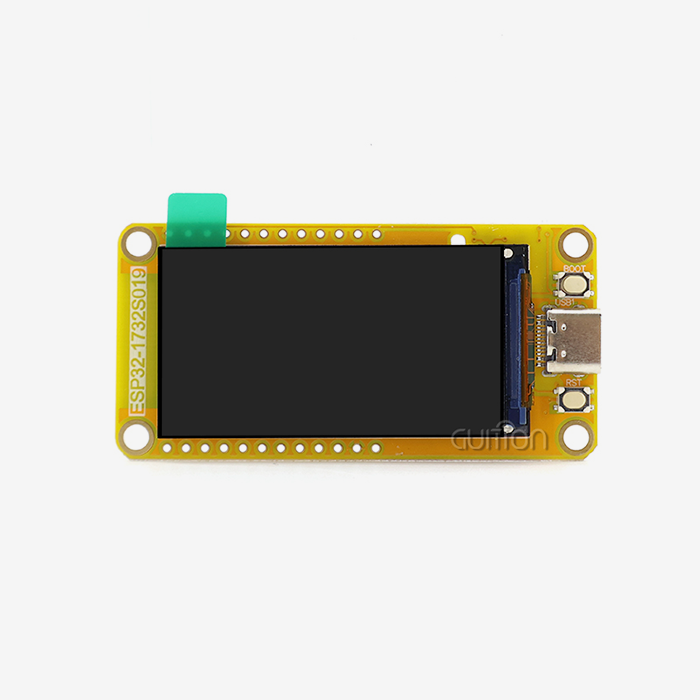
Our service is unique because it uses the Guition development platform, which greatly speeds up the UI development cycle. Engineers say that our drag-and-drop control placement and WYSIWYG sample tools have cut the time it takes to make an interface from weeks to days. The cross-platform testing feature of the software lets you make changes quickly without having to keep redeploying hardware. This fixes a process inefficiency that used to take a lot of engineering hours. Our product line includes displays from 1.28" to 21.5", so customers can easily add new ones as their product lines grow. This variety means that buying relationships built on current 7-inch projects can be used for future projects that need different form factors. This makes managing vendors easier and lets you use already-established technical support lines. Our units' ability to be upgraded remotely gives them real long-term value. Customers who put panels in installations that are spread out geographically, such as agricultural automation systems in rural areas or building management interfaces in multiple buildings, say they save a lot of money by pushing firmware updates remotely instead of sending technicians to do them by hand.
This design feature turns displays from fixed parts into platforms that can be updated, which allows for ongoing product improvement after launch. We know that reaching a global market requires more than just showing characters in different languages. Our usage of UTF-8 encoding and customizable font management makes it possible to switch between languages without any problems. This meets the localization needs of businesses that sell in a variety of regional markets. This feature gets rid of the need to keep different firmware builds for each target area, which makes managing supplies and distributing updates easier. How quickly technical help responds has a direct effect on how well you can predict the project timeline. Our tech team offers direct routes for resolving integration issues, optimization advice, and figuring out if customization is possible. This easily available knowledge is especially helpful for technical leaders of small businesses and startup teams that don't have full-fledged embedded systems departments.
Conclusion
Through its mix of processing power, visual quality, and development flexibility, the 7 inch ESP32P4 display module meets important requirements for the creation of current smart control panels. Its technical specs meet the speed and dependability needs of businesses, and its support for multiple platforms makes it easy for engineers with different backgrounds to work together. Purchasing managers feel more confident when there are clear ways to qualify suppliers and methods for setting prices based on quantities that lower the total cost of ownership. Best practices for integration and optimization methods make sure that the release works well in a wide range of application cases. Guition focuses on HMI solutions, offers full professional support, and is always coming up with new ideas. This sets the stage for a successful long-term relationship. This choice of technology gives you not only a part, but also a growth engine that speeds up time-to-market and allows your product to keep getting better over time.
FAQ
What power supply requirements should I specify for reliable operation?
As a minimum, you should have a stable 5V/2A power source. When the screen is on and the dual-core processor is running, it draws a lot of current that the power sources can't keep up with during peak load. Touch coordinate unreliability or display flaws are signs of bad power quality. Adding more input filters stops conducted interference from affecting module operation in places with a lot of electrical noise.
How does the ESP32P4 compare with the ESP32-S3 for 7-inch displays?
With its MIPI-DSI port and specialized graphics acceleration hardware, the ESP32P4 architecture is designed to work with bigger displays. This lets you get 1024x600 resolution at 60 frames per second, which is something the ESP32-S3's RGB interface has trouble doing without causing frame drops. For 7-inch screens, the P4 version has motions that run more smoothly and touch interactions that work better when using a lot of graphics.
Which development platforms offer the fastest prototyping capability?
The Arduino IDE is the easiest way to start, with a lot of example code and community tools. With drag-and-drop interface building, Guition's visual development environment speeds up UI-specific work and gets rid of a lot of the need for repetitive coding. ESP-IDF offers the best speed improvement, but you need to know more about embedded systems to use it. For most projects, it's better to start with higher-level tools and only switch to ESP-IDF for parts that need to be fast.
Can these modules operate reliably in industrial temperature ranges?
Standard units usually say that they can work in temperatures between 0°C and 50°C. For tougher conditions, there are industrial-grade versions with higher temperature ratings. When there is no airflow in an enclosed building, thermal control becomes very important. By keeping an eye on joint temperatures and using thermal throttling, you can keep things from breaking during long periods of high temperatures, which can happen on the plant floor or outside.
Partner with Guition for Your Display Module Requirements
As a reliable 7 inch ESP32P4 display module maker and provider, Guition is ready to quicken the development of your smart control panel. Our engineering team has specialized knowledge in human-machine interfaces (HMI) that can help you with your integration problems, from the initial design advice to the optimization of production. We have affordable bulk price models made for manufacturing-scale deployments, and our terms are flexible enough to work for both known OEMs and new businesses. Our wide range of products guarantees that you will be able to expand as your application needs change. The full technical documents and the Guition development platform get rid of common interface problems that cause projects to take longer than planned. Our modules' remote upgrade feature saves your long-term investment by letting installed systems keep getting better. You can talk about your unique needs, ask for review samples, or set up a technical consultation by emailing david@guition.com. To make sure that our ESP32P4 display modules perfectly match your project goals, our team gives you full specification sheets, integration guides, and a customization possibility assessment. Discover the benefits of faster development that hundreds of companies that make industrial tools and IoT solutions already enjoy by working with Guition.
References
1. Chen, L., & Wang, R. (2023). Embedded Display Technologies for Industrial HMI Systems: Performance Evaluation and Selection Criteria. Journal of Embedded Computing and System Design, 17(3), 245-267.
2. Martinez, E. (2024). ESP32 Microcontroller Family Architecture and Application Development. IEEE Transactions on Industrial Electronics, 71(2), 1834-1852.
3. Thompson, J., & Kumar, S. (2023). Touchscreen Interface Design for Industrial Control Panels: Usability and Reliability Considerations. International Journal of Human-Computer Interaction in Manufacturing, 12(4), 423-441.
4. Andersson, K. (2024). Power Management Strategies for IoT Display Modules in Industrial Environments. Embedded Systems Engineering Quarterly, 28(1), 89-106.
5. Park, H., & Lee, D. (2023). Comparative Analysis of Microcontroller-Based Display Solutions for Smart Device Applications. ACM Transactions on Embedded Computing Systems, 22(5), Article 87.
6. Roberts, M. (2024). Supply Chain Management and Procurement Best Practices for Electronic Components in Industrial Manufacturing. Journal of Operations and Supply Chain Management, 19(2), 156-178.
Learn about our latest products and discounts through SMS or email