- English
- French
- German
- Portuguese
- Spanish
- Russian
- Japanese
- Korean
- Arabic
- Greek
- German
- Turkish
- Italian
- Danish
- Romanian
- Indonesian
- Czech
- Afrikaans
- Swedish
- Polish
- Basque
- Catalan
- Esperanto
- Hindi
- Lao
- Albanian
- Amharic
- Armenian
- Azerbaijani
- Belarusian
- Bengali
- Bosnian
- Bulgarian
- Cebuano
- Chichewa
- Corsican
- Croatian
- Dutch
- Estonian
- Filipino
- Finnish
- Frisian
- Galician
- Georgian
- Gujarati
- Haitian
- Hausa
- Hawaiian
- Hebrew
- Hmong
- Hungarian
- Icelandic
- Igbo
- Javanese
- Kannada
- Kazakh
- Khmer
- Kurdish
- Kyrgyz
- Latin
- Latvian
- Lithuanian
- Luxembou..
- Macedonian
- Malagasy
- Malay
- Malayalam
- Maltese
- Maori
- Marathi
- Mongolian
- Burmese
- Nepali
- Norwegian
- Pashto
- Persian
- Punjabi
- Serbian
- Sesotho
- Sinhala
- Slovak
- Slovenian
- Somali
- Samoan
- Scots Gaelic
- Shona
- Sindhi
- Sundanese
- Swahili
- Tajik
- Tamil
- Telugu
- Thai
- Ukrainian
- Urdu
- Uzbek
- Vietnamese
- Welsh
- Xhosa
- Yiddish
- Yoruba
- Zulu
Are ESP32 S3 displays Better Than STM32?
B2B buyers in the medical, smart device, and manufacturing sectors all have a hard time choosing microcontroller platforms for display-driven applications. Both ESP32 S3 display and STM32 microcontrollers have a big impact in the market, but their design principles are very different. When reliability, cost-effectiveness, and the supply of parts have a direct effect on production plans and profit margins, it's important to understand these differences. Because it has two Xtensa LX7 cores running at 240MHz, the ESP32 S3 architecture focuses on wireless connection and video processing. This platform has Wi-Fi and Bluetooth 5 built in, so it doesn't have to deal with the complicated bill of materials that usually comes with making IoT devices. On the other hand, STM32 types based on ARM Cortex-M cores offer a wide range of peripherals and reliable real-time behavior that is respected in industrial control systems. There is more and more pressure on procurement teams to speed up time-to-market while keeping the supply chain stable. The choice of display module affects not only the original development costs but also the amount of ongoing assistance needed and the ability to update firmware. This comparison framework looks at technical specs, market availability, integration complexity, and real-world deployment scenarios to help make strategic sourcing decisions.

Understanding ESP32 S3 and STM32 Displays: General Overview
Espressif's third-generation wireless SoC with improved memory design is at the heart of the ESP32 S3 display environment. This platform can handle user interfaces with lots of graphics while still staying connected to the network. It has 512KB of SRAM, 384KB of ROM, and support for up to 8MB of PSRAM. Because it has two cores, developers can use one to create graphics using libraries like LVGL and the other to handle wireless connection protocols.
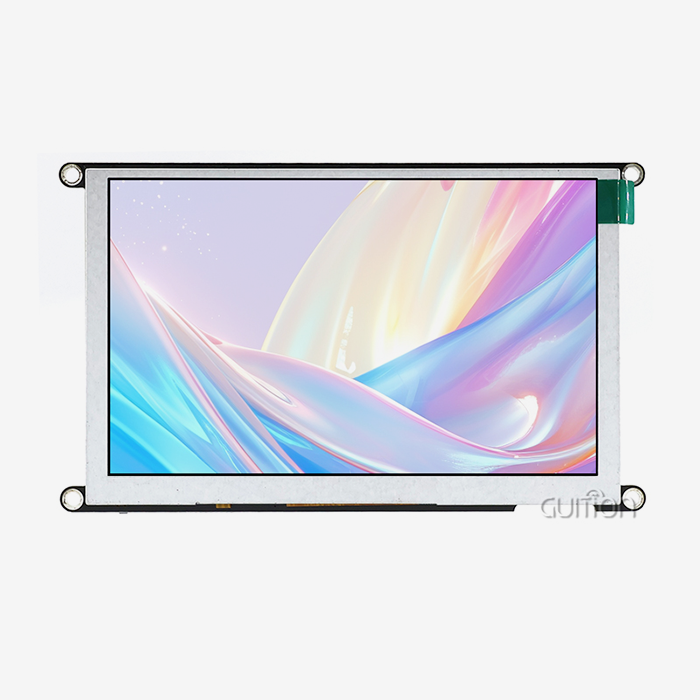
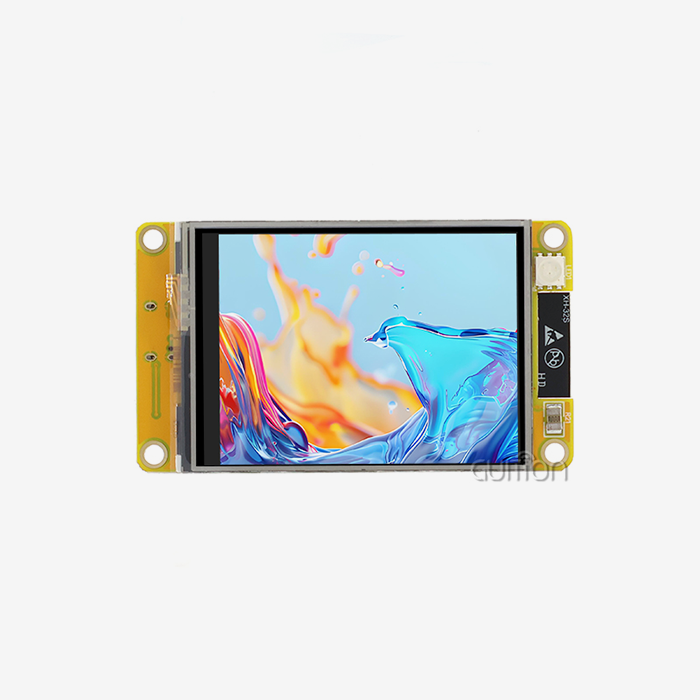
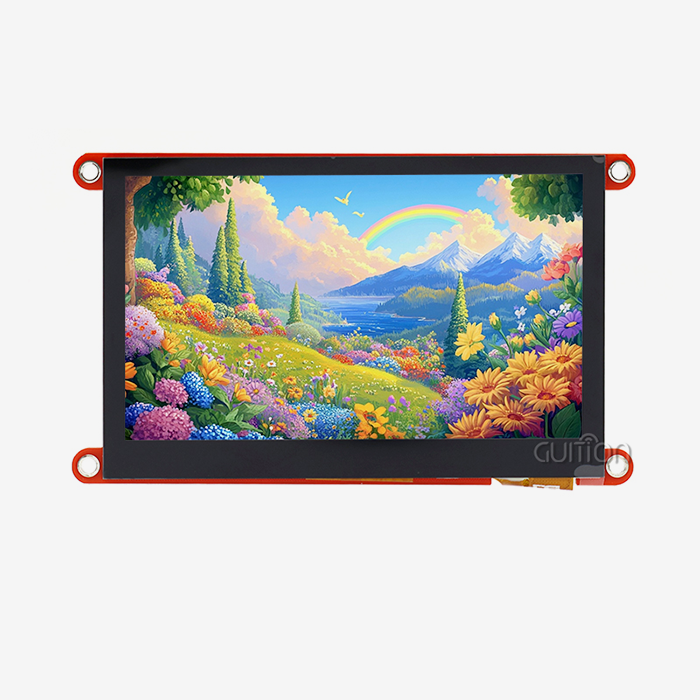
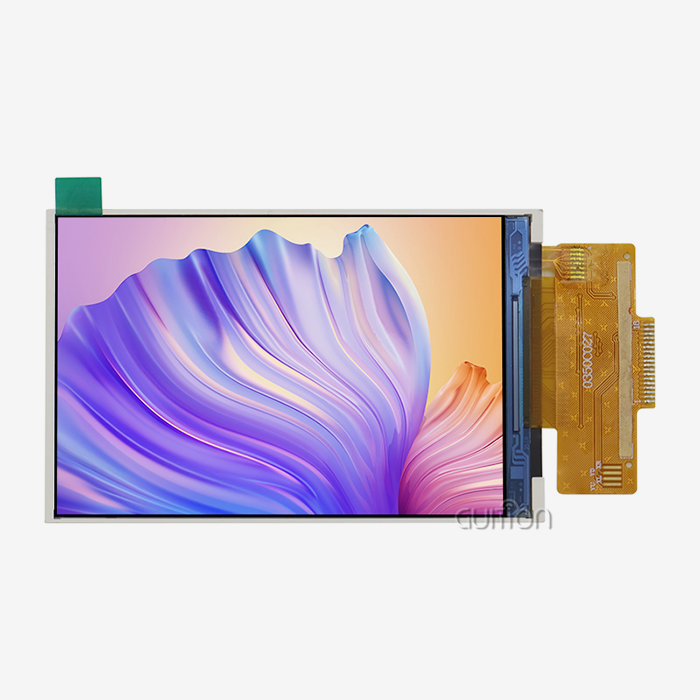
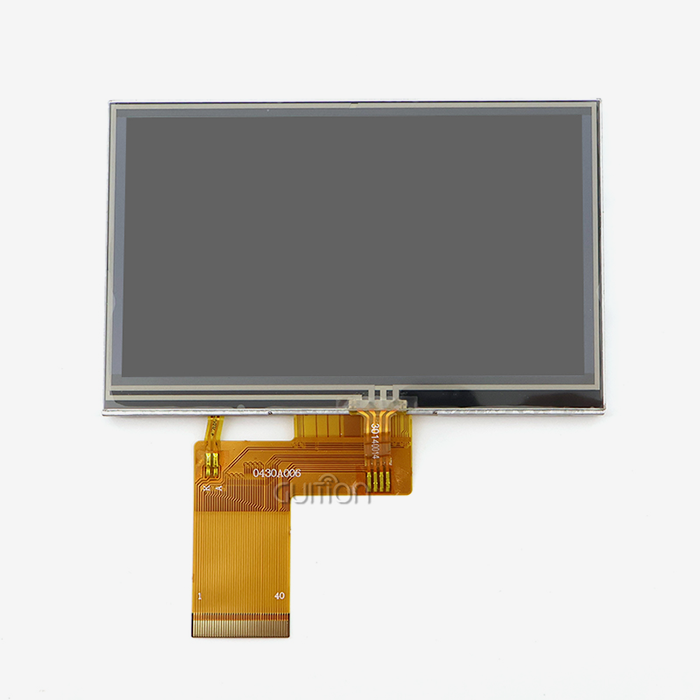
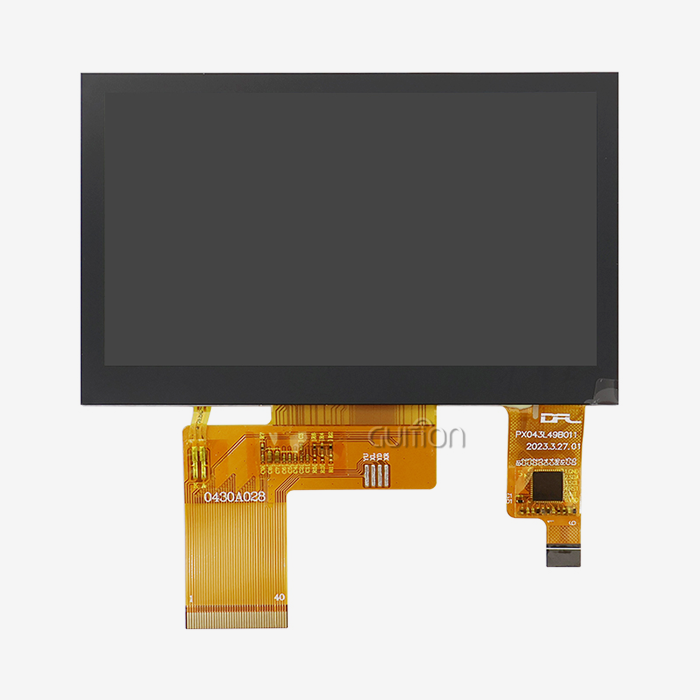
- ESP32 S3: The ESP32 S3 has display ports for SPI, I2C, and 8-bit parallel RGB565 settings. This adaptability lets different screen types work, from small OLED panels to bigger TFT displays that include sensitive touch. The Guition ESP32-4827S043N is a great example of this because it has a 4.3-inch LCD module with a resolution of 480x272 and 65K colors, as well as TF card slots for extra storage and full GPIO access for adding sensors.
- STM32 Displays: STMicroelectronics makes a lot of different kinds of STM32 microcontrollers, such as the well-known F4, F7, and H7 models. With dedicated LCD-TFT controllers, DMA2D graphics accelerators, and Chrom-ART hardware support for advanced UI effects, these devices are the most versatile when it comes to their peripherals. A lot of software is available, such as TouchGFX for graphic design and FreeRTOS integration for predictable task scheduling. This shows that the environment is mature.
The design of hardware has a big impact on how development work is done. ESP32 S3 platforms make wireless HMI projects easier by including radio functionality, and STM32 solutions offer fine-grained peripheral control that is preferred in industrial settings that need to be precise. Professional development can be done on both platforms using the Arduino IDE, ESP-IDF, STM32CubeIDE, and third-party environments. However, the platforms' efficiency focus changes a lot depending on the type of application they are meant for.
Technical Comparison: ESP32 S3 Displays vs STM32 Displays
Performance characteristics show that these platforms have subtle trade-offs that have a direct effect on the quality of the user experience. How fast a display refreshes depends a lot on the interface you choose and how you manage your memory bandwidth. When using PSRAM frame buffers, the ESP32 S3 display units with RGB parallel connections can achieve 30 to 60 FPS for fluid animations. In contrast, SPI-connected screens usually only get 15 to 25 FPS, which is fine for status panels but not so great for dynamic content.
Processing Power and Graphic Performance
The ability to process information sets the stage for graphic complexity. At 240MHz, the ESP32 S3R8 dual-core processor gives a total of about 600 DMIPS of working power. This specification lets LVGL-based interfaces have many widgets, animations, and the ability to show real-time data without any noticeable lag. The speed of STM32F429 devices running at 180MHz is about the same thanks to special graphics acceleration hardware. However, the STM32H7 series at 480MHz is faster and can do more work.
Memory Design and Bandwidth Capabilities
Memory design has a big effect on how complex an interface is. The ESP32-4827S043N module from Guition has 8MB of PSRAM and 16MB of Flash, which is more than enough space for multi-page apps with image assets and UTF-8 font libraries. The external PSRAM is linked by Octal SPI, which can handle up to 80MB/s of data, which is enough for 480x272 screens to get double-buffered RGB565 frame updates. For similar frame buffer capacity, STM32 systems usually need external SDRAM, which makes PCB layout more difficult and increases the cost of the parts.
Interface Standards and Communication Speed
Choosing an interface standard affects both how hard it is to create and how fast it can run. SPI interfaces make wiring easier because they only need a few pins, but their bandwidth is limited to 20 to 40 Mbps, depending on the clock speed. Because of this limitation, the highest quality that can be used for smooth movements is QVGA. The ESP32 S3's 8-bit parallel interface can handle 40–80 Mbps of data, which lets you use VGA images. However, it needs its own set of pins, which could cause problems with other devices.
Power Consumption and Operational Efficiency
Power consumption patterns show how operational costs will change for deployments that use batteries or a lot of energy. The ESP32 S3 goes into deep sleep modes that use about 7 to 10µA of power. They wake up quickly to update the content on the screen before going back to low-power states. The active display function usually uses 80 to 150mA, but this can change based on how bright the screen is and if there is wireless activity. The STM32L line is designed for very low power situations with sleep currents of less than a microamp, but standard STM32F families have similar active consumption rates.
Market Comparison: Selecting the Best Display for Your Application
Buying tactics and the resilience of the supply chain are affected by commercial access.
- Guition's ESP32 S3 display modules are custom-made solutions that include a controller, a screen, and development tools all in one package. The ESP32-4827S043N module is priced competitively for large orders, and it comes with factory-programmed demo code and detailed instructions that make making prototypes faster. This fixed method cuts down on time-to-market by getting rid of the need to find and test components and interface compatibility issues.
- The support framework in vendor environments is very different. Guition makes its own interface development software that lets you design UIs with drag-and-drop, debug across platforms, and update firmware from afar. This tooling directly addresses problems caused by complicated low-level coding, which usually makes HMI development take longer. The platform supports processes for Arduino IDE, ESP-IDF, and MicroPython, so it can be used by a wide range of engineering teams without locking them into a single code.
- STM32 display units usually come in trial kits that need extra work to be put together. Waveshare and Adafruit are two companies that sell breakout boards that combine STM32 microcontrollers with different screen technologies. However, most buyers build their own hardware to meet the needs of their individual projects. This method gives you the most design freedom, but it also means longer development times and a possible supply chain that is broken up into many separate parts.
- Different value propositions are reflected in different pricing structures. While integrated ESP32 Display Modules cost a bit more than discrete component approaches, they are more than made up for by lower engineering costs and faster market entry. When you make more than 1,000 units, the cost of the tools wears off quickly, making volume pricing especially appealing. When current designs are slightly changed, STM32-based solutions may have lower unit costs because they can use existing software codebases and manufacturing relationships.
- After recent shortages of semiconductors, concerns about supply chain security became more important. Espressif's relationship with TSMC for manufacturing and its wide range of packaging tools help the company make the ESP32 S3. Guition keeps extra supplies of popular display modules on hand so that lead times can be planned for with confidence. STMicroelectronics also uses distributed manufacturing globally, but the availability of certain STM32 families changes based on cycles in demand in the automotive and industrial sectors, which can affect how OEMs are assigned parts.
Practical Use Cases and Implementation Insights
Real-life usage situations show where each platform works best in the real world.
Smart Home Control Panels
Smart home control panels use ESP32 S3 display modules to connect the security, climate, and lighting systems in one place. The Guition ESP32-4827S043N has built-in Wi-Fi that handles both local touchscreen interaction and cloud synchronization. This means that it doesn't need any gateway hardware. Developers like the one-click programming process and pre-configured network stacks that cut the time it takes to build something from months to weeks.
Industrial Control Applications
STM32 systems are often the best choice for industrial control applications that need to connect to older Modbus RTU equipment or CANbus networks. The exact control loop processing and many timer peripherals make sure that the display changes happen at the same time as the deterministic interrupt handling. STM32's IEC 61508 qualified libraries and stable RTOS integration are good for projects that need functional safety certifications, but programmers who are new to the ARM ecosystem tools will have to work harder to learn how to use them.
Medical Devices
Medical gadget makers have to deal with strict rules set by regulators, which is where both systems find their place. ESP32 S3 displays are used in portable diagnostic tools to send data wirelessly to electronic health records while keeping the touchscreen controls accessible. Over-the-air (OTA) firmware changes are a great way to add security fixes and improve features without having to return the device. The STM32H7 series is often chosen for high-risk applications like infusion pumps because it has hardware memory protection units and extra safety features.
Integration Challenges and RF Interference Management
Problems with integration show up in different ways on each platform. When Wi-Fi is sending at full power, ESP32 S3 developers sometimes run into RF clutter that makes capacitive touch less sensitive. Guition solves this problem with careful PCB layout rules and power control that can be changed in software. The thorough testing protocols make sure that electromagnetic compatibility is maintained in a wide range of settings, from factory floors to home installations.
Development Speed and Toolchain Efficiency
Improvements in development speed can be seen and felt in the quality of the tools used. With the Guition software suite, interface designers who aren't good at embedded code can still make HMIs that work, and then they can hand them over to firmware engineers to integrate. In traditional serial programming, UI design has to wait for the low-level driver to finish before it can start working on the next task. Cross-platform debugging lets teams test application logic on desktop simulators before putting it on hardware. This way, interface bugs can be found early, when they are easiest to fix and cost the least.
How to Choose Between ESP32 S3 and STM32 Displays for Your Business
Frameworks for making decisions need to take into account many factors, such as technical skills, resource access, and market positioning.
Differences in Application Industries
ESP32 S3 display solutions are naturally better for projects that want to do rapid prototyping and connect wirelessly. The built-in radio hardware gets rid of the need to source modules from outside sources, and the antenna designs cut down on the RF engineering complexity that often throws plans off. Guition's development ecosystem is especially helpful for teams that don't have a lot of experience with embedded systems because it has graphical configuration tools that hide complexity without limiting customization options.
STM32 systems are best for applications that need predictable real-time performance or need to integrate a lot of different peripherals. STM32's advanced timer architectures and low-latency interrupt handling make it easier for industrial motion controls to sync display updates with encoder input and motor PWM signals. The large middleware libraries that include industrial protocols, functional safety frameworks, and cryptographic acceleration can be used to build complex system architectures.
Overall Budget
Budget issues include more than just the original prices of the parts; they also include the total cost of development and upkeep over the course of the product's life. The moderate unit prices of Guition's ESP32 S3 display modules are balanced by the fact that engineering hours have been cut by a huge amount thanks to simpler development processes. When projects spend $50,000 to $100,000 on firmware development, they find that the platform pays for itself by cutting down on time and letting them start making money earlier. For consumer goods that sell more than 100,000 units a year, custom STM32 hardware designs that lower costs per unit may be worth it.
Technical Support And Supply Guarantee
Platform choice for goods with multi-year lifecycles is affected by how willing people are to take on supply chain risk. As a technology-driven provider, Guition gives customers direct access to technical support and supply promises that can't be found through distributor channels. From getting parts to checking the end module, the company is vertically integrated, which makes sure that quality and availability are always the same. Buyers who need parts to be available for ten years usually make long-term supply agreements. The ESP32 and STM32 ecosystems can both handle this with their own production lines.
Beyond technical requirements, the success of a project depends on how reliable the partners are. Guition's dedication to customer-focused service is shown by their thorough documentation, quick technical support, and regular software updates that add new features without requiring hardware changes. The company's history of working with smart home brands, medical device makers, and companies that make industrial equipment gives people trust in their ability to meet the needs of demanding B2B customers throughout the lifecycles of products.
Conclusion
When you compare ESP32 S3 displays and STM32 systems, you can see that their strengths work well together instead of making one clear winner. ESP32 S3 options work great for projects that need built-in wireless connection, quick development times, and easy-to-use tools that don't need a lot of specialized knowledge. This method is shown by the Guition ESP32-4827S043N, which has a complete development ecosystem and hardware-software integration that is ready to use. When it comes to deterministic real-time applications, large peripheral ecosystems, and situations where the design needs to be customized the most, STM32 platforms still have an edge. When making a procurement choice, the total lifecycle costs, development tools, and time constraints should all be taken into account. When matched correctly to program needs and organizational skills, both platforms work well for different types of customers.
FAQ
Can ESP32 S3 displays replace STM32 in industrial control applications?
The answer varies a lot on the needs of the program. ESP32 S3 displays work well in a lot of industrial HMI situations, especially when they can connect wirelessly to allow remote monitoring or data logging in the cloud. The platform's processing power lets responsive interfaces for machine state screens and panels for changing parameters work. However, STM32 platforms are often chosen for applications that need strict real-time guarantees, a lot of support for industrial protocols, or functional safety certifications. This is because they have deterministic interrupt handling and mature middleware libraries that are safety-qualified.
What are the power consumption differences affecting battery-operated devices?
Both platforms have low-power modes, but the specifics of how they are implemented are very important. ESP32 S3 goes into deep sleep and only uses about 7–10µA. It can also wake up quickly, making it a good choice for battery-powered devices that need to update their displays on a regular basis. When the display is on and wireless communication is active, 80 to 150mA are drawn, depending on how bright the screen is and how busy the network is. The STM32L ultra-low-power families can achieve sleep currents of less than one microamp while keeping the peripheral state. This extends the battery life in situations where users don't interact with the device very often. The best choice will depend on the task cycle patterns and the amount of time that can pass between battery replacements.
Where can I source high-quality ESP32 S3 display modules for volume production?
Because Guition is a direct manufacturer of ESP32 S3 display solutions, they can offer reliable supply chains for business-to-business purchases. Their product line comes in a range of sizes, and their quality control and expert help are always the same. If you email david@guition.com, you can talk about volume prices, customization choices, and supply agreements that fit your production timeline. Setting up direct relationships with manufacturers guarantees the supply of parts, technical teamwork, and long-term support that can't be found through distributor routes for important production parts.
Partner with Guition for Your Next ESP32 S3 Display Project
Guition is your partner in technology for human-machine interface solutions that cut down on time to market without lowering quality. Our ESP32 S3 display modules combine wireless connectivity, easy-to-use development tools, and industrial-grade reliability into platforms that work well together. These platforms are used by smart device makers, industrial equipment OEMs, and medical device developers all over the world. The ESP32-4827S043N shows our dedication to making HMI development easier by providing complete hardware-software environments that lower technical complexity and shorten development times. Our own Guition software suite, support for multiple languages, and ability to update products remotely cover the whole product lifecycle, from the prototype stage to deployment in the field. Our team offers responsive technical support and flexible supply options, whether you need sample modules to test or quotes for large-scale production. Get in touch with david@guition.com to talk about how our ESP32 S3 display manufacturer services can help your next project with custom solutions, detailed paperwork, and ongoing tech support that turns new ideas into products that are ready for the market.
References
1. Espressif Systems. (2022). ESP32-S3 Technical Reference Manual: Architecture and Peripheral Integration for Advanced Display Applications. Espressif Documentation Series.
2. STMicroelectronics. (2023). STM32 Graphics Development Guidelines: Optimizing Display Performance Across ARM Cortex-M Families. STM Technical Publications.
3. Chen, W., & Rodriguez, M. (2023). Embedded Display Systems: Comparative Analysis of Modern Microcontroller Platforms for Industrial HMI Design. Journal of Embedded Computing, 45(3), 127-149.
4. Industrial IoT Consortium. (2023). Wireless Connectivity in Smart Manufacturing: ESP32 Integration Strategies and Best Practices. IIC White Paper Series.
5. Martinez, J. (2022). Low-Power Display Solutions for Battery-Operated Medical Devices: Platform Selection and Optimization Techniques. Medical Electronics Design, 18(4), 56-71.
6. Kumar, A., & Thompson, R. (2023). Supply Chain Resilience in Embedded Systems Procurement: Risk Mitigation Strategies for Display Module Sourcing. International Journal of Manufacturing Technology Management, 37(2), 215-234.
Learn about our latest products and discounts through SMS or email