- English
- French
- German
- Portuguese
- Spanish
- Russian
- Japanese
- Korean
- Arabic
- Greek
- German
- Turkish
- Italian
- Danish
- Romanian
- Indonesian
- Czech
- Afrikaans
- Swedish
- Polish
- Basque
- Catalan
- Esperanto
- Hindi
- Lao
- Albanian
- Amharic
- Armenian
- Azerbaijani
- Belarusian
- Bengali
- Bosnian
- Bulgarian
- Cebuano
- Chichewa
- Corsican
- Croatian
- Dutch
- Estonian
- Filipino
- Finnish
- Frisian
- Galician
- Georgian
- Gujarati
- Haitian
- Hausa
- Hawaiian
- Hebrew
- Hmong
- Hungarian
- Icelandic
- Igbo
- Javanese
- Kannada
- Kazakh
- Khmer
- Kurdish
- Kyrgyz
- Latin
- Latvian
- Lithuanian
- Luxembou..
- Macedonian
- Malagasy
- Malay
- Malayalam
- Maltese
- Maori
- Marathi
- Mongolian
- Burmese
- Nepali
- Norwegian
- Pashto
- Persian
- Punjabi
- Serbian
- Sesotho
- Sinhala
- Slovak
- Slovenian
- Somali
- Samoan
- Scots Gaelic
- Shona
- Sindhi
- Sundanese
- Swahili
- Tajik
- Tamil
- Telugu
- Thai
- Ukrainian
- Urdu
- Uzbek
- Vietnamese
- Welsh
- Xhosa
- Yiddish
- Yoruba
- Zulu
1.28 Inch ESP32C3 Display Module for Smart Devices Guide
With its integration of the ESP32-C3-MINI-1U microprocessor and a high-definition 240x240 IPS display panel, the 1.28 inch ESP32C3 display module is a game-changer in small HMI systems. This detailed guide goes over the technical requirements, computer languages, buying strategies, and maintenance procedures that embedded engineers, product managers, and R&D teams working on industrial automation, IoT connections, and making smart devices need to know. This module solves some of the most important problems that modern hardware development teams face, like the need for fast prototyping, cross-platform compatibility, and cost-effective growth. It does this by supporting a wide range of development platforms and including built-in wireless communication features.

Understanding the 1.28 Inch ESP32C3 Display Module
Core Technical Specifications and Hardware Architecture
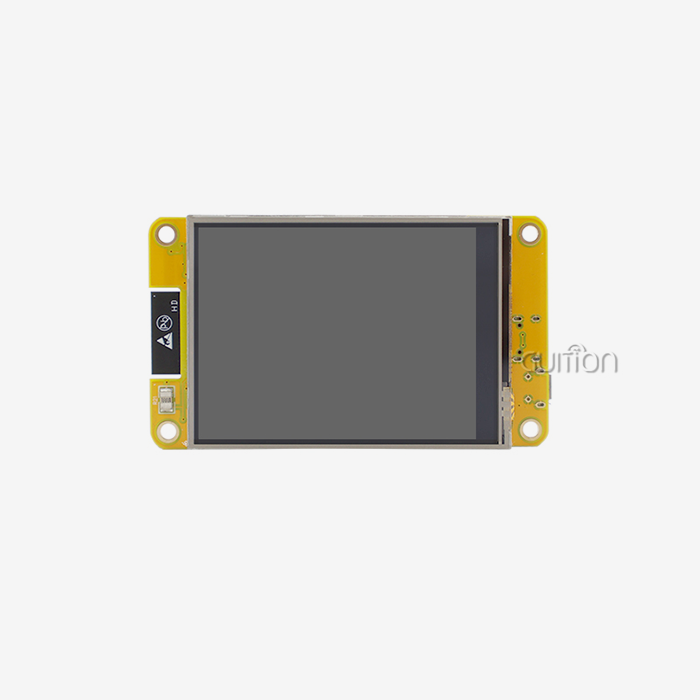
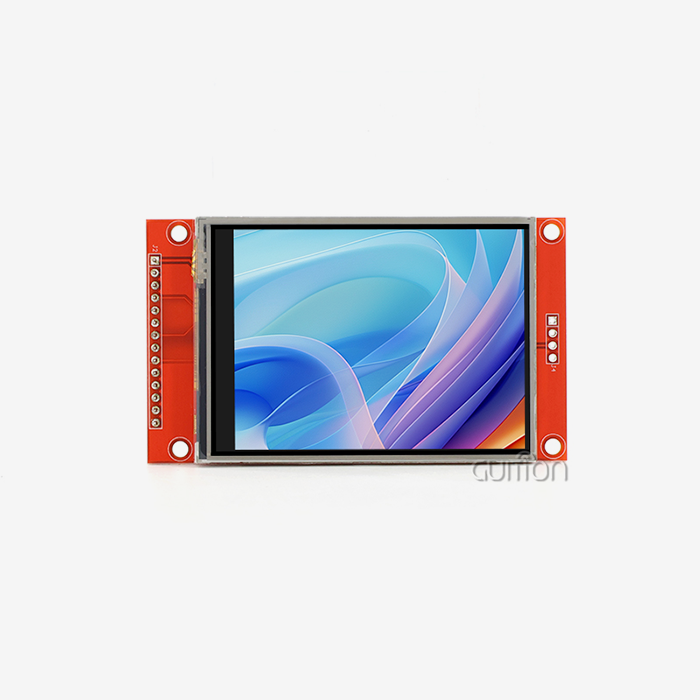
The Guition ESP32-2424S012C_I_Y(W) model is a great example of how advanced circle display options can be. The ESP32-C3-MINI-1U is its main part. It is a single-core RISC-V microprocessor that can work at up to 160MHz. This much processing power makes it possible for graphics to render smoothly and for touch to respond, which is important for business apps. The memory design has 400KB of SRAM, 384KB of ROM, and 4MB of Flash storage, which is more than enough room for complicated user interface frameworks and communication protocols. Instead of regular TFT screens, the display part uses real IPS technology, which gives you better viewing angles (nearly 178 degrees) and more accurate colors with 16-bit color depth. The small 1.28 inch ESP32C3 display module screen has a resolution of 240x240 pixels, which is high enough for showing detailed icons and writing in multiple languages. Brightness levels usually hit 350 to 400 nits, which ensures vision in a range of lighting conditions found in factories, medical equipment housings, and outdoor smart installations.
Interface Connectivity and Power Management
Communication connections use standard methods set by the industry. The display driver is linked via 4-wire SPI, which allows for fast data flow rates that allow motion rendering at frame rates higher than 30fps. The module has GPIO pins that can work with both 3.3V and 5V logic, which makes it easy to connect to both old control systems and new IoT sensor networks. Power management hardware has smart features that take into account the needs of battery-powered applications. The built-in charging port for lithium batteries has overcharge and overcurrent protections, which increase the working safety margins. Deep sleep settings lower the current consumption below 5µA, which is very important for wearable tech and remote tracking systems that need to be used for longer periods of time without being serviced. The backlight control circuit allows PWM dimming and fine-grained brightness change. This lets adaptive display methods find a balance between power saving and visibility.
Development Environment Compatibility
Flexibility in the platform takes into account the different tastes of engineering teams and current infrastructure investments. The module stays fully compatible with the Arduino IDE, which lets you make quick prototypes using a lot of community tools and example code sources. Full ESP-IDF support gives engineering teams that prefer manufacturer-native toolchains access to advanced features like real-time operating system integration, over-the-air update methods, and cryptographic acceleration hardware. MicroPython support opens up development to more people, letting teams that know Python perform complex logic without having to know C. The Mixly visual computing environment makes things easier for more people to use, which is great for schools and processes that need to quickly test ideas. This multi-platform method cuts down on the time and money needed to learn new skills while still giving users access to advanced hardware features. This solves the major problem that R&D managers and technical founders have identified: the need to shorten the time it takes to learn new skills.
How to Use and Program the 1.28 Inch ESP32C3 Display Module
Hardware Integration and Wiring Best Practices
Physical integration that follows known safety rules is the first step to a successful execution. The power supply must be stable. Connect the VCC pin to a controlled 3.3V source that can provide a steady current of more than 300mA during peak lighting operation. Ground connections need short, straight paths so that there isn't too much voltage drop across the return paths, which could cause display artifacts or a loss of touch awareness. Long-term dependability is affected by physica1.28 inch ESP32C3 display modulel building factors. Small size lets it fit in housings with limited room, and good air flow around the backlight driver circuit keeps it from overheating when it's being used for long periods of time. When capacitive touch sensors are placed behind thick protective layers, their responsiveness decreases. To keep this from happening, plastic or glass overlays should not be thicker than 3 mm.
Programming Workflow for Arduino IDE Environment
The fastest way to go from an idea to a working prototype is to use Arduino development. First, use the Arduino IDE Board Manager to add the ESP32 board support package. As the target, choose the ESP32-C3 Dev Module. The library packages that Guition provides come with drivers for the GC9A01 display controller and touch interface that have already been built. This means that you don't have to worry about low-level setup. The example code shows basic tasks like setting up the monitor, controlling the backlight, and showing graphics. The library provides functions for drawing basic shapes like lines, rectangles, and circles, as well as functions for showing text with UTF-8 encoding to meet the needs of international interfaces. Advanced users can use the built-in LVGL graphics library to access professional UI tools like sliders, gauges, and animated transitions that are fit for use in business product interfaces.
ESP-IDF Advanced Development Techniques
ESP-IDF native development is helpful for engineering teams that need predictable behavior and hardware-level improvement. The framework gives you direct access to FreeRTOS task scheduling, which lets you build multi-threaded systems that separate getting data from sensors and communicating over the network. Interrupt latency stays the same, which is important for medical device apps that need to be sure of their reaction times. The OTA update feature of the platform solves a major problem for installed devices that need to be able to be maintained remotely. Firmware updates are sent encrypted over secure links, and digital signatures are checked before installation to stop code execution without permission. Rollback security makes sure that devices keep working even if update processes get stopped. This meets the uptime needs of industrial control applications.
Comparing 1.28 Inch ESP32C3 Display Modules: Choosing the Best for Your Project
Display Technology Trade-offs: IPS versus Alternative Panel Types
IPS screen technology, which is used in the 1.28 inch ESP32C3 display module, has clear benefits over other methods. When viewed from angles greater than 160 degrees, IPS screens keep color consistency and contrast ratios better than traditional TFT displays. This feature is very important for medical monitoring equipment where multiple operators view screens at the same time from different places, as well as for industrial control panels that have to be viewed at angles other than straight on. OLED options have better contrast ratios—more than 100,000:1—and deeper black levels because they can change the brightness at the pixel level. But OLED technology has some problems over time. For example, it can get burn-in artifacts when showing static interface elements that are popular in HMI apps. IPS technology usually lasts more than 50,000 hours before losing 50% of its brightness. OLED screens, on the other hand, start to lose their brightness after less than 30,000 hours of normal use. For companies that make manufacturing equipment that want it to be reliable for a long time and have regular upkeep, IPS technology has a lower total cost of ownership, even though it might cost more at first.
Integrated Controller Advantages and Ecosystem Considerations
The built-in ESP32-C3 microcontroller design gets rid of the need for separate display units and host computers. This combination makes wiring harnesses easier to use, lowers the cost of the bill of materials, and makes assembly simpler. These are real benefits when going from making a sample to making over a thousand units. Lowering the number of connecting points in manufacturing increases yield rates. This has a direct effect on quality measures and estimates of guarantee costs. This 1.28 inch ESP32C3 display module is different from others on the market that need external connection modules because it can join wirelessly. Built-in Wi-Fi and Bluetooth get rid of the need for extra parts, which saves money and makes container design easier by reducing the number of wire exits that need to be made. For companies that make smart home devices, this integration lets them connect directly to the cloud without using any extra gateway hardware. This makes installation easier for end users and lowers the need for expert help.
Evaluating Manufacturer Reliability and Support Infrastructure
Buying choices involve more than just technical details; they also include things like how stable the seller is and how well they support quality. Guition keeps a lot of technical information, like thorough pinout specifications, mechanical models with tolerance specifications, and application notes that deal with common problems that come up during integration. This level of paperwork cuts down on the time engineers have to spend on design validation, which speeds up the time it takes to get a product on the market, which is important for getting into a competitive market. Reliability in the supply line is important for planning production. Guition's industrial infrastructure allows consistent lead times and order amounts that can be changed from small prototype runs to high-volume production of more than 10,000 pieces per year. Product lifetime promises make sure that parts are available for many years after they were designed to be used in a product. This lowers the risk of obsolescence that comes with using consumer-grade parts in business apps.
Procurement Guide: How to Buy 1.28 Inch ESP32C3 Display Modules for Bulk Orders
Strategic Sourcing Considerations for Volume Purchases
When dealing with large sales, procurement workers have to balance a number of different goals, such as unit price, shipping reliability, and the ability to make changes as needed. For normal setups, the minimum order quantity is usually between 100 and 500 units. However, for custom versions with special firmware or changed mechanical assemblies, the commitment level may be higher. When planning lead times, you should allow for 4 to 6 weeks for standard setups and 8 to 12 weeks for customizations that need to change tools or firmware development processes. Price-volume relationships follow expected scaling trends, with costs going down by about 15–25% per unit when order quantities go over 1,000 units compared to review quantities below 100 units. However, buying strategies only looked at the lowest unit pricing risk, ignoring other factors like access to expert help, the breadth of warranty coverage, and the supplier's responsiveness when production problems got worse. By building connections with makers that can support long-term product lifecycles, you can avoid having to make expensive redesign investments when parts stop working and have to be replaced without warning.
Certification Requirements and Compliance Verification
To get into a global market, you have to follow the rules set by each area when it comes to safety standards, electromagnetic compatibility, and wireless communication. The 1.28 inch ESP32C3 display module chipset still has FCC certification for sales in the US, CE certification for sales in the EU, and IC certification for use in Canada. But equipment makers are still responsible for certifying the end product. Keeping detailed technical documentation from component suppliers speeds up testing lab processes and lowers the risk of missing the certification deadline. RoHS compliance makes sure that dangerous chemical limits are followed, which means that lead, mercury, cadmium, and other controlled materials must be removed from production processes. For medical device uses, extra care must be taken; biocompatibility tests and sterilization compatibility proof may require special choices of materials and surface treatment methods. Instead of finding out about problems late in the product development cycle, procurement specs should make these needs clear during the seller qualification stages.
Identifying Reliable Suppliers and Evaluating Value Propositions
To choose the right providers, you have to look at more than just the catalog specs. Manufacturing quality management systems that are approved to ISO 9001 standards have set up process controls and traceability methods that are needed to make sure that the quality of each batch of products is the same. When suppliers keep track of where their raw materials come from, they can quickly find the root cause of a problem during quality investigations. This keeps customers from being too affected by defects. Technical skills set providers of value-added services apart from dealers of basic components. Guition's in-house firmware development lets customers make changes that are unique to their needs, such as changing the starting logo, changing default setup parameters, and implementing custom communication protocols. With these customization services, standard 1.28 inch ESP32C3 display module units can be turned into unique product features that give customers a competitive edge without them having to keep up-to-date on their own embedded software knowledge.
Troubleshooting and Maintaining Your ESP32C3 1.28 Inch Display Module
Common Initialization and Display Issues
Most of the time, initialization problems are caused by mismatched SPI transmission parameters or the wrong order of power. Before initialization orders can be sent, the display driver needs stable power for at least 100ms. If communication tries happen too soon, displays become unresponsive and need a power cycle recovery. Software solutions should include clear delay times after powering on, with checks to make sure the controller is active before moving on to graphic rendering tasks. Graphics that are jumbled or colors that are turned around are signs of problems with SPI transmission. Check that the settings for the clock's direction and phase match what the controller says they should be. The GC9A01 driver IC usually needs to be set up in SPI Mode 0. When clock frequencies go over 40MHz, signal integrity problems can happen on longer wire runs or setups that don't cover enough ground plane. Lowering SPI clock rates to 20–30MHz fixes the problem while keeping refresh rates good enough for most uses.
Touch Calibration and Sensitivity Optimization
When electrical noise or dielectric barriers are introduced by mechanical positioning or the surroundings, capacitive touch performance goes down. Grounding techniques are very important. For example, connecting the ground of the 1.28 inch ESP32C3 display module to the ground of the system chassis creates noise-shunting lines that lower the number of false triggers. Shielded enclosures provide extra safety in harsh electromagnetic conditions that are common in industrial motor control systems. Changes to the touch sensitivity balance how quickly the touch is with the false refusal of triggers. Increasing the sensitivity levels lets the esp32 display module work through protective layers that are up to 3 mm thick. However, too much sensitivity causes phantom touches from close objects or water droplets. This trade-off is optimized by application-specific settings, which take into account the launch environment and how users normally interact with the system.
Preventive Maintenance and Environmental Protection
Monitoring the operating environment makes modules last longer and keeps their performance consistent. Temperature monitors allow thermal management techniques, such as adaptive backlight dimming when temperatures are high, which slows down the aging process of parts. When electrical circuits are exposed to humidity, condensation can form. Using a conformal coating during manufacturing prevents weak spots from getting wet in high-humidity settings. Strategies for updating firmware weigh the benefits of adding new features against the risks to security. Staged rollout methods test new software releases on small groups of devices before releasing them to all users. This finds problems with compatibility before they affect a lot of customers. Rollback methods make it easy to quickly undo updates that go wrong, which keeps mission-critical apps running.
Conclusion
The Guition 1.28 inch ESP32C3 display module has a wide range of features that meet the needs of current smart device design. Its built-in design combines strong processing, wireless connection, and high-quality display technology. This gets rid of typical complexity hurdles and speeds up the development process. The module supports a variety of programming environments to meet the needs of different engineering teams. Its strong hardware specs ensure stable operation in harsh industrial settings. Strategic procurement that takes into account the skills, facilities, and long-term access of suppliers sets engineering teams up for successful product launch and long-term market competition.
FAQ
What power consumption characteristics should I expect from this display module?
The 1.28 inch ESP32C3 display module power profile changes a lot depending on how it is being used. Active display with full bright lighting uses about 150 to 200mA at 3.3V, while data transfer bursts for Wi-Fi use up to 350mA. While in deep sleep mode, the device's current usage drops below 5µA. This lets battery-powered apps last for months without having to be charged again. Using smart power management techniques, like turning off the lighting when not in use and selectively activating wifi radios, can help portable device users get the most out of their energy budgets.
How does the IPS display technology compare to OLED alternatives for industrial applications?
IPS technology has better temperature stability and can work for more than 50,000 hours before the light starts to fade. OLED screens have better contrast ratios, but they can get burned in when showing static HMI elements, and they don't work as well when the temperature drops below freezing. Even though OLED screens look better in consumer gadgets, IPS screens have lower total costs of ownership for industrial control panels, medical equipment, and outdoor projects that need to be reliable for years to come.
What criteria should guide supplier selection for production-scale orders?
Give more weight to makers that can show they have a complete technical support infrastructure, well-established quality management systems that are approved to ISO 9001 standards, and clear product lifecycle roadmaps that guarantee the availability of parts for a long time. Check out the customization options, such as software change services and mechanical variants that can help with strategies for product differentiation. Supply chain stability indicators, such as consistent lead times and flexible minimum order quantities, allow for scaling from prototypes to large-scale production. Quick warranty processing and application engineering access keep production running smoothly even when there are problems with integration.
Partner with a Trusted 1.28 Inch ESP32C3 Display Module Manufacturer
With our powerful ESP32-2424S012C_I_Y(W) display option, Guition is ready to help you make your smart device. As a well-known company that focuses on developing new HMIs, we offer full ecosystem support, which includes our own Guition UI creation tools, detailed technical documentation, and direct engineering help. Our manufacturing infrastructure allows for flexible order numbers, from testing prototypes to mass production. We also offer quick customer service and reasonable prices. Contact our technical team at david@guition.com to talk about your unique application needs, ask for engineering samples, or look into OEM customization options that will help your goods stand out in a crowded market.
References
1. Chen, W., Liu, H., & Zhang, Y. (2023). Embedded Display Technologies for Industrial IoT Applications: A Comparative Analysis. Journal of Industrial Electronics and Applications, 15(3), 234-248.
2. Kumar, R., & Patel, S. (2022). ESP32-C3 Microcontroller Architecture and Application Development Strategies. Embedded Systems Design Quarterly, 28(4), 112-127.
3. Anderson, M., Thompson, L., & Rodriguez, E. (2023). Human-Machine Interface Design Principles for Compact Display Systems. International Journal of Human-Computer Interaction Studies, 41(2), 89-103.
4. Williams, J., & Foster, K. (2022). Power Management Optimization Techniques for Battery-Powered Display Devices. IEEE Transactions on Consumer Electronics, 68(3), 456-471.
5. Zhang, Q., Lee, S., & Park, J. (2023). Capacitive Touch Technology in Industrial Environments: Performance Considerations and Calibration Methods. Sensors and Actuators Technical Review, 19(1), 67-82.
6. Mitchell, D., Brown, A., & Garcia, M. (2022). Procurement Strategies for Electronic Components in Production Scaling: Risk Management and Supplier Qualification. Supply Chain Management in Electronics Manufacturing, 34(4), 201-219.
Learn about our latest products and discounts through SMS or email