- English
- French
- German
- Portuguese
- Spanish
- Russian
- Japanese
- Korean
- Arabic
- Greek
- German
- Turkish
- Italian
- Danish
- Romanian
- Indonesian
- Czech
- Afrikaans
- Swedish
- Polish
- Basque
- Catalan
- Esperanto
- Hindi
- Lao
- Albanian
- Amharic
- Armenian
- Azerbaijani
- Belarusian
- Bengali
- Bosnian
- Bulgarian
- Cebuano
- Chichewa
- Corsican
- Croatian
- Dutch
- Estonian
- Filipino
- Finnish
- Frisian
- Galician
- Georgian
- Gujarati
- Haitian
- Hausa
- Hawaiian
- Hebrew
- Hmong
- Hungarian
- Icelandic
- Igbo
- Javanese
- Kannada
- Kazakh
- Khmer
- Kurdish
- Kyrgyz
- Latin
- Latvian
- Lithuanian
- Luxembou..
- Macedonian
- Malagasy
- Malay
- Malayalam
- Maltese
- Maori
- Marathi
- Mongolian
- Burmese
- Nepali
- Norwegian
- Pashto
- Persian
- Punjabi
- Serbian
- Sesotho
- Sinhala
- Slovak
- Slovenian
- Somali
- Samoan
- Scots Gaelic
- Shona
- Sindhi
- Sundanese
- Swahili
- Tajik
- Tamil
- Telugu
- Thai
- Ukrainian
- Urdu
- Uzbek
- Vietnamese
- Welsh
- Xhosa
- Yiddish
- Yoruba
- Zulu
Why Use a Guition Display Module for Smart Control Panels?
If you are building a smart control panel and wondering which display solution deserves your investment, the answer becomes clear quickly. A Guition display module combines embedded computing power, wireless connectivity, and intuitive UI development into a single, production-ready package. Rather than stitching together separate MCUs, screens, and wireless chips, engineers get one unified platform that reduces design complexity and accelerates deployment. For procurement teams and R&D managers prioritizing reliability and speed-to-market, the Guition display module stands out as a purpose-built solution backed by a technology-driven manufacturer.

Introducing Guition Display Modules — A Modern Solution
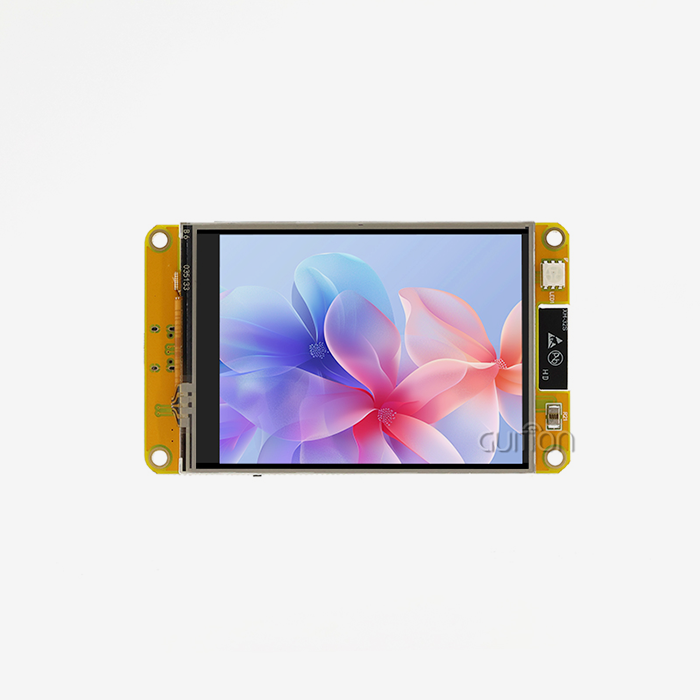
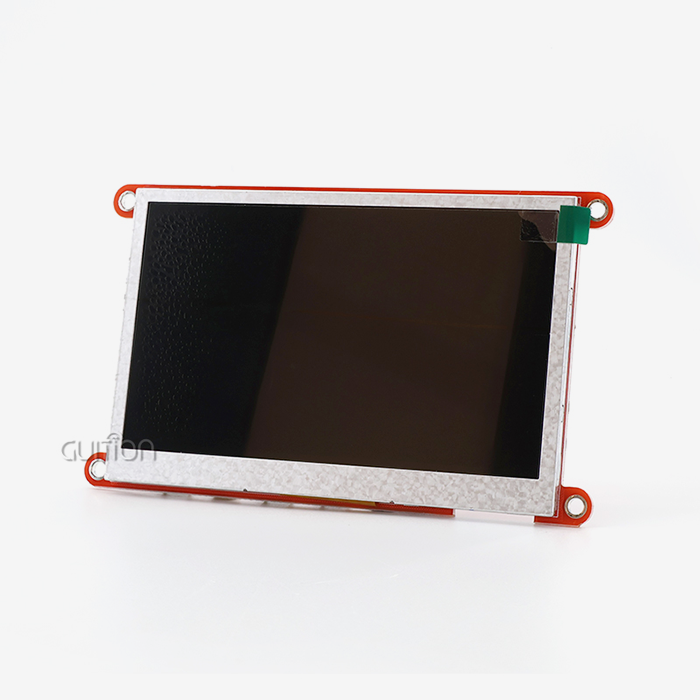
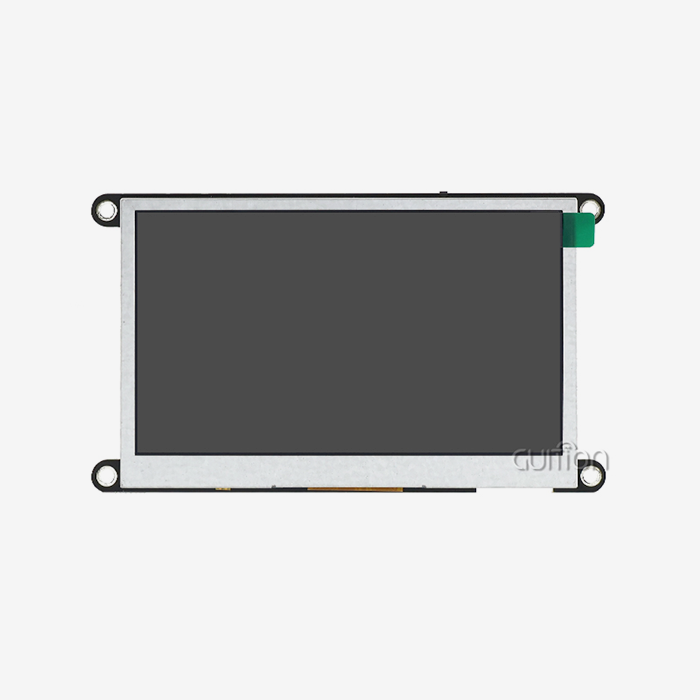
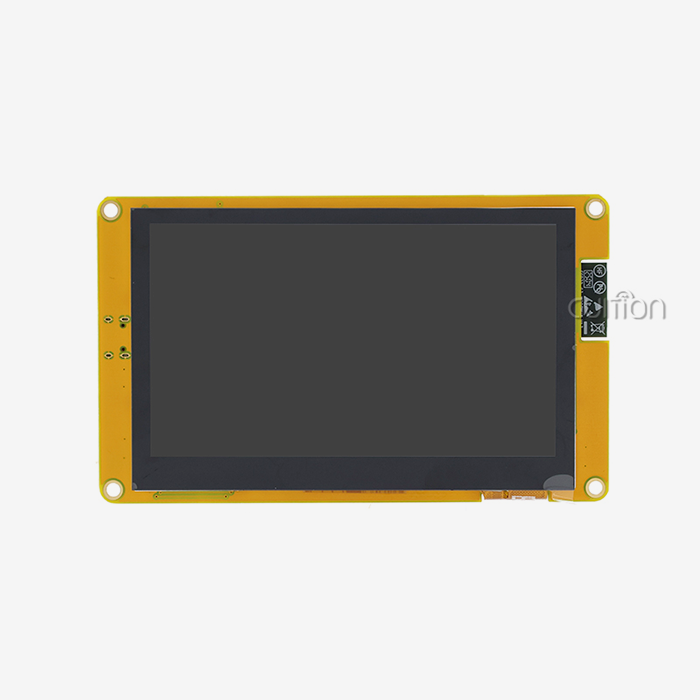
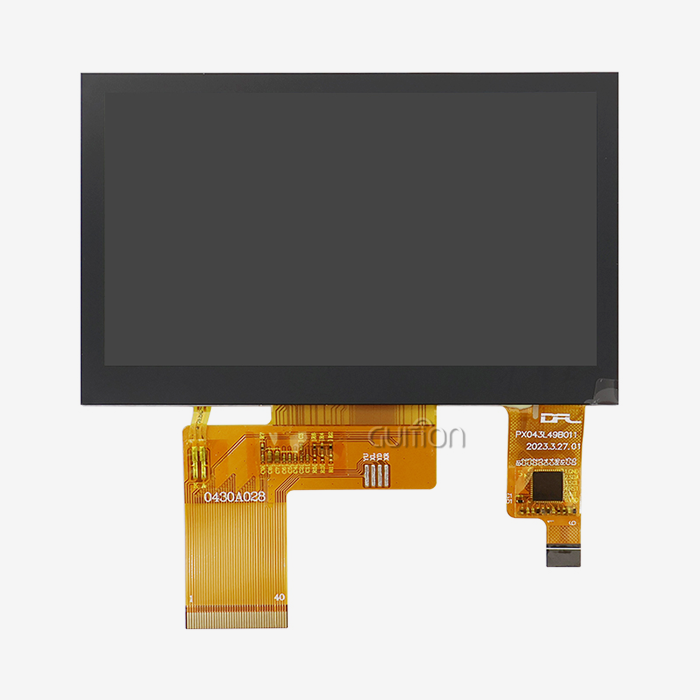
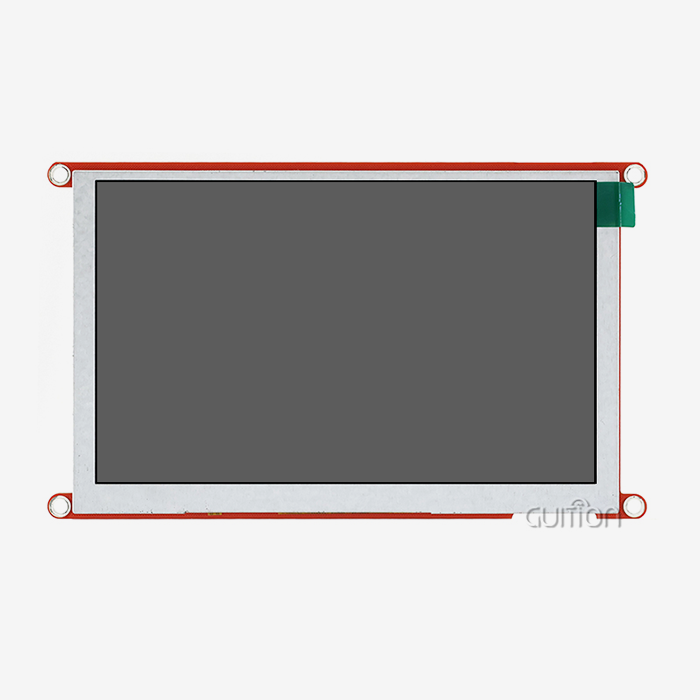
The ESP32-8048S050C_I from Guition is a great example of what a modern Guition display module should do. The ESP32-S3R8 dual-core MCU, which runs at 240MHz and has 8MB of PSRAM and 16MB of Flash, is at its heart. The 5.0-inch IPS screen has a resolution of 800x480 pixels and a sensitive touch interface that works easily with finger touches. There is no need for an external wireless esp32 display module because Wi-Fi and Bluetooth are built in, and a TF card slot lets you add more space for assets, logs, and firmware packages.
What makes this feature even more unique is how flexible it is for creation. Engineers can use Arduino IDE, ESP-IDF, MicroPython, or Mixly, so they can work with all of these tools for embedded development. Each unit comes with test code already installed, so teams can check that the hardware works right away without having to write any setup code.
Key Benefits of Using Guition Display Modules in Smart Control Panels
Putting a Guition display module in a smart control panel has benefits that go far beyond the hardware. Because of these main strengths, this platform is a great choice for serious tech teams:
- Unified HMI and IoT in One Board: The ESP32-S3R8 handles both wireless data and the display of the user interface at the same time. There is no longer a need for a separate communication module for MQTT, HTTP, or over-the-air (OTA) changes. The display module handles all of this directly, which simplifies the bill of materials (BOM).
- Fluid UI Performance: The module supports LVGL and has a direct-drive RGB interface, so it can keep 60fps graphics running smoothly even when Wi-Fi is active. This is important in places where operators need to see real-time data quickly to make choices.
- OTA Remote Upgrade Capability: Units that have been deployed can get firmware fixes and user interface updates over the air using standard HTTP/HTTPS OTA methods. Field teams don't have to pay for expensive site visits, and product managers can push new versions of features without stopping work.
- Cross-Platform Development: Teams don't have to stick to just one toolchain because it works with Arduino, ESP-IDF, MicroPython, and Mixly. As the needs of a project change, developers can move environments around without having to buy new hardware.
- Multi-Language and UTF-8 Encoding Support: For global deployments to work, the interfaces need to be translated. The display module can automatically switch between languages. This means that one hardware platform can serve markets in Asia, Europe, and North America.
These features directly lead to less work for engineers, shorter iteration cycles, and lower costs after the sale. These are the results that purchasing managers and R&D directors always look for in display module suppliers.
Comparing Guition Display Modules with Other Market Solutions
At first glance, a standard ESP32 chip paired with a stand-alone SPI display might look like a good deal. In practice, teams spend a lot of time fixing problems with frame rates, porting display drivers, and adding touch controllers one at a time. When engineering work is added to the total cost of ownership, the savings that seem to be there are gone.
This splitting up is done away with by Guition's integrated approach. Before being sent out, the Guition display modules, touch controller, backlight circuit, wireless ESP32 display module, and IO interfaces are all tested together. This pre-integration cuts the time it takes to bring up from weeks to days. In addition, Guition offers a wide range of Arduino core functions and example code that speed up the creation process even more.
In terms of the supply chain, Guition uses the same pin-out definitions for all of its products, ranging from 1.28" to 21.5". This means that if a certain type of panel goes out of production, there are still options for replacements that are mechanically and electrically compatible. This backward compatibility protects long-term industrial projects against supply problems, which is very important for system architects who are in charge of managing products that last more than one year.
How to Choose the Right Guition Display Module for Your Smart Control Panel
Before you can choose the right Guition display module, you need to be honest about your program settings. A 5.0-inch 800x480 panel like the ESP32-8048S050C_I works well in industrial control panels, smart home hubs, and medical monitoring interfaces where operators need to be able to see data clearly and use their fingers to control the panel. The smaller versions of Guition may work better for projects that need to be small, while the 10.1-inch and larger versions are better for large commercial kiosks or energy management terminals.
Before making a purchase decision, think about these things in addition to the size of the screen: Does your team like Arduino or ESP-IDF better? Is over-the-air (OTA) update support necessary where you're deploying? Do you need help with more than one language? Will the panel work in places with a lot of light that need higher nit ratings? By matching hardware requirements with real application limits up front, you can avoid expensive changes in the middle of a project.
Conclusion
Display options for smart control screens need to be able to combine processing power, connectivity, development ease, and long-term dependability. The Guition display module meets all of these needs with a hardware and software environment that works well together, based on the ESP32-S3 design. The practical benefits are clear and easy to measure, such as shorter R&D cycles and the ability to do remote over-the-air (OTA) maintenance. Engineers, product managers, and procurement professionals who need a reliable HMI platform without having to pay extra for integration should choose Guition. It is both technically sound and good for business.
FAQ
1. Is the Guition display module compatible with Arduino IDE?
Yes. You can use Arduino IDE, ESP-IDF, MicroPython, and Mixly with the Guition display module. There is full documentation for each setting, and reference code is already on the module when it ships.
2. Can the Guition display module perform OTA firmware updates?
OTA updates can be done directly on the module using the ESP32 architecture and HTTP/HTTPS protocols. Deployed devices get patches from afar, without having to be physically accessed.
3. What display sizes does Guition offer?
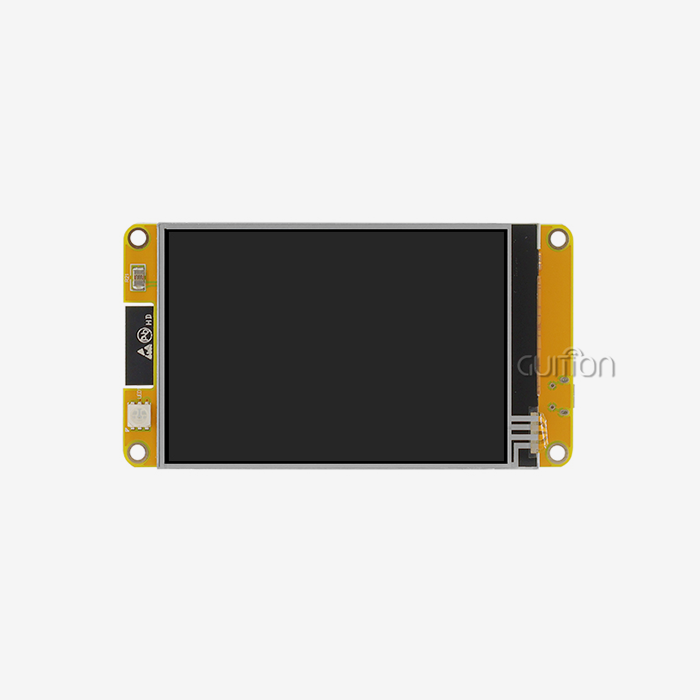
The sizes of Guition's products range from 1.28 inches to 21.5 inches, so they can be used for everything from small smart switches to big industrial terminals.
4. Does the module support multi-language interfaces?
Yes. The platform lets you switch between languages and encodes data in UTF-8, so it can be used in a variety of global markets.
5. How does the capacitive touch perform in industrial environments?
You can change the strength of the GT911/CST820 touch controls. During the ODM customization phase, industrial configurations can be set up for glove mode or water rejection.
Partner With Guition for Your Next Smart Control Panel Project
Talking is the first step in building a relationship with a supplier of a Guition display module. Our team is ready to help you find the right display option for your needs, whether you need a single trial unit or a large OEM order. To get a personalized quote, email David at david@guition.com or go to our website. Guition is the right partner for your next project because they have tested hardware, detailed documentation, and quick expert help.
References
1. ABI Research — Industrial HMI and Automation Display Market Trends, 2022
2. Espressif Systems — ESP32-S3 Technical Reference Manual, 2023
3. IEEE Spectrum — Embedded Systems Integration Challenges in Industrial Automation, 2021
4. LVGL Project Documentation — Light and Versatile Graphics Library for Embedded Systems, 2023
5. IHS Markit — Global Industrial Display Module Market Forecast Report, 2022
6. Electronics Weekly — OTA Firmware Update Strategies for IoT and HMI Devices, 2023
Learn about our latest products and discounts through SMS or email