- English
- French
- German
- Portuguese
- Spanish
- Russian
- Japanese
- Korean
- Arabic
- Greek
- German
- Turkish
- Italian
- Danish
- Romanian
- Indonesian
- Czech
- Afrikaans
- Swedish
- Polish
- Basque
- Catalan
- Esperanto
- Hindi
- Lao
- Albanian
- Amharic
- Armenian
- Azerbaijani
- Belarusian
- Bengali
- Bosnian
- Bulgarian
- Cebuano
- Chichewa
- Corsican
- Croatian
- Dutch
- Estonian
- Filipino
- Finnish
- Frisian
- Galician
- Georgian
- Gujarati
- Haitian
- Hausa
- Hawaiian
- Hebrew
- Hmong
- Hungarian
- Icelandic
- Igbo
- Javanese
- Kannada
- Kazakh
- Khmer
- Kurdish
- Kyrgyz
- Latin
- Latvian
- Lithuanian
- Luxembou..
- Macedonian
- Malagasy
- Malay
- Malayalam
- Maltese
- Maori
- Marathi
- Mongolian
- Burmese
- Nepali
- Norwegian
- Pashto
- Persian
- Punjabi
- Serbian
- Sesotho
- Sinhala
- Slovak
- Slovenian
- Somali
- Samoan
- Scots Gaelic
- Shona
- Sindhi
- Sundanese
- Swahili
- Tajik
- Tamil
- Telugu
- Thai
- Ukrainian
- Urdu
- Uzbek
- Vietnamese
- Welsh
- Xhosa
- Yiddish
- Yoruba
- Zulu
Where to Buy a Reliable Colour LCD Display Module?
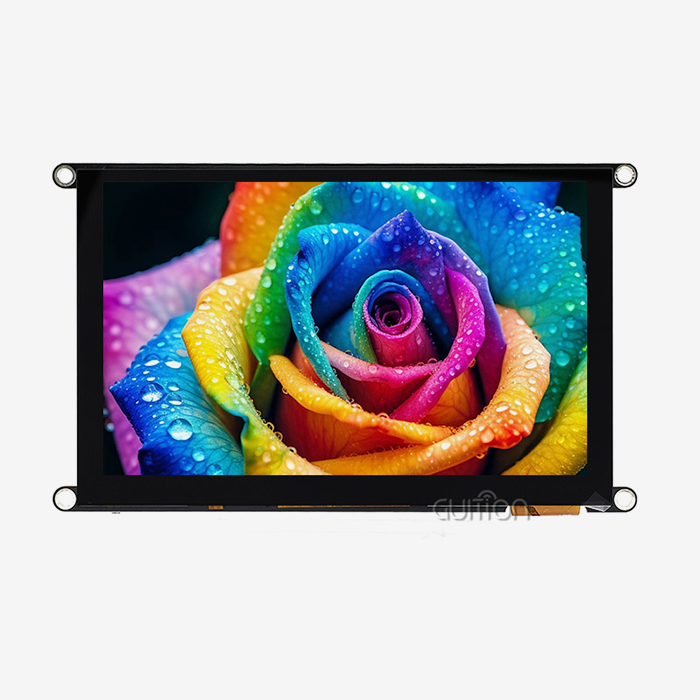
When sourcing a dependable colour LCD display module for your industrial or commercial project, the answer lies in partnering with specialized manufacturers who combine proven hardware quality with comprehensive development tools. Guition stands out as a technology-driven supplier offering USART-HMI display solutions ranging from 1.28" to 21.5", backed by its proprietary interface development software. Their JC3248S035R model exemplifies the balance between performance, ease of integration, and long-term support that embedded engineers and system architects demand. This approach eliminates common sourcing headaches by providing transparent technical documentation, cross-platform compatibility, and responsive after-sales service—essential factors for accelerating time-to-market.

Criteria for Selecting a Reliable Colour LCD Display Module
Technical Performance Metrics
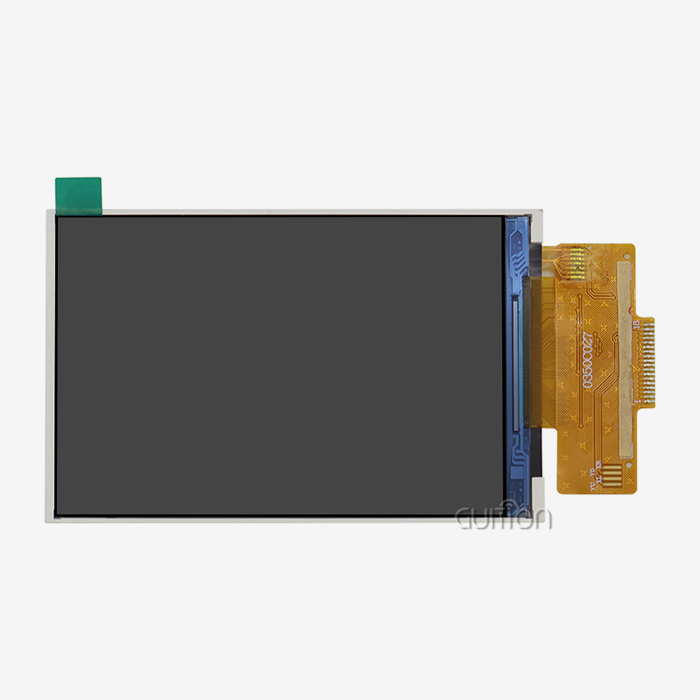
When you combine screen size and resolution, you get pixel density, which is important for showing complex schematics or small text without straining your eyes. About 165 PPI can be obtained from a 3.5-inch module with 320x480 pixels, which is more than enough for most industrial displays and control panels. The contrast ratio affects how well you can read in different lighting conditions. Good industrial displays keep the ratio at least 500:1, which makes it easy to tell the difference between background and active UI elements. Response time, which is measured in milliseconds, tells you if fast-moving images blur. This is less important for static screens but very important for real-time data display. Power use has a direct effect on how long batteries last in handheld devices and how quickly heat is removed from sealed panels. Modules with efficient LED drivers and dimming control can cut current use by 40–60% when not in use, which can make medical tracking equipment or small power tools work for longer. The level of integration difficulty depends on the interfaces that can be used. For example, an SPI-based display module like the JC3248S035R makes wiring and software libraries easier, while LVDS or MIPI DSI connections need more complex hardware and drivers. This is a good trade-off for high-resolution video applications, but it's too much for simple HMI tasks.
Environmental Durability and Certification
Operating environments decide how robust hardware needs to be. Industrial control screens have to deal with temperature changes, electromagnetic interference, and vibrations that would damage consumer-grade parts. Look for units that have been tested to meet the IEC 61000 EMC standards. This will show that they can handle electrical noise from power sources and motors. Vibration resistance tested according to MIL-STD-810 protocols ensures that the glass panel, touch layer, and PCB are properly bonded, so they don't come apart after years of use. Temperature cycle tests show that liquid crystals are stable over a wide range of storage and use temperatures. Good suppliers give thermal shock data that shows consistent performance from -40°C to +105°C storage conditions. This keeps inventory safe while it's being shipped and stored. When installing something outside or in a washdown area for food processing, ingress protection ratings (IP65/IP67) are important. Whether the touch screen and display are bonded with an air gap or optical bonding affects both how long they last and how clear the images are. Optical bonding gets rid of internal reflections and makes the device more resistant to impact, which is why it costs more for rugged uses.
Supplier Reliability and Support Infrastructure
Professional suppliers and commodity dealers can be told apart by the quality of their technical documents. Full datasheets should include electrical features (such as voltage limits and current usage curves), timing diagrams for interface signals, and mechanical models with tolerance details. Having access to standard designs, driver libraries for popular platforms (Arduino, ESP32, and STM32), and application notes speeds up prototyping and lowers engineering risk during the evaluation process.When production problems happen, the framework for after-sales help is very important. Check to see if the company has FAE (Field Application Engineer) teams that can help with integration issues, if they offer customization services for interface ports or firmware changes, and if they promise to handle the product throughout its entire lifecycle. When modules hit the end of their useful life, suppliers who promise supply for five years can avoid expensive redesigns. Clear communication about lead times, minimum order quantities, and revision change notices is important for building stable, long-term supply relationships that are needed for production planning. Supporting a reliable colour LCD display module involves checking the ISO 9001 certification to show they know how to handle quality and ISO 13485 for medical devices, alongside RoHS/REACH compliance.
Top Colour LCD Display Modules and Brands to Consider
Established Global Manufacturers
With decades of experience making screens and strict quality control, Samsung, Sharp, and Hitachi control the high-volume display markets. Their modules are used in medical imaging equipment and dashboards for cars, where failure rates must be close to zero. When it comes to optical performance, these names are the best. They have high brightness regularity, tight color gamut limits, and long operating lifespans of more than 50,000 hours. But because they focus on big projects and standard products, they aren't as flexible for medium-sized projects that need custom interfaces or help with rapid prototyping. Sony and Fujitsu make high-end small-format screens with very high pixel density and accurate colors for niche markets like high-end instrumentation and aircraft controls. Their prices reflect how specialized they are; they often charge 30–50% more than more general options. The value offer is based on stability that has been tested in harsh environments and a wide range of certifications (aerospace DO-160, medical IEC 60601) that make it easier for buyers in industries with a lot of rules.
Specialized HMI Solution Providers
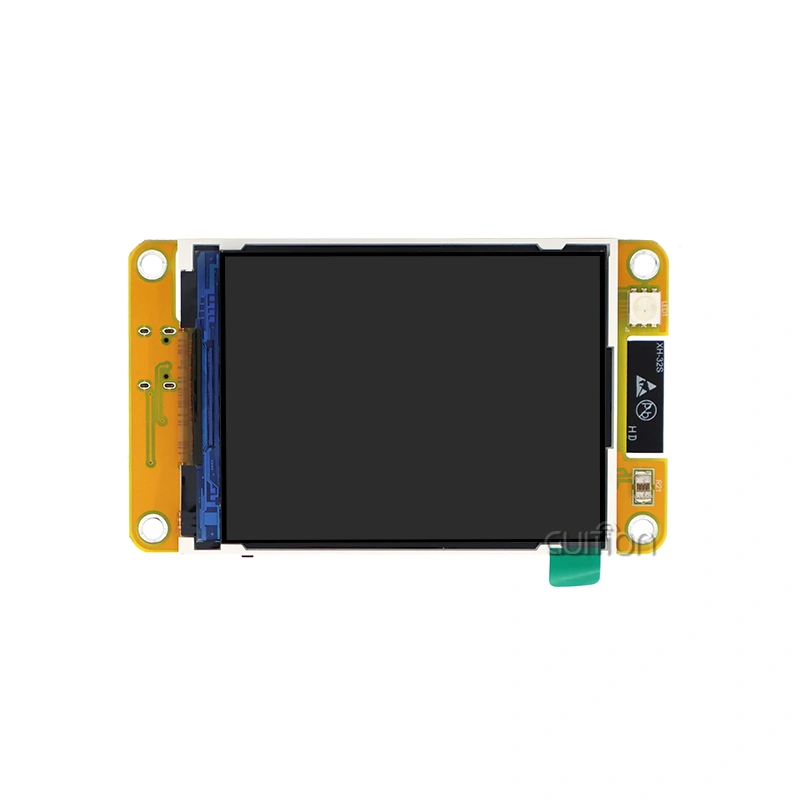
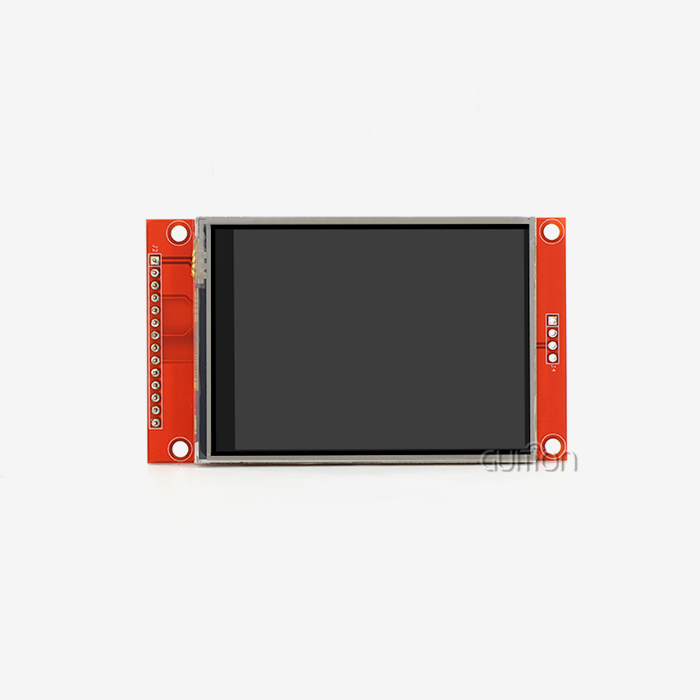
Guition is part of a growing group of technology-focused providers that combine display hardware with full development environments. The ILI9488 driver IC and the 3.5-inch 320x480 TFT panel in their JC3248S035R Colour lcd display module communicate via 4-wire SPI to reduce GPIO usage. The module has built-in circuitry for controlling the backlight and can have resistive touch functionality added if desired. This makes the bill of materials easier for embedded designers. What makes this method different? Guition includes its own interface development software with its hardware. This software has drag-and-drop UI design, one-click control placement, and WYSIWYG preview, which gets rid of the need for weeks of low-level code. Cross-platform compatibility includes Arduino, ESP-IDF, and their own development environment, so engineers can use the tools they prefer. Built-in WiFi and Bluetooth modules let IoT devices join without using extra parts, and the ability to update software remotely lowers the cost of field service. Product managers who have to balance tight development schedules with limited tech resources really like this integrated value offering.
Evaluating Energy Efficiency and Sustainability
Power consumption is becoming a bigger factor in buying choices as more gadgets are designed to run on batteries or solar power. The efficiency of LED backlights varies a lot from one supplier to the next. Advanced current regulation and PWM dimming circuits can cut power use in half compared to basic designs. Modules that support sleep modes and partial display updates make batteries last even longer, which is very important for portable medical devices or remote monitoring equipment that needs to be replaced on-site, which can be expensive.Sustainability concerns go beyond how much power is used. RoHS and REACH compliance makes sure that European standards for dangerous substances are met, and suppliers who keep track of where their conflict minerals come from answer worries about ethical procurement. Packaging materials that are switching from Styrofoam to cardboard that can be recycled show care for the environment without sacrificing shipping safety. As industrial customers are under more and more pressure to show that their supply chains are sustainable, working with manufacturers who are open about how they treat the environment makes compliance reporting easier and fits with OTA firmware changes that improve long-term sustainability.
Where and How to Buy Colour LCD Display Modules – Procurement Insights
Navigating Global Supplier Landscapes
Most colour LCD display modules are made by companies in China, which offer reasonable prices and a lot of customization options. There are groups of specialized HMI providers in cities like Shenzhen that combine large-scale production with quick tech responses. Buyers benefit from prototypes being made faster and manufacturers being willing to accept lower MOQs compared to multinational giants. The important thing is to tell the difference between trading companies that just sell generic screens without any technical support infrastructure and established tech companies like Guition that spend on research and development and keep their systems in good shape. North American distributors offer local inventory and easier logistics for buyers who don't feel comfortable buying from other countries. Popular modules can be shipped the same day from stores like Digi-Key and Mouser, which is great for rapid prototyping. But their catalogs focus on standard goods from well-known names; they don't offer many custom setups or bulk price benefits. These two extremes are balanced by European suppliers, who offer moderate customization and regional support networks. However, their prices are usually 15–25% higher than those of direct Asian suppliers.
Direct Manufacturer vs. Distributor Channels
When project numbers go beyond prototype quantities, working directly with makers has benefits. Thru design-for-manufacturing input and direct connections, it is possible to talk about specifications, change firmware, and lower costs. Suppliers like Guition offer extra development help by sharing thorough connection guides and troubleshooting help that dealer technical staff can't match. This is very important for debugging SPI timing problems or making display refresh algorithms work better with certain microcontroller designs. Distributors are very helpful in the early stages of development when there are a lot of options to consider or when only a small amount needs to be available right away. Their combined inventories make it easy to compare prices and set standard return policies. When compared to factory-direct costs, distributor margins add 20–40%, which only makes the ease extra make sense during low-volume periods. Hybrid methods work well: get a sample from wholesalers while also checking out makers to find production partners. This makes sure that things go smoothly as projects get bigger.
Procurement Best Practices and Risk Mitigation
It is important to ask for samples before placing a large order, but this step is often skipped because of time constraints. Physical testing shows details that datasheets can't, like how uniform the backlight is, how consistent the touch sensitivity is, and how well the device fits into its enclosure. Testing models in the electrical noise and temperature ranges that will be used in the final product helps find integration problems early on, before they become expensive to fix after the tooling has been purchased. Checking the licenses and quality systems of suppliers guards against fake parts and production batches that don't match up. The ISO 13485 certification shows that a company can make medical devices, while the ISO 9001 certification shows that they know how to handle quality. For each production lot, ask for Certificate of Conformity (CoC) documents that prove RoHS/REACH compliance. Setting up escrow agreements or second-source suppliers for important projects lowers the risk of supply disruptions. This is especially important now that semiconductor shortages have made it harder to get display driver ICs.When doing business internationally, you need to pay close attention to payment terms and coordinating logistics. Letters of credit protect both parties during the beginning stages of a business relationship. As trust grows, net terms are used instead. Knowing the Incoterms (FOB, CIF, DDP) makes it clear who is responsible for insurance, shipping costs, and clearing customs. By keeping contact lines open with seller logistics teams and keeping a buffer stock of long-lead parts on hand, production lines don't have to stop when delays happen out of the blue.
Troubleshooting and Integration Tips for Colour LCD Display Modules
Common Integration Challenges and Solutions
Embedded developers spend most of their time solving problems with spi display module communication. When the clock polarity or phase settings are wrong, it can lead to jumbled displays or no communication at all. Most of th e time, this can be fixed by making sure that the CPOL and CPHA configurations match the sheet specifications. Signal integrity problems can happen when the GPIO drive isn't strong enough or when there are long wiring runs. Adding series termination resistors or slowing down the SPI clock from 40MHz to 10MHz can often fix the problem without affecting performance too much for normal HMI refresh rates.Flickering displays are usually caused by a power supply that isn't working right. When PWM swapping happens, backlight LED drivers draw a lot of current. If there aren't enough decoupling capacitors or power lines that are the right size, voltage drops show up as flicker. Voltage rails are kept stable by putting 10µF and 100nF capacitors close to the module's power pins. When resistive panels age or the environment changes, touch screen calibration drift can be annoying for users. To keep accuracy over the lifetime of a product, auto-calibration processes or user-accessible calibration options should be put in place. The Colour lcd display module must be integrated carefully to avoid these common pitfalls.
Platform-Specific Integration Guidance
There are a lot of community libraries that support popular drivers like ILI9488, which makes it easier to use Arduino. The Adafruit GFX library abstracts hardware, making it easier to use graphics primitives like lines, squares, and text on a variety of display drivers. To get the most out of your Arduino, you need to know how much memory it has. For example, 320x480 16-bit color buffers take up 300KB, which is more than most Arduino RAM can hold. For complex interfaces, you can get around this problem by sending partial updates or using extra SPI RAM chips. The ESP32 platform has more computing power and built-in WiFi, making it perfect for IoT-enabled HMI projects. The ESP-IDF system lets hardware speed up SPI transfers through DMA, which makes frame rates higher than with bit-banged Arduino methods. The development tools from Guition make native ESP-IDF project templates, which speed up development even more by taking care of initialization steps and interrupt configurations. This makes it easier for engineers to switch from standard embedded development to connected display applications because the ecosystems are compatible.
Planning for Scalability and Future Upgrades
By designing with future evolution in mind, you can keep things from becoming obsolete too soon. If you choose modules with empty growth headers or communication pins, you can add features later without having to remake the PCB. Choosing providers that share long-term roadmaps and keep software updates that work with older devices saves development investments. This forward-thinking approach is shown by Guition's support for over-the-air (OTA) firmware changes, which let users add new features or fix bugs without having to have a professional visit the site. How well goods go from concept to production to long-term support depends on how well they are documented. Keeping thorough integration notes with successful setup registers, time parameters, and supplier revision codes speeds up troubleshooting when problems arise months after the initial development. Setting up regression test methods to make sure the display works at all temperatures and with all possible inputs finds problems before they get sent to customers. This protects the brand's image and cuts down on repair costs.
Conclusion
Technical specifications, supplier capabilities, and long-term support infrastructure must be balanced when choosing and sourcing a reliable Colour lcd display module. It's not enough to just compare resolution and price; you also have to look at things like supply chain transparency, partnership potential, and the maturity of the development ecosystem. Guition is a great example of a modern HMI supplier because it combines strong hardware like the JC3248S035R with easy-to-use software tools, compatibility with multiple platforms, and quick technical help that cuts down on time-to-market, especially for projects requiring a dependable SPI Display Module. Smart procurement strategies use samples for early testing, work directly with manufacturers to set production volumes, and write down details about how to integrate for future growth. The right display partner can turn a common part into a strategic benefit, whether you're making industrial control panels, medical tracking systems, or smart home interfaces. The information in this article gives procurement professionals and embedded engineers the tools they need to make smart choices, maintain stable supply relationships, and give users great experiences in tough applications.
FAQ
What lead times should I expect for bulk orders?
Standard modules usually ship within two to four weeks for orders of less than 1,000 units. However, special setups or orders of 5,000 or more units may take six to ten weeks, based on how the backlight is changed, how the touch screen is bonded, or how the firmware is changed. Keeping extra long-lead driver ICs in stock helps providers keep delivery plans stable when semiconductors are in short supply. A reliable colour LCD display module requires this level of planning.
Can LCD modules withstand outdoor installation?
How well it works outside depends on the light level and how well it seals against the weather. Modules with an 800+ nits rating can still be read in direct sunlight, and IP65 ingress protection keeps water and dust out. Components that can work in temperatures ranging from -30°C to +85°C can handle the extremes of the seasons. Transflective screens are an option. They balance the reflective and transmissive states to keep the image clear while using less power.
What customization options exist for interfaces?
Interface changes can be made by reputable manufacturers. These changes can be made to voltage levels (3.3V vs. 5V logic), communication protocols (from SPI to parallel RGB), and connector types (FPC, pin headers, solder pads). Customizing firmware lets you add splash screens, boot-time settings, or custom command additions. Depending on how complicated the change is, the minimum order quantity for customization is usually between 500 and 1,000 units.
Partner with Guition for Your Display Module Needs
A growth partner involved in your success is what colour LCD when you choose a colour LCD display module seller. Guition combines complete hardware solutions—including 1.28" to 21.5" displays with SPI, RGB, and USART interfaces—with their cutting-edge development software, Guition, which gets rid of the need for complicated low-level code. Our JC3248S035R model gives embedded engineers the quality and ease of integration they need. It also comes with technical documentation, works with Arduino and ESP-IDF, and can be upgraded remotely, so your investment will be safe in the future.Email our team at david@guition.com to talk about your unique application needs, get datasheets, or set up a sample review. Guition's technology-driven approach and customer-centric support ensure that you find reliable colour LCD display modules that cut down on time to market and improve product differentiation, whether you're developing your next industrial controller or increasing production for smart home devices. Get in touch with a reliable manufacturer that cares about quality, new ideas, and building long-term relationships.
References
1. Chen, W. & Liu, H. (2023). Industrial Display Technology: Selection and Integration Strategies for Embedded Systems. Journal of Electronic Manufacturing, 45(3), 112-128.
2. Morrison, R. (2024). HMI Design Best Practices for Industrial Automation. Embedded Systems Engineering Quarterly, 18(1), 34-51.
3. Kumar, S. & Zhang, Y. (2023). Comparative Analysis of TFT-LCD and OLED Technologies in Industrial Applications. Display Technology Review, 31(2), 67-83.
4. Anderson, P. (2024). Supply Chain Management for Electronic Components: Strategies for Procurement Professionals. International Journal of Industrial Engineering, 29(4), 201-219.
5. Thompson, J. & Patel, N. (2023). Touch Screen Technologies: Performance Evaluation in Harsh Environments. Sensors and Actuators Review, 52(6), 445-4 62.
6. Williams, D. (2024). Embedded Display Integration: Technical Challenges and Solutions for IoT Devices. IEEE Transactions on Consumer Electronics, 70(1), 89-104.
Learn about our latest products and discounts through SMS or email