- English
- French
- German
- Portuguese
- Spanish
- Russian
- Japanese
- Korean
- Arabic
- Greek
- German
- Turkish
- Italian
- Danish
- Romanian
- Indonesian
- Czech
- Afrikaans
- Swedish
- Polish
- Basque
- Catalan
- Esperanto
- Hindi
- Lao
- Albanian
- Amharic
- Armenian
- Azerbaijani
- Belarusian
- Bengali
- Bosnian
- Bulgarian
- Cebuano
- Chichewa
- Corsican
- Croatian
- Dutch
- Estonian
- Filipino
- Finnish
- Frisian
- Galician
- Georgian
- Gujarati
- Haitian
- Hausa
- Hawaiian
- Hebrew
- Hmong
- Hungarian
- Icelandic
- Igbo
- Javanese
- Kannada
- Kazakh
- Khmer
- Kurdish
- Kyrgyz
- Latin
- Latvian
- Lithuanian
- Luxembou..
- Macedonian
- Malagasy
- Malay
- Malayalam
- Maltese
- Maori
- Marathi
- Mongolian
- Burmese
- Nepali
- Norwegian
- Pashto
- Persian
- Punjabi
- Serbian
- Sesotho
- Sinhala
- Slovak
- Slovenian
- Somali
- Samoan
- Scots Gaelic
- Shona
- Sindhi
- Sundanese
- Swahili
- Tajik
- Tamil
- Telugu
- Thai
- Ukrainian
- Urdu
- Uzbek
- Vietnamese
- Welsh
- Xhosa
- Yiddish
- Yoruba
- Zulu
What Should Buyers Check Before Ordering a Graphic lcd display module?
Before purchasing a graphic LCD display module, you need to ensure you check five major areas: display resolution and size, interface compatibility with your microcontroller, power consumption restrictions, operational temperature range, and the supplier’s certifications such as RoHS or ISO compliance. Each element directly influences integration speed, long-term dependability and final project cost. If you miss just one checkpoint, you might end up with costly rework or production delays. This paper details what experienced engineers and procurement managers really look for before they decide to buy a graphic LCD display module.

Understanding Graphic LCD Display Modules: Key Features and Specifications
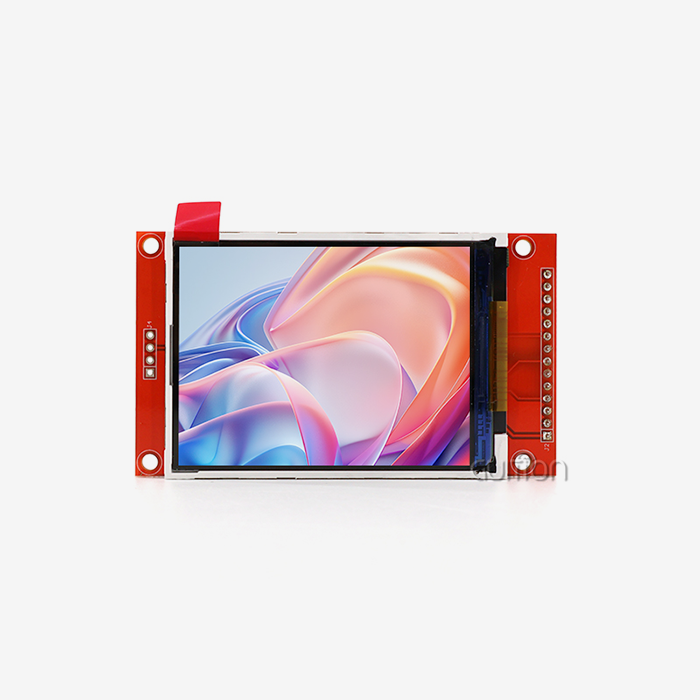
The main difference between a graphic LCD display module and a Character LCD display module. A Character LCD can only show set blocks of letters and numbers. A Graphic LCD display module, on the other hand, can show single pixels, which lets you use your own fonts, bitmaps, waveforms, icons, and full user interface designs. This way, letting embedded developers change pixels gives them a lot more design freedom without the need for more power that color TFT screens do.
Resolution and Pixel Density
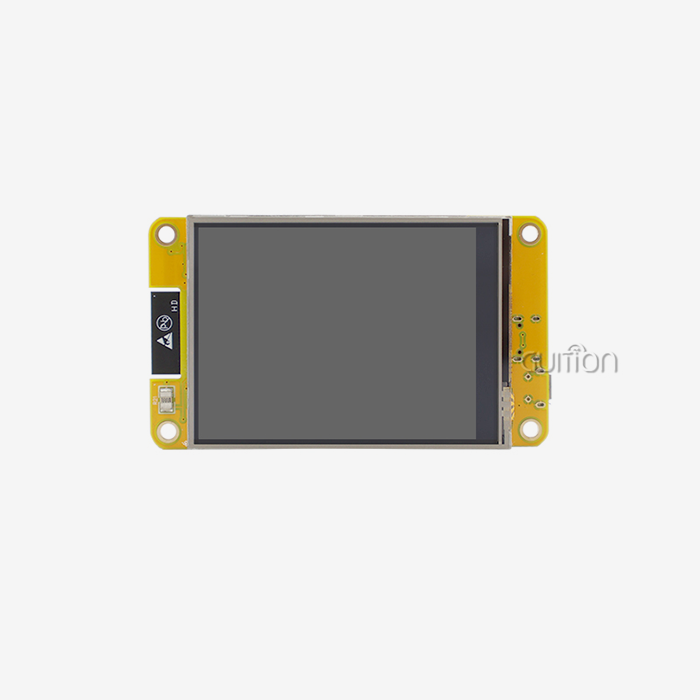
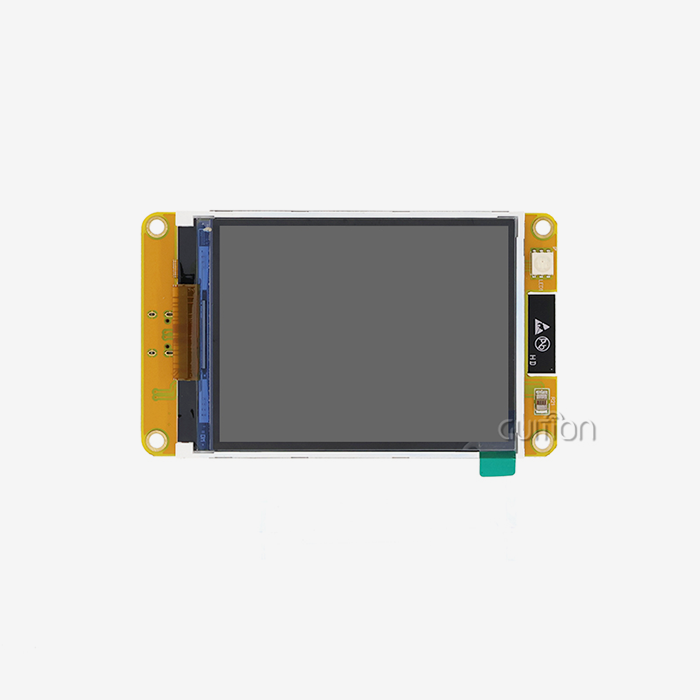
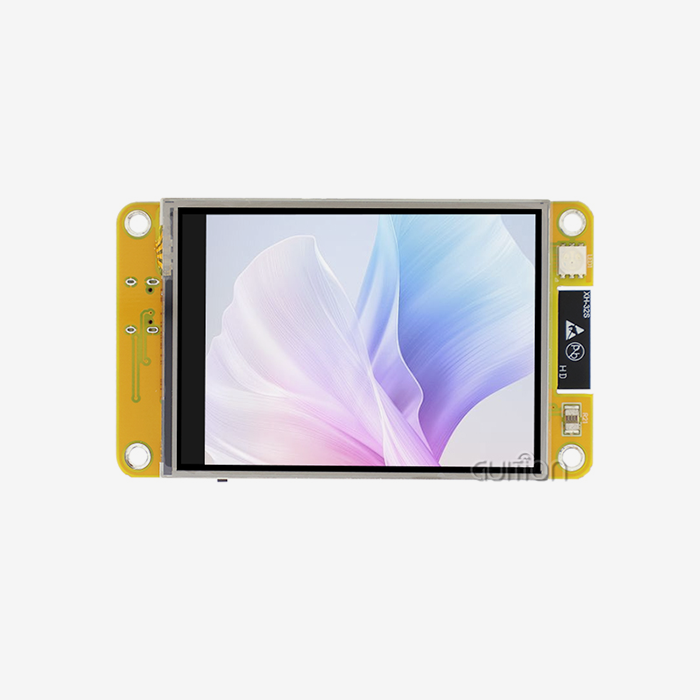
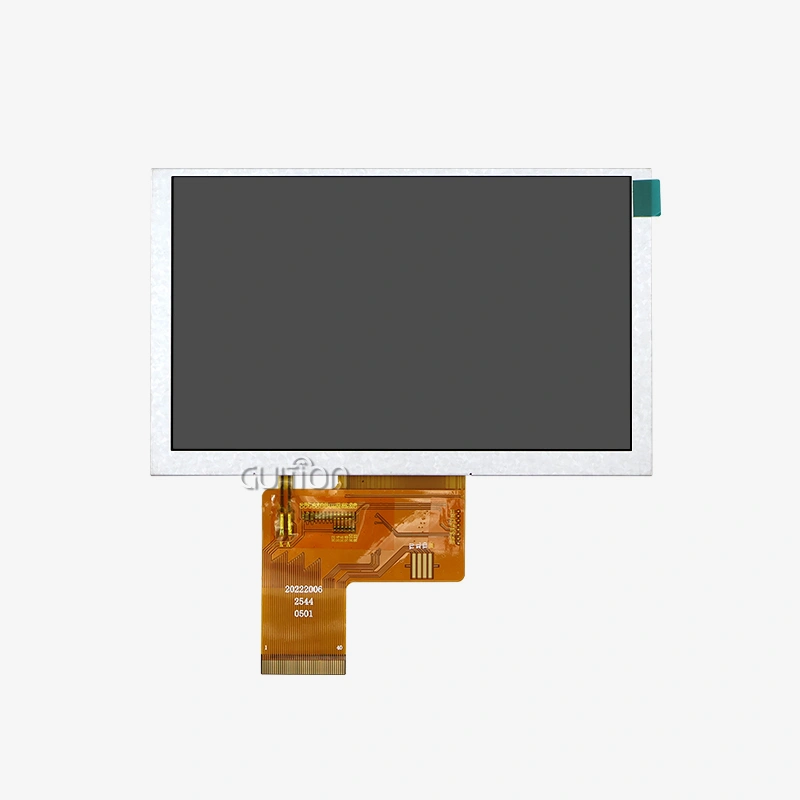
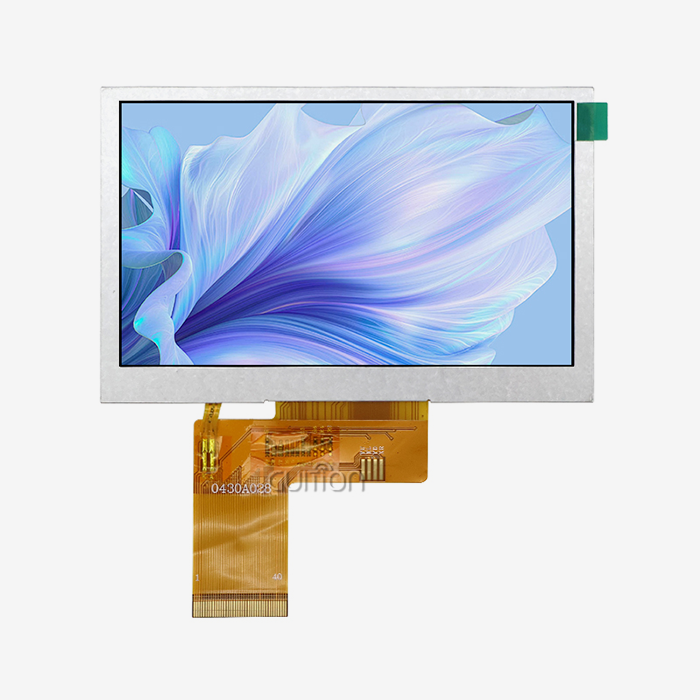
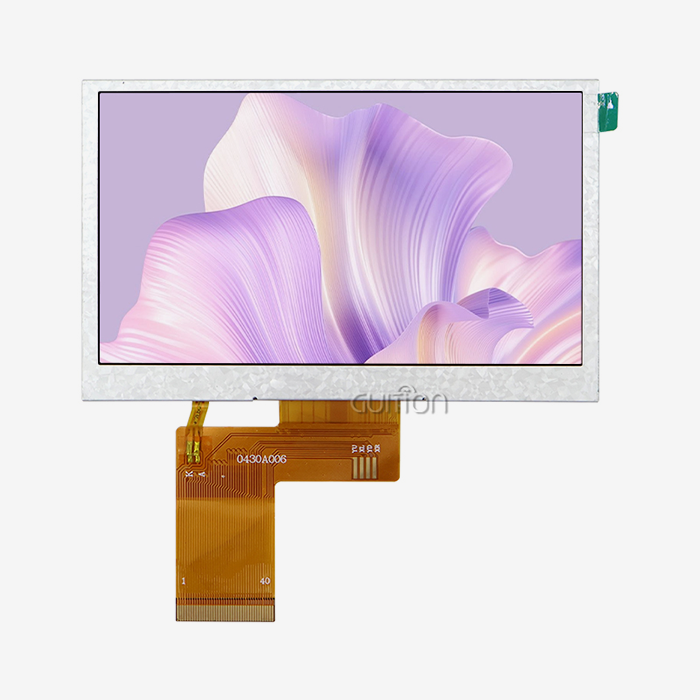
It tells you how much information a screen can show at once. When you look at text and pictures on a module with 800x480 pixels, like the GUITION JC8048B043N, they are much clearer than when you look at them on modules. How accurate people can be with medical tracking tools and industrial control screens depends on how dense the pixels are.
Interface Types and Communication Protocols
A lot of people use SPI, I2C, 8-bit parallel (6800/8080), and RGB as interfaces. This GUITION JC8048B043N has an RGB interface powered by the ST7265 IC. This interface works well with most ARM-based microcontrollers. It costs more and takes longer to convert signals if you choose an interface early on that doesn't work with the rest of the design.
Viewing Angle and Optical Mode
Viewing angle tells you if you can read something from somewhere other than the middle. For the Graphic LCD display module, IPS screens show the same color and brightness from a lot of different angles. People come from all over the place at places like medical equipment, charge stations, and kiosks, so this is important. When used outside, mirrored settings mix light from the background with light that bounces off of things around you.
Critical Evaluation Criteria Before Ordering a Graphic LCD Display Module
Right after you know what the needs are, you need an organized list of things to do to finish your order. An easy way for engineering teams to waste a lot of money on redoing boards is to rush through this step.
Screen Size Relative to Device Form Factor
The space you're using must be the same size as your container. A 4.3-inch module like the GUITION JC8048B043N is a good size for a screen while also taking up little room. The panels for 3D printers, charging station interfaces, and small industrial devices can all use it. Before you buy models, you should always make sure that the mechanical design plans match the live display area.
Operating Temperature Range
Display screens made for industrial use need to be able to handle a wide range of temperatures without breaking. Between -20°C and 70°C, the JC8048B043N can work, which is enough for most factory floors, cold storage rooms, and outdoor enclosures. The thickness of liquid crystals increases when temperatures are low. This makes update rates slower in modules that aren't up to par. When you get a temperature test, you should always ask for the results.
Supplier Certifications and Compliance
For the module to be RoHS compliant, it can't have any dangerous chemicals that aren't allowed. In most US and EU countries, this is the rule. If a company has ISO 9001 certification, it always checks the quality of its products in the same way. Graphic LCD display module makers you can trust should have information on pixel flaw standards (AQL), electro-optical testing, and shaking testing.
Comparing Graphic LCD Display Modules: Market Options and Supplier Insights
Selecting the right display technology requires comparing graphic LCD display modules against alternatives and evaluating suppliers on objective criteria.
Graphic LCD vs. TFT LCD vs. OLED
Each technology involves real trade-offs. Graphic LCD display modules consume less power and suit applications needing a simple, high-contrast UI without color requirements. TFT LCDs like the GUITION JC8048B043N offer 16.7M colors and excellent brightness, making them better for rich visual interfaces. OLEDs provide deep blacks but carry higher costs and shorter lifespans under continuous operation—a concern for 24/7 industrial deployments.
Touchscreen vs. Non-Touch Modules
Touchscreen integration adds cost and complexity. For applications like 3D printers or charging stations where operators use gloves or where hygiene matters, a non-touch module with physical controls can be more practical. The GUITION JC8048B043N is a non-touch graphic display module, which lowers integration complexity while keeping visual output high.
Evaluating Supplier Reliability
A supplier's documentation quality, lead time transparency, and after-sales support matter as much as the module itself. Guition, developed by Jingcai Intelligence, provides complete technical documentation, secondary development support, and cross-platform compatibility with Arduino, ESP-IDF, and its own Guition development environment. Their product line spans 1.28" to 21.5", giving procurement teams room to standardize across multiple product lines.
Procurement Considerations: Streamlining Your Ordering Process
You need to do more than just get the numbers right. Purchasing teams should also keep an eye on order logistics, lead times, and supplier support contracts.
Sampling and Custom Orders
You should always ask for a sample before you place a big order. If you test a physical unit against your real microprocessor and case, you can avoid surprises when you get to the large scale. You can make your own order configurations with Guition, and they'll send you sample units with full directions so that your tech team can test the module in the real world.
Pricing Structures and Volume Tiers
Most of the time, the price drops a lot when you buy 100, 500, or 1,000 of these Graphic LCD display panels at once. Purchasing managers can make more accurate budget plans and get better terms before production starts if they know these amounts during the planning phase. When you are given a price, always make sure that it includes packaging, labels, and proof that the rules have been followed.
Warranty, OTA Support, and After-Sales Services
To be reliable over the long term, you need help tools after the sale. Through over-the-air (OTA) upgrades, Guition's platform lets you make changes to the firmware and user interface (UI) of the Graphic LCD display module units that are already installed without having to physically access them. This is very useful for systems that handle energy, business booths, and farm automation gear that are spread out over a large area.
Best Practices and Tips for Successful Integration and Use
Whether a properly specified module will operate successfully in the final product depends on the quality of the technical integration. These are the techniques that always decrease rework and speed up delivery schedules.
Obtain Datasheets and Pinout Diagrams First
Ghosting and faint pixel abnormalities are often due to misadjusted contrast voltage (V0) or bias ratio settings, rather than hardware problems. Adjust the module duty cycle specification. Vop resistor circuit or software contrast parameters. This is checked at the prototype phase to avoid field complaints after production.
Validate Contrast and Refresh Settings Early
Before scaling up, run prototype units through high and low temperature cycles and vibration profiles that mimic your application environment. The mechanical stress subjected to modules used in agricultural automation machines or industrial robots cannot be simulated in conventional benchtop testing. Test FPC connection integrity and pixel performance in the actual working environment.
Run Thermal and Vibration Testing Before Mass Production
Before scaling up, run prototype units through high and low temperature cycles and vibration profiles that mimic your application environment. The mechanical stress subjected to modules used in agricultural automation machines or industrial robots cannot be simulated in conventional benchtop testing. Test FPC connection integrity and pixel performance in the actual working environment.
Conclusion
Before you buy the right graphic LCD display module, you need to make sure that it meets your needs in terms of size and resolution, compatibility with other interfaces, thermal performance, supplier certifications, and how to get it. Most of these problems are solved by the GUITION JC8048B043N, which has an 800x480 resolution, an RGB input, a ST7265 driver IC, a 16.7M color output, and can work in temperatures from -20°C to 70°C. Because of these things, it's a great choice for industrial control screens, charging stations, 3D printers, and medical devices. It works best with the built-in tools and instructions that come with Guition. This will help your team send more tests to production more quickly.
FAQ
What is the difference between a graphic LCD display module and a character LCD?
A character LCD displays fixed alphanumeric text in predefined blocks. A graphic LCD display module addresses individual pixels, allowing custom graphics, icons, multi-language text, and dynamic UI elements. This makes graphic modules more suitable for complex HMI applications in industrial and medical devices.
Is the GUITION JC8048B043N compatible with Arduino or ESP32?
Yes. Guition's development environment supports Arduino, ESP-IDF, and its own Guition development mode, making the JC8048B043N integrable with a broad range of microcontroller platforms. Check the RGB interface pinout against your board's GPIO specifications before writing initialization code.
How do I request a sample of a graphic LCD display module?
When evaluating a supplier of graphic LCD display modules for business-to-business use, it is advised that sampling be done before making a bulk commitment.
Can this module operate in outdoor or high-temperature environments?
The JC8048B043N operates from -20°C to 70°C, which covers most industrial and semi-outdoor applications. For direct sunlight readability, confirm backlight brightness specifications against ambient lighting levels in your deployment environment.
What does RoHS compliance mean for display module procurement?
RoHS compliance confirms the module does not contain restricted hazardous substances such as lead, mercury, or cadmium. This is a legal requirement for products sold in the US and EU markets and should be confirmed with any graphic LCD display module manufacturer before finalizing orders.
Connect With Guition — Your Trusted Graphic LCD Display Module Supplier
A number of organizations are included, one of which is the Society for the Display of Information. The publication of the information display magazine is scheduled to take place in the year 2022. For the purpose of obtaining a sample, discussing the amount of money that will be necessary for large purchases, or receiving help with your specific needs, you may get in touch with us by sending an email to david@guition.com or by visiting https://jingcaizhineng.aixdb.cn/.
References
1. Society for Information Display. Information Display Magazine. 2022.
2. IPC Association. IPC-A-610: Acceptability of Electronic Assemblies. 2020.
3. International Electrotechnical Commission. IEC 61747: Liquid Crystal Display Devices. 2021.
4. IEEE Transactions on Industrial Electronics. Human-Machine Interface Design for Embedded Systems. 2021.
5. European Commission. RoHS Directive 2011/65/EU: Restriction of Hazardous Substances in Electrical and Electronic Equipment. 2019.
6. Display Supply Chain Consultants (DSCC). Annual Display Industry Market Report. 2023.
Learn about our latest products and discounts through SMS or email