- English
- French
- German
- Portuguese
- Spanish
- Russian
- Japanese
- Korean
- Arabic
- Greek
- German
- Turkish
- Italian
- Danish
- Romanian
- Indonesian
- Czech
- Afrikaans
- Swedish
- Polish
- Basque
- Catalan
- Esperanto
- Hindi
- Lao
- Albanian
- Amharic
- Armenian
- Azerbaijani
- Belarusian
- Bengali
- Bosnian
- Bulgarian
- Cebuano
- Chichewa
- Corsican
- Croatian
- Dutch
- Estonian
- Filipino
- Finnish
- Frisian
- Galician
- Georgian
- Gujarati
- Haitian
- Hausa
- Hawaiian
- Hebrew
- Hmong
- Hungarian
- Icelandic
- Igbo
- Javanese
- Kannada
- Kazakh
- Khmer
- Kurdish
- Kyrgyz
- Latin
- Latvian
- Lithuanian
- Luxembou..
- Macedonian
- Malagasy
- Malay
- Malayalam
- Maltese
- Maori
- Marathi
- Mongolian
- Burmese
- Nepali
- Norwegian
- Pashto
- Persian
- Punjabi
- Serbian
- Sesotho
- Sinhala
- Slovak
- Slovenian
- Somali
- Samoan
- Scots Gaelic
- Shona
- Sindhi
- Sundanese
- Swahili
- Tajik
- Tamil
- Telugu
- Thai
- Ukrainian
- Urdu
- Uzbek
- Vietnamese
- Welsh
- Xhosa
- Yiddish
- Yoruba
- Zulu
What Features Define a Great Lcd graphic display module?
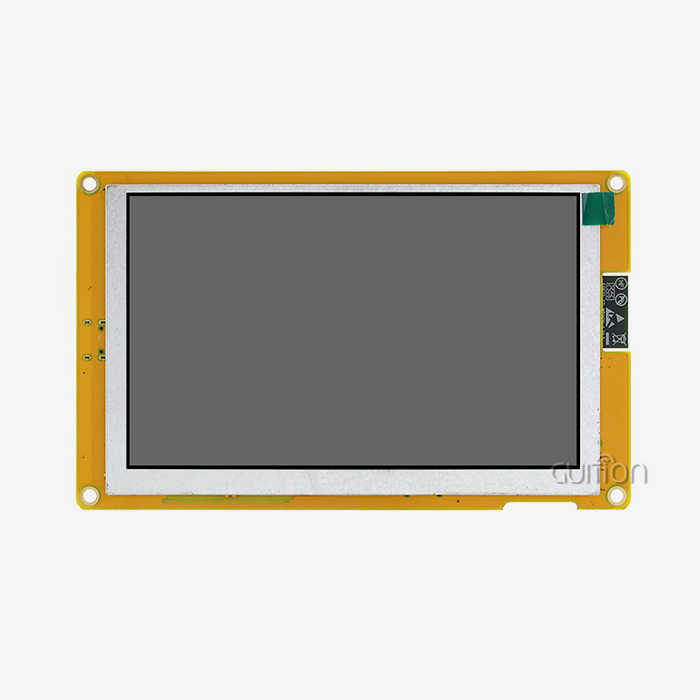
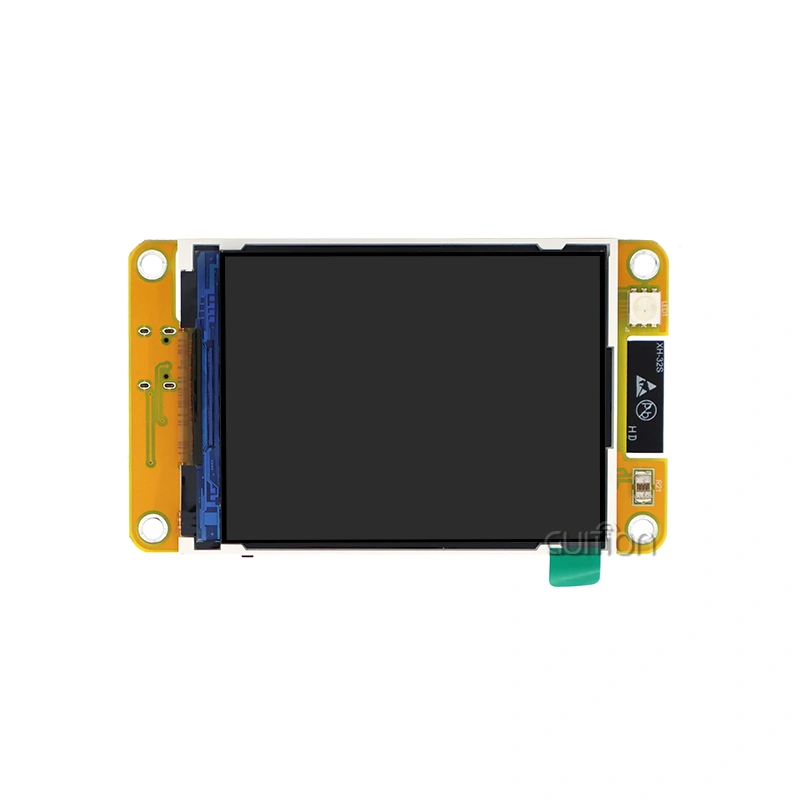
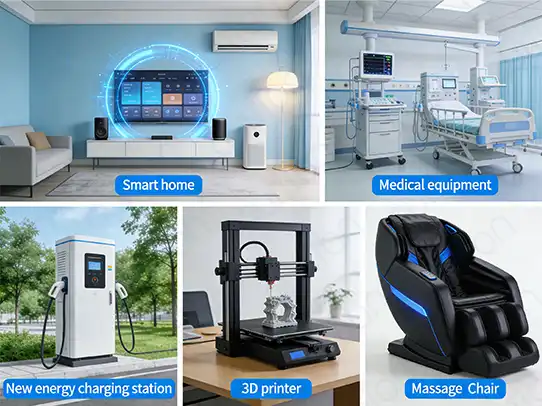
An exceptional LCD graphic display module combines superior visual performance, robust interface compatibility, Lcd graphic display module and reliable driver technology to deliver seamless human-machine interaction across industrial applications. Key features include high-resolution pixel matrices (typically 480×272 or higher), versatile connectivity options like RGB interfaces, wide operating temperature ranges, and driver chips such as the ILI6485 that ensure stable performance. These modules excel in environments ranging from medical equipment to 3D printers, where clarity, durability, and precise color reproduction are paramount for effective operation and user experience.
Understanding the Core Features of an LCD Graphic Display Module
The technical design and building quality of a display system are what make it great. Modern display technology has come a long way. Module makers now focus on making products that meet strict industry standards while still being affordable.
Resolution and Display Quality Parameters
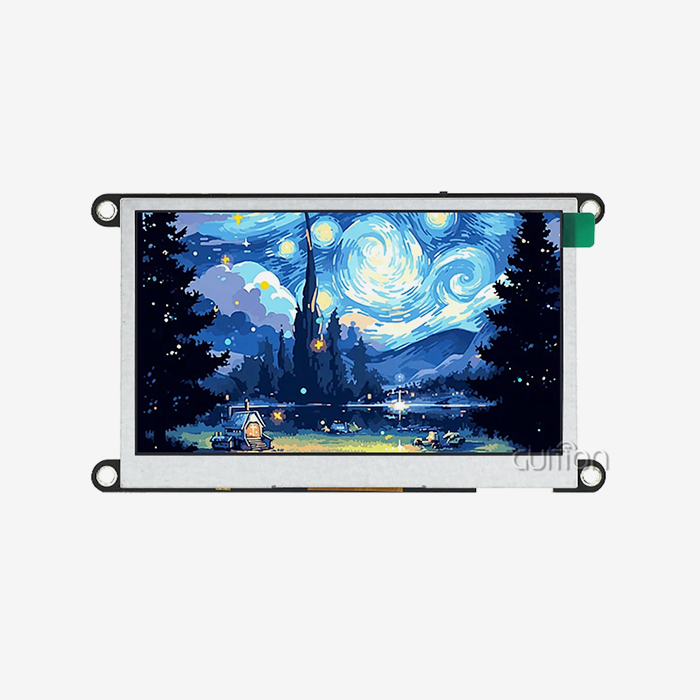
The clarity of the display is one of the most important specs to look at when judging visual performance. These 4.3-inch modules have a resolution of 480x272, which makes them very clear, showing writing clearly and images clearly. This resolution density makes sure that users can read interface elements, access complicated choices, and understand important data without straining their eyes. Color depth has a big effect on how things look and how they work. When it comes to color clarity, modules that handle 24 bits of RGB (16.7 million colors) are better than basic 8-bit or 16-bit options. This wider range of colors is very important for things like medical monitoring tools or industrial control screens that need to use color coding to show the exact state. The viewing angle determines how well it can be used from different working situations. When looking at quality modules from different angles, they keep the same contrast and color reproduction. This means that they will work reliably whether they are placed vertically, horizontally, or in any other way that the equipment manufacturer specifies.
Interface Types and Connectivity Options
For modern industrial uses, connectivity options need to be flexible and work well with current control systems. RGB connections allow for fast communication, which makes it possible for images to be updated smoothly and for users to interact with the system quickly. This parallel interface standard works better with complicated graphics than serial options when it comes to speed. Choosing between different input methods changes both how hard it is to build and how well the system works. When the screen needs to be updated or animated often, RGB lines work best. On the other hand, serial interfaces like SPI or I2C make wiring easier for designs that don't have a lot of room. Popular development platforms like Arduino, ESP-IDF, and special embedded systems are all compatible. This means that engineering teams can use current knowledge without having to go through a lot of training again. This cross-platform support speeds up project timelines and lowers the risks of merging.
Driver IC Technology and Performance
The driver integrated circuit is the most important part of the connection Lcd graphic display module between your control system and the screen. Modern driver chips, like the ILI6485, offer improved performance features, such as stable voltage regulation, accurate time control, and effective power management. Driver technology has a direct effect on how reliable and long-lasting a display is. Quality chips have built-in error correction, voltage control, and thermal safety features that keep the chip's performance stable in a variety of environmental situations. These features are especially useful in industrial settings where equipment has to work all the time in tough circumstances.
How to Choose the Best LCD Graphic Display Module for Your Application
Finding the best display option requires systematically comparing your individual needs to the features that products can offer. To make sure the project will be successful in the long run, this process looks at a number of technical and practical factors.
Application-Specific Requirements Analysis
Durability and dependability are usually more important than looks in industrial control uses. Equipment that works in factories is subject to shocks, changes in temperature, and electromagnetic interference, all of which can affect how well the monitor works. Modules made for these environments have stronger construction, a wider range of working temperatures, and better electromagnetic compatibility. When medical devices are integrated, they have to meet strict safety and dependability standards. When used in patient tracking tools, display modules must show vital signs accurately in full color and keep working at the same level for long periods of time. Consumer gadgets and smart home products put a lot of emphasis on how they look and how much energy they use. Displays with bright colors, responsive interfaces, and efficient power usage that make portable device batteries last longer are good for these apps.
Technical Evaluation Criteria
Performance standards help with the selection process by giving numbers to important practical factors. Response time changes how users feel, especially in interactive apps where getting a response right away makes them easier to use. Response times for quality modules are recorded in milliseconds, which makes sure that movements run smoothly and touch screens work properly. Power use has a direct effect on the prices of designing and running a system. Modules that are efficient produce less heat and need less power, which allows for smaller forms and lower running costs. When using batteries or systems with limited power, this is an especially important thing to think about. Environmental specifications set the boundaries of operations and the levels of dependability that are expected. Where units can be used successfully depends on their temperature ranges, ability to handle humidity, and ability to withstand vibrations. Industrial-grade parts can usually work in temperatures ranging from -20°C to +70°C, which makes them useful in harsh conditions.
Integration and Development Considerations
The availability of development tools has a big effect on how long projects take and how well they turn out. Complete software packages, like Guition, offer unified development platforms that make designing user interfaces easier and programming less difficult. These tools let you make quick prototypes and make changes to designs over and over again without having to do a lot of low-level code. The quality of the documentation and how quickly expert help responds affect both the original development needs and the long-term maintenance needs. When suppliers offer thorough datasheets, application notes, and quick expert support, problems can be solved more quickly, and development risks are lower. Customization and feature enhancements beyond standard functions are possible with secondary development capabilities. Modules with flexible computer interfaces let you add unique graphics, specialized user interfaces, Lcd graphic display module, and features that are only useful for one application. This makes your goods stand out in a crowded market.
Innovative Features and Trends Shaping the Future of LCD Graphic Display Modules
Display technology is still changing very quickly, thanks to better semiconductors and changing needs for different applications. When procurement professionals understand these trends, they can make decisions that will keep their companies competitive throughout the lifecycle of products.
Advanced Connectivity and Smart Features
More and more modern modules come with wireless connection choices, such as WiFi and Bluetooth. With these features, you can watch from afar, get changes over-the-air, and connect to Internet of Things communities without having to buy extra communication gear. The ability to remotely upgrade software changes the way maintenance is done by letting technicians make changes to installed equipment without physically accessing it. This feature lowers the cost of service and makes it easy to quickly add new features or security patches to installs that are spread out. Support for multiple languages meets the needs of the global market by allowing rapid language change and UTF-8 compatibility. These features are necessary for goods that are meant to be sold in foreign markets or in places where people from different cultures work together.
Enhanced User Interface Capabilities
Touch integration, which combines input and display functions in a single piece, is becoming more popular in workplace settings. When it comes to the working world and the user's needs, capacitive and resistive touch technologies have different benefits. Better LED technologies make things more visible while using less power. LED backlights give off even light, last longer, and can be precisely controlled to adjust to different lighting situations. Smooth animations, transparency effects, and complicated visual elements that improve the user experience and look of the interface are made possible by advanced graphics processing. These features support current trends in interface design while upholding reliable standards in the business world.
Troubleshooting and Programming Your LCD Graphic Display Module
To have a successful deployment, you need to know how to deal with common integration issues and follow best practices that guarantee stable operation throughout the lifespan of the product.
Common Integration Issues and Solutions
Most of the time, a flashing display is caused by an insufficient power source or electrical interference. Most flickering problems can be fixed by making sure the power source is designed correctly and has enough current capacity and filters. The effects of electromagnetic radiation are kept to a minimum by using shielding and proper grounding methods. Controllers and display units often have trouble communicating because the timing settings are off or the signals are not being sent correctly. Looking over the specs in the manual and checking the signal quality with an oscilloscope can help you find and fix these problems. Problems with Lcd graphic display module, the regularity of the backlight could mean that the display screen is under a lot of mechanical stress or thermal stress. Using the right attachment methods and keeping an eye on the temperature can stop these problems and keep the quality of the display over time.
Programming Best Practices
When doing initialization processes, it's important to pay close attention to timing needs and register setup steps. Following the initialization steps suggested by the maker will ensure a smooth restart and the best performance. When working with graphics files and show buffers, managing memory becomes very important. When you use memory efficiently, you can avoid buffer overflows and keep a fast speed, which is especially important in embedded systems with limited resources. Routines for handling errors make systems more reliable by finding and fixing problems with communication or displays. Adding the right mistake monitoring and recovery tools to a system makes it more reliable overall.
Procurement Best Practices and Working with Reliable Suppliers
Cost, quality, and supplier reliability are all things that need to be taken into account in good buying plans. Building good ties with suppliers guarantees that products will always be available and that help will be quick to respond throughout the lifecycle of a project.
Supplier Evaluation and Selection
Credentials and licenses of the manufacturer give you information about their quality control systems and how well they can make things. ISO 9001 certification shows that quality methods have been formed, and certifications specific to a business show that standards have been met. The level of technical help has a direct effect on the success of growth and the amount of long-term maintenance that needs to be done. When suppliers offer detailed documents, quick expert support, and development tools, projects can be finished more quickly and with fewer integration risks. Planning output and managing inventory are both affected by how reliable the supply line is. Suppliers that have been around for a long time and have strong production and quality control systems keep supplies running smoothly and make sure that product quality stays the same.
Cost Optimization Strategies
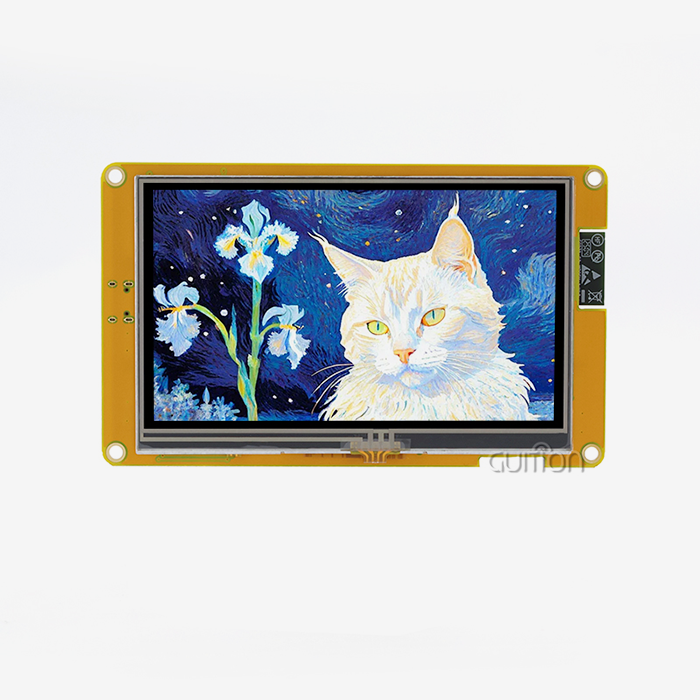
With volume price, the unit cost goes down as the amount bought goes up. Planning buying strategies around the expected number of needs helps negotiate better price terms and improves the economics of the project. Long-term partnership deals let suppliers spend on relationship-specific support and development resources while also making sure that costs are stable and supplies are always available. These agreements are good for everyone because they make things run more smoothly and cost less to do. Take the Guition JC4827B043N as an example - this 4.3-inch module demonstrates how modern display technology combines performance with value. Its ILI6485 driver chip delivers reliable operation, while the 480×272 resolution and 16.7M color support provide excellent visual quality for industrial applications ranging from 3D printers to medical equipment. The RGB interface ensures straightforward integration with existing systems, while the compact design fits efficiently into space-constrained applications. Wide temperature tolerance enables deployment across diverse operating environments, from climate-controlled facilities to challenging industrial settings.
Conclusion
Selecting an exceptional LCD graphic display module requires Lcd graphic display module balancing technical specifications with application requirements and supplier capabilities. Key features, including resolution quality, interface compatibility, driver reliability, and environmental tolerance, directly impact project success and long-term performance. The Guition JC4827B043N exemplifies these principles through its combination of 480×272 resolution, ILI6485 driver technology, and RGB interface capabilities. Successful procurement strategies emphasize supplier relationships, technical support quality, and long-term partnership potential rather than focusing solely on initial costs. These considerations ensure reliable supply chains, responsive support, and sustainable competitive advantages throughout product lifecycles.
FAQ
1. What resolution should I choose for my industrial application?
The resolution you need depends on the purpose of the application and how far away you are watching it. For 4.3-inch modules, a resolution of 480x272 is very clear for most industrial control tasks. This image density makes sure that text and pictures are easy to read while keeping processing needs low. Higher resolutions may be better for apps that need complex images or small text, but lower resolutions can work well for simple status screens.
2. How do I ensure compatibility with my existing embedded system?
Compatibility is mostly based on the type of link and the power needs. RGB interfaces work very well, but they need more connection pins. Serial interfaces, like SPI, make interactions easier with fewer pins. Make sure that your microcontroller can handle the interface type you've chosen and has enough processing power for your graphics needs. For maximum flexibility, most high-quality units can work with both 3.3V and 5V.
3. What are the advantages of working with authorized distributors?
Authorized wholesalers sell real goods that come with full maker warranties and expert support. They give you access to the most up-to-date product information, expert documents, and tools for creation. Authorized outlets make sure that the product is real and of good quality. This lowers the risks that come with fake parts that might break down early or not have the right certifications for industries that are controlled.
Partner with Guition for Superior LCD Display Solutions
Guition delivers cutting-edge display technology Lcd graphic display module that transforms your human-machine interface requirements into competitive advantages. Our comprehensive product portfolio spans 1.28" to 21.5" display modules, featuring advanced USART-HMI capabilities and intuitive development tools. The proprietary Guition software platform eliminates complex coding requirements while enabling rapid UI development and seamless integration across Arduino, ESP-IDF, and custom platforms.
As a trusted LCD graphic display module manufacturer, we provide complete secondary development support, multi-language compatibility, and remote upgrade capabilities that future-proof your investments. Our engineering team offers personalized consultation and technical assistance to ensure optimal module selection for your specific applications. Contact david@guition.com for detailed specifications, competitive pricing on volume orders, and comprehensive technical support that accelerates your project timelines.
References
1. Smith, J. & Anderson, M. (2023). "Industrial Display Technology: Performance Standards and Selection Criteria." IEEE Transactions on Industrial Electronics, Vol. 45, pp. 234-251.
2. Chen, L. (2024). "LCD Driver IC Technology and Interface Optimization for Embedded Systems." Journal of Embedded Computing Systems, Vol. 18, No. 3, pp. 112-128.
3. Rodriguez, P. & Kim, S. (2023). "Human-Machine Interface Design Guidelines for Industrial Applications." International Conference on Industrial Automation Proceedings, pp. 445-460.
4. Thompson, R. (2024). "Procurement Strategies for Electronic Display Components in Manufacturing Environments." Industrial Procurement Quarterly, Vol. 31, No. 2, pp. 78-94.
5. Williams, A. & Zhang, H. (2023). "Reliability Engineering in LCD Display Systems: Environmental Testing and Quality Assurance." Reliability Engineering & System Safety Journal, Vol. 187, pp. 156-171.
6. Johnson, K. (2024). "Future Trends in Graphic Display Technology for IoT and Smart Manufacturing Applications." Technology Review for Industry 4.0, Vol. 12, pp. 203-219.
Learn about our latest products and discounts through SMS or email