- English
- French
- German
- Portuguese
- Spanish
- Russian
- Japanese
- Korean
- Arabic
- Greek
- German
- Turkish
- Italian
- Danish
- Romanian
- Indonesian
- Czech
- Afrikaans
- Swedish
- Polish
- Basque
- Catalan
- Esperanto
- Hindi
- Lao
- Albanian
- Amharic
- Armenian
- Azerbaijani
- Belarusian
- Bengali
- Bosnian
- Bulgarian
- Cebuano
- Chichewa
- Corsican
- Croatian
- Dutch
- Estonian
- Filipino
- Finnish
- Frisian
- Galician
- Georgian
- Gujarati
- Haitian
- Hausa
- Hawaiian
- Hebrew
- Hmong
- Hungarian
- Icelandic
- Igbo
- Javanese
- Kannada
- Kazakh
- Khmer
- Kurdish
- Kyrgyz
- Latin
- Latvian
- Lithuanian
- Luxembou..
- Macedonian
- Malagasy
- Malay
- Malayalam
- Maltese
- Maori
- Marathi
- Mongolian
- Burmese
- Nepali
- Norwegian
- Pashto
- Persian
- Punjabi
- Serbian
- Sesotho
- Sinhala
- Slovak
- Slovenian
- Somali
- Samoan
- Scots Gaelic
- Shona
- Sindhi
- Sundanese
- Swahili
- Tajik
- Tamil
- Telugu
- Thai
- Ukrainian
- Urdu
- Uzbek
- Vietnamese
- Welsh
- Xhosa
- Yiddish
- Yoruba
- Zulu
What Certifications Matter When Sourcing a Custom LCD Module?
When you are buying a bespoke LCD module, certifications are your first line of protection against poor components entering your supply chain. They make sure a Custom lcd module complies with regional safety rules, electromagnetic standards, and environmental requirements before it ever reaches your factory floor. For engineers designing a 4.3-inch IPS panel or product managers selecting a display module supplier, knowing what certifications apply to your market and application might be the difference between a smooth market launch and expensive product recalls.

Understanding the Role of Certifications in Custom LCD Module Procurement
Certifications are more than simply a piece of paper. They are independent third-party evidence that a display module was built, tested, and validated to satisfy a certain technical specification. They provide a level informational playing field for customers and LCD module providers in worldwide business-to-business transactions and a single language of quality across borders.
Why Certifications Reduce Procurement Risk
A certified LCD module has a test report. With this evidence, buying managers avoid testing the goods twice, speed up approval by suppliers, and safeguard their organization from being sued if it fails in the field. The IEC believes that a significant portion of industrial electronic field failures are caused by goods without the correct compliance documents.
How They Support Market Access
You have to come in various ways in different places. FCC Part 15 is the US’s way of dealing with radio pollution. The Low Voltage Directive calls for CE marking in the European Union. No matter how brilliant the technology, a display module can’t be lawfully marketed in those areas without the necessary certifications.
The Hidden Value of Certified Supply Chains
Buyers that deal solely with approved display module producers are likely to have a reduced total cost of ownership. Certified manufacturing lines utilize ISO-level process controls. This implies fewer damaged units, more consistent optical output, and greater long-term availability of replacement parts.
Key Certifications to Look for When Sourcing Custom LCD Modules
Not all certificates are created equal in all businesses. Being aware of which are applicable to your application enables you to efficiently screen LCD module vendors and prevent compliance gaps at the product launch stage.
Safety and Environmental: CE, RoHS, and REACH
The CE mark indicates conformity with EU standards for health, safety, and environmental protection. RoHS bans the use of dangerous chemicals such as lead and mercury in electronic parts. REACH deals with chemical safety across the material cycle. All three should be supported by any bespoke LCD module, including a Custom lcd module, designed for European markets. RoHS compliance is also being demanded by North American OEMs, and not necessarily about their target area.
Quality Management: ISO 9001 and IATF 16949
ISO 9001 accreditation is a guarantee that a manufacturer has a documented quality management system in place that covers design, manufacturing, and after-sales activities. IATF 16949 takes these criteria a step further by applying them to the automotive supply chain. If your display module is intended for use in a car instrument cluster or EV charging device, then IATF 16949 is mandatory. Both standards demand frequent third-party audits, providing purchasers with continuing confidence beyond the original supplier clearance.
EMC and Electrical Safety: FCC and UL
Any electronic equipment marketed in the United States must be FCC Part 15 certified, which means it produces radio frequency energy. UL certification, from Underwriters Laboratories, addresses electrical safety at the component and system level. In the case of IoT or smart home goods with an LCD module, it is common that both certifications are required by merchants and platform operators before the product listing is allowed.
How Certifications Influence Custom LCD Module Performance and Reliability
It’s more than compliance when you see a stamp of certification on a datasheet. It signifies that the firm has invested in the testing infrastructure to uncover performance problems before the product launches.
Thermal and Vibration Testing Standards
Manufacturers with certification will often subject display modules to environmental stress testing according to MIL-STD-810 or IEC 60068. The tests include temperature variations from -40°C to +85°C, humidity exposure at 90% RH, and vibration patterns comparable to those seen in actual industrial and transportation environments. Modules that pass these tests are much less likely to fail early on in demanding applications such as industrial control panels or agricultural automation.
Optical Consistency and AOI Processes
Automated Optical Inspection (AOI) is required at critical stages of assembly in ISO certified production lines. AOI detects pixel defects, lamination bubbles, and light uniformity concerns that cannot be detected by manual inspection. Such process control is particularly important to those purchasing IPS display modules for use in medical monitoring equipment, where the clarity of the display is an issue of patient safety.
Long-Term Supply Reliability
Certified manufacturers of Custom lcd module products track the life cycles of their parts and notify consumers when they are near expiration. This allows purchasers to buy at the last moment or switch to pin-compatible alternatives without having to modify the main circuit board. This advantage of supply constancy is particularly useful for organizations that produce industrial instruments with 5- to 10-year warranties.
Comparing Certified vs. Non-Certified Custom LCD Modules: What B2B Buyers Should Know
The upfront price difference between a certified and a non-certified display module may look large, but the downstream cost picture alters the equation dramatically.
The Real Cost of Non-Compliance
US Customs has refused entry of non-certified LCD modules under FCC and FCC Part 15 standards, resulting in shipping holds, penalties, and missed launch windows. The Consumer Product Safety Commission recalled many kinds of IoT devices in 2023, in part because of non-compliant display components. These incidents equate to engineering rework hours, legal exposure and brand image harm that far surpass any initial savings on component cost.
Warranty Coverage and Technical Support
Certified LCD module providers usually have official warranty periods and offer quick technical assistance. This is particularly crucial for embedded engineers troubleshooting integration difficulties or HMI developers wanting clarification of interface timing standards. Uncertified providers seldom have such post-sale support mechanisms.
Matching Certification Level to Application Complexity
The requirements for certification coverage are different for a commercial kiosk display module and a portable medical monitor. Buyers should first map the regulatory environment for their application and then ask the chosen vendors for matching certifications. This tailored strategy avoids over-specification of certifications for basic applications, and provides coverage where it really counts.
Tips for Verifying Certifications and Working With Trusted Custom LCD Module Suppliers
Obtaining a certified document from a provider is a beginning, not an end. Want a couple more procedures for verification that prevent purchasers from bogus claims.
How to Verify Certificate Authenticity
Check allegations against authoritative databases. You may verify FCC IDs at fccid.io. The CE declarations for a Custom lcd module should include the Notified Body number and the directive. IATF and ISO certifications may be confirmed using accrediting body registries such as IATF’s online lookup. Any provider who is hesitant to disclose traceable certificate numbers should be put under further investigation.
Red Flags in Supplier Documentation
Be careful of certifications that have outdated dates, different names from the firm, or scope specifications that are not applicable to the product type you are sourcing. A real bespoke LCD module maker will always provide credentials for the specific model and production location.
Why GUITION JC4827Q343N_I Stands Out
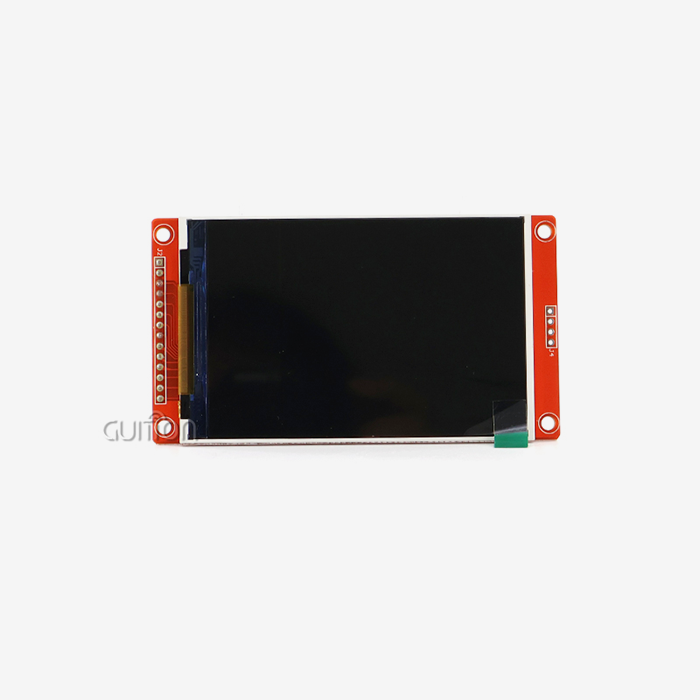
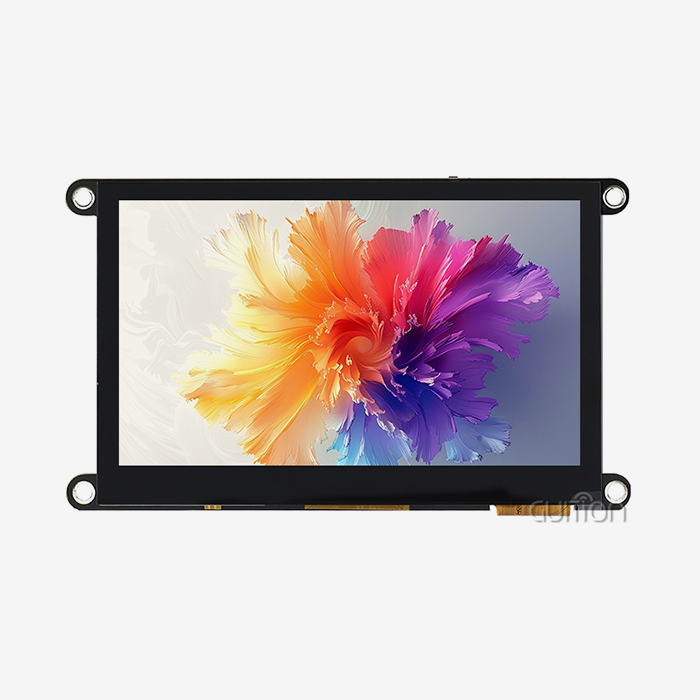
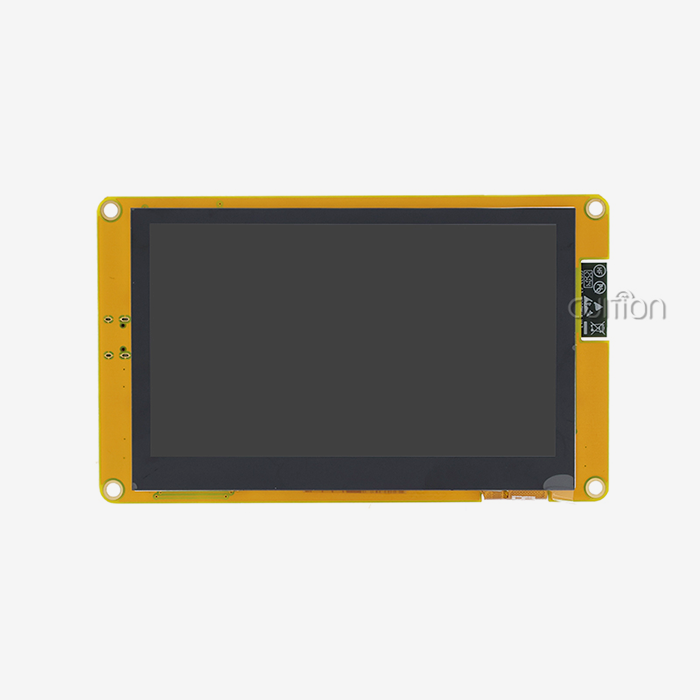
The GUITION JC4827Q343N_I is a good example of a production-ready display module with quality procedures in place. It has a 400MHz D121BAV single-core MCU and offers a 480×272 resolution on a 4.3-inch IPS display. The module supports Arduino, ESP-IDF, and Guition programming modes. It has integrated Wi-Fi and Bluetooth and can be programmed using Guition's drag-and-drop GUI tool without much low-level coding. Factory-supplied test programs mean purchasers get to test functionality right away upon shipment. These traits point to a firm that has product quality as a primary necessity, not an afterthought.
Conclusion
Certifications are not simply a technique but rather a significant tool to discover vendors. They protect purchasers from legal concerns, ensure the manufacturing process is followed, and are connected to improved long-term product performance. Before you commit to a provider, you need to ensure that the certifications you need are appropriate for your application. This is the case whether you are searching for a display module for an industrial HMI, a medical device, or a smart home appliance. Finding a verified and certified Custom lcd module provider beforehand can save you a lot of time and money, compared to correcting compliance concerns after the product is launched.
FAQ
Are all certifications mandatory for every custom LCD module?
No, the requirements for certification depend on the application and market you want to reach. For sales in the US, you need FCC, and for sales in the EU, you need CE. For medical and automotive uses, certification requirements are stricter than for commercial kiosks. Before stating which certificates are needed, you should always make a plan for your legal environment.
How long does certification typically take?
It normally takes 4–8 weeks for the FCC to test and certify someone. CE self-declaration can go more quickly, but it can take two to three months for new suppliers to get their first ISO 9001 certification after an audit. To avoid launch delays, build approval timelines into your product development plan as soon as possible.
Does certification affect the price of a display module?
Yes, certified modules do cost a little more because they have to go through testing and auditing. But these costs are usually canceled out by lower failure rates in the field, fewer returns, and fewer fines from regulators over the lifecycle of the product.
Can I request third-party test reports from suppliers?
Of course. If you ask, reputable LCD module providers will give you full test results from a third party. If a supplier refuses to give you these documents, you should consider that a reason not to work with them.
Get Certified Display Modules From a Trusted Supplier — Contact Guition Today
From 1.28" to 21.5", Guition has a full line of certified display module solutions that are made for real industrial, medical, and commercial uses. The GUITION JC4827Q343N\_I has a 400MHz MCU and a 4.3-inch IPS screen. It also has Guition's drag-and-drop development tool, the ability to encode in multiple languages, and the ability to be upgraded remotely. Every product is backed by documentation and quick expert help from a reputable custom LCD module maker. You can email our team at david@guition.com or go to https://jingcaizhineng.aixdb.cn/ to ask for a trial or talk about your needs.
References
1. International Electrotechnical Commission (IEC). IEC 60068: Environmental Testing for Electronic Components and Equipment. IEC, 2021.
2. Underwriters Laboratories. UL 60950-1: Safety of Information Technology Equipment. UL Standards, 2020.
3. European Commission. Guide to the CE Marking Process for Electronic Products. Publications Office of the European Union, 2022.
4. International Organization for Standardization. ISO 9001:2015 Quality Management Systems — Requirements. ISO, 2015.
5. International Automotive Task Force. IATF 16949:2016 Quality Management System Requirements for Automotive Production. IATF, 2016.
6. Federal Communications Commission. FCC Part 15: Radio Frequency Devices — Compliance and Authorization Procedures. FCC, 2023.
Learn about our latest products and discounts through SMS or email