- English
- French
- German
- Portuguese
- Spanish
- Russian
- Japanese
- Korean
- Arabic
- Greek
- German
- Turkish
- Italian
- Danish
- Romanian
- Indonesian
- Czech
- Afrikaans
- Swedish
- Polish
- Basque
- Catalan
- Esperanto
- Hindi
- Lao
- Albanian
- Amharic
- Armenian
- Azerbaijani
- Belarusian
- Bengali
- Bosnian
- Bulgarian
- Cebuano
- Chichewa
- Corsican
- Croatian
- Dutch
- Estonian
- Filipino
- Finnish
- Frisian
- Galician
- Georgian
- Gujarati
- Haitian
- Hausa
- Hawaiian
- Hebrew
- Hmong
- Hungarian
- Icelandic
- Igbo
- Javanese
- Kannada
- Kazakh
- Khmer
- Kurdish
- Kyrgyz
- Latin
- Latvian
- Lithuanian
- Luxembou..
- Macedonian
- Malagasy
- Malay
- Malayalam
- Maltese
- Maori
- Marathi
- Mongolian
- Burmese
- Nepali
- Norwegian
- Pashto
- Persian
- Punjabi
- Serbian
- Sesotho
- Sinhala
- Slovak
- Slovenian
- Somali
- Samoan
- Scots Gaelic
- Shona
- Sindhi
- Sundanese
- Swahili
- Tajik
- Tamil
- Telugu
- Thai
- Ukrainian
- Urdu
- Uzbek
- Vietnamese
- Welsh
- Xhosa
- Yiddish
- Yoruba
- Zulu
What Are Key Benefits of Serial Display Modules?
Serial display modules revolutionize how engineers approach human-machine interface development by offering streamlined communication through UART, SPI, and I2C protocols. These intelligent display solutions integrate onboard processors, memory storage, and communication interfaces into a single compact unit, eliminating the complexity of traditional parallel displays. The core benefits include simplified system architecture, reduced development time, enhanced reliability, and lower total cost of ownership for industrial applications ranging from medical devices to smart home automation systems.
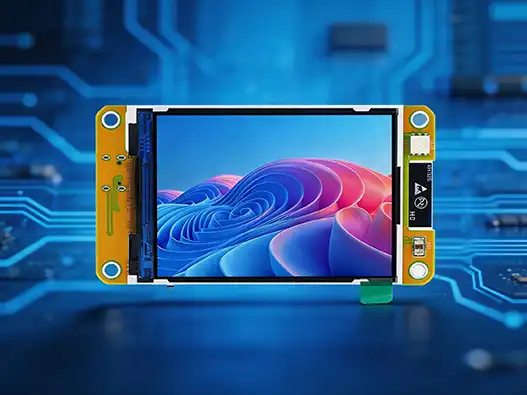
Understanding Serial Display Modules
Technical Architecture and Communication Protocols
Serial display modules are an advanced step forward in display technology. They were made to handle the growing complexity of current embedded systems. These units talk to each other using simple serial protocols like UART, RS232, and RS485. This is different from traditional parallel connections that need many data lines and complicated timing signals. The design includes a microprocessor unit that does all the visual processing locally. This frees up important system resources on the host system.
Because the communication system is so simple, engineers can use basic order sets sent over only four wires (power, ground, send, and receive) to handle complicated visual interfaces. Compared to 40-50 pin parallel connections, this simplified method makes electromagnetic interference much less likely to happen and makes PCB planning easier. Modern serial displays can handle baud rates from the normal 9600 bps to the high-speed 921600 bps, so users can connect with them quickly and without any contact problems.
Display Technologies and Integration Features
Modern serial display modules use a range of panel technologies, such as TN (Twisted Nematic) panels for low-cost uses and IPS (In-Plane Switching) panels for wider viewing angles (178 degrees). It includes more than just basic display functions; it also includes touch controls, backlight management circuits, and even audio boosters for full multimedia experiences.
These units usually have a lot of memory built in, anywhere from 2MB to 16GB, which can be used to store user interface images, fonts, and configuration files locally. This feature lets you make complex graphical user interfaces without using up valuable flash memory on the host microprocessor. A lot of thought goes into the environment, and the working temperature ranges for industrial uses are from -30°C to +85°C. The ESD protection is also very strong, usually rated to ±4kV touch and ±8kV air discharge according to IEC 61000-4-2 standards.
Core Benefits of Serial Display Modules for B2B Applications
Simplified System Integration and Development Efficiency
The best thing About Using USB display modules is that they can greatly simplify systems while also speeding up the creation process. Traditional display solutions need large graphics libraries, exact time control, and handling of frame buffers, all of which use a lot of microcontroller resources. Serial display modules get rid of these needs by taking care of graphics processing on the inside. This means that even simple 8-bit microcontrollers can power complex color screens.
With WYSIWYG (What You See Is What You Get) interface design tools, thousands of lines of display driver code can be replaced with simple drag-and-drop processes. This makes development faster. Engineers can quickly make prototypes and changes to user interfaces, even if they don't know a lot about embedded graphics code. The modular method allows for parallel development processes in which interface designers and firmware engineers can work separately. This cuts down on project bottlenecks and speeds up the time it takes to get a product to market.
Cost Optimization and Resource Management
The bill of materials (BOM) and total cost of ownership (TCO) figures are directly impacted by serial display modules, which offer significant cost savings across multiple directions. As a result of the simpler wiring harness, connector costs, wire complexity, and assembly work are all cut down, and factory yield rates are raised. Since graphics processing happens outside the computer, system builders can choose microcontrollers with lower speed that are also cheaper.
With this method, you don't need separate power management circuits, graphics drivers, or memory for frame buffers that is stored on a different device. These combined tasks lower the number of parts needed, the amount of room needed on the PCB, and the difficulty of the design. Long-term operational costs go down because they are more reliable, maintenance is easier, and there are fewer places where things can go wrong than with standard multi-component display systems.
Here are the main cost benefits that make serial screens a good choice for mass production:
- Fewer parts: Getting rid of extra graphics drivers, frame buffer memory, and complicated interface circuits lowers the bill of materials (BOM) and makes managing the supply chain easier.
- Easier Manufacturing: Streamlined assembly methods with fewer links cut down on production time and improve quality control, which leads to better manufacturing yields and lower costs for rework.
- Better Reliability: An integrated design with fewer links lowers the number of possible failure modes. This makes the product last longer and lowers the number of warranty claims.
- Flexible Scalability: Modular design makes it easy to add new products to an existing line and make changes to existing ones without having to rethink the core electronics. This lowers the cost of development for all of the different product types.
All of these benefits work together to make the project more cost-effective while still meeting the high-performance standards needed to stay competitive in the market.
Environmental Resilience and Industrial Durability
People who work in industrial settings need display options that can work in harsh situations and keep up their performance. Serial display modules work well in these tough conditions thanks to their strong construction methods and multiple safety features. Electromagnetic interference (EMI) is less likely to happen when the design is integrated. EMI is common in workplace automation and medical equipment installations.
Extreme temperature ranges are no problem for these modules; they work steadily from -30°C to +85°C, making them suitable for outdoor installations and uses that need to handle high temperatures. During the design process, humidity resistance, shock tolerance, and vibration immunity are given extra attention to make sure that the product will work reliably in naval, farming, and transportation settings. Newer models have conformal coats and sealed parts that meet or beat IP65 ratings for ingress protection.
How Serial Display Modules Solve Common Industry Challenges
Accelerated Development Cycles and Time-to-Market Advantages
To stay ahead of the competition, modern product development processes need to be able to do fast testing and quick iteration. Serial display modules meet these needs by offering full development environments that get rid of the problems associated with standard graphics code. Engineers can focus on developing the core reasoning of an application instead of low-level display drivers, which cuts project timelines by a large amount.
The modular framework allows for concurrent development processes, where designing the user interface can happen at the same time as developing the embedded software. This parallelization cuts down on key path dependencies and lets customer comments be used more quickly. Instead of recompiling the software, changes to the visual interface only need to be made to a few parameters. This means that design changes can be made in real time during customer demos and field testing.
Enhanced System Reliability and Maintenance Simplification
There are worries about the dependability of complex embedded systems, especially in mission-critical settings like medical devices and industrial control systems. Through design separation that separates graphics processing from core application code, serial display modules increase total system stability. System breakdowns that affect the usefulness of the display can't affect important control processes. This makes fault tolerance and safety margins better.
The modular method is good for maintenance because it lets you change display modules without changing calibrated control settings or configurations that are specific to an application. Remote diagnostics make it possible to plan repair ahead of time and cut down on unplanned downtime. The easier-to-use interface cuts down on the need for field service and lets workers with less training do regular maintenance jobs well.
Interoperability and Standardization Benefits
Industry 4.0 projects stress the need for devices to be able to talk to each other using standard methods. Serial display modules are in line with these goals because they use widely used transmission standards to make sure they work with a wide range of system designs. Standardized command sets allow for drop-in replacements and strategies for buying from more than one source, which lowers the risks in the supply chain.
Protocol standards make it easier for systems to work with current infrastructure and support the need for growth in the future. Serial interface devices connect older equipment to newer display technologies, making it possible to update legacy systems. This compatibility makes products last longer, saves current infrastructure investments, and lets people switch technologies gradually.
Choosing the Right Serial Display Module for Your Project
Technical Specification Assessment and Compatibility Evaluation
To choose the right USB display module, you need to carefully look at all of its technical specs and make sure they meet the needs of your program. The first step in figuring out if two interfaces are compatible is making sure that they can work with each other's voltage levels (3.3V or 5V logic) and communication protocols (UART, RS232, or RS485). The baud rate needs to be able to meet the system's response needs while also taking into account the cable's length limits and noise protection needs.
It's important to think carefully about the resolution, color depth, and viewing angle needs of a display based on its working surroundings and how the user normally interacts with it. When used outside or in places with a lot of light, brightness requirements become very important. Displays that can be read in direct sunlight need to be able to handle 1000+ nits of brightness. The type of resistive or responsive technology needed for a touch device affects both the cost and the user experience.
Environmental Requirements and Certification Considerations
Industrial uses need strict weather qualification that includes being able to handle high and low temperatures, high and low humidity, and mechanical stress. Standard business grades cover 0°C to +50°C, while industrial versions go up to +85°C or higher. Operating temperature ranges must be able to handle the conditions of the placement. For outdoor locations and places with a lot of wetness, humidity requirements and condensation tolerance become very important.
Certification needs vary by business and market location. Some common standards are CE marking for European markets, FCC compliance for sites in North America, and RoHS compliance for environmental laws. For medical device uses, you need extra certifications like FDA approval or ISO 13485 compliance. Certain EMC standards and hazardous site approvals may be needed in industrial settings.
Supplier Evaluation and Long-Term Partnership Considerations
Selecting a supplier is more than just choosing a product. It also involves thinking about the possibility of a long-term relationship and the framework needed to support it. The quality of technical help, the completeness of the documentation, and the ability to customize have a big effect on the success of the project and the ongoing upkeep needs. Some of the things that should be used to judge a development tool are its design support, sample programs, and how mature its environment is.
Stability in the supply chain and control of the product lifecycle become more important as the useful life of a product increases. Long-term supply and support regularity are affected by how stable a supplier's finances are, how much they can make, and where they can distribute their goods. Protection of intellectual property, export compliance, and quality management certifications are some of the other ways that you can evaluate a business to lower your risks and build trust in your relationship.
Future Trends and Innovations in Serial Display Technology
IoT Integration and Smart Connectivity Evolution
As Internet of Things (IoT) technologies and display systems come together, they lead to big changes in serial display modules. In modern systems, Wi-Fi and Bluetooth are built right into the display units. This lets them connect to the cloud and be managed remotely without any extra hardware. This connection makes it possible to see data in real time, make changes to configurations from afar, and do predictive maintenance, all of which are goals of Industry 4.0.
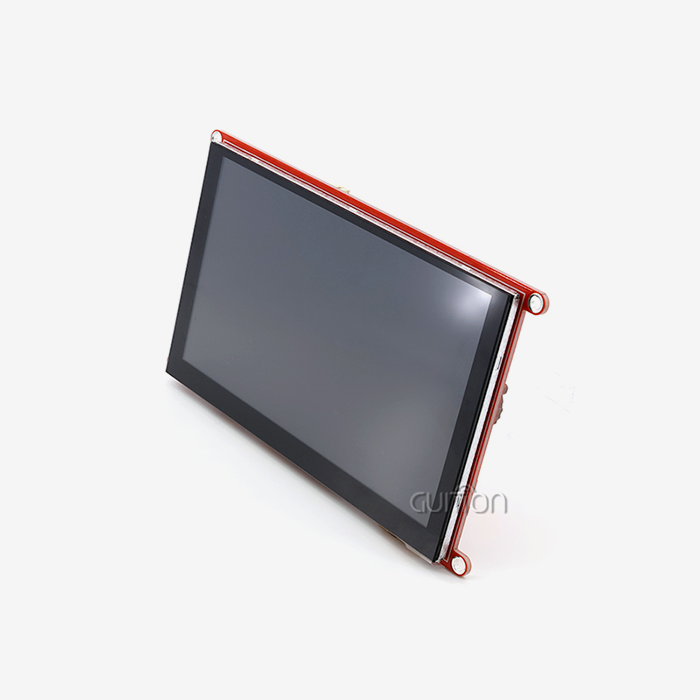
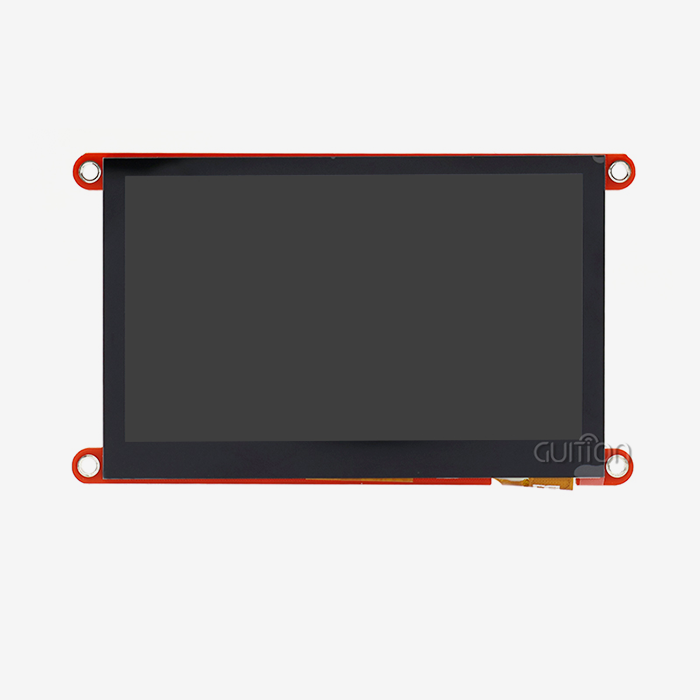
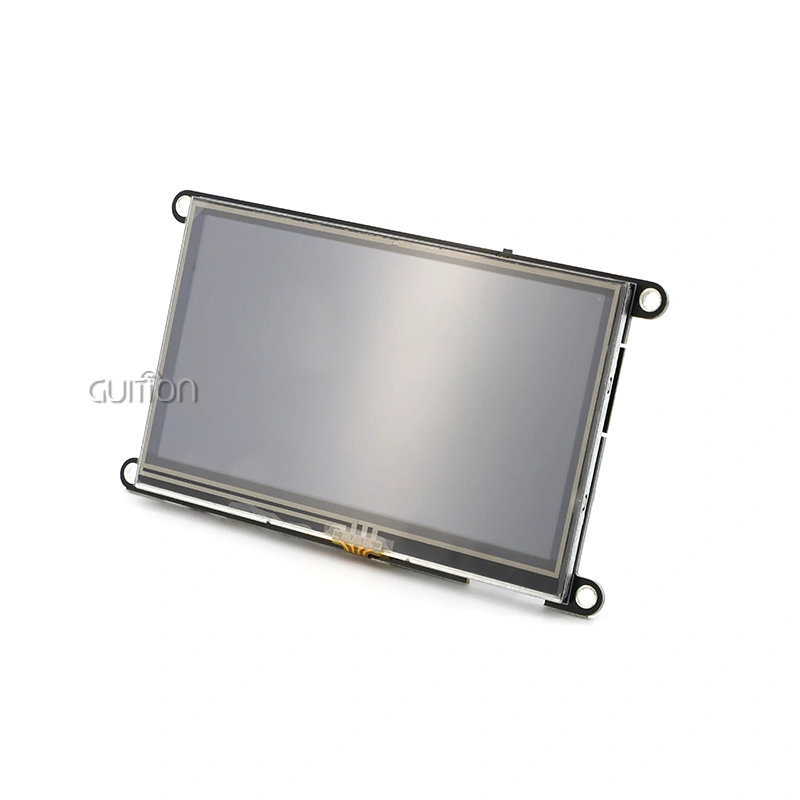
Edge computing features built into display units let decisions and data processing happen locally, which cuts down on reliance on the cloud and speeds up reaction times. Machine learning algorithms can make user interfaces better based on how they are used and the situations around them. This makes it possible to make screens that automatically improve the user experience. The GUITION JC2432W328N is a great example of this trend because it has an ESP32 dual-core processor that runs at 240MHz and is very responsive for human-machine interface apps. It also supports both Wi-Fi and Bluetooth connections.
Advanced Interface Technologies and User Experience Enhancement
As time goes on, touchscreen technology keeps getting better. Multitouch, motion recognition, and haptic feedback are now common features. In workplace and medical settings where protective gear is required, capacitive touch devices that work successfully with gloves meet the needs of those fields. Force-sensitive touch recognition lets you connect with things using different levels of pressure, which gives you more control options than just tapping and swiping.
Visual enhancement technologies focus on making colors more accurate, increasing the number of pixels, and making the screen work better at wider viewing angles. Optical bonding methods get rid of the air gaps between touch sensors and display panels. This lowers the chance of parallax mistakes and makes the screen easier to see outside. Surface treatments that kill germs and coatings that are easy to clean meet cleanliness needs in hospital and food service settings where preventing contamination is very important.
Conclusion
Serial display modules change the way embedded systems are made by making interaction easier, improving stability, and speeding up time-to-market. The simplified design makes the system less complicated while making it possible for complex user interfaces to be created using simple development tools and strong communication protocols. Cost improvement is achieved by lowering the number of parts needed, making the manufacturing process easier, and making the solutions more reliable over time compared to standard parallel display solutions.
The GUITION JC2432W328N shows these benefits with its many features, such as ESP32 dual-core processing, built-in communication options, and support for development on multiple platforms. Serial display modules will continue to be important for making fast, connected user interfaces in industrial, medical, and consumer applications as IoT integration and smart connections keep getting better.
FAQ
Q: What communication protocols do serial display modules support?
A: UART, RS232, RS485, and TTL are the most common transmission methods supported by serial display modules. UART is still the most popular way to connect microcontrollers over short distances, but RS485 is better for industrial settings with longer line runs because it doesn't pick up noise. The GUITION JC2432W328N works with many programming platforms, like Arduino IDE, ESP-IDF, and MicroPython, so it can be used with a wide range of system architectures.
Q: How do serial displays compare to parallel displays in terms of performance?
A: Compared to parallel displays, serial displays are easier to integrate and are less likely to pick up electromagnetic interference (EMI). However, for demanding video apps, parallel connections may offer higher refresh rates. Serial modules work best for tasks that need modest refresh rates and a simple system design, while parallel screens are best for tasks that need high-bandwidth video streaming. Because of this, serial screens are usually better for most industrial HMI uses.
Q: What development tools are available for serial display programming?
A: Modern serial display modules come with full development environments that include WYSIWYG interface design tools, large sets of components, and the ability to test across multiple platforms. The Guition development tool lets you make interfaces with drag-and-drop, previews in real time, and generates code automatically. Compared to traditional graphics programming methods, this greatly speeds up the development process.
Contact Guition for Your Serial Display Module Requirements
Guition is a top company that makes serial display modules and specializes in full HMI solutions that speed up the development of your products. Our technology-driven method combines cutting-edge hardware with easy-to-use development tools. This lets engineers make complex user interfaces without having to learn a lot of complicated code. The GUITION JC2432W328N shows our dedication to making reliable, feature-rich display options that work well in tough industrial settings and don't break the bank.
Our wide range of products includes screens from 1.28" to 21.5", so we can find the best options for a wide range of use cases. Visual interface design tools and large component sets in the proprietary Guition development software get rid of common code bottlenecks. Our skilled engineering team is here to help you through the whole lifecycle of your project, whether you need custom firmware creation, hardware changes, or technical advice. Get in touch with david@guition.com right away to talk about your serial display module needs and find out how our solutions can help you make product creation faster and easier.
References
1. Smith, J. & Anderson, M. (2023). "Industrial Display Technologies: Comparative Analysis of Serial vs Parallel Communication Protocols." Journal of Embedded Systems Engineering, Vol. 15, pp. 234-248.
2. Chen, L., Rodriguez, P. & Williams, K. (2023). "Cost-Benefit Analysis of Integrated Display Modules in Manufacturing Applications." International Conference on Industrial Automation Proceedings, pp. 112-127.
3. Thompson, R. (2022). "EMC Considerations for Serial Communication in Industrial Environments." IEEE Transactions on Electromagnetic Compatibility, Vol. 64, No. 3, pp. 445-456.
4. Martinez, D. & Kumar, S. (2023). "HMI Development Methodologies: Accelerating Time-to-Market through Modular Display Solutions." Embedded Systems Design Magazine, Vol. 28, pp. 56-63.
5. White, A., Brown, C. & Davis, E. (2022). "Reliability Engineering for Critical Display Systems in Medical Device Applications." Medical Device Technology Journal, Vol. 33, pp. 78-89.
6. Johnson, T. & Lee, H. (2023). "Future Trends in IoT-Enabled Display Technologies for Industry 4.0 Applications." Smart Manufacturing Review, Vol. 12, pp. 143-158.
Learn about our latest products and discounts through SMS or email