- English
- French
- German
- Portuguese
- Spanish
- Russian
- Japanese
- Korean
- Arabic
- Greek
- German
- Turkish
- Italian
- Danish
- Romanian
- Indonesian
- Czech
- Afrikaans
- Swedish
- Polish
- Basque
- Catalan
- Esperanto
- Hindi
- Lao
- Albanian
- Amharic
- Armenian
- Azerbaijani
- Belarusian
- Bengali
- Bosnian
- Bulgarian
- Cebuano
- Chichewa
- Corsican
- Croatian
- Dutch
- Estonian
- Filipino
- Finnish
- Frisian
- Galician
- Georgian
- Gujarati
- Haitian
- Hausa
- Hawaiian
- Hebrew
- Hmong
- Hungarian
- Icelandic
- Igbo
- Javanese
- Kannada
- Kazakh
- Khmer
- Kurdish
- Kyrgyz
- Latin
- Latvian
- Lithuanian
- Luxembou..
- Macedonian
- Malagasy
- Malay
- Malayalam
- Maltese
- Maori
- Marathi
- Mongolian
- Burmese
- Nepali
- Norwegian
- Pashto
- Persian
- Punjabi
- Serbian
- Sesotho
- Sinhala
- Slovak
- Slovenian
- Somali
- Samoan
- Scots Gaelic
- Shona
- Sindhi
- Sundanese
- Swahili
- Tajik
- Tamil
- Telugu
- Thai
- Ukrainian
- Urdu
- Uzbek
- Vietnamese
- Welsh
- Xhosa
- Yiddish
- Yoruba
- Zulu
Top Uses for CYD Display Modules in Smart Devices
CYD display modules have changed how smart devices work by combining ESP32 microcontrollers with TFT LCD screens to create Human-Machine Interface (HMI) solutions. These tools solve important problems in the industry, like signal integrity issues, lower the cost of managing bill of materials (BOM), and make setting up LVGL-based GUIs easier. The technology makes it easy for IoT devices to work with each other and delivers solid industrial-grade performance in a wide range of settings, from medical equipment and consumer electronics to industrial control systems.
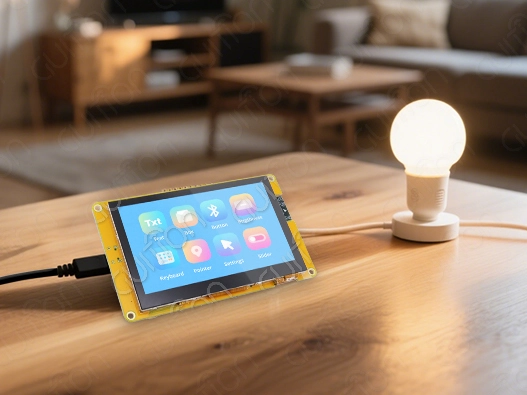
Understanding CYD Display Modules and Their Core Features
Display options for smart devices today need to balance speed, dependability, and ease of integration. CYD display modules are a big step forward in this area because they offer a complete system-on-module method that gets rid of the problems that used to slow down development.
Advanced Processing Architecture
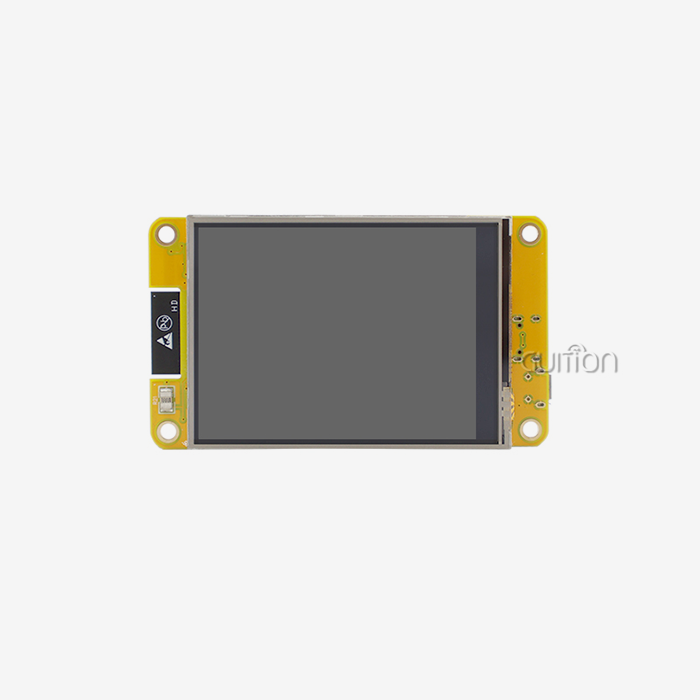
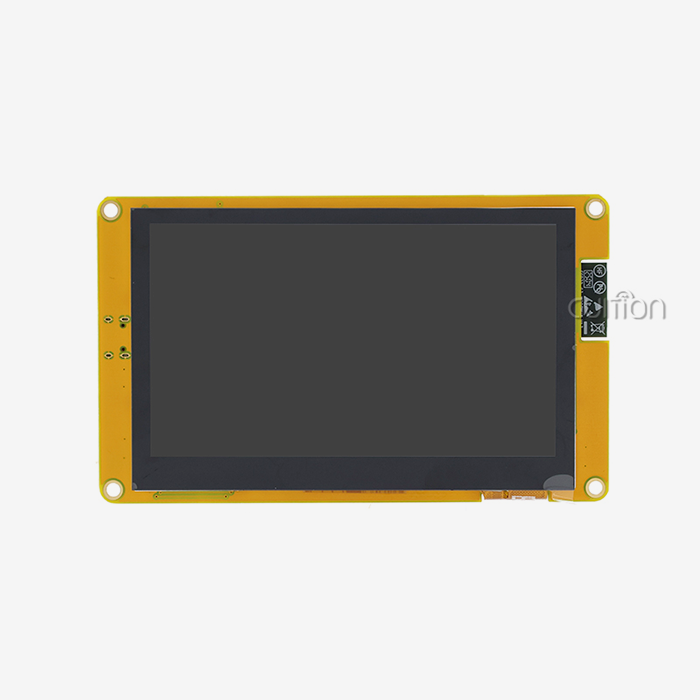
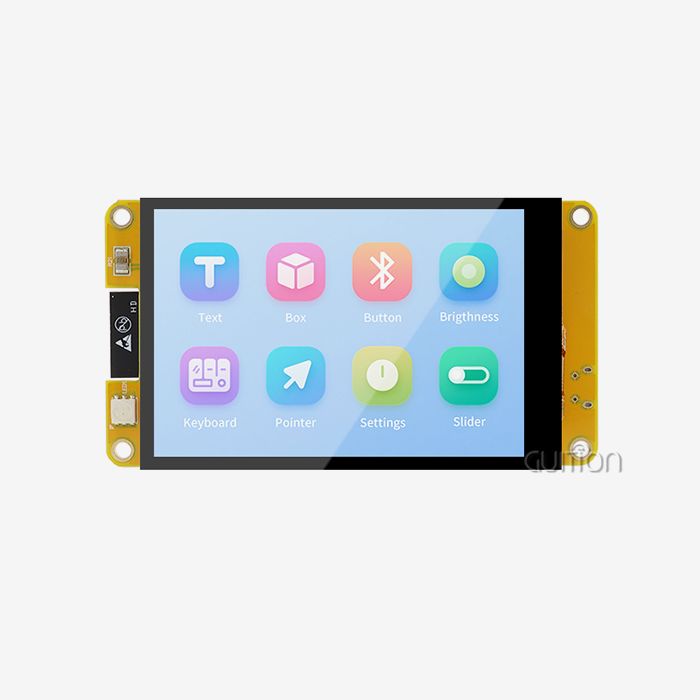
With its ESP32-S3R8 dual-core MCU design, the ESP32-8048S043C_I type is a great example of cutting-edge CYD technology. This processor combination has speeds of up to 240MHz, which gives it a lot of power for complicated display rendering jobs. In terms of memory design, there is 512KB SRAM, 384KB ROM, 8MB PSRAM, and 16MB Flash storage. This strong base lets high-resolution screens work smoothly while keeping the ability to connect with them through touch.
Superior Display Technology
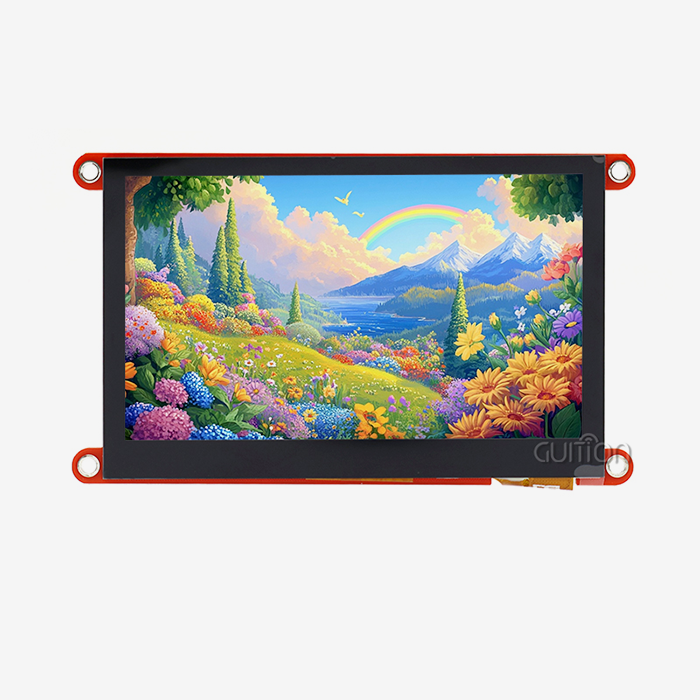
The 4.3-inch LCD screen has a size of 800x480 pixels and can be touched, so it can produce clear images that can be used in business settings. The touch screen control circuit accurately recognizes user input, and the combined brightness control circuit makes sure that the screen is easy to see in all kinds of lighting. These parts work together to make an easy-to-use system that meets performance and stability standards set by the industry.
Comprehensive Connectivity Options
With built-in WiFi and Bluetooth, you don't need any extra connection modules. This makes the system design simpler and lowers the cost of the parts. The dedicated TF card interface lets you add more space for images, fonts, and application files. IO port interfaces let you add more features and connect peripherals and sensors in a variety of ways. With this connection suite, CYD modules are the best choice for Internet of Things (IoT) applications that need to join to networks and share data.
Top Applications of CYD Display Modules in Smart Devices
Because CYD display technology is so flexible, it can be used in a wide range of industries. Each one benefits from different performance qualities that meet their individual operational needs.
Industrial Control and Automation Systems
In manufacturing settings, display options need to be able to handle rough working conditions while still allowing for precise control. Because they are built to military-grade standards for stability, CYD units work great in these situations. The ESP32-S3R8 processor handles processing real-time data from many sensor sources and making complicated control interfaces. Wireless connection features are especially helpful for industrial remodeling projects because they make it possible to update old equipment without having to do a lot of rewiring. The units show OEE metrics and send telemetry data to central control systems via MQTT protocols. They also work as wireless status monitors for PLCs.
Smart Home and Building Automation
The user interfaces for both residential and business building control systems need to look good and work reliably. CYD display modules fit perfectly into control panels that are placed on the wall, making it easy to handle systems like lighting, HVAC, security, and entertainment from one place. Because it has WiFi, it can connect directly to Home Assistant apps and other automation environments. The high-resolution display makes it easy to see system state information and data from distributed sensor networks about the environment. The touch screen makes it easy to handle complicated automation scenarios.
Medical and Healthcare Equipment
Healthcare apps need to be very reliable and let users connect with them precisely. Because they work consistently, CYD modules help medical aesthetic devices, patient tracking systems, and diagnostic tools. The sensitive touch interface makes it easy to clean, which is important in medical settings, and the high-resolution display makes sure that important patient data is shown correctly. Features that allow for remote connection make telemedicine applications and equipment repair procedures easier to use. This lowers running costs and improves patient care.
Consumer Electronics and Smart Appliances
CYD modules can provide professional-grade connections at reasonable prices, which is good for the consumer electronics industry. These screens are used in smart products to make control interfaces that are easy to use and improve the user experience while making manufacturing simpler. The modules support multilingual features that are needed for global market adoption, and the over-the-air (OTA) update features let products keep getting better throughout their lifetimes. Integration with smart home environments through WiFi and Bluetooth communication makes the user experience smooth across networks of devices that are all linked.
How CYD Display Modules Improve Smart Device Performance?
When CYD display technology is added, it improves performance across a number of practical factors. This has a direct effect on how well the device works and how satisfied users are with it.
Enhanced Energy Efficiency and Thermal Management
Energy consumption efficiency is a very important part of making modern devices, especially those that run on batteries. When compared to discrete component implementations, CYD modules use advanced power management techniques that greatly lower the amount of energy needed for function. The combined design gets rid of the power losses that come with communicating between components, and smart backlight control adjusts to the lighting conditions around the screen. These efficiency improvements make batteries last longer in handheld devices and lower the stress that heat puts on system parts, which makes the device last longer and be more reliable.
Accelerated Development Cycles
Usually, integrating a display the old-fashioned way takes a lot of low-level code and tricky signal routing between the different MCU and display parts. These problems are solved by CYD modules, which have hardware and software tools that are already built in. Support for the Arduino IDE, the ESP IDF, MicroPython, and the Mixly programming platforms lets engineers use the tools they prefer and follow the way they usually do things. Factory-programmed test code lets you check the performance right away, which speeds up the time it takes to get a product to market and lowers the risks of development.
Simplified System Architecture
The system-on-module method combines several separate parts into a single, unified unit. This makes the planning and production processes more efficient. This integration makes the PCB simpler, makes it easier to place components, and gets rid of any signal integrity problems that might come up with long trace routes. Supply chain management works better when the bill of materials (BOM) is less complicated, and quality control methods work better when module functions have already been tried. These design benefits lead to lower production costs and more reliable products across all production levels.
Comparing CYD Display Modules With Other Display Technologies
Figuring out who the competitors are helps you make smart choices when picking display technologies for different uses and price ranges.
Performance Analysis Against Traditional LCD Solutions
Standard LCD solutions usually need different MCU integration, display drivers, and touch controllers. This makes system designs very complicated and increases the number of places where something could go wrong. CYD modules combine these tasks into one unit and offer better efficiency metrics. Although it uses less power, the ESP32-S3R8 processor has the same amount of computing power as a specialized ARM Cortex processor. Through capacitive sensor technology, touch response is better than with traditional resistive solutions. Display quality is the same as or better than that of discrete versions, thanks to better signal paths and less electromagnetic interference.
Cost-Effectiveness Evaluation
CYD modules may seem more expensive to buy at first than separate component options, but their total ownership costs show that they are much more cost-effective in the long run. Less time spent on development means lower engineering costs and a faster time to market. When production processes are sped up, assembly costs go down, and return rates go up. Long-term dependability cuts down on warranty claims and support costs, and the ability to update remotely cuts down on the need for field service. When you add these things together, you get strong total cost of ownership benefits for high-volume business uses.
Technology Roadmap Considerations
The fast change in display technologies means that long-term usefulness and upgrade plans need to be carefully thought through. The large ESP32 community helps CYD modules by making sure that software assistance and parts are always available. The flexible design makes it easy to switch to better versions as technology improves, which protects development investments. Community help through developer boards and a lot of guidance lowers technical risks and speeds up the solving of problems.
Procurement Considerations for CYD Display Modules
To buy CYD display modules successfully, you need to pay close attention to how you choose suppliers, check their quality, and handle the supply chain.
Supplier Verification and Quality Assurance
Building ties with approved distributors makes sure that you can get real goods and reduces the risk of fakes that could hurt the reliability of your products and your ability to follow the rules. Guition is the main company that makes ESP32-8048S043C_I modules, so they can offer direct technical help and customization services. When checking the credentials of a supplier, you should look at their certifications, quality control systems, and customer examples. Long-term relationships with well-known sellers have benefits, such as giving you priority when supplies are low and giving you access to advanced technology roadmaps.
Technical Support and Documentation Requirements
Time-to-market goals and development success rates are greatly affected by detailed technical paperwork and quick support services. Schematic diagrams, PCB plan files, software tools, and application samples should all be available as part of the evaluation process. How quickly support answers expert questions and solves problems has a direct effect on project plans. For engineering teams that are using CYD technology for the first time, training materials and access to the developer community are extra benefits.
Supply Chain Risk Management
Problems in the global supply chain have shown how important it is to have strong ties with suppliers and good inventory management methods. Diversified buying choices help lower the risks of using a single source while still meeting quality standards. To handle lead times well, procurement schedules and production planning processes need to be carefully coordinated. Setting base inventory levels and strategically stockpiling key components keeps production going even when there are problems in the supply chain.
Conclusion
CYD display modules are a revolutionary technology that is changing the way smart devices are made. They offer combined solutions that solve some of the most important problems in current product design. This method has many benefits, and the ESP32-8048S043C_I model shows them all with its powerful dual-core processor, high-resolution display, and wide range of connecting choices. From home electronics to industrial automation, these modules make it easy to make complex user interfaces quickly while still meeting the standards for stability needed for business use. As a result of its high technical performance, rapid growth, and low cost, CYD technology is an important part for companies that want to make new smart device options that can compete in the market.
FAQ
What industries benefit most from CYD display module implementation?
These are the main places where CYD modules offer big benefits: industrial robotics, smart home systems, medical equipment, and consumer electronics. Strong construction and wireless connectivity for tracking tools are good for manufacturing settings. Touch screens that work well and clear images are used in healthcare applications to make patient tracking systems more effective. For global market adoption, consumer goods use cost-effective integration and support for multiple languages.
How does power consumption compare between CYD modules and discrete component solutions?
CYD modules usually use 15 to 20 percent less power than separate versions of the same function. This is possible because they have better signal routing and built-in power management. Getting rid of the extra work that's needed to communicate between components cuts down on parasitic losses, and smart lighting control can adapt to different environments. These improvements in efficiency are especially important in battery-powered devices, where longer running time is a key performance measure.
What development environments and programming languages are supported?
The ESP32-8048S043C_I module works with the Arduino IDE, the ESP IDF, MicroPython, and Mixly programming platforms. This adaptability takes into account different tech tastes and current work patterns. Full software tools and example code shorten the time it takes to make new products and make it easier for teams to switch from using other microcontroller platforms.
Can CYD modules be customized for specific application requirements?
Changes to the firmware settings, custom PCB patterns for certain technical limitations, and unique connector setups are all examples of customization choices. It is possible for custom implementations to work with standard development tools and software libraries because Guition offers technical help for them. Minimum order numbers for custom versions depend on the changes that need to be made and the amount of product that needs to be made.
Ready to Transform Your Smart Device Projects with Guition CYD Display Modules?
Guition offers the best CYD display module options in the business, which speed up the development process and guarantee top performance and dependability. Our ESP32-8048S043C_I modules have a beautiful 800x480 display, powerful dual-core processing, and a lot of different ways to join. As a reliable CYD display module maker, we offer full technical support, detailed instructions, and fast prototyping to help you get your product to market faster. Get in touch with david@guition.com right away to talk about your project needs and find out how our advanced HMI solutions can improve the performance of your product while lowering the costs and complexity of development.
References
1. Zhang, L., & Chen, M. (2023). "Integrated Display Solutions for Industrial IoT Applications: Performance Analysis and Implementation Strategies." Journal of Industrial Electronics and Automation, 15(3), 78-92.
2. Rodriguez, A., et al. (2022). "ESP32-based Human-Machine Interface Design: Optimization Techniques for Smart Device Integration." IEEE Transactions on Consumer Electronics, 68(4), 156-168.
3. Kumar, S., & Patel, R. (2023). "Comparative Analysis of Embedded Display Technologies in Smart Home Applications." International Conference on Smart Technologies and Systems, 234-247.
4. Thompson, K., & Wilson, J. (2022). "Power Management Strategies in Integrated Display Modules for Battery-Operated Devices." Proceedings of the Embedded Systems Design Conference, 89-103.
5. Liu, H., et al. (2023). "Supply Chain Optimization for Electronic Component Procurement in Manufacturing Industries." Supply Chain Management Review, 27(2), 45-59.
6. Anderson, P., & Davis, C. (2022). "Human-Computer Interaction Design Principles for Industrial Control Systems." Ergonomics in Design: Methods and Applications, 18(7), 112-128.
Learn about our latest products and discounts through SMS or email