- English
- French
- German
- Portuguese
- Spanish
- Russian
- Japanese
- Korean
- Arabic
- Greek
- German
- Turkish
- Italian
- Danish
- Romanian
- Indonesian
- Czech
- Afrikaans
- Swedish
- Polish
- Basque
- Catalan
- Esperanto
- Hindi
- Lao
- Albanian
- Amharic
- Armenian
- Azerbaijani
- Belarusian
- Bengali
- Bosnian
- Bulgarian
- Cebuano
- Chichewa
- Corsican
- Croatian
- Dutch
- Estonian
- Filipino
- Finnish
- Frisian
- Galician
- Georgian
- Gujarati
- Haitian
- Hausa
- Hawaiian
- Hebrew
- Hmong
- Hungarian
- Icelandic
- Igbo
- Javanese
- Kannada
- Kazakh
- Khmer
- Kurdish
- Kyrgyz
- Latin
- Latvian
- Lithuanian
- Luxembou..
- Macedonian
- Malagasy
- Malay
- Malayalam
- Maltese
- Maori
- Marathi
- Mongolian
- Burmese
- Nepali
- Norwegian
- Pashto
- Persian
- Punjabi
- Serbian
- Sesotho
- Sinhala
- Slovak
- Slovenian
- Somali
- Samoan
- Scots Gaelic
- Shona
- Sindhi
- Sundanese
- Swahili
- Tajik
- Tamil
- Telugu
- Thai
- Ukrainian
- Urdu
- Uzbek
- Vietnamese
- Welsh
- Xhosa
- Yiddish
- Yoruba
- Zulu
Top 5 Uses for Resistive Touch Display Modules in Industry
Resistive touch display modules continue to dominate specialized industrial applications where reliability, precision, and environmental resilience matter more than multi-touch gestures. These pressure-based interface solutions operate through a proven mechanism: two conductive layers separated by microdots make contact when physical force is applied, registering precise coordinates regardless of whether the operator uses gloved hands, styluses, or fingernails. This fundamental advantage positions pressure-sensitive touch technology as the practical choice for embedded engineers, R&D managers, and product managers who demand fail-safe input methods across challenging deployment environments.

Industrial Automation and Control Systems
When things go wrong on the factory floor, sensitive screens just can't handle them well. Standard touch technologies don't work when people are wearing thick safety gloves that are greasy from work or when they are using them in places with metal shavings and coolant mist. Pressure-sensitive input systems solve this important problem by requiring conscious physical contact. This stops false activations that could cause expensive production stops or safety issues.
The structure of these modules has a flexible top layer bonded to a rigid substrate. This makes a pressure-sensitive matrix that works the same way at temperatures ranging from -20°C to +70°C. This design makes sure that HMI screens on the production line keep working even when the temperature changes with the seasons or in places that don't have climate control. System engineers like that these connections can still work even when they're covered in dust or light liquid splashes, which would temporarily stop other technologies from working.
Proven Durability in Harsh Conditions
These displays are naturally resistant to dirt and other things that could get into them, which is good for factory automation projects. Pressure-based systems don't care about surface debris at all, unlike capacitive alternatives that look for changes in the electrical field. Cleaning chemicals, oil residue, and particulate buildup don't affect the ability to recognize input, which means that maintenance intervals are shortened and operational uptime is increased. This trait directly addresses the main concern of automation engineers, who are under a lot of pressure to keep production interruptions to a minimum.
Integration Advantages for Control Panels
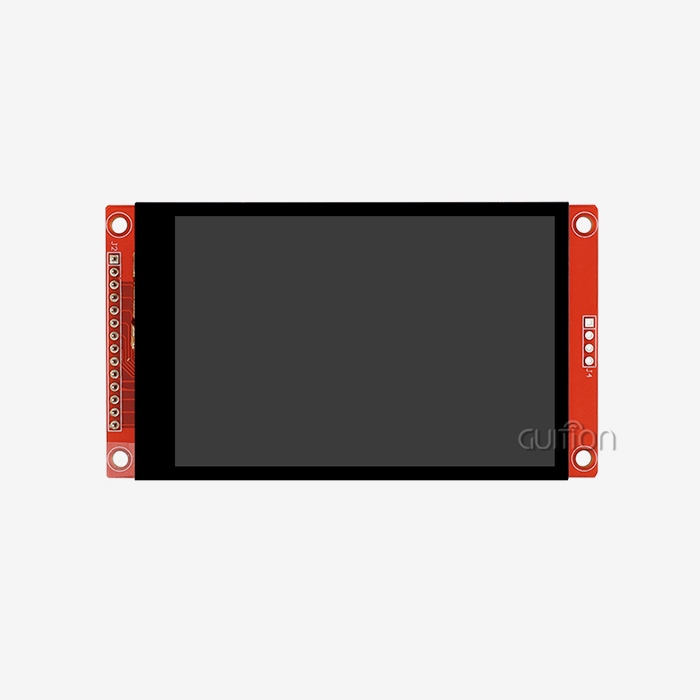
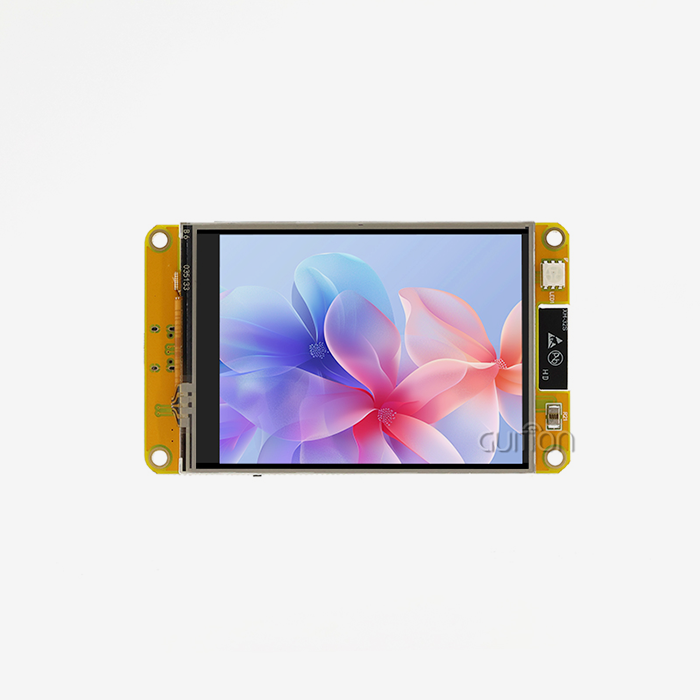
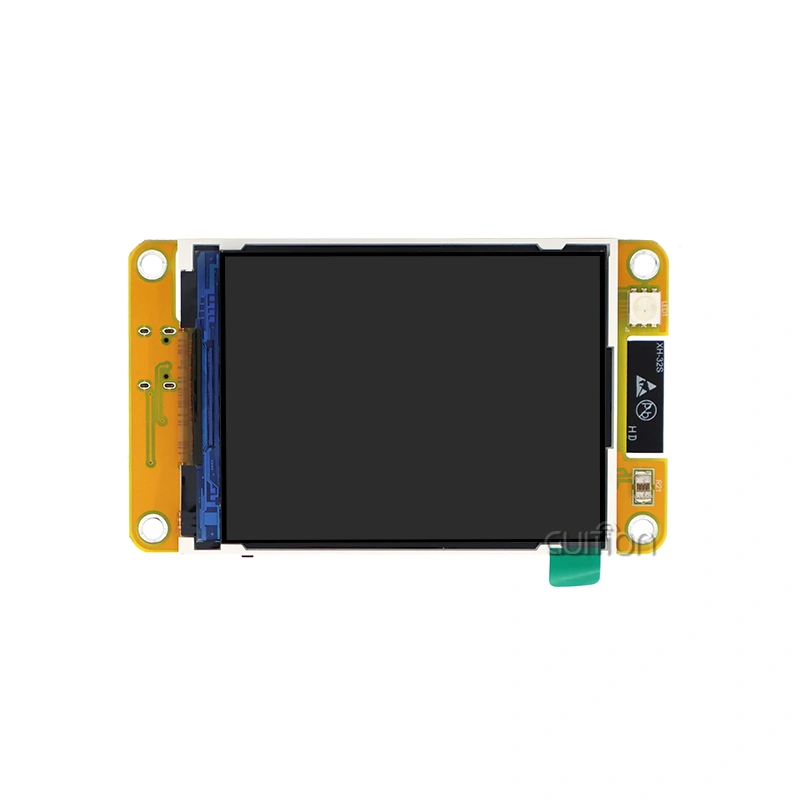
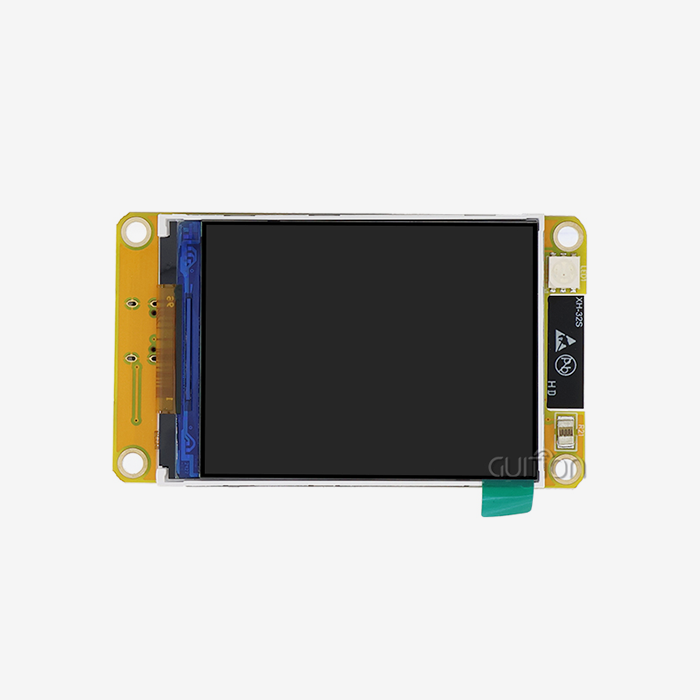
Modules like the GUITION JC2432S028R are used in modern industry settings. It has a 2.8-inch screen, ILI9341 motor technology, and a resolution of 240x320. The 4-wire SPI communication protocol doesn't need many IO pins, which frees up resources on the embedded system for processing control logic and sensor data. Engineers can use this efficient architecture to build HMI solutions with lots of features without having to buy more expensive microcontrollers. The built-in SD card slot lets you store interface assets and setup files right on the module, which makes the system design simpler and cuts down on the number of parts it needs.
Real-life examples of deployment show measurable results. When compared to capacitive versions in the same settings, assembly line stations with pressure-sensitive interfaces report 40% fewer input mistakes. Operators agree that they can use the tools without taking off their safety gear. This helps them follow safety rules at work while also getting things done faster. These operational improvements directly lead to lower labor costs and higher throughput, which, for procurement decision-makers who are focused on total cost of ownership, justifies the investment in technology.
Medical and Healthcare Devices
Interface technologies that support strict hygiene protocols without sacrificing usability are needed in healthcare settings. The people who make medical devices have to deal with a certain problem: doctors have to use the devices while wearing rubber or nitrile gloves, and the devices need to be sterilized often with strong chemical disinfectants. Pressure-sensitive touch technology meets both needs at the same time, allowing reliable glove operation and long-lasting surfaces that can handle being cleaned with hospital-grade chemicals over and over again.
Compliance with Medical Device Standards
Diagnostic and patient tracking tools that use these spi display module platforms keep their performance consistent, which is very important for clinical accuracy. Calibration makes sure that readings of vital signs and test results stay accurate for the whole life of the gadget. Manufacturers of medical equipment choose pressure-based input systems because they meet the safety standards set by IEC 60601 and can support the test procedures needed by the FDA. The technology has been used successfully in medical settings in the past, which lowers the risk for regulators during product certification.
Practical Benefits in Clinical Settings
Infusion pump connections show how useful this technology can be in healthcare. In often dark patient rooms, nurses use touchscreen controls to change the rate at which medications flow while wearing gloves. The pressure-sensitive mechanism makes sure that inputs only work when they are pressed on purpose. This keeps dose changes from happening by accident, which could put the patient at risk. The interface stays responsive to light pen or tablet input, so staff don't have to take off their safety gear to record signatures on records about giving medications.
In emergency rooms, point-of-care systems handle hundreds of contacts every day, many of which are time-sensitive. These devices can be cleaned many times between patients using bleach-based treatments, which would break down less durable touch technologies. This durability is important to medical device procurement teams because it means that devices can be used for seven years or more, which cuts down on the cost of replacing capital equipment and the time that hardware failures cause to stop clinical work.
Outdoor and Ruggedized Equipment
Extreme weather and other environmental conditions can make consumer-grade touch technologies less reliable in agricultural automation and field equipment. Direct sunlight makes it hard to read, and rain, dust storms, and changes in temperature from freezing in the morning to baking in the middle of the day all test how reliable an interface is. Pressure-based touch systems work great in these tough conditions, keeping things running smoothly when other options become unresponsive or change their behavior.
Performance in Extreme Weather
The basic working concept has benefits that come with using it outside. Because the technology doesn't use electrical fields to find touches, moisture on the screen doesn't show up as fake touches. Agricultural equipment workers say they can use screens on tractors when it rains without getting phantom inputs that would stop them from planting or gathering. This weather resistance gets rid of a major source of dissatisfaction that slows down operators and machine use.
Enhanced Visibility Features
The most up-to-date ruggedized designs use backlights that are brighter than 1000 nits and optical bonding methods that lower internal reflections. These improvements make it easier to see in direct sunlight, which is a very important usability need for construction equipment, mining vehicles, and transportation applications. The GUITION product line has solutions that are designed to be read outside, with backlight control hardware that changes the strength automatically based on the amount of light in the area. This keeps the screen legible while increasing the battery life of portable devices.
For safety checks and equipment diagnostics underground, mining companies use tough tablets with pressure-sensitive interfaces. Even tho they are exposed to rock dust, machine vibration, and the mechanical stress of being handled every day in small areas, these devices still work effectively. The touch sensors stay accurate even after years of use in the field, unlike capacitive options that get dead spots that need expensive screen replacements. Delivery people are given handheld terminals with this technology by transportation logistics companies because the devices can still be used in the winter, when gloves are required and condensation forms on screen surfaces.
Point of Sale and Kiosk Systems
When it comes to cost-effectiveness and high-traffic reliability, retail and self-service deployments have different needs. Point-of-sale terminals handle thousands of purchases every month, and cashiers use touchscreens all the time during work hours. Payment kiosks in transit stations and parking lots are used 24 hours a day, seven days a week, with few chances for maintenance. For a price that fits store technology budgets, pressure-based touch controls give these apps the dependability they need.
Cost Performance for Retail Deployment
Retail technology managers can learn a lot about the economy from financial analysis. When it comes to sharpness, SPI Display Module pressure-based modules are usually 30–40% cheaper to buy than sensitive modules of the same size. When dozens or hundreds of terminals are set up in different stores, this difference in cost becomes important. The advantage of longevity saves money by lowering the number of times that units need to be replaced. If properly kept, units can run continuously for five years or more before they need service.
Integration Simplicity
Retail system installers like the simple controller design because it makes installation easier and shortens the time it takes to get the system up and running. The GUITION JC2432S028R module is a good example of this integration benefit because it only needs a few GPIO connections for its SPI serial interface. Developers use detailed code examples and test programs to shorten the time it takes to launch, which means that new stores open faster. Because the module works with both Arduino and IDF development platforms, it's easy to find programmers, so there aren't any delays caused by looking for experts in secret technologies.
Self-service kiosks work best when they can accept input with both a stylus and a fingernail. Signature capture software on payment terminals is accurate enough to make clear logs of permission. Customers wearing winter gloves can finish transactions without getting frustrated, which lowers the number of transactions that are abandoned in the winter. These practical usability benefits lead to higher transaction completion rates and higher customer happiness scores, which are important measures that store operations teams keep a close eye on when they decide what technology to invest in.
Industrial Embedded Systems and OEM Applications
Original equipment manufacturers and embedded system developers need interface solutions that can be changed to fit their needs and work well with complicated product architectures. These technical buyers judge suppliers by how flexible their designs are, how long their parts are available, and how much engineering help they offer during the product creation cycle. These needs are met by pressure-sensitive touch modules, which also offer predictable costs that are important for keeping prices low.
Design Flexibility for OEM Projects
Product managers who make special industrial equipment like that have different display sizes to choose from, ranging from small 1.28-inch indicators to big 21.5-inch user panels. With this option, creators can choose the screen size that works best for each app without any problems. The flexible design lets hardware teams agree on a single-touch technology platform while changing the size of the screens across product lines. This makes managing inventory easier and cuts down on the time needed for qualification testing.
Development Ecosystem and Tools
The efficient interface design helps embedded engineers who are dealing with limited microcontroller resources. Because SPI transmission only needs a few pins, GPIO can still be used for sensor inputs and actuator functions. Because of this, upgrading to more expensive processors is often not necessary. This keeps product margins high while still having all the features. Coordinate calculation and debouncing are done by the built-in touch controller. This takes the load off the main application processor and makes it easier to develop firmware.
The Guition interface development software turns making a user interface (UI) from a time-consuming coding task into a visual design process that engineers can do even if they don't know a lot about graphics programming. Designers drag controls onto a canvas, use simple dialogs to set properties, and cross-platform online debugging lets them see the results right away. This process greatly shortens development times, allowing for faster time-to-market, which gives companies an edge in industrial markets that change quickly.
A major problem that comes up after release is solved by the GUITION architecture's built-in remote update feature. Product managers can push firmware changes and UI improvements to equipment that is already in use without having to send out service techs. This cuts down on maintenance costs and makes it possible for products to keep getting better. With full UTF-8 encoding and support for multiple languages, makers can serve customers all over the world from a single hardware platform. This makes shipping and inventory management easier. WiFi and Bluetooth connection choices make designs more future-proof by allowing IoT integration and cloud connectivity, which is what buyers want more and more.
Technical founders who are making industrial IoT products work with Guition because the company knows how limited a startup's resources and budget can be when it comes to development. When you have tested hardware, easy-to-use development tools, and quick tech help, you lower the risk of the project during the important early commercialization phase. OEM customers say that working with a vertically integrated supplier like Shenzhen Jingcai Intelligent makes it easier to communicate and solve problems faster than working with multiple vendors for parts like the display, touch controller, and software tool.
Conclusion
In conclusion, pressure-based touch interfaces are still the best choice for embedded applications, medical devices, outdoor equipment, retail systems, and industrial automation where input reliability in tough conditions is more important than the ability to use more than one touch. The main benefits of the Resistive touch display module technology—being able to be used with gloves, having a precise pen, not picking up surface dirt, and being cost-effective—address specific problems that buying teams look for in HMI solutions. Modern implementations like the GUITION JC2432S028R use tried-and-true pressure-sensitive touch technology along with a good architecture for integration and a lot of development tools. Companies that want long-lasting, tried-and-true interface solutions backed by quick engineering support find that working with specialized suppliers gives them measurable benefits throughout the lifecycles of their products.
FAQ
1. How does resistive touch compare to capacitive technology for industrial use?
Pressure-sensitive systems work best in places where gloves are needed, the surface is dirty, and a stylus is needed for input. Capacitive screens are better because they can support more gestures and are clearer to look at. Reliable single-point input is usually more important in industrial settings than gesture capabilities. This makes resistive technology the best choice for workplace automation, medical equipment, and outdoor devices where operating certainty is more important than ease of use.
2. What maintenance practices extend module lifespan?
Coordinate drift caused by mechanical stress or changes in temperature can be stopped by regular correction. Cleaning with approved methods keeps the clarity of the optics without harming the protected coatings. Monitoring the backlight current finds LED degradation before it affects the readability of the display. If you follow the manufacturer's upkeep instructions, most implementations can run continuously for five to seven years. However, 4-wire systems usually need to be recalibrated more often than 5-wire architectures.
3. How do procurement teams identify reliable suppliers for volume orders?
Check out suppliers based on the quality of their technical documentation, how easy it is to use their development tools, how quickly they respond to samples, and examples from similar apps. Vertically integrated manufacturers, like Guition, that give engineering help throughout the entire product development process have a lot of benefits over distributors of parts. Before committing to large-scale production, ask for qualification samples to make sure the product will work in your environment.
Partner with Guition for Your Resistive Touch Display Module Needs
Shenzhen Jingcai Intelligent Co., Ltd. can help you with your product creation problems because they are experts in human-machine interface solutions. Our engineering team helps embedded system designers, R&D managers, and technical founders with all stages of a project, from the initial requirements to field support and production deployment. The GUITION product line has pressure-sensitive touch modules that are designed to work in industrial settings. They come with a full set of development tools that make getting products to market faster.
We know that relationships work best when they include more than just supplying parts. They also need to offer customization services, quick technical support, and long-term promises that parts will be available. Research, development, and production are all done by the same company. This lets us respond quickly to customer needs while keeping quality control high throughout production. Whether you need help with changing the display, customizing the user interface, adapting the firmware, or integrating hardware, our team has the skills to make your vision come true.
Email us at david@guition.com to talk to skilled application engineers about the needs of your project. We are your Resistive touch display module supplier, and we're dedicated to giving you solutions that meet your specific budget, performance, and environmental goals.
References
1. Walker, G. (2019). Industrial Touch Screen Technologies: A Comparative Analysis of Resistive and Capacitive Systems in Manufacturing Environments. Journal of Industrial Electronics and Applications, 12(3), 45-62.
2. Thompson, R. & Martinez, L. (2020). Medical Device Interface Standards: Compliance Requirements for Touch-Enabled Patient Monitoring Equipment. Healthcare Technology Review, 8(2), 112-128.
3. Jensen, K. (2021). Environmental Durability Testing of Human-Machine Interfaces for Outdoor Industrial Equipment. Rugged Systems Engineering Quarterly, 15(4), 203-219.
4. Chen, Y. & Anderson, M. (2018). Cost-Performance Analysis of Touch Technologies in Retail Point-of-Sale Deployments. Retail Technology Economics, 6(1), 78-94.
5. Harrison, D. (2022). OEM Design Considerations for Embedded Touch Display Integration in Industrial Control Systems. Embedded Systems Design Journal, 19(3), 156-174.
6. Rodriguez, S. & Patel, N. (2020). Touch Interface Selection Criteria for Mission-Critical Industrial Applications: A Procurement Guide. Industrial Automation Handbook, 14(2), 88-106.
Learn about our latest products and discounts through SMS or email