- English
- French
- German
- Portuguese
- Spanish
- Russian
- Japanese
- Korean
- Arabic
- Greek
- German
- Turkish
- Italian
- Danish
- Romanian
- Indonesian
- Czech
- Afrikaans
- Swedish
- Polish
- Basque
- Catalan
- Esperanto
- Hindi
- Lao
- Albanian
- Amharic
- Armenian
- Azerbaijani
- Belarusian
- Bengali
- Bosnian
- Bulgarian
- Cebuano
- Chichewa
- Corsican
- Croatian
- Dutch
- Estonian
- Filipino
- Finnish
- Frisian
- Galician
- Georgian
- Gujarati
- Haitian
- Hausa
- Hawaiian
- Hebrew
- Hmong
- Hungarian
- Icelandic
- Igbo
- Javanese
- Kannada
- Kazakh
- Khmer
- Kurdish
- Kyrgyz
- Latin
- Latvian
- Lithuanian
- Luxembou..
- Macedonian
- Malagasy
- Malay
- Malayalam
- Maltese
- Maori
- Marathi
- Mongolian
- Burmese
- Nepali
- Norwegian
- Pashto
- Persian
- Punjabi
- Serbian
- Sesotho
- Sinhala
- Slovak
- Slovenian
- Somali
- Samoan
- Scots Gaelic
- Shona
- Sindhi
- Sundanese
- Swahili
- Tajik
- Tamil
- Telugu
- Thai
- Ukrainian
- Urdu
- Uzbek
- Vietnamese
- Welsh
- Xhosa
- Yiddish
- Yoruba
- Zulu
Smart LCD Module Buying Guide for OEM and ODM Procurement
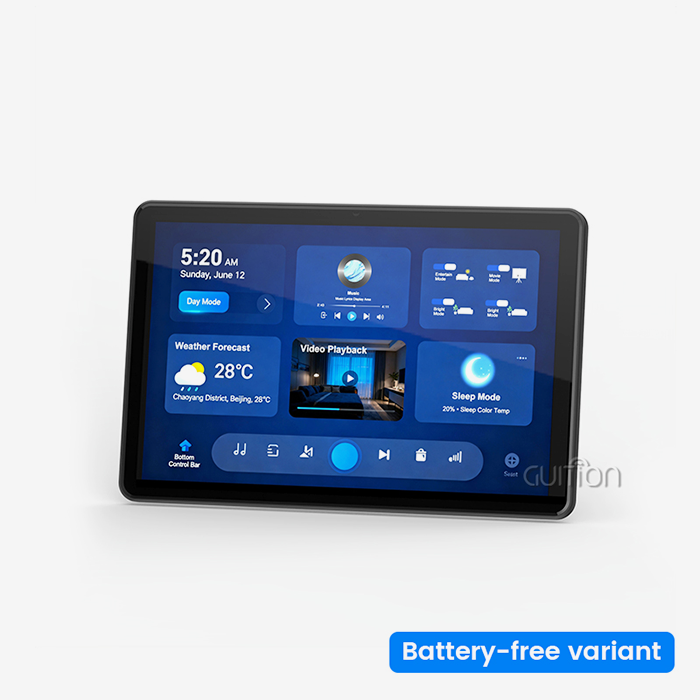
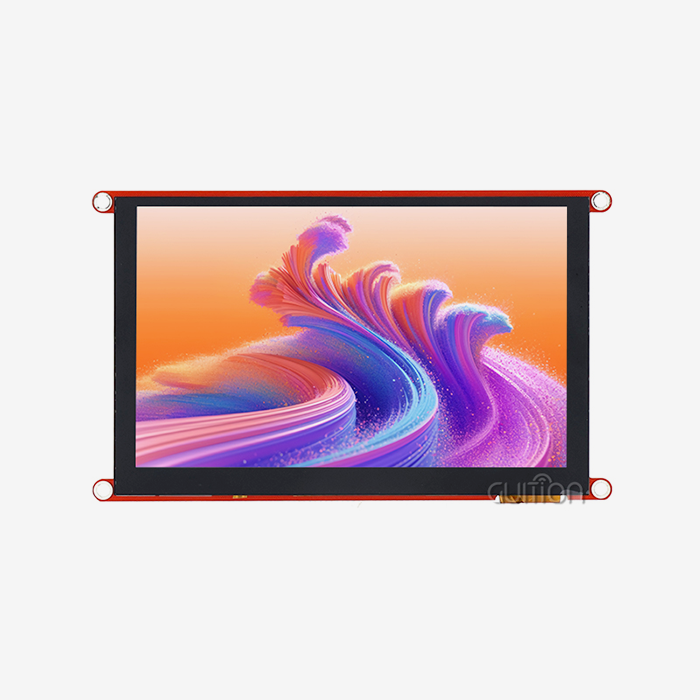
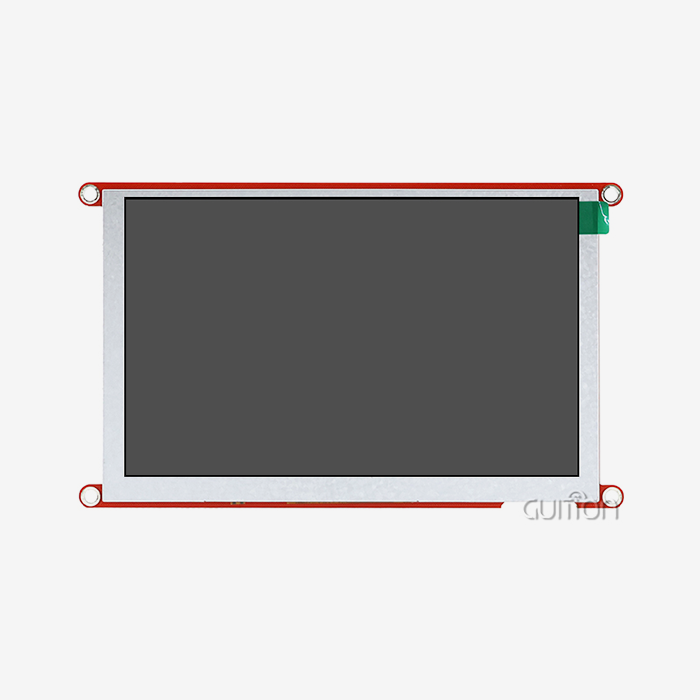
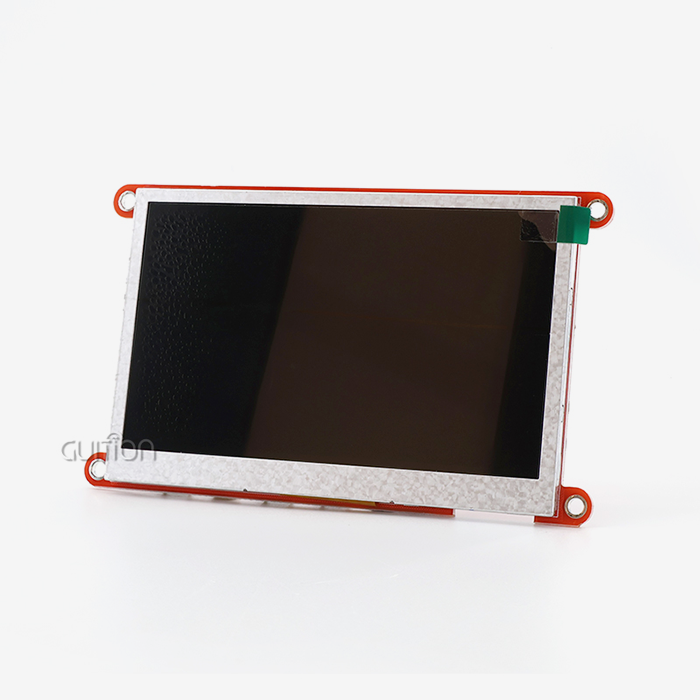
If you are sourcing a smart LCD module for an OEM or ODM project, this guide is written for you. A smart LCD module is a self-contained display subsystem that integrates a graphics controller, communication interface, and backlight circuitry into a single assembly. Unlike bare TFT panels that demand heavy low-level coding, these modules communicate through serial protocols, letting engineers build polished human-machine interfaces without complex driver work. This guide walks you through technologies, selection criteria, procurement tips, leading suppliers, and future trends — so your next display purchase is faster and smarter.

Understanding Smart LCD Modules: Features, Types, and Technologies
What Makes a Display Module "Smart"
Something is "smart" if it has a controller built in that can do its own display work without help from the host MCU. The host uses UART, SPI, or RS-232 to send simple commands. The built-in engine controls the lighting, handles touch events, and handles pixel data. With this system, engineers don't have to check the display driver at a low level, which speeds up R&D.
Common Module Types and Their Trade-offs
People choose TFT LCD panels for their home and business electronics because they are cheap and show bright colors. OLED modules are smaller and have deeper blacks, but they cost more and don't stay bright as long. With apps that only need to use a small amount of power, e-ink units are great for those. The LCD panels with LED backlighting are in the middle. They last a long time, are cheap, and are bright. Backlight half-lives often last longer than 50,000 hours, according to testing data from the business.
Key Technical Properties to Compare
Source teams should compare these things about display units before putting out a buy order:
- Brightness: Standard panels ship at 250–350 nits; sunlight-readable variants exceed 800 nits for outdoor kiosks or EV charging piles.
- Operating Temperature: Industrial-grade modules run from -20°C to +70°C. Automotive-grade units extend to +85°C, validated through Environmental Stress Screening tests of 72 hours at each extreme.
- ESD Protection: Look for IEC 61000-4-2 compliance (±4 kV contact, ±8 kV air) to survive dry factory floors.
- Onboard Flash: 16 MB to 1 GB stores images, fonts, and UI pages locally, eliminating latency during page transitions.
Most screens come with 250 to 350 nits of brightness. More than 800 nits of light can pass through sunlight-readable models that can be used on public booths or EV charging stations. Modules made for industry can work in temperatures from -20°C to +70°C. Environmental Stress Screening tests that went on for 72 hours at each extreme showed that units made for cars can handle temperatures up to +85°C. Check for IEC 61000-4-2 compliance (±4 kV contact, ±8 kV air) to make sure it can handle dry factory floors. The 16 MB to 1 GB of onboard flash saves pictures, fonts, and UI pages locally, so moving from one page to another doesn't take any time.
How to Choose the Right Smart LCD Module for OEM and ODM Needs
The F-1 Criteria Screening Approach
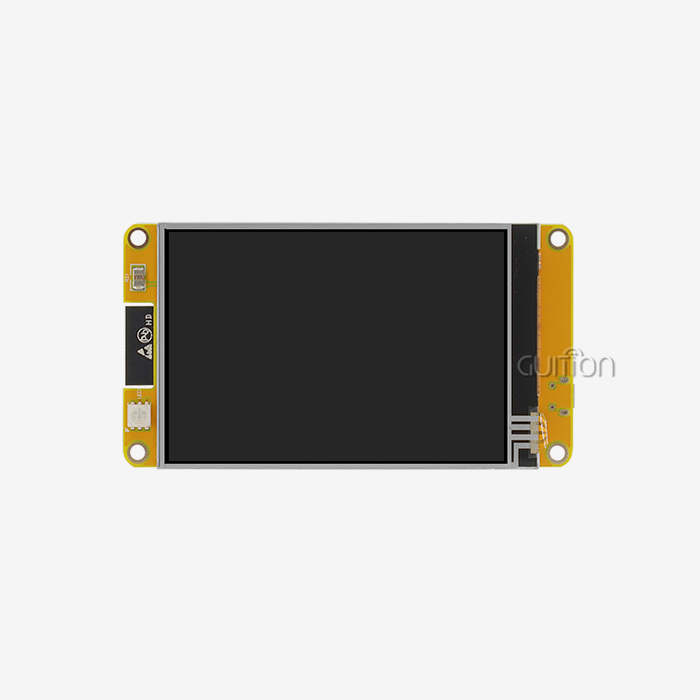
The width of the screen, the resolution, the connection link, and the operating power range are the first four things that can't be changed. The JC2432S028N from GUITION, for example, is a Smart LCD Module featuring a 2.8-inch TFT screen with a resolution of 240x320, a 4-wire SPI interface powered by the ILI9341 IC, and a power design with a wide input. You can get rid of options that don't work together before you spend time on datasheets if you fix these factors first.
Evaluating Brightness, Refresh Rate, and Software Compatibility
Once the specs are the same, check how well the hardware and apps work. The clarity, sharpness, and refresh rate all affect how easy it is to read where you work. Another important thing is that the program should be able to work with the tools you already have. GUITION's JC2432S028N can be used with the Arduino, ESP-IDF, and Guition development modes. Teams that work in any of these settings can start writing code as soon as the module gets there.
Balancing Customization Potential Against Budget
When you order something custom, it costs more, but the logos, connector placements, and firmware are already set up the way you want them. Many times, when OEM programs buy more than a certain amount, the extra cost is met by less assembly work in the first run. Ask for a sample and run a 24- to 48-hour burn-in age test on it before committing to a full order. This will help you weed out early infant-mortality fails.
Procuring Smart LCD Modules: Tips, Suppliers, and Pricing Insights
Where to Find Verified LCD Module Suppliers
Certificates are made public by sellers you can trust. When a product has marks like CE, RoHS, and FCC, it means it meets the basic requirements to be sold in the US. The sizes of GUITION goods range from 1.28 inches to 21.5 inches, and all of them come with full secondary-development papers. The company is run by Shenzhen Jingcai Intelligent Co., Ltd. Before you sign a supply deal, talk to past OEM clients of the seller and find out how long it takes to make things.
Pricing Factors and Bulk Purchase Negotiation
The main thing that changes prices is the amount. The cost of the tools is spread out over more units sold and longer production runs, which cuts the cost per unit. Besides the price, you should also talk about how to pay, how the item will be packed, and how much it will cost to change the firmware. It's better to buy from companies that offer technical help, driver source code, and UI development tools as part of the package, even if it costs a little more per unit than a bare-panel choice.
Warranty, Shipping, and Quality Assurance Standards
Manufacturers of Smart LCD Modules with a good reputation will take back products that have flaws in the way they were made that can be shown by an optical inspection that meets ISO 13406-2 Class II standards. These guarantees usually last between 12 and 24 months. Ask them to write down what their rules are about dead pixels and how they check for Mura. To meet US customs rules, packages going to the US should be packed in a way that protects against ESD, keep SMT modules dry in bags, and have clear labels that show where the goods came from.
Leading Smart LCD Module Brands and Supplier Profiles
Established Panel Makers: BOE, Innolux, and Tianma
As far as TFT LCD capacity goes, the BOE Technology Group has the most. They sell panels to top original equipment manufacturers (OEMs) in both cars and consumer electronics. It is known that Innolux's prices for mid-size panels are fair, and Tianma has grown into a major player in medical and industrial displays that need to be precise in terms of size. People who make these panels mostly sell blank panels, so installers need to buy driver boards separately.
HMI-Focused Suppliers: GUITION
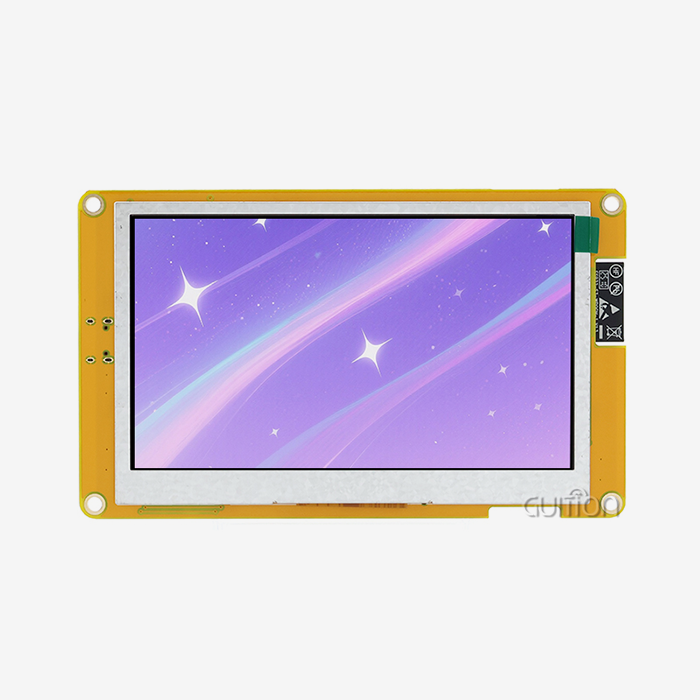
GUIDE is not where it used to be in the market. This company not only sells panels; it also sells full hmi display modules that are smart already. For instance, the JC2432S028N is a good one. It's a 2.8-inch TFT LCD module that comes with the ILI9341 driver, 4-wire SPI communication, a touch layer that can be added if needed, circuits for controlling the backlight, and SD card storage for adding more content. Engineers don't have to write display drivers. The interface is made with drag-and-drop tools in the Guition UI program.
Matching Supplier Strength to Your Project Stage
A lot of businesses, both big and small, like GUITION because it has hardware, software tools, and expert paperwork all in one box. Larger OEMs with their own firmware teams might buy bare panels from BOE or Innolux and then make their own controller layer. This choice will depend on the tools of your team and your goal for time-to-market.
Future Trends and Innovations in Smart LCD Modules for B2B Procurement
IoT Connectivity and AI-Assisted Displays
The next generation of TFT screens will have WiFi and Bluetooth built in, so you won't need to buy extras to use them. GUITION modules already have both of the wireless protocols built in. Smart LCD Module UI changes can be made to devices that are already in the field through over-the-air (OTA) firmware updates, so the devices don't need to be repaired. Hands-on industrial HMI screens are getting voice and gesture recognition added on top of them with the help of AI.
Energy Efficiency and Sustainability Pressure
The US and EU's rules on purchases need proof of RoHS and energy efficiency more and more. 20–30% less power is used by display panels with adjustable backlight control than by designs with set brightness. It's something that people who buy energy control systems and smart appliances want to be part of the ENERGY STAR program.
Rapid Prototyping and Short-Run Customization
The time between market waves is getting shorter. Product managers say that making a new HMI version for a competitive consumer IoT category now only takes six weeks instead of six months. Going from a prototype to production is much less risky when you can get reference designs that have already been tried, sample units within two weeks, and modular software from your suppliers.
Conclusion
To choose the best display module for an OEM or ODM project, you need to think about a lot of things. Some of these are the size of the screen, the way it communicates, the operating system, the ability of the device to work with other apps, and the history of the provider. The GUITION JC2432S028N has a 240x320 TFT panel driven by the ILI9341 and a 4-wire SPI interface. This Smart LCD Module has its own processor, which frees up your tech team from having to deal with low-level drivers. This speeds up development. It should be more important to give sellers full paperwork, compliance approvals, and direct technical help. Planning carefully at the start will save time and money in the long run because bugs will be fixed faster and more cheaply.
FAQ
What is the difference between a smart LCD module and a standard TFT panel?
The pixels on a normal TFT screen are sent out without being processed, and the host MCU needs to run the display drivers. As shown on the JC2432S028N, a Smart LCD Module comes with its own driver IC and can react to simple serial commands. This frees up the host processor and speeds up development.
Can a smart LCD module work with Arduino or ESP32?
Yes. There are three ways to make things with the JC2432S028N and other GUITION devices: Arduino, ESP-IDF, and GUITION. The 4-wire SPI interface works with most common microcontroller boards, and the GUIDE gives you example code to help you connect them more quickly.
How do I update the UI after the product is already deployed?
This is called over-the-air (OTA) updating, and it can be done through the UART serial port or an SD card slot that is built right in. The host MCU sends the update order, and the module loads the new UI package without it being touched.
What touch input options are available?
It doesn't come with touch on the JC2432S028N, but you can add one if you want to. This type of touch works best in places where gloves are worn. If you want to change how sensitive the capacitive controls are in glove mode, you can use firmware.
How many write cycles does the onboard flash support?
NOR Flash that is made for industrial use usually has 100,000 write cycles and 10 years of data retention when used in GUITION modules. This is enough to cover the expected product lifetimes.
Ready to Source a Smart LCD Module? Contact Guition Today
Our Smart LCD Modules, which come in sizes from 1.28 inches to 21.5 inches, are made for OEM and ODM teams that need a dependable Smart LCD Module source with real tech support. You can order small amounts or a lot of the JC2432S028N Smart LCD Module. Email the GUITION team at david@guition.com or visit https://jingcaizhineng.aixdb.cn/ to get a price and learn more about the product.
References
1. IEEE Transactions on Industrial Electronics — "Serial Communication Protocols in Embedded HMI Systems," 2022.
2. Display Technology International — "TFT LCD vs. OLED: Performance Trade-offs in Industrial Applications," 2023.
3. IPC-A-610 — "Acceptability of Electronic Assemblies," IPC Standards, 2020.
4. IEC 61000-4-2 — "Electromagnetic Compatibility: Electrostatic Discharge Immunity Test," International Electrotechnical Commission, 2021.
5. ISO 13406-2 — "Ergonomic Requirements for Work with Visual Displays: Flat Panel Displays," International Organization for Standardization, 2001.
6. Embedded Computing Design — "Choosing Display Modules for IoT and Industrial OEM Products," 2023.
Learn about our latest products and discounts through SMS or email