- English
- French
- German
- Portuguese
- Spanish
- Russian
- Japanese
- Korean
- Arabic
- Greek
- German
- Turkish
- Italian
- Danish
- Romanian
- Indonesian
- Czech
- Afrikaans
- Swedish
- Polish
- Basque
- Catalan
- Esperanto
- Hindi
- Lao
- Albanian
- Amharic
- Armenian
- Azerbaijani
- Belarusian
- Bengali
- Bosnian
- Bulgarian
- Cebuano
- Chichewa
- Corsican
- Croatian
- Dutch
- Estonian
- Filipino
- Finnish
- Frisian
- Galician
- Georgian
- Gujarati
- Haitian
- Hausa
- Hawaiian
- Hebrew
- Hmong
- Hungarian
- Icelandic
- Igbo
- Javanese
- Kannada
- Kazakh
- Khmer
- Kurdish
- Kyrgyz
- Latin
- Latvian
- Lithuanian
- Luxembou..
- Macedonian
- Malagasy
- Malay
- Malayalam
- Maltese
- Maori
- Marathi
- Mongolian
- Burmese
- Nepali
- Norwegian
- Pashto
- Persian
- Punjabi
- Serbian
- Sesotho
- Sinhala
- Slovak
- Slovenian
- Somali
- Samoan
- Scots Gaelic
- Shona
- Sindhi
- Sundanese
- Swahili
- Tajik
- Tamil
- Telugu
- Thai
- Ukrainian
- Urdu
- Uzbek
- Vietnamese
- Welsh
- Xhosa
- Yiddish
- Yoruba
- Zulu
LCD Panel Module Supplier Checklist for Global Buyers
Sourcing the right LCD panel module is one of the most consequential decisions a procurement team or embedded engineer can make. Whether you are designing a 3D printer interface, an EV charging station, or a medical monitoring device, the display module you choose directly affects product quality, development speed, and long-term maintenance costs. This checklist gives global buyers a structured, experience-backed guide to evaluate suppliers, avoid costly mistakes, and build procurement decisions on solid technical ground.

Understanding LCD Panel Modules: Overview for Global Buyers
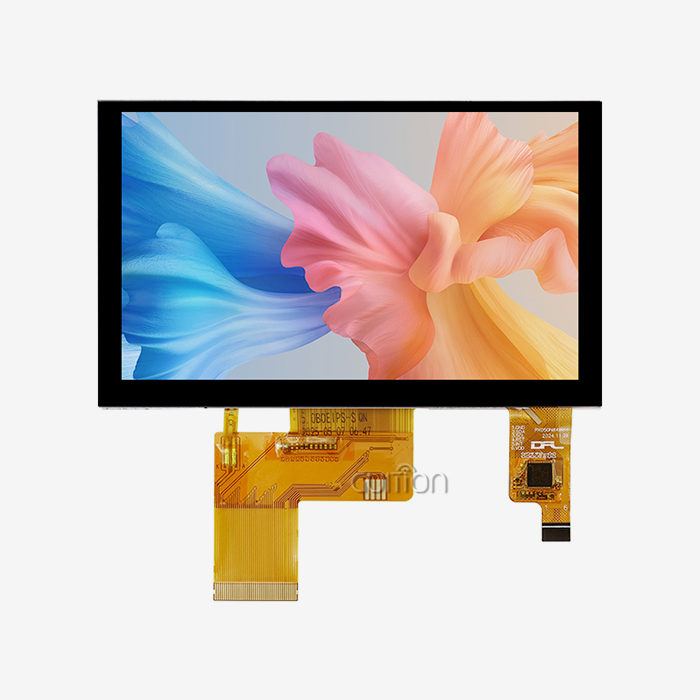
A TFT or IPS liquid crystal cell, driver ICs, a backlight unit, and a structural frame are all incorporated into a single ready-to-install LCD panel module. A finished LCD panel module, as opposed to a bare open cell, comes ready to be put into your final product.
Core Components of a Display Module
There are several layers that make up each LCD panel module. LED clusters and optical plates give off light through the backlight unit. Each pixel's light transfer is controlled by the liquid crystal layer. Driver ICs, which are connected using either COG or COF, turn controller signals into images that can be seen. When customers understand these layers, they can better match module specs to the needs of an application.
Key Display Technologies: TFT, IPS, and OLED
TFT screens are fast and cost-effective for common industrial uses. IPS panels can be used in medical and retail settings because they have wider viewing angles and more accurate colors. OLED panels have a lot of brightness, but they cost more per unit. For the majority of industrial HMI uses, IPS-based LCD panel modules are still the best option.
Resolution, Brightness, and Interface Compatibility
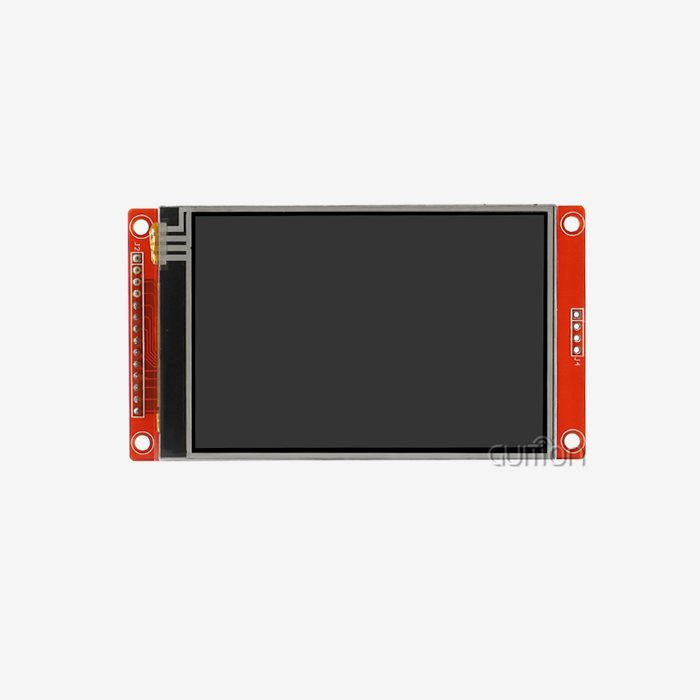
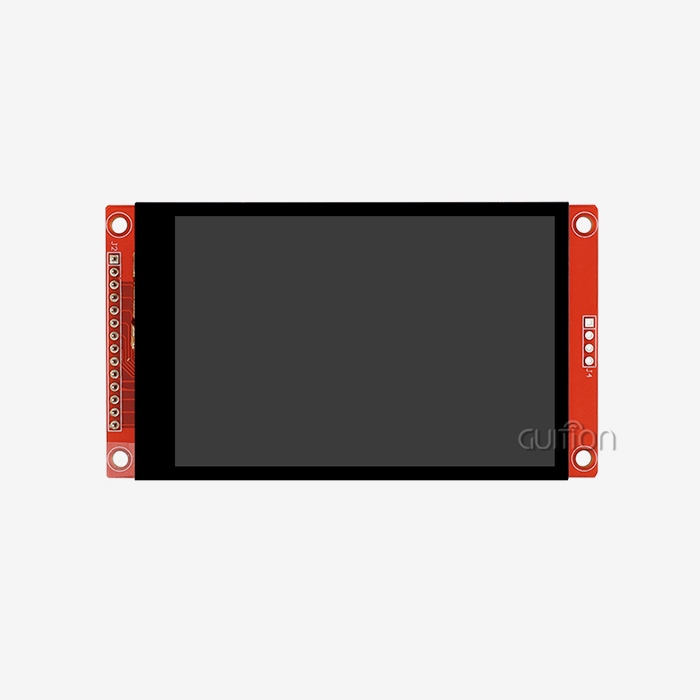
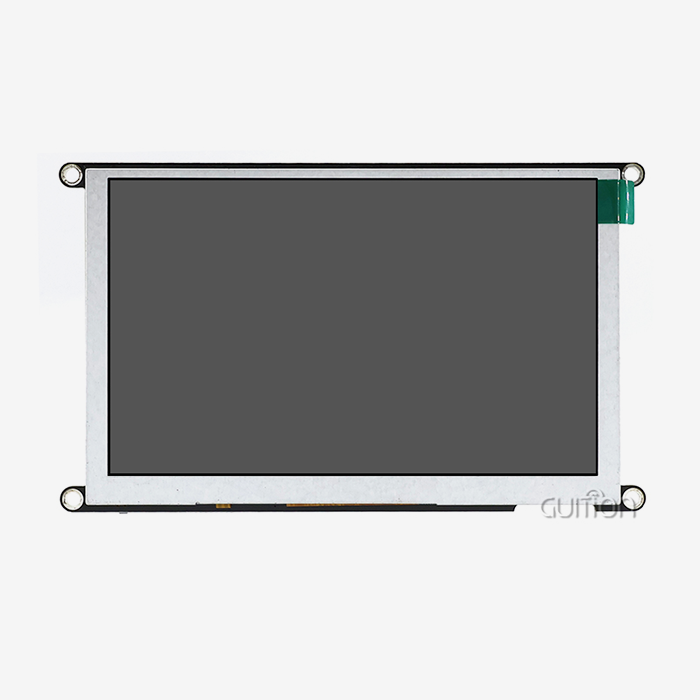
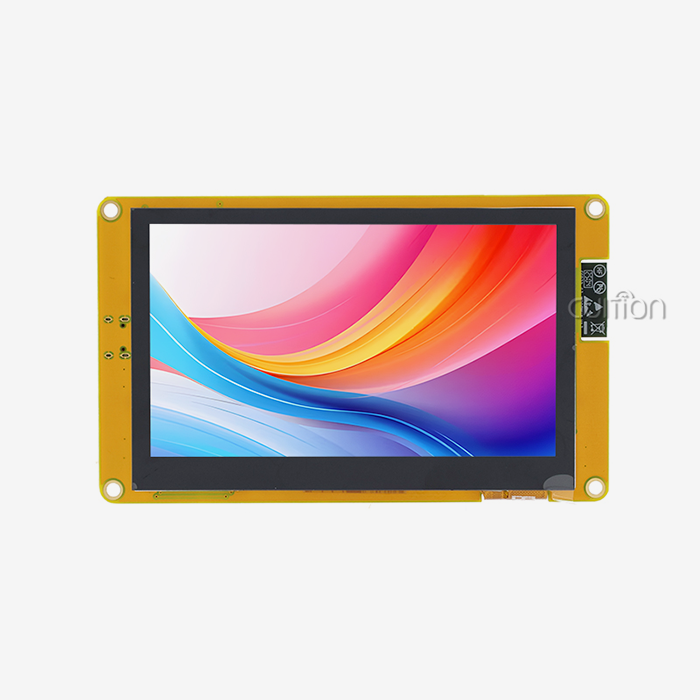
When examining an LCD panel module, pay close attention to the resolution, brightness level in nits, refresh rate, and interface type. MCU parallel, MIPI, LVDS, and eDP are all common connectors. The GUITION JC4827Q043N_I module has an MCU interface with a resolution of 800x480 and is driven by the ST3401A driver IC. It can output 16.7M colors and is good for 3D printers, charging stations, and medical aesthetics equipment.
Key Dimensions for Evaluating LCD Panel Module Suppliers
The quality standards needed for industrial or medical usage are not met by every supplier of an LCD panel module. When considering suppliers around the world, these are the factors that matter most.
Product Quality and Technical Specifications
If a module fits your project, you can tell by its resolution, brightness, contrast ratio, operating temperature range, and color gamut. Between -20°C and +70°C, industrial-grade LCD panel modules should function reliably. Modules with ratings of 250 nits or less usually shouldn't be used in places where there is a lot of light. Before you place an order, you should always ask for a datasheet and compare the specs to the optical needs of your project.
Supplier Credibility: Certifications and Reputation
Credible LCD panel module suppliers have accreditations like RoHS, REACH, ISO 9001, and sometimes CE or FCC marks. Established names like Samsung and LG set the standard for the industry, but many HMI-focused makers offer similar quality and better customization options. Check to see if the provider posts test results and if they have client references that can be checked out in businesses like yours.
Pricing, Lead Times, and Logistics
Tiered pricing works well for bulk sales, but the lowest unit cost doesn't always show the total cost of buying something. Consider the lead time, which is usually between 2 and 6 weeks for normal LCD panel units and longer for custom builds. Ask the seller if they offer pre-shipment inspections or third-party quality audits, and make sure they can ship abroad with documented logistics tracking.
How to Choose the Right LCD Panel Module Supplier: Criteria Screening Approach
The screening process should be right for the type of buyer you have. OEMs need products with long life cycles and specific form factors. Distributors focus on having enough stock and offering affordable prices. Cross-platform compatibility and technical support after the sale are the most important things to industrial system integrators.
Quality Assurance Protocols and Warranty Terms
Ask every possible provider how they make sure of the quality of their work. IEC 60068-2 thermal cycling, MIL-STD-810G vibration tests, ESD resistance checks, and burn-in aging tests that last 24 to 72 hours are all standard tests in the industry.
After-Sales Support and Development Resources
After-sales support distinguishes good suppliers from great ones. A reliable LCD panel module supplier should be happy to share QC documentation and offer a warranty that lasts at least 12 months. Check to see if the seller offers full technical documentation, software tools, and assistance for development boards. Guition's own development software works with Arduino, ESP-IDF, and native Guition development modes. This lets your engineering team choose the process they already know, which cuts down on training time and fixing cycles by a large amount.
Flexibility and Customization Capability
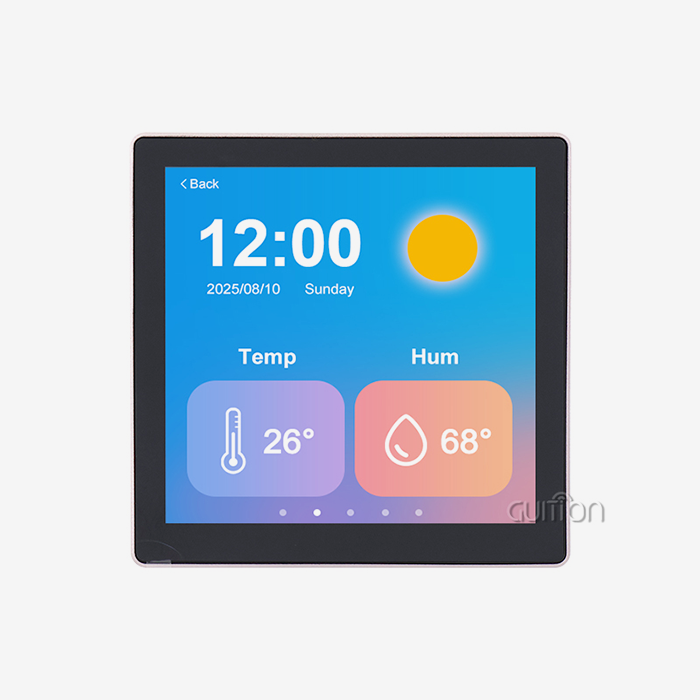
For your project, you might need a display size that isn't common, a certain color for the bezels, or a certain way to mount the screen. Check to see if the provider will take special requests for firmware, sizes, or interfaces. Guition supports display sizes ranging from 1.28 inches to 21.5 inches, allowing buying teams to choose from a wide range of products without having to move between different LCD panel module suppliers.
Avoiding Common Pitfalls When Procuring LCD Panel Modules
Most of the time, procurement mistakes are caused by missing steps rather than bad motives. Teams can improve their buying habits by noticing trends of failure that happen a lot.
Ignoring Compatibility Requirements
Ordering an LCD panel module without making sure it works with the target MCU or SoC is one of the most common and costly mistakes. A platform that is looking for MIPI or LVDS signals will not be able to directly connect to an MCU interface module. Before you place an order, make sure the signal voltage levels match and map the module's electrical link to your existing hardware design.
Selecting Outdated or Discontinued Technologies
As display technology changes, some cheaper providers keep sending out units that are made with older driver ICs or optical films that break down faster than newer versions. The GUITION JC4827Q043N_I uses the ST3401A driver IC, which is a new chip that allows 16.7M color depth at 800x480 resolution and a stable MCU interface. This means that your idea will still work well after the product is out in the world.
Skipping Pilot Testing Before Volume Orders
Never skip the test run. Before they become costly production-line discoveries, integration issues, brightness inconsistencies, and firmware compatibility issues can be found by testing a small batch of LCD panel modules in your actual hardware and software environment. Before approving large shipments, write down the acceptance criteria, such as pixel defect grade standards that are in line with ISO 9241-307.
Soft Promotion: Why Partner with a Trusted LCD Panel Module Supplier
Long-term buying success comes from relationships with suppliers that are based on openness, steady quality, and sharing of technical knowledge, not just low unit prices.
What a Reliable HMI Display Partner Looks Like
A reliable LCD panel module provider gives full product paperwork, answers technical questions with engineering-level answers, and makes sure the product is consistently available throughout the life cycle of your product. Guition, which is run by Jingcai Intelligence, has in-house R&D, manufacturing, and sales of SPI LCD Display products all under one roof. This makes it easier for buyers to talk to each other than when they work with middlemen.
GUITION JC4827Q043N_I: A Practical Product Example
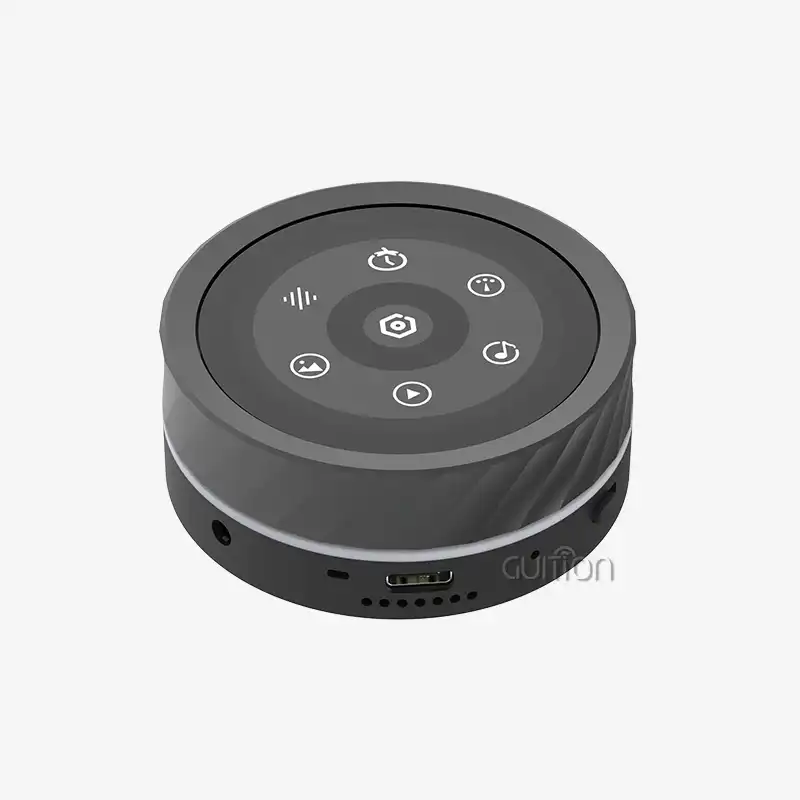
A 4.3-inch LCD panel module with 800x480 resolution, 16.7 million colors, and MCU interface support is the GUITION JC4827Q043N_I. Its ST3401A driver IC gives clear, bright images in 3D printers, EV charging stations, medical esthetics devices, and industrial control screens, among other places. The module works well with Guition software for creation, and it can be updated over-the-air (OTA) remotely. It can also encode in multiple languages and join via WiFi or Bluetooth. This tool will help your project in the following main ways:
- 800×480 Resolution with 16.7M Color Output: The ST3401A driver IC ensures precise color rendering across all 4.3 inches of the active display area, making text and graphics sharp even at close viewing distances typical of HMI applications.
- MCU Interface with Cross-Platform Support: The MCU interface connects directly to common embedded platforms, and Guition software supports Arduino, ESP-IDF, and native Guition modes—giving your team real development flexibility without additional middleware.
- OTA Remote Upgrade Capability: Built-in support for over-the-air project updates means your deployed devices can receive firmware revisions without any physical access, which directly reduces after-sales service costs in field-deployed products.
These benefits address the most common problems that embedded engineers and R&D managers have, such as slow iteration cycles, high debugging costs, and few options for maintenance after deployment.
Conclusion
More than just reviewing spec sheets is necessary to choose the right LCD panel module source. As a whole, buyers need to look at the quality of the product, the reliability of the seller, the compatibility of the interfaces, the ability to customize, and the help provided after the sale. Any step you skip on this list raises the risk in your whole supply chain. Products like the GUITION JC4827Q043N_I show how a well-specified LCD panel module with SPI LCD Display compatibility, backed by good development tools and a maker with real technical depth, can speed up your project and lower the total cost of engineering.
FAQ
What is the most important criterion when selecting an LCD panel module supplier?
The most important things are interface compatibility and high-quality instructions. Before you place an order, make sure that the module's electrical interface works with your gear. Write down what you need: datasheets, test reports, and QC standards.
Can I use a standard indoor LCD panel module in an outdoor application?
No, standard modules with ratings between 250 and 400 nits can't be read in full sunlight and don't have the UV protection or thermal control needed for outdoor use. For outdoor use, high-brightness modules with the right finishes must have a rating of more than 1000 nits.
What lead time should I expect for an LCD panel module order?
Standard units that are in stock usually ship within one to two weeks. Depending on the factory's schedule and the availability of parts, custom display modules or orders for a lot of them may take 4 to 8 weeks.
Does the GUITION JC4827Q043N_I support touch input?
The JC4827Q043N_I is not a touch-enabled LCD panel module. If your application needs touch, Guition has other types that can be used with either capacitive or resistive touch.
What development platforms are compatible with Guition display modules?
Modules for Guition work with Arduino, ESP-IDF, and the built-in creation tools for Guition. To cut down on development time, the Guition software tool has a drag-and-drop UI builder, support for multiple languages, and cross-platform debugging.
Partner with Guition for Your Next LCD Panel Module Project
The next product you make should have a display module that comes with real technical help. The JC4827Q043N_I is one of the many LCD panel modules that Guition offers in sizes ranging from 1.28" to 21.5". These modules are made for use in industrial, medical, and Internet of Things (IoT) applications. We offer full technical documentation, development tools, and quick pre- and post-sale help because we are a reputable LCD panel module maker. To get product samples or a personalized quote, please email our team at david@guition.com right now.
References
1. IEC 60068-2: Environmental Testing for Electronic Components — International Electrotechnical Commission, 2021.
2. MIL-STD-810G: Environmental Engineering Considerations and Laboratory Tests — U.S. Department of Defense, 2014.
3. ISO 9241-307: Ergonomics of Human-System Interaction — Optical Laboratory Test Methods for Electronic Visual Displays — International Organization for Standardization, 2008.
4. Display Technology Trends and Market Outlook for Industrial HMI Applications — IDTechEx Research, 2023.
5. Global Industrial Display Market: Size, Share & Forecast 2023–2028 — MarketsandMarkets, 2023.
6. RoHS Directive 2011/65/EU: Restriction of Hazardous Substances in Electrical and Electronic Equipment — European Parliament, 2011.
Learn about our latest products and discounts through SMS or email