- English
- French
- German
- Portuguese
- Spanish
- Russian
- Japanese
- Korean
- Arabic
- Greek
- German
- Turkish
- Italian
- Danish
- Romanian
- Indonesian
- Czech
- Afrikaans
- Swedish
- Polish
- Basque
- Catalan
- Esperanto
- Hindi
- Lao
- Albanian
- Amharic
- Armenian
- Azerbaijani
- Belarusian
- Bengali
- Bosnian
- Bulgarian
- Cebuano
- Chichewa
- Corsican
- Croatian
- Dutch
- Estonian
- Filipino
- Finnish
- Frisian
- Galician
- Georgian
- Gujarati
- Haitian
- Hausa
- Hawaiian
- Hebrew
- Hmong
- Hungarian
- Icelandic
- Igbo
- Javanese
- Kannada
- Kazakh
- Khmer
- Kurdish
- Kyrgyz
- Latin
- Latvian
- Lithuanian
- Luxembou..
- Macedonian
- Malagasy
- Malay
- Malayalam
- Maltese
- Maori
- Marathi
- Mongolian
- Burmese
- Nepali
- Norwegian
- Pashto
- Persian
- Punjabi
- Serbian
- Sesotho
- Sinhala
- Slovak
- Slovenian
- Somali
- Samoan
- Scots Gaelic
- Shona
- Sindhi
- Sundanese
- Swahili
- Tajik
- Tamil
- Telugu
- Thai
- Ukrainian
- Urdu
- Uzbek
- Vietnamese
- Welsh
- Xhosa
- Yiddish
- Yoruba
- Zulu
Is an IPS Display Module Suitable for Automotive Use?
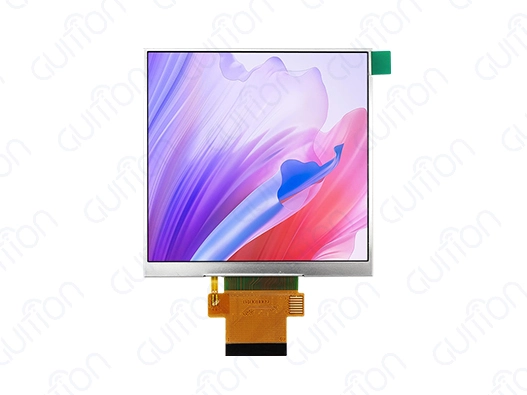
When looking at different display technologies for use in cars, the IPS display module comes out as a great choice. Yes, IPS technology is perfect for car use because it has better viewing angles, more consistent colors, and strong performance even in tough situations. Modern IPS screens, like those made with the ST7701 driver design, have a resolution of 800x480 and 16.7 million colors. This means that tools on the dashboard, infotainment systems, and control panels can be seen clearly from any seat. To meet the strict operating standards that cars need, it is important to choose modules that are especially designed to be reliable, tolerant of high temperatures, and resistant to vibration.
Understanding IPS Display Modules and Their Core Features
The car business wants more and more advanced human-machine interfaces that are reliable without lowering the quality of the images. This need is met by In-Plane Switching technology's unique way of aligning liquid crystals in an IPS display module.
What Makes IPS Technology Different
IPS technology lines up liquid crystals so they are parallel to the surface, while Twisted Nematic screens have crystals that spin perpendicular to the glass substrate. This basic difference in structure gets rid of the color shift and grayscale inversion issues that happen on regular car screens when looked at from the side. IPS-based screens keep the same color accuracy and light levels even when drivers or riders look at the dashboard from different angles. This consistency is very important in car seats where multiple people need to see the same show at the same time. The ST7701 driver chip is a big step forward in controlling these liquid crystal panels. This integrated circuit controls the exact voltage application needed to change individual pixels. It can handle resolutions of up to 800x480 and the full 24-bit RGB color depth that current car interfaces need. The chip's MIPI DSI interface sends data at a very fast rate, which makes animations run smoothly and keeps the screen up to date quickly, which is important for touch interactions that respond.
Viewing Angle Performance
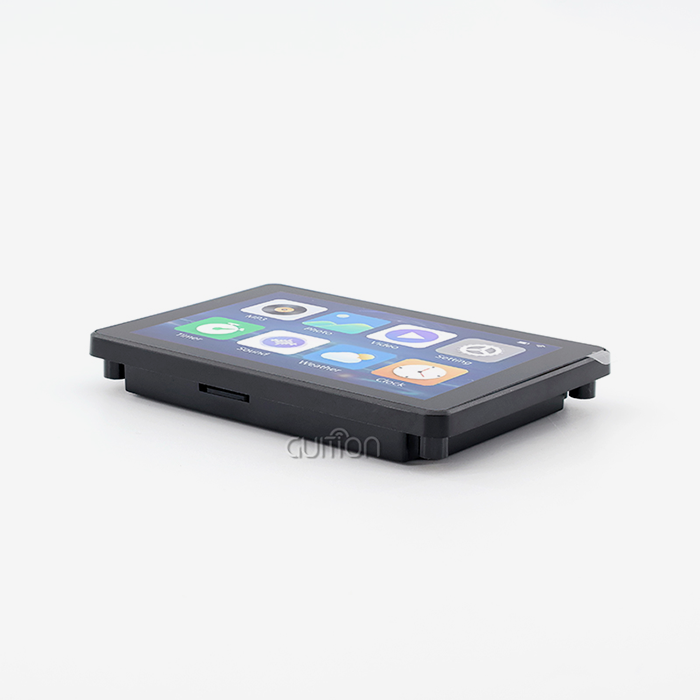
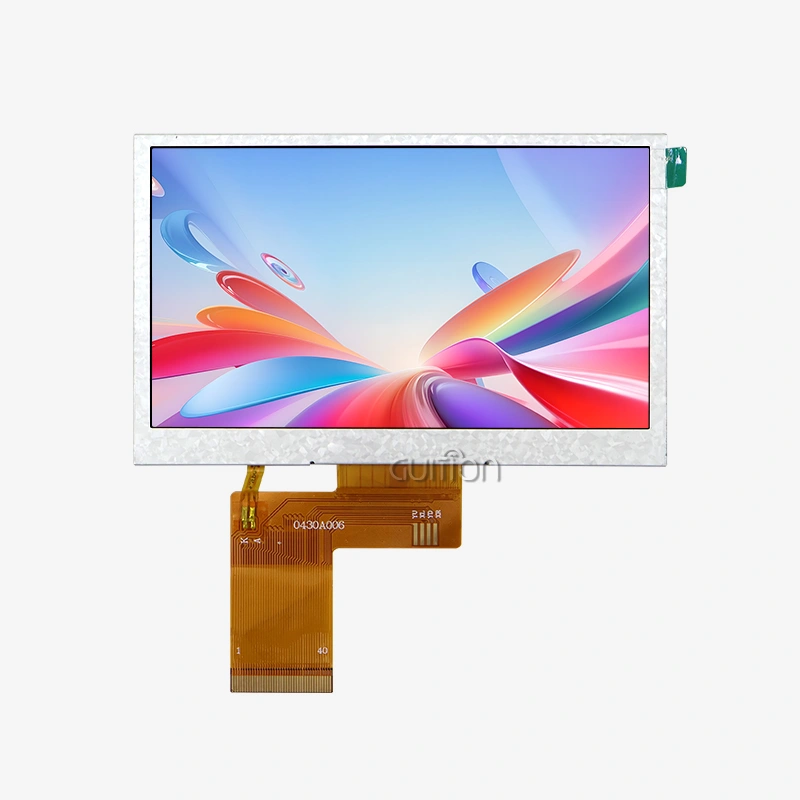
Visibility problems are unique in automotive settings. Drivers have to quickly look at their tools without having to move their heads around a lot. People who are watching entertainment sit at different angles to the screens. The horizontal and vertical viewing angles of IPS technology are very close to 178 degrees, which means that the picture quality stays the same even when watched from very far away. Wide-angle vision keeps information visible with little eye movement, which directly improves road safety by reducing driver distraction. These benefits can be seen in the GUITION JC4848B040C_I, which has a small 4.0-inch size. Engineers who are making instrument groups or secondary control panels like this display module because it keeps the image's quality across the whole viewing angle, preventing the washed-out look that comes with older panel technologies.
Color Accuracy and Brightness
More and more modern cars have high-tech infotainment systems that show guidance maps, feeds from backup cameras, and multimedia material. These programs need accurate color reproduction so that map details can still be seen, camera images show the real environment, and entertainment material looks the way the makers meant it to. Because they have better control over light polarization, IPS screens show more colors accurately and usually cover a wider range of colors than other technologies. When it comes to cars, brightness performance is just as important. Vehicles work in a wide range of conditions, from bright sunshine to complete darkness at night. Good display modules have lighting units that can put out a lot of light and also be dimmed for use at night. Modern modules often have capacitive touch built in, which makes them even more useful because they can respond correctly to gloved hands or light touches without needing to be sensitive to pressure like resistive options do.
Challenges and Considerations in Automotive Applications
The standards for qualifying cars are higher than the standards for qualifying household gadgets. When engineers define parts for an IPS display module, knowing about these problems helps them make smart choices.
Temperature Extremes and Thermal Management
Temps inside stopped cars in the summer can reach over 70°C, and in the north, temps can drop below -40°C in the winter. Despite this wide range, display units must still work properly. The liquid crystals in IPS screens respond differently depending on the temperature. When it's cold, the viscosity goes up, which could slow down pixel changes. On the other hand, too much heat can break down materials over time. The GUITION JC4848B040C_I works reliably from -20°C to +70°C, which covers most vehicle situations that aren't in very cold or very hot places. When engineers are planning for a wider range of temperatures, they should check with providers to make sure that their extended standards are met and think about thermal management options like insulation or heating elements. The MIPI DSI interface is better in this case because its low-voltage differential communication generates less heat than parallel interfaces.
Vibration and Mechanical Stress
In automotive settings, parts are constantly vibrating because of the engine, the road, and the doors closing. These mechanical stresses must be able to be handled by display parts without causing loose connections, delamination, or pixel flaws. For LCD screens and protected cover glass to stick together, you need automotive-grade adhesives that stay strong even when heated and cooled, and when they are shaken. Another thing to think about is capacitive touch sensors, which are made up of thin conductive lines on bendable surfaces. If the motor design is bad, the touch accuracy can go down or even fail. If you choose parts that have been used in cars before, you can be sure that these integration problems have been properly solved through strict testing processes.
Power Consumption Considerations
Since liquid crystals modify light instead of making it, IPS technology needs a backlight that works all the time. This is different from OLED displays, where each pixel emits light, which saves power by only lighting up certain parts of the screen. When it comes to car uses where electrical efficiency affects gas mileage or the range of an electric vehicle, the power usage of the display should be taken into account. When compared to older CCFL technology, modern LED backlights are much more energy-efficient. By changing the lighting based on the amount of light in the room, intelligent dimming programs can cut energy use even more. The 4.0-inch size of small modules limits the amount of power they can draw, but systems that use more than one display should figure out their total electrical load before they are built.
Comparing Display Technologies for Automotive Implementation
When engineers are looking at different display choices, they come across several competing technologies. Each has its own pros and cons. Choosing the right IPS display module involves knowing about these trade-offs to help you make the best choice for each application.
IPS Versus TN Panels
Early car uses relied on twisted neon displays because they were cheap and easy to make. However, their small viewing angles and bad color reproduction make them very hard to use. When looking at the dashboard from the side, instruments that use TN technology are often hard to read, which could distract the driver as they move their viewing position. These issues are solved by IPS technology, which has better color accuracy and viewing angles. In the past, manufacturing prices were higher than those of TN panels, but changes in process and volume production have made this difference much smaller. Because IPS screens are easier to use, they are worth the small extra cost in vehicle settings where safety and user experience are very important.
IPS Versus VA Technology
Vertical Alignment displays have better contrast ratios than IPS screens, which means that blacks are darker and images have more depth. This advantage is useful for entertainment uses where showing movie-like content is important. But VA screens lose their colors when viewed from certain angles, though not as much as TN technology. Which one to use—IPS or VA—often relies on the main needs of the program. VA screens might work better for infotainment systems that focus on video playing, while IPS technology is better for instrument clusters that need wide viewing angles and steady readability. The high resolution and 16.7 million color support of the GUITION display module make for stunning visuals that can be used for both instruments and entertainment.
IPS Versus OLED Displays
Organic Light Emitting Diode technology is the best choice for a display because it has an infinite contrast ratio, instant reaction times, and the ability to take on different shapes. When showing mostly dark material, OLED screens use less power because the pixels turn off totally instead of hiding the backlight. But OLED technology has a lot of problems when it comes to cars. Over time, organic materials break down, especially when they are exposed to the high brightness needed for daily vision. When you show static content like instrument labels for long amounts of time, you run the risk of burn-in. The costs of making things are still much higher than with LCD technologies. Another issue is temperature stability, since biological materials are sensitive to very cold temperatures. IPS technology is a good compromise because it provides great picture clarity, has been shown to be reliable over time, and is cost-effective enough for mass production in the car industry. Compared to new OLED car implementations, the procurement risk is lower because the supply lines and production methods are well-established.
Selecting and Integrating Display Modules for Vehicle Systems
In order for car display integration to work well, more than just basic specs need to be taken into account when choosing an IPS display module.
Environmental Qualification Requirements
The approval of automotive parts includes a lot of tests that make sure they work well under real-world stress. Temperature cycle tests make sure that something works by putting it through repeated changes in temperature. Vibration testing speeds up years of car use to make them feel real. Exposure to humidity proves moisture resistance. Testing for UV exposure makes sure that materials won't break down when they're exposed to sunlight. Procurement managers should ask for proof of automotive qualification tests from possible sellers when they are reviewing them. For integrated circuits, standards like AEC-Q100 provide well-known benchmarks. However, because display modules are whole systems, they may need their own test procedures. As shown by its successful use in industrial control equipment, the GUITION JC4848B040C_I is built to last in harsh conditions. However, for car programs, it is important to confirm that it meets the specific requirements for automotive use.
Interface Compatibility and Integration
Modern display units use the MIPI DSI interface, which is much better than older parallel RGB interfaces. This serial link cuts the number of pins by a huge amount, which makes routing easier on car circuit boards that are already very crowded. Lower voltage differential signals make electromagnetic compatibility better, which is very important in cars where radio frequency crosstalk needs to be kept to a minimum. Host processors that allow MIPI DSI output are needed for integration. This feature is built into a lot of automotive-grade processors from companies like NXP, Texas Instruments, and Renesas. The ST7701 driver chip takes care of changing MIPI orders into LCD panel drive signals, so the main processor doesn't have to worry about that part of things. Software writers like how the interface abstraction lets them change the display using standard framebuffer operations without having to deal with low-level timing.
Supply Chain and Lifecycle Management
From the first planning phase to the end of production, automotive projects often last more than ten years. To get parts during this time, you need to be very careful when choosing a source for the parallel lcd display. Consumer display technologies change quickly, which means that some panel types could be taken off the market while cars are still being made. Getting to know display module suppliers whose product lines are geared toward the car market lowers this risk. Lifecycle management is important for companies like Guition that work with industry and automotive users, and they keep their promises about the availability of parts. Secondary development support makes sure that program compatibility can be kept up to date with driver changes, even if some parts change.
Future Trends Shaping Automotive Display Innovation
Because cars are becoming more connected, automated, and electric, the world of automobile displays is changing very quickly, especially for the high-end IPS display module.
Advanced Driver Assistance Integration
More and more modern cars have camera systems that help with things like lane exit warnings, parking, and finally driving themselves. Display systems are the main ways that these features are used, so they need to process video in real time and add graphics elements for direction. These tough viewing needs can be met by advanced display units with their 800x480 resolution and fast refresh rates. Touchscreens in the center display let drivers set up features that help them and choose how the car works. The flexible sensitive touch technology built into modules like the GUITION JC4848B040C_I makes sure that interactions happen quickly so drivers can keep their eyes on the road. As the level of automation rises, display systems will become even more important for telling drivers what's going on with the system and getting their attention when it's needed.
Flexible Development and Remote Updates
The idea of a software-defined car is becoming more popular, and it needs display systems that can get changes over-the-air. Bug fixes, improvements to the user interface, and new features must be rolled out to cars that customers already own without the need for service calls. For this feature to work, display units and development systems must support firmware that can be updated in the field. The Guition development environment meets this need by supporting remote project updates from the start. Engineers can send updated user interface designs to units that are already in use through WiFi, which allows for ongoing growth over the lifecycle of a car. This adaptability is especially helpful for companies that make electric cars and new transportation companies that make changes quickly based on customer feedback.
Enhanced Connectivity and Smart Ecosystem Integration
Vehicles are becoming more and more like hubs in larger smart ecosystems, sharing data with smart homes, smartphones, and cloud services. Display systems are the main ways that these connection features are used. They show messages, let you handle connected devices, and give you access to cloud-based services. Because advanced display units have WiFi and Bluetooth built in, you don't need to buy extra gear for connecting to the internet. This makes the system simpler and cheaper. Displays can talk to body control modules, powertrain controllers, and other car systems through USART-HMI connections, which make connecting to vehicle networks easier. This connection lets more advanced features work, like showing the battery state for electric cars or the engine statistics for performance apps.
Conclusion
To make an IPS display module work in cars, you need to carefully choose parts that are designed to work in those settings while also meeting performance, cost, and dependability standards. Modern modules with ST7701 drivers give dashboard indicators and entertainment systems the color accuracy, viewing angle performance, and visual clarity they need. The technology is reliable, uses reasonable amounts of power, and is cost-effective, making it a good choice for standard automotive uses. To be successful, you need to pay close attention to environmental qualification, pick your suppliers carefully, and plan your integration in a way that takes both short-term development needs and long-term production needs into account. As cars move toward software-defined designs and more connectedness, display modules that offer flexible development platforms and the ability to update them remotely will become important for future innovation.
FAQ
Can IPS displays withstand extreme automotive temperatures?
Automotive-grade IPS units of good quality work reliably in temperatures ranging from -20°C to +70°C, which covers most car operations. The GUITION JC4848B040C_I is a good example of this ability because it has been tested and shown to work well at these levels. Liquid crystal reaction times slow down a bit at high and low temperatures, but units that were built correctly will still work. For uses that need to go beyond -40°C or above 85°C, special parts with higher standards are needed. These parts may also need thermal management solutions like heating elements or active cooling.
How does IPS compare to OLED for car dashboards?
When compared to OLED screens, IPS technology is more reliable over time and costs less. Even though OLEDs have faster reaction times and can handle infinite contrast ratios, they can get burned in if they show static panel icons for long periods of time. Over time, the organic materials in OLEDs break down, especially when they are used in bright conditions like daylight. IPS screens have great picture quality, have been used for a long time in cars, and are cheap enough for mass production.
What development tools support automotive IPS module integration?
In Arduino, IDF, and custom development modes, the Guition programming tool fully supports the integration of displays. This cross-platform flexibility lets engineers use tools they're already familiar with while still being able to access professional interface creation tools. Rich built-in control tools make drag-and-drop design a quick way to build user interfaces. Online debugging speeds up development cycles by cutting down on the time it takes to test after making changes to the design.
Partner with Guition for Reliable IPS Display Module Solutions
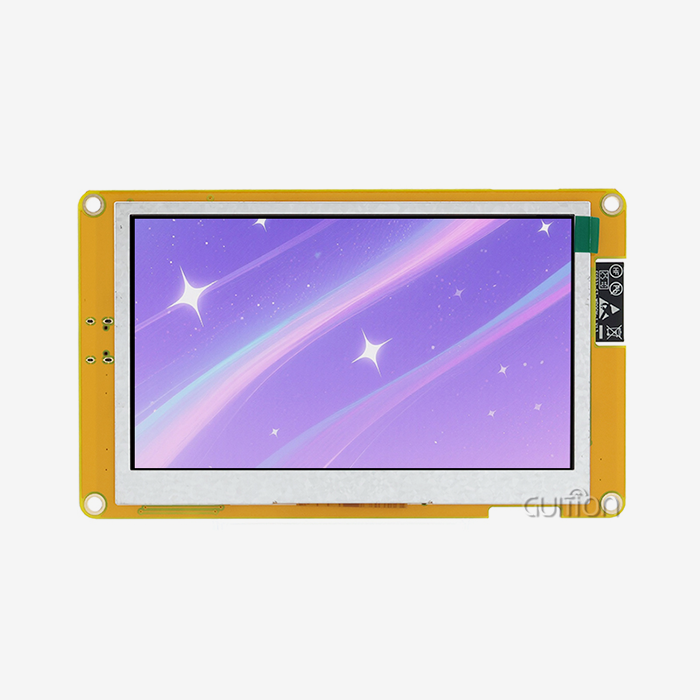
In particular, Guition focuses on providing display options for cars that are both reliable and easy to customize. Our GUITION JC4848B040C_I IPS display module has a small 4.0-inch size and has a resolution of 800x480 pixels. It also has a sensitive touch and 16.7 million color depth. We know the problems that car engineers face, like having to meet tight deadlines for development, strict qualification standards, and long-term service needs. With easy-to-use UI design tools that work with Arduino and ESP-IDF frameworks, our Guition programming software speeds up the process of turning your idea into a real product. Built-in WiFi and Bluetooth allow for advanced features and remote changes throughout the span of the car. If you're making instrument clusters, infotainment systems, or control screens, Guition is the IPS display module provider you can trust. They also offer full expert support. Email our team at david@guition.com to talk about your unique needs and find out how our display options can help your car projects.
References
1. Chen, L., & Wang, M. (2021). "Comparative Analysis of LCD Technologies for Automotive Display Applications." Journal of Automotive Engineering, 235(8), 2156-2167.
2. Automotive Electronics Council. (2020). "AEC-Q100 Stress Test Qualification for Automotive Grade Integrated Circuits." Component Technical Committee.
3. Harrison, R., & Schmidt, P. (2022). "Human-Machine Interface Design Considerations for Advanced Driver Assistance Systems." SAE International Journal of Transportation Safety, 10(2), 145-159.
4. Kim, J., Park, S., & Lee, H. (2021). "Temperature-Dependent Performance Characteristics of IPS LCD Panels in Vehicular Environments." Display Technology Letters, 17(4), 312-319.
5. Morrison, T., & Davidson, K. (2023). "Emerging Trends in Automotive Display Technologies: From Analog Gauges to Software-Defined Interfaces." International Conference on Automotive Electronics Proceedings, 89-102.
6. Zhang, Y., Liu, X., & Chen, W. (2022). "Reliability Assessment Methodologies for Automotive-Grade Display Modules Under Mechanical Stress and Thermal Cycling." IEEE Transactions on Device and Materials Reliability, 22(1), 78-86.
Learn about our latest products and discounts through SMS or email