- English
- French
- German
- Portuguese
- Spanish
- Russian
- Japanese
- Korean
- Arabic
- Greek
- German
- Turkish
- Italian
- Danish
- Romanian
- Indonesian
- Czech
- Afrikaans
- Swedish
- Polish
- Basque
- Catalan
- Esperanto
- Hindi
- Lao
- Albanian
- Amharic
- Armenian
- Azerbaijani
- Belarusian
- Bengali
- Bosnian
- Bulgarian
- Cebuano
- Chichewa
- Corsican
- Croatian
- Dutch
- Estonian
- Filipino
- Finnish
- Frisian
- Galician
- Georgian
- Gujarati
- Haitian
- Hausa
- Hawaiian
- Hebrew
- Hmong
- Hungarian
- Icelandic
- Igbo
- Javanese
- Kannada
- Kazakh
- Khmer
- Kurdish
- Kyrgyz
- Latin
- Latvian
- Lithuanian
- Luxembou..
- Macedonian
- Malagasy
- Malay
- Malayalam
- Maltese
- Maori
- Marathi
- Mongolian
- Burmese
- Nepali
- Norwegian
- Pashto
- Persian
- Punjabi
- Serbian
- Sesotho
- Sinhala
- Slovak
- Slovenian
- Somali
- Samoan
- Scots Gaelic
- Shona
- Sindhi
- Sundanese
- Swahili
- Tajik
- Tamil
- Telugu
- Thai
- Ukrainian
- Urdu
- Uzbek
- Vietnamese
- Welsh
- Xhosa
- Yiddish
- Yoruba
- Zulu
IOT Operator Interface Terminal for Smart Manufacturing: How Does It Help?
In smart factory settings, an IoT operator interface terminal acts as a high-tech link between human workers, industrial machines, and cloud-based analytics platforms. Modern IoT-enabled terminals collect real-time production data, allow remote tracking and control, and support predictive repair processes. Traditional HMI panels only show the machine state. These devices address important problems like data silos, limited remote access, and the inability to perform edge analytics. This approach lowers downtime and makes equipment work better across distributed industrial processes.

Understanding IoT Operator Interface Terminals in Smart Manufacturing
What Makes These Terminals Different from Traditional HMIs?
There have been major economic changes. Connected workplaces require more than simple control panels for human-machine interfaces. A single IoT operator interface terminal combines connectivity, visualisation, and edge computing. These devices convert Modbus and Profibus to MQTT and OPC UA. This allows IT and operational technology systems to communicate smoothly.
In a smart plant, workers use screens that display more than speeds and temperatures. These panels display simultaneous production, quality, and machine health data from several sources. Edge computing allows the device to handle this information locally, reducing delay and allowing vital operations to be completed even when the network goes down.
Key Technical Capabilities That Drive Manufacturing Efficiency
Modern options for user interfaces use industrial-grade computers that can handle difficult visualisation jobs and stay reliable in harsh conditions. Operating temperature ranges usually cover -20°C to +60°C, so they work the same way whether they're put in climate-controlled areas for assembly or high-stress production zones. The devices have many ways to connect, such as Ethernet, serial interfaces, USB, and wireless standards like Wi-Fi and Bluetooth. This makes sure that there aren't any single points of failure.
In linked production, security is still crucial. To keep private production data safe, industrial IoT operator interface terminals use hardware-based security modules, secured data storage, and VPN tunnelling. These steps address growing worries about cyber threats in the industrial sector while allowing repair teams and management staff to access systems remotely in a safe way.
Integration Capabilities with Manufacturing Systems
An IoT operator interface terminal's real value comes from how well it can work with other systems. These gadgets can talk to programmable logic controllers from well-known brands, SCADA systems, industrial execution systems, and business resource planning platforms without any problems. This multi-layer interaction makes an information flow that is smooth from the shop floor to the top floor. This lets everyone in the company make decisions based on data.
Professional-grade terminals come with driver libraries that handle hundreds of industrial protocols. This means that you don't need to make your own gateway hardware. Because of this compatibility, implementation costs go down and rollout times go faster, so makers get a better return on their investment more quickly than with standard automation updates.
Core Benefits of IoT Operator Interface Terminals for Smart Manufacturing
Real-Time Operational Visibility and Control
Production managers always say that accessibility is the most important thing to them. An IoT-enabled terminal gives everyone in the building quick access to information about the state of machines, production counts, quality measures, and resource use. This real-time openness lets us fix problems quickly, before they get worse and require expensive shutdowns.
Imagine that early signs of component wear appear on a critical assembly line. The IoT operator interface terminal shows vibration analysis data from edge sensors, which tells maintenance staff to plan for proactive replacement during the next scheduled downtime window. This method of planning stops the sudden failure that would have stopped work for hours and could have hurt other machines in the process.
With remote tracking, you can see what's going on outside of the plant walls. Plant managers can look at production dashboards from anywhere, repair workers can figure out what's wrong with equipment without having to go to remote sites, and company leaders can use unified interfaces to keep an eye on performance measures across multiple facilities. Because of these benefits, tactical management changes from responding to problems to strategy optimisation.
Enhanced Integration and Scalability
Manufacturing processes change frequently. Increased product lines, better machinery, and automation technologies. Modular IoT operator interface terminals can accommodate changes without requiring a system update, as conditions may change. Makers can add new features as needed by their company because its design supports simple modifications.
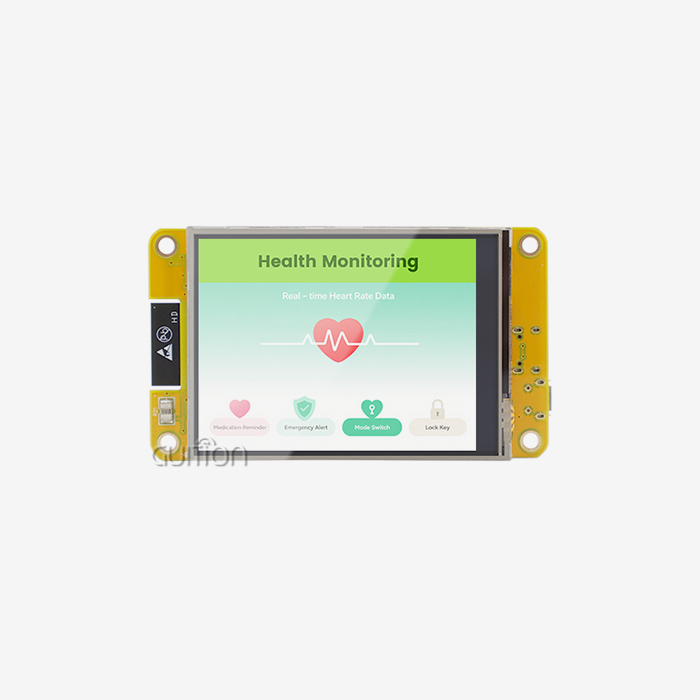
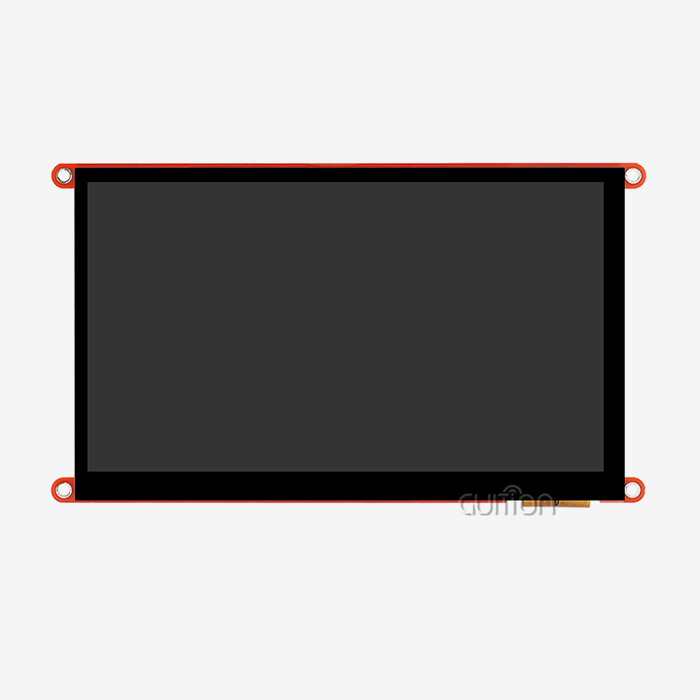
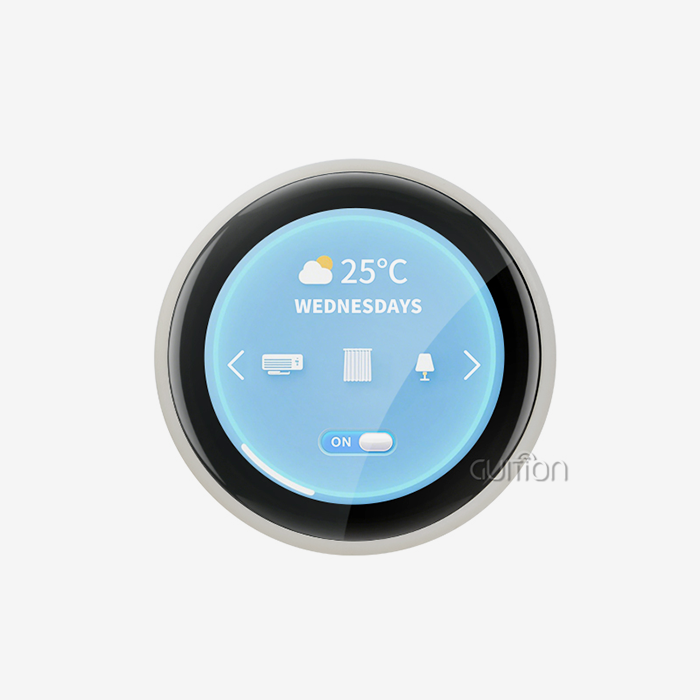
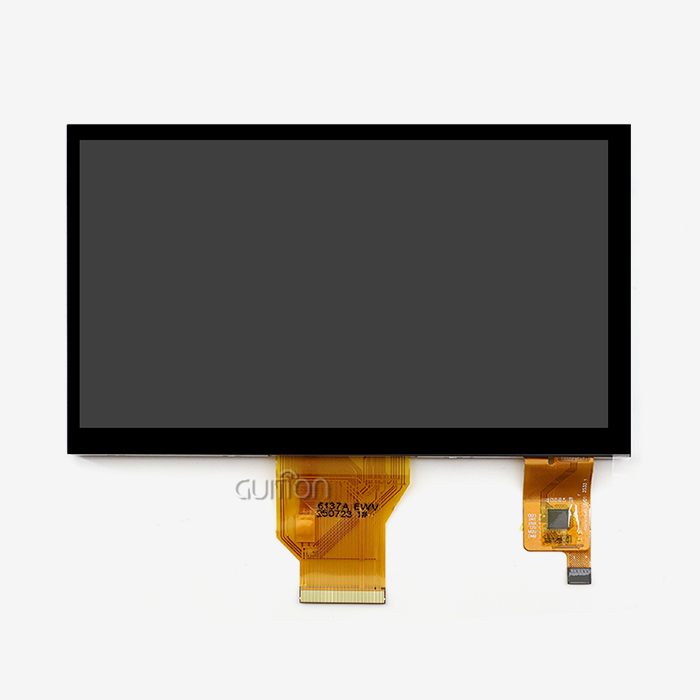
The Guition JC8048W550N_I shows this adaptable technique. The 240MHz ESP32-S3R8 dual-core CPU powers this 5.0-inch display module with 8MB PSRAM and 16MB Flash storage. It packs powerful computation for complicated programs. The 800x480 resolution makes complex process images easy to examine, and the built-in Wi-Fi and Bluetooth allow joining without adapters.
This device is unusual because it's easily constructed. Engineers can use the Arduino IDE for quick prototypes, ESP-IDF for sophisticated capabilities, or Guition for simple user interfaces. This multi-pathway strategy speeds up learning and specialised solution development. The dedicated TF card interface provides practically endless room for data logs, customised visuals, and multilingual text. This approach implies applications can be as complex as needed. harder.
Improved Equipment Uptime and Maintenance Efficiency
Businesses spend $260,000 every hour on unplanned downtime, according to research. IoT operator interface terminals prevent output loss in several ways. Built-in data buffering protects production data during network outages. When the connection is restored, data syncs automatically. This "store and forward" capability secures data for quality checks and compliance.
Remote software upgrades greatly reduce maintenance costs. Technical teams may update, secure, and add features to IoT operator interface terminals in multiple buildings without sending people. This over-the-air update feature is especially useful for geographically dispersed enterprises where travel costs and delays make system maintenance onerous.
Comparing IoT Operator Interface Terminals with Traditional and Alternative Systems
Legacy Interface Limitations in Modern Manufacturing
For decades, traditional operator panels worked well in factories, but in linked production settings, their flaws became clear. Most of the time, these older systems work alone, showing data only from equipment that is directly linked. Data stays stuck at the machine level, which stops the whole company from seeing it and means that production reporting has to be done by hand.
Older interfaces don't have enough computer power for edge data. When strange trends show up in production data, old computers just show the numbers without explaining what they mean. Instead of getting clever messages that let them know when problems are happening, operators have to learn to spot them on their own. This reactive method is very different from how current IoT operator interface terminals work, which is proactive.
For maintenance changes on older systems, it's often necessary to physically reach each terminal. This can be hard to arrange and can cause problems in work areas. Because there is no online access, troubleshooting has to be done in person, which takes longer and costs more than with IoT solutions that can be diagnosed virtually.
How Do IoT Terminals Complement SCADA Systems?
Some manufacturers worry that IoT operator interface terminals can replace SCADA. This partnership works well together, not against each other. SCADA systems can monitor and manage multiple facilities from one location, while IoT operator interface terminals can monitor and control individual desks or equipment sets.
Smart use of both technologies is essential for the success of the system. The IoT operator interface terminal connects users to the system during operation. It processes precise data from adjacent equipment first. After processing, this data is transferred to SCADA for building-wide analysis and coordination. The distributed intelligence architecture reduces network traffic and speeds local responses.
IoT operator interface terminals can serve as edge routers for older devices without network connections. These technologies extend automation investments and enable smart manufacturing initiatives by connecting to older PLCs via serial connections and translating their protocols to modern ones.
Connectivity Options and Environmental Considerations
Wireless connection makes installation more flexible and improves movement, especially when adding to existing buildings that have trouble routing cables. IoT operator interface terminals like the Guition JC8048W550N_I have built-in Wi-Fi and Bluetooth, so they don't need any extra connection gear. This makes deployment easier and lowers the number of places where something could go wrong. For tracking mobile machinery and setting up temporary production areas, wireless solutions are especially useful.
Wired links are still better in places where electromagnetic interference is strong or when conversation timing must be exact. Ethernet is a safe way to connect to the internet with a lot of bandwidth. It is also immune to radio frequency noise that is common in heavy factory settings. A lot of industrial terminals have both wired and wireless connections, so they can be set up in a way that works best for the purpose.
Industrial-grade screens are different from business displays because they can handle harsh environments. Equipment in factories is exposed to dust, moisture, vibration, and temperature changes that would kill most household gadgets very fast. Industrial IoT operator interface terminals have protected housings that meet IP65 or higher standards, chemically hardened glass that doesn't break when cleaned with acids, and parts that can work in a wider range of temperatures. These building features make sure that the machine will work reliably for many years, even in tough circumstances.
Popular Types and Leading Brands of IoT Operator Interface Terminals
Classification by Interface Type and Application
These days, touchscreen devices are most common because they are easy to use and don't take up much room. Capacitive touch technology lets users connect with consumer electronics in a sensitive, multi-touch way, and projected capacitive screens can be used with thin gloves on. Resistive touchscreens let you use a pen accurately and work with thicker gloves, which makes them good for some industrial uses even though they aren't as clear as capacitive touchscreens.
In some situations, button-based IoT operator interface terminals are still useful. When equipment needs to be naturally safe because it is used in explosive environments, real buttons are often required instead of touchscreens. When you're in a place with a lot of shaking, you might accidentally touch a screen. This makes metal buttons more reliable. For applications that require heavily protected gloves, tactile buttons may also work better than touch contact.
In hybrid setups, you can use both a touchscreen and physical function keys for important settings. This method makes it easy to find your way around when doing normal tasks, and it makes sure that emergency stop functions and mode selections are always easy to reach through specialized hardware buttons that can't be pressed by mistake or hidden by software bugs.
Leading Manufacturers and Their Distinctive Strengths
Siemens offers many IoT operator interface terminals that work with their automation environment. Their terminals are Siemens PLC-compatible and include lots of technical knowledge. This makes them ideal for Siemens-controlled facilities. Strong global service networks ensure reliable help for enterprises worldwide.
North American factories with Rockwell Automation control systems use Allen-Bradley IoT operator interface terminals well. The FactoryTalk program provides significant SCADA and HMI functionality, but licence fees might rise with heavy use. The organization can design terminal settings for the food processing and automotive industries because it knows its industry well.
Schneider Electric engineers energy-efficient and sustainable IoT operator interface terminals. Makers who want to enhance operational efficiency like their EcoStruxure design because it connects industrial automation and building management systems easily. Their affordable goods appeal to projects that wish to save money without sacrificing features.
Guition is a new sort of flexible, technology-driven provider that removes growth barriers. Guition offers flexible platforms that work with several development tools and open standards, not inflexible product communities. This strategy is ideal for embedded engineers, system programmers, and imaginative makers who want to make changes without low-level coding. Implementation delays and steep learning curves are common complaints. The company's quick development tools and extensive technical papers address these challenges.
Selection Criteria for B2B Procurement Decisions
After launch, scalability difficulties persist. Check if an IoT operator interface terminal platform can accommodate future display sizes, processing needs, and connection choices without switching to a new line of products. Modules and software settings that are consistent among terminals lower the long-term total cost of ownership.
Hardware and software interactions comprise ecosystem compatibility. Your IoT operator interface terminals should work with your PLCs, SCADA systems, and business apps. Check the protocol drivers, documentation, and sample code for completeness and quality. Stable platforms with robust development groups and third-party integration tools have fewer implementation issues.
Total cost studies must consider acquisition cost, system integration time, training time, upkeep cost, and estimated service life. A cheaper IoT operator interface terminal with a lot of unique code may cost more than one with many built-in functions. Guarantee coverage, replacement part availability, and supplier financial soundness should be considered when calculating long-term costs.
Procurement Guide: How to Choose and Buy IoT Operator Interface Terminals
Assessing Manufacturing Needs and Technical Requirements
Write down the business needs to plan buying. Determine how many and what types of equipment need IoT operation. When calculating long-term costs, also consider guarantee coverage, replacement part availability, and supplier financial soundness.The applications require simple parameter adjustments or complex recipe management and machine coordination.
The installation site environment greatly affects IoT operator interface terminal selection. Check the temperature ranges, chemical or water exposure, vibration, and fixing space. These determine ingress protection classes, monitor brightness, and mechanical building standards. Ruggedised ports may be too much for climate-controlled facilities.
Connectivity equipment influences IoT operator interface terminal functionality and cost. Check Ethernet, Wi-Fi, and mobile signal quality at each installation site to determine if wired or wireless is appropriate for each use case. Consider how much bandwidth your apps will need, depending on their data output and whether edge processing can reduce network needs.
Evaluating Suppliers and Support Capabilities
Supplier technical expertise is as vital as product specs. Request demos of how IoT operator interface terminals function with your hardware and software. Look for sample code, good documentation, and responsive professional support during pre-sales. These interactions preview the aid you'll receive during deployment and product use.
OEMs and large businesses benefit from customisation and bulk purchase. Many companies offer discounts, unique logos, pre-configuration, and longer warranties for large orders. To secure the greatest deal and ensure project timeliness, discuss these phrases early in the buying process. Suppliers who can create products in different ways can often better meet specific needs than standard products.
Given global issues, supply chain stability requires careful consideration. Check how the merchant acquires parts, handles suppliers, and locates factories. Differentiated supply lines can address regional issues. Request information about wait times, expedited orders, and the company's obsolete component policy and spare part availability.
Making the Investment Decision
The total cost of ownership is much higher than the hardware price itself. Figure out how much integration work needs to be done by making realistic guesses about how much code, testing, and operator training are needed. Include the ongoing prices of things like software licenses, support contracts, network equipment, and maintenance that you plan to do. Instead of just looking at the prices of buying gear, compare these full costs across different options.
When putting in place new IoT operator interface terminal platforms, pilot trials lower the risk. Before committing to facility-wide rollouts, install a small amount in sample apps to test speed, see how easy it is to program, and find any unexpected integration problems. The pilot results give us real information that we can use to improve the specs and negotiate the final terms of the purchase.
Think about implementing things in stages, which spreads out costs over several budget rounds while bringing in more value over time. Start with the most important uses where better visibility and control can be measured, and then move on to other areas as the benefits become clear. This phased approach boosts trust within the company and lets standards be improved based on real-world experience.
Conclusion
For smart manufacturing to work, user interface solutions need to go beyond the limits of standard HMI. For Industry 4.0 to work, modern IoT operator interface terminals that are connected to the internet, have edge intelligence, and can integrate with other systems are essential. These devices make it easier to see what's going on on the shop floor, allow for predictive maintenance plans, and give industrial processes the flexibility they need as they change. Implementations that work well balance technical skills with practical factors like how well the system fits into its surroundings, how easy it is to create, and the total cost of ownership. Manufacturers can choose IoT operator interface terminals that speed up digital transformation projects and lead to measurable gains in output, quality, and equipment utilisation by carefully examining operating needs and supplier capabilities.
FAQ
What communication protocols do these terminals support?
Professional IoT operator interface terminals have a large set of protocols that handle industrial standards like Modbus RTU/TCP, Profibus, EtherNet/IP, PROFINET, and CAN bus for communicating between devices. They also work with current IoT protocols, such as MQTT for connecting to the cloud and OPC UA for exchanging standard industrial data. The Guition terminal supports UART serial connection as well as Wi-Fi and Bluetooth wireless standards. This makes it possible to connect to a wide range of devices, from old machines to new IoT platforms.
How do IoT terminals protect against cybersecurity threats?
Industrial IoT operator interface terminals have several levels of security, such as secure boot methods that stop unauthorised firmware from being installed, encrypted data transfer using TLS protocols, and the ability to use VPN tunnelling when talking to public networks. Regular security updates fix new flaws, and the ability to update remotely lets patches be put in place at the right time. Physical security features, such as audit logging and setup access that requires a password, keep track of all changes made to the system.
Can these terminals integrate with our existing SCADA system?
The ability to integrate relies on both the IoT operator interface terminal platform and how open your SCADA system is. Standard protocols that are supported by most current devices are known by major SCADA packages. In the SCADA design, the terminal is both a data source and a control point. It usually only needs the connection settings and tag mapping to be set up, not custom programming. Suppliers should give connection guides for the most common SCADA systems.
What happens to data during network outages?
Good IoT operator interface terminals have local data buffering that saves data on the terminal's internal memory or SD cards in case the connection drops. When the network link is restored, the data that was buffered instantly syncs with the central systems. This makes sure that no production data is lost. This "store and forward" feature keeps data secure, which is important for keeping good records and following the rules.
Partner with Guition for Advanced Display Solutions
For embedded engineers and system designers who want freedom without complexity, Guition makes IoT operator interface terminals just for them. Our JC8048W550N_I model blends powerful ESP32-S3 processing with easy-to-use software tools that cut the time it takes to set up an HMI by weeks. The drag-and-drop Guition software tool lets you make interfaces quickly, even if you don't know a lot about writing. It also fully supports Arduino IDE, ESP-IDF, and MicroPython, so you can make advanced changes to projects that need specific features.
As a company that only makes IoT operator interface terminals, we know that the success of smart production depends on having reliable parts and quick expert help. Our full development environment includes a lot of control libraries, the ability to test across platforms, and the ability to remotely update firmware, which lowers the cost of upkeep over the product's lifetime. Contact david@guition.com to discuss your unique needs and find out how Guition terminals can speed up your automation projects while giving modern manufacturing the connections and performance it needs.
References
1. Anderson, J. (2022). Industrial IoT Implementation: Practical Guide to Connected Manufacturing. Industrial Press.
2. Chen, L. & Roberts, M. (2023). "Edge Computing in Smart Factories: Architecture and Applications." Journal of Manufacturing Systems, 68, 234-251.
3. German, P. (2021). Human-Machine Interface Design for Industry 4.0: Principles and Practice. Springer International.
4. Patel, S. & Zhang, W. (2023). "Cybersecurity Frameworks for Industrial Control Systems." IEEE Transactions on Industrial Informatics, 19(4), 4512-4528.
5. Thompson, R. (2022). Smart Manufacturing Systems: Design, Implementation, and Operation. McGraw-Hill Education.
6. Williams, K. & Johnson, D. (2023). "Protocol Conversion and Integration in Heterogeneous Industrial Networks." International Journal of Production Research, 61(8), 2890-2907.
Learn about our latest products and discounts through SMS or email