- English
- French
- German
- Portuguese
- Spanish
- Russian
- Japanese
- Korean
- Arabic
- Greek
- German
- Turkish
- Italian
- Danish
- Romanian
- Indonesian
- Czech
- Afrikaans
- Swedish
- Polish
- Basque
- Catalan
- Esperanto
- Hindi
- Lao
- Albanian
- Amharic
- Armenian
- Azerbaijani
- Belarusian
- Bengali
- Bosnian
- Bulgarian
- Cebuano
- Chichewa
- Corsican
- Croatian
- Dutch
- Estonian
- Filipino
- Finnish
- Frisian
- Galician
- Georgian
- Gujarati
- Haitian
- Hausa
- Hawaiian
- Hebrew
- Hmong
- Hungarian
- Icelandic
- Igbo
- Javanese
- Kannada
- Kazakh
- Khmer
- Kurdish
- Kyrgyz
- Latin
- Latvian
- Lithuanian
- Luxembou..
- Macedonian
- Malagasy
- Malay
- Malayalam
- Maltese
- Maori
- Marathi
- Mongolian
- Burmese
- Nepali
- Norwegian
- Pashto
- Persian
- Punjabi
- Serbian
- Sesotho
- Sinhala
- Slovak
- Slovenian
- Somali
- Samoan
- Scots Gaelic
- Shona
- Sindhi
- Sundanese
- Swahili
- Tajik
- Tamil
- Telugu
- Thai
- Ukrainian
- Urdu
- Uzbek
- Vietnamese
- Welsh
- Xhosa
- Yiddish
- Yoruba
- Zulu
How to Select an HMI Human Interface Machine Supplier
Selecting the right HMI human interface machine supplier is one of the most consequential decisions an engineering or procurement team can make. The wrong choice leads to integration failures, costly rework, and delayed product launches. The right supplier, by contrast, gives your team a stable hardware platform, accessible development tools, and dependable after-sales support. This guide walks you through the key criteria, demand-matching strategies, and brand comparisons you need to make a confident, well-informed sourcing decision.

Introduction: Why Your HMI Supplier Choice Defines Your Project Outcome
A human-machine interface (HMI) is where technology, software, and the user experience all come together. On a medical monitor, it shows the temperature, and in a chemical plant, it shows the pressure. This turns machine data into visible information that people can use. MarketsandMarkets says that the global HMI market was worth USD 5.6 billion in 2023 and will continue to grow steadily until 2028, thanks to the rise of industrial automation and the Internet of Things.
Because of this, the number of HMI providers has grown really quickly. Some of them don't always provide the same level of product quality, software depth, or tech help. B2B buyers need a way to evaluate suppliers that takes into account hardware specs, software capabilities, cross-platform compatibility, and long-term supply stability. This is true whether you are an embedded engineer looking for display modules or an R&D manager making a product plan.
Understanding the Core Challenges in Selecting an HMI Supplier
Inconsistent Specifications Across Vendors
One problem that buying teams often report is that the specifications are not aligned correctly. One vendor's "industrial-grade" display might not be able to handle the temperature, brightness, or EMI shielding that your environment needs. Always ask for thorough datasheets and check that the working temperature ranges, brightness (nits), and IP ratings match the conditions in your application.
PLC and Embedded System Compatibility
A lot of automation projects already use hardware that is already in place, like Modbus RTU, RS-485 serial lines, or certain PLC systems. If the hmi display module doesn't work with your connection system, it acts as a wall instead of a bridge. Before making a purchase, make sure that any possible seller has driver libraries or protocol documentation for the platform you want to use.
After-Sales Support Gaps
The quality of technical help varies a lot among HMI suppliers. Some sellers provide a lot of documentation, busy groups for developers, and tools for debugging from afar. Others don't offer much help after the sale. During the integration and debugging phases, when engineering time is expensive and deadlines are close, this gap hurts the most.
Key Decision Criteria for Choosing the Best HMI Supplier
A structured scoring system based on four core aspects should be used to screen sources.
Hardware Durability and Display Quality
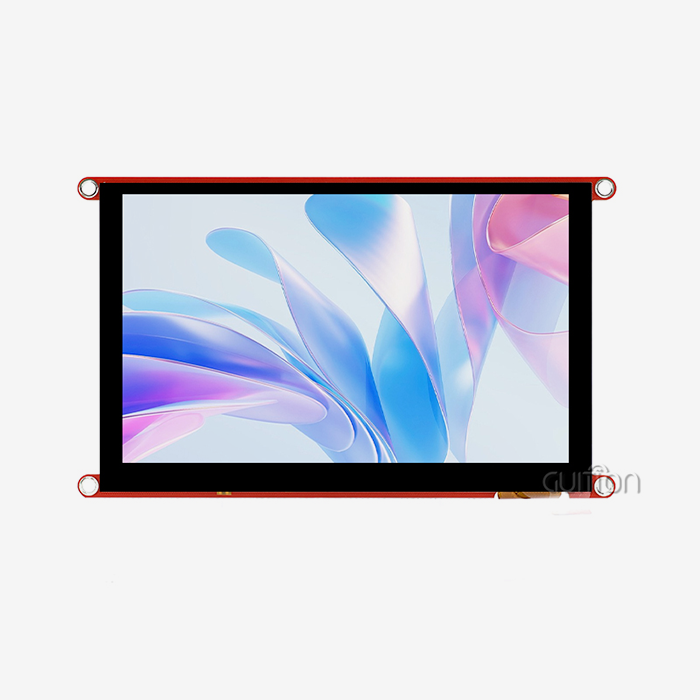
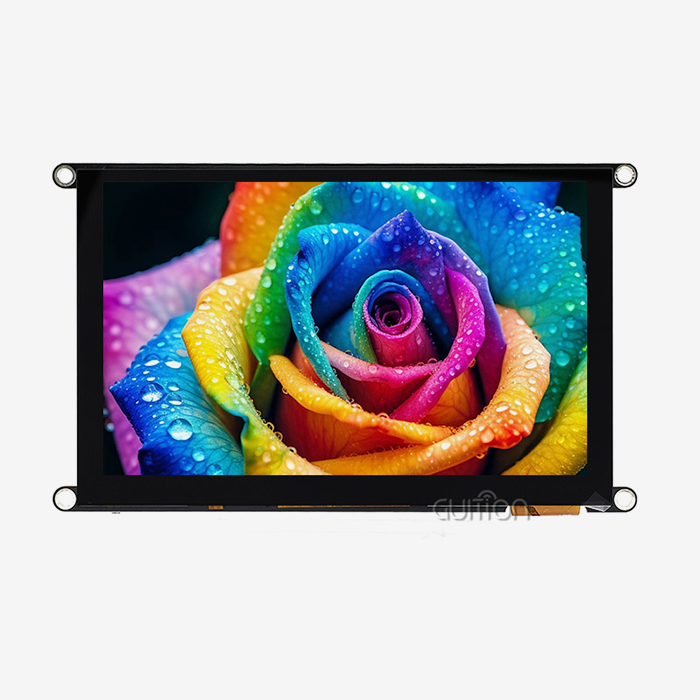
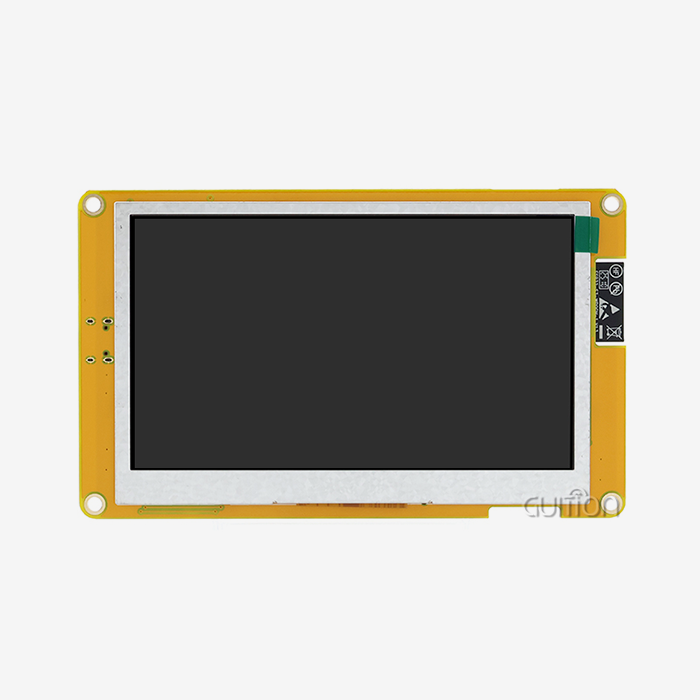
Check out the resolution, brightness, screen technology (IPS vs. TN), and touch type (capacitive vs. resistive). When working in tough conditions, look for screens with wide viewing angles and high brightness scores. The GUITION JC1060Q370C_I has a 7-inch IPS screen that runs at 1024x600 and 400 nits of brightness. This panel gives you clear images in both normal lighting and fairly bright industrial lighting.
Software Development Environment
When a supplier bundles a development tool with its hardware, it can cut your time-to-market by a large amount. A drag-and-drop GUI development tool from a company like Guition gets rid of the need for complicated low-level coding for making UIs. This is especially important for engineers who are new to display code or teams that are on a tight schedule.
Supplier Reputation and Market Standing
Big names in the industry, such as Siemens, Schneider Electric, and Allen-Bradley, have a good reputation for stability, integration, and global support networks. Shenzhen Jingcai Intelligent, the company behind the Guition name, has built a strong reputation in the USART-HMI display module space for embedded module uses. Their products come in a range of sizes, from 1.28" to 21.5". Before you sign a long-term contract with a supplier, check their history, customer references, and record of supply continuity.
How to Match Your Operational Needs with HMI Product Types and Supplier Capabilities
Segment Your Application First
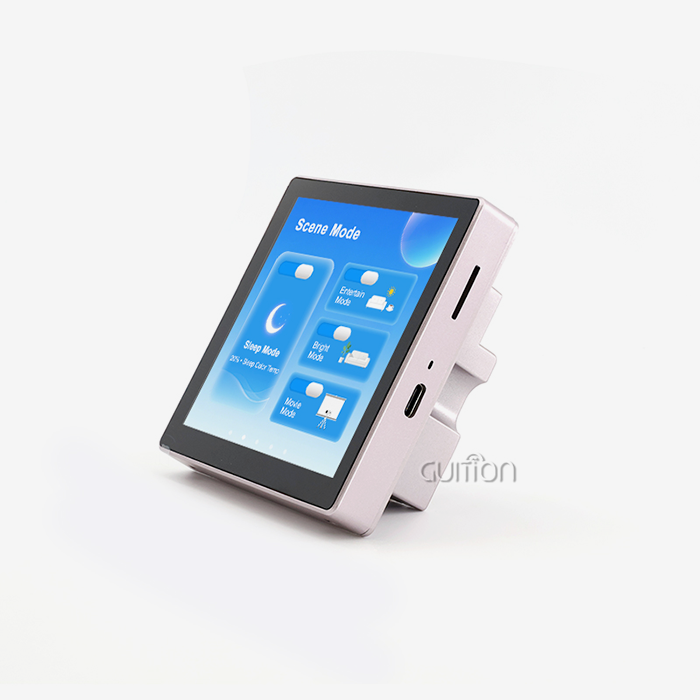
The HMI needs of different industries are very different. A smart home remote needs to have a small, clean-looking screen that works with both WiFi and Bluetooth. A CNC machine screen needs to have a lot of contrast, be able to be touched with gloves, and be resistant to shock. An energy control terminal might need to be able to handle more than one language and be able to be upgraded over-the-air (OTA). Figure out what kind of application you have before you look at items.
Match Product Type to Use Case
The GUITION JC1060Q370C_I is a useful example of a mid-sized HMI display module that was made to be used in a variety of situations. The 7.0-inch IPS capacitive touchscreen is powered by a single-core Artinchip D121BBV MCU running at 400MHz. The RT-Thread OS makes the user interface look good. Video files like animations and graphics screens load quickly because it can decode JPEG at 1024x768@60fps and PNG at 30fps. For example, this module can be used to make control screens for 3D printers or displays for smart home appliances.
Evaluate Supplier Flexibility for Custom Orders
Some projects need displays that aren't the standard size, connectors that are set up in a certain way, or firmware that has been changed. Ask providers if they offer secondary development, what kind of paperwork they offer for custom builds, and if they offer discounts for large orders. Modules for Guition support development in Arduino, IDF, and the original Guition environment. This gives engineering teams a choice of how to start, based on the skills they already have.
Comparison of Leading HMI Brands and Their Unique Selling Points
Siemens and Schneider Electric
People like how well Siemens SIMATIC panels work with SCADA and PLC systems in the Siemens industrial environment. The Magelis line from Schneider Electric works well with its EcoStruxure software. Both brands cost a lot and work best in large industrial settings where being locked into one vendor is okay in exchange for ecosystem cohesion.
Weintek and Mitsubishi
System designers in Asia and North America like Weintek because its EasyBuilder software is easy to use and its PLC driver library is large. It is well known that Mitsubishi GOT series panels are very reliable and work well with Mitsubishi PLCs. If your system already works with these brands' PLC hardware, they're good choices.
GUITION for Embedded and IoT Applications
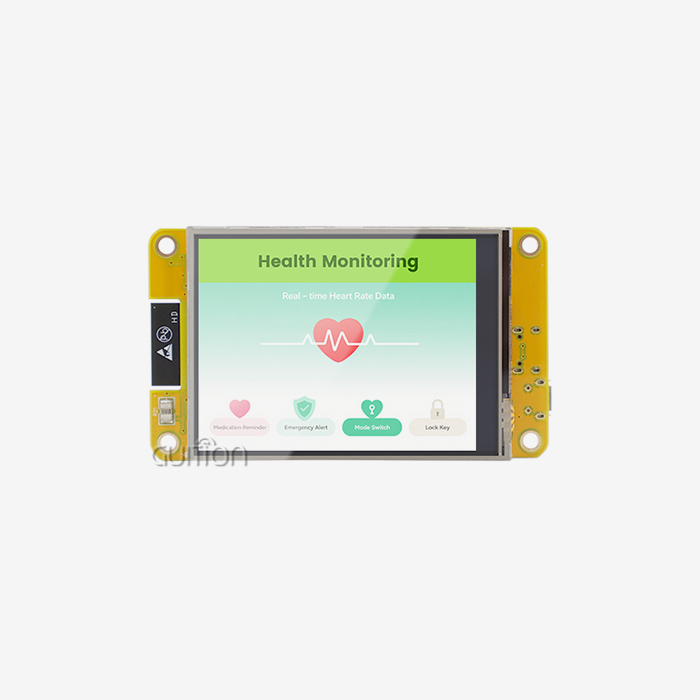
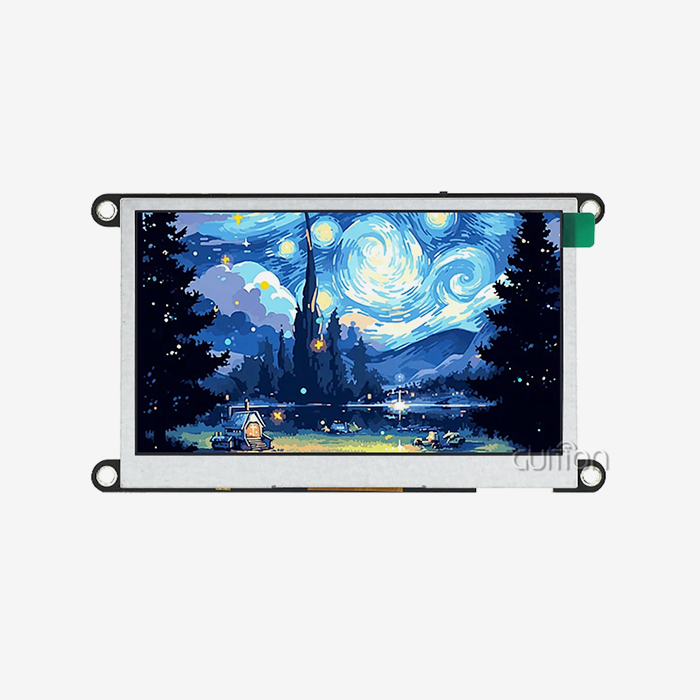
GUIITION has its own place in the market. Its HMI display modules are made for embedded engineers, IoT solution writers, and product teams that need a flexible display module but don't need a full industrial PC. With built-in WiFi and Bluetooth, UTF-8 support, and the ability to update over-the-air (OTA), the JC1060Q370C_I is a good choice for smart device makers and automation developers who are working on connected products.
Practical Tips for Procuring HMI Systems: Where and How to Buy
Direct Manufacturer vs. Distributor
Most of the time, buying straight from the maker gives you better prices, access to the most recent software, and faster technical help. For specialized modules like the GUITION JC1060Q370C_I, getting in touch with the maker directly is the best way to make sure you get correct product data and original parts. Distributors can help with local stock and faster delivery, but make sure they are authorized.
Cost Optimization Through Bulk Orders and Evaluation Kits
A lot of HMI providers offer cheap assessment kits or sample units. Before you commit to a production order, ask for a sample. If you want to buy a lot, talk about different price levels and get written confirmation of lead times. Guition supports cross-platform live debugging, which cuts down on testing time and the total cost of development.
Verify Long-Term Supply Reliability
Check the supplier's ability to make things and their stability in getting parts. In the past few years, MCU shortages have hurt the HMI market. A provider that uses well-known, widely available processors, like the Artinchip D121BBV, gives more information about how resilient their supply chain is than one that uses private or hard-to-find chips.
Conclusion
It takes more than just comparing spec sheets to find the best Hmi human interface machine supplier. You need to look at how well the software development support, cross-platform compatibility, supply stability, and customer service after the sale are handled. If you are looking for a display module for a smart home product or an industrial control panel, make sure that the factors you use for review are in line with what you need for the application. For engineering teams that value fast development and product freedom, suppliers like Guition are a great choice. They offer a full-size range, an easy-to-use GUI development tool, and built-in connection features.
FAQ
What is the difference between an HMI and a SCADA system?
An HMI human interface machine is the physical or embedded interface that an operator directly interacts with at the machine level—displaying data and accepting inputs. SCADA is a supervisory system that aggregates data from multiple machines across a facility. HMIs often feed data into SCADA platforms, but they serve different functional roles.
How do I confirm HMI compatibility with my existing PLC?
Request the supplier's protocol compatibility list. Look for support of Modbus RTU, RS-232/485, or Ethernet-based protocols matching your PLC's communication interface. Guition modules support serial communication standards commonly used in embedded and automation projects.
What safety features should an industrial HMI module include?
Key features include stable operation across a wide temperature range, EMI tolerance, and reliable touch performance under industrial conditions. For critical applications, check for watchdog timers and write-protection mechanisms in the embedded OS.
Can I upgrade HMI firmware remotely?
Yes, if the supplier supports OTA updates. GUITION modules include remote upgrade capability, allowing product teams to push firmware and UI updates without physical access to deployed devices—a significant advantage for distributed installations.
Get a Quote from Guition — Your Trusted HMI Human Interface Machine Supplier
Ready to find an HMI display panel you can trust for your next project? The screens that Guition makes range from 1.28" to 21.5" and come with built-in WiFi, Bluetooth, support for multiple languages, and a drag-and-drop GUI tool that helps your team work together more quickly. To get a sample or bulk price, email our tech team at david@guition.com. Partner with a maker of Hmi human interface machine that can help you through the entire creation process.
References
1. MarketsandMarkets. Human Machine Interface (HMI) Market — Global Forecast to 2028. MarketsandMarkets Research, 2023.
2. Harrington, D. Industrial Automation and Control Systems: Principles and Applications. ISA — The International Society of Automation, 2021.
3. Wonderware (AVEVA). HMI/SCADA Design Guide for Industrial Applications. AVEVA Group, 2022.
4. IEC 61131-3: Programmable Controllers — Part 3: Programming Languages. International Electrotechnical Commission, 2013.
5. Shea, T. & Williams, R. Embedded Systems Design with the ARM Cortex-M Family. Elsevier Newnes, 2020.
6. Control Engineering Magazine. 2023 Industrial Automation & Control Study: HMI Adoption Trends. CFE Media & Technology, 2023.
Learn about our latest products and discounts through SMS or email