- English
- French
- German
- Portuguese
- Spanish
- Russian
- Japanese
- Korean
- Arabic
- Greek
- German
- Turkish
- Italian
- Danish
- Romanian
- Indonesian
- Czech
- Afrikaans
- Swedish
- Polish
- Basque
- Catalan
- Esperanto
- Hindi
- Lao
- Albanian
- Amharic
- Armenian
- Azerbaijani
- Belarusian
- Bengali
- Bosnian
- Bulgarian
- Cebuano
- Chichewa
- Corsican
- Croatian
- Dutch
- Estonian
- Filipino
- Finnish
- Frisian
- Galician
- Georgian
- Gujarati
- Haitian
- Hausa
- Hawaiian
- Hebrew
- Hmong
- Hungarian
- Icelandic
- Igbo
- Javanese
- Kannada
- Kazakh
- Khmer
- Kurdish
- Kyrgyz
- Latin
- Latvian
- Lithuanian
- Luxembou..
- Macedonian
- Malagasy
- Malay
- Malayalam
- Maltese
- Maori
- Marathi
- Mongolian
- Burmese
- Nepali
- Norwegian
- Pashto
- Persian
- Punjabi
- Serbian
- Sesotho
- Sinhala
- Slovak
- Slovenian
- Somali
- Samoan
- Scots Gaelic
- Shona
- Sindhi
- Sundanese
- Swahili
- Tajik
- Tamil
- Telugu
- Thai
- Ukrainian
- Urdu
- Uzbek
- Vietnamese
- Welsh
- Xhosa
- Yiddish
- Yoruba
- Zulu
How to Reduce Integration Costs With a 10.1 inch display module?
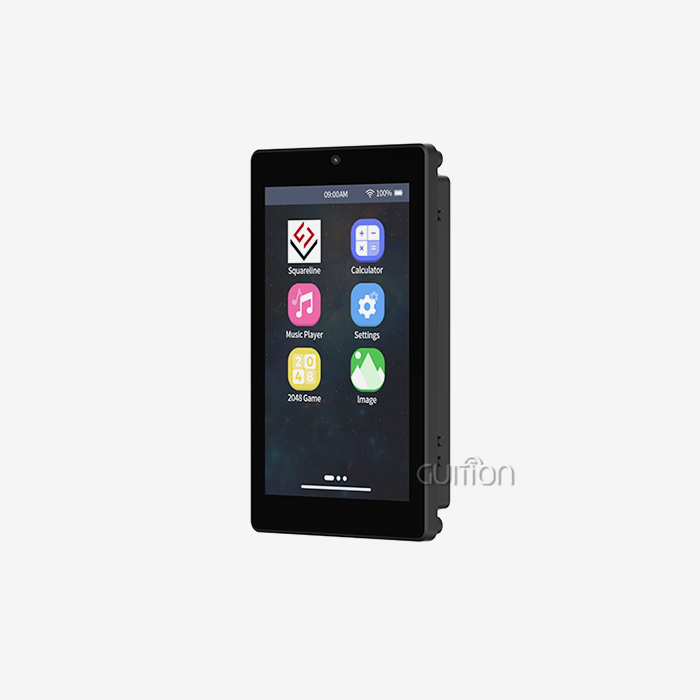
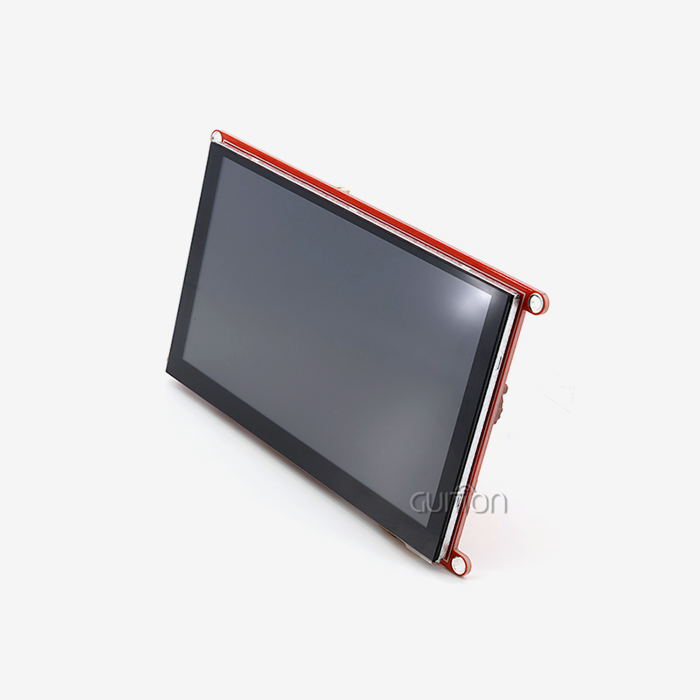
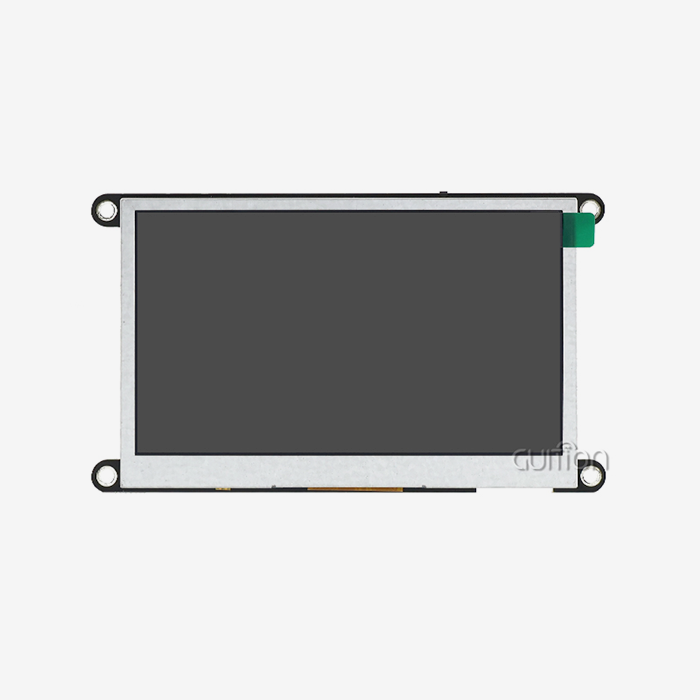
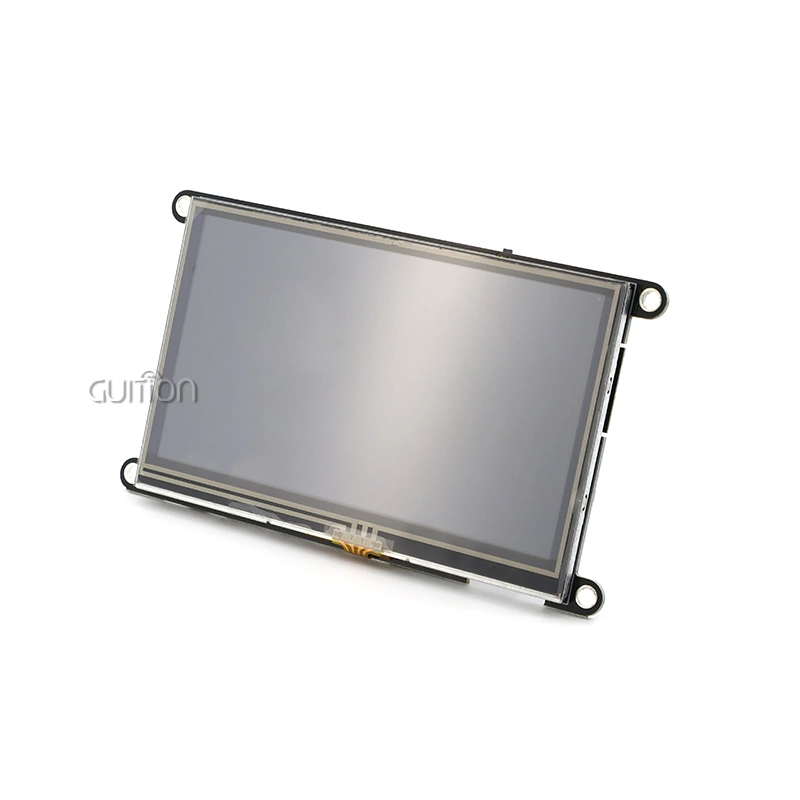
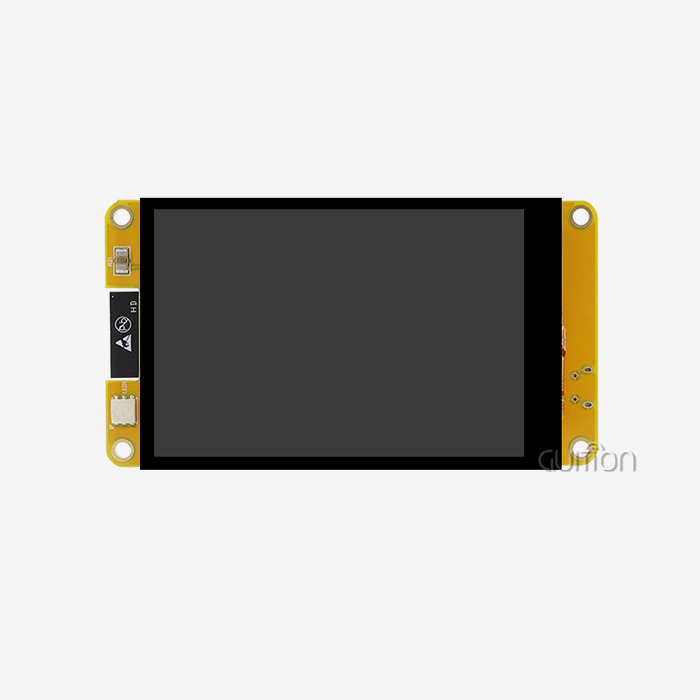
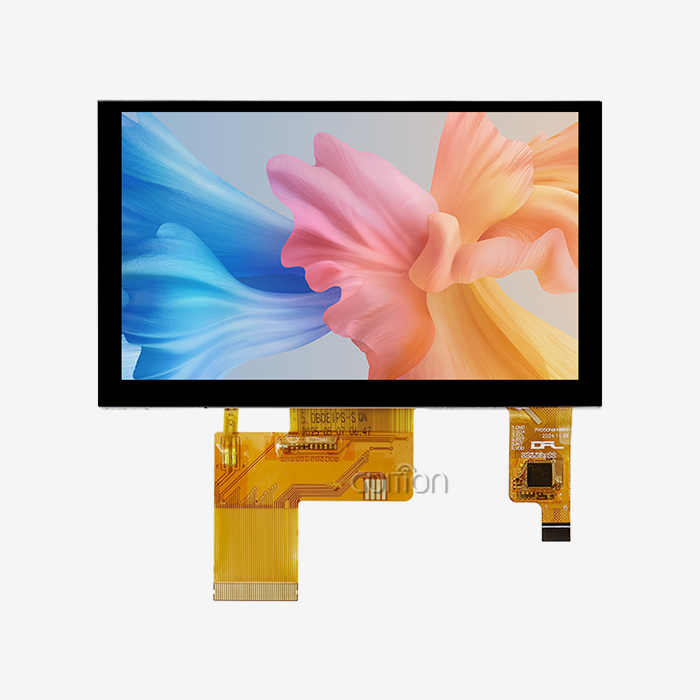
Reducing integration costs with a 10.1 inch display module starts with choosing the right hardware from the beginning. When your display module ships with pre-integrated driver circuits, built-in Wi-Fi and Bluetooth, and support for multiple development platforms, your engineering team spends less time on adaptation work and more time building the actual product. The GUITION JC8012P4A1C_I_W_Y1, powered by an ESP32-P4 dual-core processor at 360 MHz with 32 MB PSRAM and 16 MB flash, is designed to cut both development time and total integration overhead for B2B applications.

Understanding the 10.1 Inch Display Module and Its Role in Cost Reduction
What Makes the 10.1 Inch Size a Smart Choice?
The 10.1 inch display module is a good compromise between 7-inch panels that are small and 15-inch monitors that are big. The screen is big enough for complex HMI dashboards, multi-touch gestures, and data-heavy layouts, but it's still small enough to fit inside an enclosure. IHS Markit's 2022 display market report says that 10-inch class panels are one of the most popular types of industrial HMI because they have the right amount of visibility and form factor.
Key Specifications That Drive Integration Decisions
Resolution, clarity, and touch technology all have a direct effect on how much work your developers have to do to change. The GUITION JC8012P4A1C_I_W_Y1 has a 800x1280 IPS screen that can handle 16.7 million colors and can be set up to be touch or non-touch. Wide viewing angles don't change the colors on IPS panels, which is important in factory control rooms where people look at screens from different angles. Picking the right spec at the start saves a lot of money in rework later on.
Interface Compatibility as a Cost Factor
The type of interface on a display module determines how complicated the driver is. In the ESP32-P4 architecture, MIPI-DSI interfaces let data move quickly without the bandwidth problems that older parallel RGB interfaces cause. There are dedicated TF card and IO port connections on the GUITION 10.1 inch display module. This lets developers add more features without having to do any extra PCB design work.
Common Integration Challenges and Their Cost Drivers
Hardware Compatibility Mismatches
Finding out in the middle of a project that the display module you chose doesn't work with the video interface your main controller expects is one of the most expensive integration problems. If the TFT LCD module chosen needs parallel data lines, teams using microcontrollers that only support SPI may have to do a lot of extra work. A simple way to avoid development delays is to make sure that the interface works with the product before buying it.
Quality and Ruggedness Trade-offs
When buying something, deciding based only on the unit price often leads to higher long-term costs. In industrial settings, field failures will be less likely if the display module can work in temperatures ranging from -20°C to +70°C and is made to withstand ESD events of up to ±8kV (air discharge). When you buy a cheap touchscreen controller, you end up with support tickets that are much harder to solve than the money you saved by buying a better one.
Supplier Reliability and Supply Chain Risk
When you buy from unreliable suppliers, delivery times and quality vary from batch to batch. Aberdeen Group did a study in 2023 and found that problems in the supply chain for electrical parts made mid-sized producers' projects run 14 weeks behind schedule on average. Partnering with a trusted 10.1 inch display module maker whose quality control procedures are well-documented and whose stock is always available lowers this risk right away.
Strategic Approaches to Reduce Integration Costs With 10.1 Inch Display Modules
Select a Module With Pre-Integrated Development Tools
Choosing a display module that comes ready to build, not just ready to connect, is the best way to save money. Below are the main benefits of the GUIDE JC8012P4A1C^_I_W_Y1 in this area:
- Multi-platform support: Develop using Arduino IDE, ESP-IDF, MicroPython, or the Guition platform. Engineers work within familiar toolchains without steep learning curves.
- Drag-and-drop GUI tool: Guition's online interface builder lets designers add buttons, sliders, and charts without writing low-level graphics code, cutting UI development time significantly.
- One-click firmware download: The streamlined programming interface reduces flashing time per device during production runs.
- Pre-loaded test applications: The module ships ready to test, allowing teams to validate hardware before writing a single line of custom code.
Because of these benefits, your engineering team will spend less time on integration groundwork, which will save you real money on labor costs over the course of the project.
Prioritize Wireless Connectivity From Day One
Many integration cost overruns happen when wireless functionality is added without thinking about it first. ESP32-P4 SoC is built into the GUITION 10.1 inch display module and has Wi-Fi and Bluetooth built in. This gets rid of the need for external wireless modules, smallens the PCB, and keeps the costs of extra RF compliance testing to a minimum. Built-in connectivity is a real money saver for IoT-enabled goods like business kiosks, smart home panels, and energy management systems.
Plan for Remote Maintenance Early
Upkeep for fields costs a lot of money. Over-the-air (OTA) firmware updates are possible with the GUITION JC8012P4A1C^_I_W_Y1. This means that your team can send updates to devices that have already been set up without having to send a technician to the site. This one feature can cut after-sales costs by a meaningful amount over the service life of a product for companies that have hundreds of units out in the field.
Case Studies: Successful Cost Reduction Using 10.1 Inch Display Modules
Industrial Automation Panel Replacement
On a packing line, a medium-sized automation integrator swapped out old private HMI screens for GUITION 10.1 inch display modules. Because the new units could run code that was compatible with Arduino, the tech team could change the software without having to hire outside help. The result was a 30% drop in the cost of work for putting together panels and a faster plan for commissioning.
Medical Device Interface Upgrade
A company that makes medical devices needed a high-resolution screen for an interface for tracking patients. They chose a 10.1 inch display module with capacitive touch to meet standards for usability and to avoid resistive touch calibration drift over time. Because the provider had already taken care of key EMC and RoHS standards, the pre-certified module cut down on the work that had to be done to make sure it was compliant.
Smart Home Central Control Terminal
A smart home brand that was making a control device that would be placed on the wall needed a wireless single-board display solution. It didn't need a separate communication module because the ESP32-P4-based 10.1 inch display module took care of both the user interface and wireless communication on the same chip. With UTF-8 multi-language support, the same firmware could work with English, Spanish, and French markets without having to change the hardware.
Summary of Key Principles to Streamline Integration Costs
Match Specifications to Real Application Requirements
Spending too much on features that your product will never need is a silent way to waste money. Instead of going for the highest possible specs, choose the resolution, brightness, and touch type based on how the user will actually be using the device. The GUITION range goes from 1.28" to 21.5", so you can always find the right size without having to make a choice.
Evaluate Total Cost of Ownership, Not Just Unit Price
The return on investment is higher for a 10.1 inch display module that costs a little more per unit but saves three weeks of driver development. When comparing suppliers, you should think about engineering hours, debugging time, warranty claims, and support after the sale.
Prioritize Supplier Documentation and Technical Support
Your engineers will spend less time reverse-engineering behavior if you give them good documentation. GUITION gives you full secondary development interfaces, technical documentation, and support for debugging across platforms. When problems do happen, quick expert help keeps them from turning into costly project delays.
Conclusion
This is not about finding the cheapest part to cut down on integration costs with a 10.1 inch display module. It's about picking a module whose features, development environment, and supplier help make the work your team has to do less. When it comes to integration costs, the GUITION JC8012P4A1C_I_W_Y1 talks about the most typical ones: driver complexity, wireless add-ons, UI development time, and field support costs. With all of these things in mind, the right choice of display module pays for itself before the first batch ships.
FAQ
What technical criteria matter most when selecting a 10.1 inch display module?
Resolution, touch type (capacitive vs. resistive), operating temperature range, and interface compatibility are the four most important factors. For most B2B HMI applications, an IPS panel with capacitive multi-touch and a standard MIPI-DSI or SPI interface covers the majority of use cases without unnecessary cost.
When does a custom display module make sense?
Custom configurations — such as specific brightness levels, optical bonding, or non-standard connectors — make sense when your production volume exceeds several hundred units and standard modules require repeated hardware modifications. For lower volumes, selecting a configurable off-the-shelf 10.1 inch display module like the GUITION JC8012P4A1C_I_W_Y1 is more cost-effective.
Which development platforms are compatible with GUITION modules?
The GUITION JC8012P4A1C_I_W_Y1 supports Arduino IDE, ESP-IDF, MicroPython, and the Guition platform. This broad compatibility means teams can work in their preferred environment and avoid tool migration costs.
Does built-in wireless connectivity really reduce costs?
Yes. Integrating a separate wireless module adds BOM cost, PCB design time, and RF compliance testing. The ESP32-P4's built-in Wi-Fi and Bluetooth remove all three of those cost factors.
Partner With Guition for Your Next 10.1 Inch Display Module Project
There are many hmi display modules from 1.28" to 21.5" available from Guition. One of them is the JC8012P4A1C^_I_W_Y1, which is a well-known 10.1 inch display module supplier that engineers and product teams in the medical, industrial, and smart device sectors trust. Our modules come with full documentation, support for development on multiple platforms, and the ability to work over the air (OTA). You can email our team at david@guition.com or go to https://jingcaizhineng.aixdb.cn/ to get a quote or talk to a specialist about your integration needs.
References
1. IHS Markit — Global Display Module Market Annual Report, 2022.
2. Aberdeen Group — Supply Chain Risk in Electronics Manufacturing, 2023.
3. Espressif Systems — ESP32-P4 Technical Reference Manual, 2023.
4. DisplaySearch — Industrial HMI Display Trends and Procurement Benchmarks, 2021.
5. IEC — IEC 61010-1: Safety Requirements for Electrical Equipment for Measurement, Control, and Laboratory Use, 2020.
6. IEEE Transactions on Industrial Electronics — Cost Modeling for Embedded Display Integration in Industrial Systems, Vol. 69, 2022.
Learn about our latest products and discounts through SMS or email