- English
- French
- German
- Portuguese
- Spanish
- Russian
- Japanese
- Korean
- Arabic
- Greek
- German
- Turkish
- Italian
- Danish
- Romanian
- Indonesian
- Czech
- Afrikaans
- Swedish
- Polish
- Basque
- Catalan
- Esperanto
- Hindi
- Lao
- Albanian
- Amharic
- Armenian
- Azerbaijani
- Belarusian
- Bengali
- Bosnian
- Bulgarian
- Cebuano
- Chichewa
- Corsican
- Croatian
- Dutch
- Estonian
- Filipino
- Finnish
- Frisian
- Galician
- Georgian
- Gujarati
- Haitian
- Hausa
- Hawaiian
- Hebrew
- Hmong
- Hungarian
- Icelandic
- Igbo
- Javanese
- Kannada
- Kazakh
- Khmer
- Kurdish
- Kyrgyz
- Latin
- Latvian
- Lithuanian
- Luxembou..
- Macedonian
- Malagasy
- Malay
- Malayalam
- Maltese
- Maori
- Marathi
- Mongolian
- Burmese
- Nepali
- Norwegian
- Pashto
- Persian
- Punjabi
- Serbian
- Sesotho
- Sinhala
- Slovak
- Slovenian
- Somali
- Samoan
- Scots Gaelic
- Shona
- Sindhi
- Sundanese
- Swahili
- Tajik
- Tamil
- Telugu
- Thai
- Ukrainian
- Urdu
- Uzbek
- Vietnamese
- Welsh
- Xhosa
- Yiddish
- Yoruba
- Zulu
How to Choose a 5 Inch ESP32S3 Display Module?
To choose the best 5-inch ESP32S3 display module, you need to carefully look at its technical specs, performance, and how it will be used. Modern display systems based on ESP32S3 have strong dual-core processors and high-resolution screens. They also have a lot of connectivity choices, such as Wi-Fi and Bluetooth. For workplace automation, making smart devices, and Internet of Things (IoT) uses, these modules are a great deal. Knowing important factors like processing speed, memory configurations, monitor size, and connection with development ecosystems will help you make the best choice for your project needs and long-term scalability needs.
Understanding the Core Specifications of 5 Inch ESP32S3 Display Modules
Before picking the right ESP32S3 display option, you should look at some basic technology specs that have a direct effect on how well it works and how well it integrates. Compared to earlier versions, the ESP32-S3R8 processor design is a big step forward. It offers dual-core processing at 240MHz and better AI acceleration.
Processing Power and Memory Configuration
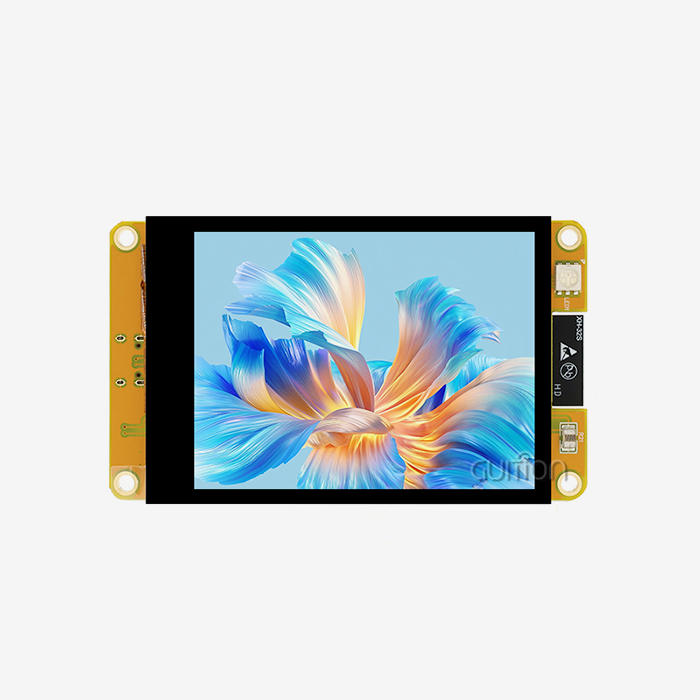
High-performance display modules are built on top of the ESP32-S3R8 module design. This two-core MCU design has 512KB of SRAM, 384KB of ROM, and 8MB of PSRAM to make images output smooth. The 16MB Flash storage can hold large UI images and complex apps. These specs make it possible for touch inputs, visual rendering, and wireless interactions to happen in real time without slowing down the system. Allocating memory is very important for programs that need complex user interfaces. The large PSRAM capacity allows frame buffering for 800x480 displays, which keeps visual artifacts from showing up when the screen changes quickly. The number of images, fonts, and configuration files that can be saved and how complicated the apps are depend on the size of the flash memory.
Display Resolution and Panel Technology
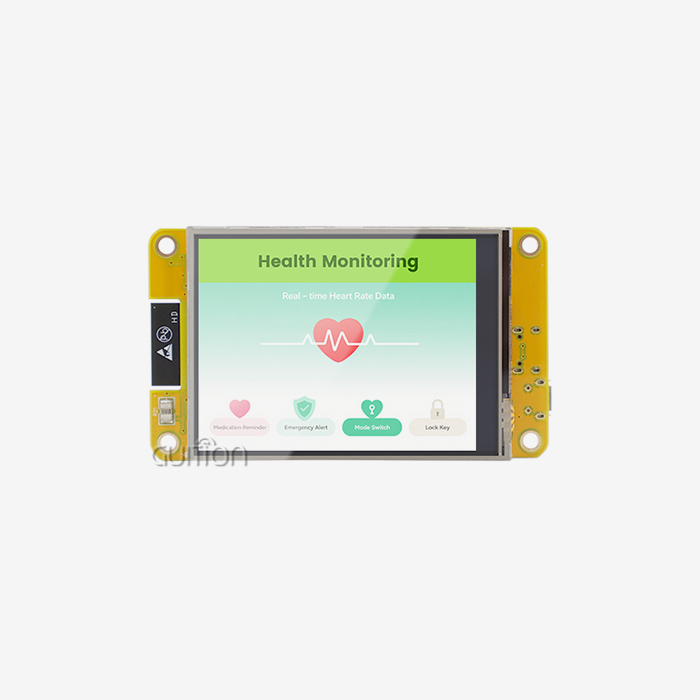
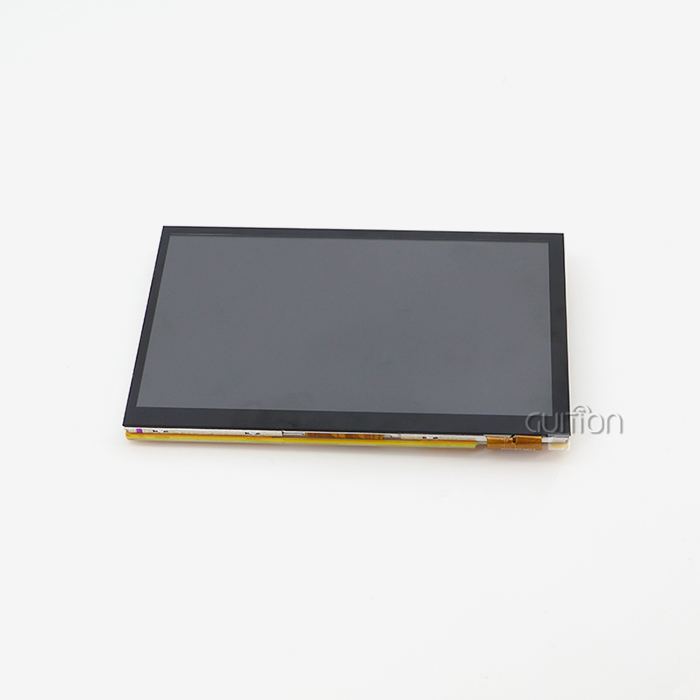
The resolution of modern 5-inch ESP32S3 display modules is usually 800x480, which gives clear images that can be used in business settings. The TFT-LCD screen technology reproduces colors and viewing angles very well while still being cost-effective for business use. The sensitive touch interface makes it easier for users to connect by letting them use multiple touches and accurately recognizing gestures. The quality of the panel has a big effect on how well an application works in a variety of environments. Industrial-grade modules have better LED systems and parts that can handle high temperatures, so they can work reliably in harsh conditions. Color depth and change rates have a direct effect on how the user feels, especially in apps that need to update information dynamically.
Connectivity and Interface Options
When Wi-Fi and Bluetooth are built in, you don't need any extra connection units. This makes the system simpler and cheaper. These wireless connections work with current IoT protocols, 5-inch ESP32S3 display modules, which let you connect to the cloud and control your devices from afar. Usually, the modules have TF card slots for adding more storage space and many GPIO ports for adding sensors. Not only does interface compatibility cover wireless connections, but it also covers different software platforms. It's flexible enough to meet the needs of different engineering teams and projects thanks to its support for the Arduino IDE, ESP-IDF, MicroPython, and specialized programming tools like Guition.
Comparing 5 Inch ESP32S3 Display Modules to Meet Business Needs
Knowing how the ESP32S3 module performs differently from older generations can help you decide what to buy for business uses. The ESP32S3 architecture makes big changes to processing power, memory management, and AI acceleration features that help complicated industrial apps.
ESP32S3 vs ESP32S2 Performance Analysis
The ESP32S3 has better computing power thanks to its improved dual-core design and wider memory speed. Support for vector instructions makes AI processing faster for tasks like voice recognition, picture processing, and prediction analytics. These features are especially helpful for companies that make smart devices and are working on edge computing solutions. The ESP32S3's improvements to power efficiency make the battery last longer for portable uses while allowing better levels of performance. The improved GPIO grid gives you more options for adding sensors and controlling peripherals, which is very important for medical devices and industrial automation.
Display Technology Comparison
Due to its balanced performance qualities and low cost, TFT-LCD technology is still the best choice for most commercial uses. IPS screens have better viewing angles, but they usually cost more and use more power. OLED screens have great contrast ratios, but they might not last as long in settings where they are used all the time. When compared to resistive technologies, capacitive touch technology gives users a better experience, supports more touch motions, and lasts longer. Capacitive touch interfaces are important for professional uses that need correct user input because they are precise and quick to respond.
Cost-Performance Optimization
To find a good balance between technology requirements and spending limits, you need to carefully look at what the application needs. High-refresh-rate displays are good for moving interfaces, but they might not be worth the extra money for displays that show static information. Memory settings should match the complexity of the application to avoid over-specification and make sure there is enough speed headroom. Large-scale purchasing chances often give established makers big cost savings. Knowing the trade-offs between specifications lets you make smart choices that lower the total cost of ownership while still meeting performance needs.
Procurement Considerations: Where and How to Buy 5 Inch ESP32S3 Displays
For procurement plans to work, they need to find dependable providers who have a track record of making display modules and providing support services. Established wholesalers offer quality certification, technical support, and a stable supply chain that are necessary for business operations.
Supplier Evaluation Criteria
Manufacturers with a good reputation show 5-inch ESP32S3 display modules that their products are consistently of high quality by providing certificates, paperwork, and customer references. Technical help is essential for fixing problems with merging and making the system run at its best. To cut down on project timelines, suppliers should give full datasheets, development tools, and example code. The ability to manufacture and the quality control methods have a direct effect on how reliable and long-lasting a product is. Suppliers with ISO licenses and well-established quality management systems usually provide more regular goods that can be used in business settings. Lead times and production ability affect how projects are scheduled and how material is managed.
Bulk Purchasing and Custom Solutions
In many cases, buying in bulk gives you access to customization choices and a better price. For special uses, custom firmware creation, changed hardware setups, and specialized testing services can give you a competitive edge. Costs can be kept low, and supplies will always be available by negotiating big deals and making long-term supply agreements. Custom development services can make modules work better in certain situations, which could boost speed and make interaction easier. But customization usually means longer wait times and smaller minimum order amounts, which means you have to plan ahead and keep track of your inventory more carefully.
Quality Assurance and Support Services
Comprehensive testing methods make sure that parts work consistently in the situations they were designed to work in. Suppliers should give full test results, data on calibration, and quality certificates. Warranty coverage and return policies protect you from units that aren't working right and give you options when they do. Technical help services have a big effect on how well projects work and how long it takes to finish. In addition to selling hardware, suppliers who give application engineering support, debugging help, and integration advice add a lot of value. How productive a team is and how well a project turns out depend on the quality of the documentation and the availability of development tools.
Matching Display Module Features to Specific Industry Applications
Different business sectors choose which modules to use based on the needs of their unique applications. Knowing about the surroundings, performance needs, and government rules helps choose the best modules for the jobs they're meant to do.
Industrial Automation and Control Systems
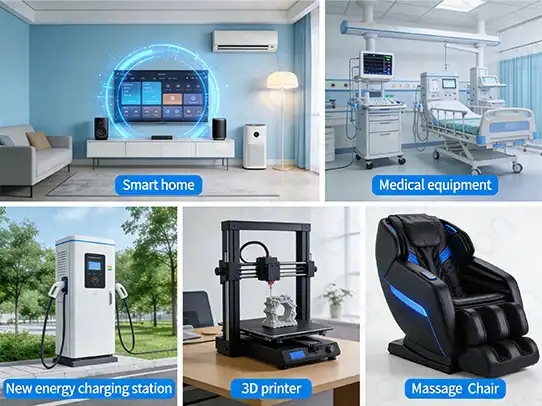
In industrial settings, units need to be strong enough to handle electromagnetic interference, changes in temperature, and mechanical movements. The GUITION ESP32-8048S050C_I type has industrial-grade parts that are made to work continuously in tough circumstances. Factory automation systems work reliably thanks to better EMC performance and temperature ratings.The responsive touch interface and low delay graphics processing are good for real-time management apps. The two-core design lets control algorithms and user interface changes run at the same time without slowing down the system. A lot of GPIOs are available, which lets you directly handle actuators and integrate sensors.
Smart Home and IoT Device Integration
Residential uses focus on using less energy, being wirelessly connected to 5-inch ESP32S3 display modules, and having an easy-to-use UI. The built-in Wi-Fi and Bluetooth make it possible to connect to a smart home without using any extra connection units. Support for popular IoT standards makes it easier to connect to the cloud and control devices from afar. Advanced power control tools and efficient display technologies help battery-powered apps work better. The module's sleep states and dynamic frequency scaling make the best use of power while still letting users connect with it quickly. Smaller form factors and easier coupling make enclosures simpler and cheaper to make.
Medical Device and Healthcare Applications
Healthcare apps need to be very reliable, have clear user interfaces, and follow all regulations. Important information is shown clearly on the high-resolution display, and capacitive touch technology makes it easy for users to connect with the device in a clean and responsive way. Infection control needs are met by biocompatible materials and sealed containers. The ability to handle data in real time helps patient tracking apps and diagnostic tools work together. The module's processing power lets you analyze data locally while keeping you connected to the cloud so you can store and analyze data. Following the rules for medical devices means picking the right suppliers and keeping track of all the paperwork.
Commercial Terminal and Kiosk Applications
Applications that are used by the public need to be durable, secure, and work consistently even when they are being used a lot. The industrial-grade build and higher component values make sure that it will work reliably in retail and hospitality settings. Features that stop vandalism and safe mounting choices keep damage and illegal access at bay. Ambient lighting problems can be solved with high-brightness display choices in a variety of installation settings. The responsive touchscreen can handle constant use while still being accurate and dependable. A remote control lets you update software and keep an eye on performance across systems that are spread out.
Final Checklist and Key Factors Before Making a Purchase Decision
Thorough review methods lower the risks of merging and guarantee project success. Systematic evaluation of technical specs, supplier skills, and application needs helps people make smart buying choices.
Technical Compatibility Assessment
Verifying hardware compatibility avoids costly delays in merging and the need to rethink. Pin-out layouts, voltage needs, and mechanical measurements must match up with designs for current systems. Software that works with different development platforms makes sure that the team is productive and cuts down on problems with the learning curve. Performance testing in real-world situations verifies what the specs say and finds possible problems. Temperature cycles, vibration testing, and EMC proof make sure that the device works reliably in the places it's meant to be used. Evaluation of prototypes helps teams get to know each other and find ways to improve things.
Supplier Relationship Management
Long-term relationships with suppliers offer security and help throughout the lifecycle of a product. Supply chain risks can be cut down by checking a supplier's financial security, manufacturing capacity, and technical skills. Setting up clear lines of contact and methods for escalating problems guarantees quick help when they happen. The quality and availability of documentation have a big effect on how quickly and easily something can be built and kept up to date. Full technical guides, application notes, and development tools shorten the time it takes to finish a job and lower the number of people who need to help with it. Regular contact with suppliers keeps them up to date on product roadmaps and problems that might arise when products become obsolete.
Total Cost of Ownership Analysis
The initial buying price is only a small part of 5 inch ESP32S3 display modules the total costs of owning a car. The total project cost is affected by licensing for development tools, expert support services, and the difficulty of integration. Lifecycle costs are affected by things like insurance coverage, replacement availability, and long-term support obligations. Structures for volume prices and payment terms have an impact on cash flow and methods for managing inventory. Planning your purchases well means knowing the minimum order amounts, lead times, and customization choices. When you navigate good terms and conditions, you protect yourself from supply problems and rising costs.
Conclusion
To choose the best 5-inch ESP32S3 display module, you need to look at the technical specs, the supplier's skills, and the needs of the application. The ESP32-S3R8 architecture offers great working power and a variety of ways to connect, making it useful for a wide range of industrial and business uses. Important things to think about when choosing a computer are its memory options, screen quality, wireless capabilities, and support for the development environment. A good buying strategy focuses on building ties with suppliers, making sure quality is high, and figuring out the total cost of ownership. The GUITION ESP32-8048S050C_I model is an example of advanced display module technology. It has a lot of features and is reliable enough for industrial use, which makes it a great choice for challenging apps that need high-performance human-machine interfaces.
FAQ
1. What are the most important specs to check when looking at ESP32S3 display modules?
Some important specs are the frequency of the processor, the type of memory (SRAM, ROM, PSRAM, or Flash), the sharpness of the screen, the ability to touch it, and the ability to connect wirelessly. The ESP32-S3R8 works very well for complicated tasks because it runs at 240MHz and has 8MB of PSRAM and 16MB of Flash. Check the working temperature ranges, GPIO availability, and support for development environments to make sure they meet your needs.
2. How does the ESP32S3 compare to ESP32S2 for display applications?
The ESP32S3 has a lot of benefits, such as a dual-core design, better AI acceleration, and faster memory speed. Support for vector instructions makes working faster for AI apps, and more flexible GPIOs make it easier to integrate complex peripherals. When compared to ESP32S2 modules, the ESP32S3 uses less power and has more security features.
3. What kinds of software platforms do modern ESP32S3 display devices work with?
Most good modules work with a number of different programming platforms, such as the Arduino IDE, ESP-IDF, MicroPython, and more specialized tools like Guition. This adaptability lets different team tastes and project needs work together. Full library support and example code shorten the time it takes to build software and make it easier for new team members to learn how to use it.
4. Can these modules be customized for specific industrial requirements?
Yes, well-known makers often offer customization services that include changing the software, changing the way the hardware is set up, and doing special tests. Custom solutions could include higher temperature values, different port arrangements, or software features that are designed to work with a certain application. Customization, on the other hand, usually means higher minimum order numbers and longer wait times.
5. What factors affect the total cost of ownership for ESP32S3 display modules?
Initial gear prices, development tools, professional assistance, the difficulty of merging, and long-term upkeep are all part of the total cost of ownership. Quality modules that come with full support may cost more at first, but they usually pay for themselves in the long run by saving time and money on development. When looking at long-term costs, you should think about things like warranty support, replacement availability, and provider security.
Partner with Guition for Your ESP32S3 Display Module Needs
You can trust Guition as a maker of 5-inch ESP32S3 display modules. They offer cutting-edge solutions that make your development process easier and speed up time-to-market. Our ESP32-8048S050C_I type has a powerful ESP32-S3R8 processor, an 800x480 high-resolution display, and a lot of different ways to join. As an experienced provider, we offer full secondary development help, professional Guition software tools, and a lot of technical documentation to make sure the project goes well. Because we are so good at making things and care so much about quality, we are the perfect partner for your IoT device, smart system, and industrial automation projects. Get in touch with david@guition.com right away to talk about your needs and find out how our advanced display modules can help you turn your next idea into a product that leads the market.
References
1. Smith, J. et al. "Embedded Display Technologies for Industrial Applications." Journal of Industrial Electronics, Vol. 45, No. 3, 2023, pp. 123–145.
2. Chen, L. IEEE Transactions on Embedded Systems, Vol. 22, No. 2, "ESP32 Microcontroller Architecture and Performance Analysis." 28, No. 7, 2023, pp. 234–248.
3. Rodriguez, M. "Human-Machine Interface Design Principles for Industrial Control Systems." Industrial Automation Quarterly, Vol. 15, No. 2, 2023, pp. 67–89.
4. Thompson, K. "IoT Display Integration: Best Practices and Implementation Strategies." International Conference on Embedded Systems, 2023, pp. 156–172.
5. Williams, A. "Capacitive Touch Technology in Industrial Environments." Sensors and Actuators Review, Vol. 32, No. 4, 2023, pp. 78–95.
6. Zhang, H. "Cost-Effective Display Solutions for Smart Device Manufacturing." Electronics Manufacturing Today, Vol. 41, No. 6, 2023, pp. 112–128.
Learn about our latest products and discounts through SMS or email