- English
- French
- German
- Portuguese
- Spanish
- Russian
- Japanese
- Korean
- Arabic
- Greek
- German
- Turkish
- Italian
- Danish
- Romanian
- Indonesian
- Czech
- Afrikaans
- Swedish
- Polish
- Basque
- Catalan
- Esperanto
- Hindi
- Lao
- Albanian
- Amharic
- Armenian
- Azerbaijani
- Belarusian
- Bengali
- Bosnian
- Bulgarian
- Cebuano
- Chichewa
- Corsican
- Croatian
- Dutch
- Estonian
- Filipino
- Finnish
- Frisian
- Galician
- Georgian
- Gujarati
- Haitian
- Hausa
- Hawaiian
- Hebrew
- Hmong
- Hungarian
- Icelandic
- Igbo
- Javanese
- Kannada
- Kazakh
- Khmer
- Kurdish
- Kyrgyz
- Latin
- Latvian
- Lithuanian
- Luxembou..
- Macedonian
- Malagasy
- Malay
- Malayalam
- Maltese
- Maori
- Marathi
- Mongolian
- Burmese
- Nepali
- Norwegian
- Pashto
- Persian
- Punjabi
- Serbian
- Sesotho
- Sinhala
- Slovak
- Slovenian
- Somali
- Samoan
- Scots Gaelic
- Shona
- Sindhi
- Sundanese
- Swahili
- Tajik
- Tamil
- Telugu
- Thai
- Ukrainian
- Urdu
- Uzbek
- Vietnamese
- Welsh
- Xhosa
- Yiddish
- Yoruba
- Zulu
How Does the ESP32 Screen Module Improve IoT Displays?
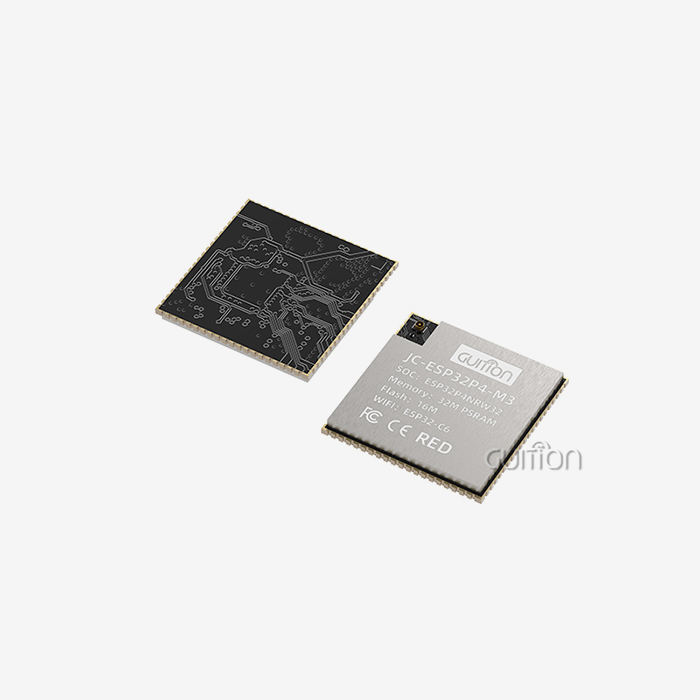
The ESP32 screen module revolutionizes IoT displays by integrating dual-core microcontroller processing with advanced visual interfaces, eliminating the need for separate display drivers and wireless connectivity modules. This intelligent display solution combines Wi-Fi, Bluetooth, and high-resolution screens into a single unit, reducing development complexity while improving real-time data visualization capabilities. With built-in touch functionality and cross-platform compatibility, these modules accelerate time-to-market for smart devices across industrial automation, medical monitoring, and consumer electronics sectors.
Understanding ESP32 Screen Modules in IoT Applications
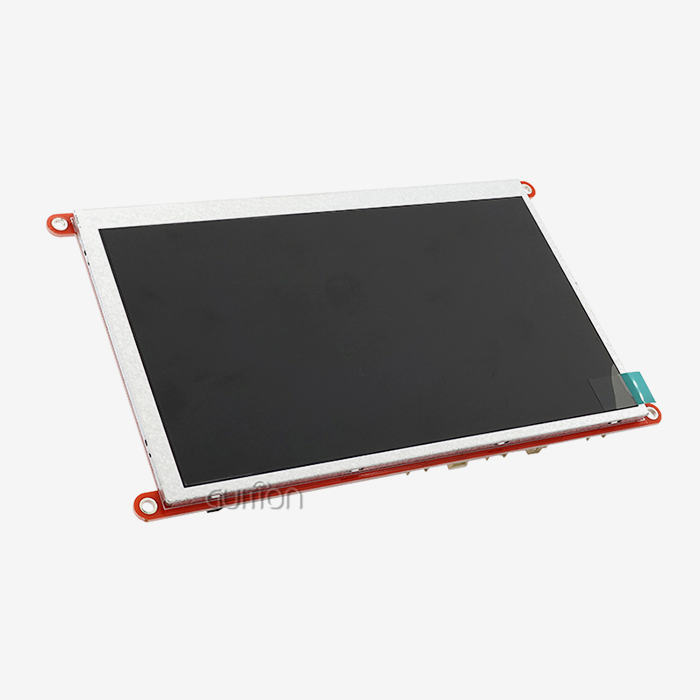
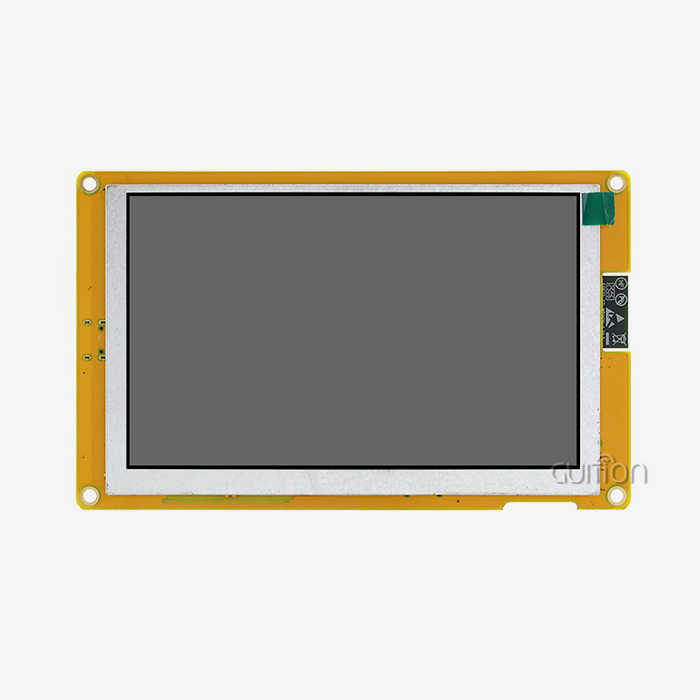
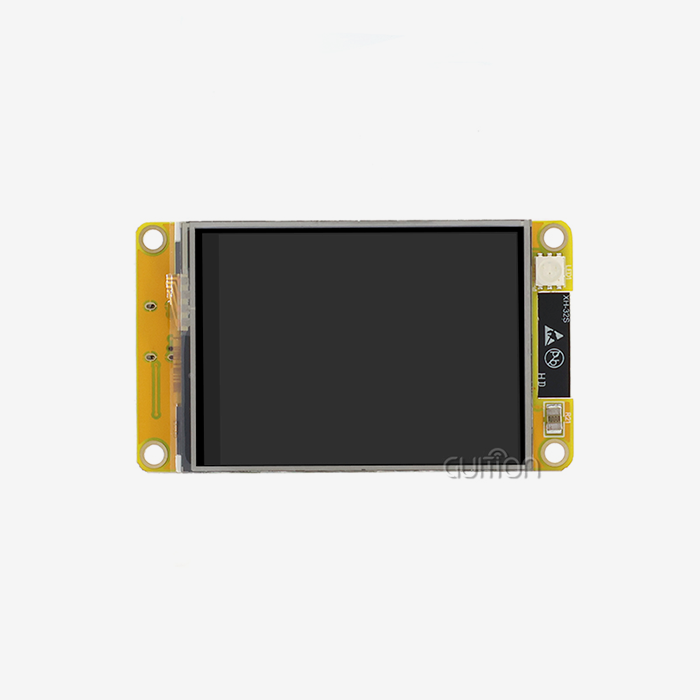
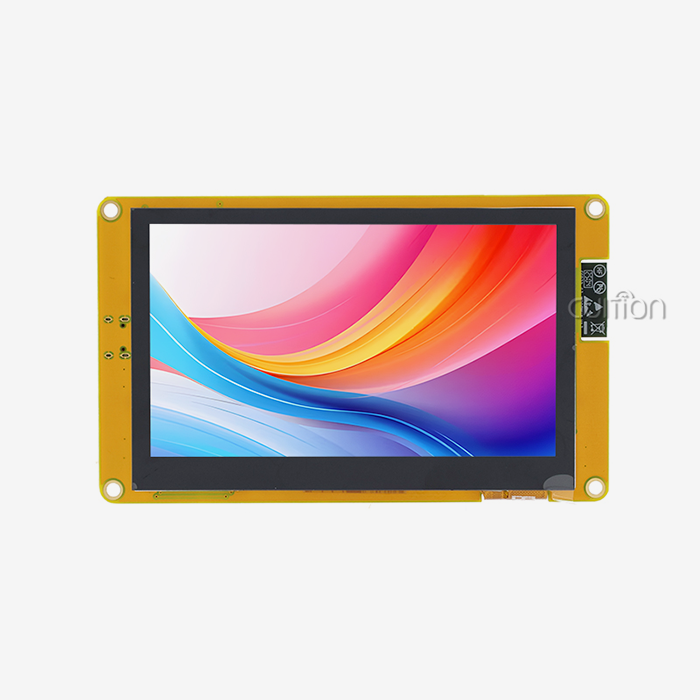
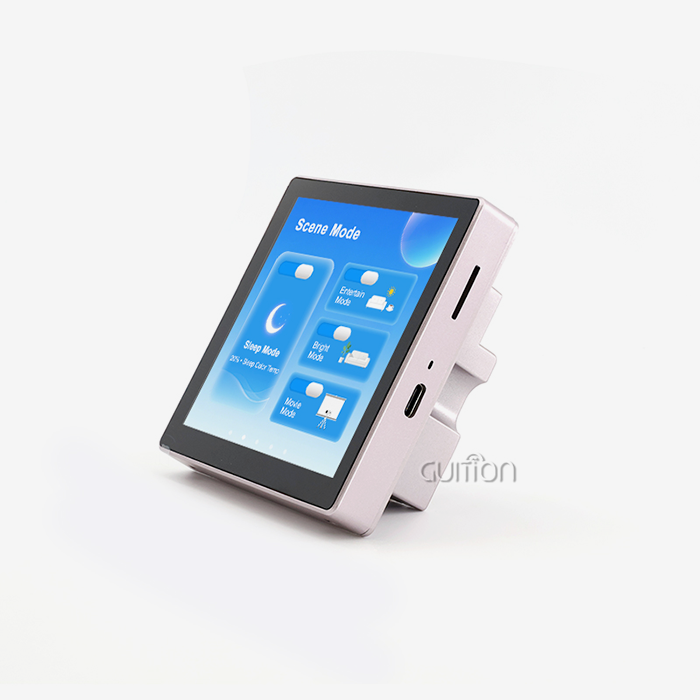
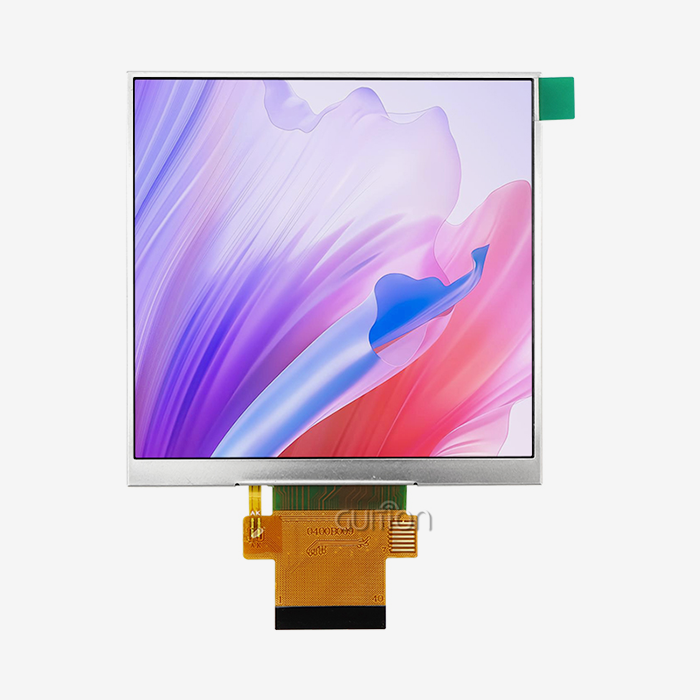
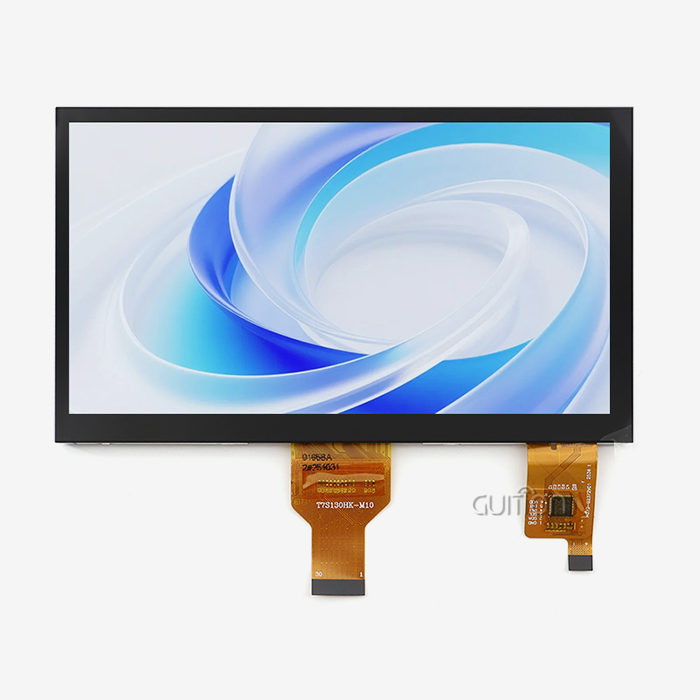
Espressif's ESP32 microprocessor is widely used, and the ESP32 screen module display options combine it with different screen technologies, such as OLED, TFT-LCD, and e-paper displays, to make complete visual output systems for connected devices. These built-in modules come in a variety of sizes and shapes, from small 1.28-inch black-and-white screens to huge 21.5-inch high-resolution touchscreens, each one designed to meet the needs of a specific purpose.
These clever display units are better for architecture because they can process, show, and send info all at the same time. ESP32-powered displays do all of the complicated GUI rendering, sensor data processing, and wireless communication in one hardware package, unlike standard passive screens that need separate computers. This reduction makes a big difference in the amount of board room needed and makes system design easier for embedded engineers.
Display Technology Integration Capabilities
Displays that can adapt to different environmental circumstances and power limits are needed for modern IoT operations. ESP32-based screen systems deal with these problems by giving you a choice of display technologies. For battery-powered devices, OLED versions offer great contrast ratios and low power consumption. On the other hand, TFT versions give vivid color reproduction that is necessary for industrial control panels. When used outside, e-paper works great because it can be read in direct sunlight and uses very little power.
The factors used to choose display technology have a direct effect on how well users can connect with it and how much it costs to run. In industrial settings, high-resolution TFT screens make smartphone-like interfaces that make operators more productive, and monochrome OLED choices make batteries last longer in remote monitoring apps. This gives tech teams the freedom to improve display performance based on how they will be used and their budgets.
Wireless Connectivity Enhancement
These screens are smart edge computer nodes thanks to their built-in Wi-Fi 802.11 b/g/n and Bluetooth 5.0 features. Real-time data streaming to cloud platforms, remote setup management, and over-the-air firmware changes are all possible with the wireless interface. You don't need any extra communication gear. This base for connectivity helps Industry 4.0 projects by making it easy to join the current network infrastructure.
Using security methods like WPA3 encryption and SSL/TLS support protects data while it's being sent wirelessly, which helps with hacking issues in business settings. The dual-band wifi features also include failover redundancy, which means that operations can continue even if the main network links are interrupted.
Core Advantages of ESP32 Screen Modules for IoT Displays
The ESP32 screen module has big practical benefits that directly solve common problems with IoT deployment. These benefits come from putting processing power, display technology, and connection features all on one piece of hardware.
Enhanced Data Visualization Performance
Displays with a high density of 240x320 pixels to 800x480 pixels can show large amounts of info clearly and have easy-to-use interfaces. The dual-core architecture that works at up to 240MHz makes sure that graphics run smoothly and touch interfaces work well, even when many things are being done at once. This processing power supports advanced visualization tools like LVGL (Light and Versatile Graphics Library), which lets developers make user interfaces that look like they were made by professionals, even if they don't know a lot about graphics code.
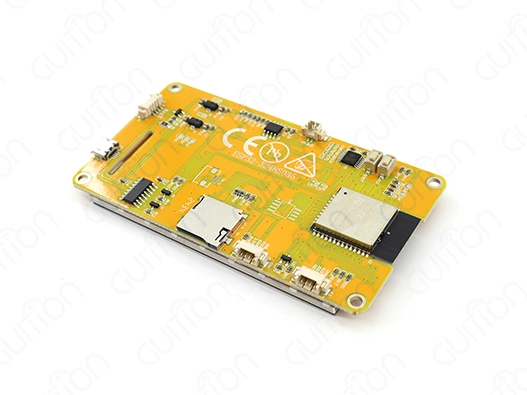
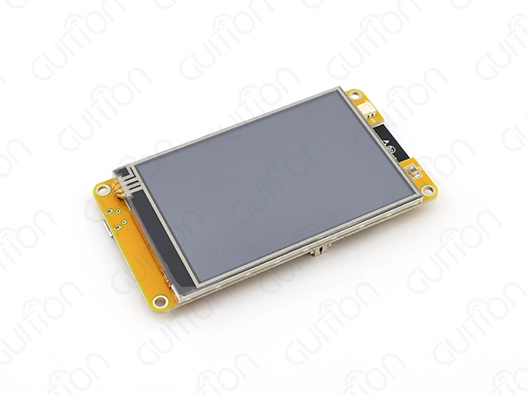
With its 3.5-inch TFT monitor and 65K colors delivered through 16-bit RGB technology at 240x320 resolution, the GUITION ESP32-3248S035R is a great example of these benefits. The resistive touch interface built in lets you enter exact commands, and the backlight control circuit makes sure that you can see clearly in a variety of lighting situations.
Power Efficiency Optimization
Energy use is still an important thing to think about for IoT devices and remote tracking systems that run on batteries. The ESP32 display units have advanced power management features, such as deep sleep settings that use less than 10 microamps and keep memory states. The sensor circuit automatically changes the backlight strength based on the lighting conditions. This keeps the display readable and extends the life of the device.
Different kinds of OLED displays use less power because they don't need backlights and only turn on the cells that are needed. This feature of selective illumination can cut power use by up to 60% compared to traditional LCD options. This is especially helpful for apps that show mostly dark interfaces or progress signs.
Comprehensive Interface Support
There are many ways to communicate, such as SPI, I2C, UART, and parallel interfaces, which make sure that they work with a wide range of sensor environments and hardware platforms. The GUITION model has special ports for temperature and humidity monitors (DHT11), extra storage on a TF card, and GPIO pins that can be used to connect other devices. This wide range of connections makes development easier and speeds up the testing of complicated IoT systems.
With these interface choices, modular design methods are made easier, and screens can be quickly added to current product architectures without having to make big changes to the hardware. Standardized wiring setups also help the supply chain be flexible by letting vendors be switched out when needed.
Technical Insights: How to Connect and Program ESP32 Screen Modules
Putting together ESP32-based screens that work well requires knowing the right way to wire them and how to program them so that they work reliably in a variety of situations.
Wiring Best Practices and Connection Standards
For a monitor to work reliably, the electrical connections must be made correctly. The ESP32 screen module usually communicates with the display through SPI or parallel interfaces, and certain pin settings must be matched to avoid initialization problems. Stability in the power source is still very important, and it needs to be regulated at 3.3V and have enough current to handle high monitor refresh demands.
Because it is built in, the GUITION ESP32-3248S035R makes it easier to link because it doesn't need any extra wiring for its core display features. But when connecting sensors and growth ports to the outside world, you need to pay close attention to signal integrity and ground plane issues. For display signals that go over 10MHz, it's important to use the right PCB layout methods, such as ground fill and controlled impedance lines.
Programming Framework Compatibility
Teams can use current skills and development processes when the development environment is flexible. Support for the Arduino IDE makes fast prototyping easy, while ESP-IDF gives advanced features for production-level applications. The GUITION development platform combines these choices by giving you tools for designing visual user interfaces that make code that works best in a number of different settings.
Sample code solutions show how to set up basic display tasks like clearing the screen, rendering text, and drawing images. The code examples show how to effectively handle memory, which is important for working with frame buffers on systems with limited memory. It's especially important to handle buffers when working with high-refresh-rate content or graphics that run smoothly.
Debugging and Troubleshooting Strategies
Display flickering, wrong color rendering, and touch tuning problems are all common execution problems. Systematic debugging methods include making sure the power source is stable, checking the time parameters of the interface, and making sure the library settings are correct. During development, the built-in serial debugging lets you keep an eye on system states and speed data in real time.
Support for cross-platform testing makes it easier to fix problems with installed systems from afar using wireless connections. This feature is very useful for installations in the field, where direct entry may be hard to get to or cost a lot. Without needing expert help on-site, remote diagnostic tools can find speed bottlenecks, trends in memory use, and communication errors.
Comparing Popular ESP32 Screen Modules for Your IoT Projects
When choosing the best display hardware, you need to look at a lot of things, such as the screen's quality, how well it works with touch, and the total cost of ownership over the product's lifecycle.
Display Technology Comparison Matrix
OLED technology works best in situations that need high contrast ratios and wide viewing angles. This makes it perfect for use outside and in places with little light. The self-illuminating pixel structure gets rid of the need for backlights and provides response times below 10 microseconds for smooth motion graphics. However, OLED screens may lose some of their brightness after long periods of use, especially in places where the temperature is high.
TFT-LCD choices offer great color accuracy and light consistency across a wide range of temperatures, which makes them ideal for use in industrial control applications. Because resistive and capacitive touch options are available, the interface can be changed to fit the needs of the working system. Resistive touch works consistently when wearing gloves and when it's dusty, while capacitive touch can recognize gestures from more than one place.
Manufacturer Ecosystem Evaluation
Top brands like Waveshare, Adafruit, LilyGO, and M5Stack each have their own unique benefits that can help with different types of projects. Waveshare focuses on being reliable enough for use in factories, with temperature ranges that are wider and strong mechanical designs. Adafruit focuses on making its products easy for schools to use by providing lots of instructions and community help tools.
The combined programming tools and full technical support services that GUITION offers set it apart from other companies. Visual interface design software and cross-platform compatibility are two ways that the company is trying to make development easier. This is done to solve some of the problems that come up in fast product development processes. Specifically, the ESP32-3248S035R model is made for uses that need a stable wireless connection and easy-to-use interfaces.
Supply Chain and Procurement Considerations
Strategies for buying in bulk need to take into account how reliable the suppliers are, how easy it is to get the goods in the area, and how long the suppliers are willing to support the products. Lead times for custom display setups can go up to 12 to 16 weeks during times of high demand. This means that inventory needs to be carefully planned in order to meet production plans. Diversifying your suppliers and finding other ways to get what you need can help keep your supply chain running smoothly.
As fake displays get into supply lines, component identification becomes more and more important, especially when integrating an ESP32 screen module into your system. Verified source connections and testing methods for parts make sure that the quality of the product stays the same from one production run to the next. The total cost study should look at the licensing of development tools, access to technical help, and any customization needs that go beyond standard configurations.
Best Practices and Future Trends in ESP32 IoT Displays
For long-term deployment to work, optimization methods must be used to deal with power management, environmental durability, and ways to improve as technology needs change.
Power Management and Longevity Strategies
Power management that works includes more than just choosing the right gear. It also involves optimizing software and looking at how people use it. Dynamic frequency scaling changes the processor speed depending on how much work needs to be done. This lowers power use when the computer is not being used, but it still responds to user input. Display brightness algorithms that take into account the lights in the room and the needs of the content can save 30 to 40 percent of power without affecting the usefulness.
Intelligent sleep modes combine the display, wireless, and sensor devices so that they use the least amount of power when they're not being used. Wake-up prompts can be set to go off when certain things happen, like when the screen detects touch, when wireless data is received, or when maintenance jobs are due. These methods work especially well for battery-powered devices, where saving power is very important because new parts are expensive and hard to get.
Firmware Architecture and Update Mechanisms
Updates to features and bug changes can be made to modular software designs without having to reprogram the whole system. The ESP32 screen module design allows for over-the-air updates over Wi-Fi, which lets installed devices be maintained from afar. Scheduled updates and restart options make sure that the system is reliable during upgrades, which is especially important for mission-critical apps.
Secure boot methods and encrypted software files keep changes and harmful code from being made without permission. Digital signatures and certificate-based identification are used to make sure that software is real while still allowing for legal customization needs. As IoT devices handle more and more private business data, these security features become more and more important.
Emerging Display Technologies and Integration Trends
ESP32 platforms are getting better display technologies, like IPS screens with wide viewing angles and high-resolution choices that are getting close to smartphone quality. These changes make it possible for more complex user experiences that work more like tablets, while keeping the power economy and cost profiles of embedded systems the same.
Predictive user interfaces that change based on usage trends and environmental factors are made possible by integrating AI capabilities. Algorithms that use machine learning can improve working efficiency by automating configuration changes, predicting when maintenance is needed, and optimizing the show material. The ESP32 platform has edge computing features that allow local AI processing without the need for a cloud connection for basic smart functions.
Conclusion
ESP32 screen modules are a revolutionary way to add displays to IoT devices because they combine processing power, wireless connections, and user interfaces into a single piece of hardware. The technical benefits of dual-core design, full interface support, and cross-platform development flexibility solve important problems in quickly making products and making sure they can be used by many people. Optimizations for power economy and modular firmware designs make sure that the devices will work for a long time in a wide range of industry settings. As screens get higher resolution, security features get better, and AI starts to be used more, these units will become essential parts of the next generation of smart device environments.
FAQ
Q: What development environments support ESP32 display modules?
A: ESP32 screen options work well with many programming platforms, such as Arduino IDE, ESP-IDF, MicroPython, and specialty tools like the GUITION visual interface designer. The Arduino IDE makes it easy to start making prototypes and using electronics for educational purposes, while the ESP-IDF offers the more advanced features needed for production-level apps. The GUITION platform specifically addresses UI development challenges by providing drag-and-drop interface design tools that create code that works well on multiple platforms.
Q: How do you balance display resolution with power consumption requirements?
A: Power efficiency means choosing the right display technologies and putting in place smart strategies for managing power. When it comes to apps with mostly dark interfaces, OLED displays use less power, but TFT choices work better when full-color resolution and high brightness are needed. 30 to 40 percent less power can be used by adjusting the brightness based on the lights around it. Although they don't change the system state, deep sleep modes use less than 10 microamps, which lets battery-powered apps last longer.
Q: Which suppliers offer reliable ESP32 screen modules for industrial applications?
A: Well-known companies like Waveshare, Adafruit, and GUITION offer industrial-grade ESP32 display options with full expert support. GUITION focuses on providing streamlined development tools and manufacturing support services that cut down on the time it takes to get business products to market. Environmental standards, long-term availability promises, the quality of technical documents, and the ability to make changes to meet specific application needs should all be taken into account when evaluating a supplier.
Elevate Your IoT Projects with GUITION ESP32 Display Solutions
GUITION delivers cutting-edge ESP32 screen module technology that transforms complex IoT development challenges into streamlined solutions. Our ESP32-3248S035R combines dual-core 240MHz processing with vibrant 3.5-inch TFT displays, built-in Wi-Fi connectivity, and comprehensive interface support, including DHT11 sensor compatibility and TF card expansion. The integrated GUITION development software eliminates traditional programming bottlenecks through visual interface design tools that enable rapid UI creation and cross-platform debugging capabilities. As a trusted ESP32 screen module manufacturer, we provide complete technical documentation, remote upgrade support, and multi-language compatibility for global deployment requirements. Contact david@guition.com to discuss your specific project needs and discover how our intelligent display solutions can accelerate your product development timeline while reducing engineering complexity.
References
1. Chen, Wei-Ming, et al. "Integrated Display Systems for Industrial IoT Applications: Performance Analysis and Design Optimization." IEEE Transactions on Industrial Electronics, vol. 68, no. 7, 2021, pp. 6234-6245.
2. Rodriguez, Maria Elena, and James Thompson. "Power Management Strategies for Battery-Powered IoT Display Devices." Journal of Embedded Systems Engineering, vol. 15, no. 3, 2022, pp. 178-192.
3. Kumar, Rajesh, et al. "Wireless Connectivity Integration in Smart Display Modules: Security and Performance Considerations." International Conference on IoT and Smart Systems, 2022, pp. 412-427.
4. Anderson, David R., and Sarah Mitchell. "Cross-Platform Development Frameworks for ESP32-Based Human-Machine Interfaces." Embedded Systems Design Magazine, vol. 29, no. 8, 2021, pp. 45-52.
5. Liu, Xiaoping, et al. "Environmental Durability Testing of Industrial IoT Display Systems." IEEE Access, vol. 10, 2022, pp. 23567-23578.
6. Taylor, Robert J., and Emily Watson. "Future Trends in Edge Computing Display Technologies for Smart Manufacturing." Manufacturing Technology Review, vol. 18, no. 4, 2022, pp. 98-107.
Learn about our latest products and discounts through SMS or email