- English
- French
- German
- Portuguese
- Spanish
- Russian
- Japanese
- Korean
- Arabic
- Greek
- German
- Turkish
- Italian
- Danish
- Romanian
- Indonesian
- Czech
- Afrikaans
- Swedish
- Polish
- Basque
- Catalan
- Esperanto
- Hindi
- Lao
- Albanian
- Amharic
- Armenian
- Azerbaijani
- Belarusian
- Bengali
- Bosnian
- Bulgarian
- Cebuano
- Chichewa
- Corsican
- Croatian
- Dutch
- Estonian
- Filipino
- Finnish
- Frisian
- Galician
- Georgian
- Gujarati
- Haitian
- Hausa
- Hawaiian
- Hebrew
- Hmong
- Hungarian
- Icelandic
- Igbo
- Javanese
- Kannada
- Kazakh
- Khmer
- Kurdish
- Kyrgyz
- Latin
- Latvian
- Lithuanian
- Luxembou..
- Macedonian
- Malagasy
- Malay
- Malayalam
- Maltese
- Maori
- Marathi
- Mongolian
- Burmese
- Nepali
- Norwegian
- Pashto
- Persian
- Punjabi
- Serbian
- Sesotho
- Sinhala
- Slovak
- Slovenian
- Somali
- Samoan
- Scots Gaelic
- Shona
- Sindhi
- Sundanese
- Swahili
- Tajik
- Tamil
- Telugu
- Thai
- Ukrainian
- Urdu
- Uzbek
- Vietnamese
- Welsh
- Xhosa
- Yiddish
- Yoruba
- Zulu
Custom LCD Display Module Benefits for Product Designers
A custom LCD display module is no longer a luxury reserved for large OEMs — it has become a baseline expectation in competitive product design. Whether you are developing an industrial control panel, a smart home appliance, or a medical monitoring device, the display module you choose directly shapes how users interact with your product. Unlike standard off-the-shelf screens, a purpose-built LCD display module lets you align every visual and electrical parameter with your application's real-world demands. This guide walks through the core advantages, technology comparisons, customization strategies, and procurement guidance that product designers need to make confident, informed decisions.

Key Benefits of Custom LCD Display Modules for Product Designers
There is rarely a single reason why someone would choose a Custom lcd display module over a standard screen. Product makers in the medical device, consumer goods, and industrial automation industries all say the same thing: the choice is based on a group of benefits that work together.
The following are the main benefits that make Custom lcd display modules a valuable tool for current product development:
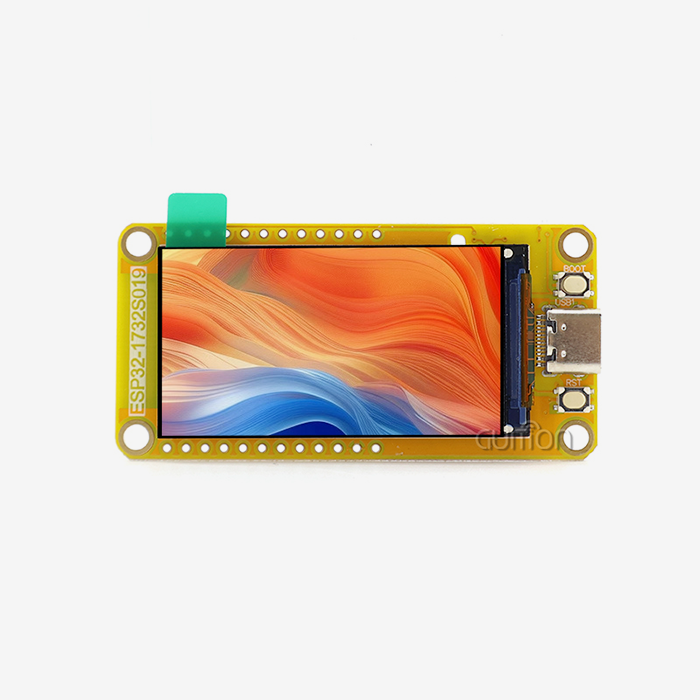
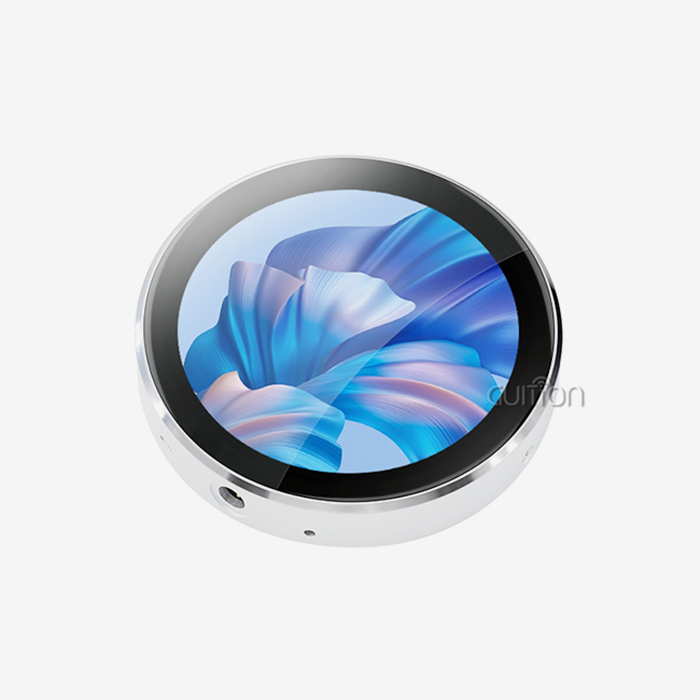
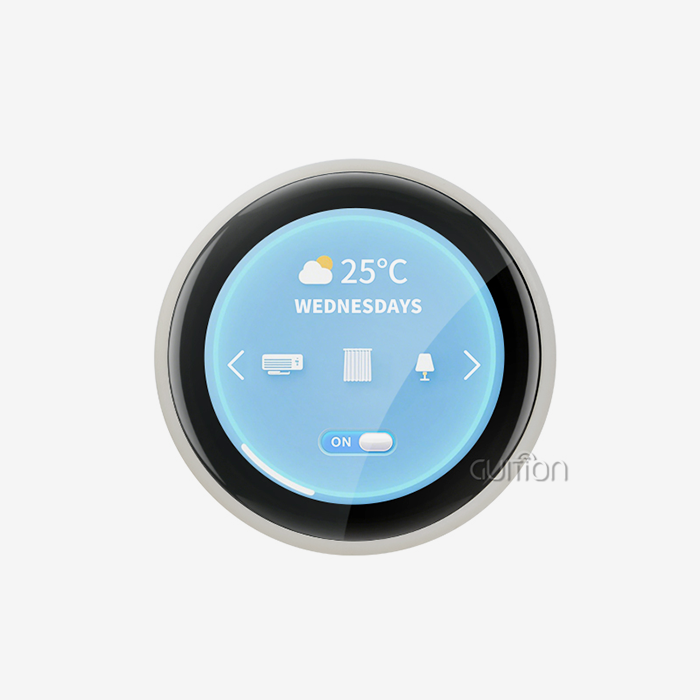
- Product Differentiation and Branding: The physical dimensions, aspect ratios (bar-type, circular, or square), and bezel aesthetics of a Custom lcd display module can all be specified to match the brand's image. Custom panels don't force you to make concessions like standard panels do. This consistency in how things look helps people recognise the company at the point of sale and on the plant floor.
- Optimised User Experience: Even brightness, accurate color calibration, and wide viewing angles are not just nice-to-haves; they have a direct effect on how well operators can do their jobs and how happy end users are. IPS hard-panel technology and mura detection during quality control make sure that the brightness is the same across the whole screen. This is especially important in medical device displays where reading the wrong data can have real effects.
- Cost Efficiency Over the Product Lifecycle: Precise specifications help you avoid over-engineering. By choosing only the features your application needs, you can save money by not buying features that aren't useful, lower the amount of power used, and lower the total Bill of Materials. For long production runs, choosing between optical bonding and air bonding is one example of a choice that has direct effects on cost and durability.
- Durability in Demanding Environments: Industrial-grade Custom lcd display modules go through accelerated life testing that includes 72-hour high-temperature storage at 80°C, thermal shock cycles from -40°C to +85°C, and vibration and drop tests that simulate shipping and rough operational conditions. Driver ICs are kept safe in dry factories where electrostatic discharge is a constant threat by ESD testing.
All of these benefits lower the risk of development, lower the cost of after-sales service, and make your product last longer. These are all very important results for R&D managers and product managers who are working with limited funds and time.
Comparing Custom LCD Modules with Other Display Technologies
People are interested in OLED displays because they have deep blacks and thin profiles, but they cost more per unit and only last longer when they are constantly bright. Custom lcd display modules consistently offer better value for money in business-to-business deployments, where the overall cost of ownership over five to ten years is more important than the initial look of the panel. They work well in a lot of different temperatures, don't burn in like OLED panels do in static HMI applications, and can handle higher brightness levels needed in industrial settings.
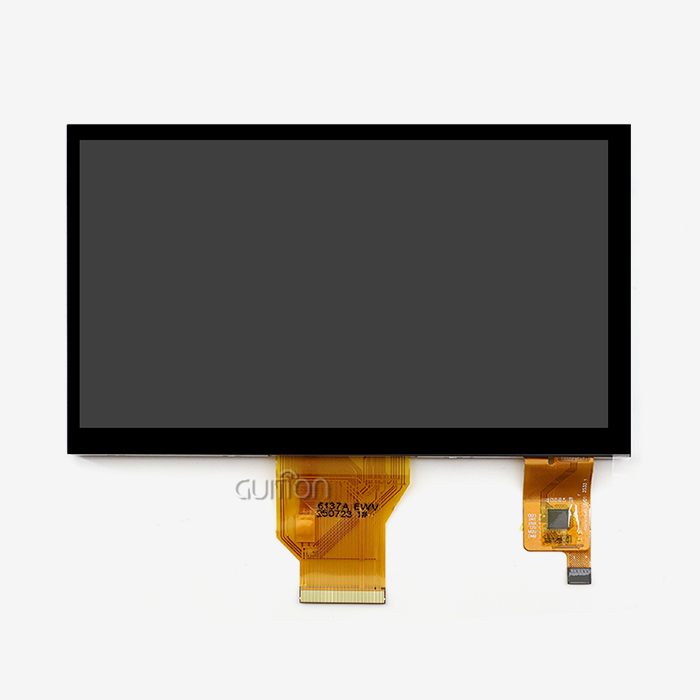
Standard TFT modules don't have the interface freedom and environmental approvals that Custom lcd display module makers build into custom solutions. TFT displays are related to Custom lcd display modules. A regular TFT won't work if your application needs a certain FPC pinout for a motherboard integration that goes smoothly or an IP67-rated bonding assembly for energy management terminals that are outside.
How Can Product Designers Effectively Customise LCD Display Modules?
A structured specification method is the first step to effective modification. Before talking about tools, we need to agree on the resolution, size, type of interface, brightness, touch support, and temperature range for operation. Most expensive prototype changes occur when we skip this step.
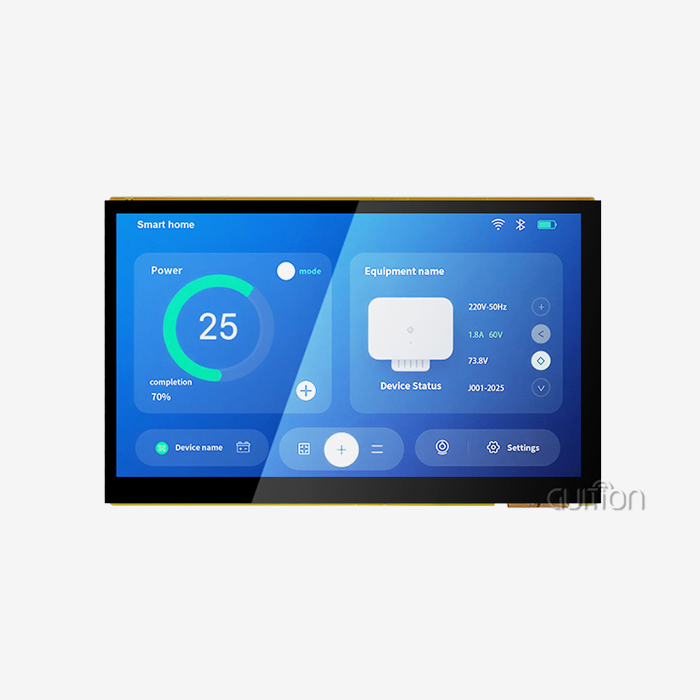
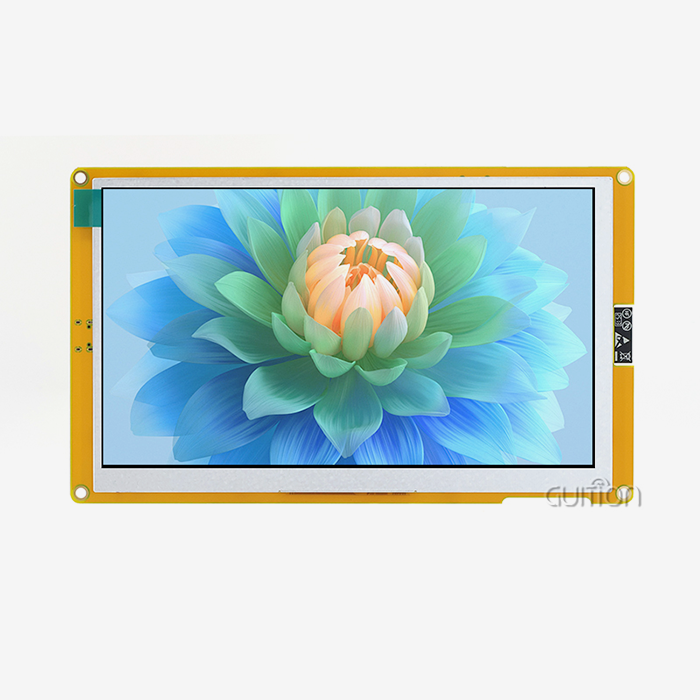
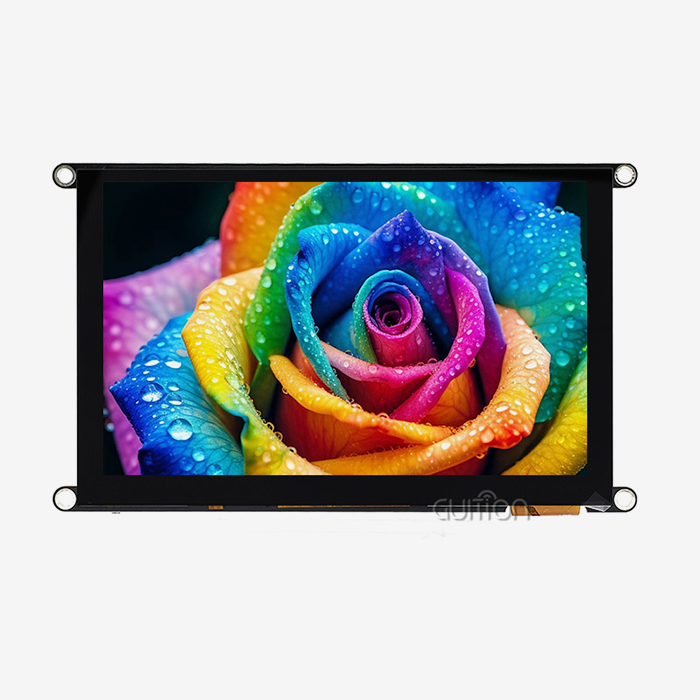
A well-designed Custom lcd display module is shown in the GUITION ESP32-8048S070N. It has a 800x480 resolution on a clear 7-inch screen, 16 MB of Flash memory, 8 MB of PSRAM, and built-in Wi-Fi and Bluetooth. It is based on the ESP32-S3-WROOM-1 dual-core MCU that can run at up to 240 MHz. A reserved TF card interface lets you add more storage space for program data, unique fonts, and images. It supports Arduino IDE, ESP-IDF, MicroPython, and Mixly, which is very important because it stops embedded engineering teams from getting stuck on one platform. With factory-programmed test programs, review starts as soon as the link is made, which greatly reduces the time needed to learn.
Before mass production can start, the Custom lcd display module must pass stringent prototype validation tests that look for dead pixels, check the strength of the FPC bonds, and check for regularity. A clear relationship with the provider speeds up this cycle and finds any possible mismatches in specifications early on, when fixing them is still cheap.
Procurement Guidance for Custom LCD Display Modules
When looking for a Custom lcd display module for a large-scale B2B deployment, you should look at more than just the unit price when comparing providers. In a long-term supply partnership, reliability certifications, EOL management commitments, the level of OEM customization, and the ability to provide professional help after the sale are all important.
Custom lcd display module maker Guition also works with technology partners. It has a range of products from 1.28" to 21.5", and its own Guition UI development software lets HMI/UI designers make professional interfaces with simple drag-and-drop controls instead of complex low-level coding. Remote over-the-air (OTA) upgrades let products that are already out in the field get firmware updates without anyone having to go to the site. This lowers the cost of support after the sale, which is something that procurement teams are asking for more and more. With UTF-T encoding and support for multiple languages, global release is easy, and cross-platform live debugging across Arduino, IDF, and Guition modes speeds up problem resolution.
Conclusion
One of the most important choices a product creator must make is picking the right Custom lcd display module. It affects how people use your product, how long it lasts in the field, and how fast your tech team can make changes. The GUITION ESP32-8048S070N shows that a custom-built display module with strong processing, wireless connection, open development support, and military-grade build quality can significantly cut the time it takes to get a product to market while also raising the quality bar. It makes sense to build a custom LCD display solution around tried-and-true hardware and software ecosystems when both display performance and development speed are important.
FAQ
What distinguishes a custom display module for LCDs from a standard off-the-shelf panel?
A Custom lcd display module is made to meet specific mechanical, electrical, and optical needs that standard panels can't meet. This includes customized FPC interface definitions, custom glass sizes that need mask tooling, certain brightness levels, and long-term supply commitments, which are all things that standard modules don't promise.
What operating environments can industrial-grade custom LCD display modules withstand?
Industrial-grade units have been tested and proven to work in temperatures ranging from -30°C to +85°C, high humidity conditions of 60°C and 90% RH, thermal shocks from -40°C to +85°C, and shaking and drop tests. Protection against ESD is also needed for deployments on the factory floor.
Does the GUITION ESP32-8048S070N support multiple development platforms?
Yes. The ESP32-8048S070N works with Arduino IDE, ESP-IDF, MicroPython, and Mixly. This lets embedded engineers and HMI designers use the programming environment they prefer without having to change the hardware.
What is the typical lead time for a custom LCD display module order?
Different specifications and order volumes have different lead times. Standard setups from well-known sources usually ship between four and eight weeks. This window is much shorter if you work with a provider that has a strong OEM system and well-documented quality processes.
Partner with Guition for Your Next Custom LCD Display Module
Guition provides tried-and-true Custom lcd esp32 display module options that are built for dependability, speed, and scaling. Our modules, which come in a full range of sizes from 1.28" to 21.5" and the 7-inch ESP32-8048S070N, are designed to accelerate your development process and lower your lifecycle costs. As a reliable Custom lcd display module provider, we back up every product with thorough documentation, cross-platform SDK support, and dedicated help after the sale. You can email our engineering team at david@guition.com or go to https://jingcaizhineng.aixdb.cn/ to ask for a sample or talk about the details of your project right away.
References
1. Lee, B. W., & Kim, H. (2019). Advances in Liquid Crystal Display Technologies for Industrial Applications. Journal of the Society for Information Display.
2. Bhowmik, A. K., Li, Z., & Bos, P. J. (Eds.). (2008). Mobile Displays: Technology and Applications. Wiley-STE.
3. Society for Information Display. (2022). Display Week Technical Digest: HMI and Embedded Display Innovation. SID Publications.
4. International Electrotechnical Commission. (2021). IEC 62368-1: Audio/Video, Information and Communication Technology Equipment — Safety Requirements. IEC.
5. Lueder, E. (2010). Liquid Crystal Displays: Addressing Schemes and Electro-Optical Effects (2nd ed.). Wiley.
6. ABI Research. (2023). Embedded HMI and Industrial Display Markets: Technology Roadmap and Vendor Landscape. ABI Research Industry Report.
Learn about our latest products and discounts through SMS or email