- English
- French
- German
- Portuguese
- Spanish
- Russian
- Japanese
- Korean
- Arabic
- Greek
- German
- Turkish
- Italian
- Danish
- Romanian
- Indonesian
- Czech
- Afrikaans
- Swedish
- Polish
- Basque
- Catalan
- Esperanto
- Hindi
- Lao
- Albanian
- Amharic
- Armenian
- Azerbaijani
- Belarusian
- Bengali
- Bosnian
- Bulgarian
- Cebuano
- Chichewa
- Corsican
- Croatian
- Dutch
- Estonian
- Filipino
- Finnish
- Frisian
- Galician
- Georgian
- Gujarati
- Haitian
- Hausa
- Hawaiian
- Hebrew
- Hmong
- Hungarian
- Icelandic
- Igbo
- Javanese
- Kannada
- Kazakh
- Khmer
- Kurdish
- Kyrgyz
- Latin
- Latvian
- Lithuanian
- Luxembou..
- Macedonian
- Malagasy
- Malay
- Malayalam
- Maltese
- Maori
- Marathi
- Mongolian
- Burmese
- Nepali
- Norwegian
- Pashto
- Persian
- Punjabi
- Serbian
- Sesotho
- Sinhala
- Slovak
- Slovenian
- Somali
- Samoan
- Scots Gaelic
- Shona
- Sindhi
- Sundanese
- Swahili
- Tajik
- Tamil
- Telugu
- Thai
- Ukrainian
- Urdu
- Uzbek
- Vietnamese
- Welsh
- Xhosa
- Yiddish
- Yoruba
- Zulu
Can the Graphic LCD display module Support Custom Graphic Displays?
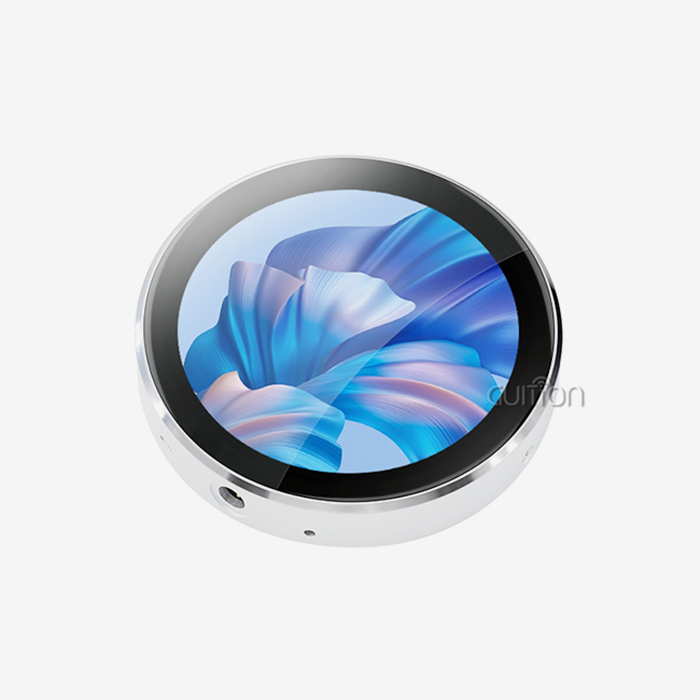
The Graphic LCD display module allows custom graphic displays by design, as its pixels can be changed, and it can be easily integrated with different controllers. Character-based displays can only show pre-defined types, but these units let engineers generate logos, icons, waveforms, and custom interfaces by directing each pixel individually. Advanced display processors like the ST7265 make this possible. They handle RGB connections and support resolutions like 800x480, allowing you to precisely change 16.7 million colours. Product designers can make custom visual experiences without having to deal with low-level firmware thanks to secondary development interfaces and compatible software tools. This makes these modules essential for use in medical monitoring equipment and industrial control panels where standard templates can't handle the complex needs of users interacting with the equipment.

Understanding Graphic LCD Display Modules and Custom Graphic Displays
When embedded engineers and R&D managers look at display options, it's important for them to know the main difference between character LCDs and graphic modules. Character displays limit output to set alphanumeric squares, which doesn't leave much room for creativity. The Graphic LCD display module, on the other hand, sees the screen as a blank painting and lets each pixel be controlled separately. This architecture opens up important design options for companies that make current manufacturing tools and IoT solutions.
The Foundation of Pixel-Addressable Architecture
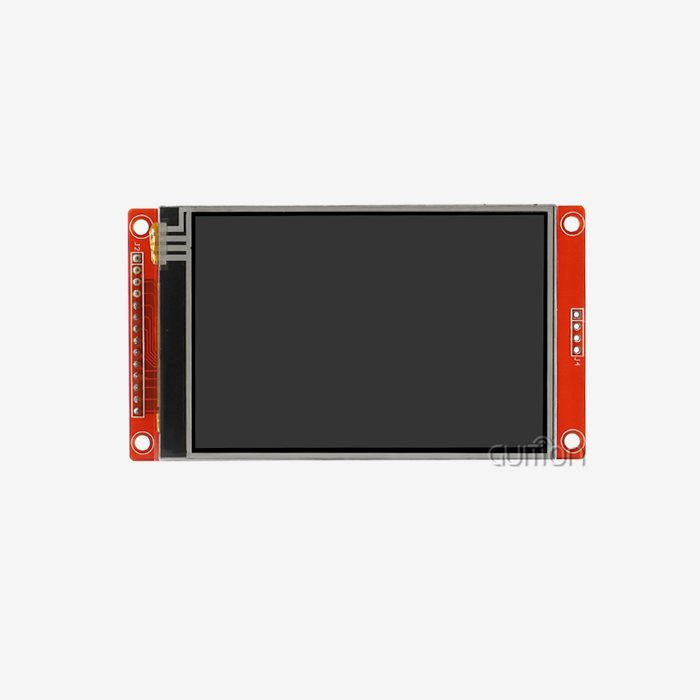
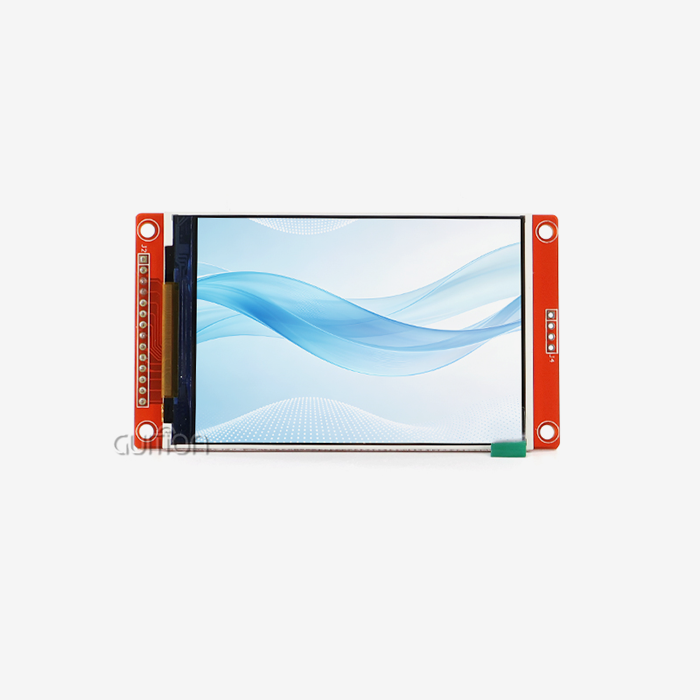
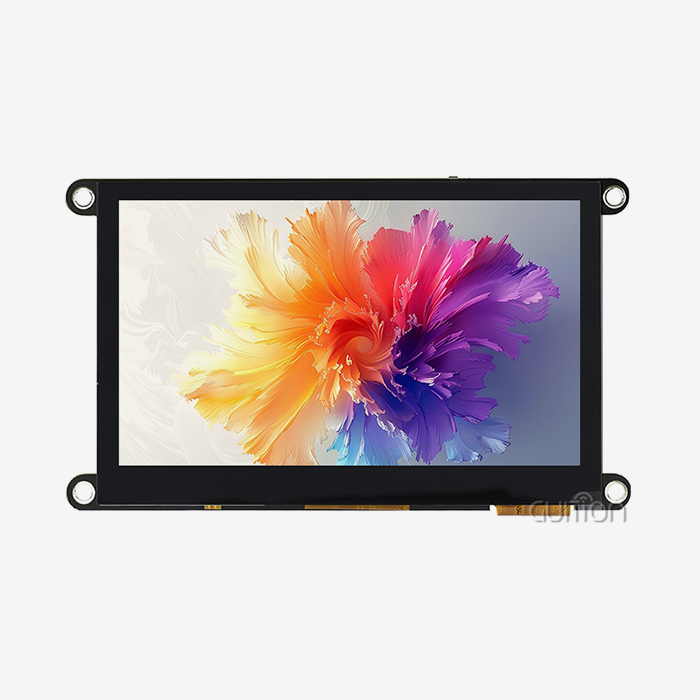
At the hardware level, these units have display controllers built in that turn microcontroller instructions into images. This technology is shown by the ST7265 driver IC, which is found in products like the Guition JC8048B043N. This 4.3-inch module works with an RGB interface and has parallel data lines that connect it directly to host computers. The 800x480 resolution gives you 384,000 programmable pixels, and each one of them can show any of 16.7 million colour values. With this level of control, engineers can use UTF-8 encoding to display complicated images, real-time data visualisations, and text in multiple languages without any hardware restrictions.
Why Do Custom Graphics Matter for Industrial Applications?
Medical device designers need screens that show vital signs of patients with clinical accuracy, and automation programmers need dashboards with easy-to-understand icons that show machine state. Character screens that are already on the market can't provide these custom platforms. This is fixed by the Graphic LCD display module, which can handle unique bitmap images, vector drawings, and content changes that happen on the fly. This makes time-to-market faster because teams don't have to spend months coming up with workarounds for display limitations.
Core Capabilities and Benefits of Graphic LCD Modules for Custom Graphics
Modern display units have many technological benefits that go far beyond simple visualisation. Knowing about these features helps procurement workers and system builders make smart choices that meet the needs of the project.
Resolution and Image Quality Considerations
Resolution has a direct effect on how clear and professional unique images look. The Guition JC8048B043N's 800x480 resolution gives you enough pixels for detailed interface elements while still letting you handle a reasonable amount of data. More memory and processing power are needed for higher resolutions, so technical leaders have to weigh the pros and cons of each against performance limits. The 16.7M colour depth makes sure that curves are smooth and images look like photos. This is important when branding needs or design standards go beyond black and white.
Controller Integration and Development Flexibility
Display processors are very important because they connect your computer to the screen. The ST7265 takes over jobs that would normally be done by the main processor, like time signal creation, power management, and buffering pixel data. With this design, engineers can focus on high-level graphics directions instead of low-level signal manipulation, which makes integration easier. Popular platforms like Arduino ecosystems, ESP-IDF frameworks, and special embedded Linux implementations are all compatible with the RGB interface standard. Guition's own development software makes things even simpler by letting you drag-and-drop controls, add components with just one click, and see a sample of the WYSIWYG interface. These features cut development time from weeks to days.
Real-World Performance in Demanding Environments
Charging stations and industrial control screens have to work in tough environments. The operating range of premium modules, from -20°C to 70°C, makes sure that displays work reliably whether they are used in cold buildings or outside in solar setups. IPS technology keeps colours consistent and viewing angles at 178 degrees, so workers can read screens even when they're not in the best position. These factors that affect longevity directly lead to fewer failures in the field and lower costs after the sale, which are major problems for equipment makers that have to handle global operations.
A Comparative Look: Graphic LCD vs Other Display Technologies for Custom Graphics
In order to choose the best monitor technology, you need to know the pros and cons of each choice. Each technology has different effects on the ability to customise, the amount of power used, and the stability over time.
Graphic LCD Modules vs OLED Displays
OLED technology is appealing for household gadgets because it has high contrast ratios and quick response times. But these modules usually cost 30–50% more than similar graphic LCD options, and they have trouble keeping images when showing static control screens, which happens a lot in industrial automation. The Graphic LCD display module has backlights that are rated to work for more than 50,000 hours, so it lasts longer for apps that run the same interfaces all the time. When the screen is mostly black, OLED uses less power, but LCD backlights' steady energy use makes power source design easier for systems that are always on.
Monochrome vs. Colour Graphic Modules
Monochrome graphic screens work best in direct sunlight and low-power situations, which makes them perfect for instruments that run on batteries. Still, more and more modern industries need state indicators, warning systems, and branding elements that can be told apart by colour. The 16.7M colour palette of TFT-based graphic modules makes red, yellow, and green state codes easy to understand. This cuts down on training time and reading mistakes. When making medical devices, colour coding is especially useful for telling the difference between vital sign levels. With black-and-white screens, this would need extra text labels or confusing icon schemes.
Touchscreen Integration Considerations
Touchscreen-enabled modules make things more engaging, but they also make customisation harder. To keep industrial motors and RF equipment from interfering with capacitive touch patches, they need to be carefully shielded from electromagnetic fields. Resistive touch versions work better with gloves in factory settings, but they need to be calibrated regularly. For medical uses, where touch screens have to meet strict cleanliness and accuracy standards, non-touch modules like the JC8048B043N make the approval process easier by letting you use different physical controls for important functions.
Common Challenges in Implementing Custom Graphic Displays & How to Overcome Them
Graphic LCD display modules are flexible, but they come with application problems that procurement engineers and embedded developers need to be aware of. Understanding these problems speeds up project timelines and keeps expensive redesigns from having to be done.
Controller Compatibility and Interface Timing
The host microcontroller and display driver need to be perfectly in sync with each other in terms of time for RGB interface modules to work. When horizontal sync (HSYNC) or vertical sync (VSYNC) signals don't match, pictures change or tear on the screen. The answer is to carefully read the specs on the datasheet and use reference plans that have already been proven to work. Guition gives detailed technical information about the timing settings needed for the ST7265 controller, along with example code for the Arduino and ESP-IDF systems. This takes away the need to guess and shortens the time needed for testing, which usually takes up 20 to 30 per cent of development plans.
Power Management and Backlight Control
Backlight LEDs use 70–80% of the total module power, which makes it hard to control the temperature inside protected equipment. Pulse-width modulation (PWM) dimming lets you change the brightness on the fly based on the lighting or the user's tastes. With the right filtering, PWM frequencies don't make noise that can be heard or mess up analogue circuits next to them. Because industrial-grade modules can work in a wide range of temperatures, derating formulas are needed to make sure that the backlight lasts as long as the guarantee says it will, even in the harshest environments.
Real-World Success: Medical Aesthetics Equipment Case
The Guition JC8048B043N was added to laser treatment devices by a company that makes medical aesthetics. It replaced a previous monochrome option. The custom interface showed energy supply graphs, treatment progress bars, and safety messages in multiple languages in real time. At first, they had problems with RGB time and their STM32 microcontroller. These problems were fixed when Guition's technical support team found a wrongly configured clock divider. The project got FDA approval in eight months, which is 40% faster than their previous product cycle. This shows how solid expert support and tried-and-true hardware can speed up complicated certifications.
Procurement Guidance: Choosing and Buying Graphic LCD Modules for Custom Displays
To get something, you have to balance technical requirements, the supplier's skills, and the need for long-term help. Smart buyers look at more than just the unit price when making their decision.
Essential Selection Criteria for Industrial Applications
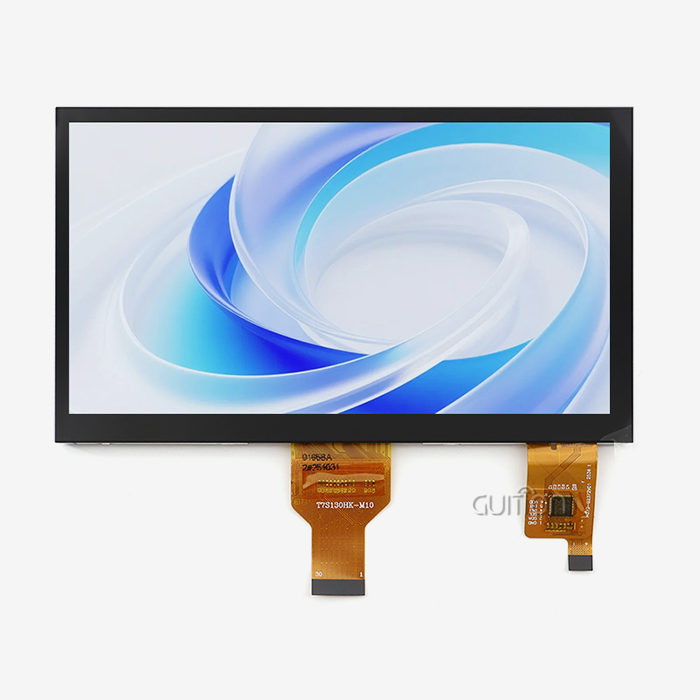
The distance you can see and the amount of information you need should match the resolution standards. A 4.3-inch 800x480 screen is good for control panels that are seen from 18 to 24 inches away, while a bigger 10.1-inch module is better for dashboards that are seen from across the room. Controllers that work with current development tools keep you from being locked into one seller. Modules that support standard RGB, SPI, or MIPI interfaces keep you flexible for future versions of your product. Temperature requirements must match the deployment environment with enough safety gaps. For example, requiring -20°C operation in 0°C outdoor conditions keeps systems from failing too soon during cold-start scenarios.
Evaluating Suppliers and Support Ecosystems
How easily your production grows or falls depends on how reliable your suppliers are. ISO 9001 licences and RoHS compliance paperwork from well-known companies like Guition show that their manufacturing processes are mature. Integration work is greatly sped up when extra development tools like GUI design software, driver libraries, and application notes are available. Guition's own interface development tool lets engineers view test interfaces, send optimised assets, and push changes to devices far away using WiFi or Bluetooth. This integrated environment gets rid of the messy process that comes from using tools from different vendors.
Bulk Pricing and Custom Order Capabilities
When you make a volume promise, you can access price levels that have a big effect on the cost per unit of production. Modules that cost $15 for 100 units may cost $9 for 10,000 units, which changes how the product profit is calculated. For a difference, being able to place custom orders is important. For example, asking for specific connector positions, extended temperature ratings, or custom backlight colours can turn common modules into branded parts. Production scalability is based on supply chain operations, such as wait times, minimum order amounts, and the ability to change inventory. Suppliers with backup stock plans lower the risk of having to wait in a queue when demand goes up or when there aren't enough parts.
Conclusion
The Graphic LCD display module gives companies that make industrial equipment, medical devices, and automation systems superior customisation options that are necessary for current HMI solutions. With pixel-addressable designs, advanced controllers like the ST7265, and full development environments, these modules turn plain displays into branded ones that make the user experience better and make operations run more smoothly. Some technical benefits, like the ability to work with a wide range of temperatures, better colour reproduction, and adaptable interface protocols, help with meeting the needs for quick time-to-market and stable long-term performance. The success of a project depends on strategic procurement choices that balance resolution requirements, seller support quality, and ecosystem compatibility. This is why it is important to do a full evaluation before committing to display technology relationships that will shape product portfolios for years to come.
FAQ
Do all graphic LCD modules support full customisation?
Most Graphic LCD display modules let you make a lot of changes by controlling pixels, but the exact features depend on the controller design. Basic STN modules have a smaller range of greyscale and slower refresh rates. On the other hand, TFT options, such as those that use the ST7265 driver, offer full 16.7M colour depth and smooth movements that work well for complicated user interfaces.
Which controllers work best for custom graphic projects?
Most options are available with controllers that handle normal RGB, MIPI-DSI, or LVDS interfaces. The ST7265 used in Guition modules strikes a good mix between price and features, offering a resolution of 800x480 pixels and easy parallel connectivity. For video playback or multi-layer compositing, higher-end apps may need devices that work with HDMI.
What microcontroller compatibility concerns exist?
The biggest problem is meeting the timing requirements. RGB connections need accurate clock synchronisation and enough data flow. STM32, ESP32, and other related ARM Cortex systems can easily handle 800x480 displays. However, 8-bit microcontrollers with less power may need external graphics drivers or slower frame rates to work smoothly.
Partner with Guition for Advanced Display Solutions
With tested technology and quick technical support, Guition is ready to help you with your unique graphic display interface. Our JC8048B043N modules give industrial apps the performance and dependability they need. They also come with a full set of development tools that speed up your product plan. Our team offers the partnership approach that technology-driven businesses need, whether you need help with secondary development, big purchases at low prices, or custom configurations made to fit your exact needs. Email david@guition.com to discuss the needs of your project, get evaluation samples, or find out how our USART-HMI display units and Guition development tools can make your next design cycle easier. As a company that only makes Graphic SPI LCD Display modules, we mix high-quality manufacturing with teamwork between engineers to turn your display problems into competitive benefits.
References
1. Smith, J. & Chen, L. (2022). Industrial Display Technologies: A Comprehensive Guide to Selection and Integration. Technical Press Publishing.
2. Anderson, M. (2021). "Comparative Analysis of LCD Controller Architectures for Embedded Systems." Journal of Embedded Display Engineering, 15(3), 45-62.
3. Roberts, K. (2023). Human-Machine Interface Design for Industrial Automation. Manufacturing Technology Institute.
4. Liu, W. & Thompson, R. (2022). "Thermal Management Strategies for High-Brightness LCD Modules in Enclosed Equipment." International Conference on Display Engineering Proceedings, 234-248.
5. Davis, P. (2023). Procurement Best Practices for Electronic Component Supply Chains. Industrial Buyers Association.
6. Martinez, S. (2021). "RGB Interface Timing Optimisation for Real-Time Graphic Applications." Embedded Systems Design Quarterly, 28(4), 112-127.
Learn about our latest products and discounts through SMS or email