- English
- French
- German
- Portuguese
- Spanish
- Russian
- Japanese
- Korean
- Arabic
- Greek
- German
- Turkish
- Italian
- Danish
- Romanian
- Indonesian
- Czech
- Afrikaans
- Swedish
- Polish
- Basque
- Catalan
- Esperanto
- Hindi
- Lao
- Albanian
- Amharic
- Armenian
- Azerbaijani
- Belarusian
- Bengali
- Bosnian
- Bulgarian
- Cebuano
- Chichewa
- Corsican
- Croatian
- Dutch
- Estonian
- Filipino
- Finnish
- Frisian
- Galician
- Georgian
- Gujarati
- Haitian
- Hausa
- Hawaiian
- Hebrew
- Hmong
- Hungarian
- Icelandic
- Igbo
- Javanese
- Kannada
- Kazakh
- Khmer
- Kurdish
- Kyrgyz
- Latin
- Latvian
- Lithuanian
- Luxembou..
- Macedonian
- Malagasy
- Malay
- Malayalam
- Maltese
- Maori
- Marathi
- Mongolian
- Burmese
- Nepali
- Norwegian
- Pashto
- Persian
- Punjabi
- Serbian
- Sesotho
- Sinhala
- Slovak
- Slovenian
- Somali
- Samoan
- Scots Gaelic
- Shona
- Sindhi
- Sundanese
- Swahili
- Tajik
- Tamil
- Telugu
- Thai
- Ukrainian
- Urdu
- Uzbek
- Vietnamese
- Welsh
- Xhosa
- Yiddish
- Yoruba
- Zulu
Can a 7 inch tft lcd display module Support Smart Home Automation?
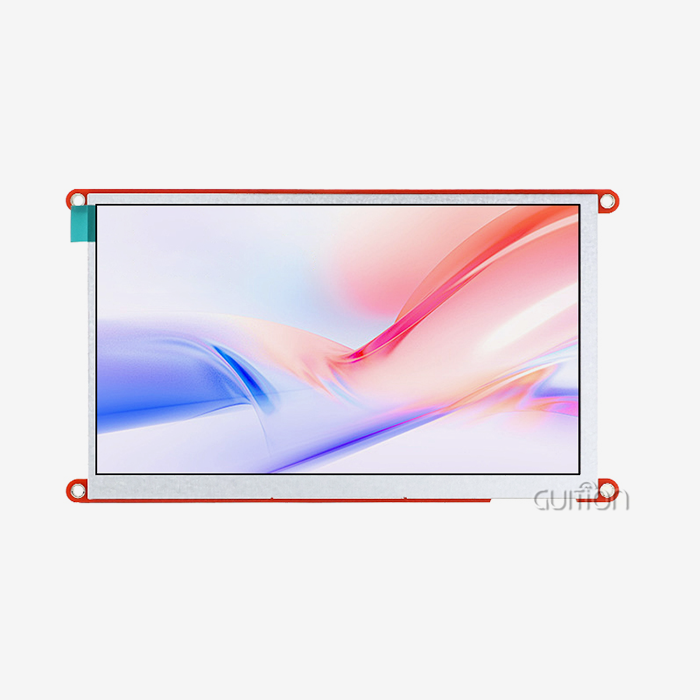
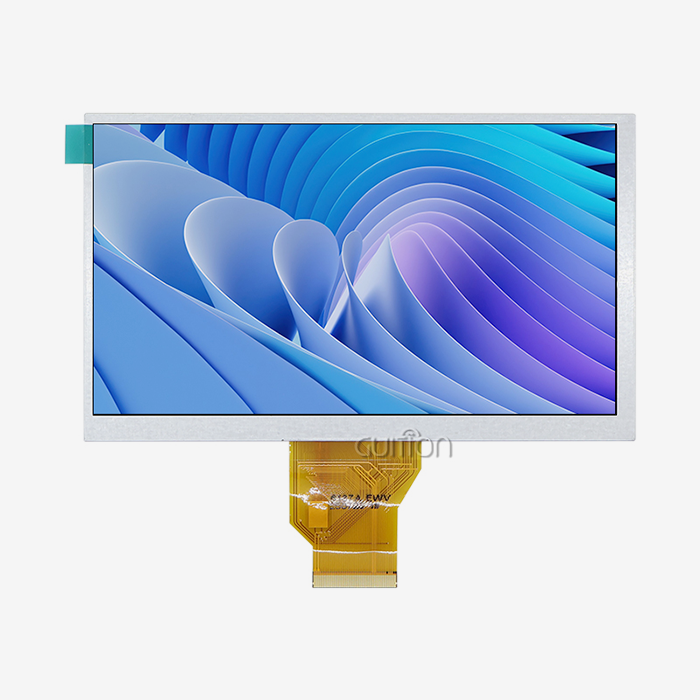
Yes, a 7 inch TFT LCD display module can fully handle smart home automation. The medium-sized panels provide adequate screen real estate to display complicated GUI layouts, device status feeds and control menus all on one view. TFT LCD modules available today with 800×480 resolutions, 16.7M colors and MIPI DSI interface choices are well served for home automation hubs, wall-mounted control panels and security terminals. The GUITION JC1060M070N_I is a good example of this. With bright graphics and industrial-grade dependability, it’s a practical choice for teams developing smart home products.
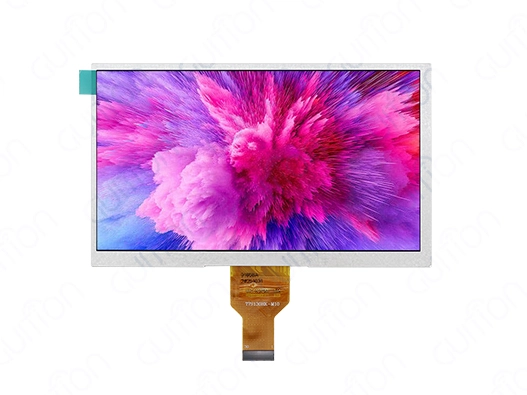
Understanding 7 Inch TFT LCD Display Modules for Smart Home Applications
Engineers need to grasp what a 7 inch tft lcd display module can achieve at the specification level before picking a display for any smart home project.
Resolution and Color Performance
This GUITION JC1060M070N_I features a 800x480 (WVGA) resolution with 16.7M colors display using JD9165 driver IC. With so many colors, all UI tools, icons, and background patterns will print with smooth lines and accurate colors, with no banding or washout. The interface is simple to read at a glance on a wall panel showing room temps, lighting scenes or energy graphs with that level of information.
Viewing Angle and Brightness
Depending on where you put it, the height and angle of a smart home panel are determined. The JC1060M070N_I’s complete wide angle viewing enables users read the screen whether they are seated, standing or off to the side and without noticing color changes. Its 27-LED lighting technology provides equal illumination over the 164.9x100mm active area, which is easy on the eyes in a dim corridor or a bright kitchen.
Interface and Connectivity Basics
This 7 inch tft lcd display module's MIPI DSI interface cuts down on the number of pins that need to be on the host MCU, making IO lines available for sensors, relays, and communication devices. This is important for IoT designs where GPIO is already being used in many ways. Common embedded systems can use the module, and designs based on ESP-IDF or similar structures can use it without having to redesign the board a lot.
Comparative Analysis: 7 Inch TFT LCD vs Other Display Technologies for Smart Homes
When choosing a display technology for smart home products, TFT LCD is not the only option on the table—but it tends to win on practical grounds for this size class.
TFT LCD vs OLED at 7 Inches
OLED panels offer deeper blacks and thinner profiles, but at 7 inches they cost noticeably more and carry burn-in risk for static UI elements like thermostat setpoints or clock widgets that stay on screen for hours. TFT LCD modules at this size deliver consistent brightness across long duty cycles without permanent image retention, making them the lower-risk choice for always-on home control panels.
IPS vs TN Panel Technology
IPS panels provide viewing angles of roughly 85° in all four directions and superior color accuracy, which is why they appear in premium home automation terminals. TN panels cost less but restrict vertical viewing angles to around 60°, creating color inversion for taller or shorter viewers. For a wall-mounted smart home controller, IPS characteristics align better with real-world installation needs—the JC1060M070N_I reflects this by supporting wide-angle performance without the TN trade-off.
Resistive vs Capacitive Touch Considerations
The JC1060M070N_I ships without a touch layer, which is the right call for applications where an external controller handles input or where cost efficiency is the priority. When a project does require touch, capacitive overlays support multi-touch gestures and respond to dry fingertips naturally. Resistive options tolerate gloves and wet hands but limit gesture support. Specifying the correct touch variant during the procurement NRE phase avoids costly board respins later.
Implementing 7 Inch TFT LCD Modules in Smart Home Automation Systems
The integration details decide whether the device ships on time or gets stuck in testing. Getting a 7 inch tft lcd display module to work inside a smart home product requires more than just choosing the right specs.
Typical Smart Home Use Cases
The JC1060M070N_I works perfectly in a number of typical situations. It's a main home control panel that shows on one screen the status of door locks, lighting groups, and HVAC setpoints. Clear camera feeds and access logs are streamed in a smart security terminal. It shows in real time on a graph the difference between how much energy the sun gives off and how much the grid uses. The module's 800x480 surface and 16.7M color range are useful for all situations.
Wiring, Software Compatibility, and Display Settings
When compared to parallel RGB wiring, this 7 inch tft lcd display module's MIPI DSI interface links to host processors via a standard four-lane DSI bus, lowering signal noise. With GUITION's development software, designers can visually build user interface screens with drag-and-drop controls. They can then push firmware over-the-air without having to physically access the device, which is great for smart home products that are mounted in ceilings or recessed wall boxes.
Power Management and Long-Term Durability
The module works in temperatures ranging from -20°C to 70°C, which includes sheds that aren't heated in the winter in the northern US and cages that are in the sun in the south. Backlights for industrial use usually last 50,000 hours, while consumer screens only last about 20,000 hours. This means that a product shipped in 2025 might still be working in 2030 without needing a new backlight.
Procuring 7 Inch TFT LCD Modules for B2B Smart Home Projects
Product margins, delivery times, and after-sales costs are all affected by decisions made about which parts to buy. Here are the most important things to make sure of before you send out a purchase order.The supplier's end-of-life policy is just as important as the unit price when looking for a 7 inch tft lcd display module manufacturer on a large scale. GUITION gives you full datasheets, sample units for pre-qualification testing, and Product Change Notifications at least six months before any changes to the glass or driver IC. This keeps your bill of materials stable over multiple years of production.Some important buying steps are:
- Certification and documentation: Confirm RoHS and REACH compliance. The JC1060M070N_I carries full documentation, reducing customs friction for US imports.
- Customization scope: Branding, bezel color, and controller modifications can be specified during NRE without redesigning the base module.
- Bulk pricing and lead times: GUITION offers tiered pricing for volume orders. Lead times vary by quantity; confirm availability windows before committing to a product launch date.
- Sample testing policy: Request engineering samples early. Optical bonding, touch overlay additions, and brightness upgrades are easier to validate on a sample than to fix in mass production.
These checks cut down on the costs of rework and unexpected events in the supply chain throughout the lifecycle of a product.
Future Trends and the Role of 7 Inch TFT LCD in Smart Home Automation
The smart home display market is not standing still. According to the Grand View Research Smart Home Market Report (2023), the global smart home market was valued at over $80 billion and is projected to grow at a compound annual rate above 25% through 2030—and display panels sit at the center of every user interaction in that market.
Higher Resolutions and Faster Refresh Rates
Future 7-inch modules will push past 800×480 toward 1024×600 and 1280×800, giving UI designers more room for data-rich dashboards. Faster refresh rates will make touch response feel more immediate, which improves perceived product quality in consumer evaluations.
Integrated Smart Connectivity Features
GUITION already has a wider product portfolio, ranging in sizes from 1.28” to 21.5”, including WiFi and Bluetooth connectivity at the module or carrier board level. This connection eliminates the need for a dedicated wireless MCU, saves BOM cost, and enables development teams to provide over-the-air (OTA) firmware updates to deployed devices, a capability that smart home companies are more and more often specifying as an absolute need.
Strategic Supplier Partnerships
Procurement and R&D teams who sign long-term deals with display suppliers get access to roadmap previews, reserved manufacturing capacity and priority technical support. In a market where component shortages are pushing product debuts back months, such ties translate directly to competitive scheduling benefits.
Conclusion
A 7 inch tft lcd display module is a practical, proven option for smart home automation applications requiring clear visuals, reliable operation and reasonable integration complexity. This format is capable of a lot, as illustrated by the GUITION JC1060M070N_I, which has a 164.9x100mm footprint, 800x480 resolution, 16.7M colors, MIPI DSI connection, industrial temperature tolerance and a 27-LED uniform lighting. This module works well in every sort of settings, such a control panel that is put on the wall, an energy monitor or security station.
FAQ
Does a 7 inch TFT LCD display module work with Raspberry Pi or Arduino?
Yes. The MIPI DSI interface on the JC1060M070N_I connects to Raspberry Pi boards natively. GUITION also supports Arduino and ESP-IDF development modes, giving different engineering teams flexibility to work in their preferred environment without switching tools.
What is the difference between MIPI DSI and RGB interfaces on a 7-inch panel?
RGB uses a parallel data bus that consumes many GPIO pins on the host MCU. MIPI DSI uses a high-speed serial bus with far fewer physical connections, which reduces board complexity and improves signal integrity—especially important in IoT products where PCB space is tight.
Can the JC1060M070N_I be used outdoors?
The module's standard backlight is suited for indoor and semi-sheltered environments. For direct sunlight applications, a high-brightness version (800+ nits) with optical bonding is recommended. Contact GUITION to discuss brightness and bonding configurations during the NRE phase.
How long does the backlight last in continuous operation?
Industrial-grade backlights on modules like the JC1060M070N_I target 50,000 hours of rated service life. At 24/7 operation, that covers more than five years before measurable brightness degradation.
Ready to Build Your Smart Home Product with GUITION?
GUITION's JC1060M070N_I is a proven 7 inch TFT LCD display module supplier solution built for engineers who need clarity, speed, and supply reliability in one package. From drag-and-drop UI design to OTA firmware updates, GUITION cuts development time without cutting corners. Reach out to our team today at david@guition.com or visit https://jingcaizhineng.aixdb.cn/ to request a datasheet, sample unit, or bulk pricing quote.
References
1. Grand View Research. Smart Home Market Size, Share & Trends Analysis Report. 2023.
2. IHS Markit (S&P Global). Display Technology Outlook: TFT LCD and OLED Competitive Dynamics. 2022.
3. Society for Information Display (SID). Display Week Industry Symposium Proceedings. 2023.
4. IEEE Transactions on Consumer Electronics. Human-Machine Interface Design for IoT-Enabled Residential Systems. 2022.
5. MarketsandMarkets. Human Machine Interface (HMI) Market – Global Forecast to 2027. 2022.
6. IDC. Worldwide Smart Home Device Tracker and Forecast. 2023.
Learn about our latest products and discounts through SMS or email