- English
- French
- German
- Portuguese
- Spanish
- Russian
- Japanese
- Korean
- Arabic
- Greek
- German
- Turkish
- Italian
- Danish
- Romanian
- Indonesian
- Czech
- Afrikaans
- Swedish
- Polish
- Basque
- Catalan
- Esperanto
- Hindi
- Lao
- Albanian
- Amharic
- Armenian
- Azerbaijani
- Belarusian
- Bengali
- Bosnian
- Bulgarian
- Cebuano
- Chichewa
- Corsican
- Croatian
- Dutch
- Estonian
- Filipino
- Finnish
- Frisian
- Galician
- Georgian
- Gujarati
- Haitian
- Hausa
- Hawaiian
- Hebrew
- Hmong
- Hungarian
- Icelandic
- Igbo
- Javanese
- Kannada
- Kazakh
- Khmer
- Kurdish
- Kyrgyz
- Latin
- Latvian
- Lithuanian
- Luxembou..
- Macedonian
- Malagasy
- Malay
- Malayalam
- Maltese
- Maori
- Marathi
- Mongolian
- Burmese
- Nepali
- Norwegian
- Pashto
- Persian
- Punjabi
- Serbian
- Sesotho
- Sinhala
- Slovak
- Slovenian
- Somali
- Samoan
- Scots Gaelic
- Shona
- Sindhi
- Sundanese
- Swahili
- Tajik
- Tamil
- Telugu
- Thai
- Ukrainian
- Urdu
- Uzbek
- Vietnamese
- Welsh
- Xhosa
- Yiddish
- Yoruba
- Zulu
Can a 2.8 inch ESP32 display module Power Industrial HMI?
Yes — a 2.8 inch esp32 display module can genuinely power industrial HMI applications, particularly in small- to mid-scale deployments. The GUITION ESP32-2432S028R, built on a dual-core ESP32 MCU running at 240MHz with integrated Wi-Fi and Bluetooth, delivers real-time data visualization, touch interaction, and wireless connectivity on a single compact board. With 240x320 resolution, resistive touch, and cross-platform development support, this ESP32 display module meets many core industrial interface requirements — making it a practical choice for engineers who need fast deployment without sacrificing performance.

Understanding the 2.8 Inch ESP32 Display Module: Specs and Features
Before deciding if this part is suitable for industry, it's helpful to know what it can do properly.
Core Hardware Specifications
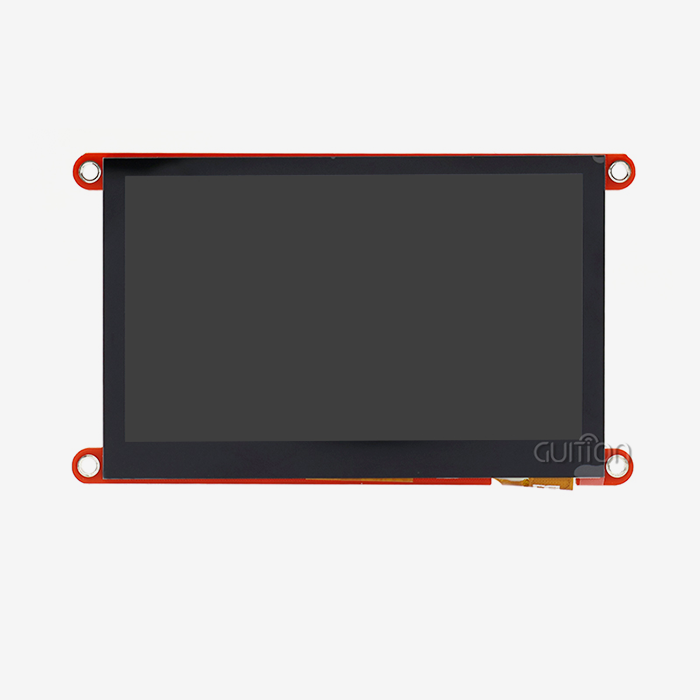
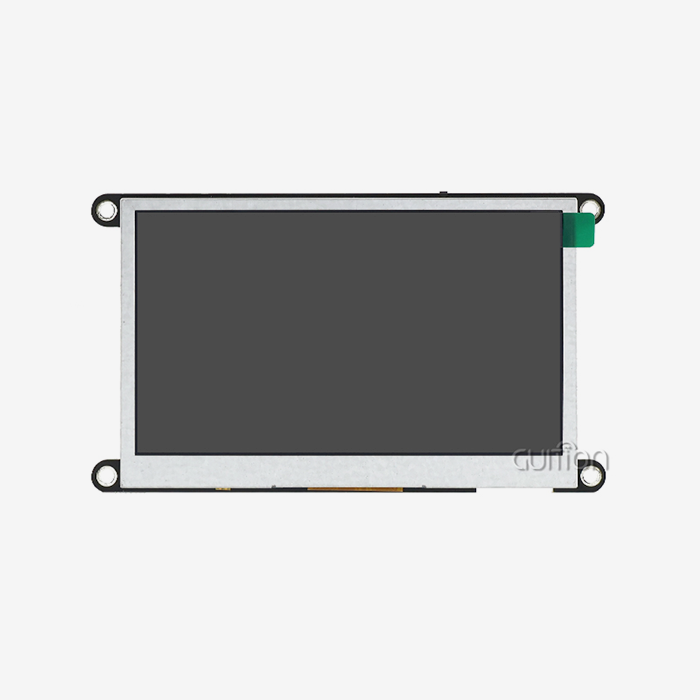
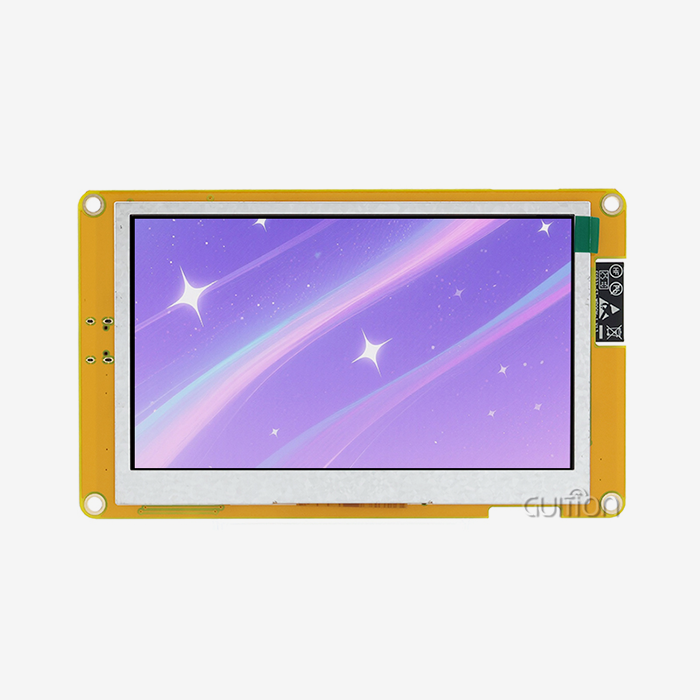
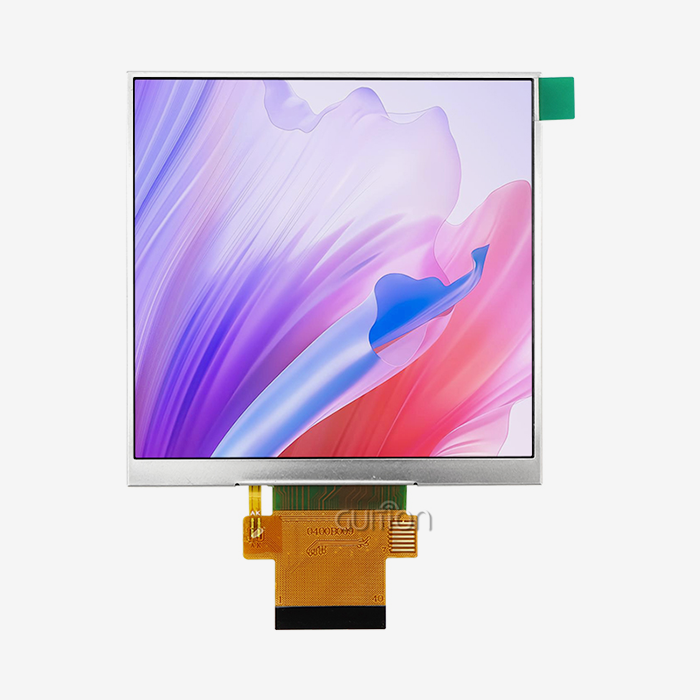
The ESP32 dual-core Xtensa LX6 MCU, which can run at up to 240MHz, is at the heart of the GUITION ESP32-2432S028R. It has 448KB of ROM, 520KB of SRAM, and 4MB of SPI Flash. The 2.8-inch TFT LCD screen has a size of 240x320 (QVGA) and 65K colors. It uses an ILI9341-compatible driver over SPI. The XPT2046 processor is in charge of resistive touch. There is a photosensitive circuit, RGB-LED control, speaker driver, DHT11 sensor interface, TF card slot, and reserved GPIO ports on this board, which is all on one PCB.
Supported Development Environments
One of the best things about this ESP32 tablet module is that it works with more than one platform. Engineers can write code in Arduino IDE, ESP-IDF, MicroPython, or Mixly, depending on which setting works best for their team. This makes it easier to switch to a new toolchain in the middle of a project because it is flexible. The module comes already programmed with test programs, so it only takes minutes instead of hours to check the hardware for the first time.
Onboard Connectivity and Peripheral Interfaces
This display module works well with IoT-connected control screens because it has built-in 2.4GHz Wi-Fi and Bluetooth (Classic + BLE). Logs, configuration files, or graphics assets can be stored locally on the TF card interface. The USB port and DHT11 header make it easier to add sensors without using extra adapters. These built-in extras make the bill of materials (BOM) simpler and the building process faster.
Can a 2.8 Inch ESP32 Display Module Meet Industrial HMI Requirements?
This is the real question that engineers and purchasing managers want to know before they choose an ESP32 Display Module platform.
Response Time and Touch Precision
The ESP32 has two cores; one core handles rendering the screen, and the other core handles communication protocols. In reality, this keeps the interface functional even when it's busy by separating UI refresh from data collection. The ESP32-2432S028R's XPT2046 resistive touchscreen has a 12-bit ADC resolution for touch coordinates, which is fine for industrial interfaces that use buttons. Touch latency stays below 50ms in most firmware implementations, which is fine for most control panel uses.
Operating Temperature and Environmental Durability
Temperatures between -40°C and +85°C are safe for the ESP32 chip to work in. The FR-4 PCB design and ENIG plating on the GUITION module make it safe to use in places where temperatures change a lot, like equipment boxes or plant floors. The module can be put into normal industrial housings with the right mechanical design for uses that need IP-rated enclosures or vibration protection.
Real-World Application Evidence
Engineers have used ESP32 display modules to keep an eye on soil sensors and manage watering switches. These modules read DHT11 humidity data locally and send telemetry over Wi-Fi via MQTT. The same platform shows real-time data on power use that comes from RS485 sensors connected to serial adapters in energy management panels. These examples show that small ESP32 HMI displays can handle real-world industrial tasks when the firmware and hardware are properly integrated.
Comparing 2.8 Inch ESP32 Display Modules with Alternative Displays for Industrial HMI
There are pros and cons to each display technology. This is how ESP32-based modules stack up against other popular options.
ESP32 Display vs. Standalone TFT Modules
Standard 2.8-inch TFT screens that don't have an MCU built in need a separate microprocessor, an external touch controller, and the driver library to be set up. This makes the PCB bigger, the wiring more complicated, and the software more work. The ESP32 display module puts everything on one board, which cuts down on the number of steps needed to put it together and the places where it can go wrong. This integration saves teams that are making small control devices measurable development time.
ESP32 Display vs. Nextion Smart Displays
The editor and serial UART protocol used by Nextion screens are not open source. This makes UI design easier but forces programmers to work in a closed environment. When engineers use GUITION's creation tools along with the ESP32-based method, they have full control over the firmware, memory allocation, and network protocols. The open ESP32 Display Module platform is helpful for teams that need over-the-air patches, cloud connections, or custom communication stacks.
ESP32 Display vs. OLED Modules
When it comes to small sizes, OLED panels use less power and have higher contrast ratios, but they don't have color depth and can only display up to 128x64 or 128x128 pixels. The ESP32 display module's 240x320 color TFT gives you more screen space for industrial HMI apps that need multi-element dashboards, color-coded alerts, or graphical status signs. OLED is still better for simple information displays than for control systems that let you interact with them.
Procurement Insights: Buying the Right 2.8 Inch ESP32 Display Module for Industrial HMI
For procurement managers, choosing a supplier is more than just looking at a data sheet. As important as specs are, stability, good paperwork, and help after the sale are also very important.
Evaluating Supplier Reliability
When looking for a source to make an ESP32 display module, make sure that they always get the parts they need, especially the ESP32 chip, the display driver IC, and the touch controller. The ESP32-2432S028R from GUITION comes with full technical documents, schematic files, and sample software, which speeds up the engineering ramp-up time. When suppliers give this much paperwork, it means they are committed to the product for a long time, which is important for production runs that last more than one year.
Cost Structure and Bulk Purchasing
Order volume affects the price per unit for 2.8 inch ESP32 display modules. Usually, a prototype costs $8 to $15 per unit. If you buy more than 500 units, you can get this price down below $6, but it depends on the configuration. The total cost of ownership should include fewer hours spent on firmware development (thanks to libraries that have already been tested), lower costs for debugging thanks to onboard peripherals, and less need for support after the sale thanks to stable firmware foundations.
Minimum Order Quantities and Lead Times
Confirm MOQ flexibility for trial runs, lead time predictability for production batches, and availability of engineering samples for B2B buyers looking for a 2.8 inch ESP32 Display Module provider. GUITION can handle both small trial sales and large-scale production. For technical questions, you can email David directly at david@guition.com.
Optimizing Industrial HMI Deployment with 2.8 Inch ESP32 Display Modules
To get the most out of this hardware, you need to pay attention to how the software is built and how power is used.
Power Management for Continuous Operation
At about 10µA, the ESP32 can go into deep sleep. For battery-powered or power-sensitive industrial devices, setting the backlight control circuit to turn off when not in use greatly increases its useful life. The GUITION module has a separate line for controlling the lights, so this is easy to add to the software.
Firmware Best Practices for Stability
Use the ESP-IDF partition method with a "Huge App" configuration to fit OTA update binaries along with display libraries for safe long-term operation. Allow DMA transfers for SPI to keep frame rates above 30 FPS when the system is not under a lot of stress. Set up the firmware so that Core 1 handles the display task and Core 0 handles the network/sensor tasks. This will keep the user interface from freezing up when Wi-Fi reconnects.
Troubleshooting Common Issues
Screen tearing is usually caused by SPI clock speeds that don't match up. In User_Setup.h, set the SPI clock to 40MHz or higher to fix this problem. When you upload code and see a blank screen, it's likely that the pin mapping for the CS, DC, or RST lines is wrong. Always check this against the ESP32-2432S028R schematic. Noise in the 3.3V power rails is often the cause of ghost touches on resistive panels. To fix this, add decoupling capacitors near the XPT2046 power pins.
Conclusion
The GUITION ESP32-2432S028R demonstrates how a small 2.8 inch ESP32 display module can meet real industrial HMI needs if it is used correctly. Its dual-core MCU, built-in Wi-Fi and Bluetooth, resistive touch interface, and support for multiple firmware platforms make it a strong and affordable base for control panels, tracking screens, and IoT-connected interfaces. For small to medium-sized business uses, this module gives teams the speed, depth of integration, and ease of development they need to get goods out on time.
FAQ
How much power does the ESP32-2432S028R consume during normal operation?
With the display backlight active and Wi-Fi connected, typical current draw is approximately 200–300mA at 3.3V. Activating deep sleep with the backlight off drops consumption to around 10µA. For continuously powered industrial panels, a regulated 5V supply through the USB or power header handles steady-state operation without thermal issues.
Does the refresh rate affect HMI responsiveness in industrial settings?
Yes. The ILI9341 driver on this ESP32 display module achieves 30–60 FPS when DMA-enabled SPI at 40MHz is configured correctly. At these rates, UI transitions and real-time data updates appear smooth to operators. For data-intensive dashboards, optimize rendering by only redrawing changed screen regions rather than full-frame refreshes.
Can I connect this module to microcontrollers other than the ESP32?
The 2.8-inch TFT panel uses standard SPI communication and is compatible with other MCUs that support the ILI9341 driver. However, the GUITION ESP32-2432S028R is designed as an all-in-one module where the ESP32 is the onboard controller — it is not intended to be driven externally. If you need an external MCU, consider pairing a standalone TFT display with your target controller.
Does the module support OTA firmware updates?
Yes. The ESP32's OTA update capability works with the ESP32-2432S028R. Configure the partition table to the "Huge App" scheme in Arduino IDE or ESP-IDF to ensure sufficient flash space for updating firmware that includes full display libraries. OTA updates allow remote maintenance without physical access to deployed devices.
Start Your Next Industrial HMI Project with GUITION
With full documentation, firmware support for multiple environments, and direct technical access, GUITION's ESP32-2432S028R 2.8 inch ESP32 display module gives your team a production-ready base. As a certified 2.8 inch ESP32 display module maker, our team can quickly provide reasonable pricing and technical advice, whether you need a single test sample or a large quantity of production orders. Visit jingcaizhineng.aixdb.cn or email us at david@guition.com to ask for a sample or talk about the needs of your project.
References
1. Espressif Systems. ESP32 Series Datasheet. 2023.
2. Kolban, N. Kolban's Book on ESP32. Leanpub, 2022.
3. IEEE Industrial Electronics Society. IEEE Transactions on Industrial Electronics: HMI Design Considerations for Embedded Systems. 2022.
4. Maxfield, C. Bebop to the Boolean Boogie: An Unconventional Guide to Electronics. Newnes, 2021.
5. Embedded Computing Design. Choosing the Right Display Technology for Industrial HMI Applications. 2023.
6. IHS Markit / S&P Global. Industrial HMI Market Report: Trends in Embedded Display Adoption. 2022.
Learn about our latest products and discounts through SMS or email