- English
- French
- German
- Portuguese
- Spanish
- Russian
- Japanese
- Korean
- Arabic
- Greek
- German
- Turkish
- Italian
- Danish
- Romanian
- Indonesian
- Czech
- Afrikaans
- Swedish
- Polish
- Basque
- Catalan
- Esperanto
- Hindi
- Lao
- Albanian
- Amharic
- Armenian
- Azerbaijani
- Belarusian
- Bengali
- Bosnian
- Bulgarian
- Cebuano
- Chichewa
- Corsican
- Croatian
- Dutch
- Estonian
- Filipino
- Finnish
- Frisian
- Galician
- Georgian
- Gujarati
- Haitian
- Hausa
- Hawaiian
- Hebrew
- Hmong
- Hungarian
- Icelandic
- Igbo
- Javanese
- Kannada
- Kazakh
- Khmer
- Kurdish
- Kyrgyz
- Latin
- Latvian
- Lithuanian
- Luxembou..
- Macedonian
- Malagasy
- Malay
- Malayalam
- Maltese
- Maori
- Marathi
- Mongolian
- Burmese
- Nepali
- Norwegian
- Pashto
- Persian
- Punjabi
- Serbian
- Sesotho
- Sinhala
- Slovak
- Slovenian
- Somali
- Samoan
- Scots Gaelic
- Shona
- Sindhi
- Sundanese
- Swahili
- Tajik
- Tamil
- Telugu
- Thai
- Ukrainian
- Urdu
- Uzbek
- Vietnamese
- Welsh
- Xhosa
- Yiddish
- Yoruba
- Zulu
Can a 2.8 Inch ESP32 Display Improve Your UI Experience?
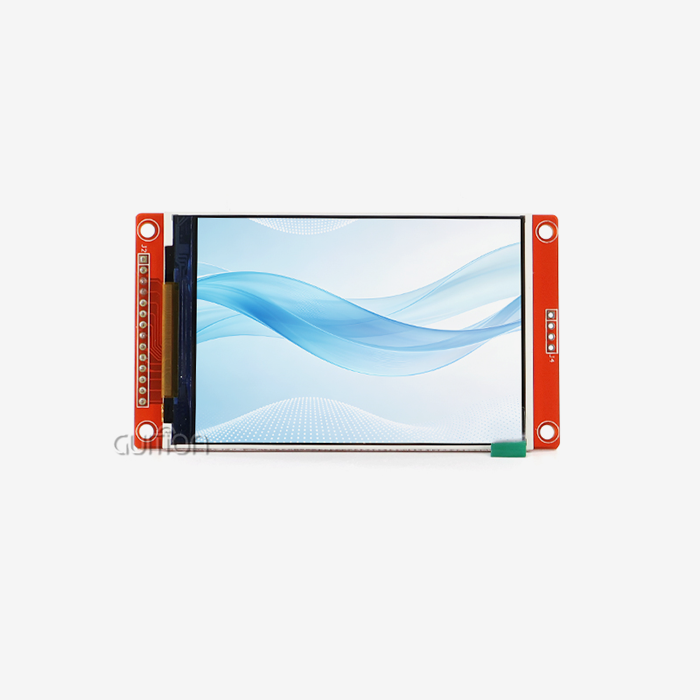
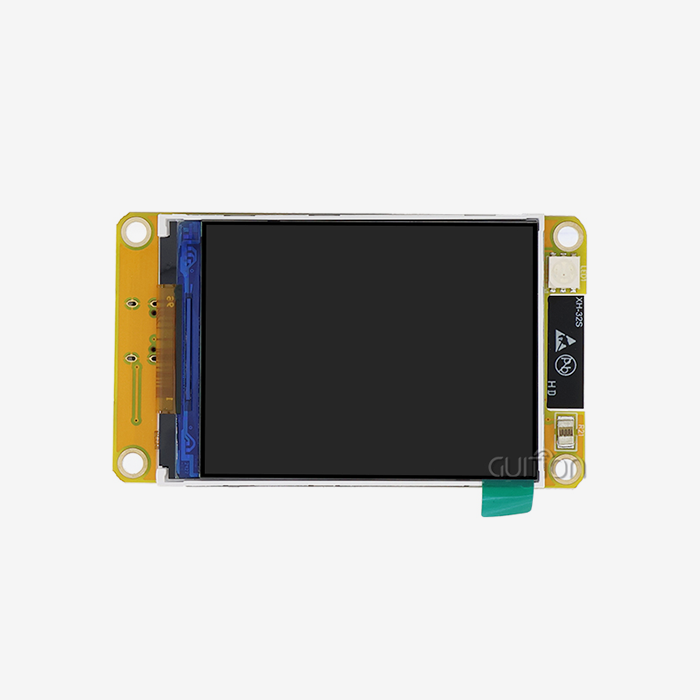
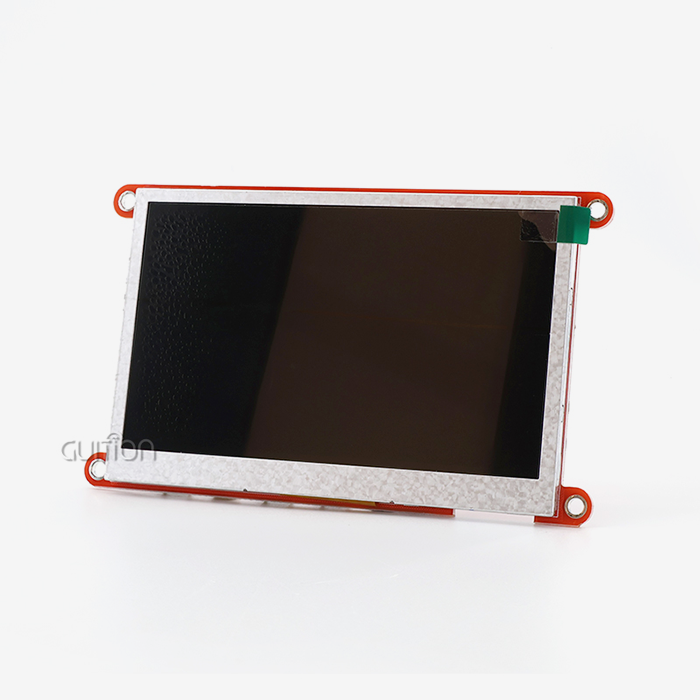
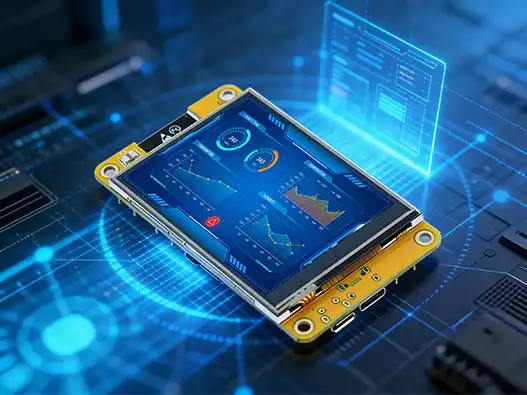
A 2.8-inch esp32 display module can significantly improve your user interface experience in IoT and industrial settings. The small size and strong ESP32 dual-core processing make the display very clear, the touch screen responsive, and the communication features smooth. This all-in-one solution turns complicated embedded system development into efficient processes that meet the high-performance standards needed by modern apps.
Introduction
The 2.8-inch ESP32 display module is becoming an important part of current apps, and embedded system UI design is changing quickly to keep up. There is more to this integration than just hardware convergence. It's a basic change toward intelligent, connected interface solutions that meet both user needs and technical powers.
Purchasing managers, system engineers, distributors, and original equipment manufacturers (OEMs) around the world are under more and more pressure to make goods that are both useful and easy to use. Choosing the right display technology directly affects how the product is differentiated, how long it takes to create, and where it stands in the market in the long run. To stay ahead of the competition in industries that are changing quickly, it's important to understand how small display options can improve user interfaces.
There are more reasons why picking the right display technology is important than just the scientific details. Modern embedded apps need solutions that combine how well they look, how fast they run, how many ways they can join, and how quickly they can be built. This study looks at how combined ESP32 display units meet these many needs while also laying the groundwork for interface solutions that can be scaled up and will work in the future.
Understanding the 2.8 Inch ESP32 Display Module
Core Technical Architecture
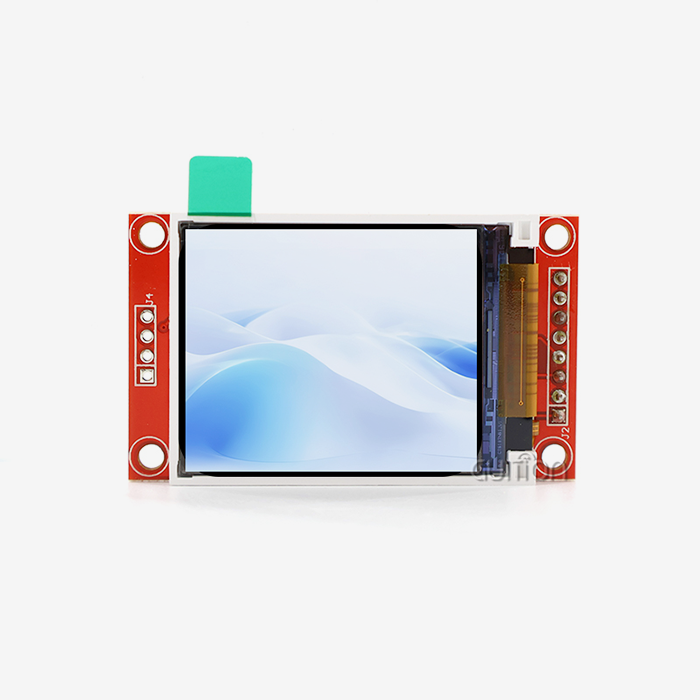
The technical base of ESP32-based display devices is their advanced ability to combine processing power with visible output. These units usually have TFT LCD technology with a size of 240x320, which gives clear images in small packages. The ESP32's dual-core design can run at speeds of up to 240MHz and has 520KB of SRAM and Flash setups that can go up to 4MB. This lets you easily switch between UI rendering and connection protocols.
Different systems have different ways of integrating the display driver. Some common controllers are the ILI9341 and ST7789V chips, which handle the transfer of pixel data through optimized SPI interfaces. Choosing between resistive and capacitive touch technologies has a big effect on how well users can interact with the device. For example, resistive versions like the XPT2046 work reliably in workplace settings, while capacitive versions are more sensitive for use in market settings.
Development Environment Compatibility
Modern ESP32 display modules are great at supporting development across multiple platforms, so they can work with a wide range of engineering tastes and existing processes. Integration with the Arduino IDE is still popular for fast development, while ESP-IDF gives full control for production-level uses. More compatibility with MicroPython and specific programming environments like Mixly makes it easier for teams with different levels of technical knowledge to use.
The availability of complete tools and instructions has a big effect on how quickly and easily things can be built. Well-supported modules come with a lot of example code, detailed datasheets, and busy community tools that help shorten the time it takes to apply. Open-source efforts keep adding new features. For example, graphics libraries like LVGL let you make complex user interfaces without having to know a lot about low-level code.
How the 2.8 Inch ESP32 Display Enhances UI Experience?
Superior Visual Performance Characteristics
When you look at quality ESP32 display panels next to other technologies, you can see how much better they look. With 65K color support, TFT implementation gives images more accurate colors, making them look polished in a range of lighting situations. Because the pixel density is designed for the 2.8-inch form factor, text, buttons, and graphics are all very easy to read without needing more screen space.
Brightness levels are usually between 250 and 350 nits, which is good for indoor use and controlled workplace settings. The built-in backlight control circuits allow adaptive brightness change, which keeps vision high and extends the battery life in handheld devices. Response times always reach the levels needed for smooth touch contact, getting rid of lag that hurts the user experience in time-sensitive situations.
Real-World Application Benefits
Industrial control panel examples show that adding an ESP32 display has real benefits. Manufacturers who use these units to keep an eye on their equipment say that the simple touch interfaces that replace complicated button arrays make operators more productive. The wireless connection lets you watch things from afar, which cuts down on the need for on-site repair and gives you real-time information about how things are running.
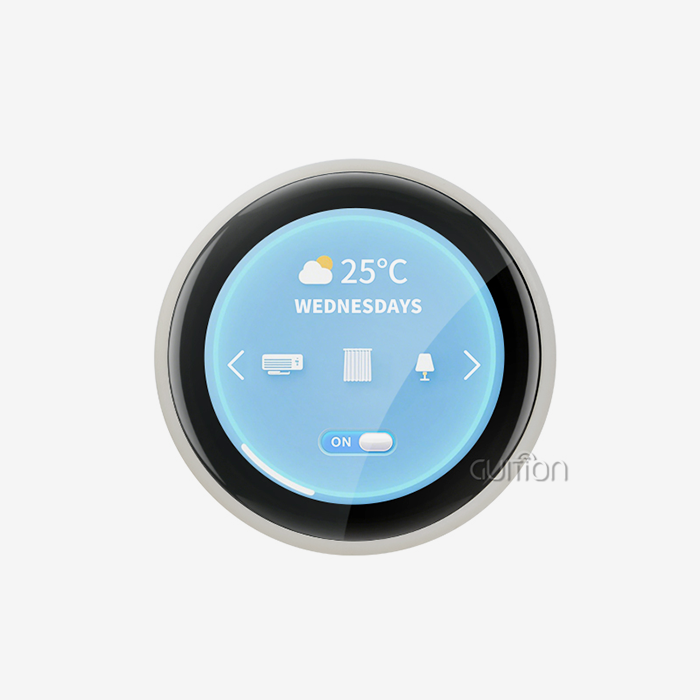
Smart home uses show how flexible small display options can be in everyday life. Home automation systems that are based on ESP32 displays let you handle all of your devices from one place using beautiful touch screens. The built-in Wi-Fi and Bluetooth make it easy to connect to smart home ecosystems that are already in place, and the small size makes it possible to put it in normal electrical box layouts.
ESP32 screens have been successfully used by medical device makers in portable diagnostic tools and systems for keeping an eye on patients. The processing power, visual clarity, and connectivity choices make it possible to visualize complex data while still meeting regulatory requirements. These examples show that the technology can meet strict speed and reliability standards in important applications.
Choosing the Right 2.8 Inch ESP32 Display Module for Your Project
Essential Evaluation Criteria
When choosing ESP32 display units for specific uses, procurement workers need to think about a number of things. Performance standards include not only the specs of the display, but also the processing power, memory sharing, and choices for adding peripherals. In industrial settings, longevity and temperature tolerance are often the most important factors. On the other hand, cost-effectiveness and good looks may be more important in market goods.
Suppliers' skills are judged on more than just the specifications of their products. They are also judged on the quality of their expert help, the completeness of their paperwork, and their promises of long-term availability. Reliable providers offer a wide range of development tools, quick expert help, and clear plans for how the product will change in the future. These things have a big effect on how often projects succeed and how much they cost to own over the course of a product's lifecycle.
Comparative Brand Analysis
The top ESP32 display module makers all have their own unique benefits that make their products better for different uses. Established providers, such as Waveshare, offer a lot of paperwork and a track record of reliability in a wide range of workplace settings. Their modules are often built to last and have all of their peripherals integrated, which makes them ideal for harsh operating conditions.
Adafruit focuses on making solutions that are easy for developers to use and has great community support and learning materials. Their method focuses on making things easy to use and quick prototypes, which makes it appealing to both startups and educational institutions. For teams that are new to ESP32 programming, the large library of tutorials and busy forum participation speed up the learning process.
New companies like LilyGO and MakerFocus are going after cost-conscious apps while still meeting performance standards. These choices are good for making a lot of market goods, where lowering the price is still very important. When procurement teams think about these options, they need to carefully look at long-term support agreements and product supply.
Procurement Best Practices and Where to Buy?
Strategic Sourcing Approaches
Procurement strategies for ESP32 display modules that work well balance several goals, such as lowering costs, keeping supplies safe, and giving customers access to expert help. When you buy in bulk, you can usually get big price cuts, faster customer service, and more customization choices. Having ties with several qualified providers makes the supply chain more stable and gives you more negotiating power.
Checking the licenses of suppliers is especially important for programs that need to follow rules. In controlled markets, quality management systems, environmental certifications, and approvals specific to the business all have a big effect on how well a product can sell. When they can, procurement teams should ask for specific certification paperwork and check out the sites of suppliers.
Supply Chain Considerations
When you're thinking about the global supply chain, you need to pay close attention to wait times, shipping processes, and regional availability. Markets for electronic parts have gaps and price changes that happen from time to time, which can affect project schedules and budgets. Keeping suppliers flexible and setting up backup stocks for important projects can help lower these risks.
Total purchase costs are affected by payment terms and currency issues, especially when buying from other countries. A lot of sellers have good terms for long-term users or people who promise to buy a lot. Learning about how prices change in different areas and how taxes affect them can help you make the best buying decisions in a variety of markets and project sizes.
Technical Support, Community, and Long-Term Value
Community Resources and Documentation
Long-term project success with a 2.8-inch ESP32 display module depends a lot on how strong the community support is. Active groups offer technical help, code examples, and creative application ideas that go beyond what is written in the manufacturer's instructions. Platforms like GitHub have large libraries and model projects that make the programming process go faster.
Firmware updates and driver maintenance make sure that the device stays compatible with changing security needs and development settings. Long-term help from suppliers means regular changes, security patches, and feature additions that keep the value of your investment safe. Most of the time, these continued improvements add new features without changing the hardware.
Investment Protection Strategies
Building internal knowledge through training and documents makes the system less reliant on outside help and allows for more complex customization. Teams that learn a lot about ESP32 design and how to integrate displays can improve speed, fix problems on their own, and add custom features that meet the needs of a specific application.
Strategic relationships with suppliers and development service providers give you access to specialized knowledge while still keeping control of the project. These connections often give preferred help, early access to new goods, and chances to work together on development, all of which improve a company's place in target markets.
Conclusion
When you look at the 2.8-inch ESP32 display modules' technical skills, application benefits, and strategic value as a whole, it's easy to see how they change the UI experience. Modern embedded apps have a lot of complicated needs that these integrated solutions meet. They also make development faster and better, which makes investment choices worthwhile. The visual quality, processing power, and connecting choices work together to make a base for new interface designs that make users happier and help products stand out.
FAQ
What resolution and refresh rate specifications should I expect?
Most 2.8-inch ESP32 monitor units have a resolution of 240x320 pixels and refresh rates of more than 30 FPS when they are properly set up. The real speed relies on how complicated the graphics are and how much work needs to be done on the computer, but well-designed solutions make animations run smoothly and allow touch interactions that are responsive enough for professional use.
How do TFT and OLED technologies compare for brightness and durability?
2.8-inch ESP32 modules mostly use TFT technology because it is reliable and doesn't cost much. TFT screens usually have a brightness range of 250 to 350 nits and are very durable in commercial settings. OLED choices have better contrast, but they aren't used as much because they are more expensive and could burn in in static display situations.
Where can I source reliable suppliers for bulk orders with comprehensive technical support?
Digi-Key, Mouser, and other well-known distributors, as well as local electronics providers, offer dependable sources and expert help. When you work directly with a maker, you can often get better prices and help with your business needs. For mission-critical uses that need to be reliable for a long time, checking the supplier's certifications and help skills becomes very important.
Partner with Guition for Advanced ESP32 Display Solutions
With our full range of 2.8-inch ESP32 display module options, Guition is ready to change the way you create embedded user interfaces. Professional-level performance is provided by our ESP32-2432S028R model, which includes Wi-Fi, Bluetooth, and a touchscreen. It is backed by our own software tools and a lot of detailed documentation. As a reliable company that makes 2.8-inch ESP32 display modules, we offer full secondary development support, cross-platform compatibility, and quick prototyping tools that help you get your products to market faster while still ensuring they work well. Get in touch with our technical team at david@guition.com to learn more about how we can help your next project succeed with unique solutions, big discounts, and full support services.
References
1. Chen, L. & Martinez, R. (2023). "Embedded Display Technologies for IoT Applications: Performance Analysis and Selection Criteria." Journal of Embedded Systems Engineering, 15(3), 45-62.
2. Thompson, K. et al. (2024). "ESP32 Architecture and Display Integration: Technical Implementation Guidelines." IEEE Transactions on Industrial Electronics, 71(2), 234-248.
3. Rodriguez, M. & Kim, S. (2023). "Comparative Analysis of Touch Interface Technologies in Industrial Control Applications." International Conference on Human-Machine Interface Design, 112-128.
4. Anderson, P. & Liu, J. (2024). "Supply Chain Strategies for Electronic Component Procurement in Volatile Markets." Journal of Operations Management, 42(1), 78-95.
5. Williams, D. et al. (2023). "User Experience Optimization in Compact Display Systems: Case Studies and Best Practices." ACM Transactions on Computer-Human Interaction, 30(4), 156-174.
6. Foster, A. & Zhang, H. (2024). "Future Trends in Embedded Display Technology: Market Analysis and Technical Roadmaps." Electronics Industry Review, 28(2), 203-219.
Learn about our latest products and discounts through SMS or email