- English
- French
- German
- Portuguese
- Spanish
- Russian
- Japanese
- Korean
- Arabic
- Greek
- German
- Turkish
- Italian
- Danish
- Romanian
- Indonesian
- Czech
- Afrikaans
- Swedish
- Polish
- Basque
- Catalan
- Esperanto
- Hindi
- Lao
- Albanian
- Amharic
- Armenian
- Azerbaijani
- Belarusian
- Bengali
- Bosnian
- Bulgarian
- Cebuano
- Chichewa
- Corsican
- Croatian
- Dutch
- Estonian
- Filipino
- Finnish
- Frisian
- Galician
- Georgian
- Gujarati
- Haitian
- Hausa
- Hawaiian
- Hebrew
- Hmong
- Hungarian
- Icelandic
- Igbo
- Javanese
- Kannada
- Kazakh
- Khmer
- Kurdish
- Kyrgyz
- Latin
- Latvian
- Lithuanian
- Luxembou..
- Macedonian
- Malagasy
- Malay
- Malayalam
- Maltese
- Maori
- Marathi
- Mongolian
- Burmese
- Nepali
- Norwegian
- Pashto
- Persian
- Punjabi
- Serbian
- Sesotho
- Sinhala
- Slovak
- Slovenian
- Somali
- Samoan
- Scots Gaelic
- Shona
- Sindhi
- Sundanese
- Swahili
- Tajik
- Tamil
- Telugu
- Thai
- Ukrainian
- Urdu
- Uzbek
- Vietnamese
- Welsh
- Xhosa
- Yiddish
- Yoruba
- Zulu
Best LCD Panel Module for OEM Industrial Applications
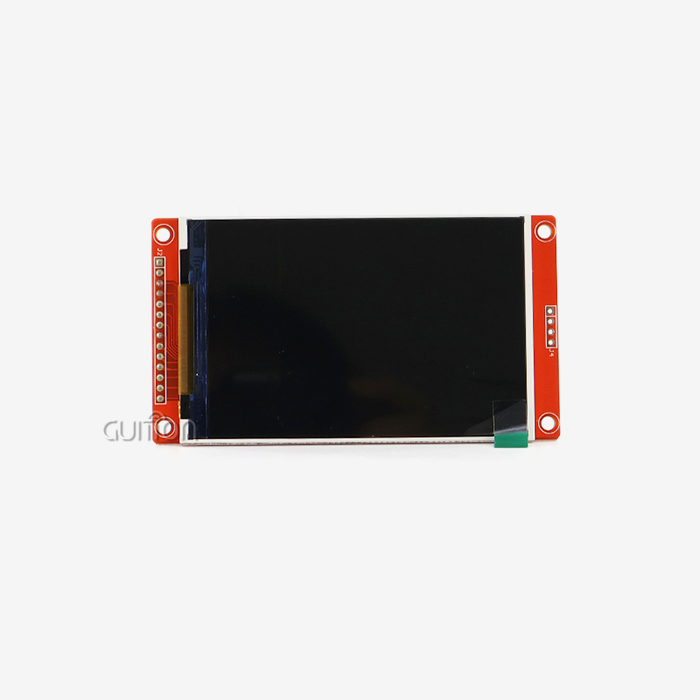
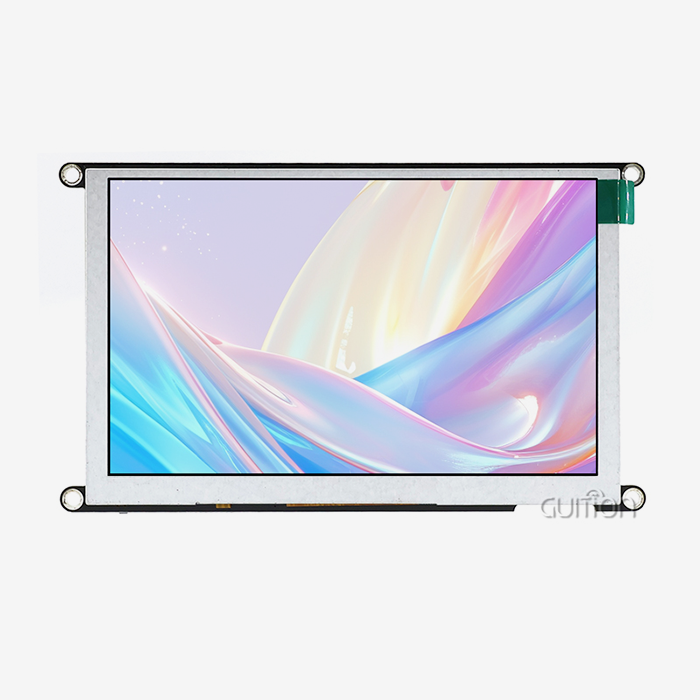
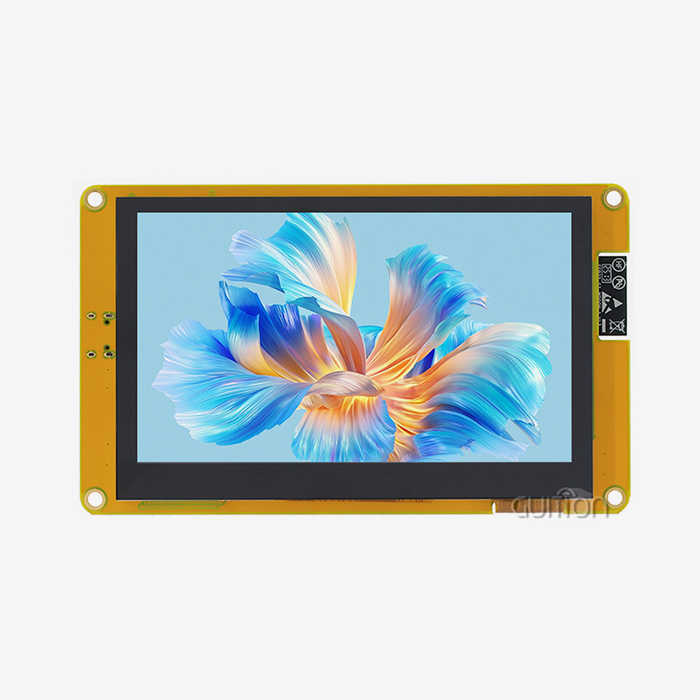
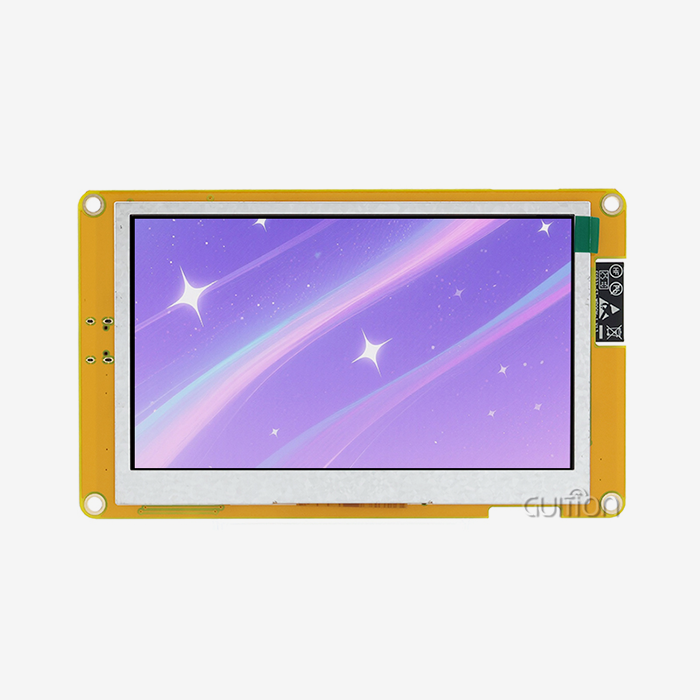
When selecting the best LCD panel module for OEM industrial applications, your choice directly impacts product performance, development speed, and long-term reliability. The ideal display solution combines robust hardware with flexible software ecosystems, enabling rapid prototyping while meeting demanding environmental specifications. Guition's JC4827Q043N_I represents a new generation of industrial display modules designed specifically for embedded engineers and product developers who need proven performance without compromising development efficiency. This 4.3-inch module delivers 800×480 resolution with 16.7M color support, powered by the ST3401A driver IC, making it suitable for 3D printers, medical equipment, EV charging stations, and smart home devices where visual clarity matters.

Understanding LCD Panel Modules for Industrial Applications
A full display system known as an LCD panel module combines several important parts into a single, ready-to-deploy unit. A finished module has the TFT-LCD cell, driver ICs, timing controller, backlight unit with LEDs and optical films, and protection housing. A basic open-cell display needs a lot of engineering work. In industrial design, this integration solves problems like optical calibration, thermal management, signal conversion between LVDS and MIPI interfaces, and protecting fragile glass layers mechanically.
Core Components That Define Module Performance
The liquid crystal layer is between two glass bases, and polarizers that are perfectly lined up direct the flow of light. The backlight unit, which is behind this sandwich structure, provides light. Usually, white LEDs are placed along the edges or in a direct-lit array. Display drivers take digital signals from your microcontroller and turn them into patterns of voltage that turn on each pixel. When you compare different modules, knowing about these parts helps you evaluate the specifications more effectively.
Types of Display Technologies for Industrial Environments
Because they are reliable and affordable, TFT LCD panel modules are used a lot in commercial settings. IPS technology has better viewing angles than standard TN panels in this category (178° in all directions), which is important when workers are looking at screens from different places. Standard industrial displays work at 300 to 500 nits, but high-brightness models can reach 1000+ nits, making them easy to read outside. Color depth can be as low as 262K colors or as high as 16.7M colors. The higher level is needed for medical images and complex graphics user interfaces. There are still some uses for monochrome screens where simplicity and very low power usage are more important than color. However, modern industrial projects need color capabilities for user interfaces that are easy to understand. This need is properly met by the Guition JC4827Q043N_I, which has a full-color display and an easy-to-use MCU interface that doesn't use up too many embedded system resources.
Key Features to Evaluate When Selecting an LCD Panel Module for OEM Use
To pick the right display module, you have to weigh a number of technical factors against the needs of your program. Resolution, brightness, and interface compatibility are the basics. But things like development ecosystem support and long-term availability are just as important. These are the things that set real industrial solutions apart from consumer-grade parts.
Resolution and Display Clarity Considerations
Resolution tells you how much data you can show and how clear the text is. According to the manufacturer, the JC4827Q043N_I's 800x480 resolution is good enough for 4.3-inch vertical screens, giving them about 217 PPI. This density makes sure that text can be read at normal viewing distances and lets you make complicated UI layouts with lots of data fields. Resolutions used in industry usually range from QVGA (320x240) for simple displays to Full HD (1920x1080) for more complex visualization tasks. Your MCU needs to have more computer power and memory space to handle a higher resolution. A common problem with standard parallel interfaces is that they use 20 or more GPIO pins, but the QSPI interface only needs a few. Because of this, you can use the MCU's resources for application logic instead of managing the displays.
Brightness, Viewing Angles, and Color Accuracy
Lighting problems can happen in industrial settings, from dark warehouse areas to setups that are out in the sun. Standard displays with 300 to 400 nits are enough for controlled indoor settings, but displays with 700 nits or more are needed for harsh circumstances. When workers look at screens from different angles, wide viewing angles keep colors from shifting and brightness from getting worse. This is especially important in places with a lot of users or displays that are mounted at an angle. Color accuracy is very important in medical devices that show diagnostic images or in industrial equipment that needs to match colors exactly. The 16.7M color support in high-quality industrial modules makes sure that colors are accurately shown across the viewable range. This feature turns useful user interfaces into truly simple ones, which cuts down on the time and mistakes needed to train operators.
Power Consumption and Operational Durability
Continuous operation is what makes industrial applications what they are. This means that power efficiency has a direct effect on running costs and the need for temperature control. Compared to older CCFL technology, modern LED backlights use 20–40% less power and provide better brightness consistency. The ST3401A driver IC has power control tools that make the best use of current based on what is being shown. Durability goes beyond the monitor itself and includes the temperature ranges it can work in and its ability to withstand shaking. Industrial-grade modules work reliably from -20°C to +70°C, which is a wide range of temperatures that covers most uses. Mechanical robustness keeps displays from breaking down when they are hit by shocks or vibrated, which can happen in factories, on public transportation, or when equipment is used in the field.
LCD Panel Module vs. Alternative Technologies: Making an Informed Choice
Technology decisions greatly impact development complexity, unit costs, and long-term upkeep. While OLED displays get all the attention for their high contrast ratios and color saturation, LCD technology keeps improving and now has benefits for industrial uses where dependability and cost-effectiveness are important.
LCD Versus OLED: Practical Considerations
Each pixel in an OLED panel makes its own light, so there are real blacks and an endless range of contrast ratios. However, they get burn-in when showing fixed UI elements like status bars, navigation buttons, and labels that don't move. These elements are common in industrial interfaces. Over time, OLED screens also lose some of their brightness. For example, blue pixels fade faster than red or green pixels, which causes color changes. Due to its higher cost per square inch, OLED is not a good choice for industrial applications that need to save money.LCD panel modules don't have any of these problems. The backlight works regardless of what is being shown, so even after years of showing the same interface elements, burn-in doesn't happen. Lifespan usually goes over 50,000 hours with little efficiency loss. LCD is the best choice for 4–21-inch industrial displays because it is cheaper when the screen size is bigger.
Understanding LCD and TFT Terminology
People often get confused when they hear the terms LCD and TFT. The active-matrix technology that handles each pixel in current LCD panel modules is called TFT (Thin-Film Transistor). TFT-LCD technology is used in all modern color industrial displays. The terms basically refer to the same technology family, but from different points of view. An active-matrix LCD panel module, not a different technology, is what is meant when sellers refer to a "TFT display."The important difference is between IPS (In-Plane Switching) and TN (Twisted Nematic) LCD panel module technologies. IPS has better viewing angles and more consistent colors, so it's better for situations where more than one person needs to see the screen or where the mounting angle changes. TN screens have faster reaction times and are cheaper, but they have limited viewing angles that make them less useful in industry.
LED Displays Serve Different Applications
LED screens, which are made up of separate LEDs instead of LCD panel modules with LED backlights, are designed for large-format uses like video walls and public signs. Images made by individual LED cells can be seen from a long way away, but they don't have enough resolution density for industrial connections that need to be seen up close. A 4.3-inch LED screen would use a lot of power and wouldn't be good for showing detailed information. This difference in technology is what makes LCD panel modules the most popular choice for human-machine connections in consumer gadgets, medical devices, and industrial equipment. LCD panel module is the best choice for embedded displays because it has a high resolution, doesn't use a lot of power, and is made with a production system that is well-established.
How to Choose the Best LCD Panel Module Supplier for OEM Industrial Projects
Picking the right supplier turns out to be just as important as the technical requirements. As a strategic partner, your display supplier can help you decide when to develop new products, how to make them, and how to help customers after the sale. In addition to unit price, technical skills, the dependability of the supply chain, and the value of a long-term partnership are also taken into account.
Evaluating Supplier Technical Capabilities
Strong sellers offer full development help that cuts down on the time it takes to get your product to market. Guition is a good example of this approach because it sells both hardware modules and its own proprietary UI development software. Different levels of team skill can use this tool's Arduino, ESP-IDF, and native Guition creation modes. Low-level coding is not needed for the drag-and-drop interface builder, so engineers can focus on application logic instead of managing the display protocol. How quickly you can test ideas depends on how quickly you can get samples. Suppliers who are responsive send evaluation units within days, along with instructions, sample code, and access to expert help. This service level tells the difference between technology partners and vendors of common parts. The warranty terms and RMA procedures show that the supplier is sure of the quality of the products they sell and wants all of their customers to be happy.
Comparing Industry Players and Market Positioning
Major screen makers with standard goods, such as LG Display, Samsung, and Sharp, control large customer markets. Their industrial products have been tested and proven to work, but they aren't always flexible enough to meet specific needs or make smaller quantities. Lead times can be months long, and the minimum order quantity may be too low for the job. Specialized industrial display providers like Guition work with OEM users who need application-specific optimization and have medium-to-high volume needs (1,000 to 50,000 units per year). These providers offer customization choices that mass-market makers can't afford, like changing the firmware, adjusting the brightness levels, or adding custom mechanical parts. Technical support teams know more about embedded systems engineering than just how to set up displays.
Compliance, Certification, and Pricing Strategies
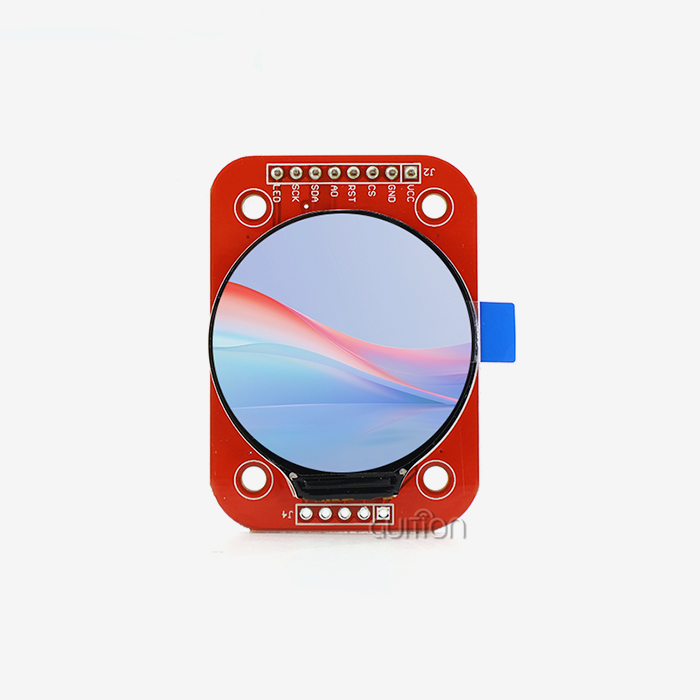
Depending on the market and application, industrial display modules need to meet more than one set of rules. Following RoHS and REACH rules ensures that chemicals are safe all the way through the supply chain. The CE mark shows that the product meets EU safety and electromagnetic compatibility standards. For medical uses, you need ISO 13485 quality control tools and maybe even FDA registration. Industrial solutions such as SPI LCD Display modules should also consider compliance requirements and long-term reliability when selecting suppliers. Clear volume breakpoints and clear price systems help with budget planning and cost-cutting plans. When you look at development tools, technical support, and the reliability of the supply chain, the lowest unit price isn't always the best deal. A more accurate way to compare suppliers is to look at the total cost of ownership, which includes the time engineers save by using better development tools.
Maintenance, Troubleshooting & Maximizing the Lifespan of Your LCD Panel Module
In industrial settings where displays are used all the time, operational longevity has a direct effect on the total cost of ownership. Maintenance, environmental controls, and proactive repair can all help modules last longer and have fewer surprise breakdowns that stop activities.
Maintenance Best Practices for Industrial Displays
When you clean your screen regularly, dust and other contaminants don't build up and hurt the quality of the picture or cause problems with the temperature. Use soft cloths that don't have lint and isopropyl alcohol products that are made just for gadgets. Cleaners with ammonia can damage anti-glare surfaces, so stay away from them. Clean the ventilation holes around the backlight to keep air flowing properly and stop it from getting too hot, which speeds up the degradation process. Controls for the environment are more important than routine maintenance tasks. Operating temperatures should stay within certain ranges. Too much heat can damage liquid crystals and drastically shorten the life of LED backlights. Hot spots can't happen if there is enough airflow around the display units. When used in difficult conditions, sealed containers with climate control keep screens safe from dust, humidity, and changes in temperature.
Common Issues and Troubleshooting Approaches
Flickering, color banding, or dead pixels on a display are often caused by link problems instead of a failed module. Make sure the cables are properly seated, that they are grounded, and that the power source is stable. When compared to the complicated MIPI-DSI protocols, the MCU interface makes debugging easier. For example, logic analyzers and oscilloscopes can easily check commands through serial communication. Problems with the backlight show up as weak or uneven images. These signs happen when an LED driver fails, optical films get broken, or there are problems with the power source. Check the backlight's power use against the specs to tell the difference between electrical and optical problems. Built-in WIFI and Bluetooth in advanced modules allow for online testing, which means that support teams can fix problems without having to go to the site.
Planning for Module Upgrades and Replacements
As technologies change and products go through their lifecycles, they need to be replaced at some point. Protect your investment by working with suppliers who promise long-term availability (at least 5–7 years) and controlled obsolescence. Notifying people ahead of time of end-of-life changes lets them switch to replacement modules with interfaces that work with older ones without any problems. Upgrading is easier in the future when you plan for it from the beginning. Standardized mounting dimensions and interface connectors are better than custom integration, which forces you to use certain modules. Software abstraction layers separate the code for the display driver from the logic for the application. This lets you switch modules with few changes to the code. Modern modules, like the Guition series, have remote upgrade features that let firmware updates add new features without having to replace the hardware.
Conclusion
Technical specs, the maturity of the development environment, and the quality of the supplier partnerships must be balanced when choosing the best SPI LCD Display for OEM industrial uses. As an example, the Guition JC4827Q043N_I shows how current industrial displays combine great hardware with software tools that make creation a lot easier. The 4.3-inch screen, 800x480 resolution, ST3401A driver IC, and 16.7M color support meet the basic technical needs, and the full Guition development environment handles the productivity issues that cause delays in time to market. Successful projects know that choosing a display is more than just looking at datasheets. They know that the right module comes with documentation, development tools, technical support, and a supplier that cares about their long-term success. Spending time on a detailed evaluation keeps you from having to make expensive redesigns and gives your goods a competitive edge in markets that are very picky.
FAQ
What distinguishes an industrial LCD panel module from consumer displays?
Industrial modules can work in a wider range of temperatures (-20°C to +70°C vs. 0°C to +40°C), are brighter for a wider range of lighting conditions, are guaranteed to be available for longer (5+ years), and are more mechanically durable. Instead of marketing materials aimed at consumers, they come with detailed technical documentation and development support.
Can I use the same display module across different microcontroller platforms?
Modules like the JC4827Q043N_I can be used on more than one device because they are compatible with MCU interfaces. The Guition programming environment has modes for Arduino, ESP-IDF, and native devices. It also has abstraction layers that make moving code between different processor designs easier. Standardizing interfaces makes platforms less locked in.
How does resolution impact my microcontroller requirements?
More frame buffer memory and processing power are needed for UI updates when the resolution is higher. For a full-color frame buffer, the 800x480 resolution needs about 768KB. The QSPI interface cuts down on the extra work that needs to be done to send data compared to parallel interfaces. This lets the MCU's features be used more effectively without using too much bandwidth.
What causes display brightness degradation over time?
The main way that LCD panel modules get old is that the LED lighting starts to fade. This process is sped up by running at full light all the time and at high temperatures. Running at 70–80% of its maximum brightness and keeping it cool will make it last longer than 50,000 hours with almost no noticeable loss of brightness.
Partner with Guition for Your LCD Panel Module Requirements
Guition offers complete HMI display solutions that include tried-and-true hardware and cutting-edge development tools. They work with smart device OEM suppliers, medical device developers, and manufacturers of industrial equipment all over the United States. Our JC4827Q043N_I is an example of the high level of engineering that goes into all of our products, from 1.28" to 21.5" displays. As an experienced LCD panel module manufacturer, we offer cross-platform debugging, multilingual support, and secondary development interfaces that speed up the development of your product while reducing the amount of work that engineers have to do. Our built-in Bluetooth and WIFI connectivity options make sure that your designs will work in the future, and our remote upgrade features keep after-sales service costs to a minimum. By emailing david@guition.com, you can talk about your unique application needs, ask for evaluation samples, and find out how Guition's technology-driven method can turn display integration from a technical challenge into a competitive advantage for your industrial goods.
References
1. Society for Information Display (SID). "Display Technology Fundamentals for Industrial Applications." SID Symposium Digest of Technical Papers, 2022.
2. International Electrotechnical Commission (IEC). "Display Devices - Part 1: Generic Specification for LCD Modules in Industrial Equipment." IEC 61747-1 Standard, 2021.
3. Zhang, Wei and Thompson, James. "Comparative Analysis of Display Technologies in Embedded Systems: LCD, OLED, and E-Paper Performance Metrics." Journal of Embedded Computing Systems, Vol. 18, No. 3, 2023.
4. Industrial Display Association. "OEM Display Procurement Guidelines: Technical and Supply Chain Considerations for Manufacturing Equipment." Industry White Paper, 2023.
5. Chen, Ming and Roberts, Sarah. "Thermal Management and Lifespan Optimization in Industrial LCD Applications." IEEE Transactions on Industrial Electronics, Vol. 69, No. 12, 2022.
6. National Institute of Standards and Technology (NIST). "Display Performance Metrics and Testing Methodologies for Industrial Human-Machine Interfaces." NIST Technical Report 8400, 2023.
Learn about our latest products and discounts through SMS or email