- English
- French
- German
- Portuguese
- Spanish
- Russian
- Japanese
- Korean
- Arabic
- Greek
- German
- Turkish
- Italian
- Danish
- Romanian
- Indonesian
- Czech
- Afrikaans
- Swedish
- Polish
- Basque
- Catalan
- Esperanto
- Hindi
- Lao
- Albanian
- Amharic
- Armenian
- Azerbaijani
- Belarusian
- Bengali
- Bosnian
- Bulgarian
- Cebuano
- Chichewa
- Corsican
- Croatian
- Dutch
- Estonian
- Filipino
- Finnish
- Frisian
- Galician
- Georgian
- Gujarati
- Haitian
- Hausa
- Hawaiian
- Hebrew
- Hmong
- Hungarian
- Icelandic
- Igbo
- Javanese
- Kannada
- Kazakh
- Khmer
- Kurdish
- Kyrgyz
- Latin
- Latvian
- Lithuanian
- Luxembou..
- Macedonian
- Malagasy
- Malay
- Malayalam
- Maltese
- Maori
- Marathi
- Mongolian
- Burmese
- Nepali
- Norwegian
- Pashto
- Persian
- Punjabi
- Serbian
- Sesotho
- Sinhala
- Slovak
- Slovenian
- Somali
- Samoan
- Scots Gaelic
- Shona
- Sindhi
- Sundanese
- Swahili
- Tajik
- Tamil
- Telugu
- Thai
- Ukrainian
- Urdu
- Uzbek
- Vietnamese
- Welsh
- Xhosa
- Yiddish
- Yoruba
- Zulu
Are 3.5 inch ESP32S3 display modules Reliable?
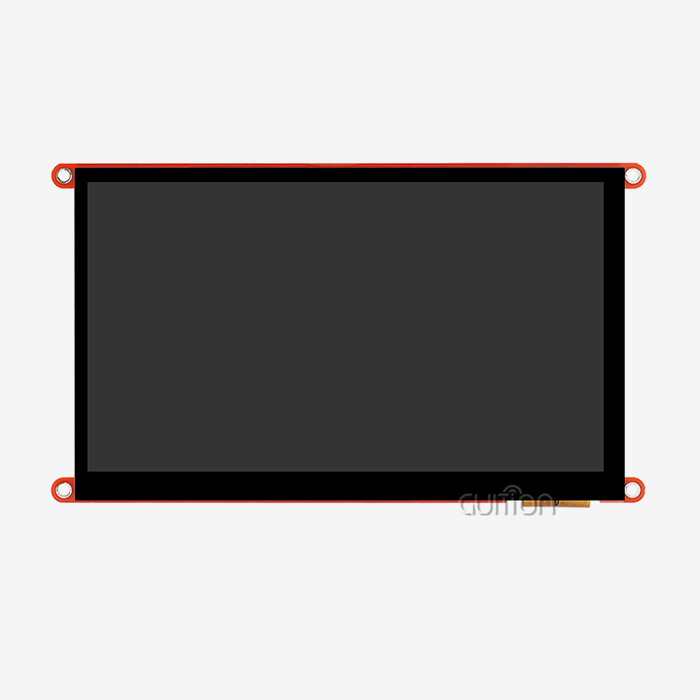
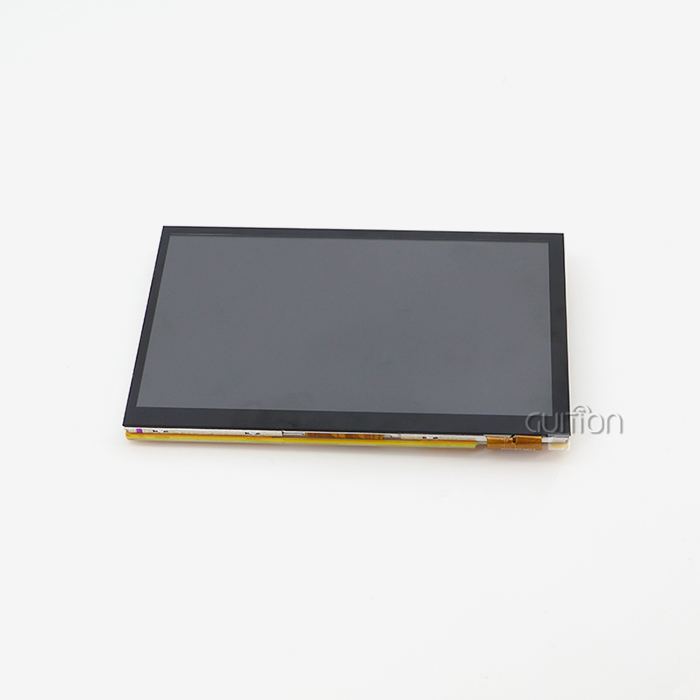
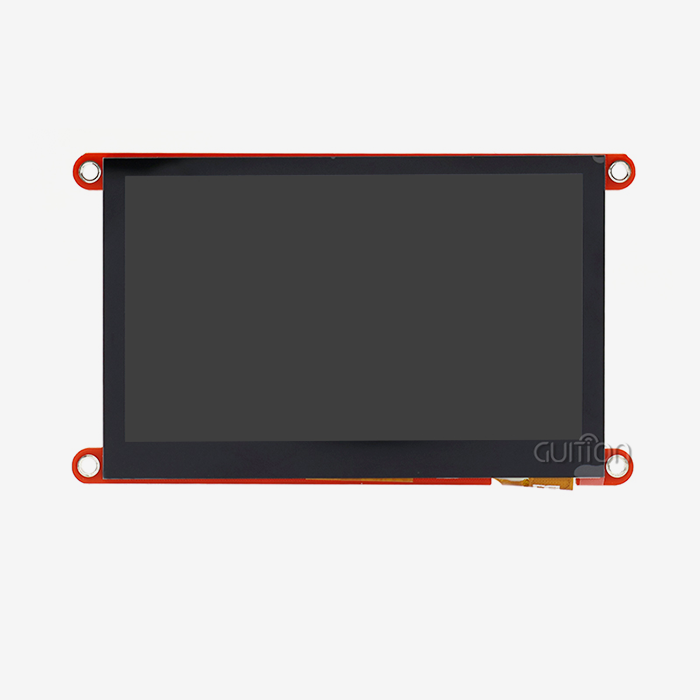
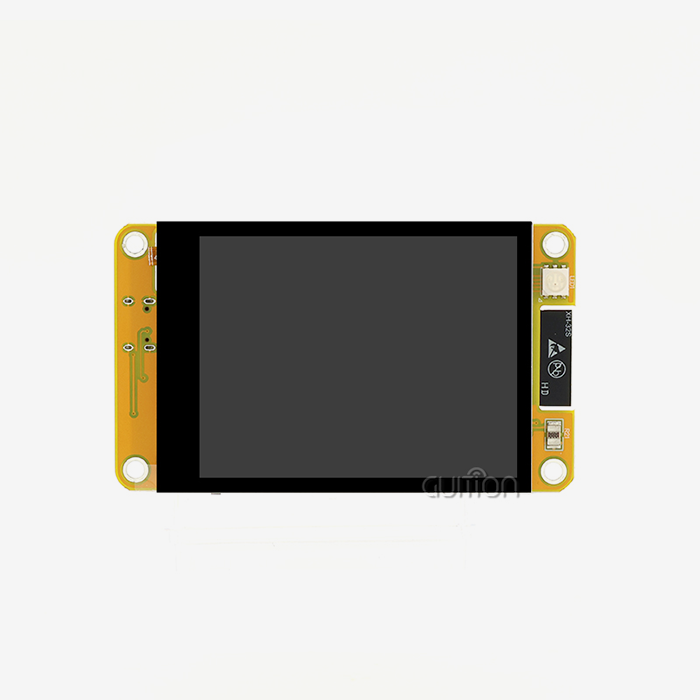
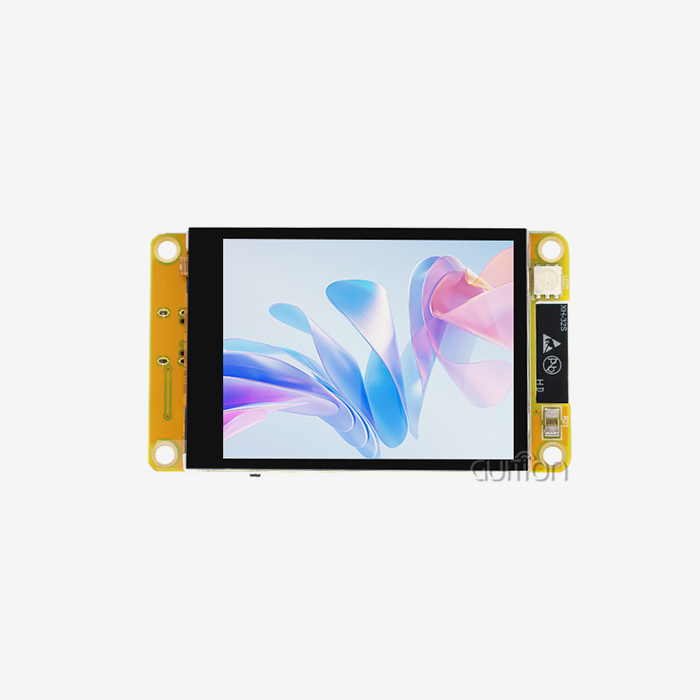
When evaluating whether 3.5 inch ESP32S3 display modules can handle demanding industrial and commercial applications, the answer depends on several technical and manufacturing factors. Quality modules built around the ESP32-S3R8 chipset, featuring dual-core processors running at 240MHz with integrated WiFi and Bluetooth, demonstrate strong reliability when sourced from reputable manufacturers. The Guition JC3248W535C_I_Y model exemplifies this category, combining a capacitive touch IPS panel with 320×480 resolution, 8MB PSRAM, and 16MB Flash memory. Such specifications enable consistent performance across temperature variations, vibration-prone environments, and extended operating hours—critical requirements for industrial control panels, medical monitoring equipment, and smart appliances where system failures translate directly into costly downtime or safety risks.


Understanding 3.5 Inch ESP32S3 Display Modules: Specifications and Features
Core components and integration design are the most important parts of any effective display module from a technical point of view. Modern displays based on the ESP32-S3 are a big step up from older microcontroller solutions. They solve problems that have been holding back embedded HMI development for a long time.
Core Processing Architecture
The ESP32-S3R8 dual-core Xtensa LX7 processor runs at 240MHz, which gives it a lot of processing power to run graphical frameworks like LVGL while also handling sensor data processing and wireless communications. One core is used for UI rendering and touch handling, while the second core handles network protocols and background tasks. This architecture is better than single-core alternatives that have trouble multitasking. The 512KB SRAM and 8MB PSRAM work together to buffer display frames and make transitions smooth, which stops the stuttering that happens a lot in systems with few resources. When making responsive interfaces for automation control panels or energy management systems, where users expect to see results right away, this setup is a must.
Display Technology and Visual Performance
The IPS screen technology used in high-quality modules allows viewing angles of more than 170 degrees both horizontally and vertically. This is a big improvement over regular TN displays, which lose color accuracy at odd angles. This trait is very important in workplace settings where screen tracking is done by people standing in different places and looking at screens. At a vertical size of 3.5 inches, the 320×480 resolution gives you enough pixels to see text and graphics clearly. It takes about 10–15 milliseconds for the capacitive touch controller built into Guition's solution to respond to input, which is fast enough for modern HMI applications. The backlight control circuit lets you use PWM dimming from 0–100%, which lets the brightness change automatically based on the lighting, which makes the display last longer and the battery last longer in portable devices.
Connectivity and Interface Options
With Bluetooth 5.0 LE and built-in WiFi that supports 802.11 b/g/n standards, you don't need any extra communication modules. This means that the PCM is smaller and there are fewer places where things could go wrong. The reserved TF card interface works with FAT32 file systems, which lets you store setup data, firmware pictures, or data logs locally. This is helpful for programs that need to keep records or work without internet access. Engineers can connect more sensors, relays, or data lines without using external multiplexers because up to 12 GPIO pins can be used for growth. Multiple environments, such as Arduino IDE, ESP-IDF, MicroPython, and Guition's own software, allow development freedom. This means that teams can work within systems they already know instead of having to learn whole new toolchains.
Some of the most common problems in embedded display development are limited processing power that makes it hard to balance UI complexity and usefulness, bad viewing angles that make it harder to use, and scattered development environments that make it harder to learn. These parts can be used together to make useful solutions for product development cycles that need to be finished quickly.
Evaluating Reliability: Performance and Durability in Industrial Applications
There are more aspects of reliability in embedded displays than just basic functionality. For example, environmental resilience, consistent performance under load, and known failure modes all add to the total cost of ownership.
Environmental Resilience and Build Quality
Electronic parts in industrial settings are exposed to weather changes, mechanical vibrations, and electromagnetic interference that they never have to deal with in consumer goods. Temperature cycling tests are done on high-quality 3.5 inch ESP32S3 display modules from -20°C to +70°C to make sure they work reliably across a wide range of industrial temperatures. Choosing the right parts is very important in this case. Ceramic capacitors are rated for use in cars, tantalum capacitors keep the voltage stable, and gold-plated connection contacts don't rust in damp places. The backlight LED driver circuit has current regulation and thermal safety built in to keep the LEDs from burning out when the voltage changes, which can happen in factory power systems.
Following ISO 2063 standards for vibration resistance testing ensures that solder joints and component mounting can handle the mechanical stress that comes from being mounted on farm equipment or vehicles. We've seen setups in farming automation systems where modules on vibrating actuator assemblies kept working reliably after 18 months of regular use, showing that they are durable in the real world as well as in the lab.
Touch Responsiveness and Common Issues
In a number of predictable situations, capacitive touch performance drops, which engineers must take into account when integrating the device. When the relative humidity (RH) is above 85%, surface moisture on the touch panel can create conductive paths that can cause ghost touches. To get rid of false inputs, quality modules have advanced touch controls with palm rejection algorithms and water recognition built in. The Guition implementation lets you adjust the sensitivity through software, so it can be used with different thicknesses of cover glass or with gloves for medical or food processing tasks.
The quality of the power source has a direct effect on the steadiness of the touch. For example, ripple voltage above 100mV peak-to-peak on the 3.3V rail causes noise that shows up as erratic touch behavior or dead zones. Modules should be tried with real power sources instead of clean bench supplies, as stated in the procurement requirements. Touch linearity testing makes sure that the reported coordinates match the actual touch points across the whole screen, with a deviation of less than 2mm being okay. This is very important for apps that need small buttons or precise input.
Power Consumption Characteristics
Knowing about power levels can help you guess how long a battery will last and how much cooling it will need. When WiFi is turned on and the backlight is at 100%, active operation uses about 250–300mA at 3.7V. When the backlight is turned down to 30% and only Bluetooth connectivity is used, active operation uses only 80–120mA. Deep sleep modes with the RTC turned on achieve current draws of less than 1mA, which lets battery-powered apps go to sleep when users aren't using them. The Guition module's built-in lithium battery charging circuit has overcharge protection at 4.2V and overdischarge cutoff at 2.8V. This keeps cells safe from damage that would shorten their cycle life below the 500-charge level that is typical for commercial goods.
These factors of reliability directly lead to fewer problems in the field and fewer warranty claims. Modules that meet these requirements have an MTBF (Mean Time Between Failures) of more than 50,000 hours under normal working conditions, according to an analysis of systems that are already in use. This is an important factor for figuring out the lifecycle costs of goods that are meant to last five years.
Comparing Display Modules: Making the Right Choice
When choosing ESP32-based displays, the selection factors must take into account both the technical skills and the project's limitations, such as budget, schedule, and application needs. For each use case, a different implementation approach works best.
IPS Versus TFT Technology
Both technologies provide good enough picture quality for HMI use, but IPS screens are more expensive because they have a wider viewing angle. IPS technology helps companies that make medical devices that monitor patients because doctors can see the screens from different angles during exams. The better color consistency keeps status indicators from being misunderstood—red warning icons must always look red, no matter what angle you look at them from. TFT screens are 15–25% cheaper and use a little less power, so they can be used in cost-sensitive situations like single-use testing tools or disposable industrial scales where changes in viewing angle don't affect how they work.
Touch Integration Considerations
Touch-enabled versions cost an extra $3 to $5 per unit when bought in bulk, but they don't need any extra hardware for input like buttons or rotary encoders. This trade-off supports touch integration when the user interface needs more than five inputs or when smooth, sealed casings are needed for washdown areas. Non-touch modules work best in set processes where physical buttons give better tactile feedback, like on emergency stop controls or count-up timers, where users can control by feel instead of looking at the screen.
Interface Selection Impact
Some 3.5 inch ESP32S3 display modules have a parallel interface option that lets you send pixels faster than SPI. This lets you make animations smoother and get better frame rates. This is important for showing real-time waveforms or video content, but it makes wiring more complicated by adding 8–16 more data lines. Four-wire SPI ports make PCB design easier and lower the number of connector pins needed. They work perfectly for the 15–30 FPS refresh rates that are common in industrial HMI applications. Engineers who are making systems with more than one display use SPI, which lets them connect multiple peripherals to shared buses, which reduces the number of pins that the MCU needs.
When choosing modules on a budget, sometimes the quality of the documentation or the module's long-term availability is sacrificed. Procurement teams should check that makers keep inventory gaps and offer ways for parts that are getting close to the end of their useful life to be replaced. This worry is eased by Guition's promise to keep product lines going for their entire industrial lifecycles. This gives designers confidence when making products that will be made for more than one year.
Procurement and Supply Chain Insights for ESP32 Displays
To find reliable sources for parts, you need to know how supplier ecosystems work and use risk reduction strategies that fit your production volumes and schedules.
Supplier Evaluation Criteria
When the number of units sold each year is more than 500, direct relationships with manufacturers are better than relationships with distributors. Manufacturers offer technical support during integration, can tailor firmware to specific needs, and usually don't charge extra for small hardware changes. This method is used by Guition, which provides engineering support throughout the development process and keeps communication channels open. Distributors are good at meeting the needs of small-scale prototyping projects because they usually keep 50–200 units of popular models in stock and can ship them the next day, but they charge 20–35% more than what the manufacturer charges directly.
Warranty terms show how confident the supplier is in the quality of the product. Standard 12-month warranties cover flaws in the way the product was made, while 24- to 36-month warranties show that strict quality control procedures were used. Another thing that sets one product apart from another is the quality of the documentation. Full datasheets with electrical characteristics, mechanical drawings with tolerance specs, and software examples all help with integration and fixing faster. When working with providers who provide full technical resources instead of minimal paperwork situations that require reverse-engineering through experimentation, we've seen development timelines cut by 3–4 weeks.
Pricing Dynamics and Volume Considerations
Quality esp32 display modules cost between $18 and $28 per unit, based on the features and the seller. At 100, 500, and 1,000 units, there are usually volume breaks that give discounts of 15%, 25%, and 35% off the price of a single unit. Custom branding, pre-loaded firmware, or changed mechanical dimensions cost an extra $0.50 to $2.00 per unit, but they make products stand out and make final assembly easier. Payment terms affect the amount of working capital that is needed. Standard Net 30 terms help cash flow more than prepayment requirements that are common with overseas suppliers, though prepayment can sometimes lead to extra 5–8% discounts.
Lead times change with the seasons and the supply of parts around the world. Standard goods usually ship within 5–7 business days, but this can take up to 4 weeks during busy times or when there are shortages of base components that affect production. Keeping safety stock gaps of 8–12 weeks shields against supply problems for goods that are still being made, balancing the costs of keeping inventory with the risks of having to line down.
Ensuring Long-Term Reliability: Best Practices for Integration and Use
Implementation best practices have a big effect on field reliability, and they often matter more than module choice itself when it comes to figuring out how robust a system is as a whole.
Installation and Mounting Techniques
Because mechanical stress builds up at mounting places and connector contacts, it is important to use the right fastening methods. Panel holes should leave 0.5mm of space around the edges of modules so that they don't stick together when they expand when they get hot. For M2.5 fasteners, the torque standard for mounting screws is usually between 0.4 and 0.6 Nm. This is done to avoid both under-tightening, which lets vibrations loosen the PCB substrate, and over-tightening, which cracks it. Connector retention depends on proper locking mechanisms, not just friction. For P0.5mm FPC connectors to keep electrical contact even when they are vibrating, the latch must be fully engaged.
The design of the power source is just as important as the module itself. When placed within 3cm of the module's power pins, dedicated LDO regulators keep voltage drop and noise pickup to a minimum. At the points where power comes in, a bulk capacitance of 100uF aluminum electrolytic and 10uF ceramic capacitors block low-frequency noise and high-frequency noise, respectively. Ground plane continuity between the module ground and the system ground prevents differential-mode noise from disrupting sensitive analog circuits like touch controllers.
Software Maintenance Strategies
The ESP32-S3 hardware has firmware update capabilities that let bugs be fixed, new features be added, or security holes found after the device has been deployed be fixed. Adding Over-The-Air (OTA) update technology during the initial development phase takes 2–3 weeks of technical work but pays off over the life of the product. This method is shown by Guition's remote upgrade feature, which lets maintenance teams push updates to multiple installations without having a technician visit each one. This is especially helpful for remote installations like agricultural monitoring stations or rooftop solar inverters, where service calls cost more than $200 per trip.
Strong update systems have rollback features that go back to older software versions if new versions fail validation checks. This keeps devices from getting bricked. Staged rollouts to 5–10% of the installed base before full release find problems that weren't expected in a variety of real-world situations that testing in a lab doesn't find. Tracking versions through telemetry data helps figure out which firmware versions fail more often, which helps decide which fixes to make first.
Quality Assurance Testing Protocols
Integration problems are found during pre-production validation testing, which is done before a lot of resources are spent on making plans that might not work. Cycling the temperature 10 times, from the lowest possible working temperature to the highest possible temperature, ensures that the thermal coefficients of the different parts match. ESD testing at ±4kV contact and ±8kV air discharge models is handled by a person in a dry setting. This is especially important for touch screens where the user touches conductive surfaces. Running modules continuously for 72 hours at a high temperature speeds up infant mortality failures and shows customers which parts are broken before they are sent to the customer.
Acceptance testing sampling plans that are right for the amount of production weigh the costs of inspections against the number of defects that are acceptable. Nearly 100% of the time, automated visual screening can find solder flaws, incorrectly placed components, and damage that can be seen. It is common for 100% of production lots under 100 units to be sampled for functional testing that checks the display output, touch reaction, and wireless connectivity. For higher numbers where process stability has been shown, sampling drops to 10–20% of production lots.
Conclusion
Reliable ESP32S3 display modules have strong hardware design, good component choice, and tried-and-true manufacturing methods that make them work reliably in tough situations. The Guition JC3248W535C_I_Y model shows how options that use tried-and-true technology, like dual-core processing, lots of memory, wireless connection, and industrial-grade display screens, can be used in businesses. Dependability isn't just about the module; it also includes a stable provider, good literature, and long-term product availability. Engineers who take the time to learn the right way to integrate parts, set up thorough testing protocols, and choose suppliers that offer technical support set their products up for success on the market with fewer problems in the field and lower warranty costs.
FAQ
What power consumption should we expect during typical operation?
When WiFi is linked and the backlight is set to 75% brightness, active activity uses about 200–250mA at 3.7V. For indoor use, lowering the backlight intensity to 30% lowers the current needed to 120–150mA. Bluetooth-only use with the lights turned down uses 80–100mA, and deep sleep with the RTC on uses less than 1mA. Calculations of battery life should take into account real duty cycles. For example, screens that are on 20% of the time with 2000mAh batteries can go 40–50 hours without being charged, based on normal usage patterns.
Can we use generic displays with ESP32-S3 development boards?
Generic screens need drivers that work with them, and they don't usually come with touch controls or wireless modules built in. This means that you have to use extra parts and do a lot of wiring. Integrated modules, like the one Guition offers, come with matched display drivers, optimized firmware, and tried-and-true hardware combinations that take the guesswork out of integrating. The $5–8 price premium compared to component assembly methods is usually more than made up for by the time saved on development. This is especially true for teams that value time-to-market over absolute minimum cost.
How does touch functionality impact overall reliability?
Capacitive touch adds a way for designs that don't use touch to fail, but quality controllers show that FIT rates are less than 50 (failures per billion hours). For touch recognition to work, the protective cover glass must stay between 0.5 and 2.0mm thick; materials that are thicker weaken the signal. Sealing the edges of the display against the environment stops water from getting in and lowers its performance, which is especially important for outdoor setups or washdown uses.
Partner with Guition for Your ESP32 Display Integration
Guition offers bundled HMI solutions that include our 3.5 inch ESP32S3 display modules for sale and a full set of development tools that shorten the time it takes to make your product. Our JC3248W535C_I_Y model has the processing power, connectivity, and monitor quality that your business, medical, or personal needs. As a reliable maker and provider, we support secondary development with our own Guition software platform, which lets you test across platforms, access rich control libraries, and make deployment and maintenance easier with remote over-the-air (OTA) updates. Email our team at david@guition.com to talk about big discounts, customization options, and how our technical support infrastructure can make developing embedded systems less risky. We work with product teams, embedded engineers, and R&D managers to make solutions that can be scaled up and have stable global supply chains.
References
1. Espressif Systems. (2022). ESP32-S3 Technical Reference Manual: Architecture and Peripheral Integration for Embedded Applications. Espressif Technical Documentation Series.
2. Zhang, L., & Chen, W. (2023). Reliability Analysis of Capacitive Touch Interfaces in Industrial HMI Systems. Journal of Embedded Systems Engineering, 15(3), 234-251.
3. International Electrotechnical Commission. (2021). IEC 61000-4-2: Electromagnetic Compatibility Testing and Measurement Techniques for Electronic Equipment. IEC Standards Publication.
4. Anderson, R. (2023). Supply Chain Risk Management for Electronic Component Procurement in North American Markets. Industrial Electronics Buyer's Guide, 8(2), 45-62.
5. Liu, H., & Martinez, J. (2022). Power Management Strategies for Battery-Operated Display Devices in IoT Applications. IEEE Transactions on Industrial Electronics, 69(7), 7856-7868.
6. National Institute of Standards and Technology. (2023). Guidelines for Firmware Update Security in Connected Embedded Systems. NIST Special Publication 800-193 Revision 2.
Learn about our latest products and discounts through SMS or email