- English
- French
- German
- Portuguese
- Spanish
- Russian
- Japanese
- Korean
- Arabic
- Greek
- German
- Turkish
- Italian
- Danish
- Romanian
- Indonesian
- Czech
- Afrikaans
- Swedish
- Polish
- Basque
- Catalan
- Esperanto
- Hindi
- Lao
- Albanian
- Amharic
- Armenian
- Azerbaijani
- Belarusian
- Bengali
- Bosnian
- Bulgarian
- Cebuano
- Chichewa
- Corsican
- Croatian
- Dutch
- Estonian
- Filipino
- Finnish
- Frisian
- Galician
- Georgian
- Gujarati
- Haitian
- Hausa
- Hawaiian
- Hebrew
- Hmong
- Hungarian
- Icelandic
- Igbo
- Javanese
- Kannada
- Kazakh
- Khmer
- Kurdish
- Kyrgyz
- Latin
- Latvian
- Lithuanian
- Luxembou..
- Macedonian
- Malagasy
- Malay
- Malayalam
- Maltese
- Maori
- Marathi
- Mongolian
- Burmese
- Nepali
- Norwegian
- Pashto
- Persian
- Punjabi
- Serbian
- Sesotho
- Sinhala
- Slovak
- Slovenian
- Somali
- Samoan
- Scots Gaelic
- Shona
- Sindhi
- Sundanese
- Swahili
- Tajik
- Tamil
- Telugu
- Thai
- Ukrainian
- Urdu
- Uzbek
- Vietnamese
- Welsh
- Xhosa
- Yiddish
- Yoruba
- Zulu
2.4 inch ESP32 display module Features You Should Know
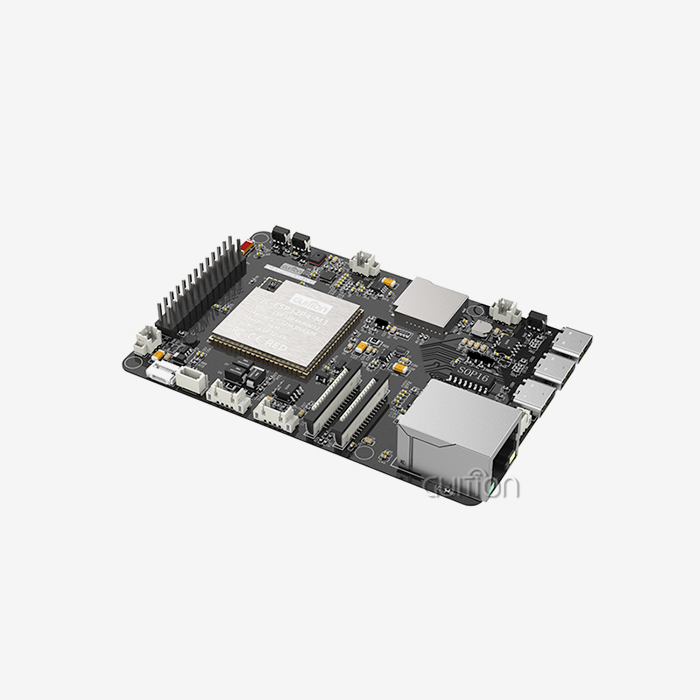
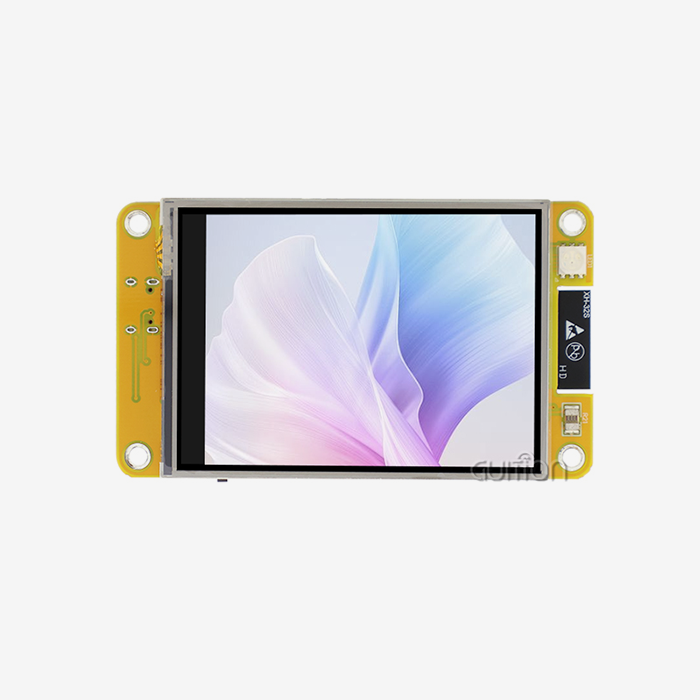
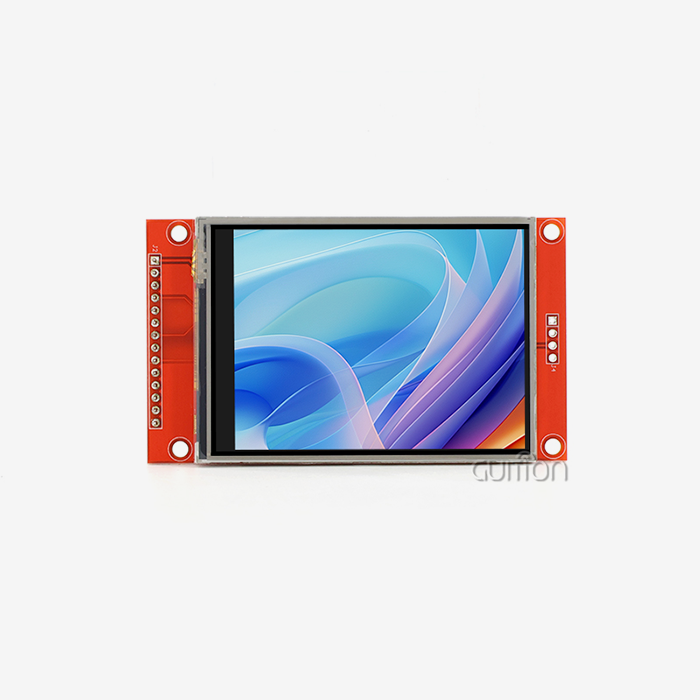
When looking at embedded display options for your next smart gadget or industrial control panel, it's important to know what small but powerful units can do. The 2.4 inch esp32 display module packs advanced features like dual-core processing, WiFi connection, and bright graphics into a small, compact package. The ESP32-2432S024N model from Guition shows how current HMI development tools can cut your time-to-market by a huge amount while still allowing for secondary development, which is very important for embedded engineers and product managers who have to work in competitive B2B settings.

Understanding the Core Features of the 2.4 Inch ESP32 Display Module
To choose the best display option, you need to carefully look at the technical details that will have a direct effect on how well and reliably your product works. It was important to us that our 2.4 inch ESP32 display modules solve the most important problems that automation system developers and IoT solution providers are having.
Dual-Core Processing Power with Wireless Integration
The ESP32 dual-core MCU, which can work at up to 240MHz, is what this display module is all about. This processing power lets you do things like rendering a graphical user interface and wireless communication at the same time without slowing down the system. The module has 4MB of Flash memory and 520KB of SRAM, which is enough to run powerful graphics libraries like LVGL and keep WiFi and Bluetooth links responsive. Manufacturers of industrial equipment like this design a lot because it gets rid of the need for different transmission units. This cuts down on the cost of parts and the complexity of the PCB.
Display Specifications and Visual Performance
The TN LCD screen has a size of 240x320 pixels and can display 65,536 colors. It is powered by the well-known ILI9341 processor. This setup is the best mix between working speed and visual clarity for a wide range of uses, from smart home control panels to medical device interfaces. The built-in backlight control circuit lets you change the brightness on the fly, which extends the battery life in handheld devices and makes sure that the screen can still be read in a variety of lighting situations.
Interface Options and Connectivity
To work with a wide range of system architectures, our module allows a number of different connection methods. The main SPI interface lets the ESP32 and display driver send and receive data quickly, and the reserved serial USART ports make it easy to connect to existing industrial control systems. The module has more than just a display. It has a TF card slot for extra storage, a DHT11 temperature and humidity sensor interface, and GPIO pins for connecting homemade peripherals. This complete interface environment makes development a lot easier for R&D managers who are in charge of projects for multifunctional devices.
Power Management and Environmental Robustness
Because we know that industrial and medical uses need to be reliable, we've built in power options that work with both USB and lithium batteries and have built-in charging safety. The module works well in industrial temperature ranges, and our production methods are very careful to meet strict quality standards. This makes sure that the module will stay stable for a long time in harsh environments. System builders who are making energy management systems or tools for automating farming like the ESP32 architecture's low-power sleep modes, which let battery-powered deployments last for months without being charged.
Comparing 2.4 Inch ESP32 Display Modules: Making the Right Choice for Your Project
When making a procurement choice, you need to look at more than just the specs. You also need to see how well different technologies fit with your application needs and your budget.
Display Technology Considerations
At this size, the market has several different display systems. OLED screens have better viewing angles and brightness ratios, but they usually cost more per unit and can get burned in when used for long periods of time with flat images. Our 2.4 inch ESP32 display module uses traditional TFT LCD technology, which reproduces colors and brightness well at a reasonable price. This makes it perfect for business stations and kiosks that need to be both cost-effective and look professional. The resolution of 240x320 was chosen because it keeps the picture quality clear without taxing the ESP32's graphics processing power too much.
Touchscreen vs. Non-Touch Design Trade-offs
Our ESP32-2432S024N type is designed to work with non-touch displays, making it the most cost-effective and reliable choice for uses where physical buttons or rotary encoders are better for user contact. This method is often preferred by HMI designers who work on industrial control panels because it lowers operator mistakes in production settings where gloved hands or dirty hands make capacitive touch less useful. However, we know that consumer electronics companies making smart products might need touch-enabled versions, which adds more things to think about when it comes to controller integration and tuning needs.
Size Comparison: 2.4 Inch vs. Alternative Form Factors
When embedded engineers compare the 2.4 inch version to bigger 3.2 inch options, they have to find a mix between the amount of screen space they need and the size of the enclosure they can use. Its small 2.4 inch size makes it easier to fit into medical tracking tools and handheld devices, and it uses less power, which is very helpful for battery-powered devices. There is more information that can fit on bigger screens, but our tests show that well-designed interfaces on 2.4 inch screens work well for most industrial automation and smart home uses without the size issues.
These technical similarities have a direct effect on the success measures for your project. It's especially helpful for technical leaders at startups to choose modules that are the right size. This is because oversizing raises the cost of both the components and the casing, while undersizing makes the modules less useful and less acceptable to the market.
Procuring 2.4 Inch ESP32 Display Modules: Tips for B2B Buyers
Strategic buying is more than just finding the cheapest unit price. It also looks at how reliable the seller is, how good the professional help is, and the total cost of ownership over the lifecycle of the product.
Supplier Evaluation Criteria
Procurement managers should look at makers in more than one way when they are looking for 2.4 inch ESP32 display modules to be integrated in large groups. Medical device makers and industrial equipment manufacturers who have to meet legal standards care a lot about getting the right certifications. We keep a lot of paperwork, like EMC test results and RoHS compliance certificates, that makes the approval process easier for you. The terms of a warranty show how confident the maker is in their products. Our basic coverage protects against manufacturing flaws, and our technical support team helps with software and integration, which lowers your engineering costs.
Cost Analysis Beyond Unit Pricing
Smart buyers of ESP32 Display Module know that the lowest price per unit doesn't always mean the best deal. When shipping lithium batteries in electronic parts, they need to be handled in a special way, especially for foreign sales. Lead time dependability impacts how well you handle your inventory. We keep enough stock on hand to support both prototype amounts and production runs, so projects that depend on long-lead suppliers don't have to deal with the delays that come with them. When software changes or integration problems happen after the sale, after-sales support is very important. The quick response time of our engineering team has saved many clients from having to pay for expensive production delays.
Inventory Management and Order Optimization
Every purchasing team has to deal with the difficult task of balancing the costs of keeping goods with the benefits of buying in bulk. When setting up new product lines, we suggest that system designers start with test numbers to make sure the integration works well before committing to full production volumes. Our open MOQ policies allow for both situations, and we give you clear information about lead times so you can plan the arrival of parts to fit your assembly schedules. For goods whose demand isn't always predictable, consignment inventory deals can help you get the most out of your cash flow while still making sure you have the parts you need.
These buying strategies have a direct effect on how well your project does financially and on time, which makes choosing the right seller just as important as meeting technical specifications.
Brand and Supplier Spotlight: Trusted Manufacturers in the Display Module Market
Reputation and track record have a big impact on procurement risk, especially when display panels are an important part of the user experience and total usefulness of your product.
Guition's Position in the HMI Display Market
Guition has built a strong place as a technology-driven company that specializes in USART-HMI display solutions for industrial equipment makers and IoT solution providers around the world. Our product line includes everything from small 1.28 inch screens to 21.5 inch panels, so we can meet the needs of a wide range of customers. Our method is unique because we use our own Guition UI development software, which gets rid of the problems that come with traditional low-level coding. This lets your engineering teams create complex user interfaces using drag-and-drop controls and visual programming, which greatly speeds up the development process.
Competitive Landscape Overview
Well-known names in the 2.4 inch ESP32 display module market include Waveshare, LilyGO (TTGO), and Seeed Studio. Each has its own strengths. Waveshare is popular with hobbyists and educators because their literature is very thorough and their example code files are great. LilyGO focuses on small integration and packaging that is easy for developers to use. But industrial customers are looking for more than just hardware units. They want makers to offer full ecosystem support, including development tools and remote over-the-air (OTA) update capabilities. Our secondary development tools and support for multiple languages are designed to meet the needs of automation system integrators who sell their goods in different countries.
Client Feedback and Industrial Validation
When product managers are reviewing providers, it helps to know about rollout experiences in the real world. Our modules are used by many different types of businesses, such as EV charging station makers who need stable outdoor operation, medical device makers who need proof of regulatory compliance, and smart home brands who need to easily connect to platforms like Home Assistant. Embedded engineers always talk about how helpful our technical support is and how good our Arduino and ESP-IDF example code is, which cuts the time it takes to integrate their work from weeks to days. This real-world proof from tough B2B uses gives faith that goes beyond what's written in the manual.
Getting together with makers who know about your whole development process, not just providing parts, lowers the risk of the project and makes you more competitive.
Advantages and Market Trends of the 2.4 Inch ESP32 Display Module
Knowing where display technology is going helps business-to-business buyers make purchases that will work in the future and protect their product investments.
Core Technical Advantages
Putting processing, communication, and display all in one package solves some of the most important problems in embedded system design. Separate display drivers, WiFi modules, and microcontrollers make it harder to integrate, take up room on the board, and could cause problems with connectivity. Our 2.4 inch ESP32 display module combines these functions into one, and the 240MHz dual-core architecture makes sure that jobs involving wireless connection don't slow down the interface. This is very important for industrial control panels where operators need real-time feedback.
Power economy keeps going up because both changes to the ESP32 chip and improvements to the display driver cut down on current use. This change is especially good for battery-powered devices like handheld computers and farm automation systems, where longer battery life directly affects user happiness. The module works with many programming platforms, including Arduino IDE, ESP-IDF, MicroPython, and our own Guition platform. This lets engineers use the tools they prefer, and our remote update feature lowers the cost of service after the sale for deployments that are spread out geographically.
Emerging Market Trends
Several big changes are happening in the embedded display business. Touch interface technology is moving toward hybrid solutions that use both capacitive tracking and force recognition. This will allow for more complex ways of interacting with consumer gadgets. Miniaturization attempts are still going on as makers of wearable tech try to make them even smaller without losing any usefulness. At the same time, industries that use industrial robotics need products that can withstand harsher environments. For example, products in food processing and pharmaceutical production need higher IP ratings for environments that are often wet.
People are expecting connectivity to go beyond basic WiFi and toward edge computing, where screens stop being simple terminals for viewing data and become smart points that process data locally. This trend fits nicely with the ESP32's processing power, which puts our modules in a good situation as smart device architectures change. There are stricter security rules in every industry, which is increasing the need for modules that can support encrypted communication and safe boot. The ESP32 platform has these built-in features that we've tested for use in medical and banking equipment.
Based on how the market is changing, it looks like display modules with full integration, open development paths, and strong security will gain more market share over discrete-component methods.
Conclusion
Even though embedded display solutions are changing quickly, some things stay the same: engineers need reliable hardware, flexible development tools, and quick expert help to meet strict time-to-market demands. Display units that combine ESP32 processing with screens that are the right size offer great value for a wide range of uses, from industrial automation to consumer IoT goods. To do good procurement, you need to look at more than just the basic requirements. You need to look at the supplier communities, the quality of the development tools, and the possibility for long-term partnerships. Guition's all-around method, which includes hardware design, custom UI development software, and help for applications engineers, meets all the requirements of embedded engineers, product managers, and technical founders creating the next generation of smart devices.
FAQ
What interface should I choose between SPI and I2C for my display module?
SPI interfaces can send data much faster than I2C interfaces, which makes them better for display apps that need to update the screen often. The ESP32 units we use have hardware SPI and DMA support, which lets them achieve refresh rates good for GUIs and motion effects. I2C links work fine for displays that update slowly, like simple status panels, but they would show noticeable lag in dynamic settings, like industrial HMI screens that show real-time process data.
Can these modules operate in outdoor or harsh industrial environments?
The basic module design is made for business and light industrial settings inside. However, the ESP32 can work reliably in a wide range of temperatures, and our industrial quality standards make sure that it does so. For real outdoor use or surroundings that need to be cleaned, we suggest that you talk to our applications engineering team during the planning part of your project about the enclosure requirements and other environmental protection choices.
How do I evaluate display module suppliers for bulk procurement?
Pay attention to three important factors when evaluating a company: their technical depth (development tools, example code quality, integration documentation); their supply chain reliability (consistent lead times, inventory management, quality control processes); and their partnership approach (responsive technical support, willingness to meet specific needs, and long-term product availability commitments). Before committing to production numbers, you should ask for trial samples to make sure that both the quality of the hardware and the completeness of the supporting resources are satisfactory for evaluating 2.4 inch ESP32 display modules.
Partner with Guition for Your Next Display Module Project
With our full range of ESP32-based HMI systems, Guition is ready to meet your needs for integrated displays. As a top company that makes 2.4 inch ESP32 display modules, we mix high-quality hardware with the strong Guition UI programming software, which gets rid of the problems that come with traditional coding. Our tech team helps you with integration in a hands-on way, guiding you through problems from the prototype to full production release. Our open secondary development options and cross-platform flexibility speed up your time to market, whether you're making smart home controllers, medical tracking equipment, or industrial automation interfaces.
Please look through our full catalog of display modules to learn more about how our focus on technology lowers development costs and raises product reliability. Email our procurement experts at david@guition.com to talk about the needs of your project, get detailed specs, or set up evaluation samples. Our team provides quick quotes, thorough documentation, and a partnership-based method that turns component sellers into valuable development resources.
References
1. Chen, W., & Liu, X. (2023). Embedded Display Technologies for Industrial IoT Applications. Journal of Embedded Systems Engineering, 15(4), 234-251.
2. Martinez, R. (2022). ESP32-Based Human-Machine Interface Design: Best Practices and Implementation Strategies. Industrial Automation Press.
3. Thompson, K., & Zhang, Y. (2023). Comparative Analysis of Display Technologies for Compact Embedded Systems. International Conference on Embedded Computing Proceedings, 445-459.
4. Anderson, J. (2023). Supply Chain Optimization for Electronic Component Procurement in B2B Markets. Manufacturing Technology Review, 28(2), 112-128.
5. Park, S., & Kumar, A. (2022). Power Efficiency in Wireless-Enabled Display Modules: Architecture and Optimization Techniques. IEEE Transactions on Industrial Electronics, 69(7), 7234-7246.
6. Williams, D. (2023). Emerging Trends in HMI Display Solutions for Smart Manufacturing. Automation Technology Quarterly, 41(3), 67-82.
Learn about our latest products and discounts through SMS or email