- English
- French
- German
- Portuguese
- Spanish
- Russian
- Japanese
- Korean
- Arabic
- Greek
- German
- Turkish
- Italian
- Danish
- Romanian
- Indonesian
- Czech
- Afrikaans
- Swedish
- Polish
- Basque
- Catalan
- Esperanto
- Hindi
- Lao
- Albanian
- Amharic
- Armenian
- Azerbaijani
- Belarusian
- Bengali
- Bosnian
- Bulgarian
- Cebuano
- Chichewa
- Corsican
- Croatian
- Dutch
- Estonian
- Filipino
- Finnish
- Frisian
- Galician
- Georgian
- Gujarati
- Haitian
- Hausa
- Hawaiian
- Hebrew
- Hmong
- Hungarian
- Icelandic
- Igbo
- Javanese
- Kannada
- Kazakh
- Khmer
- Kurdish
- Kyrgyz
- Latin
- Latvian
- Lithuanian
- Luxembou..
- Macedonian
- Malagasy
- Malay
- Malayalam
- Maltese
- Maori
- Marathi
- Mongolian
- Burmese
- Nepali
- Norwegian
- Pashto
- Persian
- Punjabi
- Serbian
- Sesotho
- Sinhala
- Slovak
- Slovenian
- Somali
- Samoan
- Scots Gaelic
- Shona
- Sindhi
- Sundanese
- Swahili
- Tajik
- Tamil
- Telugu
- Thai
- Ukrainian
- Urdu
- Uzbek
- Vietnamese
- Welsh
- Xhosa
- Yiddish
- Yoruba
- Zulu
Where to Source a 1.9 inch ESP32S3 display module for Mass Production?
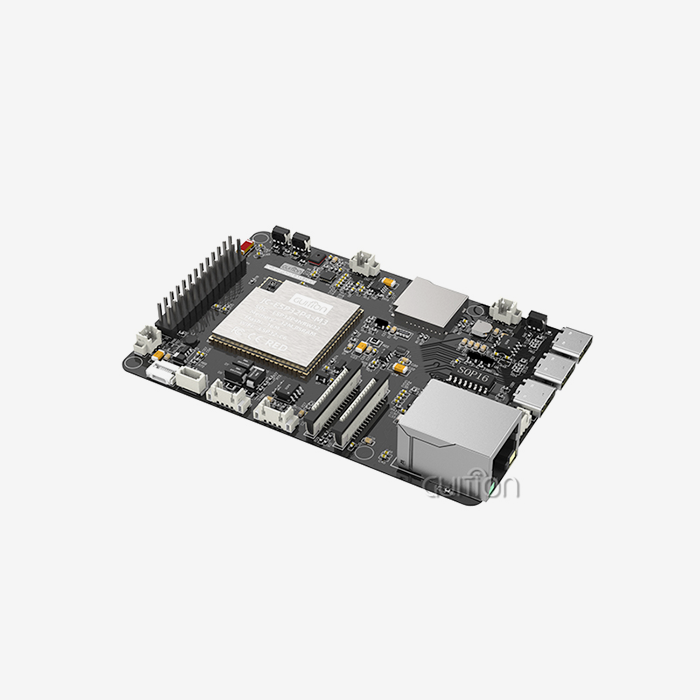
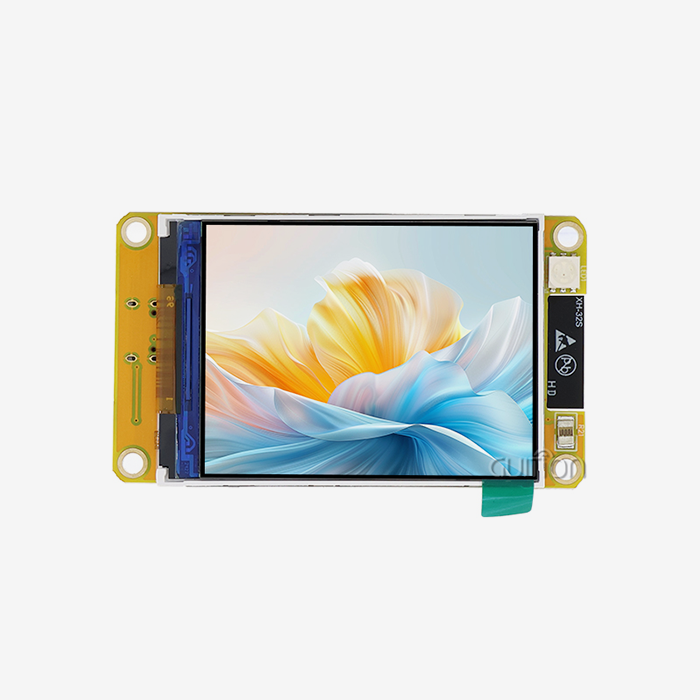
In the event that you are looking for a dependable source for the 1.9 inch ESP32S3 display module suitable for production scale, the ESP32-1732S019N-I offered by Guition is a solid alternative that must be evaluated. In addition to being powered by the ESP32-S3-WROOM-1 dual-core MCU operating at 240MHz, this module also has a 170×320 IPS LCD display, 16MB Flash, 8MB PSRAM, and integrated Wi-Fi and Bluetooth connectivity. Because it is compatible with Arduino IDE, ESP-IDF, MicroPython, and Mixly, it provides engineering teams with flexibility from the very beginning.

Understanding the Core Specifications of 1.9 Inch ESP32S3 Display Modules
Before you go buying a bunch of ESP32S3 display modules, your team wants to make sure that the specifications meet the demands of the product. If you forgot to alter a quantity anywhere, like flash size or interface type, it may drastically slow down the output process.
Display Resolution and Panel Technology
The Guition ESP32-1732S019N-I has an IPS LCD screen with 170x320 pixels, 16-bit color depth, and wide viewing angles. The color accuracy of IPS panels stays the same at all angles. This is important for industrial dashboards and medical monitoring devices that need to be readable from any angle.
Processing Power and Memory Configuration
With 512KB SRAM, 384KB ROM, 8MB PSRAM, and 16MB Flash, this 1.9 inch ESP32S3 display module is powered by a dual-core Xtensa LX7 processor that can run at up to 240MHz. That's right, these specs let you render LVGL-based GUIs smoothly without an external application processor, which cuts your bill of materials cost right away.
Development Environment Compatibility
You can use Arduino IDE, ESP-IDF, MicroPython, and Mixly with this package. Because of this wide flexibility, your embedded engineers can work in the setting they prefer without having to learn new skills. Full datasheets and test programs that are already loaded can also help new team members get up to speed more quickly during prototyping.
Comparison of Top 1.9 Inch ESP32S3 Display Modules to Inform Your Sourcing Decision
Picking the best esp32 display modules to purchase involves more than a glance at the specifications sheet. For the 1.9 inch ESP32S3 display module, your production costs and end user experience might be impacted by display technology, touch capabilities, and physical dimensions.
OLED vs. LCD for Mass Production
When the brightness is only partly on, OLED panels use less power and have deeper blacks, but they cost more per unit and are more likely to burn in when the user interface stays the same, which is a problem for industrial control panels that are on all the time. When you buy a lot of them, LCD IPS panels like the ones in the Guition ESP32-1732S019N-I tend to be cheaper and last longer in harsh settings.
Touch vs. Non-Touch Variants
Another part that requires driver integration is a 1.9 inch ESP32S3 display module with capacitive touch, which adds to the unit cost. For instance, while wearing gloves, it may be desirable to use a resistive or non-touch design such as is used with EV charging interfaces or warehouse terminals. The ESP32-1732S019N-I is a non-touch module, making the software simpler to comprehend and the installation easier.
1.9 Inch vs. 2.0 Inch Form Factor Considerations
Even in consumer products or mobile medical equipment, a 0.1 inch in display size may make a difference in how the enclosure is manufactured. The 1.9-inch form factor is more suited to thinner enclosure forms. The 2.0-inch form factor may demand somewhat larger PCB layouts. Be sure your mechanical drawings are right before deciding on the display size or you might be facing costly tooling adjustments.
Where and How to Buy 1.9 Inch ESP32S3 Display Modules for Mass Production
Procurement strategy matters as much as product selection. Where you buy a compact ESP32 display module affects pricing, lead times, and long-term supply stability.
Direct Manufacturer vs. Marketplace Sourcing
Buying directly from a manufacturer like Guition gives you better control over MOQ terms, pricing tiers, and product authenticity. Marketplaces such as Amazon or Alibaba are useful for sampling but introduce third-party risk at scale.
Here are the key advantages of sourcing directly from a verified 1.9 inch ESP32S3 display module supplier:
- Price control: Direct manufacturers offer tiered pricing based on volume, which can reduce per-unit cost by 15–30% compared to distributor markups at quantities above 500 units.
- MOQ flexibility: Established suppliers like Guition can negotiate minimum order quantities that match your production ramp schedule, reducing inventory risk during early production runs.
- Authenticity assurance: Direct procurement eliminates the counterfeit risk that affects a measurable portion of ESP32-based modules sold through unverified third-party channels.
These advantages directly reduce procurement risk and protect your product's quality consistency across every production batch.
Total Landed Cost Calculation
When budgeting for bulk orders, factor in shipping, import duties, and customs clearance fees in addition to unit price. For US-based buyers, tariff classification of ESP32 display modules under HTS codes affects total landed cost. Request a full commercial invoice and certificate of origin from your supplier to streamline customs processing.
Negotiation Strategies for Bulk Procurement
When negotiating with an ESP32 display module supplier, request sample units before committing to full production quantities. Clarify lead times, packaging specifications, and failure rate guarantees in writing. A supplier that provides clear technical documentation and responsive pre-sales support is more likely to deliver consistent quality at scale.
Development Support and Integration Resources to Accelerate Your Project
If your tech team can't put together the hardware well, even the best gear can be a problem. Quality of development help is a valid factor in the buying process.
GitHub Repositories and Framework Examples
There are already test programs on the Guition ESP32-1732S019N-I, and it works with Arduino IDE libraries and ESP-IDF samples. From the first day, engineers can access code that works, which cuts down on the time between getting hardware and making a prototype that works. LVGL integration examples that work with this module's SPI display interface can also be found on GitHub's community resources.
SPI Interface and Driver Compatibility
With ST7789-compatible driver orders, this 1.9 inch ESP32S3 display module has an SPI port. The most common problem engineers run into is a black screen after uploading software. To avoid this, engineers need to know the right startup process, which includes backlight control logic. The interface docs from Guition lists the exact pin mappings and initialization settings.
Troubleshooting Heat and Power Management
Continuous Wi-Fi transmission and an active display backlight can make the board warmer after a while of use. Early on in the validation phase, engineers should plan PCB thermal paths under the ESP32-S3 module pad and test the deep-sleep current draw. When managed correctly, this module can go into deep sleep using as little as 10–15µA, which is very important for IoT devices that run on batteries.
Making the Right Supplier Choice: A Decision Support Framework
Not just low prices aren't enough to make a good supplier decision. You also need structured evaluation criteria. Here is a system that your purchasing team can use to compare ESP32 display module manufacturers for large-scale production.
Evaluate Supplier Reliability and Lead Time Transparency
Ask potential suppliers for written lead time commitments and data on how often they have delivered on time in the past. Guition, which is run by Jingcai Intelligence, makes displays ranging from 1.28 inches to 21.5 inches and keeps making all of its goods at the same time. For products that are made over a period of more than one year, long-term supply stability is important.
Assess Technical Documentation and After-Sales Support
The quality of a supplier's documentation shows how knowledgeable they are in engineering. Guition has full secondary development interfaces, online debugging support for multiple platforms, and the ability to upgrade over-the-air (OTA). You can save money on maintenance costs after the sale with these features, and units in the field can get software changes without anyone having to touch them.
Match Supplier Capabilities to Your Production Scale
A seller that works with both prototype-stage companies and OEMs that make a lot of products is more likely to be able to grow with your company. The Guition UI tool, which is part of Guition's product development software, lets you design interfaces with drag-and-drop, support multiple languages, and set up Bluetooth and Wi-Fi connectivity without needing to know a lot about low-level programming. This makes it faster for new engineering staff to get up to speed.
Conclusion
Sourcing a 1.9 inch ESP32S3 display module for mass production requires evaluating specifications, procurement channels, development support, and supplier reliability as a combined set of criteria. The Guition ESP32-1732S019N-I addresses each of these dimensions: it runs on the ESP32-S3-WROOM-1 with 240MHz dual-core processing, delivers a clear 170×320 IPS display, and supports multiple development environments. For teams that need a compact, Wi-Fi-enabled hmi display module with long-term supply backing and responsive technical support, Guition is worth direct engagement.
FAQ
Can the ESP32-S3 module handle LVGL animations smoothly?
Yes. With 8MB of PSRAM and two cores running at 240MHz, the ESP32-S3 has enough power to run LVGL animations at 30–60 FPS, depending on how complicated the user interface is. This means it can be used for smart home displays and interactive panels in factories.
Is the Guition ESP32-1732S019N-I compatible with MicroPython?
Yes. With support for MicroPython, Arduino IDE, ESP-IDF, and Mixly, this 1.9 inch ESP32S3 display module gives teams with different engineering backgrounds or project needs more options.
What causes a black screen after uploading firmware?
The most typical reason is that the backlight pin logic is wrong or the ST7789 driver initialization signals are not matched. To avoid this problem, Guition's documentation explains the right way to initialize and handle BL pins.
Does the module support OTA firmware updates?
Yes. Users of Guition's development platform can push remote firmware changes over Wi-Fi. This makes it much cheaper to maintain devices that have already been launched.
What is the minimum order quantity for mass production?
There is a difference in the terms of the minimum order quantity (MOQ) contingent upon the size of the work.
Partner with Guition for Your ESP32 Display Module Needs
Guition provides a confirmed 1.9 inch ESP32S3 display module supplier connection based on open communication, quick technical assistance, and production-grade dependability. It is possible to get samples of the ESP32-1732S019N-I or buy them in large quantities. You can email our team at david@guition.com or go to https://jingcaizhineng.aixdb.cn/ to get information about your production program's specs, prices, and wait times.
References
1. Espressif Systems. ESP32-S3 Technical Reference Manual. 2023.
2. Embedded Computing Design. Selecting Display Modules for Industrial IoT Applications. 2022.
3. IEEE Spectrum. Low-Power Display Technologies for Edge Computing Devices. 2023.
4. EDN Network. HMI Design Considerations for Embedded Systems in Manufacturing. 2022.
5. Electronics Weekly. ESP32 in Mass Production: Procurement and Integration Challenges. 2023.
6. Mouser Electronics. Component Sourcing Strategies for High-Volume IoT Hardware Programs. 2023.
Learn about our latest products and discounts through SMS or email